Your stomach felt it before your mind could articulate what was wrong. That sinking feeling before a difficult conversation, the butterflies before a first date, the nausea that accompanies dread. We’ve always known the gut responds to emotional states, but science is now revealing that the conversation runs both ways, and your gut might be doing far more of the talking than anyone previously understood.
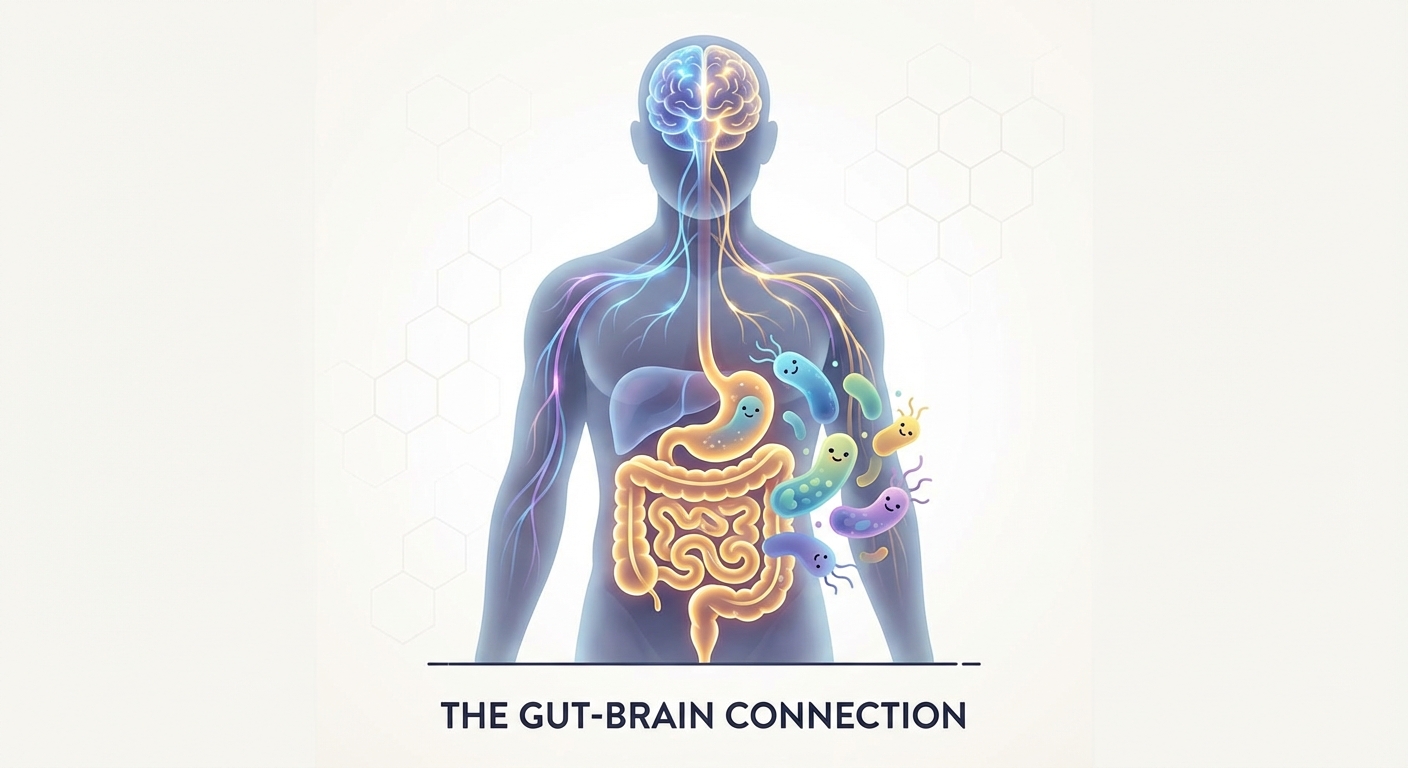
The gut-brain axis, the bidirectional communication system between your gastrointestinal tract and your central nervous system, has emerged as one of the most exciting frontiers in mental health research. The findings are challenging fundamental assumptions about mood disorders, anxiety, depression, and cognitive function. Your gut microbiome, the trillions of bacteria inhabiting your intestines, doesn’t merely digest food. It produces neurotransmitters, regulates inflammation, influences your immune system, and sends signals directly to your brain that affect how you think, feel, and behave.
Depression and anxiety might not be purely brain disorders. They might be, at least partially, gut disorders. And that possibility opens entirely new avenues for treatment that don’t rely exclusively on pharmaceutical intervention in brain chemistry.
Your Second Brain: The Enteric Nervous System
We tend to imagine the brain as the solitary commander of the body, issuing orders from its protected position in the skull. Anatomy tells a different story. The gut is the only organ system with its own independent nervous system, capable of functioning even if the connection to the brain is severed entirely. This enteric nervous system, the extensive network of neurons lining your gastrointestinal tract from esophagus to rectum, contains approximately 500 million neurons, more than your spinal cord possesses.
This isn’t merely a digestion control mechanism. It’s a sophisticated neural network capable of operating independently and communicating bidirectionally with your brain. The enteric nervous system controls digestion, gut motility, nutrient absorption, and local immune responses without requiring constant input from your central nervous system. You don’t consciously think about moving food through your intestines or secreting digestive enzymes because your “second brain” handles all of this automatically.
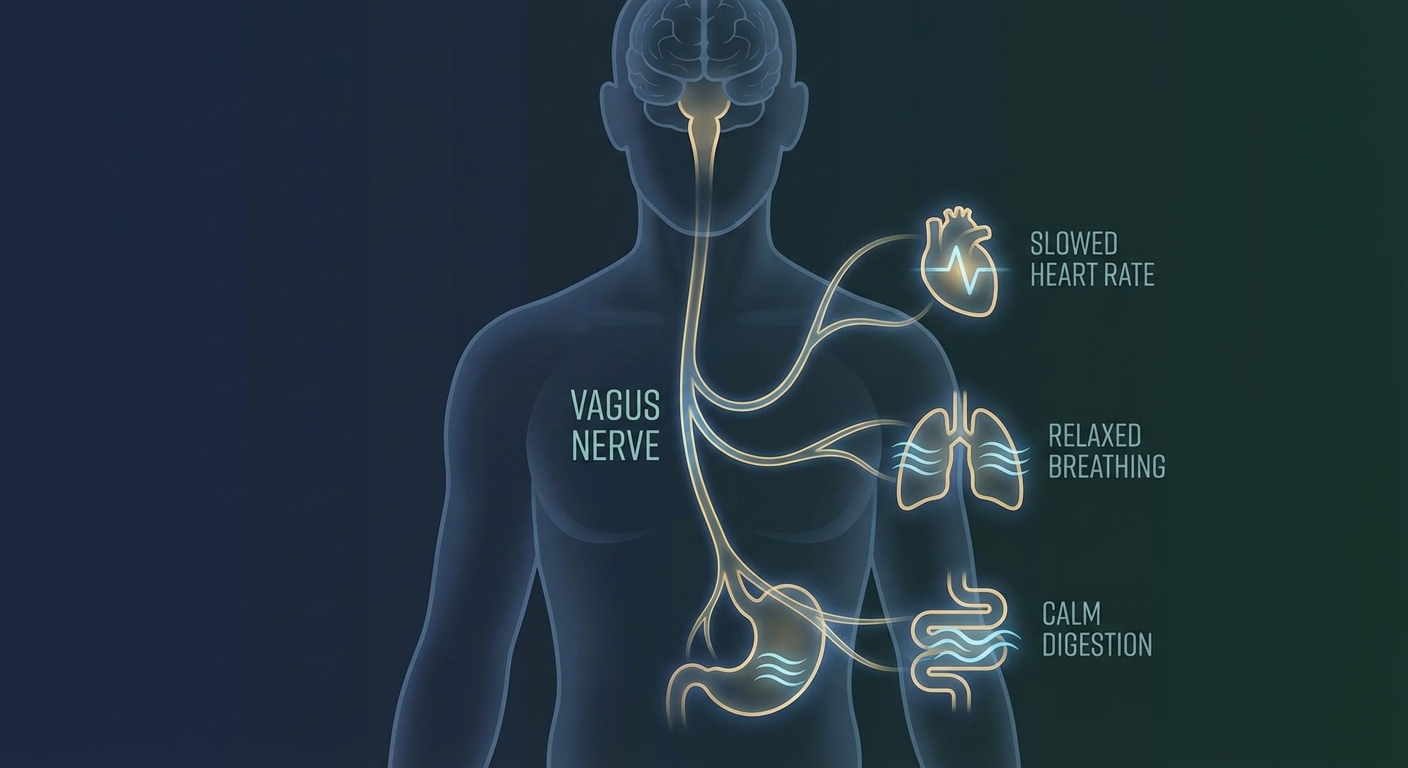
The vagus nerve serves as the primary communication highway connecting your two brains, carrying signals in both directions. Approximately 90% of vagal traffic travels from gut to brain rather than the reverse, meaning your gut is constantly sending information upstream about what’s happening in your digestive system, what bacteria are active, what metabolites they’re producing, and how the intestinal environment is responding. Your brain processes this information and adjusts mood, cognition, and behavior accordingly, often without your conscious awareness.
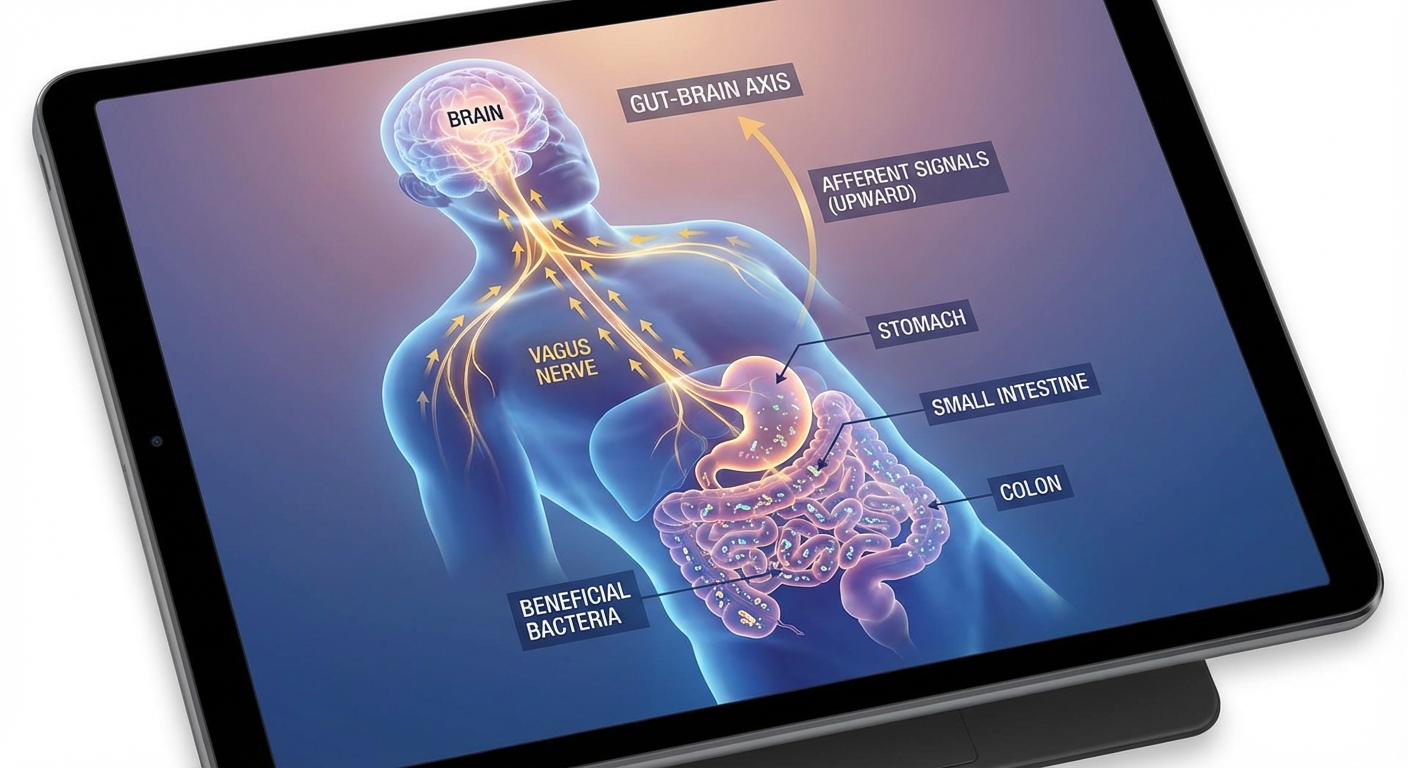
Perhaps most remarkably, your gut produces many of the same neurotransmitters that your brain uses to regulate mood, cognition, and behavior. Serotonin, the neurotransmitter most associated with mood and targeted by antidepressant medications, is primarily a gut molecule. Approximately 90% of your body’s serotonin is produced in the intestines, not the brain. While gut-produced serotonin doesn’t cross the blood-brain barrier directly, it influences brain function through multiple indirect pathways: affecting vagus nerve signaling, modulating immune function, and influencing production of other signaling molecules that do reach the brain.
GABA, the primary calming neurotransmitter that reduces neural excitability and promotes relaxation, is also manufactured by specific gut bacteria, particularly certain Lactobacillus and Bifidobacterium species. Dopamine, critical for motivation, reward, and motor control, sees about 50% of its total body production occurring in the gut. Your intestinal tract is essentially a neurotransmitter factory, and the composition of your microbiome determines how efficiently and effectively that factory operates.
The Microbiome-Mood Connection
Animal research pioneered by Dr. John Cryan at University College Cork has demonstrated the gut-brain connection with remarkable clarity. Germ-free mice, born and raised without any gut bacteria, display anxiety-like behaviors and exaggerated stress responses that normalize when they’re colonized with healthy gut bacteria. Even more striking, mice given gut bacteria transplanted from depressed humans begin showing depression-like behaviors, reduced activity, decreased pleasure-seeking, altered stress responses. The bacteria carry mood information that transfers with them.
Human evidence is accumulating rapidly. Studies consistently find that depressed individuals have different gut microbiome composition than healthy controls, with lower diversity, altered ratios of specific bacterial families, and signs of dysbiosis or imbalanced microbiome ecology. People with generalized anxiety disorder show distinct bacterial populations compared to controls. These correlations appear across different populations, research groups, and methodologies.
Intervention studies provide more direct evidence of causation. Probiotic supplementation in clinical trials has shown modest but statistically significant improvements in depression and anxiety symptoms across multiple studies. The effects aren’t dramatic enough to replace medication for severe cases, but they’re real and reproducible. Fecal microbiome transplants from healthy donors to people with depression or anxiety have shown preliminary positive results in small trials, suggesting that directly changing gut bacteria can affect mental health. Understanding how gut health connects to overall wellness provides context for why these interventions matter.

The mechanisms linking gut bacteria to brain function operate through several well-established pathways. The vagus nerve carries constant information about the gut’s microbial state, and when bacteria produce specific metabolites, they trigger vagal signaling that reaches brain regions involved in mood regulation and stress response. Animal research has definitively proven this pathway’s importance by showing that cutting the vagus nerve blocks many mental health effects that normally occur when gut bacteria composition changes.
Gut bacteria also produce short-chain fatty acids like butyrate, acetate, and propionate through fermentation of dietary fiber. These SCFAs can cross the blood-brain barrier and have direct effects on brain cells, enhancing neuroplasticity, the brain’s ability to form new connections, and reducing neuroinflammation implicated in depression and anxiety. Additionally, the gut contains approximately 70% of your immune system’s cells, and the microbiome regulates this immune tissue. Dysbiosis can trigger chronic low-grade inflammation that extends systemically and specifically affects the brain. Neuroinflammation is increasingly implicated in depression, anxiety, and neurodegenerative diseases.
Psychobiotics: Targeted Bacteria for Mental Health
The term “psychobiotic” refers to specific probiotic strains with demonstrable effects on mental health, mood, anxiety, or cognitive function. Not all probiotics qualify as psychobiotics. The mental health effects are strain-specific, meaning particular species and even particular strains within a species show benefits while closely related bacteria don’t. Research is still identifying which strains matter most and why.
Several psychobiotic strains have accumulated substantial research support. Lactobacillus rhamnosus reduces anxiety-like behavior in animal models through effects on GABA receptors and has demonstrated reduced stress-induced cortisol elevation in human trials. Bifidobacterium longum has been studied extensively, with multiple trials showing reduced anxiety and improved quality of life in patients with irritable bowel syndrome and in healthy volunteers experiencing everyday stress. The dual benefit for both gut symptoms and mood in IBS patients makes particular sense given the gut-brain connection’s bidirectional nature.
A combination of Lactobacillus helveticus and Bifidobacterium longum showed reduced depression and anxiety scores in clinical trials that were comparable in magnitude to some anti-anxiety medications, at least for people with mild to moderate symptoms. This doesn’t mean probiotics match pharmaceuticals for severe cases, but it suggests meaningful relief for milder presentations. Lactobacillus plantarum has demonstrated benefits for stress reduction and improved cognitive function, particularly memory and executive function measures.
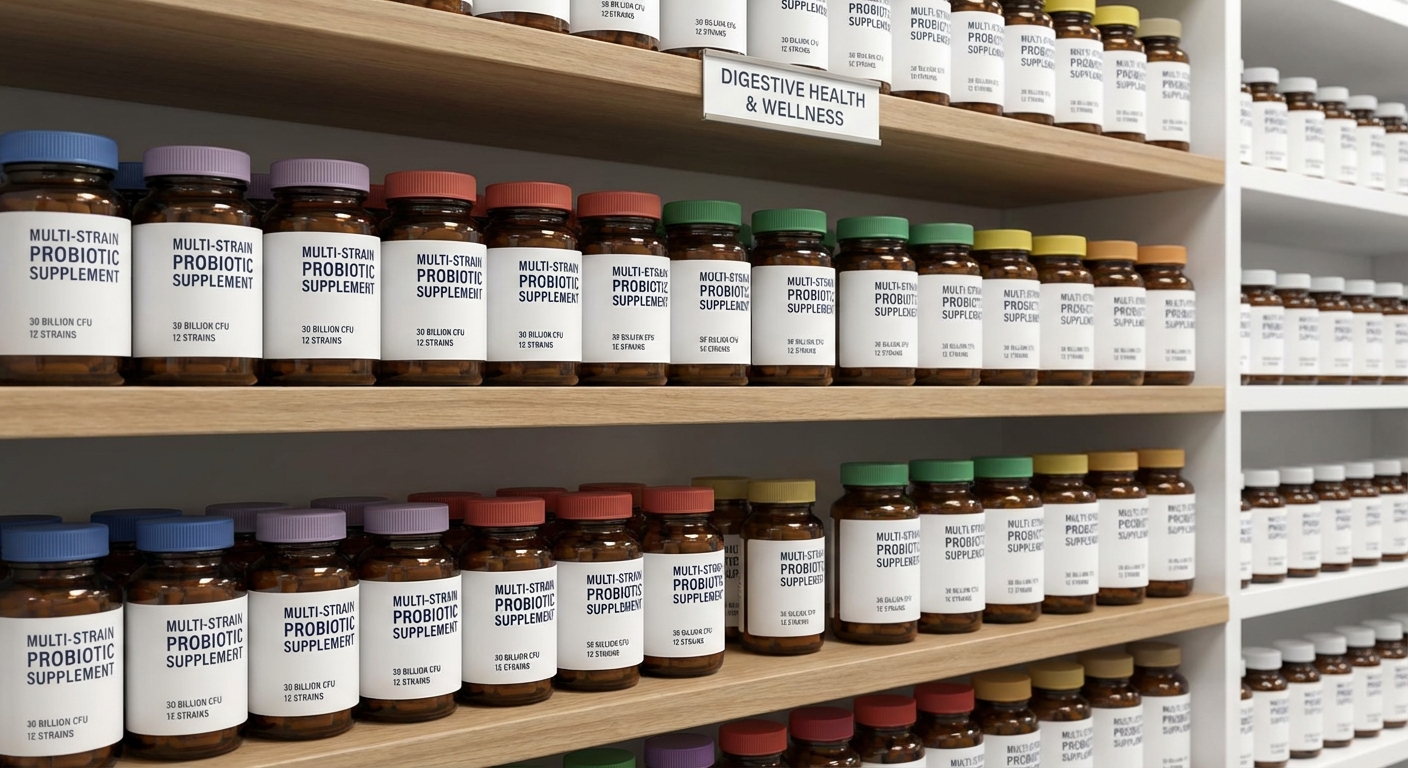
The effects across these studies are modest but consistent, typically showing 15-30% improvement in symptom scores compared to placebo. This level of improvement isn’t sufficient to replace therapy or medication for people with moderate to severe depression or anxiety disorders. But for mild symptoms, or as an adjunct to other treatments, psychobiotics show genuine promise. The safety profile is excellent with minimal side effects, making them low-risk interventions worth considering. Typical dosing in research studies ranges from 10-100 billion CFUs daily of specific strains, continued for at least 4-8 weeks before evaluating effects. Mental health benefits don’t appear immediately because the microbiome takes time to shift and downstream effects on mood emerge gradually.
Diet Strategies for Gut-Brain Health
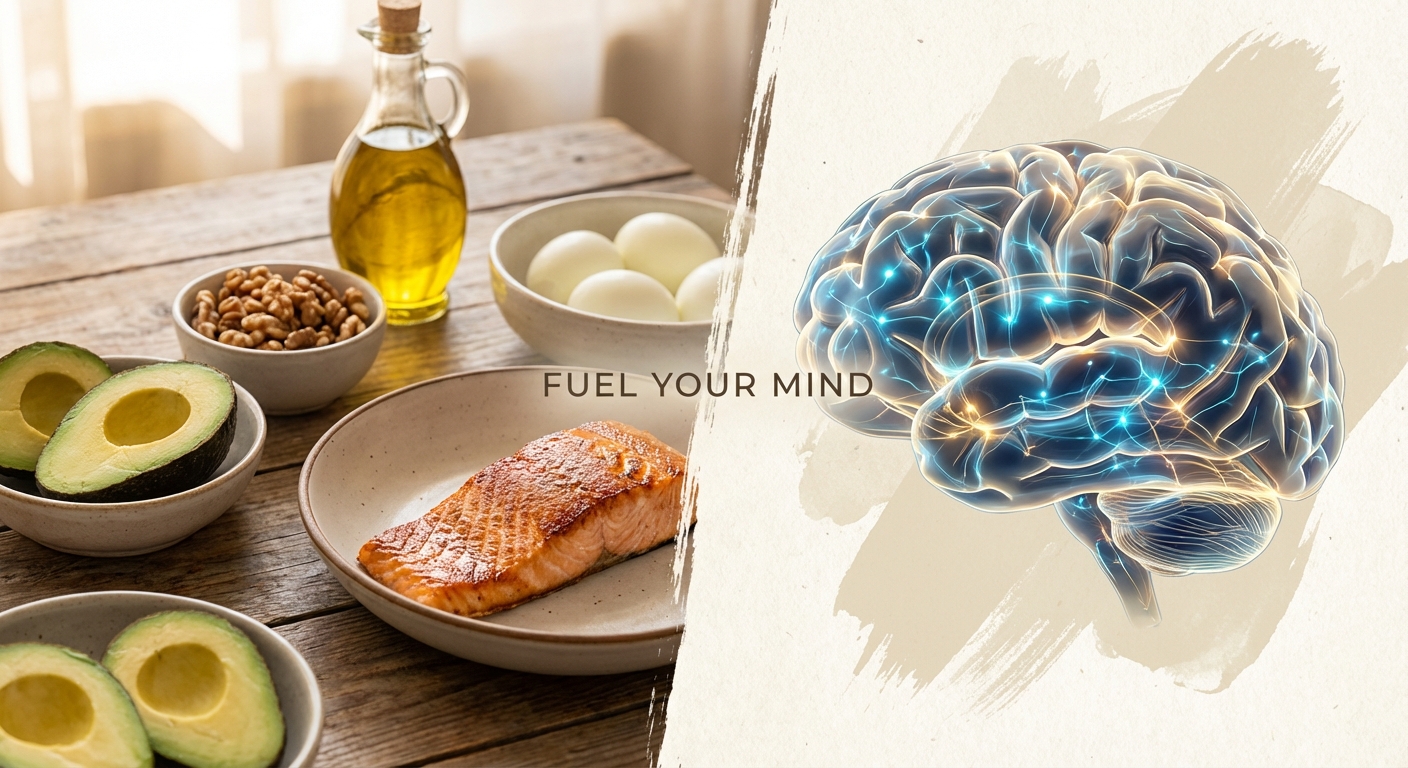
You don’t need expensive supplements to support your microbiome and, by extension, your mental health. Diet is the primary driver of gut bacterial composition, and strategic food choices can cultivate a microbiome that supports rather than undermines mood and cognition.
Prebiotics, fibers that you can’t digest but your beneficial gut bacteria ferment, provide the substrate for beneficial bacterial growth. When these bacteria metabolize prebiotic fiber, they produce short-chain fatty acids and other compounds that reduce inflammation, support brain function, and regulate mood. The richest prebiotic sources include garlic, onions, and leeks containing inulin and fructooligosaccharides. Asparagus and artichokes provide similar fibers. Slightly green bananas offer resistant starch that increases butyrate production. Oats, barley, and flaxseeds contribute beta-glucans and other fermentable fibers. Aim for 25-35 grams of total fiber daily from diverse sources to feed varied bacterial populations.
Fermented foods deliver live microorganisms directly to your gut, where they can colonize at least temporarily and provide functional benefits. Yogurt with “live active cultures” offers Lactobacillus and Bifidobacterium species in accessible form. Kefir provides even higher bacterial diversity, potentially 30-50 different species versus yogurt’s handful. Unpasteurized sauerkraut and kimchi deliver Lactobacillus from vegetable fermentation. Kombucha contributes diverse bacteria and beneficial acids. Including fermented foods daily, even small amounts like a forkful of sauerkraut or half a cup of kefir, contributes meaningfully to bacterial diversity.
Polyphenols, plant compounds found in colorful fruits, vegetables, tea, and chocolate, feed specific beneficial bacteria and increase overall ecosystem diversity. Berries provide anthocyanins that preferentially feed beneficial species. Dark chocolate with 70%+ cacao offers flavanols. Green tea delivers catechins. Research consistently shows that people consuming more diverse plant foods have more diverse microbiomes, which correlates with better mental and physical health. Aim for 30+ different plant foods weekly to maximize microbial diversity. This dietary approach connects to broader nutrition strategies for mental wellness.
Avoiding microbiome disruptors matters as much as adding beneficial foods. Highly processed foods containing emulsifiers and artificial sweeteners can damage protective gut mucus and alter bacterial composition in ways that increase inflammation. Excessive sugar feeds pathogenic bacteria and yeast. Antibiotic use, while necessary when genuinely needed, decimates gut bacteria indiscriminately and requires deliberate rebuilding afterward. Chronic psychological stress alters gut bacteria directly through stress hormones and altered motility, making stress management literally gut management.
The Paradigm Shift in Mental Health Treatment
What makes gut-brain axis research revolutionary is the different model it offers for understanding mental health. Traditional psychiatry focuses on brain chemistry and neurotransmitter imbalances, adding pharmaceutical interventions to adjust serotonin, dopamine, or GABA in brain tissue. The gut-brain model suggests that some mood disorders might originate outside the brain entirely. Fix the microbiome, reduce systemic inflammation, improve neurotransmitter precursor production, and mental health improves as downstream effect.
This doesn’t replace psychiatric treatment. It complements it. And for some people, especially those with treatment-resistant depression or anxiety, addressing gut health might be the missing piece that makes other interventions more effective. Forward-thinking psychiatrists are beginning to ask about diet and gut health alongside traditional assessments. Some prescribe probiotics alongside SSRIs. Some refer patients to nutritionists specializing in gut-brain connections.
If you’re struggling with mood issues, the practical implications are clear. Support your microbiome through diet by increasing fiber, eating fermented foods, and reducing processed foods and sugar. This is low-risk intervention with health benefits even if mood doesn’t improve. Consider probiotic supplementation with psychobiotic strains, giving it 8-12 weeks to evaluate effects. If you have digestive symptoms like IBS or chronic bloating, treating those might improve mental health too. Don’t abandon proven treatments, if therapy and medication work for you, keep them while adding gut interventions as complements rather than replacements. Manage stress directly because your stress level affects your gut, which affects your brain, in a loop that runs both directions.
The Bottom Line
The gut-brain axis represents a genuine paradigm shift in understanding mental health. Your gut microbiome produces neurotransmitters, regulates inflammation, influences immune function, and sends constant signals to your brain through the vagus nerve. Depression and anxiety may be, at least partially, gut disorders that respond to gut interventions alongside traditional psychiatric treatment.
Key findings from gut-brain research:
- 90% of serotonin is produced in the gut, not the brain
- The vagus nerve carries 90% of its signals from gut to brain
- Depressed individuals consistently show altered microbiome composition
- Psychobiotic supplementation shows 15-30% improvement in mild-to-moderate anxiety and depression scores
- Diet is the primary driver of microbiome composition and can be modified strategically
Practical implementation:
- Increase dietary fiber to 25-35g daily from diverse prebiotic sources
- Include fermented foods daily: yogurt, kefir, sauerkraut, kimchi, or kombucha
- Consume 30+ different plant foods weekly to maximize bacterial diversity
- Consider psychobiotic supplementation with multi-strain Lactobacillus and Bifidobacterium products at 10-20 billion CFU
- Allow 8-12 weeks for gut interventions to show mental health effects
Mental health is complex and multifactorial, not reducible to gut bacteria alone. But for many people, gut health is an underappreciated factor deserving attention alongside established treatments. The research is still evolving, but the evidence is strong enough to act on today rather than waiting for future developments.
Sources: Journal of Psychiatric Research, Gut Microbiota for Health studies, Harvard Medical School gut-brain research, Dr. Emeran Mayer’s UCLA research on enteric nervous system, clinical trials on psychobiotics, microbiome-mental health meta-analyses.