Walking After Meals: The Simple Habit That Transforms Blood Sugar
A 10-minute walk after eating reduces glucose spikes by up to 17%. Here's exactly when, how long, and how fast to walk for optimal blood sugar control.

Practical fitness guidance for building and maintaining a strong, functional body. Covering strength training, emerging fitness trends, exercise techniques, and movement strategies that actually work for real life.
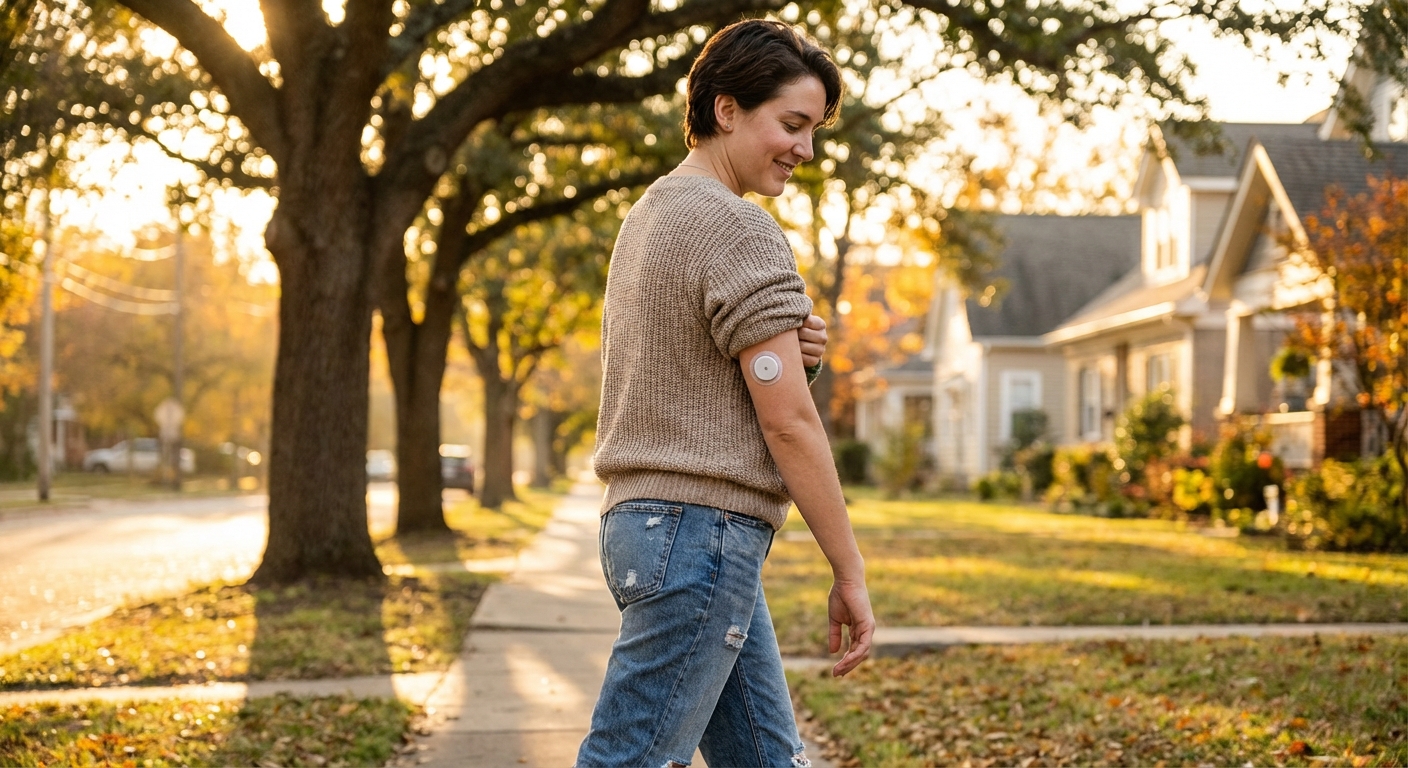
A 10-minute walk after eating reduces glucose spikes by up to 17%. Here's exactly when, how long, and how fast to walk for optimal blood sugar control.
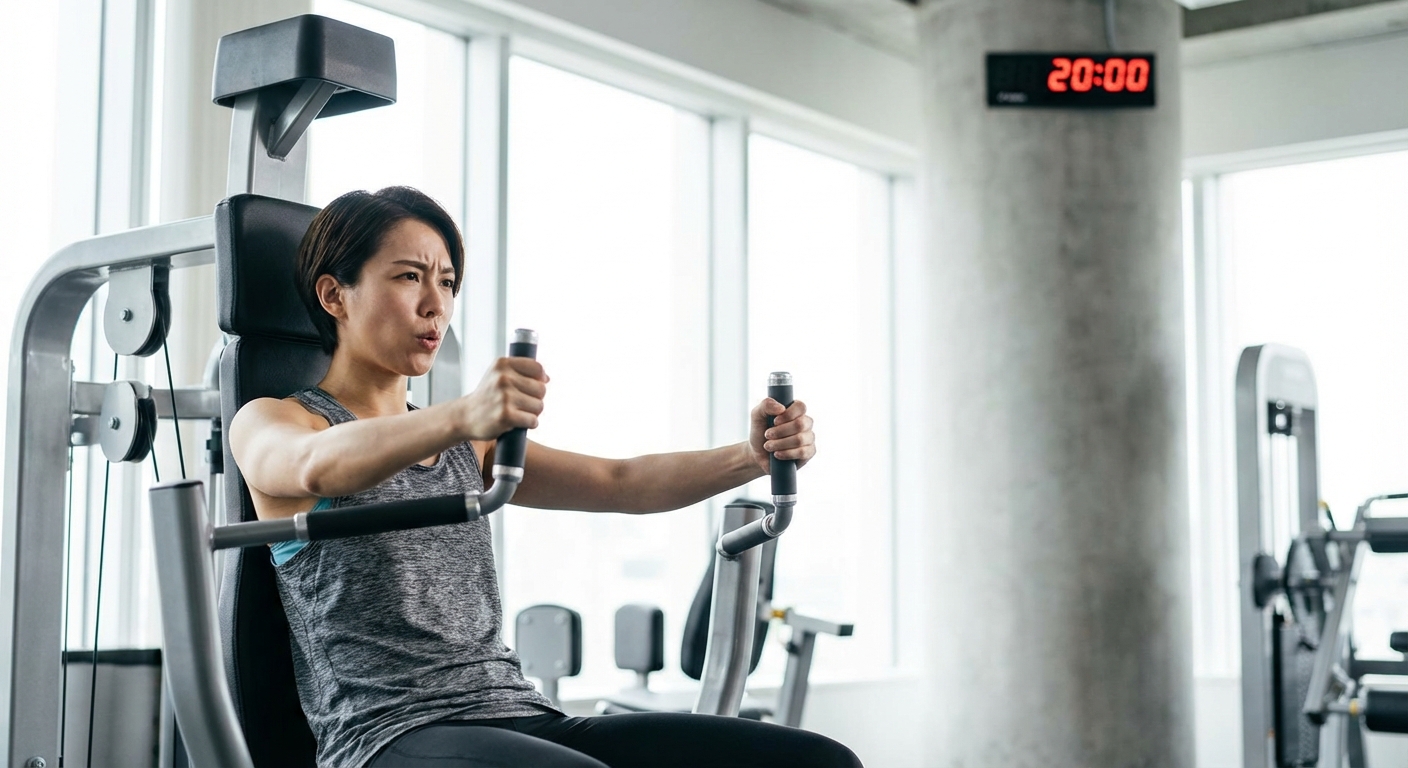
The largest exercise study in sports science history followed 15,000 people and found that one 20-minute session per week produced 30-50% strength gains.

Zone 2 cardio has been called the longevity exercise. But a 2025 narrative review challenges whether it's actually optimal. Here's what the latest evidence says.
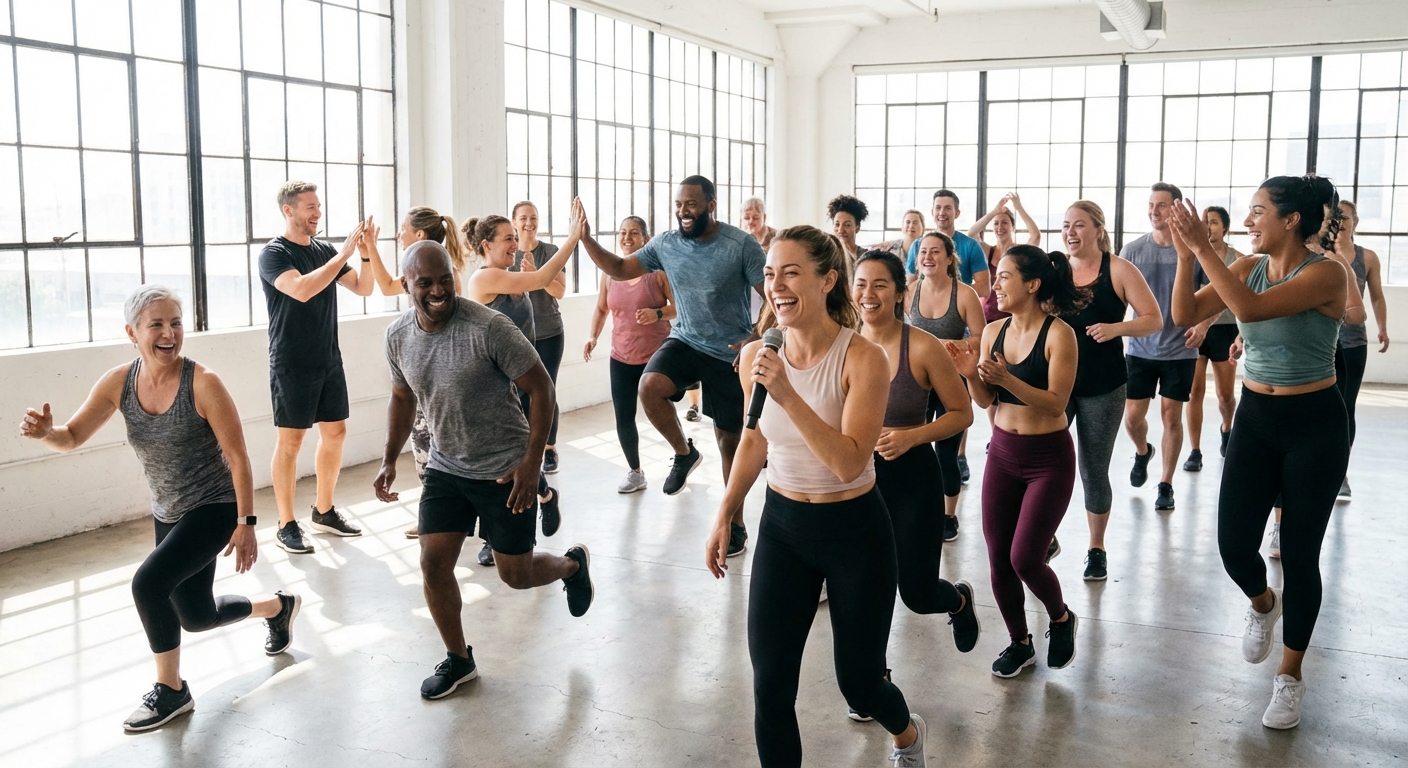
Exercise with others provides benefits beyond solo workouts. Here's what the research shows about social fitness and why community-based exercise is trending.
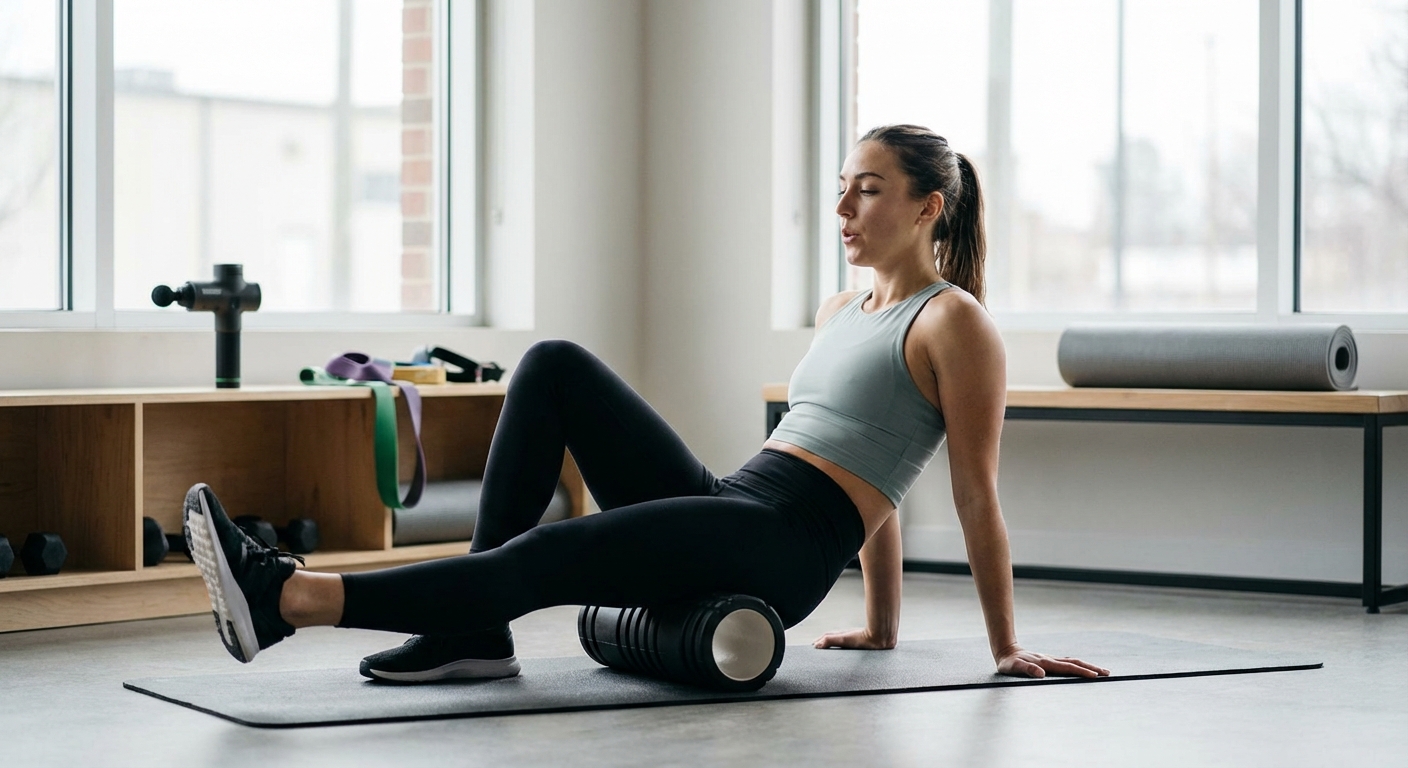
Recovery has evolved from passive rest to an active science. Here's how strategic recovery protocols can accelerate your gains and prevent burnout.

Morning larks and night owls respond differently to exercise timing. Here's how to align your workouts with your chronotype for better results.

A new Virginia Tech study using gold-standard methodology found no evidence that the body reduces energy expenditure elsewhere when you exercise more, debunking a discouraging fitness theory.

Newcastle University research reveals brief high-intensity workouts trigger exerkines that alter 1,300+ genes in cancer cells, activating DNA repair and suppressing tumor growth.

New research confirms exercise improves memory and cognitive function in just 12 weeks. Here's what happens in your brain and how to get started.
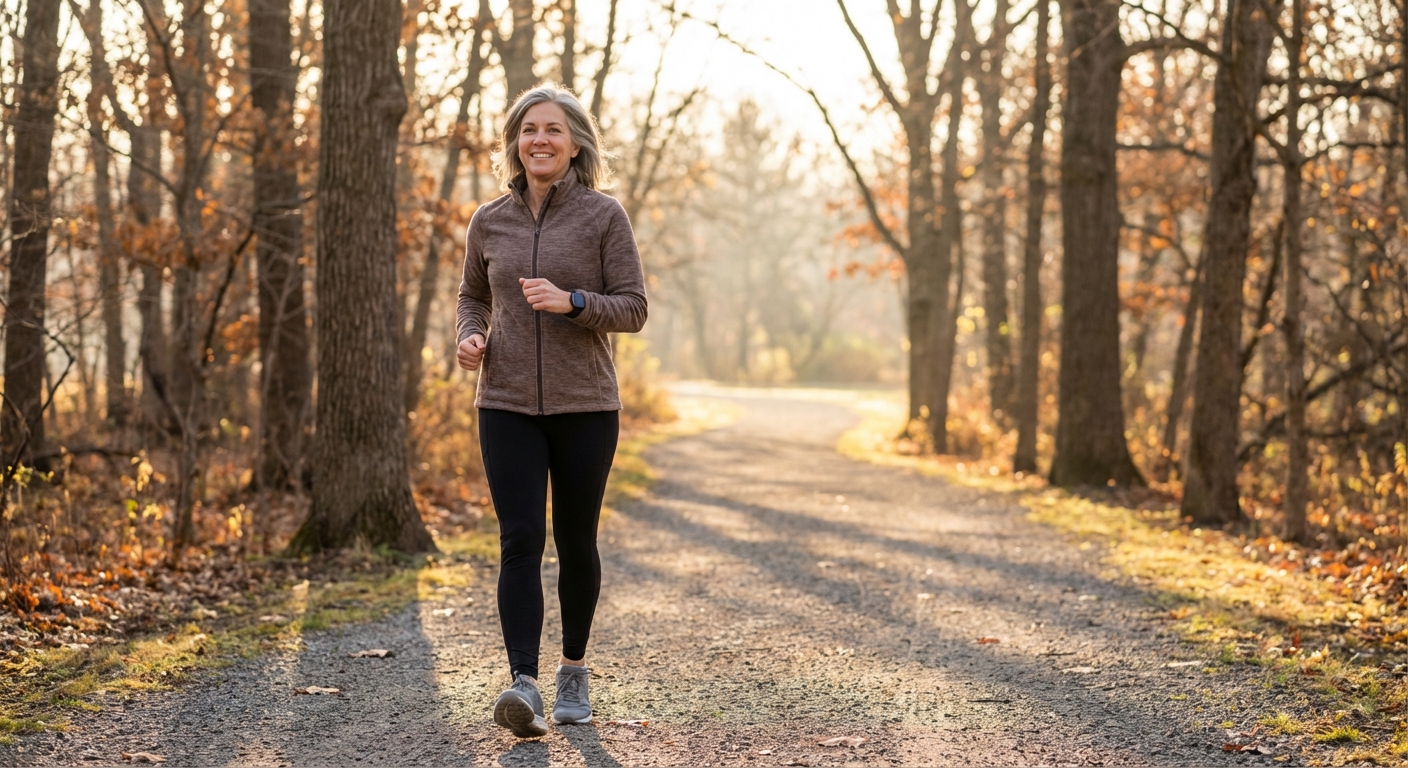
Japanese researchers discovered that alternating fast and slow walking for 3-minute intervals delivers superior fitness gains compared to walking at a constant pace.
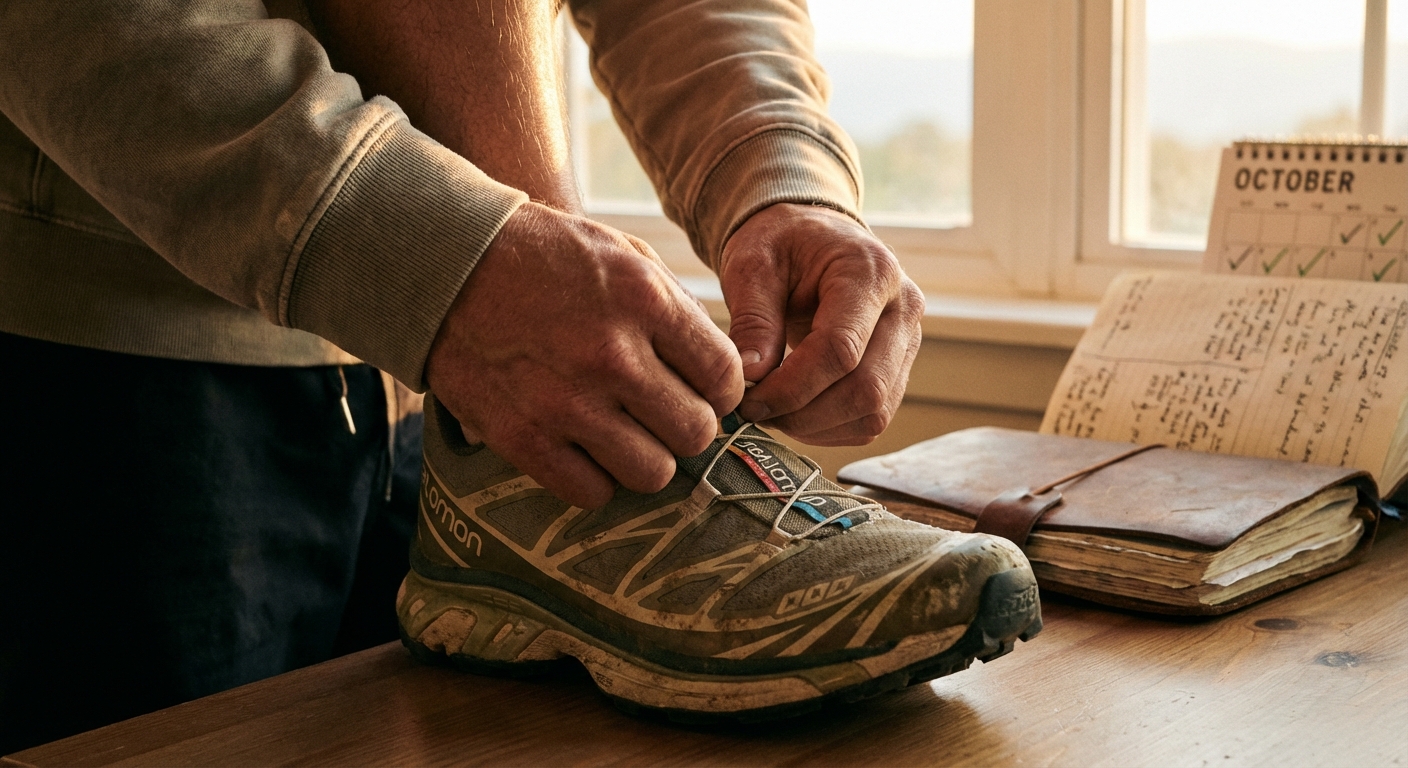
Research shows most fitness resolutions fail by mid-January. Here's what neuroscience reveals about building exercise habits that actually stick, from dopamine loops to the 30-day threshold.
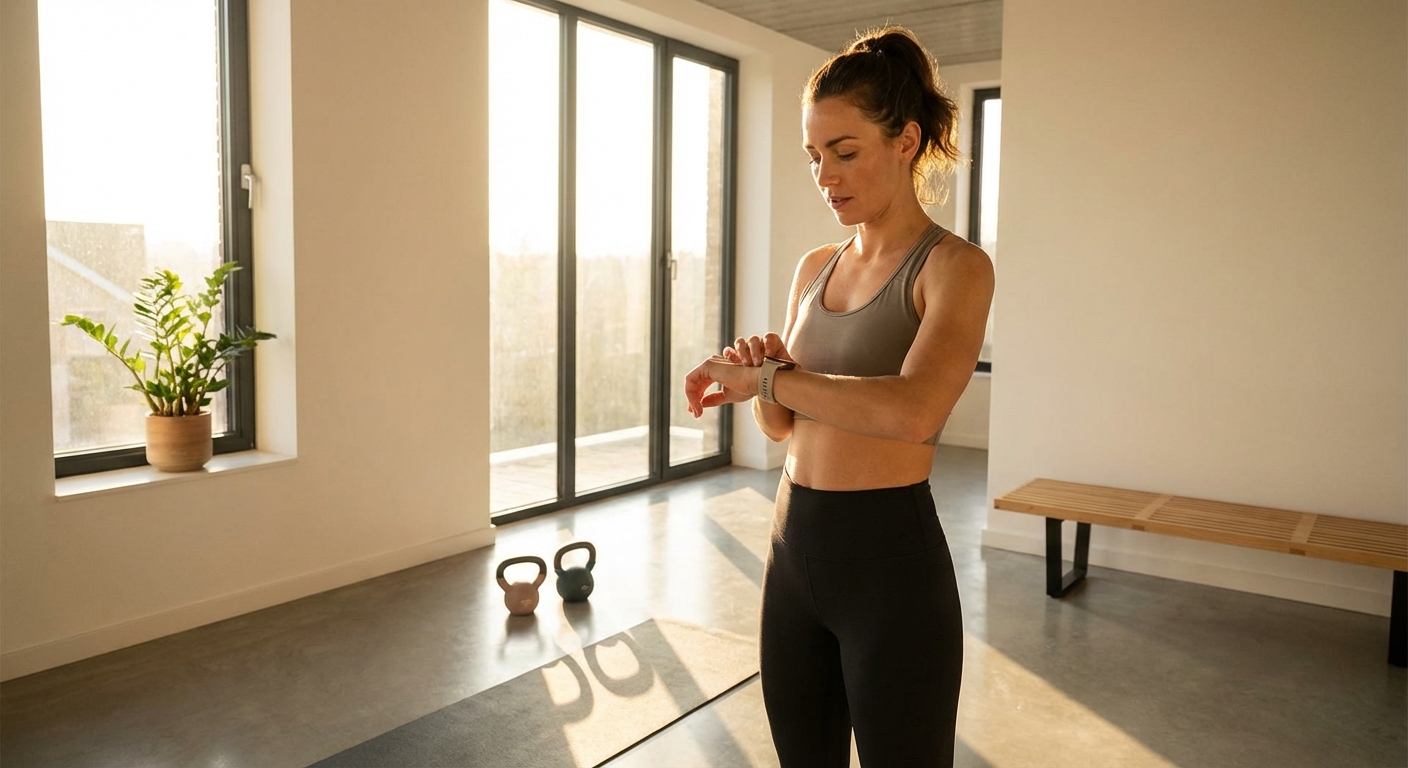
Aligning exercise with your circadian rhythm can boost performance by 20% and improve recovery. Here's how to find your optimal training windows.