Weekend Sleep Catch-Up Cuts Teen Depression Risk by 41%
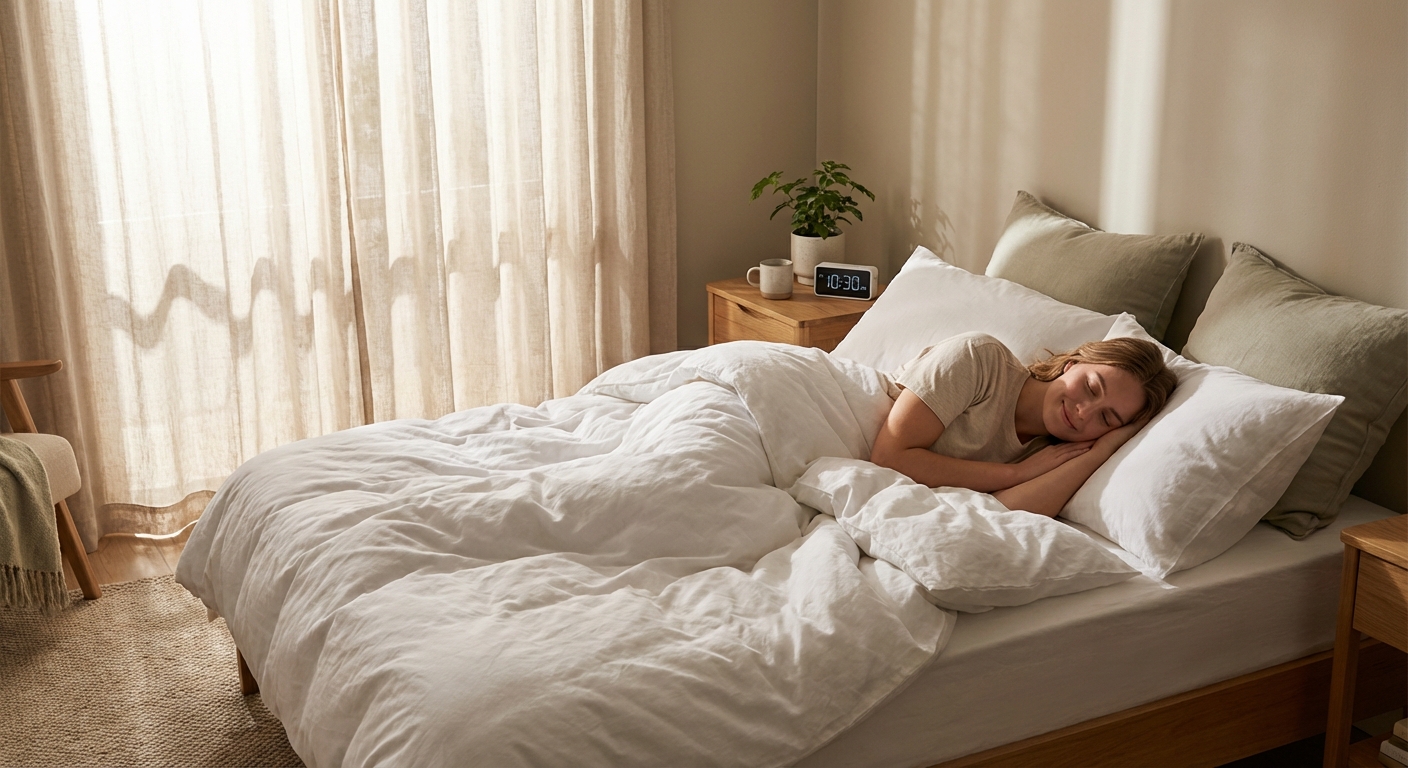
New research challenges the 'consistent sleep schedule' advice, finding that letting teenagers sleep in on weekends may protect their mental health.
Understanding the connection between mind and body. Explore research-backed approaches to stress management, anxiety, sleep optimization, and mental wellbeing, from the gut-brain axis to cognitive nutrition.
New research challenges the 'consistent sleep schedule' advice, finding that letting teenagers sleep in on weekends may protect their mental health.
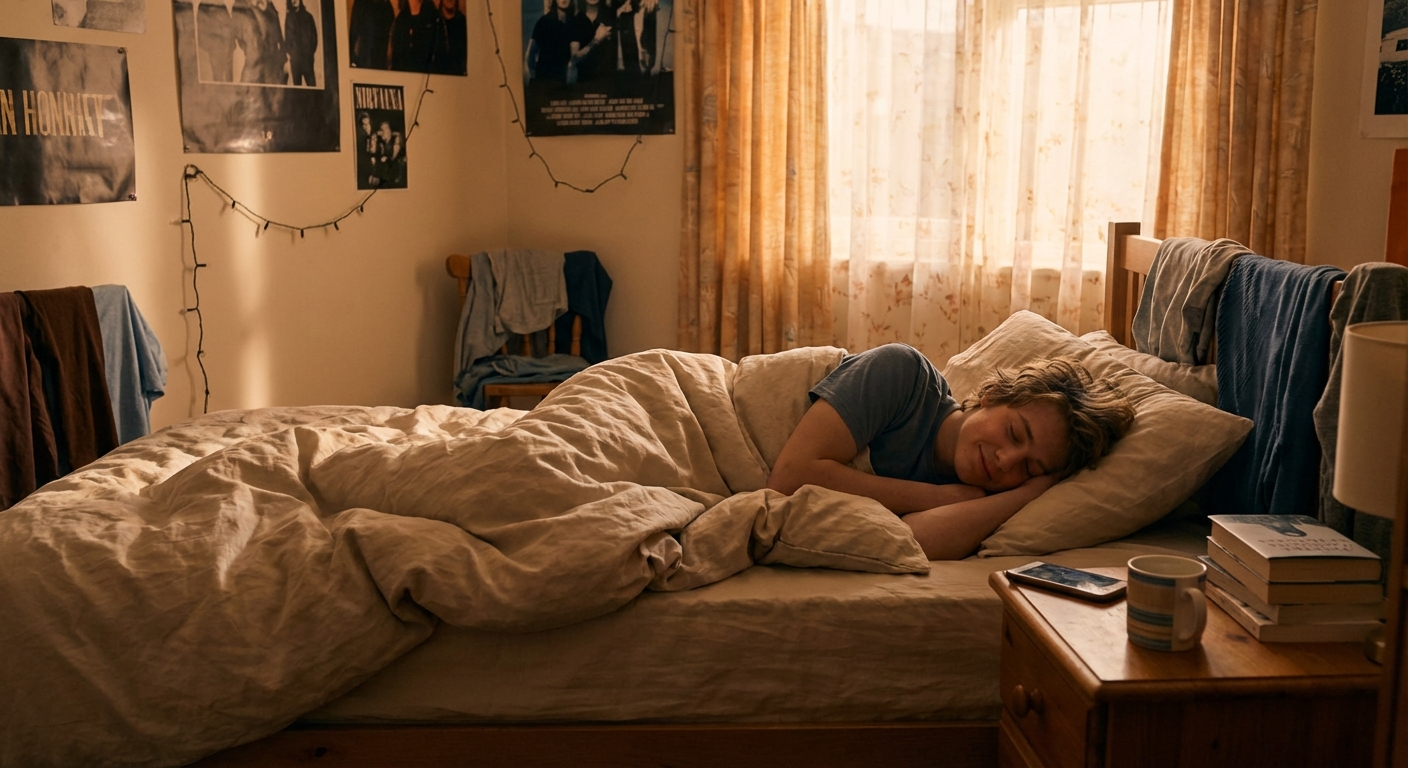
A new study finds that teens and young adults who sleep in on weekends have significantly lower depression risk, challenging assumptions about consistent sleep schedules.
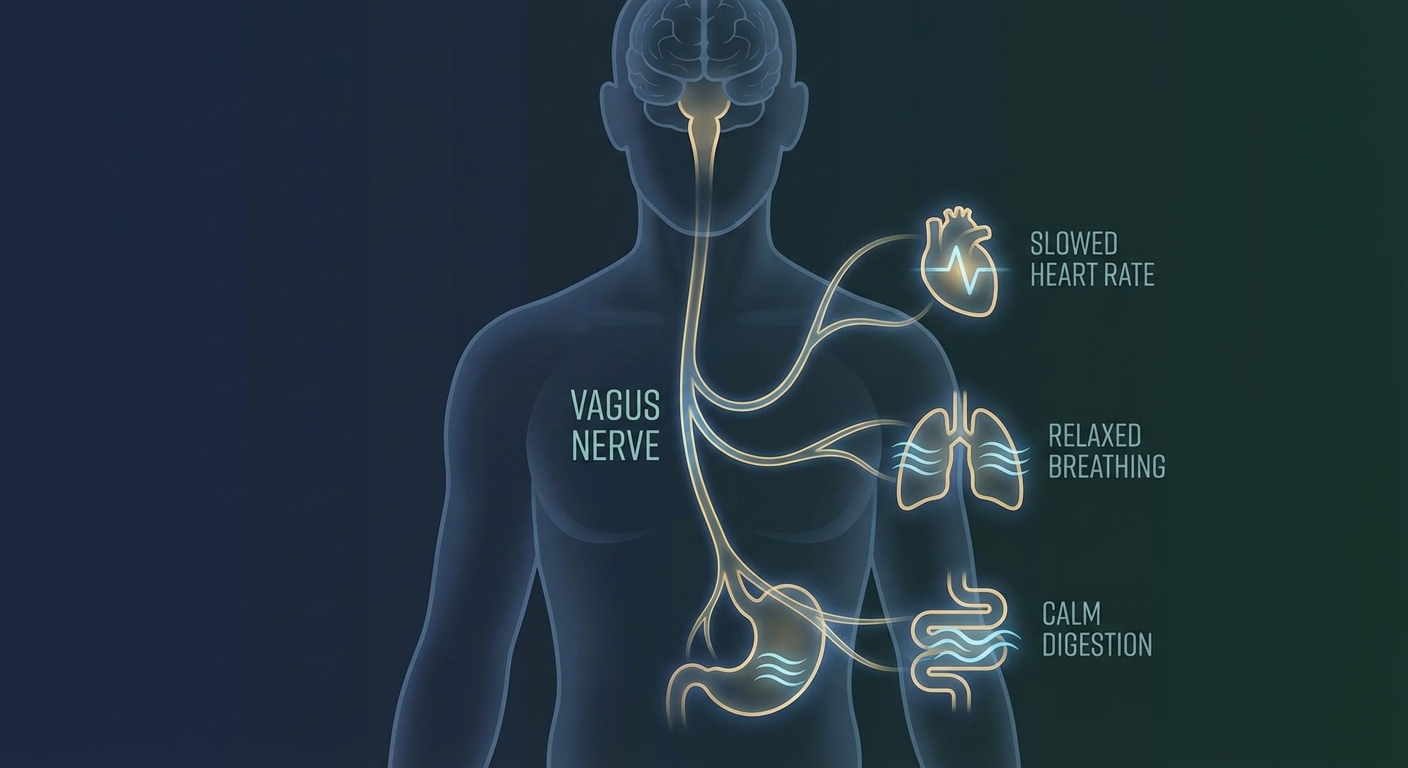
The vagus nerve is having a moment. Here's what the science says about nervous system regulation and why somatic practices actually work.
Your tolerance for carbon dioxide predicts your anxiety levels. Research shows that training this tolerance through breathing practice can rewire your stress response.
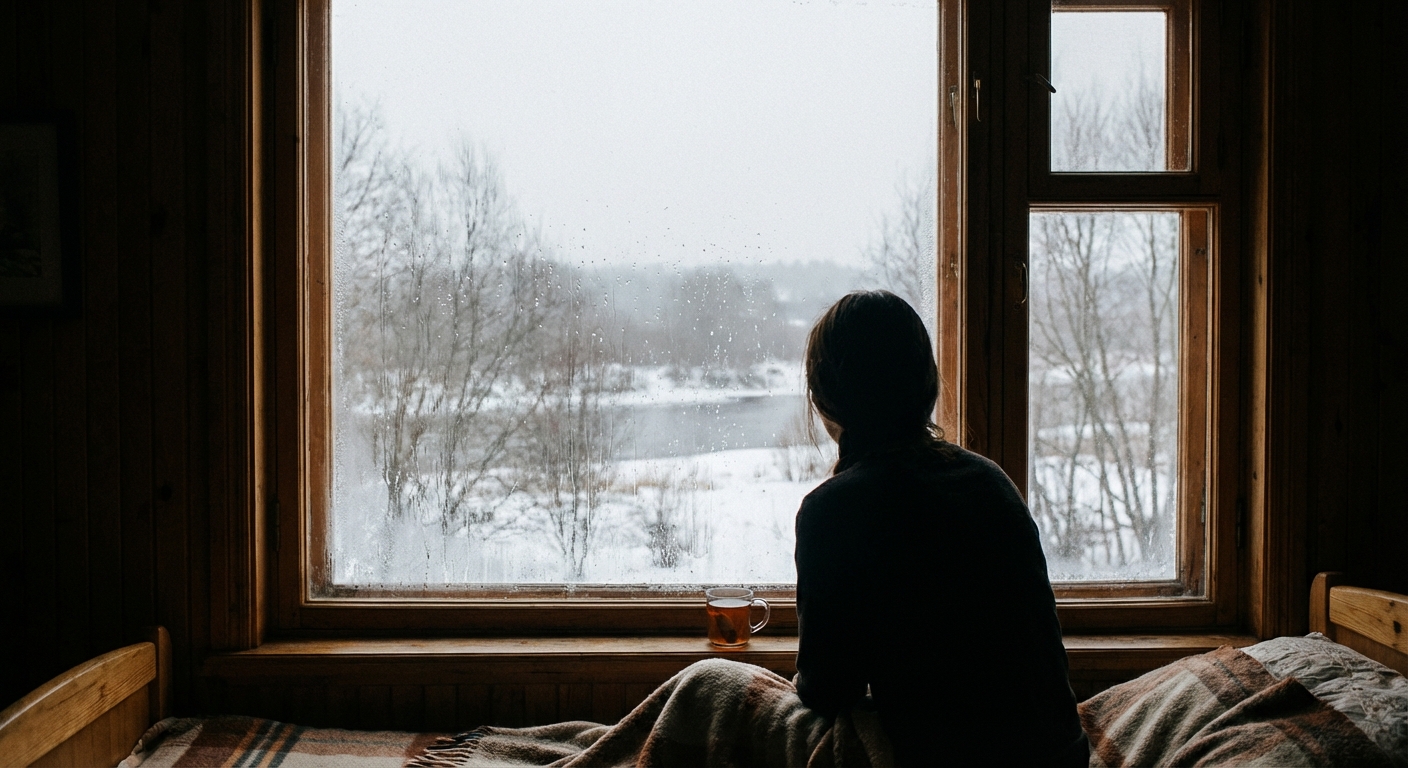
Mental health professionals report unprecedented SAD severity this year. The explanation lies in how multiple stressors amplify seasonal depression beyond what darkness alone would cause.
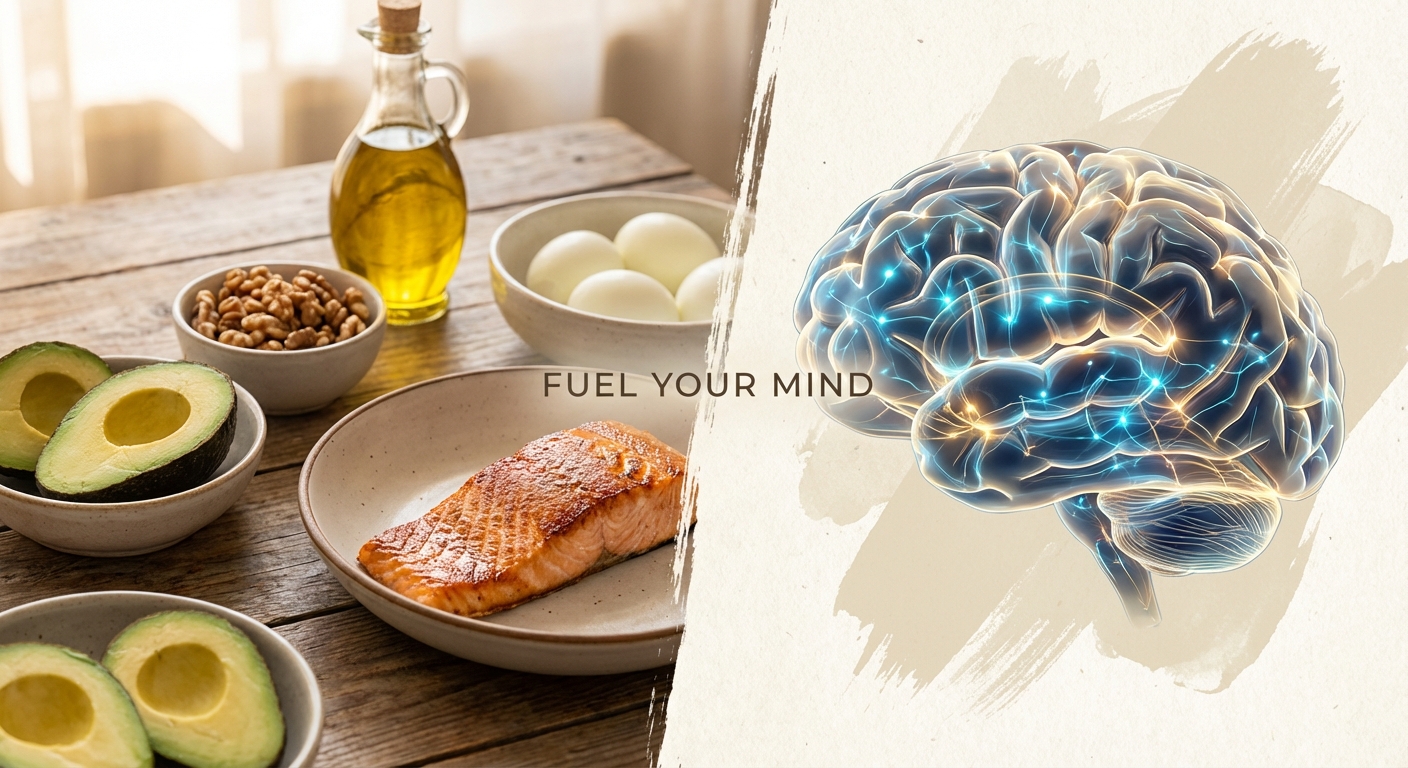
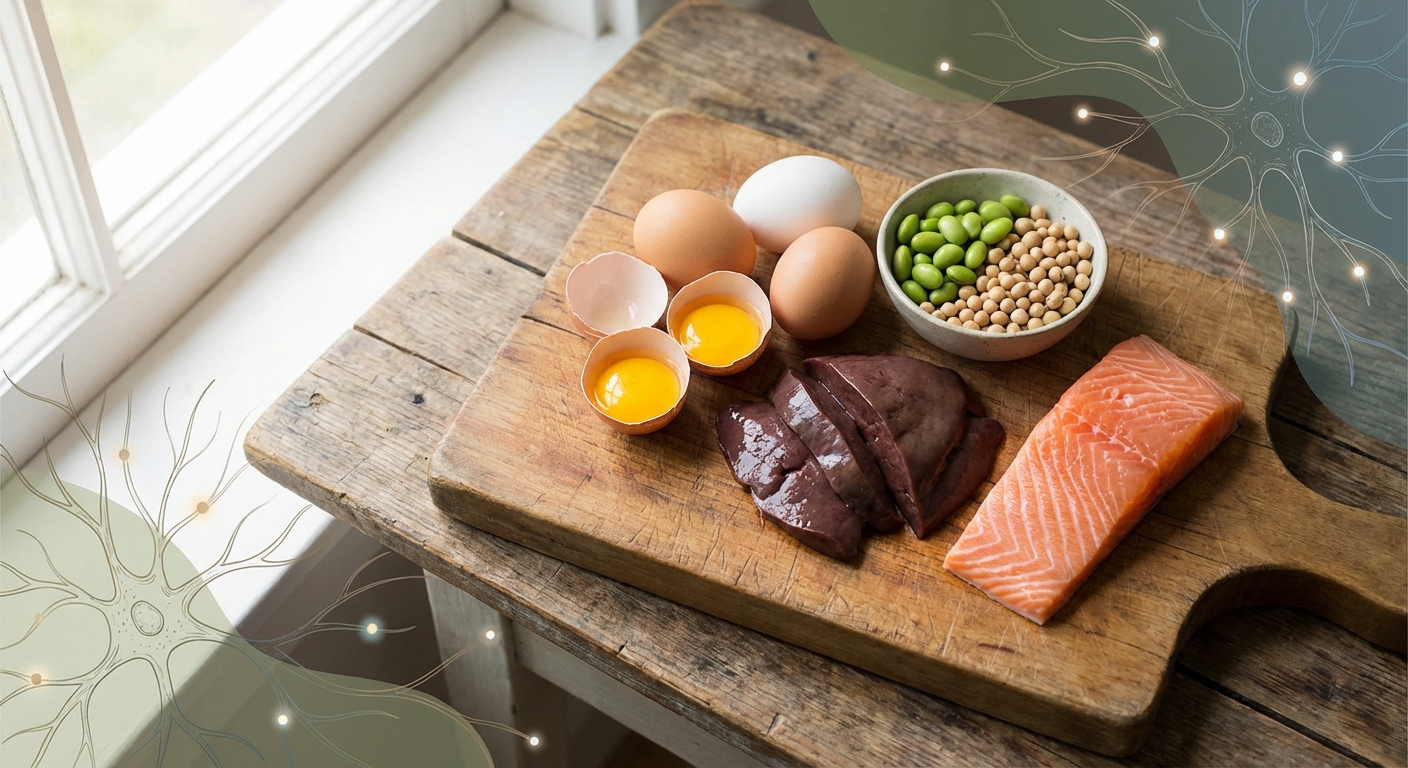
New research links low brain choline levels to anxiety disorders. Discover how this essential nutrient supports mental health and where to find it.
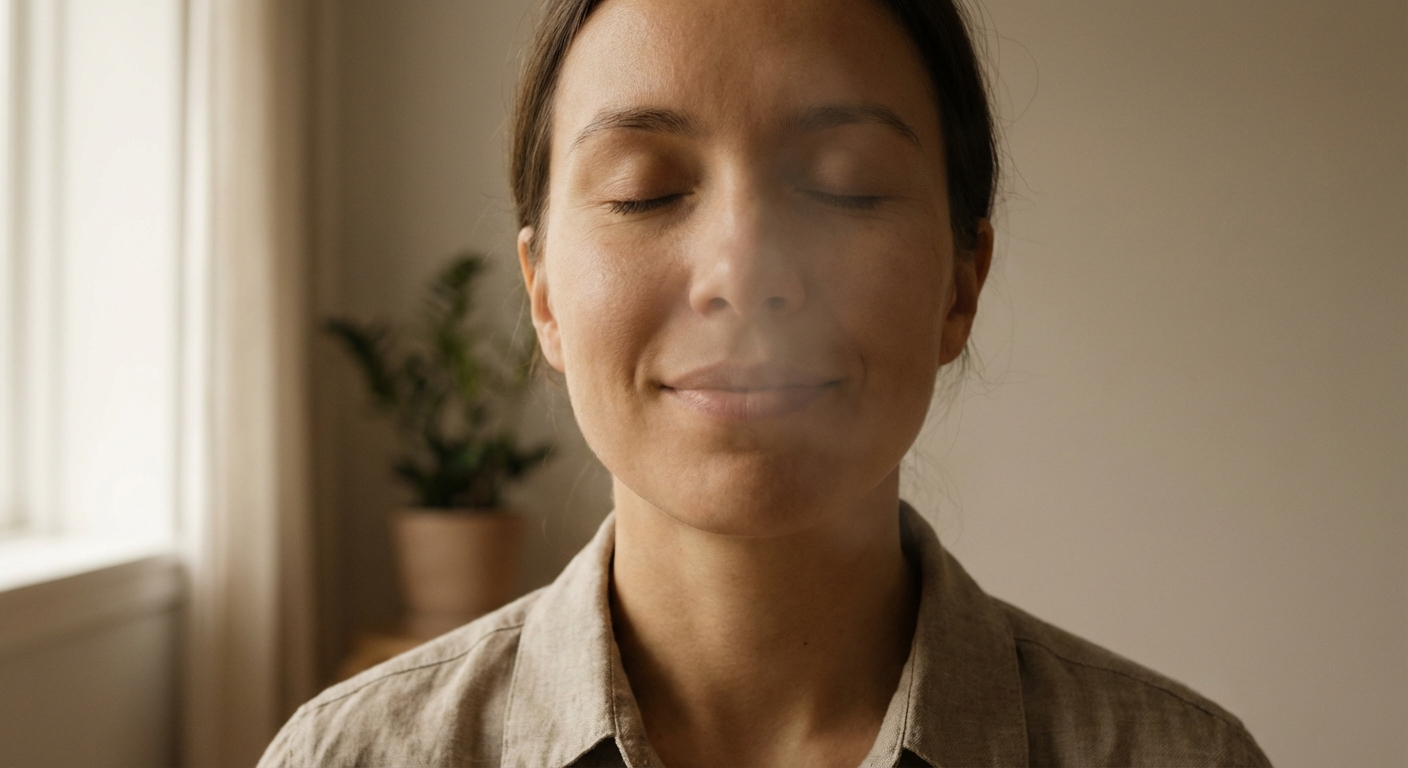
You don't need 20 minutes or a quiet room to start meditating. Research shows 3 minutes daily builds the neural pathways that reduce anxiety and improve focus.
Stress doesn't just make you want to eat more. It rewires your brain to crave specific foods. Understanding the cortisol-comfort food cycle reveals why willpower fails and what actually works.
Your brain has a sophisticated system for telling you when to stop eating. Holiday conditions systematically override it. Understanding these mechanisms is the first step to eating with awareness rather than autopilot.
Holiday stress triggers your fight-or-flight response. Learn the neuroscience-backed vagal nerve techniques that activate your parasympathetic nervous system in minutes.
Holidays mean family, and family often means stress. These evidence-based scripts and strategies protect your peace while preserving relationships this season.
Gratitude isn't just a nice sentiment; it's a neuroplastic intervention. Research shows that consistent practice physically alters brain structure, reducing anxiety and building resilience that persists long after you put down the journal.