You’ve heard you should meditate. Everyone from your doctor to your fitness tracker keeps suggesting it. You’ve probably tried it once or twice, sat down, closed your eyes, and immediately felt like a failure because your mind wouldn’t stop thinking. After three minutes of wrestling with your own brain, you gave up, convinced meditation isn’t for you. The problem wasn’t you. The problem was the expectation that meditation means achieving some mystical state of thoughtlessness, and the assumption that anything less than 20 minutes doesn’t count.
Here’s what the research actually shows: three minutes of daily meditation practice produces measurable changes in brain structure and function within weeks. The benefits don’t require perfect stillness, transcendent experiences, or even a quiet room. They require consistency. A short daily practice outperforms occasional long sessions because neuroplasticity, the brain’s ability to rewire itself, depends on repeated exposure rather than duration. You’re not trying to empty your mind; you’re training your attention like you’d train a muscle, and muscles respond to regular short workouts better than sporadic marathons.
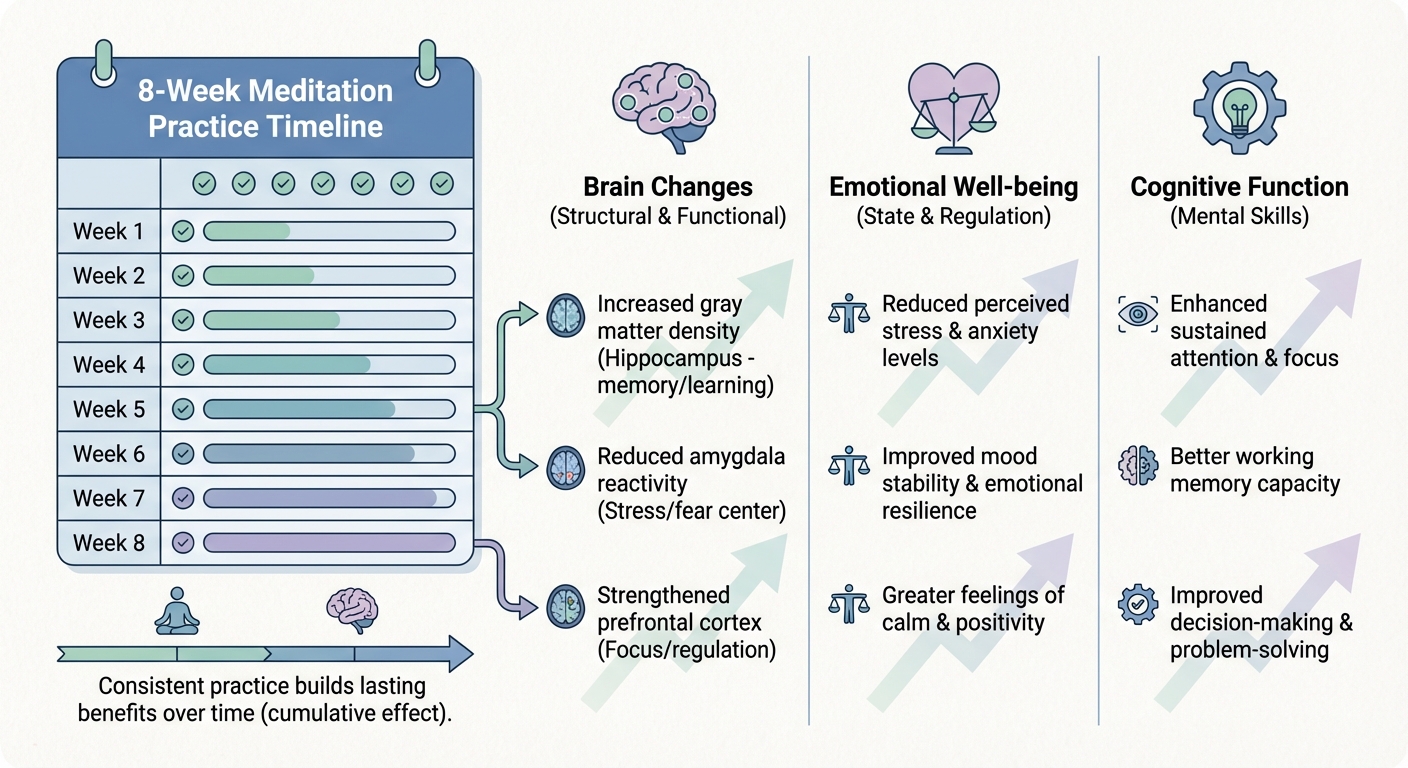
The science supporting brief meditation is robust and growing. A 2024 study published in Psychiatry Research: Neuroimaging found that participants who meditated for just 5 minutes daily for 8 weeks showed significant increases in gray matter density in the prefrontal cortex (executive function) and hippocampus (memory and learning), along with decreased gray matter in the amygdala (stress reactivity). These structural changes correlated with self-reported improvements in anxiety, focus, and emotional regulation. The takeaway is clear: you don’t need to become a monk. You need to show up consistently, even if only for three minutes.
Why Your Brain Responds to Brief Practice
The idea that meditation requires extended sessions comes from contemplative traditions where practitioners spent hours daily in practice over decades. That’s a beautiful aspiration for those called to it, but it’s not the minimum effective dose for neurological benefits. Your brain begins changing from the first session, and those changes compound with repetition.
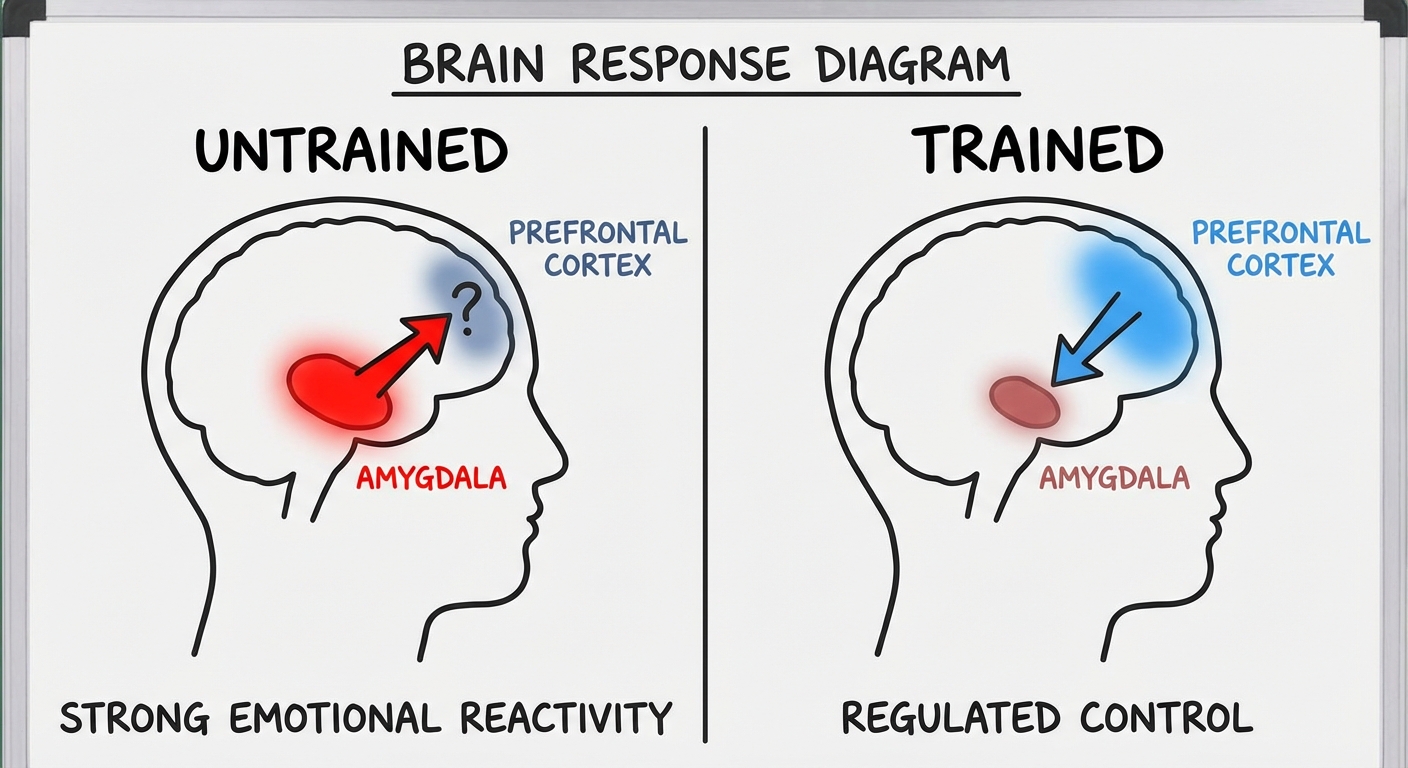
Meditation works primarily by strengthening the prefrontal cortex’s ability to regulate the amygdala, your brain’s alarm system. When you’re stressed or anxious, the amygdala fires rapidly, triggering the fight-or-flight cascade of cortisol, adrenaline, muscle tension, and racing thoughts. The prefrontal cortex can override this response, telling the amygdala that the perceived threat isn’t actually dangerous, but only if it has the neural connectivity and strength to do so. Chronic stress weakens this regulatory pathway; meditation strengthens it.
Each time you notice your mind has wandered during meditation and gently redirect attention back to your anchor (typically the breath), you’re performing a mental rep. That moment of noticing and redirecting is the actual practice. It’s not a failure that your mind wandered; that’s the equivalent of the weight going down in a bicep curl. The rep happens when you bring attention back. Three minutes provides enough time for multiple reps, typically 10-20 redirections for a beginner, which is sufficient stimulus for neuroplastic change.
The consistency factor matters more than session length because of how neural pathways form and strengthen. Synaptic connections that fire frequently become more efficient through a process called long-term potentiation. Daily brief practice means daily firing of the attention-regulation circuits. Weekly 30-minute sessions, by contrast, allow those pathways to weaken between sessions. Research on habit formation shows that daily micro-practices build automatic behaviors faster than larger intermittent efforts. Your goal is to make meditation as automatic as brushing your teeth, and the path to automaticity runs through daily repetition, not occasional intensity.
The 3-Minute Protocol: Step by Step
This protocol is designed for absolute beginners and optimized for consistency over perfection. You can do it anywhere: in bed before getting up, at your desk before starting work, in your parked car before walking into a stressful meeting. The only requirement is that you can sit or recline without needing to focus on anything else for three minutes.
Start by setting a timer for three minutes. Using a timer removes the mental load of wondering how long you’ve been sitting and prevents the temptation to quit early. Choose a gentle alarm tone rather than something jarring, many meditation apps offer pleasant bells or chimes, or simply use your phone’s timer with a soft alarm sound. The timer frees you to fully engage with the practice rather than monitoring the clock.
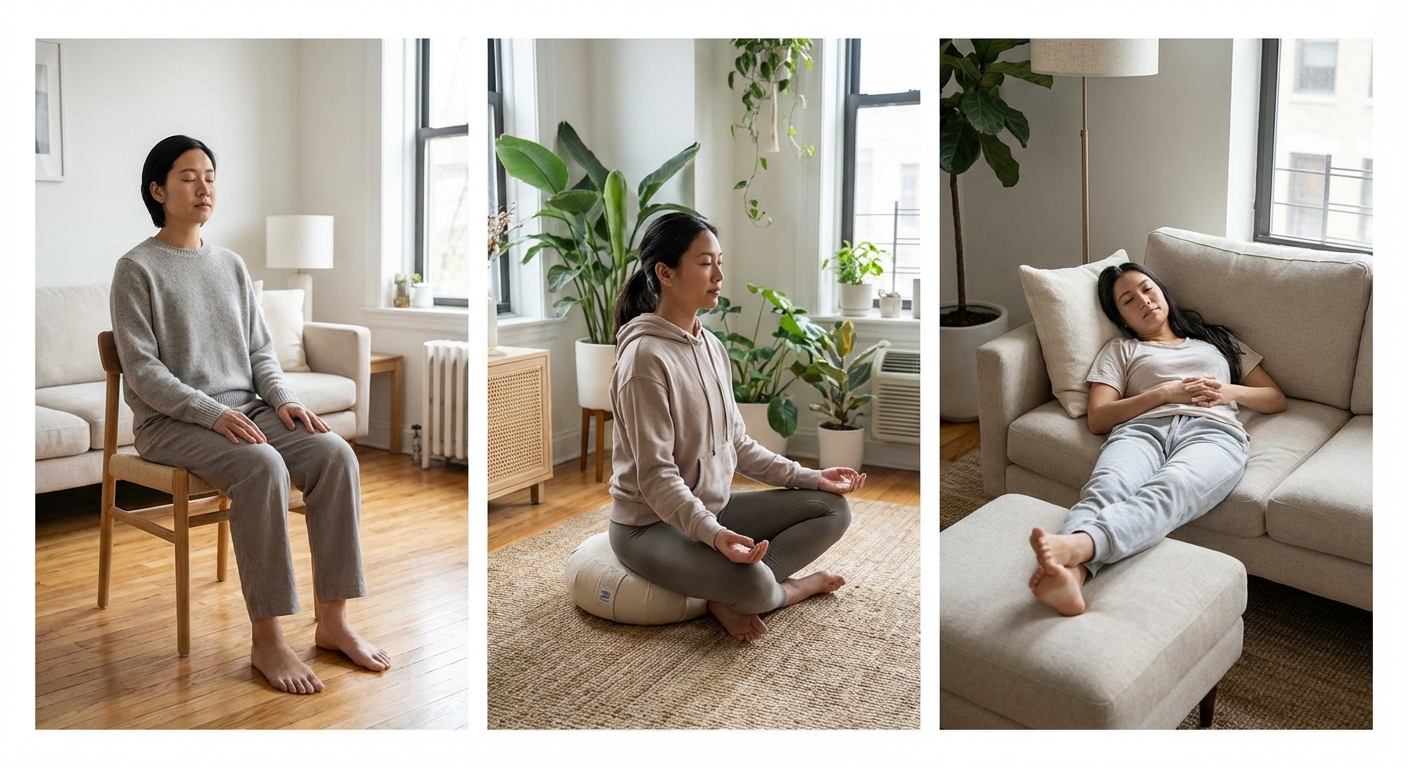
Find a comfortable position where your spine is relatively straight but not rigid. You can sit in a chair with feet flat on the floor, sit cross-legged on a cushion, or even lie down if you’re confident you won’t fall asleep. Close your eyes or soften your gaze toward the floor about four feet in front of you. Take one or two deep breaths to transition into the practice, then let your breathing return to its natural rhythm without trying to control it.
Direct your attention to the physical sensation of breathing. Notice where you feel the breath most distinctly: perhaps the cool air entering your nostrils, the expansion and contraction of your chest, or the rise and fall of your belly. Pick one location and use that sensation as your anchor. You’re not thinking about breathing or visualizing breathing; you’re feeling the raw physical sensation of air moving in and out of your body.
Within seconds, your mind will wander. You’ll start thinking about your to-do list, replaying a conversation, planning dinner, or judging yourself for doing this wrong. This is not a problem. This is the practice. The moment you notice your mind has wandered, without criticism or frustration, gently redirect your attention back to the breath sensation. That’s one rep. The wandering and returning is the meditation, not an obstacle to it.
Continue this cycle of attending to the breath, noticing when attention wanders, and returning to the breath until your timer sounds. When the three minutes end, take one more conscious breath, open your eyes, and return to your day. That’s it. You’ve meditated. The practice is complete, regardless of how many times your mind wandered or whether you felt anything special.
Common Obstacles and How to Handle Them
The most frequent obstacle beginners face is the belief that they’re doing it wrong because their mind keeps wandering. This misunderstanding has probably derailed more meditation attempts than any other factor. Your mind’s job is to generate thoughts; that’s what minds do. A meditation practice where your mind never wandered would provide no training stimulus, like lifting a weight so light it requires no effort. The wandering is necessary for the practice to work. Each time you notice the wandering and redirect, you’re strengthening the neural circuitry that will eventually make focus easier in daily life.
Physical discomfort is another common obstacle, particularly for people who try to sit in positions they’ve seen in meditation imagery. You don’t need to sit cross-legged on the floor. You don’t need a meditation cushion or a special posture. If sitting on the floor is uncomfortable, sit in a chair. If sitting upright is painful, recline. The goal is to reduce physical distraction so you can focus on the mental practice. Forcing yourself into an uncomfortable position diverts attention to your aching knees rather than your breath. Find a position you can maintain for three minutes without significant discomfort, and use that.
Sleepiness often arises, particularly when practicing in bed or when sleep-deprived. If you consistently fall asleep during meditation, try practicing at a different time of day, sitting more upright, or keeping your eyes slightly open with a soft downward gaze. Some drowsiness is normal, especially in the early stages, your body may interpret stillness and closed eyes as a sleep cue. As you develop the practice, you’ll find a alert-but-relaxed state that differs from drowsiness.
Frustration with perceived lack of progress typically emerges after a week or two. You’ve been practicing daily but don’t feel dramatically different. This is where many people quit. The changes from meditation are often subtle and cumulative. You might not notice feeling calmer until you realize you handled a stressful situation better than you would have a month ago. You might not notice improved focus until someone comments that you seem more present. Keep a simple log noting your practice (just checkmarks on a calendar) and briefly note your general stress level each week. After a month, review the trend rather than expecting daily transformation.
The “I don’t have time” objection deserves direct confrontation. You have three minutes. You spend more than three minutes scrolling social media, waiting for coffee, or watching videos you don’t care about. The issue isn’t time; it’s priority. If meditation delivered its benefits in a pill, you’d take it without question. The pill just requires three minutes of sitting still instead of swallowing. Consider anchoring your practice to an existing habit: meditate right after brushing your teeth in the morning, right after sitting down at your desk, or right before your first meeting. Habit stacking, attaching a new behavior to an established one, dramatically increases adherence.
Building from 3 Minutes to a Sustainable Practice
Three minutes is the minimum effective dose for neurological benefits, but it’s also a foundation you can build on as the habit solidifies. The goal in the first month is purely consistency: three minutes daily, no exceptions, no negotiation with yourself about whether you feel like it. Missing one day makes missing the next day easier; maintaining an unbroken streak builds the automaticity that makes the practice effortless.
After establishing a solid month of daily practice, you have the option to gradually extend sessions if you want deeper effects. Research suggests diminishing returns above 20-30 minutes for most practitioners, so there’s no need to aim for hour-long sessions unless you’re drawn to that. Many people find 10-15 minutes to be a sustainable sweet spot that fits easily into morning routines and provides meaningful practice time. If three minutes is working well for you and you’re experiencing benefits, there’s no obligation to extend. Consistency at three minutes beats inconsistency at longer durations.
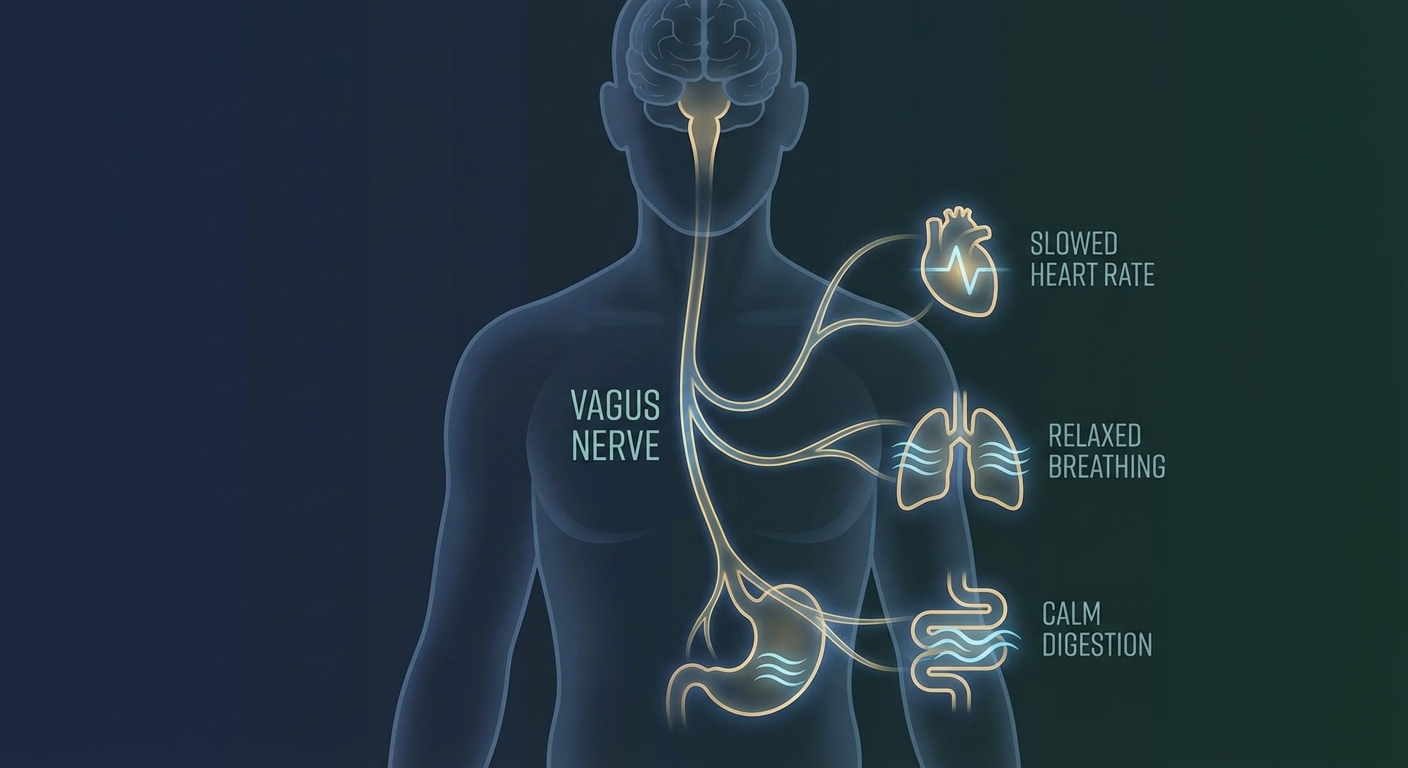
Some practitioners benefit from adding a second brief session later in the day. A morning session sets a calm foundation for the day; an afternoon or evening session provides a reset after accumulated stress. The vagal nerve activation techniques we’ve covered previously complement meditation practice well, and you might incorporate brief breathwork before or after your meditation. These practices work through overlapping but distinct mechanisms, and combining them can amplify benefits.
Consider exploring different meditation techniques once basic breath-focused practice becomes comfortable. Body scan meditation involves systematically directing attention through different body regions, noticing sensations without trying to change them. Loving-kindness meditation involves generating feelings of warmth and goodwill toward yourself and others. Open awareness meditation involves noticing whatever arises in consciousness without specifically anchoring to the breath. Each technique trains attention differently and may resonate more or less depending on your goals and temperament. The breath-focused practice in this protocol is the most studied and provides a solid foundation for exploring other approaches.
The Research: What 8 Weeks of Practice Actually Changes
The neuroscience of meditation has moved from fringe interest to mainstream research over the past two decades, with thousands of peer-reviewed studies examining its effects. The findings consistently show that regular meditation practice produces structural and functional brain changes, alterations in stress hormone levels, improvements in immune function, and clinically meaningful reductions in anxiety and depression symptoms.
The landmark 2011 study by Sara Lazar at Harvard, replicated multiple times since, used MRI imaging to show that 8 weeks of meditation practice increased gray matter density in the hippocampus (critical for learning and memory), the posterior cingulate cortex (self-awareness and mind wandering), and the temporoparietal junction (empathy and perspective-taking). Simultaneously, gray matter density decreased in the amygdala, and this decrease correlated with participants’ self-reported reductions in stress. The brain literally reshapes itself in response to meditation practice, a phenomenon that reflects the broader principle of neuroplasticity and BDNF that underlies all learning and adaptation.
Anxiety reduction is one of the most robust findings in meditation research. A 2014 meta-analysis published in JAMA Internal Medicine examined 47 trials with over 3,500 participants and found that mindfulness meditation programs showed moderate evidence of improving anxiety (effect size 0.38) and depression (effect size 0.30) at 8 weeks, with effects maintained at follow-up. These effect sizes are comparable to antidepressant medications for mild-to-moderate symptoms, without side effects or dependency concerns. For anxiety specifically, meditation appears to work by reducing activity in the default mode network (the brain regions active during rumination and self-referential thinking) and strengthening connections between the prefrontal cortex and amygdala.
Attention and focus improvements appear even in brief practice periods. A 2019 study in Psychological Science found that just 4 days of 20-minute meditation sessions improved working memory and executive function. Another study found that 10 minutes of meditation before a task improved sustained attention performance. The mechanism involves strengthening the anterior cingulate cortex, a brain region critical for detecting errors, resolving conflicts, and maintaining focus amid distractions. This is why meditation practitioners often report that the benefits extend beyond formal practice sessions into improved focus during work, conversations, and daily activities.
Physical health markers also respond to meditation practice. Cortisol levels decrease with regular practice, blood pressure often normalizes, and inflammatory markers like C-reactive protein tend to decline. A 2023 study in Brain, Behavior, and Immunity found that 8 weeks of meditation practice increased telomerase activity (associated with cellular longevity) and improved multiple markers of immune function. The connection between mental practice and physical health outcomes reflects the deep integration of nervous, endocrine, and immune systems, where calming the mind ripples outward to calm the body.
Integrating Meditation with Other Practices
Meditation doesn’t exist in isolation. It integrates naturally with other evidence-based practices for stress reduction and mental clarity, and combining approaches often produces synergistic effects. Understanding how meditation relates to other practices helps you build a comprehensive mental wellness routine.
Breathwork and meditation overlap significantly but aren’t identical. Breathwork techniques like box breathing or 4-7-8 breathing focus on consciously controlling breath patterns to shift nervous system state. Meditation uses natural breathing as an attention anchor without trying to change it. Breathwork provides faster physiological shift; meditation provides deeper attention training. Many practitioners use 1-2 minutes of controlled breathing before transitioning to natural-breath meditation, getting the nervous system calming benefits of breathwork followed by the attention training benefits of meditation.
Exercise enhances meditation’s effects, and vice versa. Physical activity increases BDNF (brain-derived neurotrophic factor), which supports the neuroplasticity that makes meditation-induced brain changes possible. Many people find that meditating after exercise is easier because physical activity burns off restless energy. The combined effect of exercise plus meditation on anxiety reduction appears to exceed either practice alone, though both provide significant independent benefits.
Sleep quality both affects and is affected by meditation practice. Poor sleep impairs the prefrontal cortex’s function, making it harder to regulate the amygdala and maintain focus during meditation. Conversely, regular meditation practice improves sleep quality by reducing the rumination and hyperarousal that keep people awake. If sleep is severely compromised, prioritizing sleep improvement may be necessary before expecting full benefits from meditation practice. For those with mild sleep issues, brief meditation before bed can help transition the nervous system from daytime alertness to sleep readiness.
The Bottom Line
Meditation isn’t mystical, and it doesn’t require extended time commitments or special abilities. Three minutes of daily practice, consistently maintained, produces measurable changes in brain structure and function that reduce anxiety, improve focus, and enhance emotional regulation. The key is understanding that meditation isn’t about achieving a thoughtless state; it’s about training attention through repeated cycles of noticing mind wandering and redirecting focus back to the breath.
The obstacles that derail most beginners, believing they’re doing it wrong when their mind wanders, physical discomfort from unnecessary postures, and expecting immediate dramatic results, are all based on misconceptions. Your mind is supposed to wander; that creates the training opportunity. You can meditate in any comfortable position. And benefits emerge gradually over weeks, not instantly.
Your 3-Minute Protocol:
- Set a timer for 3 minutes with a gentle alarm
- Sit or recline comfortably with eyes closed
- Focus attention on the physical sensation of natural breathing
- When mind wanders (it will), gently return attention to breath
- Repeat until timer sounds, then continue your day
Next Steps:
- Choose a consistent daily trigger (after brushing teeth, before morning coffee, at desk before starting work)
- Set a reminder on your phone for the first week until the habit takes hold
- Track your practice with simple calendar checkmarks
- After 30 days of consistency, evaluate whether to extend duration or add a second session
- Notice changes in stress response, focus, and emotional reactivity over weeks, not days
Sources: Mindfulness meditation meta-analysis (JAMA Internal Medicine 2014), gray matter changes (Psychiatry Research: Neuroimaging 2011, 2024), attention and meditation research (Psychological Science 2019), meditation and immune function (Brain, Behavior, and Immunity 2023), Dr. Sara Lazar neuroimaging research (Harvard Medical School).