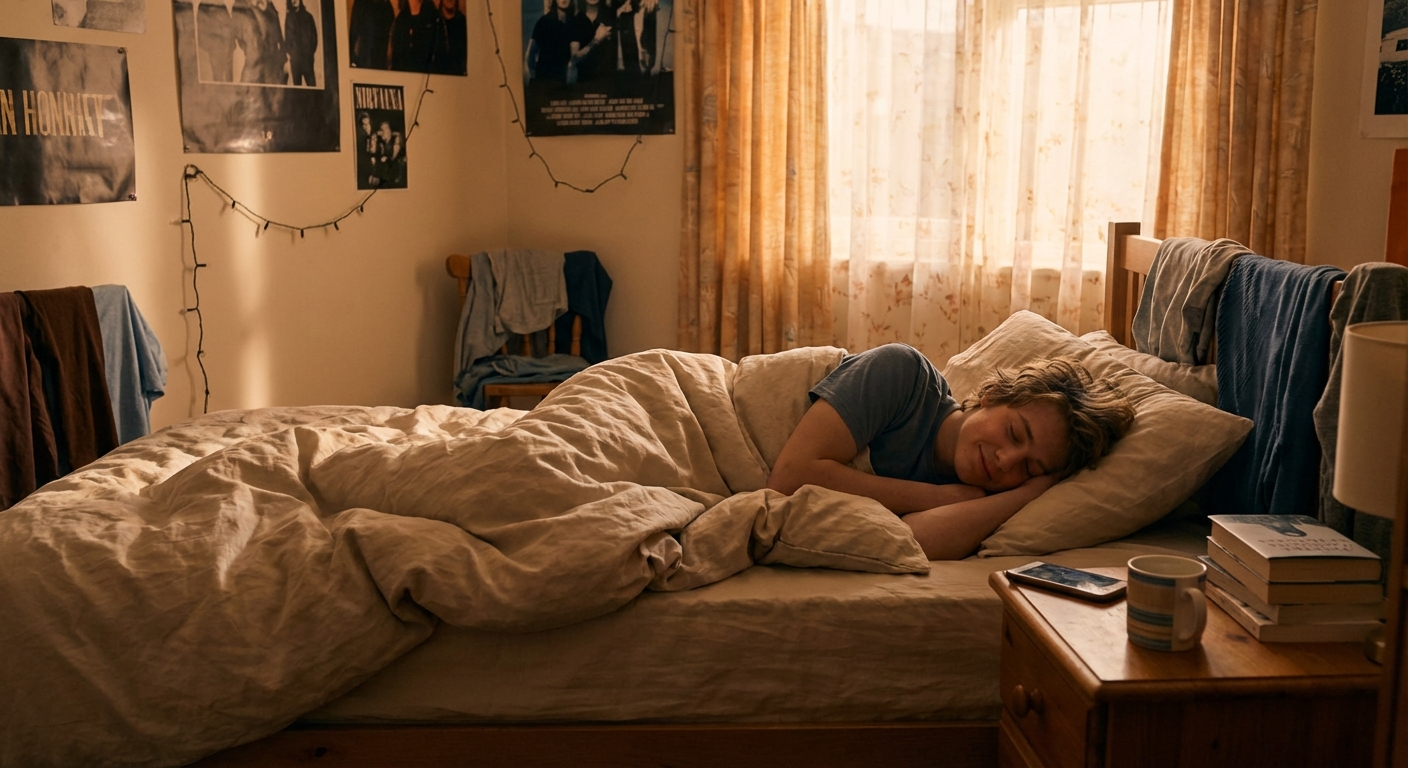
Your parents told you to stop sleeping until noon on weekends. Your doctor recommended a consistent sleep schedule, going to bed and waking at the same times seven days a week. The prevailing wisdom has long held that irregular sleep patterns disrupt your circadian rhythm, undermining the very rest you’re trying to recover. But new research suggests that for teenagers and young adults, sleeping in on weekends may not just be harmless but actively protective for mental health.
A study published in the Journal of Affective Disorders by researchers at the University of Oregon and SUNY Upstate Medical University found that people ages 16 to 24 who caught up on sleep over the weekend were significantly less likely to report symptoms of depression. The findings add to growing evidence that sleep plays a critical role in adolescent mental health and that the relationship between sleep regularity and wellbeing may be more nuanced than textbook recommendations suggest. For the millions of young people navigating the mismatch between early school start times and their biological sleep needs, this research offers both validation and hope.
The timing couldn’t be more relevant. Adolescent depression rates have climbed steadily for over a decade, and the post-pandemic mental health crisis among young people shows no signs of abating. Sleep deprivation is endemic in this age group, with studies consistently showing that teens and young adults face ongoing sleep challenges while also being at higher risk for depression. If weekend sleep recovery offers genuine protection, it represents an accessible, no-cost intervention that millions of families could implement immediately.
Why Teens Are Chronically Sleep Deprived
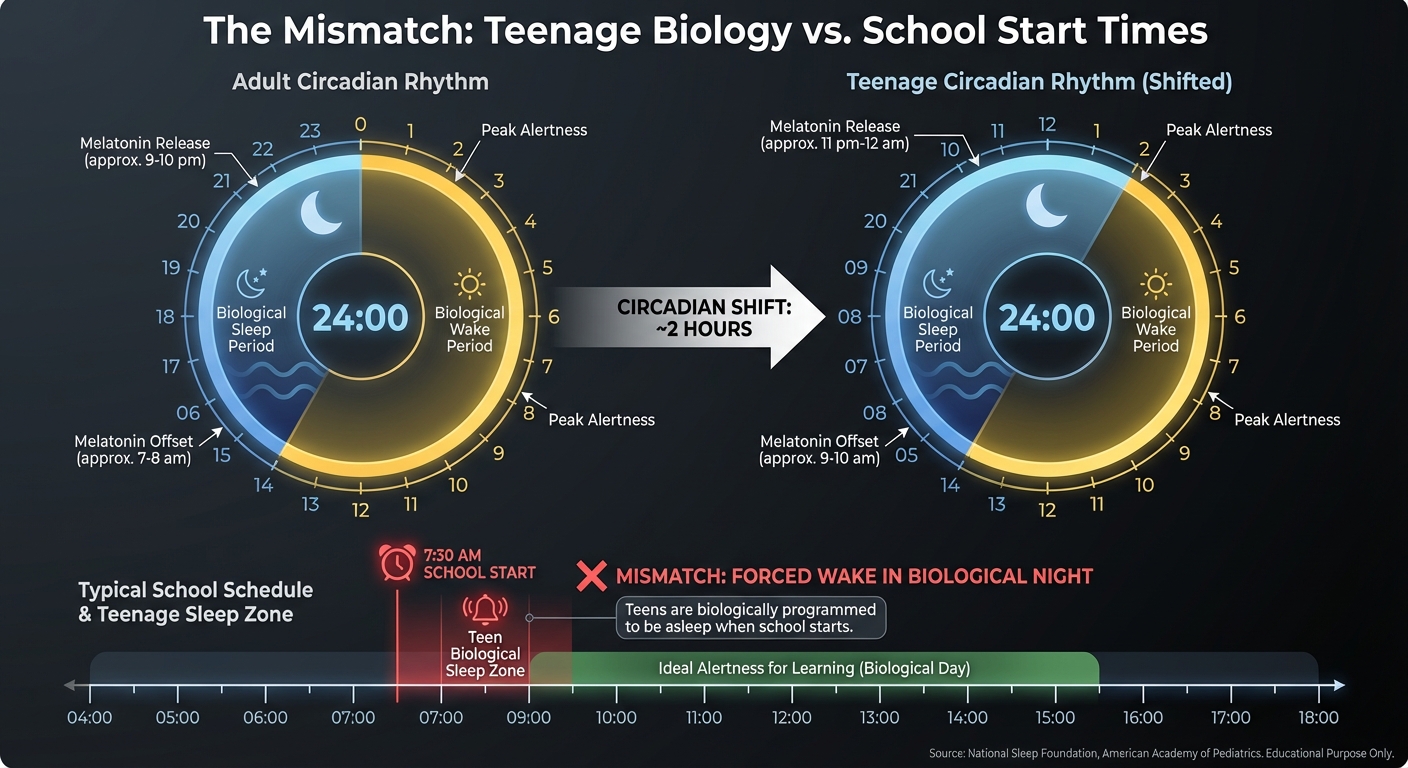
Adolescent sleep deprivation is not primarily a matter of poor choices or insufficient discipline. It’s a collision between biological reality and social structure. During puberty, the circadian rhythm shifts later, a phenomenon called sleep phase delay. Teenagers’ brains genuinely aren’t ready for sleep until later in the evening, and they biologically need to wake later in the morning. This shift is hardwired into human development and persists until the early to mid-twenties.
Meanwhile, high school start times have remained stubbornly early, often requiring students to catch buses before 7 AM for classes beginning as early as 7:30. This schedule forces teenagers to wake during what their biology considers the middle of the night. The result is chronic sleep debt that accumulates throughout the school week, with students getting far less than the 8-10 hours recommended for their age group. Most teenagers function on 6-7 hours or less during weekdays, accumulating a deficit that no amount of coffee can truly address.
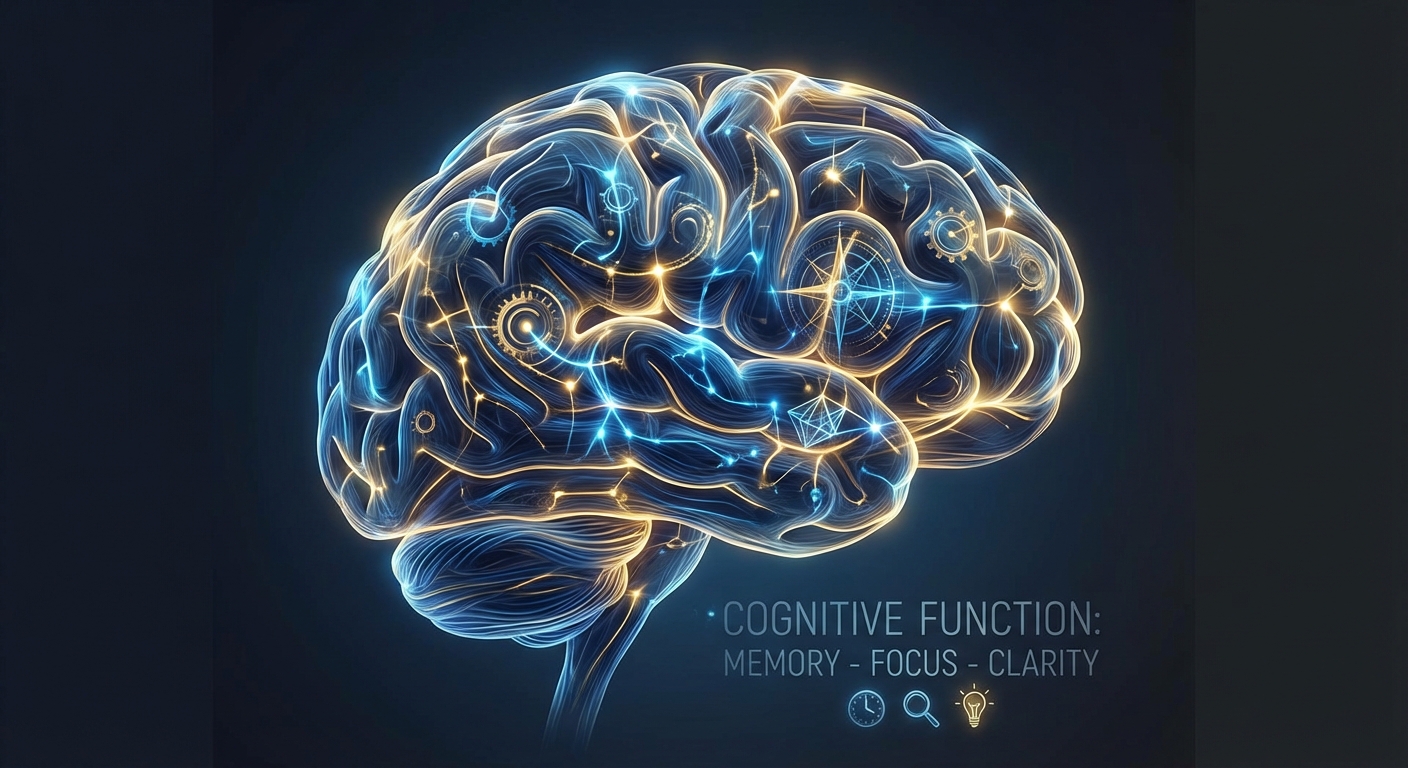
The consequences of this chronic deprivation extend far beyond grogginess. Sleep is increasingly recognized as critical for adolescent brain development, emotional regulation, and mental health. The prefrontal cortex, responsible for impulse control, decision-making, and emotional regulation, continues developing into the mid-twenties and is particularly vulnerable to sleep deprivation. Insufficient sleep impairs the consolidation of learning, disrupts mood-regulating neurotransmitter systems, and elevates stress hormones. The link between adolescent sleep deprivation and depression is now one of the most robust findings in developmental psychology.
What the New Research Found
The University of Oregon and SUNY Upstate study analyzed sleep patterns and mental health outcomes in young people ages 16 to 24. Researchers specifically examined whether making up for lost weekday sleep on weekends, a practice technically called “weekend catch-up sleep” or “social jetlag compensation,” was associated with depression symptoms. The prevailing assumption had been that such irregular patterns would worsen mental health outcomes by disrupting circadian rhythm consistency.
The findings contradicted this assumption. Participants who slept in on weekends to compensate for weekday sleep debt were significantly less likely to report symptoms of depression compared to those who did not engage in weekend sleep recovery. The protective association remained significant even after controlling for total weekly sleep time, suggesting that the recovery sleep itself, not just achieving adequate total hours, provided benefit. This distinction matters because it implies that the timing of sleep recovery, concentrated on weekends, may be specifically valuable.
The mechanism likely involves the restorative functions that sleep provides. Sleep is when the brain clears metabolic waste products that accumulate during waking hours, consolidates memories, and rebalances neurotransmitter systems involved in mood regulation. Chronic sleep deprivation allows these processes to fall behind, creating conditions that promote depressive symptoms. Weekend recovery sleep may provide an opportunity for these restorative processes to catch up, even if the schedule is irregular.
The researchers note that their findings don’t mean sleep regularity doesn’t matter at all. The ideal remains consistent, adequate sleep every night. But in a world where school schedules, work demands, and social obligations make this impossible for many young people, weekend recovery may offer a viable second-best strategy. Perfect shouldn’t be the enemy of good, especially when the alternative is simply accumulating ever-larger sleep debt with no compensation at all.
The Circadian Rhythm Counterargument
The new findings might seem to contradict established sleep science. Haven’t researchers consistently emphasized the importance of regular sleep schedules? Isn’t “social jetlag,” the mismatch between weekday and weekend sleep timing, associated with negative health outcomes? Understanding why weekend recovery might be beneficial despite these concerns requires nuance.
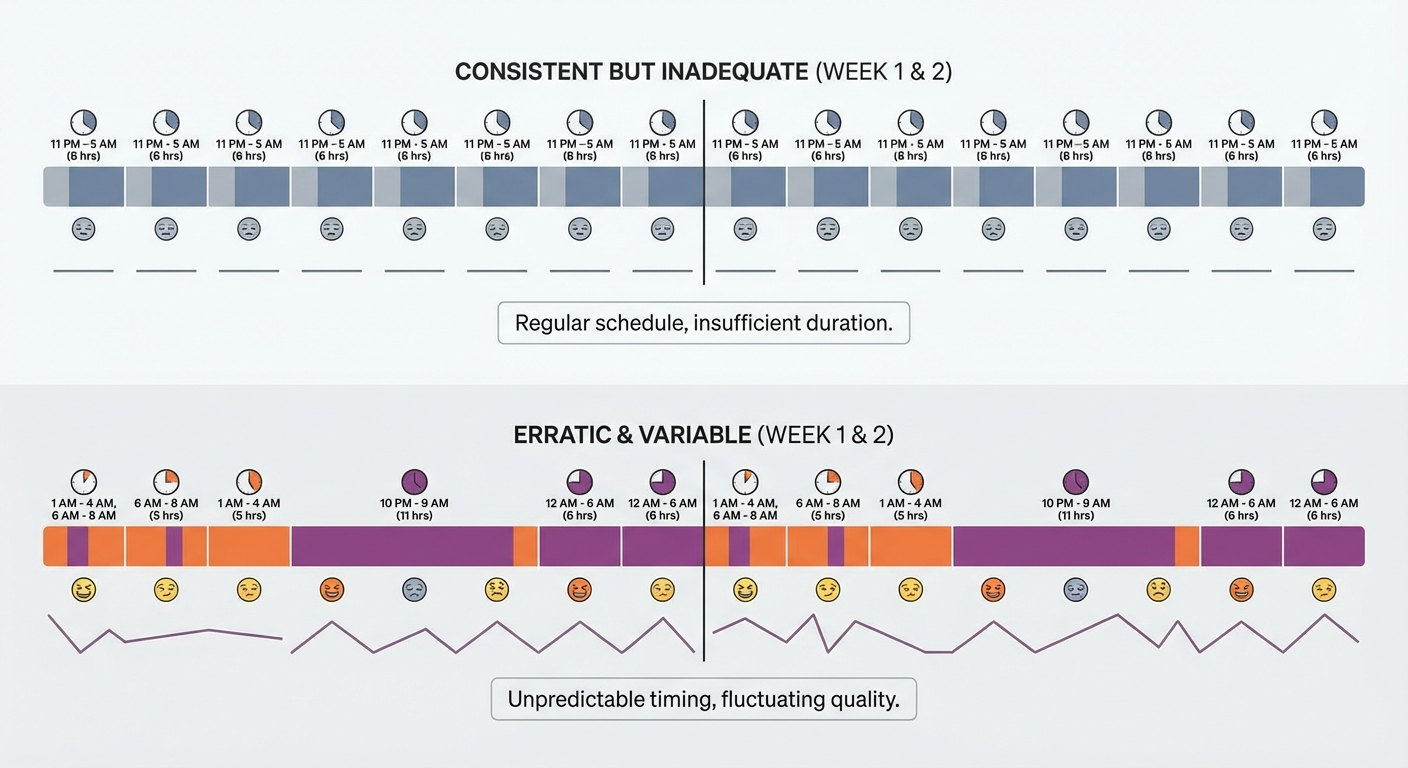
The circadian rhythm does prefer consistency. Your internal clock, synchronized by light exposure and behavioral patterns, functions optimally when sleep and wake times are predictable. Significant variations in timing, particularly staying up much later and sleeping much later on weekends, can create a phenomenon similar to jet lag without traveling. This disruption has been linked to metabolic problems, mood issues, and cognitive impairment in various studies.
However, research from Australian scientists is revealing that the relationship between circadian regularity and health outcomes may be more complex than previously understood. New findings suggest a “U-shaped” association between the stability of the sleep-wake cycle and certain health outcomes, meaning both extreme rigidity and extreme irregularity may be problematic, with moderate flexibility potentially optimal.
For teenagers specifically, the circadian shift creates a unique situation. Their biology is already misaligned with social schedules regardless of what they do on weekends. Staying up late isn’t a choice but a physiological reality. In this context, weekend recovery sleep may represent alignment with their biology rather than disruption of it. The young person sleeping until 10 or 11 AM on Saturday is finally sleeping when their brain wants to sleep, not imposing an artificial pattern that contradicts their nature.
Other Sleep Research Making Headlines
The weekend recovery study appears alongside other significant sleep research reshaping our understanding of rest and brain health. Stanford Medicine scientists have developed an AI model called SleepFM that can predict more than 100 health conditions from a single night’s sleep study data. The model, trained on nearly 600,000 hours of sleep data from 65,000 participants, showed particularly strong predictive power for mental health disorders, with the combination of brain signals and heart signals providing the most accurate predictions.
This research underscores how much information about health status is encoded in sleep patterns. Sleep isn’t just a passive state of rest but an active window into the functioning of multiple body systems. The AI model’s success suggests that sleep data may eventually become a routine screening tool, capable of detecting early signs of depression, cardiovascular disease, and other conditions before symptoms become apparent. For mental health specifically, the strong predictions highlight the bidirectional relationship between sleep and psychological wellbeing.
Other research published in Sleep Medicine has found compelling evidence that insomnia may be linked to disruptions in the brain’s natural 24-hour rhythm of mental activity. Unlike good sleepers, whose cognitive state shifted predictably from daytime problem-solving to nighttime disengagement, those with insomnia failed to “downshift” as strongly. Their cognitive peaks were also delayed by around six and a half hours, suggesting that their internal clocks may encourage alert thinking well into the night. This finding offers new therapeutic targets for insomnia treatment and may eventually lead to chronotype-matched approaches to mental health care.
Practical Strategies for Sleep Recovery
If weekend sleep recovery offers genuine mental health benefits for young people, how should families approach it? The research supports a nuanced strategy that permits recovery while avoiding extreme schedule variations.
Allow weekend sleep-ins within reason. If your teenager normally wakes at 6:30 AM for school and wants to sleep until 10 or 11 AM on Saturday, the research suggests this may be protective rather than problematic. The key is that they’re catching up on biologically necessary sleep that social schedules prevented during the week. Setting a hard limit on “no sleeping past 11” or similar may be unnecessarily restrictive.
Protect the recovery sleep. Weekend mornings often fill with activities, from sports practices to family outings to social plans. While these are valuable, consider whether some could be scheduled later to permit adequate sleep recovery. A teenager forced to wake at 7 AM for Saturday morning practice loses much of the recovery opportunity. When possible, protect at least one weekend morning for uninterrupted sleep.
Don’t police bedtime as strictly on weekends. The circadian shift means teenagers genuinely aren’t sleepy at 10 PM. Forcing them to lie in bed awake doesn’t produce more sleep; it produces frustration and may actually worsen sleep quality through conditioned arousal. A later weekend bedtime followed by a later wake time remains consistent with their biology even if it looks inconsistent with adult schedules.
Consider light exposure strategically. Research on outdoor artificial light shows that nighttime light exposure affects sleep architecture, potentially reducing restorative deep sleep. Dimming lights in the evening and exposing teenagers to bright morning light can help nudge the circadian rhythm earlier, potentially reducing the severity of the weekday-weekend mismatch over time.

When Sleep Problems Need Professional Attention
While weekend recovery may help manage the mismatch between teenage biology and social schedules, persistent sleep problems warrant professional evaluation. The new research doesn’t suggest that all sleep issues can be solved by weekend sleep-ins. Some signs indicate deeper problems requiring attention.
Difficulty falling asleep that persists even on weekends, when the teenager has no early obligations, may indicate insomnia or anxiety rather than circadian misalignment. Similarly, sleeping excessively (12+ hours consistently) even after sleep debt should theoretically be repaid, may signal depression, sleep disorders, or other underlying conditions. Either extreme warrants conversation with a healthcare provider.
Loud snoring, gasping, or witnessed breathing pauses during sleep suggest possible sleep apnea, a condition often overlooked in young people but which significantly impairs sleep quality regardless of duration. Excessive daytime sleepiness that persists despite seemingly adequate sleep may indicate narcolepsy, sleep apnea, or other disorders requiring specialized evaluation.
Mental health symptoms that persist or worsen despite adequate sleep also merit professional attention. While the research shows correlation between weekend recovery sleep and lower depression risk, sleep alone cannot treat clinical depression. If a young person shows persistent sadness, loss of interest in activities, changes in appetite, or thoughts of self-harm, they need comprehensive mental health support, not just more sleep.
If you’re concerned about a young person’s mental health, the 988 Suicide and Crisis Lifeline is available 24/7 for calls or texts. School counselors, pediatricians, and mental health professionals can provide assessment and connect families with appropriate resources.
The Bottom Line
The new research on weekend sleep recovery challenges the orthodoxy of rigid sleep schedules, at least for teenagers and young adults whose biology is fundamentally misaligned with early school and work times. Rather than viewing weekend sleep-ins as laziness or poor habits, the evidence suggests they may represent a protective adaptation, allowing partial recovery from sleep debt that social structures make unavoidable.
This doesn’t mean sleep regularity doesn’t matter or that teenagers should stay up until 3 AM every night. The ideal remains consistent, adequate sleep every night. But in a world where that ideal is impossible for many young people, weekend recovery offers a realistic middle ground. For parents tempted to enforce identical wake times seven days a week, the research provides reason to reconsider.
Next Steps:
- Allow teenagers to sleep in on weekends (within reason) without guilt or pressure
- Protect at least one weekend morning for uninterrupted sleep recovery
- Use bright morning light and dim evening light to gradually shift the circadian rhythm
- Watch for persistent sleep problems that suggest underlying disorders
- Seek professional help if mental health symptoms persist despite adequate sleep
Sources: Journal of Affective Disorders 2026, University of Oregon and SUNY Upstate Medical University research, Stanford Medicine SleepFM AI study, Sleep Medicine journal, American Journal of Managed Care, ScienceDaily research summaries.