New US Dietary Guidelines: More Protein, Less Sugar, Big Questions
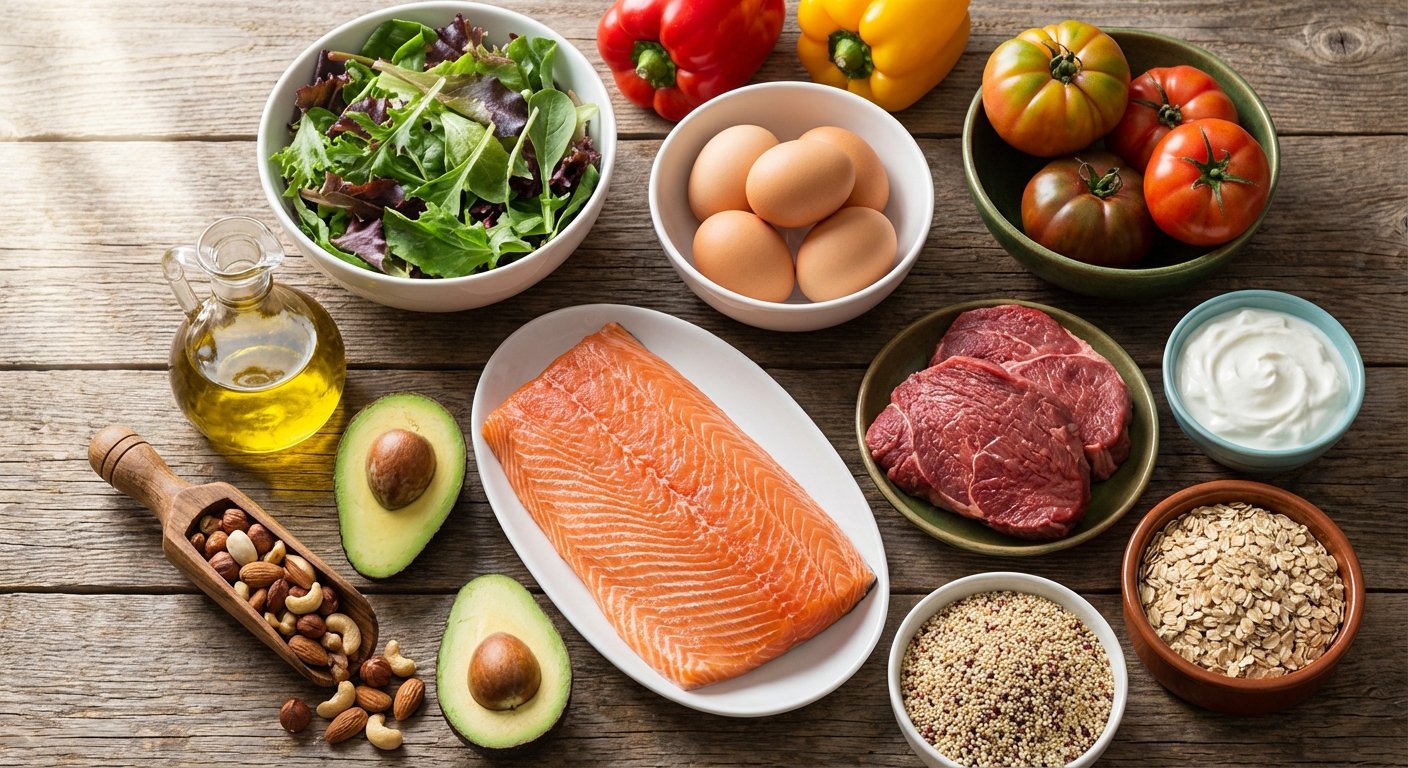
The 2025-2030 Dietary Guidelines emphasize protein and healthy fats while limiting ultraprocessed foods. Here's what changed and what experts think.
Evidence-based nutrition advice backed by peer-reviewed research. From personalized nutrition and gut health to superfoods and meal planning, we translate complex nutritional science into actionable insights for your health journey.
The 2025-2030 Dietary Guidelines emphasize protein and healthy fats while limiting ultraprocessed foods. Here's what changed and what experts think.
Beyond vitamin C and chicken soup, here's what the latest research says about using winter nutrition to strengthen your immune defenses and maintain energy through the cold months.
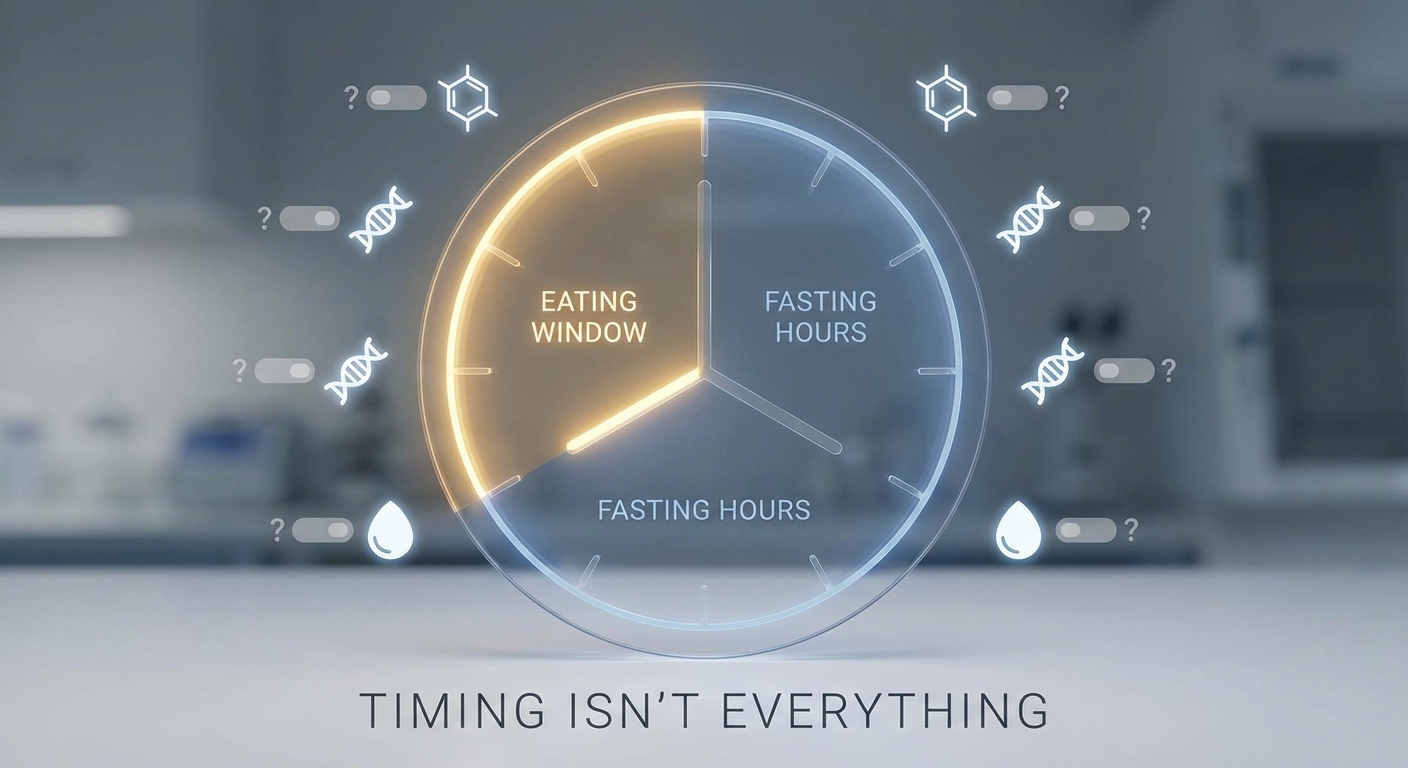
New research challenges the metabolic magic of time-restricted eating. When calories stay the same, an 8-hour eating window shows no measurable health benefits.
Fiber affects far more than digestion. New research links it to immunity, mood, blood sugar, and longevity. Here's why it's 2026's most underrated nutrient.
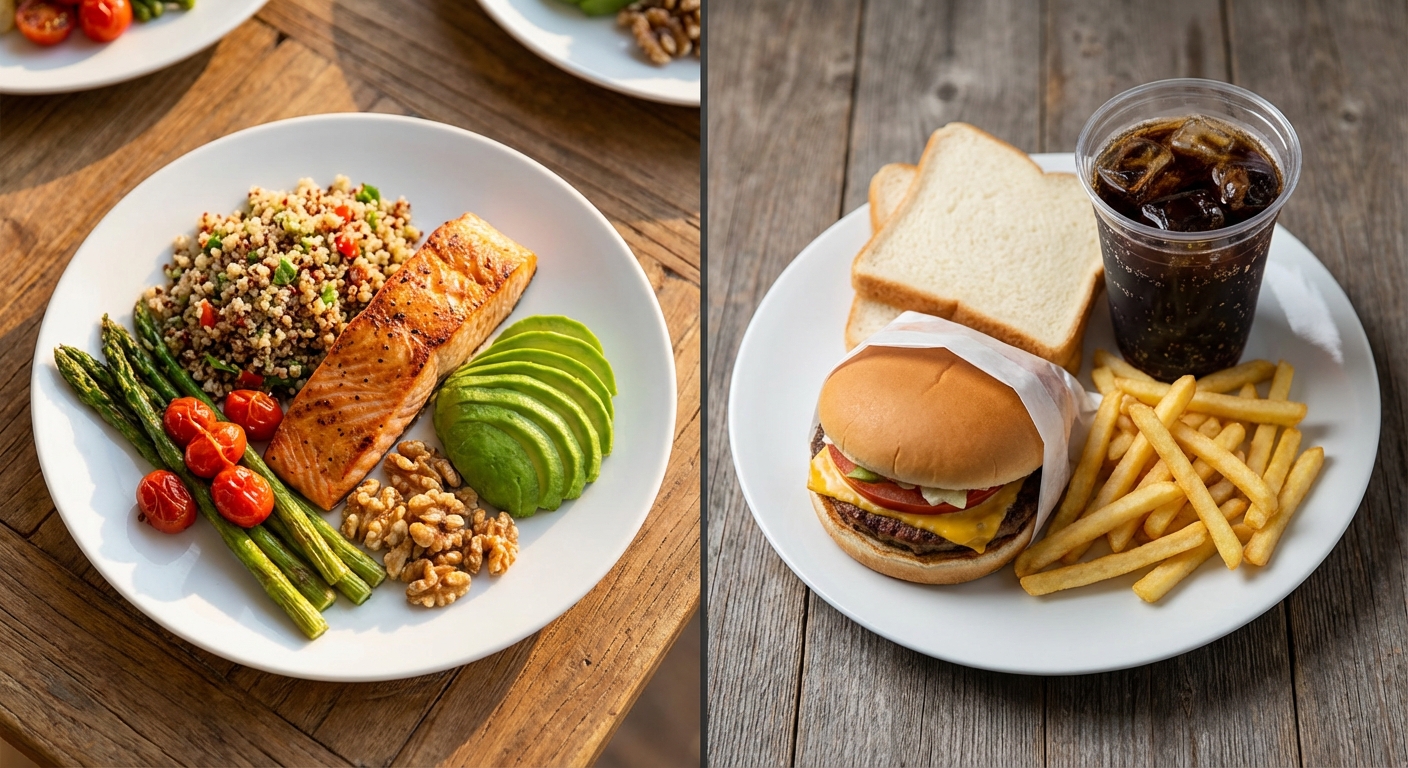
A major new study reveals that ultra-processed plant foods raise heart disease risk by 46%. Not all plant-based eating is created equal.
New research reveals sorbitol converts to fructose in the liver, potentially causing the same metabolic damage as regular sugar. Here's what you need to know.
A groundbreaking Nature study reveals that gut bacteria transform plant nutrients into their beneficial forms, and this transformation varies dramatically between individuals and across disease states.
A decade-long study of nearly 10,000 older women reveals that tea drinkers had slightly stronger bones, while drinking more than five cups of coffee daily was linked to lower bone density.
King's College London researchers found that higher blood levels of theobromine, a compound in dark chocolate, correlate with younger biological age across 1,669 adults.
Most people take too little vitamin D for too long. Here's the research-backed dosing strategy based on body weight, blood levels, and cofactors.
New University of Birmingham research shows flavanol-rich foods prevent vascular dysfunction from prolonged sitting, even when fitness alone cannot.
New research confirms a worldwide omega-3 deficiency affecting brain, heart, and cellular health. Here's what the science shows and how to close the gap.