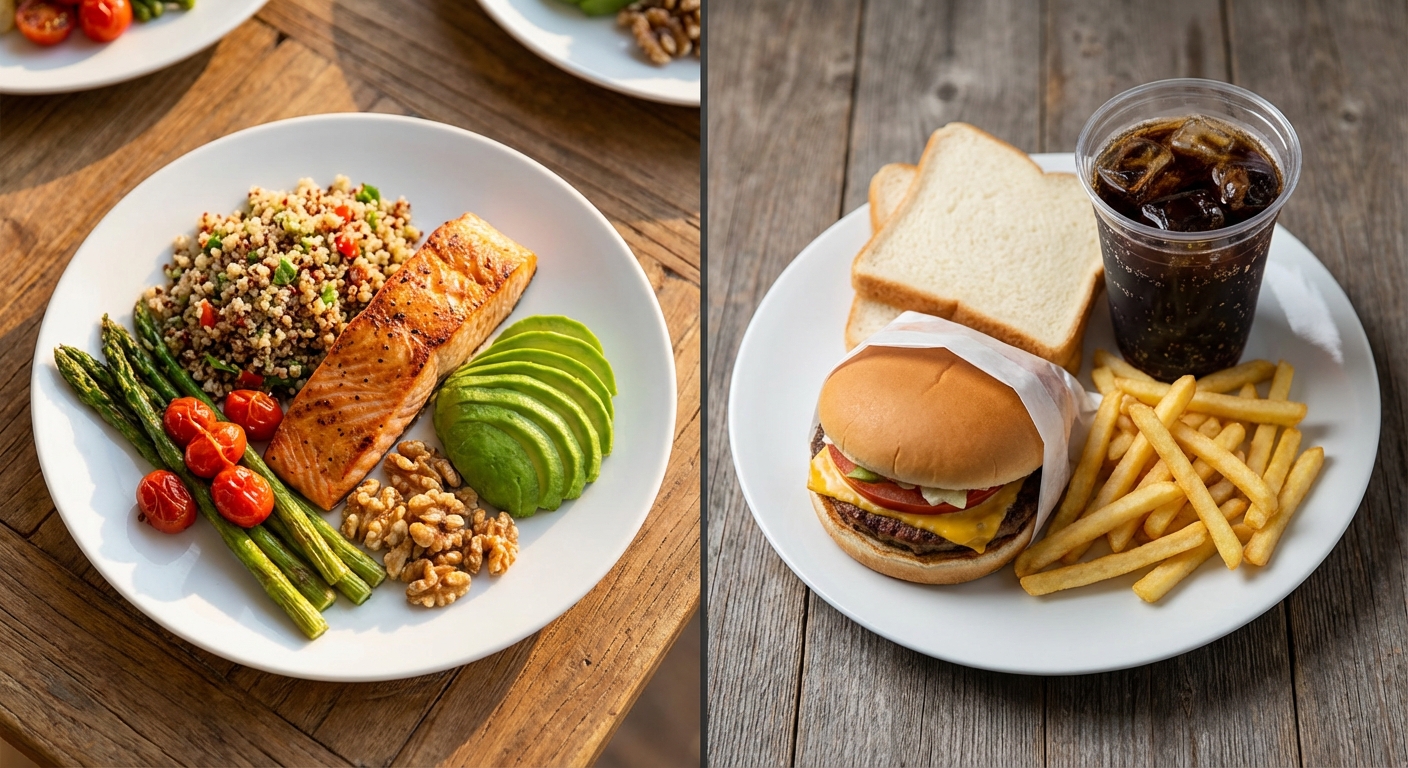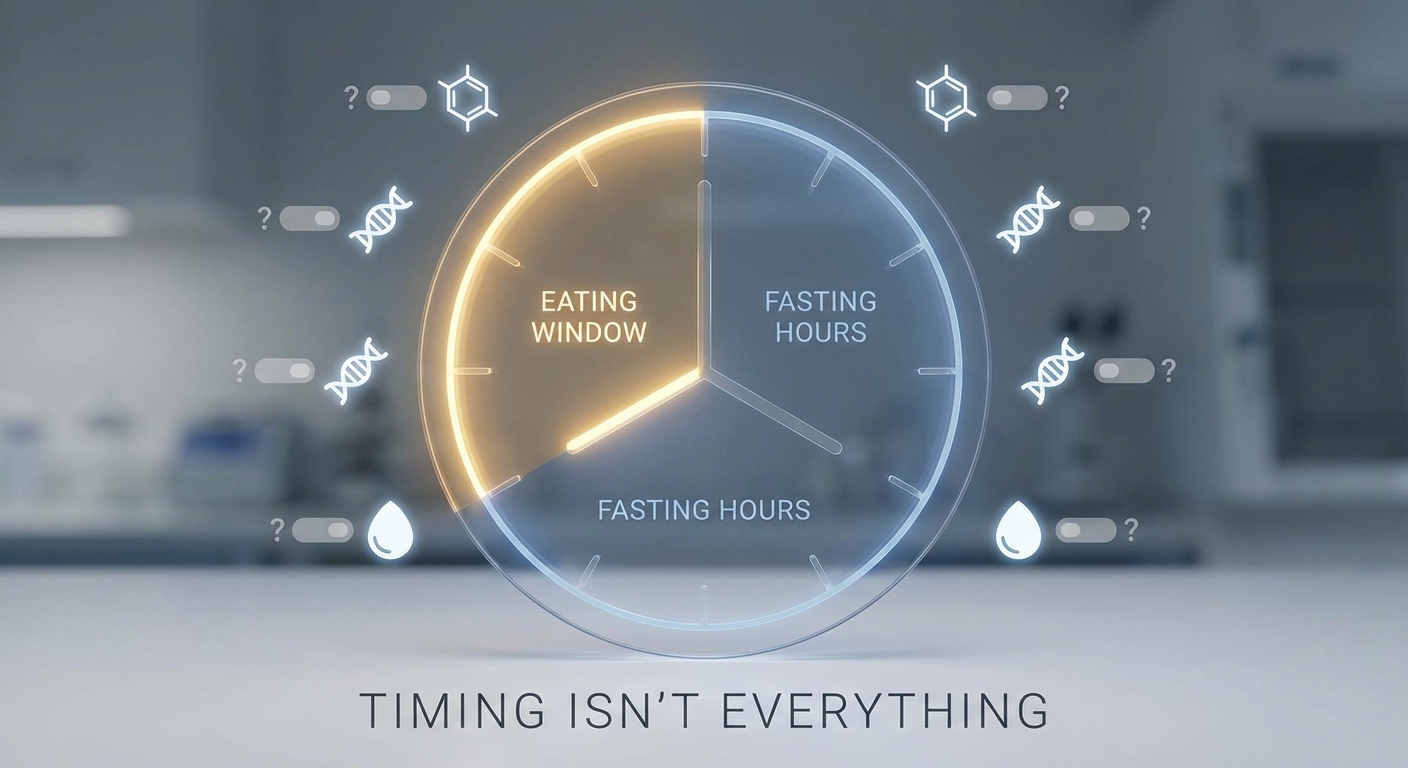
You’ve been closing your eating window at 4 PM for three weeks now. No food after that cutoff, no matter how your stomach protests during evening Netflix sessions. Your friends think you’re disciplined. Wellness influencers have told you this timing trick will transform your metabolism. But what if the clock on your wall matters far less than you’ve been led to believe?
A rigorous new study from the German Institute of Human Nutrition Potsdam-Rehbruecke and Charité-Universitätsmedizin Berlin has delivered an uncomfortable verdict for the intermittent fasting faithful. When calorie intake stays the same, restricting your eating to an 8-hour window produces no measurable improvements in insulin sensitivity, blood sugar regulation, inflammation, or cardiovascular markers. The metabolic magic of time-restricted eating appears to be largely a mirage, at least when you’re not also reducing how much you eat.
The ChronoFast Trial: What Actually Happened
The research team, led by Prof. Olga Ramich, designed what nutrition scientists call an isocaloric study. Rather than letting participants eat freely within their restricted windows, which typically leads to unintentional calorie reduction, the researchers ensured that total caloric and nutrient intake remained identical between different eating schedules. This design isolates the timing variable, answering a specific question: does when you eat matter, independent of how much you eat?
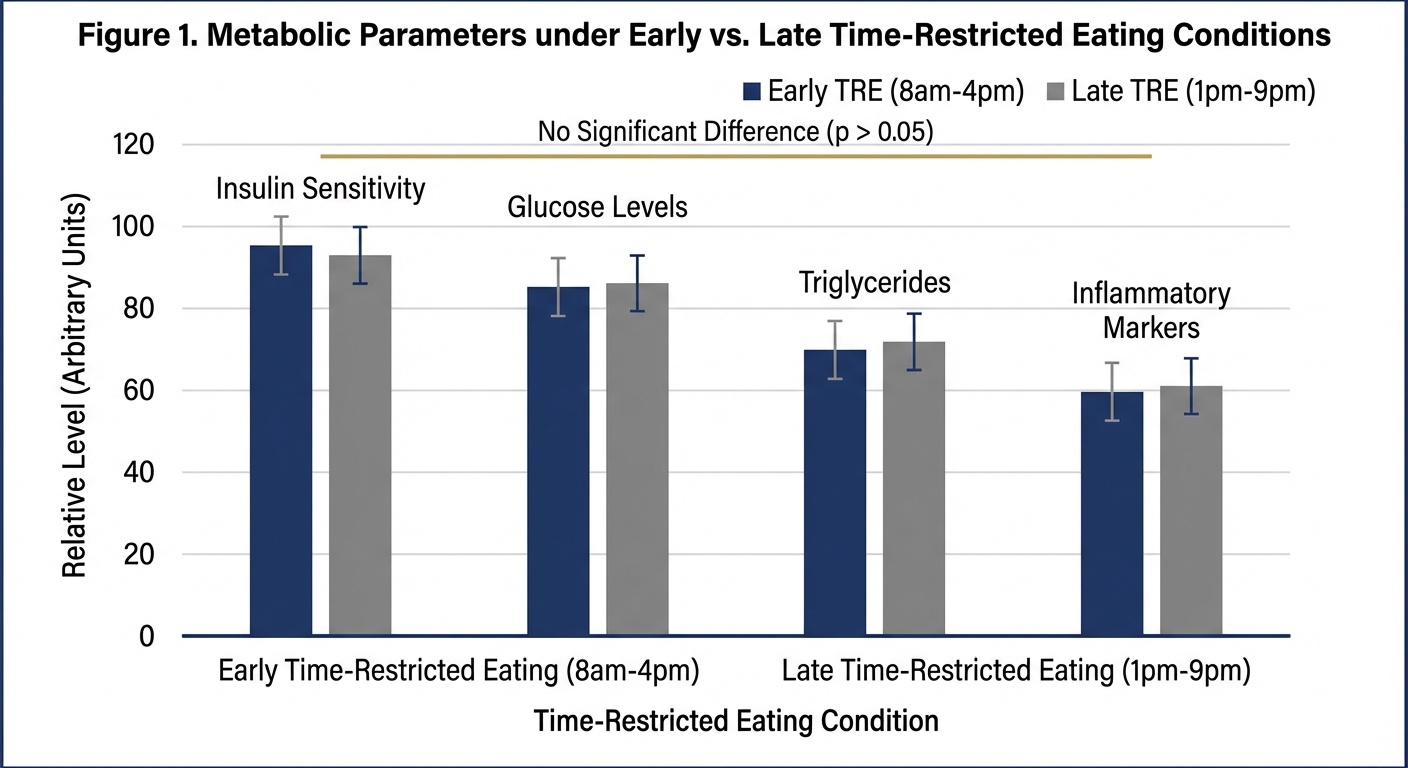
Thirty-one women with overweight or obesity participated in the ChronoFast trial. Each followed two different time-restricted eating schedules for two weeks: an early window from 8 AM to 4 PM, and a late window from 1 PM to 9 PM. The crossover design meant every participant experienced both schedules, serving as their own control. Researchers tracked insulin sensitivity, 24-hour glucose levels, blood lipids, inflammatory markers, blood pressure, and oxidative stress throughout.
The results, published in Science Translational Medicine, were unambiguous. Neither the early nor late eating window produced clinically meaningful changes in any metabolic parameter measured. Insulin sensitivity didn’t improve. Blood sugar regulation stayed flat. Inflammatory markers remained unchanged. The supposed metabolic benefits of intermittent fasting simply didn’t materialize when calories were held constant.
Why Previous Studies Showed Benefits
If timing doesn’t independently improve metabolism, why have so many earlier studies reported benefits from intermittent fasting? The answer reveals an important distinction between what people actually do and what the eating schedule itself accomplishes.
Most real-world intermittent fasting research allows participants to eat freely within their restricted windows. When you compress eating into 8 hours, you typically eat fewer total calories. You skip the evening snacks. You miss the breakfast you didn’t have time for before work. The restricted window acts as a natural appetite suppressant for many people. Any benefits observed, weight loss, improved insulin sensitivity, better blood lipids, likely stem from this calorie reduction rather than the timing itself.
This doesn’t mean those benefits are fake. Eating less improves metabolic health. The question is whether the clock adds anything beyond calorie restriction. According to the ChronoFast data, it doesn’t.
Prof. Ramich summarized the implications directly: “Those who want to lose weight or improve their metabolism should pay attention not only to the clock, but also to their energy balance.” The timing might help you eat less, which helps your metabolism. But the timing alone isn’t moving the metabolic needle.
The Circadian Plot Twist
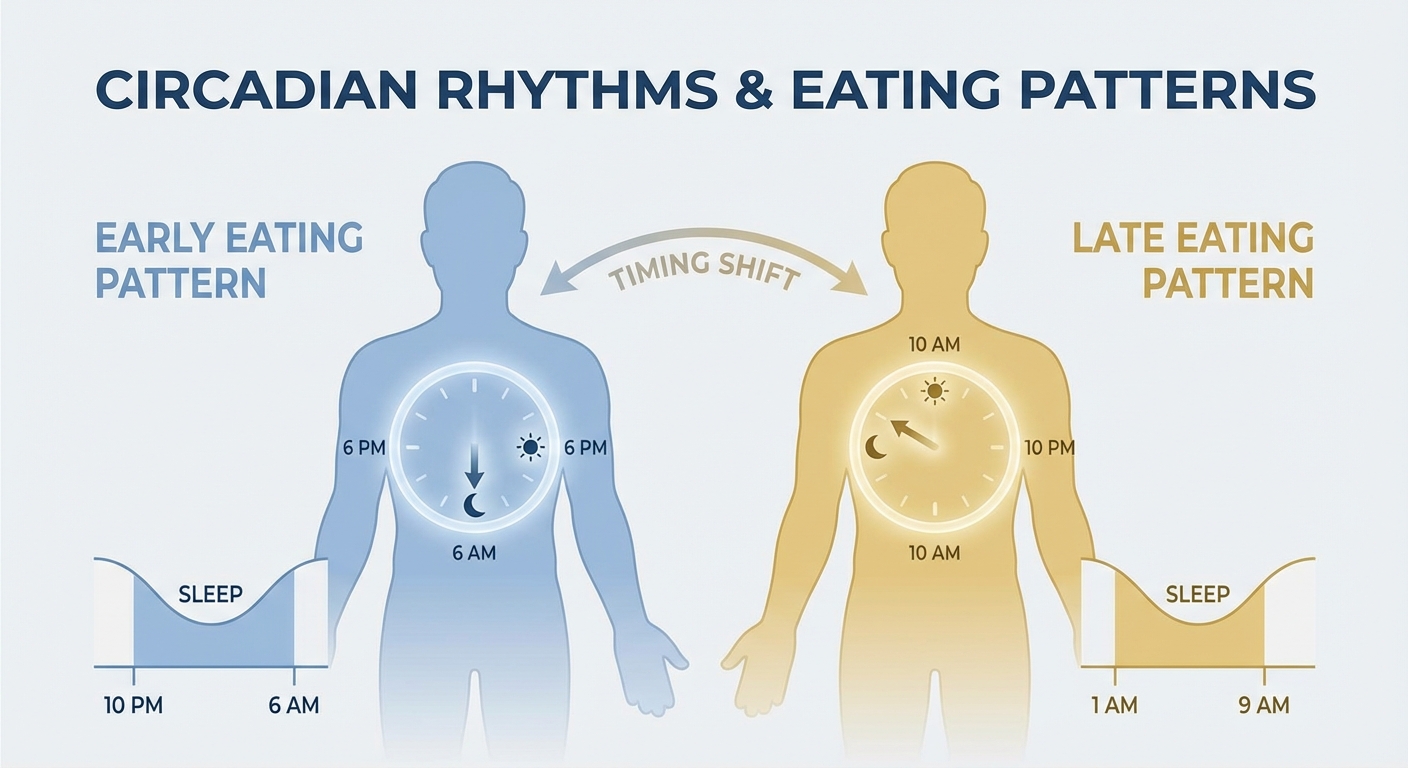
One finding from the ChronoFast trial deserves attention: while metabolic markers didn’t budge, circadian rhythms did shift. Using a specialized assay called BodyTime that tracks molecular circadian markers, researchers found that the late eating schedule (1 PM to 9 PM) pushed internal body clocks later by approximately 40 minutes compared to early eating.
This circadian shift affected sleep timing and potentially sleep quality. Participants eating later tended to fall asleep later and wake later. While the study wasn’t designed to assess long-term effects of this shift, the finding raises interesting questions about how circadian rhythm timing interacts with eating schedules over months or years.
The relationship between meal timing and circadian rhythms matters beyond this single study. Your body’s peripheral clocks in the liver, gut, and fat tissue synchronize partly through eating cues. Consistently eating at unusual times might create internal desynchrony, where your brain’s master clock and your organs’ peripheral clocks drift out of alignment. Whether this matters for metabolic health over the long term remains an open question that the two-week ChronoFast protocol couldn’t answer.
What This Means for Your Fasting Practice
For those who’ve found success with intermittent fasting, this research doesn’t necessarily invalidate your experience. If restricting your eating window helps you eat less overall, maintain a calorie deficit, or avoid late-night snacking, those remain legitimate benefits. The mechanism is just different than advertised. You’re not unlocking metabolic magic through timing. You’re using a scheduling structure that happens to reduce your total intake.
This reframing matters because it changes how you should evaluate whether intermittent fasting is working for you. If you’re rigidly adhering to an 8-hour window but compensating by eating more within that window, the protocol may be providing structure without results. The question isn’t whether you’re hitting your timing targets. It’s whether the approach helps you maintain a sustainable calorie balance.
For people who don’t naturally eat less with time restrictions, perhaps because they get ravenously hungry and overeat during their window, intermittent fasting may offer little advantage. Other approaches to calorie control, including tracking, portion awareness, or simply focusing on nutrient-dense foods that promote satiety, might work equally well or better.
The research also suggests flexibility may be more reasonable than rigid timing rules. If social or practical considerations make a particular eating window difficult, adjusting your schedule probably won’t derail your metabolic goals, as long as your overall energy balance stays on track.
The Broader Calorie Context
The ChronoFast findings reinforce a fundamental truth that tends to get lost amid dietary trends: energy balance remains the central driver of metabolic health and body composition. This doesn’t mean calories are all that matter. Food quality, protein intake, micronutrient density, and meal composition all influence health outcomes. But when asking whether specific eating timing improves metabolism, the answer appears to be no, at least not independently of calorie effects.
This conclusion aligns with broader research on meal frequency and timing. Studies comparing three meals daily versus six smaller meals, when calories are matched, generally show no metabolic difference. Research on breakfast eating, once thought essential for metabolism, has similarly found that what you eat matters more than when for most people.
The consistent thread is that your body is remarkably adaptable to different eating patterns. It can handle large infrequent meals or smaller frequent ones. It can process food consumed early or late. What it can’t do is violate thermodynamics. If you consistently consume more energy than you expend, metabolic health markers will trend poorly regardless of when that consumption happens.

When Timing Might Still Matter
The ChronoFast study examined metabolic parameters over two weeks. Some researchers argue that longer-term effects of meal timing, particularly on circadian alignment, might influence metabolic health through mechanisms the study couldn’t capture. Chronic circadian disruption, the kind experienced by shift workers, is associated with increased diabetes and cardiovascular risk. Whether ordinary variations in eating schedules create similar effects remains unclear.
There’s also individual variation to consider. Some people may be more sensitive to meal timing based on genetics, chronotype, or existing metabolic conditions. The ChronoFast participants were all women with overweight or obesity, a specific population. Results might differ in men, in lean individuals, or in those with diabetes or prediabetes.
Protein timing represents another consideration the study didn’t specifically address. Research on muscle protein synthesis suggests that distributing protein intake across the day may support muscle maintenance better than consuming it all in one sitting. For those focused on body composition rather than just metabolic markers, meal timing might matter more for protein than for total calories.
Finally, practical psychology matters. Some people find that strict eating windows reduce decision fatigue and make dietary adherence easier. Others feel restricted and eventually rebel. The best eating schedule is one you can sustain, and sustainability is highly individual.
The Bottom Line
Time-restricted eating, when calories remain constant, does not improve insulin sensitivity, blood sugar, blood lipids, or inflammatory markers. The ChronoFast trial demonstrates that the metabolic benefits commonly attributed to intermittent fasting likely stem from calorie reduction rather than eating window timing.
This doesn’t mean intermittent fasting is useless. For many people, restricting eating hours helps reduce overall intake, which does improve metabolic health. The key is understanding the actual mechanism: timing serves as a tool for calorie control, not as independent metabolic medicine.
If intermittent fasting helps you maintain a sustainable calorie balance, continue using it. If you’re rigidly adhering to timing rules without seeing results, the problem isn’t your discipline. It’s that timing alone doesn’t move the metabolic needle. Focus on overall energy balance, food quality, and sustainable patterns you can maintain long-term.
Next Steps:
- Evaluate whether your current eating schedule actually helps you eat less overall
- If you’re not seeing results with time-restricted eating, consider tracking total calories instead
- Allow flexibility in your eating window based on life circumstances without guilt
- Focus on protein distribution throughout your eating hours for muscle maintenance
- Prioritize food quality and nutrient density within whatever timing structure you choose
Sources: Science Translational Medicine (2025), German Institute of Human Nutrition Potsdam-Rehbruecke, Charité-Universitätsmedizin Berlin, Prof. Olga Ramich ChronoFast trial, systematic reviews on time-restricted eating.