The Mediterranean diet has dominated nutritional science for decades. It’s the diet your cardiologist recommends, the one referenced in virtually every longevity article published since the 1990s, and the one that consistently tops annual “best diet” rankings. But a 28-year study tracking more than 76,000 Swedish men and women just delivered evidence that a different dietary pattern, one rooted in Scandinavian food traditions, may rival the Mediterranean approach for sheer life-extending power.
Researchers from Aarhus University, Aarhus University Hospital, Karolinska Institutet, and the University of Copenhagen published their findings in The Journal of Nutrition, reporting that individuals who closely adhered to the 2023 Nordic Nutrition Recommendations (NNR23) had a 23% lower risk of death from any cause compared to those with poor adherence. The reductions extended across the two leading causes of death: cardiovascular disease and cancer. And the diet was explicitly designed to benefit planetary health alongside human health, making it perhaps the first major longevity diet that treats ecological sustainability as a core design principle rather than an afterthought.
This isn’t another fad diet repackaged for clicks. It’s a population-level dietary pattern backed by nearly three decades of follow-up data, and it offers a practical alternative for the millions of people who’ve tried the Mediterranean approach but live in climates, cultures, or economies where olive oil and fresh sardines aren’t staples.
What the Nordic Diet Actually Looks Like on a Plate
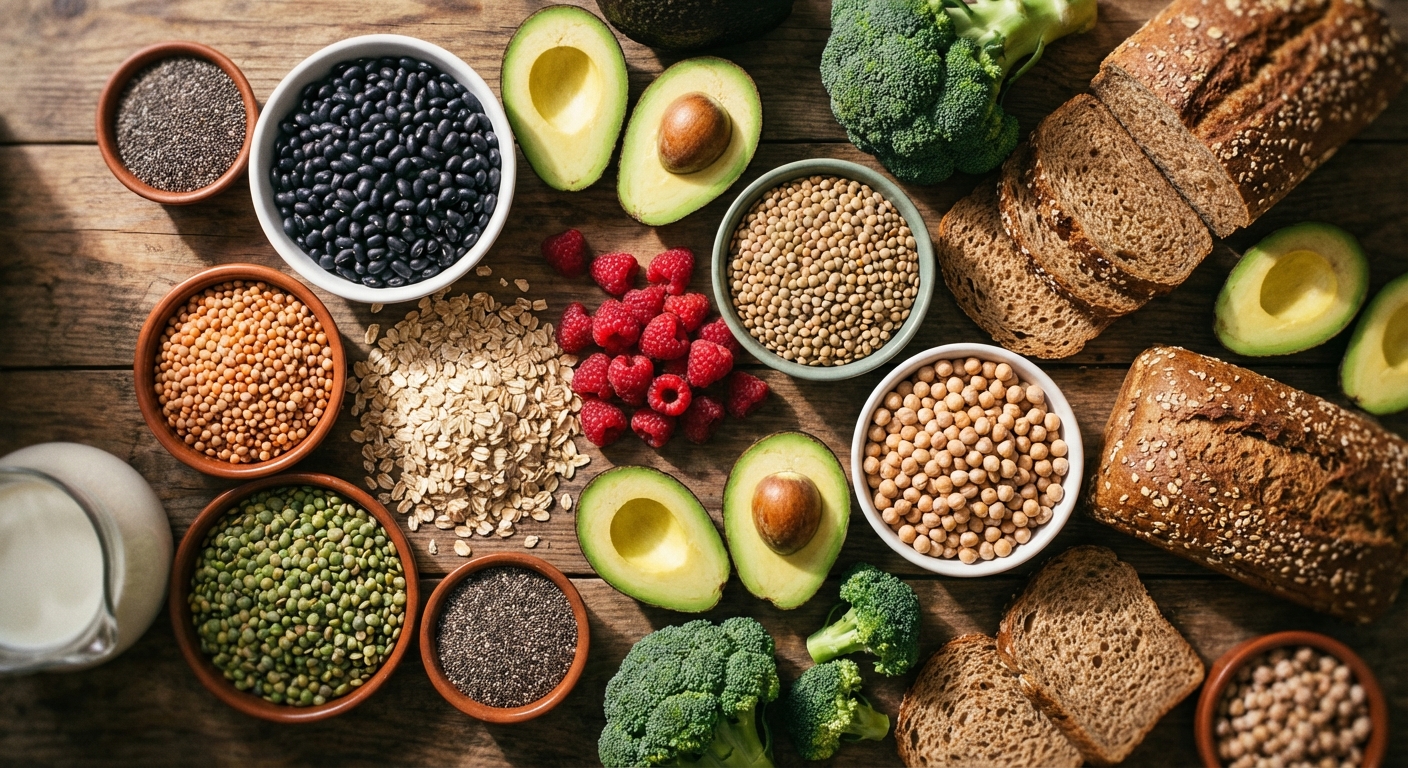
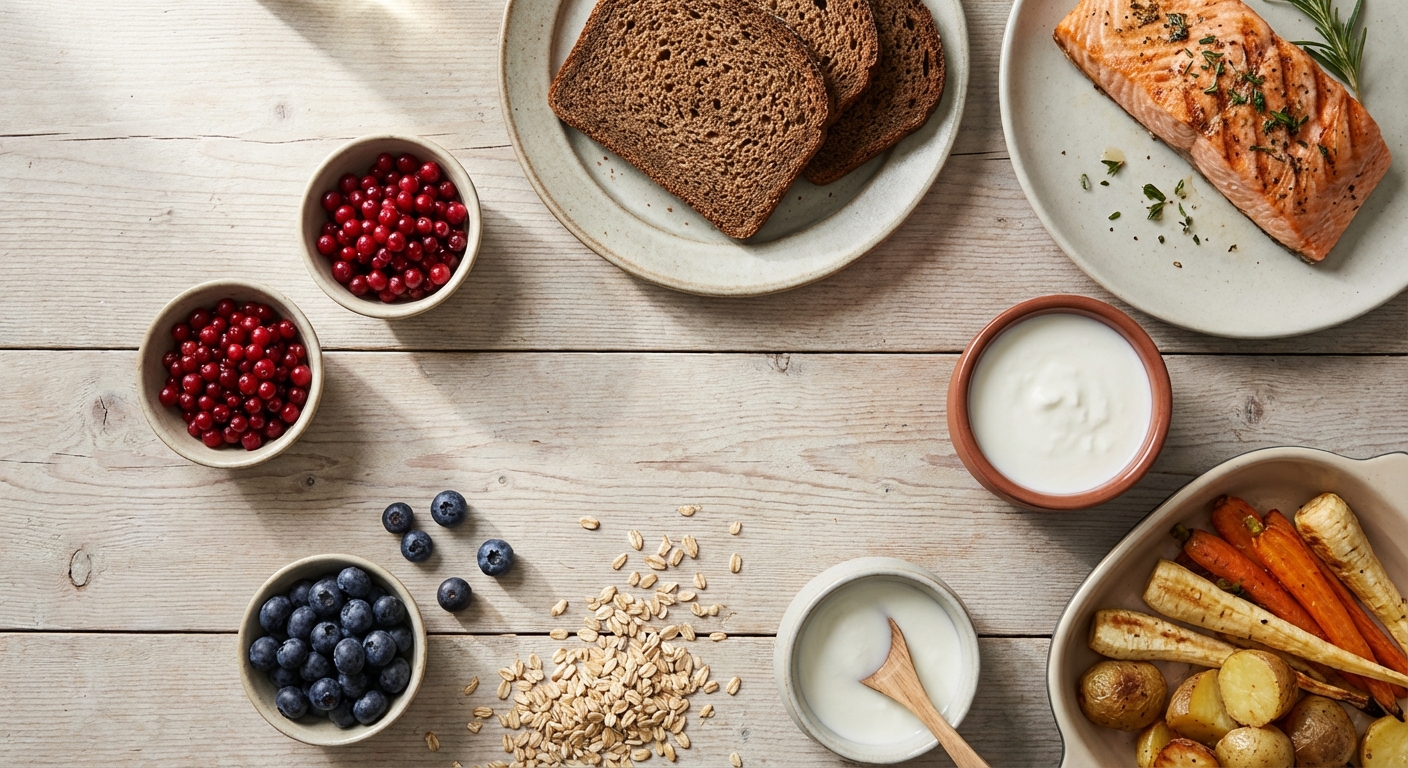
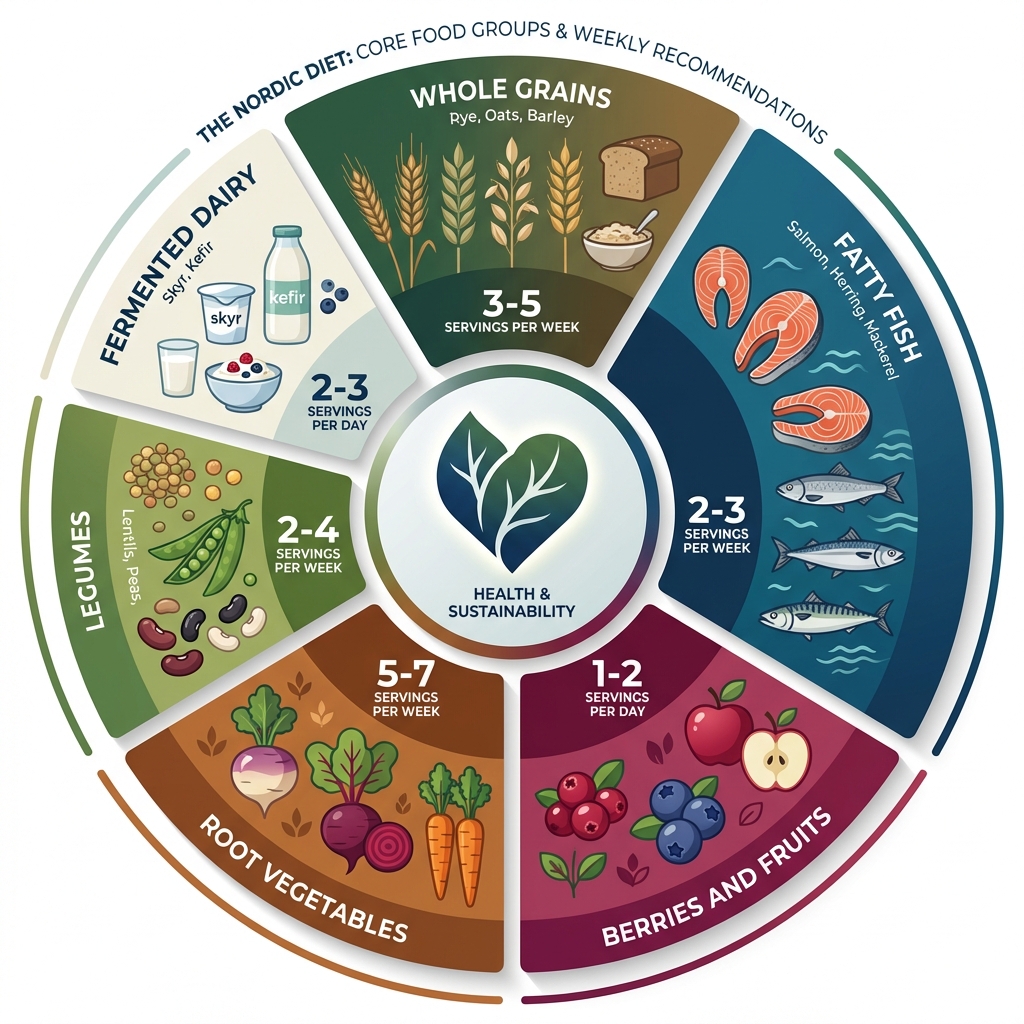
The NNR23 guidelines emphasize foods that grow well in northern European climates. The foundation is whole grains, particularly rye, oats, and barley, which form a larger portion of the diet than in Mediterranean patterns. Legumes feature prominently, including lentils, peas, and broad beans. Fish and seafood are recommended regularly, with emphasis on fatty cold-water species like herring, mackerel, and salmon. Low-fat dairy products, including fermented options like skyr and kefir, round out the protein sources.
The guidelines specifically recommend reducing red meat consumption and added sugar intake. This isn’t unique to the Nordic approach, but the NNR23 went further than most national dietary guidelines by explicitly incorporating environmental sustainability metrics into its recommendations. Each food category was evaluated not only for nutritional value but also for greenhouse gas emissions, land use, water use, and nitrogen and phosphorus runoff. The result is a dietary pattern that’s simultaneously optimized for human longevity and planetary survival.
One practical distinction from the Mediterranean diet deserves attention: the primary cooking fat. Where Mediterranean eating centers on olive oil, the Nordic approach favors rapeseed (canola) oil. This isn’t a nutritional downgrade. Rapeseed oil has a more favorable omega-6 to omega-3 ratio than most cooking oils, with approximately 2:1 compared to olive oil’s 10:1. It also contains alpha-linolenic acid (ALA), the plant-based omega-3 that serves as a precursor to EPA and DHA. The higher ALA content means that even without heavy fish consumption, the Nordic dietary pattern provides baseline omega-3 support through its cooking oil alone.
Berries also play a distinctive role. While the Mediterranean diet incorporates fruit broadly, the Nordic pattern specifically emphasizes wild and cultivated berries: lingonberries, blueberries, cloudberries, and blackcurrants. These berries are among the most polyphenol-dense foods available, and their anthocyanin content contributes to the anti-inflammatory and antioxidant mechanisms likely driving the mortality reductions observed in this study.
The 76,000-Person, 28-Year Evidence Base
The study, led by Ph.D. student Anne Bak Mørch and Associate Professor Christina Dahm of Aarhus University, drew on two large Swedish population cohorts: the Swedish Mammography Cohort (39,984 women aged 48-83) and the Cohort of Swedish Men (48,850 men aged 45-79). Participants completed food frequency questionnaires in 1997, with follow-up data collected through 2009 and 2019, and mortality outcomes were tracked through linkage to Sweden’s National Death Register.
The researchers developed a novel scoring system, the NNR23 Food-Based Diet Score, to quantify adherence to the updated Nordic dietary guidelines. Participants were scored on their consumption of whole grains, fruits and vegetables, legumes, fish, low-fat dairy, nuts, and seeds, with penalties for high intake of red meat, processed meat, and added sugars. Those in the highest adherence quintile showed the headline 23% reduction in all-cause mortality compared to the lowest quintile.
The disease-specific findings were equally compelling. High adherence was associated with a 16% lower risk of cardiovascular mortality and a 14% lower risk of cancer mortality. These reductions persisted after statistical adjustment for education level, household income, physical activity, smoking status, and BMI, suggesting that the dietary pattern itself, rather than confounding socioeconomic or lifestyle factors, drives the association.
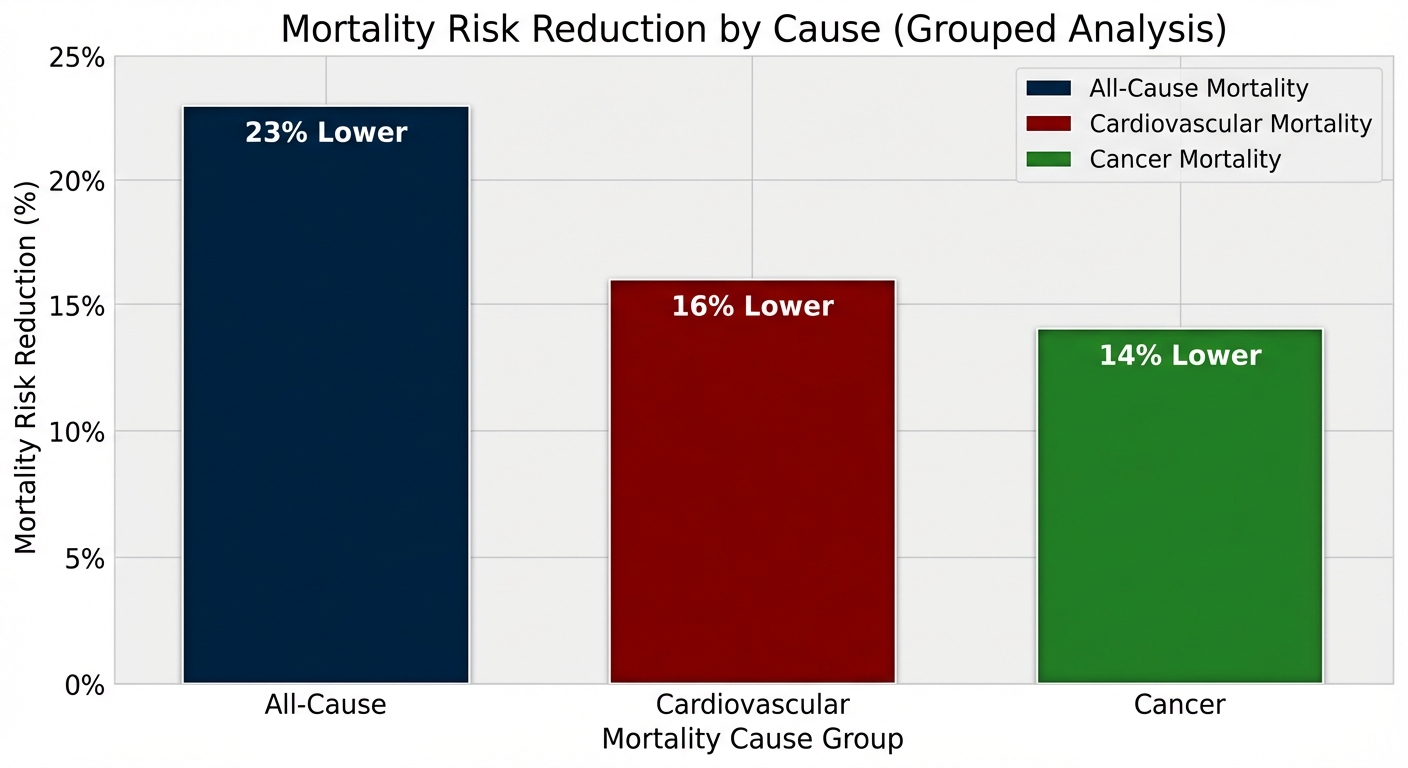
“Our study shows that among middle-aged Swedish men and women who follow the guidelines, mortality is 23 percent lower compared with those who do not,” Dahm stated. She noted that the research team plans to investigate whether the NNR23 dietary pattern also affects incidence rates of obesity, type 2 diabetes, cardiovascular disease, and specific cancer types in forthcoming studies.
The 28-year follow-up period is a significant strength. Many dietary studies track outcomes for 5-10 years, which may not capture the full impact of sustained eating patterns on chronic disease mortality. By following participants for nearly three decades, this study captures the kind of long-term dietary effects that shorter trials inevitably miss.
Nordic vs. Mediterranean: Complementary, Not Competing
The inevitable question is whether the Nordic diet is “better” than the Mediterranean diet. The honest answer, based on current evidence, is that we can’t make that comparison directly, and framing it as a competition misses the point.
A 2021 systematic review published in Frontiers in Nutrition examined both dietary patterns and concluded they share more similarities than differences. Both emphasize whole grains, fruits, vegetables, legumes, fish, and nuts. Both recommend limiting red meat, processed foods, and added sugars. Both are associated with reduced cardiovascular risk, improved glycemic control, and lower chronic disease incidence. The core nutritional philosophy, centered on minimally processed plant-forward eating with quality fat sources and regular fish consumption, is essentially identical.
Where they genuinely differ is in cultural accessibility and environmental optimization. The Mediterranean diet was observed in populations with access to olive groves, citrus orchards, and Mediterranean seafood. For someone living in Minnesota, Norway, or northern Japan, replicating that food environment requires importing ingredients from thousands of miles away, which defeats the sustainability dimension. The Nordic diet, by contrast, was designed to work with foods that grow in northern climates: cold-water fish, root vegetables, hardy grains, and cold-climate berries.
This is also what separates the Nordic approach from the Blue Zones dietary patterns that have dominated longevity conversations. Blue Zones research identified common dietary threads across five geographically specific populations. The Nordic diet takes those same principles (plant-forward, fish-rich, whole-grain-based) and adapts them to a climate where citrus fruit doesn’t grow but lingonberries, rye, and herring are abundant. It’s regional translation, not dietary competition.
The Climate-Health Double Dividend: An Original Analysis
What makes the NNR23 genuinely novel in the landscape of longevity diets is its explicit dual optimization for human health and environmental sustainability. Most dietary guidelines address planetary health as a footnote or afterthought. The Nordic Nutrition Recommendations 2023 built sustainability into the scoring criteria from the start, evaluating each food recommendation against four environmental metrics: greenhouse gas emissions, land use, water use, and nutrient runoff.
This creates what I’d call a “double dividend” framework, where every dietary choice simultaneously improves two outcomes that are typically treated as separate domains. Consider the red meat reduction recommendation. Cutting red meat intake reduces saturated fat consumption (cardiovascular benefit), lowers exposure to heme iron’s potential carcinogenic effects (cancer benefit), and eliminates one of the most greenhouse-gas-intensive food categories (environmental benefit). The replacement foods, legumes, whole grains, and fish, score well on both health and sustainability metrics.

This double-dividend model may explain why the mortality reductions in the NNR23 study are robust even after controlling for physical activity and socioeconomic status. Dietary patterns optimized purely for nutrient content might show attenuated effects when you control for the other healthy behaviors that health-conscious people tend to adopt. But a dietary pattern optimized for sustainability also shifts food sourcing toward whole, minimally processed ingredients by default, because processed foods score poorly on environmental metrics. The sustainability constraint functionally excludes ultra-processed foods, which are increasingly recognized as independent risk factors for mortality regardless of their macronutrient profile.
This framework also has practical implications for dietary adherence. One of the persistent challenges with the Mediterranean diet comparison is that it’s difficult to follow authentically outside Mediterranean regions. The Nordic diet’s emphasis on locally available foods may support better long-term adherence simply because the ingredients are cheaper, fresher, and more accessible in northern climates. Adherence is the single strongest predictor of dietary effectiveness, so a diet that’s easier to maintain in your actual food environment may deliver better real-world outcomes than a theoretically superior diet you can’t sustain.
Building Your Own Nordic Plate
Translating population-level research into daily meals requires specificity. Here’s what the NNR23 guidelines look like in practice, adapted for a North American or northern European kitchen.
Daily foundations:
- Whole grains: 3-4 servings (rye bread, oatmeal, barley porridge, whole grain pasta)
- Vegetables: 5+ servings emphasizing root vegetables (beets, carrots, turnips, parsnips), cruciferous varieties (cabbage, broccoli, kale), and alliums (onions, garlic)
- Berries and fruit: 2-3 servings, prioritizing berries (blueberries, lingonberries, blackcurrants, raspberries) alongside apples and pears
Weekly targets:
- Fatty fish: 2-3 servings (salmon, mackerel, herring, sardines)
- Legumes: 3-4 servings (lentils, chickpeas, peas, beans)
- Nuts and seeds: Daily small handful, emphasizing walnuts and flaxseeds for ALA content
- Low-fat fermented dairy: Daily (skyr, kefir, plain yogurt)
What to reduce:
- Red meat: Maximum 2-3 servings per week (down from typical Western consumption of 5-7)
- Processed meat: Minimize or eliminate (bacon, sausage, deli meats)
- Added sugar: Under 10% of total energy intake
- Ultra-processed foods: Replace with whole-food alternatives
Sample Nordic Day:
- Breakfast: Steel-cut oatmeal with blueberries, walnuts, and a drizzle of rapeseed oil (or flaxseed), plus skyr on the side
- Lunch: Open-faced rye bread with smoked mackerel, pickled beets, and mixed greens
- Dinner: Barley risotto with roasted root vegetables, lentils, and pan-seared salmon
- Snack: Apple slices with a handful of almonds and a small portion of kefir
This sample day delivers approximately 35g of fiber (exceeding the NNR23 target of 25-35g), 2g of ALA omega-3, and a polyphenol intake well above Western averages, primarily from the berries and whole grains.
Your Nordic Nutrition Blueprint
The Nordic diet study delivers three actionable takeaways worth implementing regardless of where you live.
First, the core principle isn’t “eat Scandinavian.” It’s “eat whole foods that grow near you.” The NNR23 guidelines are a template for regional dietary adaptation: take the universal longevity principles (plant-forward, fish-rich, whole-grain-based, low in processed foods and sugar) and fill them with foods that are locally available, affordable, and fresh. If you live in the Pacific Northwest, that means wild salmon, hazelnuts, and blackberries. In the American Midwest, that could mean walleye, wild rice, and cranberries. The dietary pattern is transferable even if the specific ingredients shift.
Second, rapeseed (canola) oil deserves serious consideration as a primary cooking fat. Its omega-3 content, neutral flavor, and high smoke point make it a practical daily-use oil with a more favorable fatty acid profile than many alternatives. This doesn’t mean abandoning olive oil, which has its own well-documented benefits, but it means the Nordic study adds evidence that olive oil isn’t the only path to cardiovascular protection through dietary fat.
Third, the sustainability dimension isn’t just ethical window dressing. It’s functionally beneficial for health because sustainability metrics naturally filter out ultra-processed foods, excessive meat consumption, and imported-out-of-season produce. Using environmental impact as a dietary heuristic (“would this food score well on sustainability?”) may be a surprisingly effective shortcut for making healthier choices without tracking macros or counting calories. The NNR23 study suggests that when you optimize for the planet, you optimize for longevity at the same time.
Sources
- Mørch AB, Ibsen DB, Wolk A, Dahm CC. “Development of the Nordic Nutrition Recommendations 2023 Food-Based Diet Score and Its Association with All-Cause Mortality in Two Swedish Cohorts.” The Journal of Nutrition, July 2025. https://jn.nutrition.org/article/S0022-3166(25)00419-5/fulltext
- Kanerva N, et al. “The Mediterranean and Nordic Diet: A Review of Differences and Similarities of Two Sustainable, Health-Promoting Dietary Patterns.” Frontiers in Nutrition, 2021. https://pmc.ncbi.nlm.nih.gov/articles/PMC8270004/
- Aarhus University. “Nordic dietary guidelines associated with longer life.” EurekAlert!, 2026. https://health.au.dk/en/display/artikel/nordiske-kostraad-giver-plus-paa-levealderen
- Nordic Council of Ministers. Nordic Nutrition Recommendations 2023. Copenhagen, 2023.