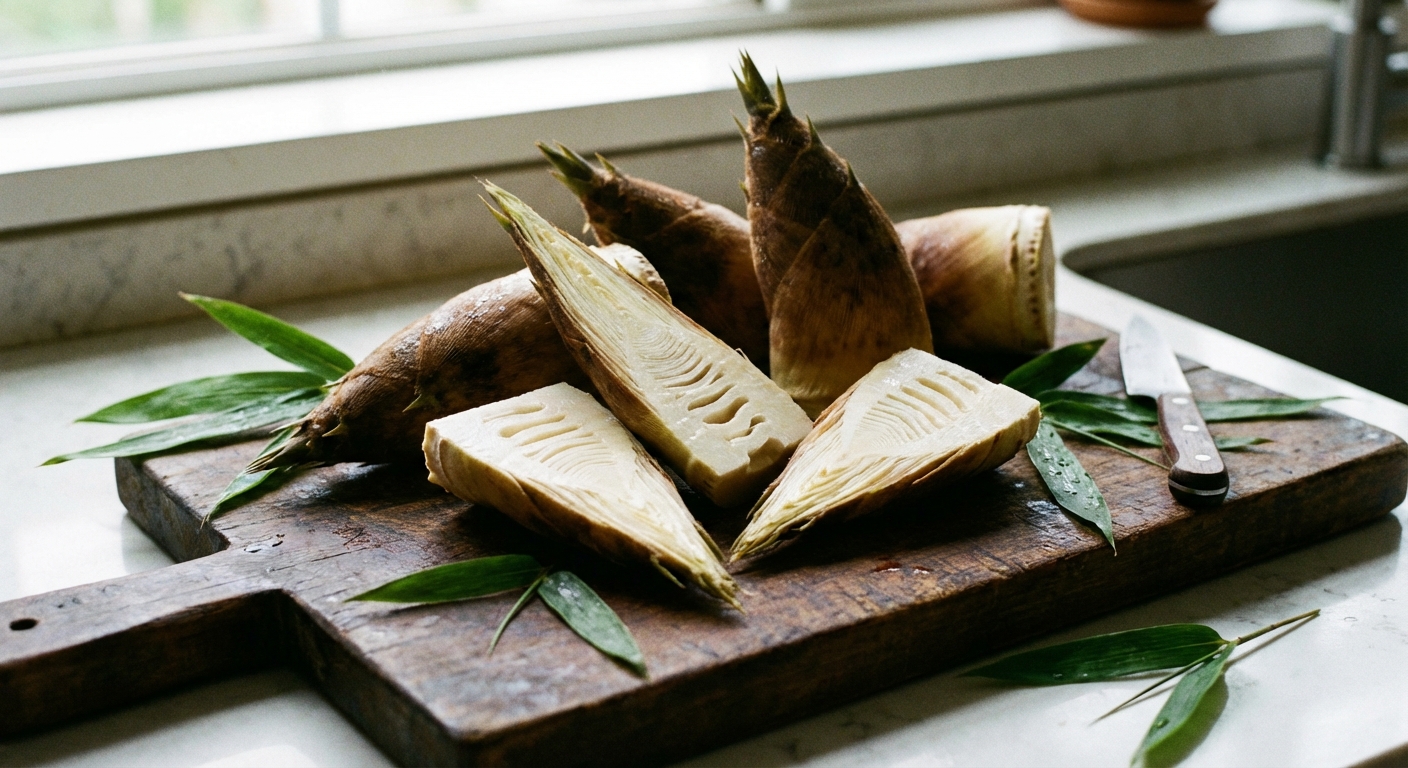
Walk through any Asian grocery store and you’ll find them tucked between the bok choy and water chestnuts: pale, cone-shaped bamboo shoots that most Western shoppers walk right past. For centuries, these young culinary bamboo sprouts have been staples in Chinese, Japanese, and Southeast Asian cuisines. Now, a comprehensive review published in early 2026 suggests we’ve been underestimating what bamboo shoots bring to the table.
The research, synthesizing multiple studies on bamboo shoot bioactivity, found significant effects on blood sugar regulation, inflammation reduction, and gut microbiome support. These aren’t marginal benefits requiring cherry-picked data. The evidence points to bamboo shoots as a genuinely functional food with measurable physiological effects.
What makes this research particularly relevant now is the growing focus on fiber and gut health in mainstream nutrition. While Americans chase the latest fiber supplement or probiotic capsule, traditional Asian diets have long incorporated bamboo shoots as a natural source of prebiotic fiber. The difference is that we now understand the mechanisms behind what ancestral food traditions seemed to know intuitively.
Understanding Bamboo Shoot Nutrition
Bamboo shoots come from young bamboo plants harvested before they develop into the woody stalks we associate with pandas and garden fencing. The edible portion is the tender emerging shoot, typically harvested when just a few inches tall. Different bamboo species produce slightly different nutritional profiles, but the general characteristics remain consistent across culinary varieties.
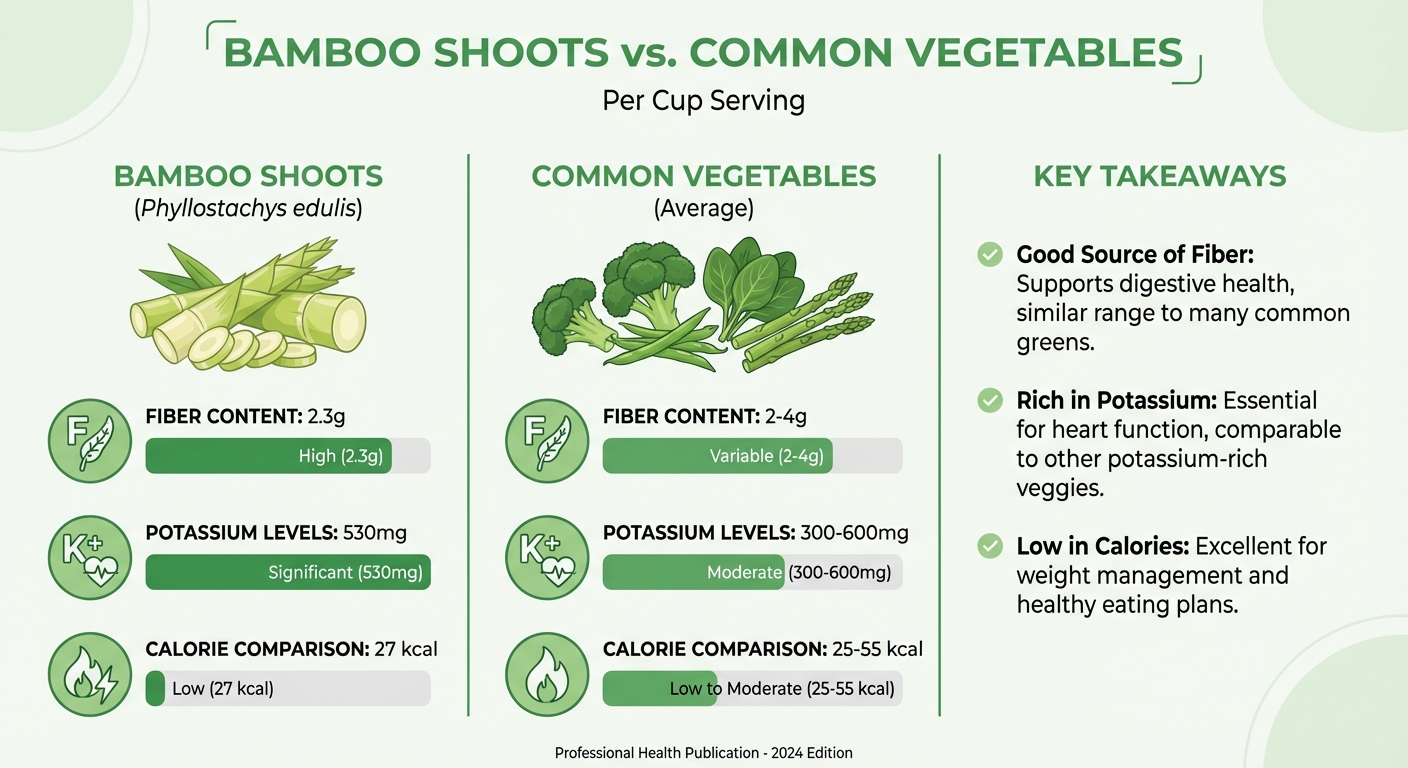
The macronutrient profile immediately stands out. Fresh bamboo shoots contain roughly 2.6 grams of protein and 0.3 grams of fat per 100-gram serving, but their real nutritional value lies in fiber content. A single cup of sliced bamboo shoots provides approximately 2.3 grams of dietary fiber, much of it in forms that resist digestion and travel intact to the colon where they feed beneficial bacteria.
Beyond fiber, bamboo shoots provide notable mineral content including potassium, manganese, and copper. They’re particularly rich in phytochemicals including lignans, phenolic acids, and flavonoids. The antioxidant capacity rivals that of many foods marketed specifically for their antioxidant properties, yet bamboo shoots rarely appear on superfood lists compiled by Western nutritionists.
The low calorie content deserves mention for anyone managing weight. At roughly 27 calories per cup, bamboo shoots provide substantial volume and fiber for minimal caloric investment. This combination of high fiber, low calories, and genuine nutrient density creates an unusually favorable profile for satiety without excess energy intake.
Blood Sugar Regulation Mechanisms
The blood sugar benefits of bamboo shoots work through multiple interconnected pathways, not a single magic compound. Understanding these mechanisms helps explain why the effects appear consistent across different studies and preparations.
Fiber slows gastric emptying, reducing the rate at which glucose enters the bloodstream after meals. This alone produces meaningful improvements in postprandial blood sugar spikes. But bamboo shoots contain specific fiber types, particularly insoluble fibers and resistant starches, that appear especially effective at moderating glucose absorption. The physical structure of bamboo shoot fiber may create a viscous environment in the small intestine that further slows nutrient absorption.
Research has identified specific compounds in bamboo shoots that inhibit alpha-glucosidase, the enzyme responsible for breaking complex carbohydrates into absorbable glucose in the small intestine. When this enzyme is partially inhibited, carbohydrate digestion slows, spreading glucose entry into the bloodstream over a longer period. This is the same mechanism targeted by the diabetes medication acarbose, though bamboo shoots produce a milder version of the effect.
The impact on insulin sensitivity represents another pathway worth understanding. Chronic inflammation impairs insulin signaling, contributing to insulin resistance over time. Bamboo shoots’ anti-inflammatory effects, discussed further below, may indirectly support insulin sensitivity by reducing systemic inflammation. This connection between inflammation and metabolic health explains why anti-inflammatory foods often show blood sugar benefits even when they don’t directly target glucose metabolism.
For practical blood sugar management, the research suggests consuming bamboo shoots as part of a meal containing carbohydrates, rather than as a separate snack. The alpha-glucosidase inhibition and fiber effects work most effectively when bamboo shoots are digested alongside other foods, slowing the entire meal’s glycemic impact.
Gut Microbiome Support
The emerging understanding of gut health has shifted from simply avoiding digestive discomfort to recognizing the microbiome as a metabolically active organ with system-wide influence. Bamboo shoots support gut health through prebiotic effects that feed beneficial bacterial populations.
The fiber in bamboo shoots resists digestion in the stomach and small intestine, arriving intact in the colon where it becomes fermentation substrate for gut bacteria. Specific bacterial species, particularly Bifidobacteria and Lactobacillus strains, thrive on the oligosaccharides found in bamboo shoots. When these populations expand, they produce short-chain fatty acids including butyrate, propionate, and acetate.

Butyrate particularly deserves attention. This short-chain fatty acid serves as the primary fuel source for colonocytes, the cells lining the colon. Adequate butyrate production supports intestinal barrier integrity, reducing the “leaky gut” phenomenon where bacterial compounds inappropriately cross into the bloodstream and trigger inflammation. The connection between gut barrier function and systemic health continues to reveal itself in research linking intestinal permeability to conditions ranging from autoimmune diseases to metabolic dysfunction.
Beyond feeding beneficial bacteria, bamboo shoot fiber may help suppress potentially harmful bacterial populations through competitive exclusion. When beneficial species flourish, they consume resources and occupy ecological niches that might otherwise be filled by less desirable organisms. This ecological perspective on gut health explains why simply taking probiotics often fails: without prebiotic fuel, introduced bacteria struggle to establish themselves.
The practical implication is that consistent bamboo shoot consumption, even in modest amounts, can shift microbiome composition over time. Studies on prebiotic fiber generally show meaningful changes in bacterial populations within two to four weeks of regular consumption, suggesting that bamboo shoots would need to become a regular dietary feature rather than an occasional addition.
Anti-Inflammatory and Antioxidant Properties
Chronic low-grade inflammation underlies many modern health problems, from cardiovascular disease to cognitive decline to metabolic dysfunction. Foods that modulate inflammatory pathways without pharmaceutical side effects represent valuable tools for long-term health management. Bamboo shoots appear to belong in this category.
The phenolic compounds in bamboo shoots demonstrate measurable antioxidant activity in laboratory studies, neutralizing reactive oxygen species that contribute to cellular damage and inflammatory signaling. These same compounds influence inflammatory pathways more directly, modulating the expression of pro-inflammatory cytokines and enzymes. The effect isn’t dramatic enough to treat acute inflammation like an ibuprofen tablet, but the cumulative impact of regular consumption may meaningfully reduce baseline inflammatory load.
Oxidative stress and inflammation exist in a self-reinforcing cycle. Oxidative damage triggers inflammatory responses, and inflammation generates additional oxidative stress. Bamboo shoots’ ability to address both simultaneously may explain why the overall benefits appear greater than either effect alone would predict. Breaking this cycle, even partially, can produce downstream effects throughout the body.
The specific lignans in bamboo shoots have drawn research attention for their potential role in hormone-related health. While early-stage research, some studies suggest these compounds may influence estrogen metabolism in ways relevant to breast health and hormonal balance. This remains an active area of investigation rather than a confirmed benefit, but it points to bamboo shoots’ potential beyond their better-established effects.
Cardiovascular and Heart Health Connections
The cardiovascular implications of bamboo shoot consumption emerge from the combined effects of fiber, antioxidant activity, and anti-inflammatory properties. No single mechanism makes bamboo shoots a heart-health food, but the convergence of multiple beneficial pathways creates meaningful cardiovascular support.
Soluble fiber binds bile acids in the digestive tract, forcing the liver to pull cholesterol from the bloodstream to synthesize replacement bile acids. This mechanism, well-established for fiber from sources like oats and psyllium, appears active with bamboo shoot fiber as well. Regular consumption may contribute to modest improvements in LDL cholesterol levels, particularly in individuals with elevated baseline levels.
Blood pressure may respond to bamboo shoots’ potassium content, though the quantities involved require regular consumption to matter. Potassium helps balance sodium’s effects on fluid retention and vascular tension, and most Americans consume too little potassium relative to sodium. Adding bamboo shoots to the diet contributes to potassium intake without the sugar load of fruits or the calorie density of many other potassium sources.
The anti-inflammatory effects become relevant for cardiovascular health through their impact on arterial function and atherosclerosis progression. Inflammation accelerates plaque formation and destabilization in arterial walls. Reducing systemic inflammation, through diet or other means, supports healthier arterial aging. While bamboo shoots alone won’t reverse cardiovascular disease, they contribute to an anti-inflammatory dietary pattern associated with reduced cardiovascular risk.
Practical Preparation and Consumption
Fresh bamboo shoots require proper preparation to remove cyanogenic glycosides, compounds that can release small amounts of hydrogen cyanide during digestion. This sounds alarming but becomes completely manageable with traditional cooking methods that have been employed safely for centuries.
Boiling fresh bamboo shoots for at least 20 minutes in unsalted water effectively breaks down these compounds. The boiling water is then discarded, taking the potentially problematic substances with it. Many Asian cuisines include this step as standard preparation, and it explains why raw bamboo shoot consumption isn’t traditional. Canned bamboo shoots have already undergone this processing and can be used directly.
For fresh shoots, look for firm specimens with tightly wrapped outer leaves. Avoid shoots that feel soft or show browning, which indicates age and reduced quality. The outer layers are peeled away to reveal the pale, tender interior, which is then sliced and boiled before use in recipes.
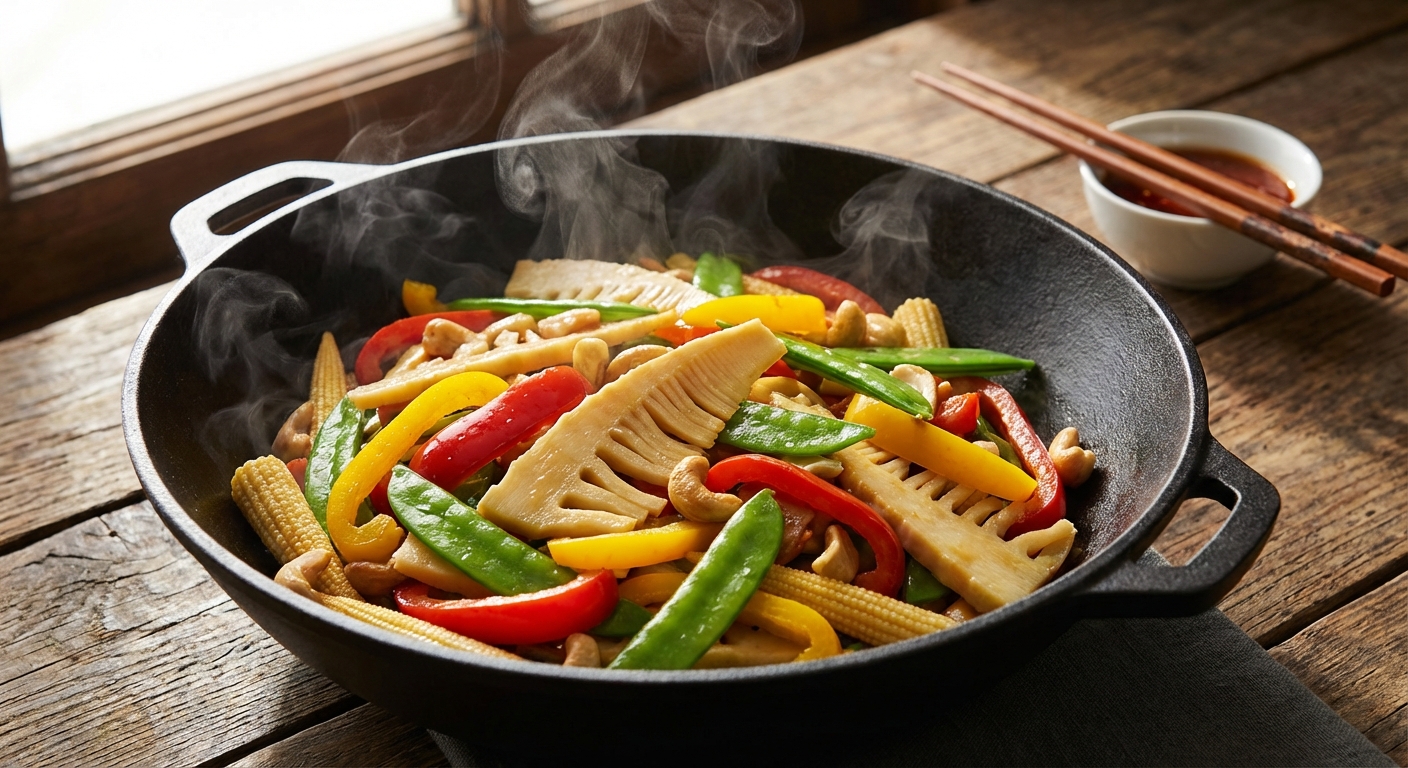
Incorporating bamboo shoots into meals is straightforward for anyone familiar with stir-fries, soups, or Asian-style preparations. Their mild, slightly sweet flavor and satisfying crunch complement vegetables, proteins, and noodles. Western applications might include adding them to vegetable stir-fries, Asian-inspired salads, or even as a low-calorie addition to grain bowls. The neutral flavor profile means they absorb sauces and seasonings well.
Aim for at least half a cup serving size when including bamboo shoots in a meal. While any amount contributes fiber and nutrients, the research on blood sugar and gut health effects used portions in this range. Making bamboo shoots a weekly staple, appearing in two or three meals, would likely provide the consistent exposure needed for microbiome benefits.
The Bottom Line
Bamboo shoots deserve a place in Western kitchens beyond their current niche status. The combination of blood sugar modulation, gut microbiome support, anti-inflammatory activity, and cardiovascular benefits creates a compelling case for regular consumption. These aren’t theoretical benefits extrapolated from isolated compounds but observed effects from consuming the whole food.
Best Sources:
- Fresh bamboo shoots: Available at Asian grocers, require boiling before use
- Canned bamboo shoots: Pre-prepared and ready to use, widely available
- Vacuum-packed bamboo shoots: Found in refrigerated sections, good texture
Practical Targets:
- Include bamboo shoots in at least two meals per week to support gut microbiome changes
- Pair with carbohydrate-containing meals to maximize blood sugar moderating effects
- Add to stir-fries, soups, or grain bowls for easy incorporation
- Store fresh shoots in refrigerator for up to two weeks, or use canned varieties for convenience
The research validates what Asian culinary traditions have practiced for generations. Sometimes the most effective functional foods aren’t exotic supplements but humble vegetables that we’ve simply overlooked.
Sources: 2026 comprehensive review on bamboo shoot bioactivity, gut microbiome fermentation studies, alpha-glucosidase inhibition research, short-chain fatty acid and butyrate research from Journal of Nutrition.