About one million Americans are hospitalized every year for respiratory illnesses, and approximately 100,000 die annually from infections ranging from influenza to COVID-19 to respiratory syncytial virus (RSV). These numbers spike dramatically during winter months, when shorter days, colder temperatures, and increased indoor time create ideal conditions for viral transmission. Your diet during this season is not just about comfort food and holiday treats; it is one of the most controllable factors influencing whether your immune system can mount an effective defense.
The good news is that winter’s seasonal produce is particularly well-suited to immune support. Root vegetables, citrus fruits, dark leafy greens, and warming spices that traditionally dominate cold-weather cooking are loaded with the nutrients your immune system needs most. The key is understanding which foods deliver genuine benefits versus the ones that are mostly marketing hype, and how to combine them into eating patterns that actually strengthen your defenses.
Research from institutions including Harvard Medical School and the Cleveland Clinic has increasingly focused on the gut-immune connection, revealing that about 70% of your immune system resides in or around your digestive tract. This means that winter nutrition is not just about individual vitamins and minerals but about nourishing the gut microbiome that orchestrates much of your immune response, as detailed in our coverage of how phytonutrients transform gut health. The strategies that emerge from this research combine time-tested seasonal eating wisdom with modern understanding of immunology and microbial health.
The Vitamin D Winter Problem
Vitamin D deficiency may be the single most important nutritional factor affecting winter immune function, and most people do not realize how deficient they are. Your body produces vitamin D when UVB rays from sunlight hit your skin, but during winter months in most of the United States, the sun angle is too low for effective vitamin D synthesis. Even if you spend time outdoors, you are unlikely to produce meaningful amounts between roughly November and March.
The statistics are striking. About 40% of Canadians fall below adequate vitamin D levels during winter, compared to 25% in summer. In northern Poland, researchers found that 84.4% of adults were deficient during winter months. Given that the United States spans similar latitudes, comparable rates likely apply to much of the population north of Atlanta.
Vitamin D’s role in immune function extends beyond simple supplementation advice. The vitamin D receptor is expressed on immune cells including B cells, T cells, and antigen-presenting cells, meaning vitamin D directly modulates how your immune system responds to pathogens. Research has shown that deficiency is associated with both increased susceptibility to infections and increased autoimmune activity. A systematic review of 25 randomized controlled trials found that vitamin D supplementation significantly reduced the risk of acute respiratory tract infections.
Recent research has added an important nuance to vitamin D supplementation. A 2025 study found that taking vitamin D2 supplements can actually lower your body’s concentration of vitamin D3, which is the form your body produces from sunlight and uses most effectively. The researchers noted that vitamin D3, but not D2, appears to stimulate the type I interferon signaling system, a key part of the immune system that provides first-line defense against bacteria and viruses. This suggests that if you supplement, D3 (cholecalciferol) should be your choice over D2 (ergocalciferol).
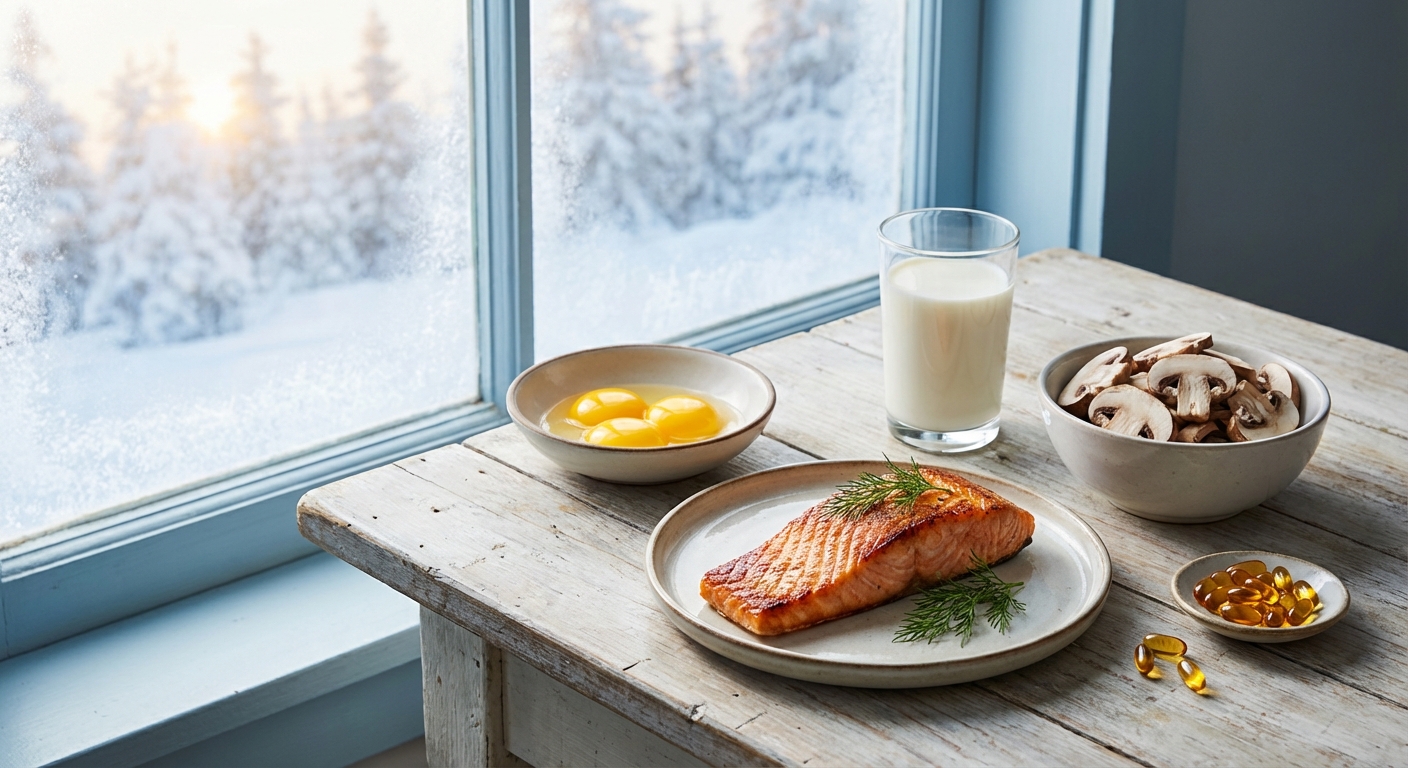
For most adults, a daily vitamin D3 supplement of 1,000 to 2,000 IU during winter months can help maintain adequate levels, though those with significant deficiency may need higher doses under medical supervision. The tolerable upper limit is 4,000 IU daily for long-term use. For a comprehensive guide to dosing strategies, see our vitamin D optimization deep dive. Food sources of vitamin D include fatty fish like salmon and mackerel, egg yolks, and fortified foods, but diet alone rarely provides sufficient amounts during winter.
Seasonal Foods That Support Immunity
Winter’s traditional foods are not merely about warmth and comfort; many provide concentrated sources of immune-supporting nutrients. Understanding which foods deliver real benefits can help you make choices that support your health beyond simple calorie provision.
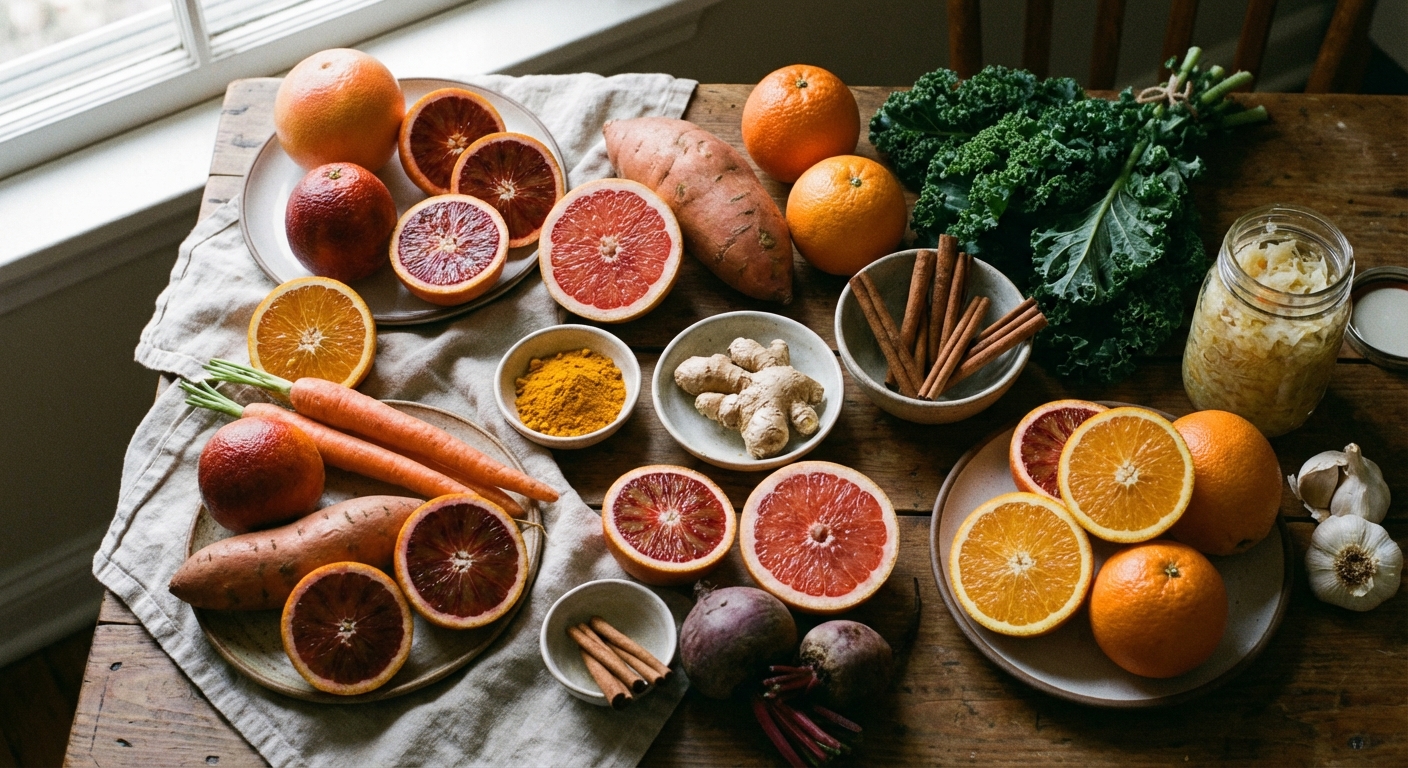
Citrus fruits remain one of the most accessible sources of vitamin C during winter months. While the idea that vitamin C prevents colds is overstated, adequate intake does support immune function. Vitamin C is essential for the function of various immune cells and acts as an antioxidant that helps protect immune cells from oxidative damage. A single orange provides about 70mg of vitamin C, close to the daily recommended intake. Grapefruits, clementines, and blood oranges provide similar benefits with varying flavor profiles that can prevent palate fatigue.
Root vegetables like sweet potatoes, carrots, and beets provide beta-carotene, which your body converts to vitamin A. This nutrient is critical for maintaining the integrity of mucosal barriers, including those in your respiratory tract, that serve as first-line defenses against pathogens. Root vegetables also provide fiber that feeds beneficial gut bacteria, connecting them to the gut-immune axis.
Winter squash varieties including butternut, acorn, and spaghetti squash are rich in both vitamins A and C, along with antioxidants that support immune health. Their natural sweetness makes them versatile in both savory dishes and healthier desserts, and they store well throughout the season.
Dark leafy greens like kale and spinach become particularly important in winter when other fresh produce options dwindle. Kale is one of the most nutrient-dense foods available, providing vitamins A, C, and K along with minerals and antioxidants. The fiber content supports gut health, and the relatively hardy nature of winter greens means they maintain quality longer than delicate summer lettuces.
Warming spices like turmeric, ginger, cinnamon, and garlic do more than add flavor. According to Dr. Uma Naidoo, Harvard nutritional psychiatrist, these spices are loaded with micronutrients and antioxidants that may help reduce chronic inflammation associated with poor immunity and low mood. Turmeric contains curcumin, a compound with documented anti-inflammatory properties, though absorption improves significantly when combined with black pepper and consumed with fat. Fresh ginger provides both immune support and digestive benefits that are particularly valuable during a season of heavier eating.
The Gut-Immune Connection
The emerging understanding of the gut microbiome has transformed how nutritional scientists think about immune support. About 70% of your immune system resides in the gut-associated lymphoid tissue (GALT), and the bacteria in your intestines communicate directly with these immune cells. A healthy, diverse microbiome helps train your immune system to respond appropriately to threats while avoiding overreaction.
Research on gut health indicates that specific dietary patterns, particularly those rich in prebiotics (fiber from fruits, vegetables, and whole grains) and probiotics (fermented foods), directly affect immune function. Studies have found that gut dysbiosis, an imbalance in gut bacteria, may increase susceptibility to infections and inflammation. The composition of your microbiome influences everything from how well you absorb nutrients to how your immune cells respond to pathogens.
Fermented foods provide live beneficial bacteria that can improve gut health and immune function. Sauerkraut, kimchi, miso, plain yogurt, and kefir are naturally rich in live strains of good bacteria. Dr. Naidoo recommends incorporating these into daily meals throughout winter for microbiome health. The key is choosing products that contain live, active cultures rather than pasteurized versions that have had their beneficial bacteria killed.
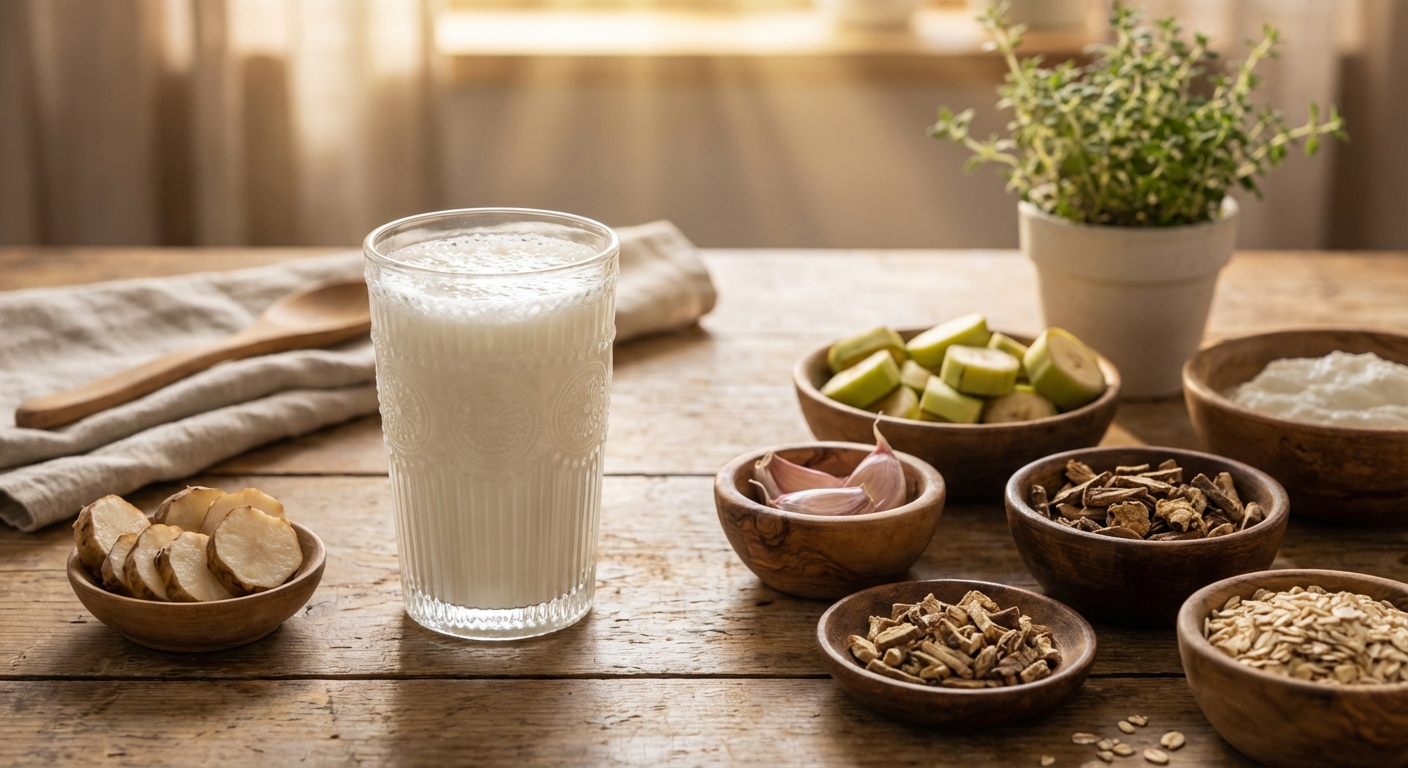
Prebiotic fiber feeds the beneficial bacteria already in your gut, helping them thrive and produce beneficial metabolites like short-chain fatty acids. Good winter sources include garlic, onions, leeks, chicory root, Jerusalem artichokes, and bananas. Prebiotic fiber also comes from whole grains, legumes, and many of the fruits and vegetables already mentioned. For a deeper exploration of why fiber has become central to modern nutrition thinking, see our analysis of fiber as the new protein. The combination of prebiotic foods and probiotic fermented foods creates a synergistic effect that supports a healthy gut ecosystem.
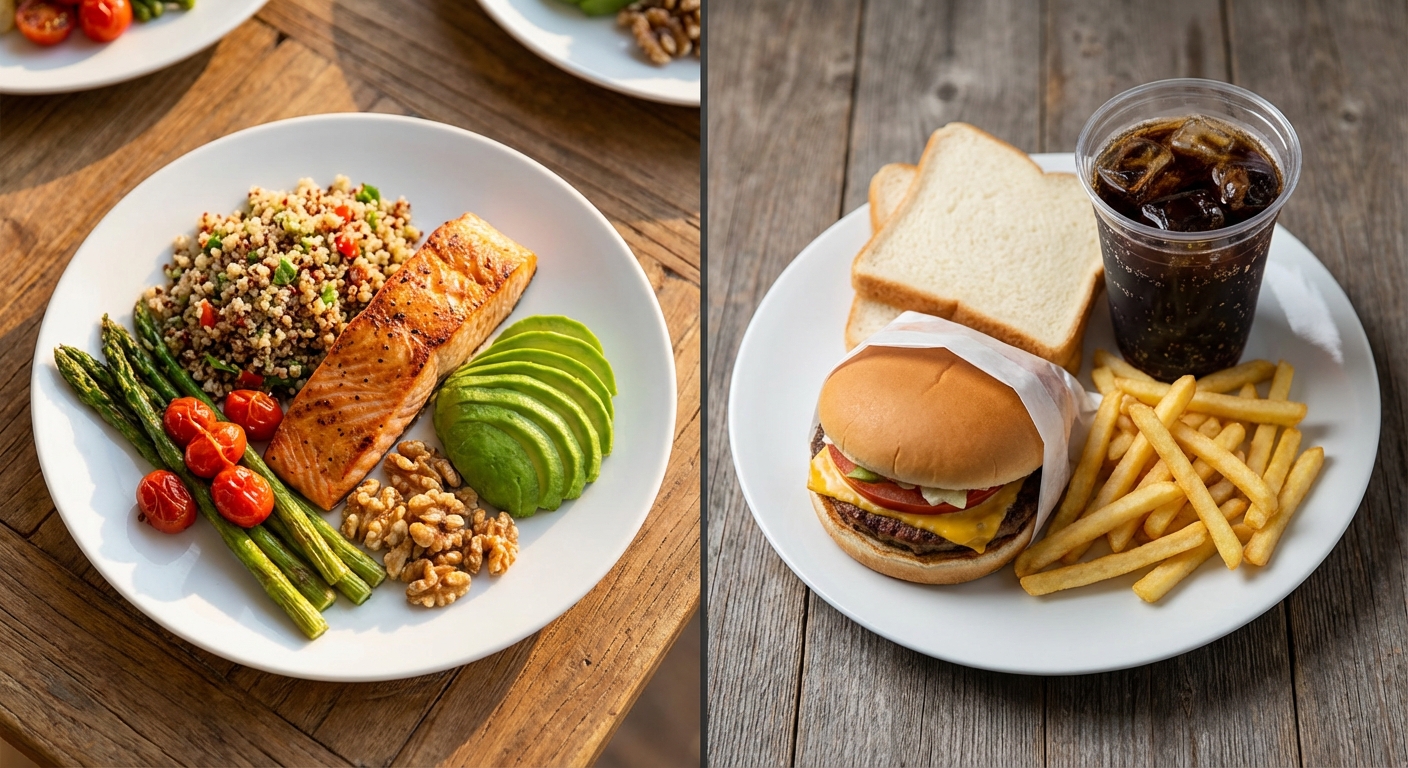
The connection between gut health and immune function explains why dietary patterns matter more than individual nutrients. A diet rich in diverse plant foods, fermented foods, and fiber creates an environment where beneficial bacteria flourish and immune function optimizes. Conversely, diets high in processed foods, sugar, and artificial additives can disrupt the microbiome and impair immune response, regardless of whether you are taking immune supplements.
Protein’s Winter Role
Protein often gets overlooked in discussions of immune nutrition, but it plays a critical role in maintaining defenses during winter months. Antibodies, the proteins your immune system produces to fight specific pathogens, require amino acids for their production. Immune cells themselves turn over rapidly during active infection, requiring protein for regeneration.
Research highlighted by supplement industry analysts notes that protein plays an important role during winter months by supporting immune function through antibody formation and helping the body maintain temperature. Adequate protein intake helps ensure your immune system has the building blocks it needs to mount effective responses.
Winter presents particular challenges for protein intake. Holiday-heavy carbohydrate foods, comfort meals that lean toward starches, and reduced appetite during illness can all lead to inadequate protein consumption precisely when the body needs it most. Making a conscious effort to include protein at each meal supports both immune function and the energy levels that tend to flag during dark winter months.
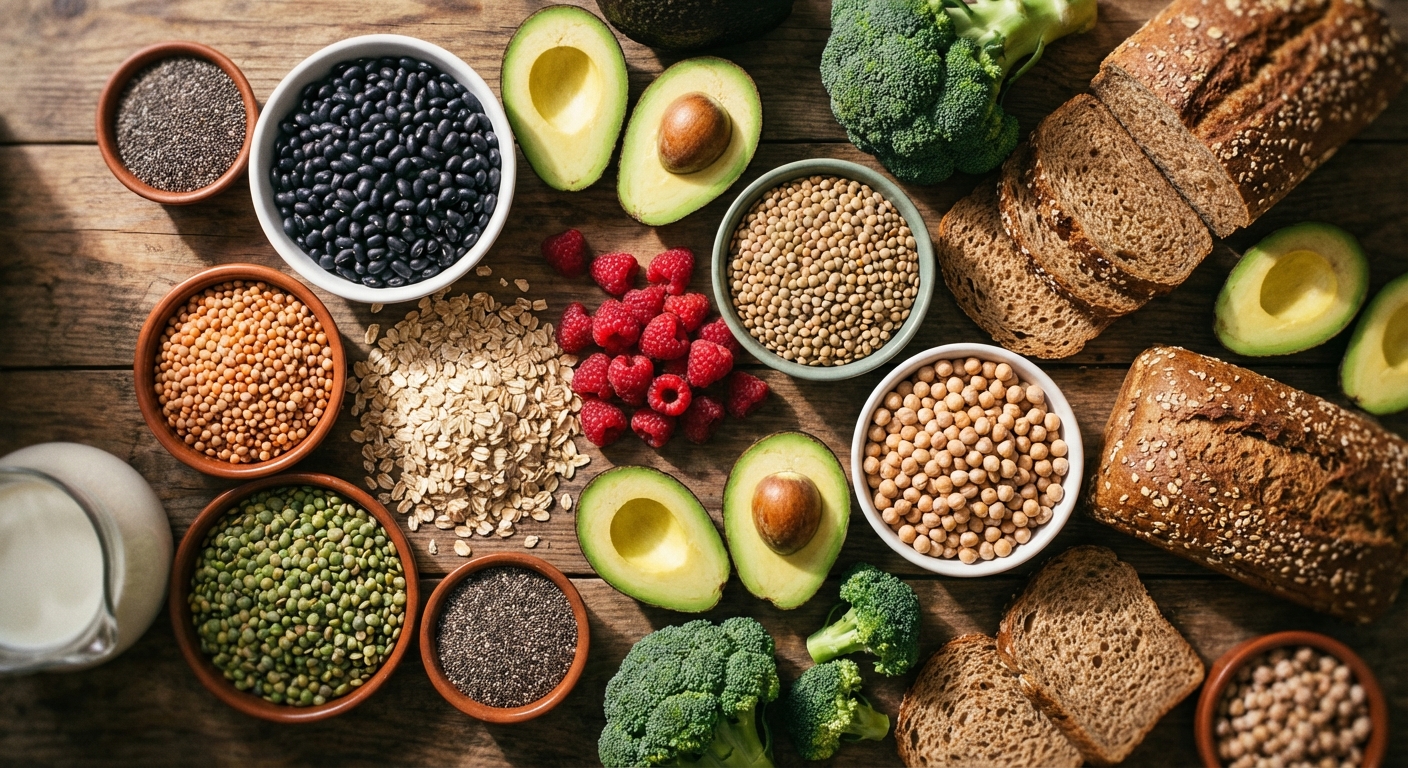
Good winter protein sources include eggs, which provide not only high-quality protein but also vitamin D and choline; fatty fish like salmon, which adds omega-3 fatty acids with anti-inflammatory properties; legumes including lentils and beans, which combine protein with prebiotic fiber; and Greek yogurt, which provides both protein and probiotic benefits in a single food.

Putting It Together: A Winter Nutrition Strategy
The research points toward dietary patterns rather than single foods or supplements as the key to winter immune support. According to Kristin Kirkpatrick, registered dietitian at the Cleveland Clinic, “Consuming a nutrient-dense diet is important all year. However, giving your body (including your microbiome) the nutrients it needs is essential to help build defenses against cold and flu come winter months.”
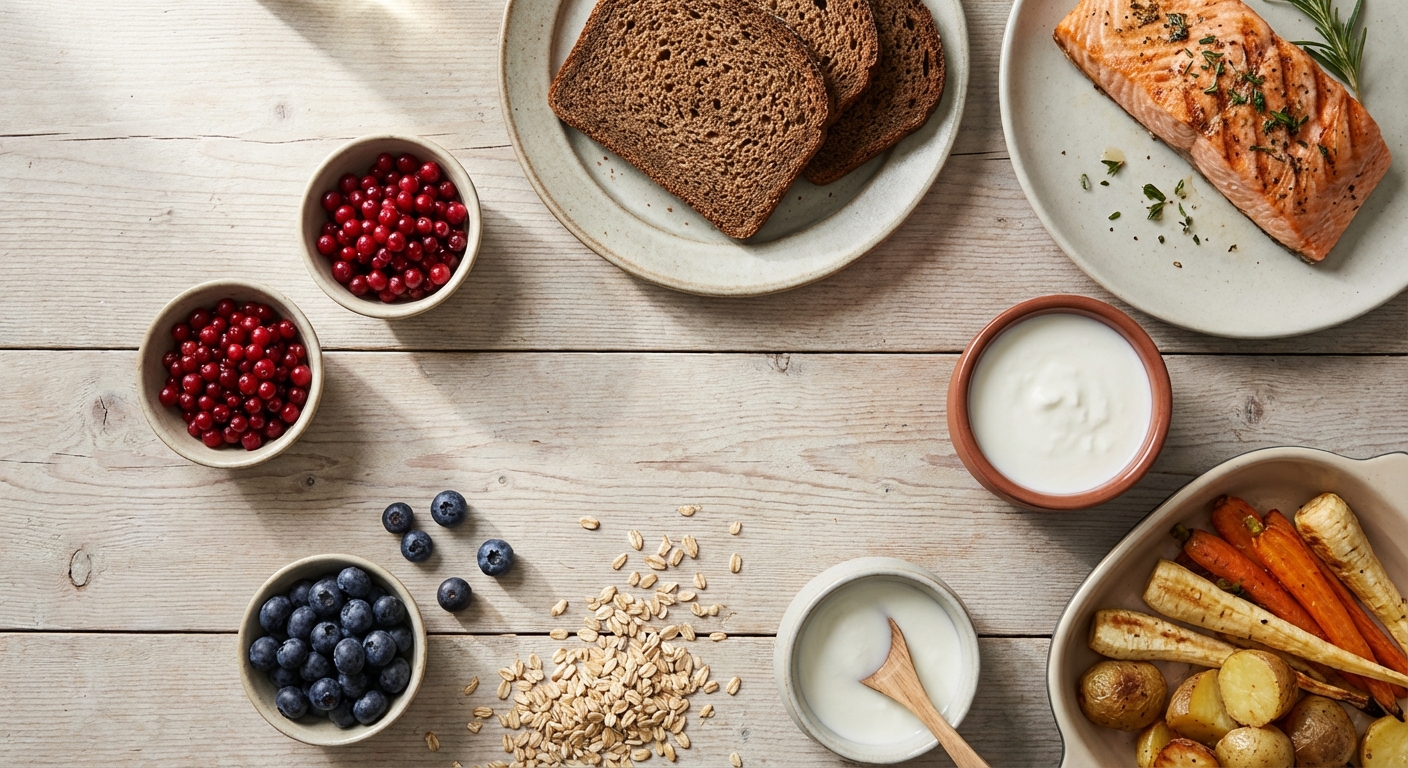
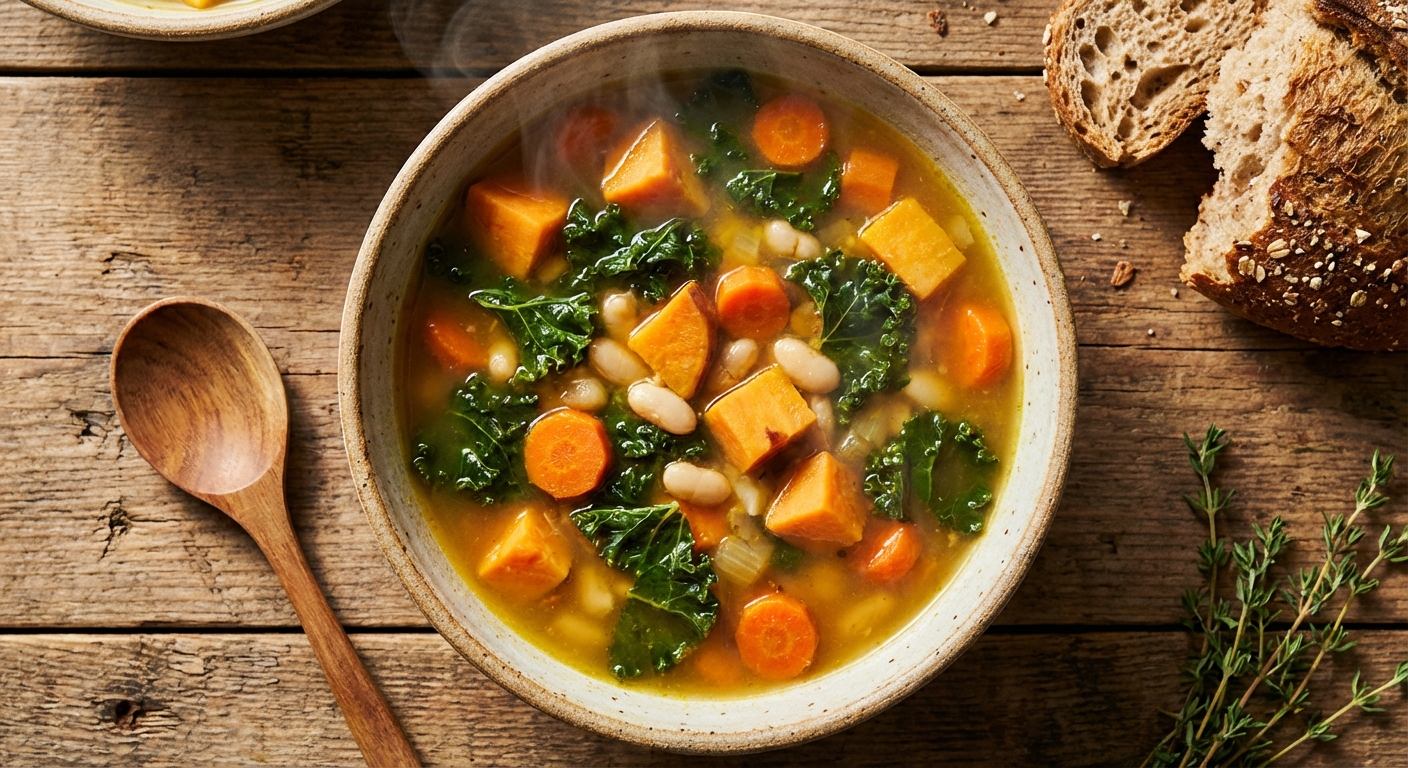
This translates into practical eating patterns that emphasize variety and quality. A typical immune-supportive winter day might include eggs with sauteed greens and turmeric for breakfast, providing protein, vitamin A, and anti-inflammatory compounds. Lunch could feature a hearty vegetable soup with legumes and a side of sauerkraut, combining multiple plant foods with prebiotic fiber and probiotic bacteria. Dinner might include fatty fish with roasted root vegetables and a citrus-based dressing, delivering omega-3s, vitamin A, and vitamin C.
The specific foods matter less than the overall pattern: diverse plant foods for fiber and micronutrients, fermented foods for gut health, adequate protein for immune cell production, and enough vitamin D through supplementation to compensate for reduced sun exposure. Warming spices can be incorporated throughout the day, from turmeric in morning eggs to ginger in afternoon tea to garlic in evening meals.
Hydration also deserves attention during winter. Cold weather suppresses thirst cues even as indoor heating increases fluid losses. Adequate hydration helps maintain mucosal barriers and supports the movement of immune cells throughout the body. Warm beverages like herbal teas, bone broth, and warm water with lemon can make meeting fluid needs more appealing when cold water feels unappealing.
What Does Not Work
Immune nutrition is plagued by marketing claims that outrun evidence. Understanding what the research does not support can save money and prevent false confidence in ineffective interventions.
High-dose vitamin C supplements provide minimal benefit beyond what you get from a diet rich in fruits and vegetables. While severe vitamin C deficiency impairs immune function, loading up on megadoses does not provide additional protection. Your body can only absorb and use so much vitamin C; excess is simply excreted.
Many commercial “immune-boosting” supplements combine multiple ingredients at doses too low to provide meaningful benefits, while charging premium prices for the combination. Individual ingredients like elderberry, echinacea, and zinc have some research support, but the evidence is mixed, and the doses in combination products often fall below those used in positive studies.
The idea that you can “boost” your immune system through diet or supplements is itself somewhat misleading. The immune system is complex, and more activity is not always better. What you are actually trying to achieve is optimal function, providing the raw materials your immune system needs while maintaining the gut health that supports appropriate immune responses. Overstimulation of the immune system can lead to autoimmune reactions and excessive inflammation.
The Bottom Line
Winter immune nutrition is less about magic bullets and more about consistent patterns that support the systems your body already has in place. The foundation is a diverse diet rich in colorful vegetables, citrus and other fruits, fermented foods, adequate protein, and warming spices. Vitamin D supplementation with D3 addresses the most significant winter-specific nutritional gap. Regular attention to gut health through fiber and fermented foods supports the 70% of your immune system that resides in your digestive tract.
The traditional foods that dominate winter eating, root vegetables, citrus, hearty soups and stews, garlic and ginger, are not just comforting. They provide concentrated sources of the nutrients your immune system needs during the season when it faces its greatest challenges. The key is approaching winter nutrition with intention rather than default, making choices that nourish your defenses rather than simply filling your stomach.
Winter Nutrition Action Plan:
- Supplement with vitamin D3 (1,000-2,000 IU daily) throughout winter months
- Include citrus fruit daily for vitamin C and other immune-supporting compounds
- Eat fermented foods like yogurt, kefir, or sauerkraut regularly (aim for daily)
- Emphasize root vegetables, winter squash, and dark leafy greens
- Use warming spices liberally (turmeric with black pepper, ginger, garlic, cinnamon)
- Ensure adequate protein at each meal to support antibody production
- Prioritize fiber from diverse plant sources to feed beneficial gut bacteria
Sources: Harvard Medical School nutrition research, Cleveland Clinic dietary guidelines, NIH vitamin D research, University of Surrey vitamin D2/D3 study (2025), Frontiers in Immunology high-dose vitamin D review (2025), gut microbiome and immunity research published in Nature and Journal of Internal Medicine.