The sugar alternatives market has been stuck in a frustrating compromise for decades. Artificial sweeteners taste artificial. Stevia has that bitter aftertaste. Sugar alcohols cause digestive issues in many people. And the natural options that taste good, like honey and maple syrup, still spike blood glucose just like table sugar. What if a sweetener existed that tasted almost exactly like sugar, baked like sugar, had minimal impact on blood glucose, and was derived from natural sources?
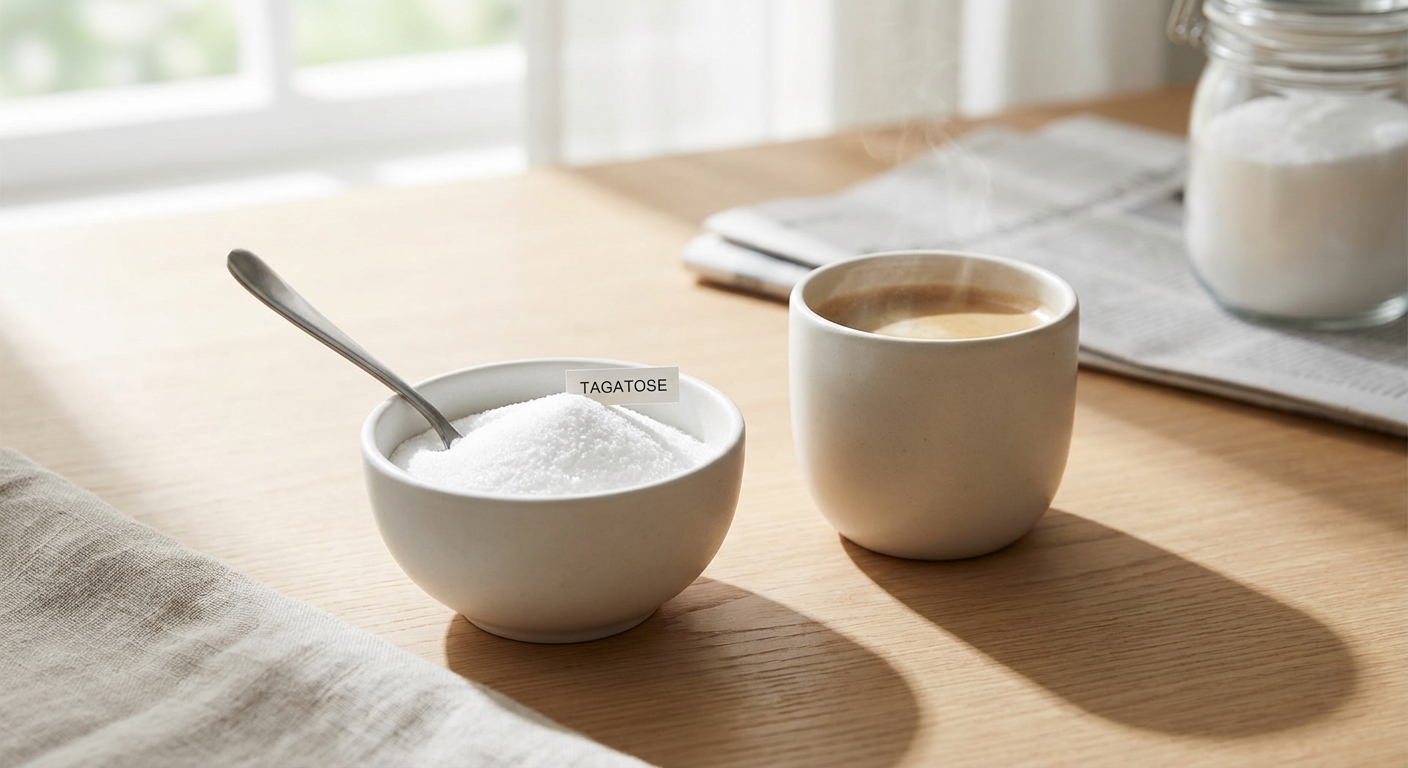
Tagatose is that sweetener, and it’s been around for years. The problem has been cost. This rare sugar occurs naturally in small amounts in dairy products, fruits, and cacao, but extracting it from natural sources made it prohibitively expensive for widespread use. That limitation may be ending. Scientists at Tufts University have developed a method using engineered bacteria to produce tagatose from common glucose, potentially making large-scale, affordable production realistic for the first time.
The research represents more than a manufacturing breakthrough. It opens the door to a sugar alternative that has genuine physiological advantages over both regular sugar and most currently available substitutes. Understanding what makes tagatose different explains why this development matters for anyone managing blood sugar, weight, or metabolic health.
What Makes Tagatose Different
Tagatose is a monosaccharide, a simple sugar with a molecular structure remarkably similar to fructose. But that slight structural difference changes everything about how the body processes it. Where fructose is rapidly absorbed and metabolized primarily in the liver, tagatose is poorly absorbed in the small intestine. Only about 20% of ingested tagatose actually makes it into the bloodstream. The remaining 80% passes to the large intestine where it’s fermented by gut bacteria.
This poor absorption is actually the source of tagatose’s benefits. Less absorption means dramatically reduced caloric contribution. While table sugar provides 4 calories per gram, tagatose contributes only about 1.5 calories per gram, and some estimates put it even lower. The unabsorbed portion that reaches the colon acts as a prebiotic, feeding beneficial bacteria rather than spiking blood glucose.
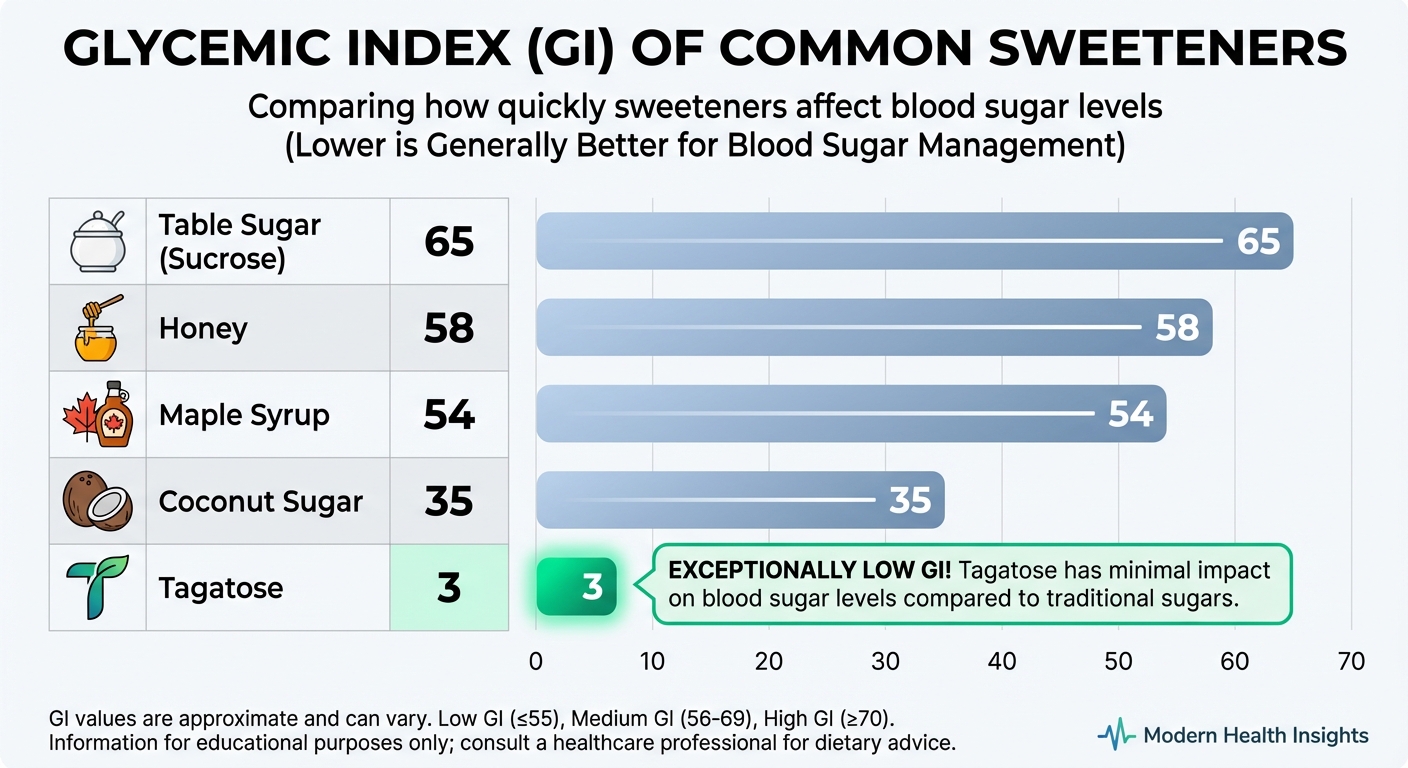
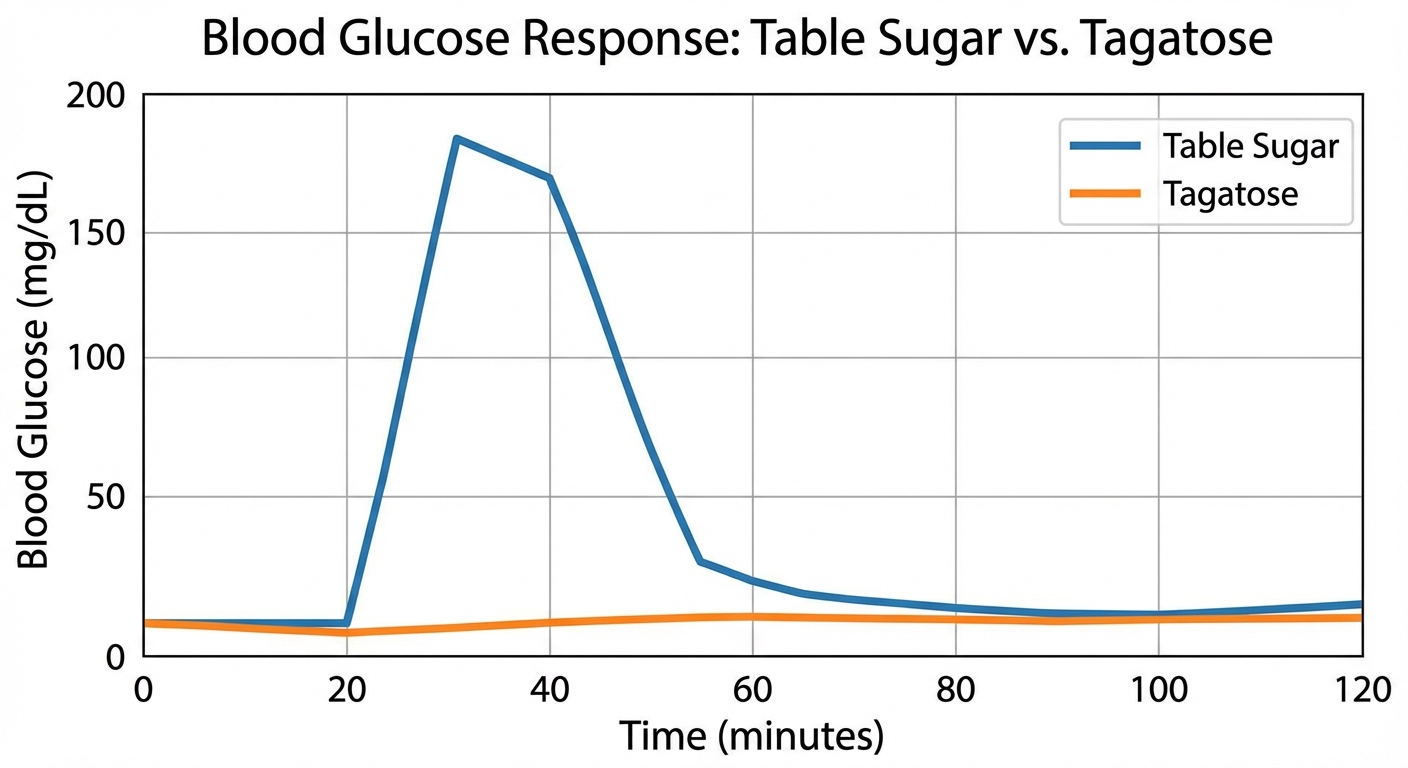
The glycemic index comparison is striking. Table sugar has a glycemic index of around 65. Tagatose has a glycemic index of approximately 3. That’s not a typo. The blood sugar response to tagatose is negligible compared to regular sugar, making it genuinely suitable for diabetics and anyone managing insulin resistance. This is far better than many “natural” sugar alternatives that still raise blood glucose, just slightly less than sucrose.
Taste tests consistently show that tagatose is about 90% as sweet as table sugar with a clean, sugar-like taste profile. Unlike stevia or monk fruit extracts, there’s no metallic edge or bitter aftertaste. Unlike erythritol and other sugar alcohols, the sweetness curve matches sugar’s, meaning it tastes right in the mouth rather than arriving too quickly or fading strangely. This is as close to sugar as any low-glycemic sweetener has achieved.
The Tufts Breakthrough Explained
The barrier to tagatose adoption has always been production economics. Natural extraction from dairy products yields tiny amounts at high cost. Previous chemical synthesis methods existed but weren’t cost-competitive with established sweeteners. The Tufts research changes the equation by using bacterial fermentation to convert abundant, cheap glucose into tagatose.
The scientists engineered specific bacteria to act as microscopic factories, essentially running a biochemical conversion process inside living cells. Glucose, one of the most abundant and inexpensive sugar sources available, goes in. Tagatose comes out. The process uses established fermentation technology similar to what already produces many food ingredients, antibiotics, and industrial chemicals at scale.
Why does this matter practically? Production cost determines which sweeteners actually appear in food products and become available to consumers at reasonable prices. Erythritol became widespread only after fermentation methods made it cheap to produce. Stevia extracts dropped in price when purification techniques improved. Tagatose could follow the same trajectory if this production method scales successfully.
The research is still at university laboratory stage, meaning years remain before commercial production begins. But the proof of concept now exists. The pathway from laboratory demonstration to industrial production is well-established for fermentation-based food ingredients. The timeline for affordable tagatose becoming widely available is more likely “five to ten years” than “never” for the first time in the compound’s history.
Blood Sugar and Metabolic Effects
The physiological benefits of tagatose extend beyond simple blood sugar management, though that application alone would justify interest. Research has identified several mechanisms through which tagatose may support metabolic health.
When the small absorbed fraction of tagatose enters the bloodstream, it appears to have a modest positive effect on glycemic response to other foods eaten at the same meal. Some studies suggest tagatose may actually reduce the blood sugar spike from accompanying carbohydrates by 15-20%, though the mechanism isn’t fully understood. One hypothesis involves tagatose’s mild inhibition of intestinal glucose transporters, slowing the absorption of other sugars present simultaneously.
The hepatic effects deserve attention for anyone concerned with fatty liver or metabolic syndrome. Unlike fructose, which is metabolized almost exclusively in the liver and can contribute to hepatic fat accumulation when consumed in excess, tagatose’s poor absorption means the liver sees very little of it. The small amount that does reach the liver appears to follow metabolic pathways that don’t promote lipogenesis. This makes tagatose a genuinely different category of sweetener for liver health compared to fructose, high-fructose corn syrup, or even some “natural” sweeteners.
For people with type 2 diabetes, the research is particularly encouraging. Clinical trials have shown that tagatose consumption produces minimal insulin response, allows for satisfying sweetness without glycemic consequences, and may even support modest improvements in HbA1c when substituted for sugar over time. The American Diabetes Association has recognized tagatose as safe for diabetics, a designation not all sugar alternatives have earned.
Gut Health and Prebiotic Properties
The 80% of tagatose that escapes absorption doesn’t disappear. It travels to the colon where it becomes food for resident bacteria, functioning as a prebiotic fiber despite being chemically classified as a sugar. This unexpected property adds to tagatose’s appeal for anyone focused on gut microbiome health.
Fermentation studies show that tagatose selectively feeds beneficial bacterial species, particularly Bifidobacteria and Lactobacillus strains, while not supporting the growth of pathogenic bacteria as effectively. This selective fermentation produces short-chain fatty acids including butyrate, the primary fuel source for colonocytes and a key mediator of gut barrier integrity. The prebiotic effect resembles that of established prebiotic fibers like inulin or fructooligosaccharides.
The digestive tolerance question matters here. Sugar alcohols like maltitol and sorbitol often cause bloating, gas, and laxative effects when consumed in moderate amounts because they draw water into the intestines and ferment rapidly. Tagatose’s fermentation profile appears gentler, with most studies showing good tolerance at typical consumption levels of 15-20 grams per day. Some individuals may experience mild digestive effects at higher doses, but the threshold is considerably higher than for sugar alcohols.
This creates an unusual dual benefit: tagatose functions as both a sweetener and a prebiotic. Foods sweetened with tagatose could simultaneously provide satisfying sweetness and support microbiome health, something no other widely available sweetener currently offers. The gut health angle may prove as important as the blood sugar benefits for tagatose’s eventual adoption.
Cooking and Baking Properties
One of the persistent frustrations with sugar alternatives is their failure in cooking applications. Artificial sweeteners can’t provide structure or browning. Stevia concentrates require complex formulation to work in recipes. Sugar alcohols absorb moisture unpredictably. Tagatose behaves remarkably like real sugar in most kitchen applications.
Tagatose browns through Maillard reactions, producing the same golden crusts and caramelization that cooks expect from sugar. It provides bulk and structure similar to sucrose, meaning recipes don’t require extensive reformulation to accommodate it. It dissolves readily in liquids and creams into butter. For someone attempting to reduce sugar intake without abandoning favorite recipes, tagatose offers a genuine one-to-one substitution possibility.
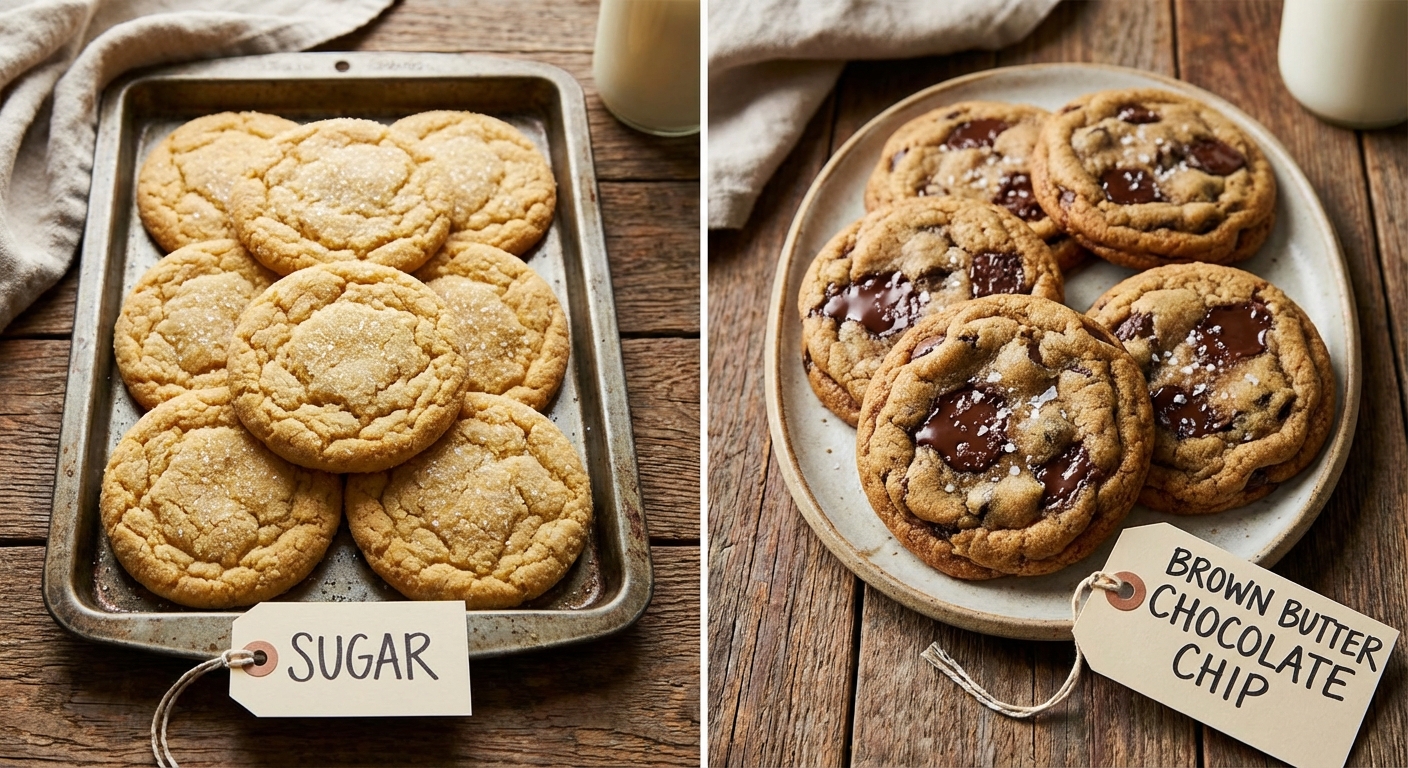
The 90% relative sweetness does require minor adjustment. Recipes might need slightly more tagatose than sugar to achieve the same perceived sweetness, or accepting a slightly less sweet result. But unlike stevia or monk fruit, where tiny amounts provide sweetness without any of sugar’s other properties, tagatose can simply be used more generously without strange textural effects.
Temperature stability is excellent, making tagatose suitable for both baking and candy-making applications where temperature extremes are involved. It doesn’t break down at high temperatures like some artificial sweeteners, and it doesn’t crystallize unpredictably like some sugar alcohols. For food manufacturers, these properties make formulation much simpler than working with sweetener blends.
Current Availability and Future Outlook
Tagatose isn’t completely unavailable today. It’s FDA-approved, classified as GRAS (Generally Recognized as Safe), and appears in some specialty products and can be purchased as a pure sweetener from select retailers. But current prices remain high, typically three to five times the cost of regular sugar per equivalent sweetness, limiting adoption to motivated consumers willing to pay premium prices.
The path to broader availability depends on production economics improving. The Tufts research represents a significant step in that direction, but laboratory demonstrations must scale through pilot production to full manufacturing before prices can drop. Food ingredient companies would then need to build supply chains and convince food manufacturers to reformulate products. This process typically takes years, even with promising technology.
Realistic expectations put widespread affordable tagatose availability in the 2030-2035 timeframe, assuming the bacterial production method scales successfully and no regulatory or safety concerns emerge during commercialization. For now, tagatose remains an option for individuals willing to invest in premium sweeteners for specific uses, particularly diabetes management or situations where blood sugar control is paramount.
The competition won’t stand still during this period. Other rare sugars, including allulose and D-psicose, are also being developed with improved production methods. The sweetener landscape in ten years may include multiple low-glycemic options that taste like real sugar, with tagatose as one choice among several rather than a unique breakthrough.
The Bottom Line
Tagatose represents what a sugar alternative should be: similar taste to sugar, dramatically reduced glycemic impact, good cooking properties, and potential prebiotic benefits as a bonus. The Tufts bacterial production breakthrough addresses the primary barrier to widespread adoption, though commercial availability at competitive prices remains years away.
Key Points:
- Glycemic index of 3 versus 65 for table sugar
- 90% of sugar’s sweetness with about 38% of the calories
- Browns and bakes like real sugar
- Acts as a prebiotic feeding beneficial gut bacteria
- Generally well-tolerated at moderate consumption levels
Practical Recommendations:
- For current access, search specialty health food retailers or online suppliers for pure tagatose powder
- Expect to pay premium prices until production scales
- Start with small amounts to assess personal digestive tolerance
- Consider tagatose particularly for coffee, tea, or applications where taste quality matters most
- Watch for tagatose appearing in commercial products as production economics improve
The sugar alternative that actually works like sugar has existed for decades. We’ve just been waiting for the manufacturing to catch up with the science.
Sources: Tufts University bacterial engineering research 2026, FDA GRAS determination for tagatose, American Diabetes Association position on rare sugars, glycemic index research from American Journal of Clinical Nutrition.