Every five years, the federal government updates its dietary recommendations, and every five years, the nutrition world braces for controversy. The 2025-2030 Dietary Guidelines for Americans, released on January 7, 2026, by HHS Secretary Robert F. Kennedy Jr. and USDA Secretary Brooke Rollins, delivered exactly that. The new guidance places protein and “healthy fats” at the center of American nutrition while taking direct aim at ultraprocessed foods and added sugars. It’s the most significant philosophical shift in federal nutrition policy in decades, and reactions from the medical community range from cautious optimism to serious concern.
The guidelines’ stated goal is to “reestablish food, not pharmaceuticals, as the foundation of health.” This framing reflects Kennedy’s long-standing criticism of the pharmaceutical industry and his belief that chronic disease in America stems largely from poor diet. Whether you agree with that premise or not, the practical implications for your dinner plate are substantial. The recommendations nudge Americans toward eating patterns that prioritize whole foods, increase protein intake across all life stages, and treat ultraprocessed foods as something to actively limit rather than simply moderate.
Understanding what actually changed, what the evidence supports, and where legitimate scientific disagreement exists will help you make informed decisions about your own eating habits. The guidelines aren’t law, but they influence everything from school lunch programs to the nutrition labels on packaged foods. They shape how doctors counsel patients and how food companies reformulate products. What the government says Americans should eat matters, even if you ultimately decide to eat differently.
What the New Guidelines Actually Recommend
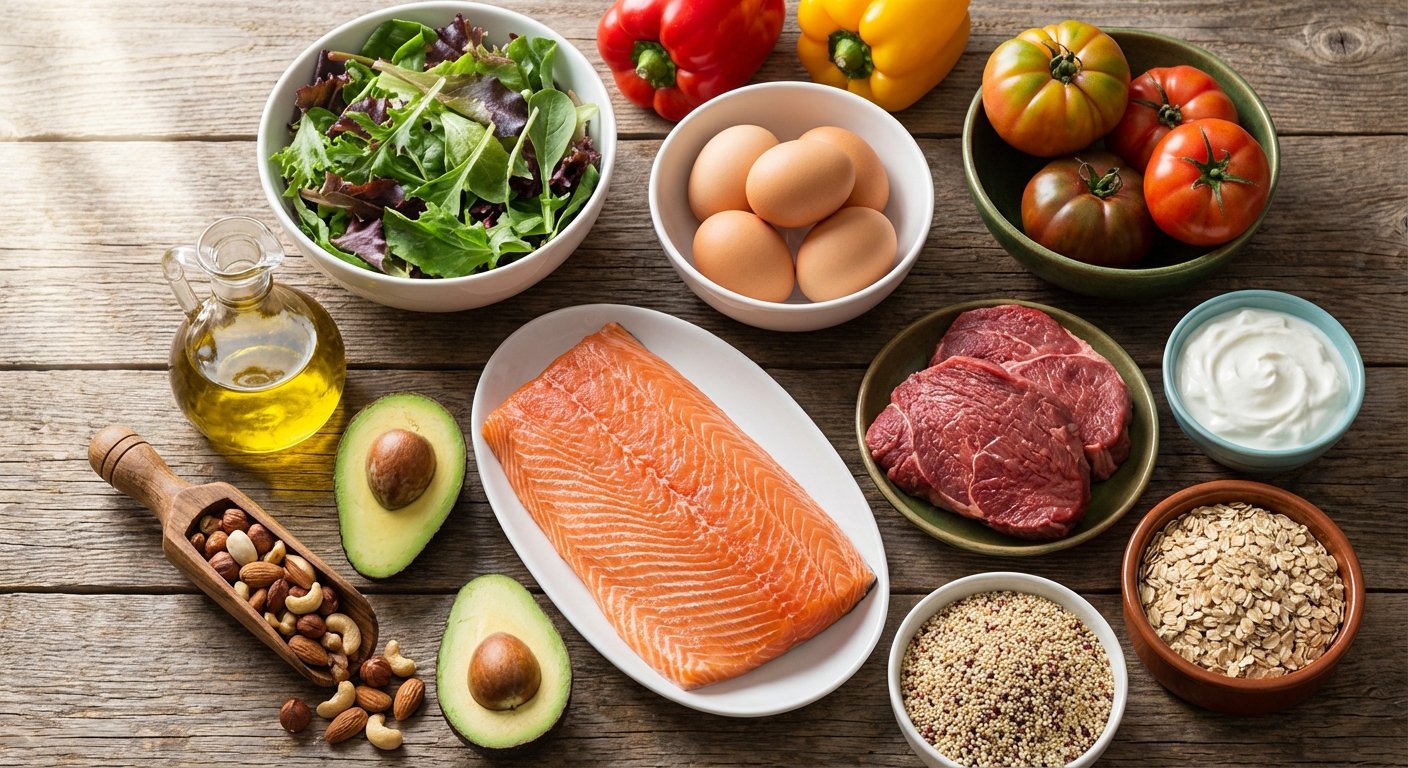
The 2025-2030 guidelines maintain the basic structure of previous versions while shifting emphasis in several key areas. Protein receives significantly more attention, with recommendations to prioritize protein-rich foods at every meal. The guidelines specifically encourage Americans to consume more eggs, lean meats, poultry, seafood, legumes, and dairy. For adults, the implicit message is that most people would benefit from eating more protein than they currently do.
Healthy fats receive rehabilitation in this edition. Previous guidelines treated all fats with suspicion, focusing primarily on limiting saturated fat. The new version distinguishes more clearly between different fat types, encouraging consumption of fats from fish, nuts, seeds, and olive oil while maintaining caution around saturated fat from processed foods. Notably, the guidelines make a “nod to beef tallow,” acknowledging traditional cooking fats that previous iterations largely ignored. This represents a departure from the low-fat orthodoxy that dominated American nutrition advice for forty years.
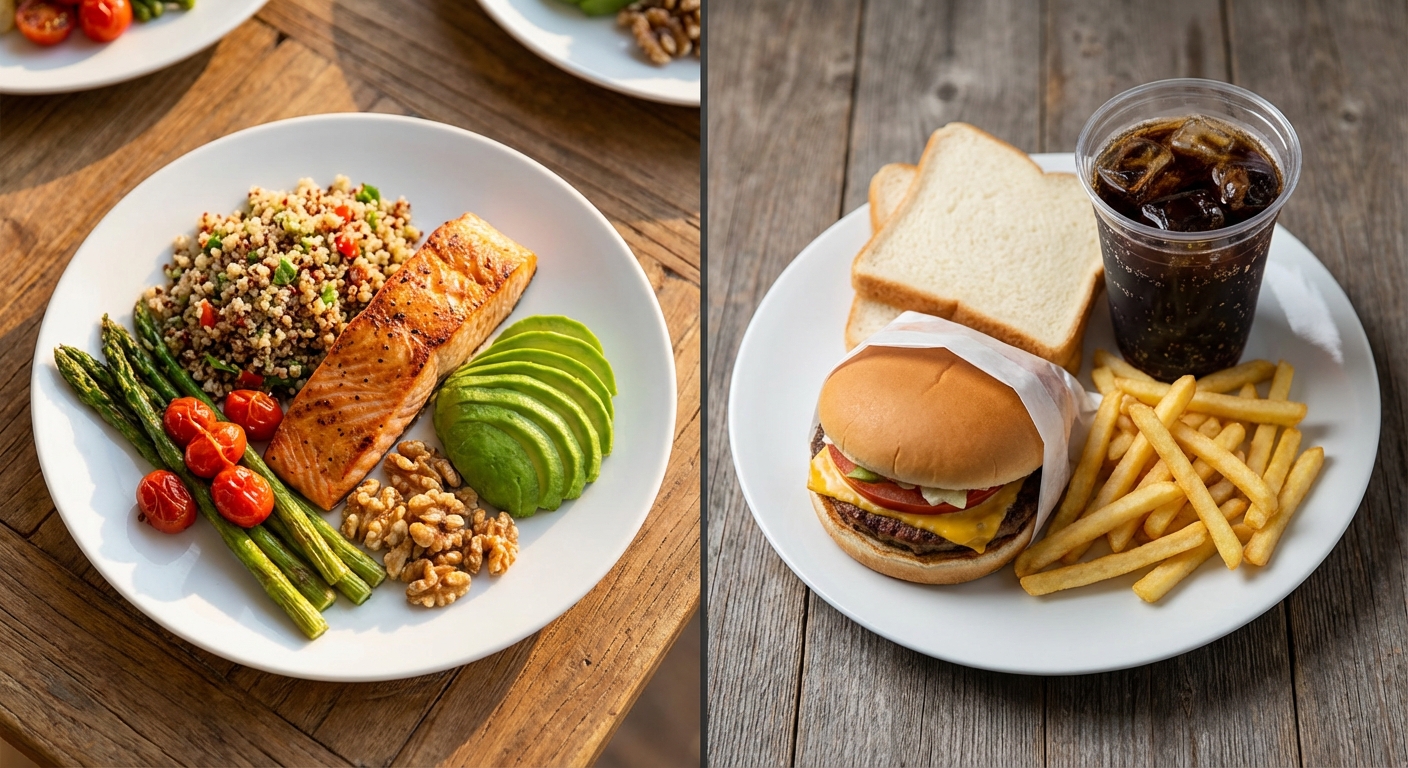
The most significant change involves ultraprocessed foods. For the first time, the federal guidelines explicitly recommend limiting these products, which include most packaged snacks, sugary beverages, fast food, and convenience meals. The guidelines define ultraprocessed foods as industrial formulations typically made from substances extracted from foods or synthesized in laboratories. This category accounts for nearly 60% of calories in the average American diet, making the recommendation to limit them a substantial ask.
Added sugar limits remain in place, with the guidelines recommending less than 10% of daily calories come from added sugars. For a 2,000-calorie diet, that’s roughly 50 grams or 12 teaspoons. The average American currently consumes closer to 17 teaspoons daily, so this target requires meaningful behavior change for most people.

The Protein Push: What Science Supports
The increased emphasis on protein aligns with a substantial body of research showing benefits for satiety, muscle maintenance, and metabolic health. A 2024 meta-analysis in the American Journal of Clinical Nutrition found that higher protein intakes (1.2-1.6 grams per kilogram of body weight) supported better preservation of lean mass during weight loss compared to standard recommendations of 0.8 grams per kilogram. For a 150-pound person, that’s the difference between eating 55 grams of protein daily versus 80-110 grams.
The guidelines’ protein recommendations particularly benefit older adults. Research from Stanford Medicine highlights that adults over 40 benefit from increased protein intake to combat age-related muscle loss, recommending approximately 1.0 to 1.2 grams per kilogram of body weight daily. Sarcopenia, the gradual loss of muscle mass that accelerates after age 50, contributes to falls, fractures, and loss of independence. Higher protein intakes help slow this decline, especially when combined with resistance training.
The mechanism is straightforward. Protein provides amino acids that your body uses to build and repair muscle tissue. As you age, your muscles become less responsive to protein, requiring higher doses to trigger the same anabolic response. What maintained muscle in your thirties may not suffice in your sixties. The guidelines acknowledge this reality by encouraging protein prioritization across the lifespan.
However, the American Heart Association expressed concern about how Americans might interpret these recommendations. While protein is essential, the sources matter enormously. The AHA encourages consumers to prioritize plant-based proteins, seafood, and lean meats while limiting high-fat animal products including red meat, butter, lard, and tallow, which are linked to increased cardiovascular risk. A steak and a salmon fillet both contain protein, but their effects on heart health differ substantially.
The Ultraprocessed Food Problem
The guidelines’ call to limit ultraprocessed foods addresses a category that barely existed fifty years ago but now dominates the American food supply. These products are engineered for hyperpalatability, combining sugar, fat, and salt in proportions that override natural satiety signals. They’re also convenient, shelf-stable, and cheap, which explains their ubiquity in modern diets.
Research on ultraprocessed foods has accumulated rapidly. A 2024 umbrella review published in The BMJ analyzed evidence from 45 pooled analyses involving nearly 10 million participants and found consistent associations between ultraprocessed food consumption and adverse health outcomes. Higher intake was linked to increased risk of cardiovascular disease, type 2 diabetes, obesity, depression, and all-cause mortality. The associations remained significant even after controlling for total calorie intake and nutrient composition, suggesting something about ultraprocessed foods themselves, not just their nutritional profile, contributes to poor health.
Several mechanisms may explain these findings. Ultraprocessed foods are typically low in fiber and micronutrients while being energy-dense. They digest quickly, causing rapid blood sugar spikes. Many contain emulsifiers, artificial sweeteners, and other additives that may disrupt gut microbiome composition. Perhaps most importantly, their engineered palatability makes them easy to overconsume. It’s hard to eat 1,000 excess calories from chicken and broccoli; it’s disturbingly easy to do so from chips and ice cream.
The practical challenge is that ultraprocessed foods are woven into American food culture. Breakfast cereals, bread, yogurt with added flavors, protein bars, plant-based meat alternatives, and countless other everyday items qualify as ultraprocessed under most classification systems. Completely eliminating them requires substantial changes to shopping, cooking, and eating habits. The guidelines recommend limitation, not elimination, but even modest reduction requires conscious effort.

Where Experts Disagree
Not everyone in the nutrition community welcomed the new guidelines. Some researchers argue the protein emphasis goes too far, particularly regarding red meat. The Physicians Committee for Responsible Medicine criticized the guidelines for not doing enough to promote plant-based eating, which extensive research associates with lower chronic disease risk. They point to studies showing that replacing animal protein with plant protein reduces cardiovascular mortality, suggesting the guidelines should have been more directive about protein sources.
The rehabilitation of saturated fat from traditional sources like beef tallow also drew criticism. While the guidelines don’t encourage unlimited saturated fat consumption, the softer language around traditional cooking fats concerned cardiologists who have spent decades advising patients to limit these foods. The American Heart Association’s response emphasized that their recommendations remain unchanged: limit saturated fat to less than 6% of total calories for people who need to lower cholesterol. The scientific consensus on saturated fat and cardiovascular disease, while more nuanced than it appeared in the 1990s, still supports moderation.
Other experts praised the guidelines’ focus on whole foods and the explicit naming of ultraprocessed foods as something to limit. Dr. Marion Nestle, professor emerita of nutrition at New York University and a frequent critic of food industry influence on nutrition policy, noted that previous guidelines danced around the ultraprocessed food issue to avoid offending food manufacturers. The directness of the new recommendations, whatever their other flaws, represents progress toward honesty about what Americans should actually eat.
The most substantive criticism may be practical rather than scientific. Guidelines that recommend eating whole foods and limiting processed products assume people have the time, money, skills, and access to follow them. For families relying on food assistance programs, working multiple jobs, or living in food deserts, advice to “eat more wild-caught fish and fresh vegetables” can feel disconnected from reality. Effective nutrition policy must address these structural barriers, not just issue recommendations that privileged populations can more easily follow.
What This Means for Your Plate
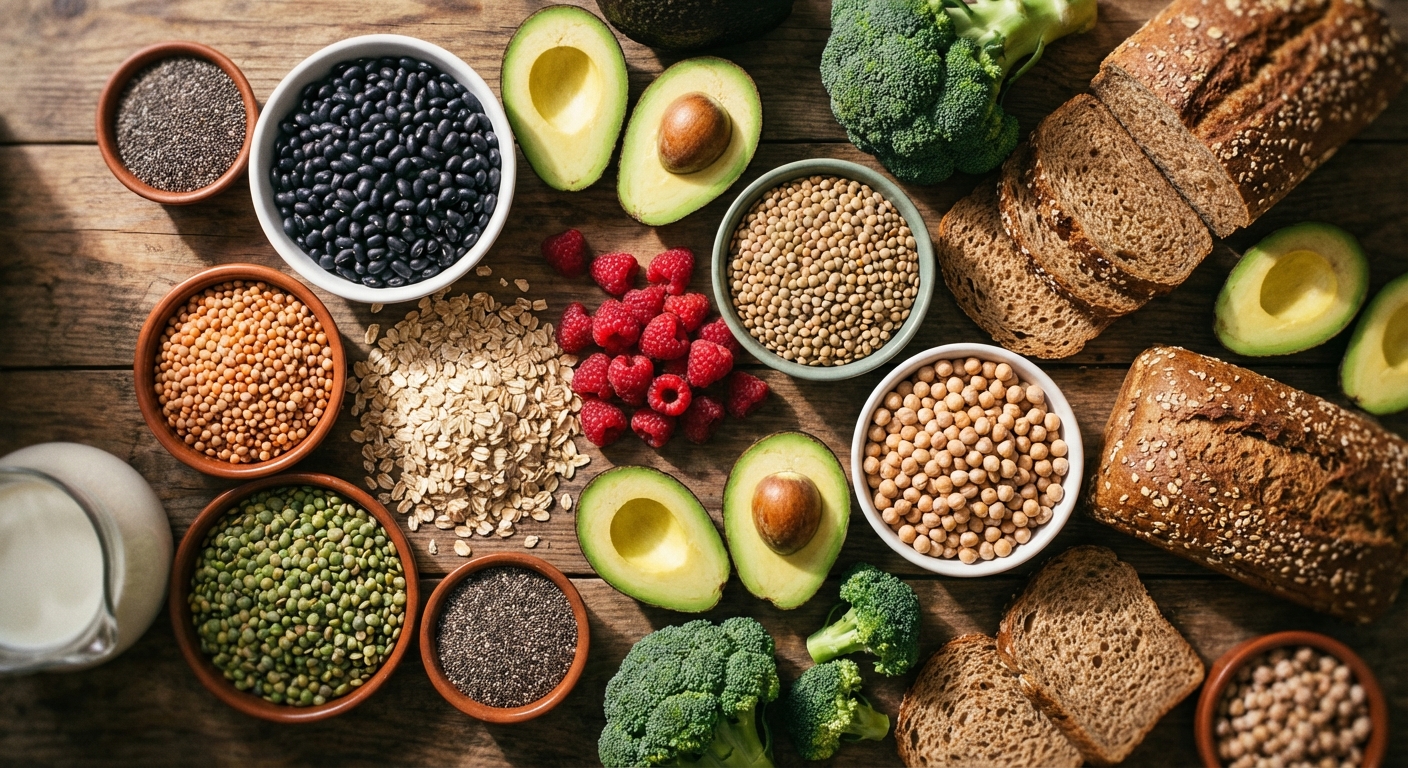
Translating guidelines into action requires understanding both the general principles and your individual circumstances. The core message of eating more whole foods and less processed junk applies broadly, but implementation varies. A vegetarian following these guidelines would emphasize eggs, dairy, legumes, and plant-based protein sources. Someone following a Mediterranean-style diet already aligns well with most recommendations. A person managing heart disease should prioritize the American Heart Association’s more conservative stance on saturated fat.
For most Americans, the highest-impact changes involve breakfast and snacks, where ultraprocessed foods dominate. Replacing sugary cereal with eggs or Greek yogurt addresses both the protein recommendation and ultraprocessed food limitation simultaneously. Swapping afternoon chips for nuts or vegetables with hummus accomplishes the same. These substitutions don’t require cooking skills or significant time investment, making them accessible starting points.
The protein recommendations translate to specific targets. For a 70-kilogram (154-pound) adult aiming for 1.2 grams per kilogram, that’s 84 grams of protein daily. Spread across three meals, that’s roughly 25-30 grams per meal. A breakfast of three eggs (18g) and Greek yogurt (15g) hits that target. A lunch with a chicken breast (35g) overshoots it. The math isn’t complicated, but most people have never calculated their protein intake and may be surprised how far short they fall.

The Bigger Picture
Dietary guidelines exist in a complex ecosystem of food production, marketing, policy, and culture. They influence what schools serve children, what hospitals feed patients, and what food companies develop. The 2025-2030 guidelines signal a potential shift away from the processed food paradigm that has dominated American eating for generations, but guidelines alone don’t change behavior. The average American will likely never read the document that may ultimately shape their food environment.
The emphasis on whole foods and protein, while scientifically supportable, also carries cultural and economic implications. Beef and dairy industry groups praised the guidelines, while plant-based food manufacturers expressed concern. Organic and local food advocates celebrated the ultraprocessed food recommendations. These competing interests don’t invalidate the guidelines, but they remind us that nutrition policy is never purely scientific. Economic forces, political philosophies, and cultural values all influence what ends up on the official plate.
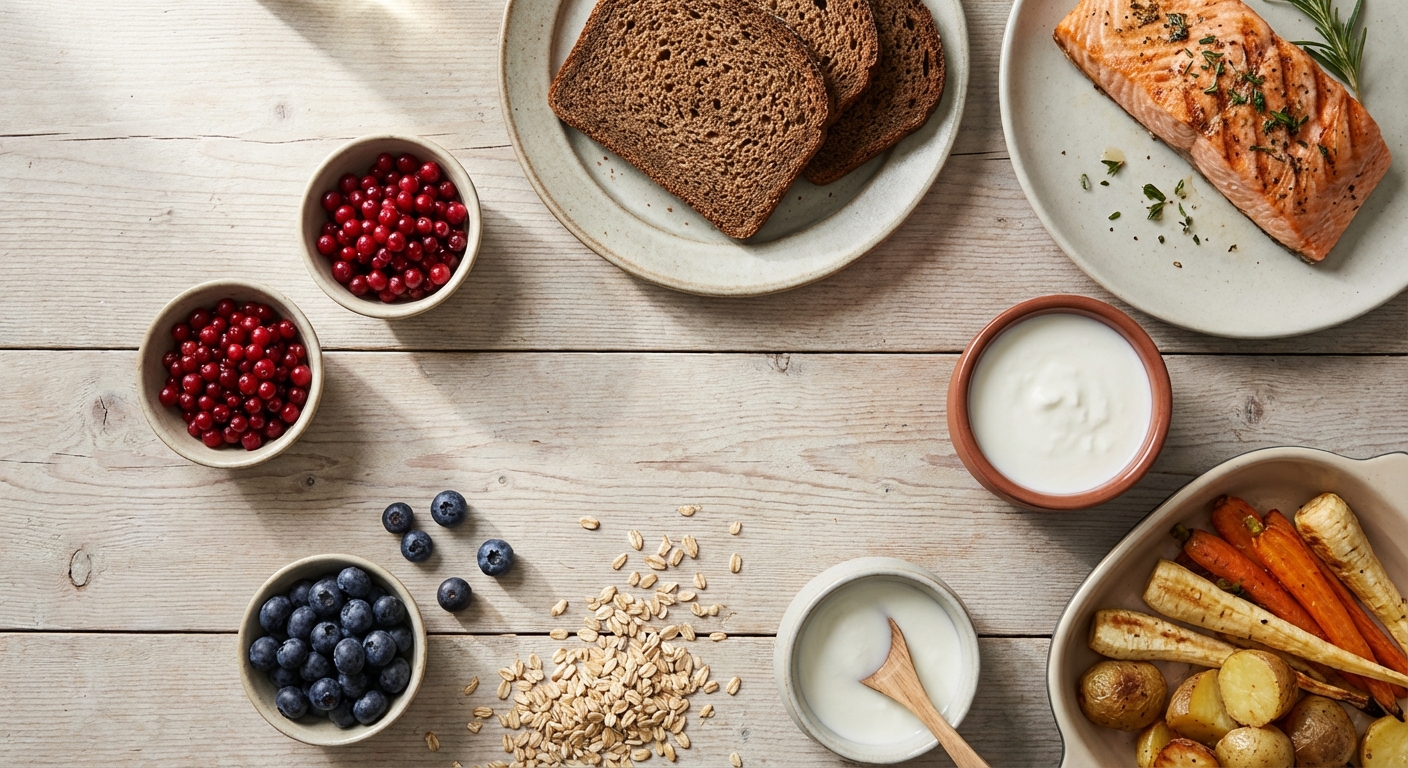
For individuals trying to eat well, the guidelines provide a reasonable framework but not a prescription. The healthiest diets share common features across cultures: abundant vegetables, adequate protein from various sources, limited sugar, minimal processing. Whether you call it Mediterranean, Japanese, traditional Mexican, or simply “real food,” the principles converge. The specific recommendations matter less than the general pattern of choosing whole foods prepared simply and eaten in reasonable quantities.
The Bottom Line
The 2025-2030 Dietary Guidelines represent a meaningful shift toward protein, whole foods, and explicit limits on ultraprocessed products. The scientific basis for most recommendations is solid, though debates about saturated fat and optimal protein sources will continue. Your personal implementation should account for your health status, food preferences, cultural background, and practical constraints.
Next Steps:
- Calculate your current protein intake for a typical day. If you’re under 1.0 gram per kilogram body weight, consider adding a protein source to breakfast.
- Audit your pantry and refrigerator for ultraprocessed foods. You don’t need to eliminate them, but awareness of how much you consume is the first step toward reduction.
- Identify one ultraprocessed food you eat regularly and find a whole food alternative. Start with the easiest swap and build from there.
- If you have cardiovascular disease or elevated cholesterol, discuss the saturated fat recommendations with your doctor before making changes.
Sources: USDA 2025-2030 Dietary Guidelines, American Heart Association response, Stanford Medicine longevity research, BMJ ultraprocessed food umbrella review 2024, American Journal of Clinical Nutrition protein meta-analysis 2024.