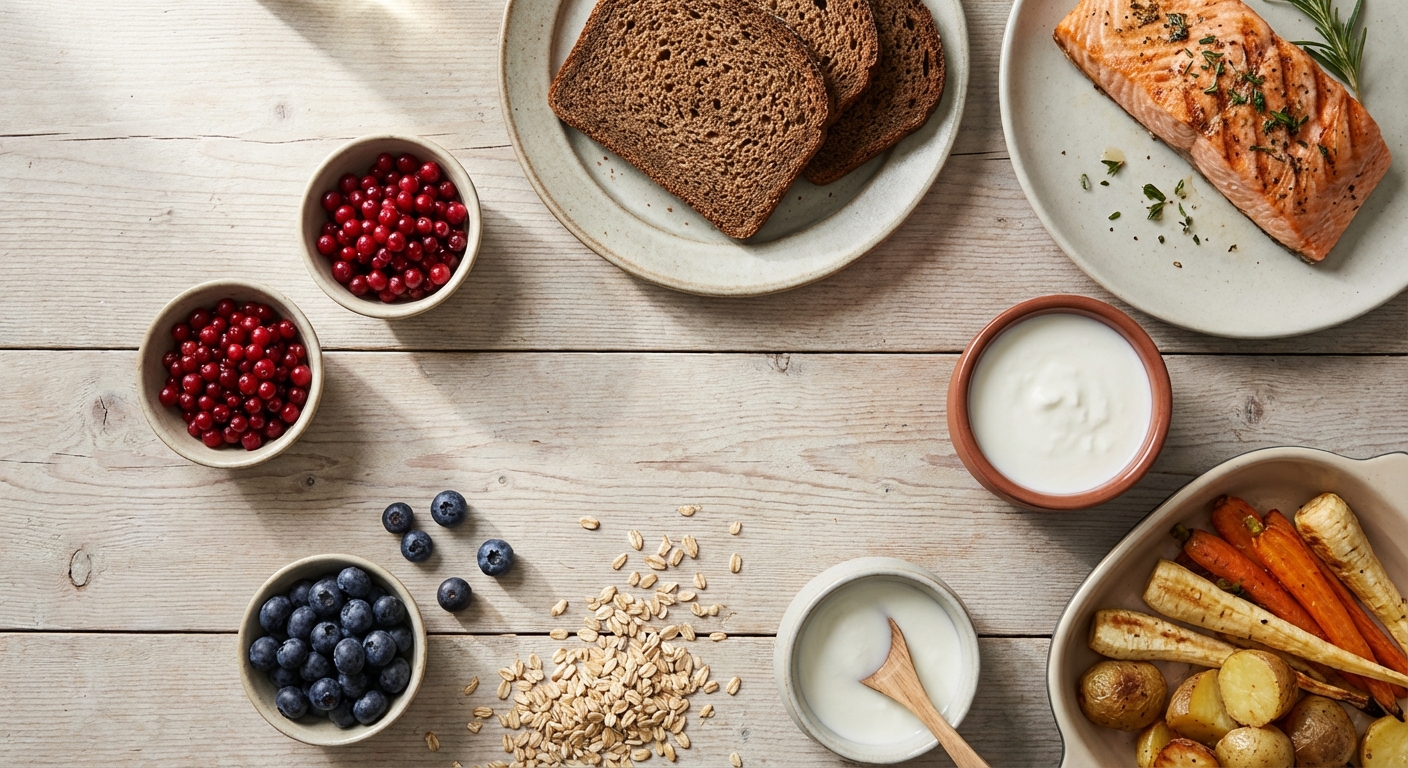
Pick a side. That’s what the nutrition internet demands of you. Low-carb evangelists cite insulin theory and ketosis research. Low-fat advocates point to population studies from Okinawa and the Adventist communities. Each camp has its influencers, its subreddits, its transformation photos. And each camp is certain the other is wrong, if not actively dangerous. The debate has raged for decades, consuming enormous amounts of public attention and generating more heat than light.
A landmark study published in the Journal of the American College of Cardiology on February 11, 2026, provides the most definitive answer yet, and it’s an answer neither camp will love. After tracking 198,473 adults across three cohorts for more than 30 years, researchers at the Harvard T.H. Chan School of Public Health found that both low-carb and low-fat diets reduce coronary heart disease risk by meaningful amounts. But there’s a critical qualifier: only the healthy versions of these diets provided protection. Unhealthy versions of both low-carb and low-fat eating patterns actually increased heart disease risk. The dividing line wasn’t macronutrient ratios. It was food quality.
What 200,000 People and 30 Years of Data Show
The study, led by Zhiyuan Wu, PhD, and senior author Qi Sun, MD, ScD, drew on three of the longest-running nutritional cohort studies in existence: the Health Professionals Follow-up Study (42,720 men, tracked from 1986 to 2016), the Nurses’ Health Study (64,164 women, 1986 to 2018), and the Nurses’ Health Study II (91,589 women, 1991 to 2019). Combined, the research represents 5,248,916 person-years of follow-up and documents 20,033 cases of coronary heart disease.
Researchers created ten distinct diet indices, five for low-carb patterns and five for low-fat patterns, each emphasizing different macronutrient sources and qualities. The key comparison was between “healthy” and “unhealthy” versions of each approach. Participants were scored based on repeated food frequency questionnaires administered throughout the study period, and the results were adjusted for age, smoking, physical activity, alcohol intake, and other confounders.
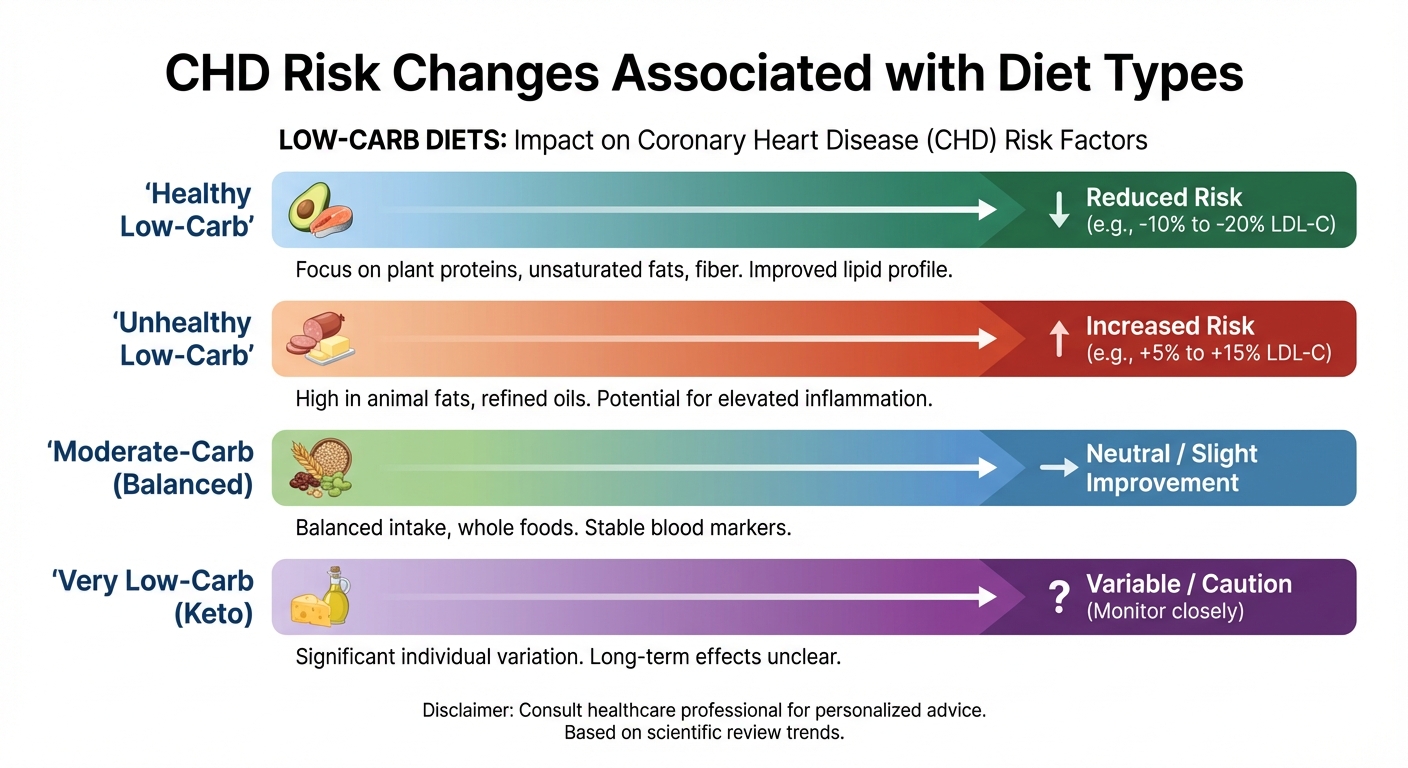
The headline numbers tell a clear story. Participants who scored highest on the healthy low-carb diet index showed a 15% lower risk of coronary heart disease (hazard ratio 0.85, 95% confidence interval 0.82 to 0.89). Those scoring highest on the healthy low-fat diet index showed a 13% lower risk (HR 0.87, CI 0.83 to 0.91). The difference between the two approaches was statistically negligible, meaning a well-constructed low-carb diet and a well-constructed low-fat diet provided essentially equivalent heart protection.
The flip side was equally telling. Participants scoring highest on the unhealthy low-carb diet index had a 14% increased risk of heart disease (HR 1.14, CI 1.09 to 1.20), while those on the unhealthy low-fat index saw a 12% increase (HR 1.12, CI 1.07 to 1.17). Interestingly, the overall low-carb diet index without quality differentiation showed a 5% increase in risk, and the animal-based low-carb pattern showed a 7% increase, suggesting that undifferentiated low-carb eating, as popularly practiced with heavy emphasis on animal products, slightly raises cardiovascular risk on average.
“It’s not simply about cutting carbs or fat, but it’s about the quality of foods people choose,” Wu stated. Harlan M. Krumholz, MD, the editor-in-chief of JACC, put it more directly: “What matters most for heart health is the quality of the foods people eat. Whether a diet is lower in carbohydrates or fat, emphasizing plant-based foods, whole grains, and healthy fats is associated with better cardiovascular outcomes.”
The Quality Gap: Healthy vs. Unhealthy Versions
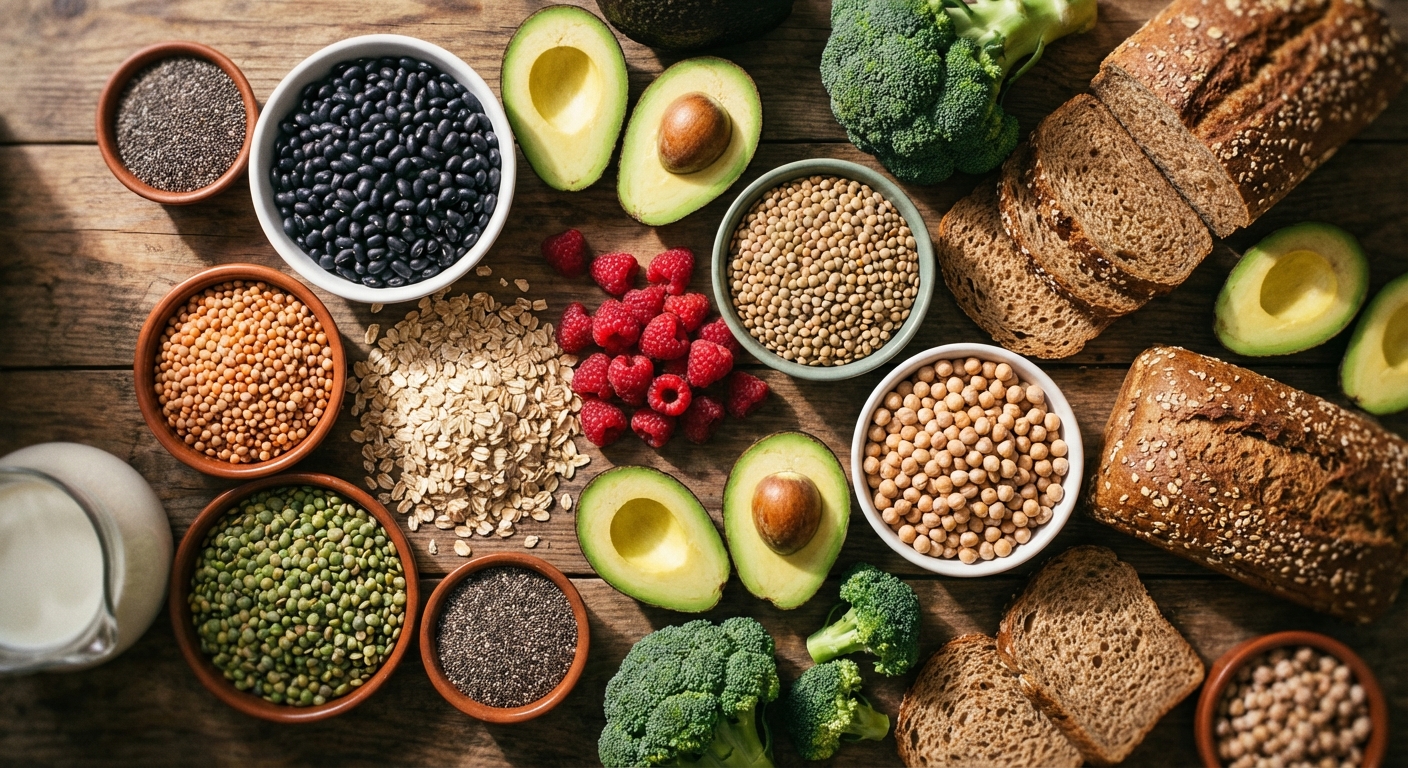
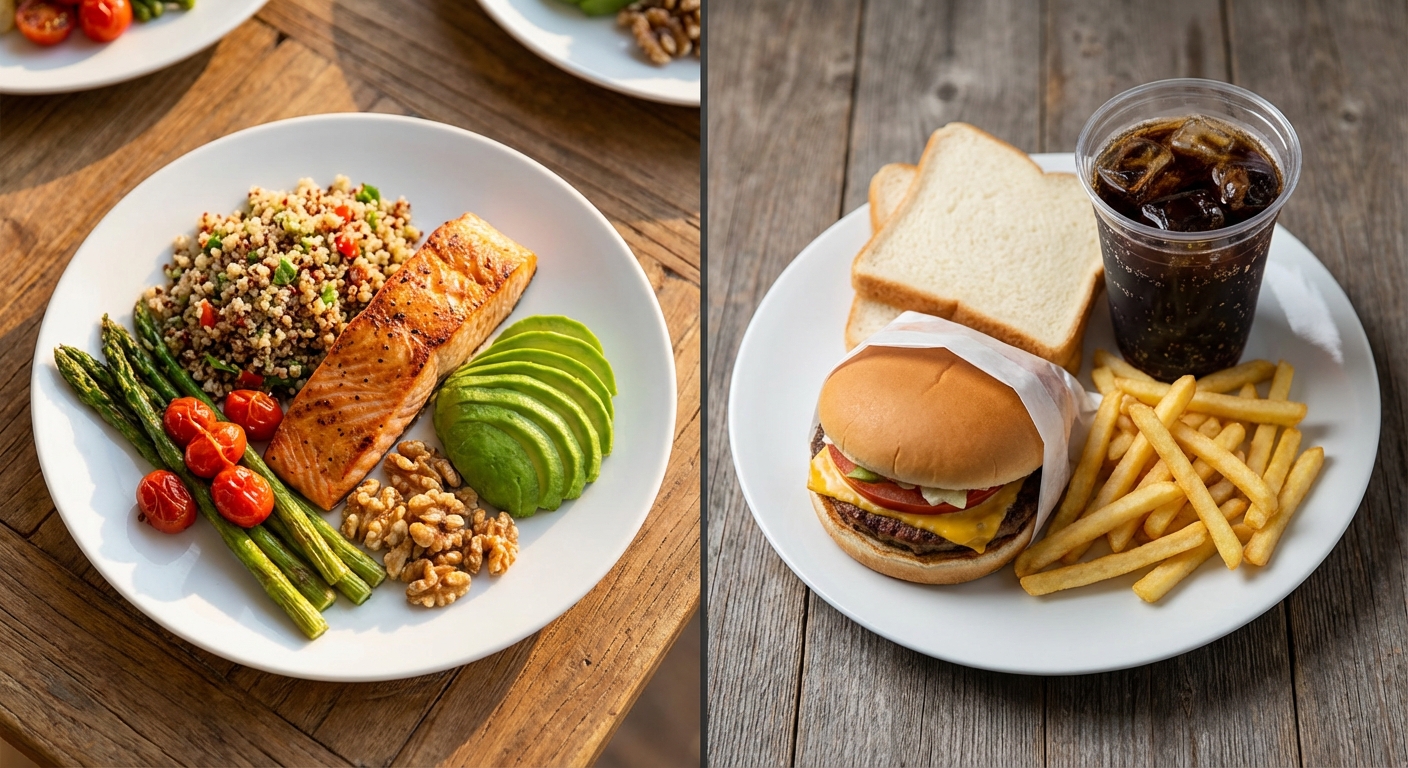
What separated the protective diets from the harmful ones wasn’t the macronutrient split. It was the specific foods making up those macronutrients. The healthy versions of both diet patterns shared common characteristics: whole grains, fruits (excluding fruit juice), vegetables, nuts, legumes, olive oil and unsaturated fats, plant-based proteins, and low-fat dairy. The unhealthy versions shared different common ground: refined grains like white bread and white rice, added sugars, prepared desserts, red and processed meats, saturated fats, and processed foods generally.
This is where the study’s metabolomic analysis provides particularly compelling evidence. Blood samples from more than 11,000 participants were analyzed using elastic net regressions across 1,146 metabolites. The researchers identified specific blood biomarkers that distinguished healthy from unhealthy diet patterns, and these objective biological measurements closely mirrored the associations found through dietary questionnaires. As senior author Qi Sun noted, metabolites provide measures that “cannot lie,” offering validation that goes beyond self-reported dietary data.
Healthy diet patterns were associated with lower triglycerides, higher HDL cholesterol, and lower high-sensitivity C-reactive protein (a marker of systemic inflammation). At the metabolite level, healthy eating patterns correlated with increased levels of 3-indolepropionic acid, a gut microbiome-derived compound associated with reduced diabetes risk and cardiovascular protection, and decreased levels of valine, a branched-chain amino acid whose elevation is linked to insulin resistance and cardiometabolic risk. These biomarker findings suggest that the heart protection from quality diets operates through multiple biological pathways simultaneously: improved lipid profiles, reduced inflammation, and favorable shifts in gut microbial metabolism.
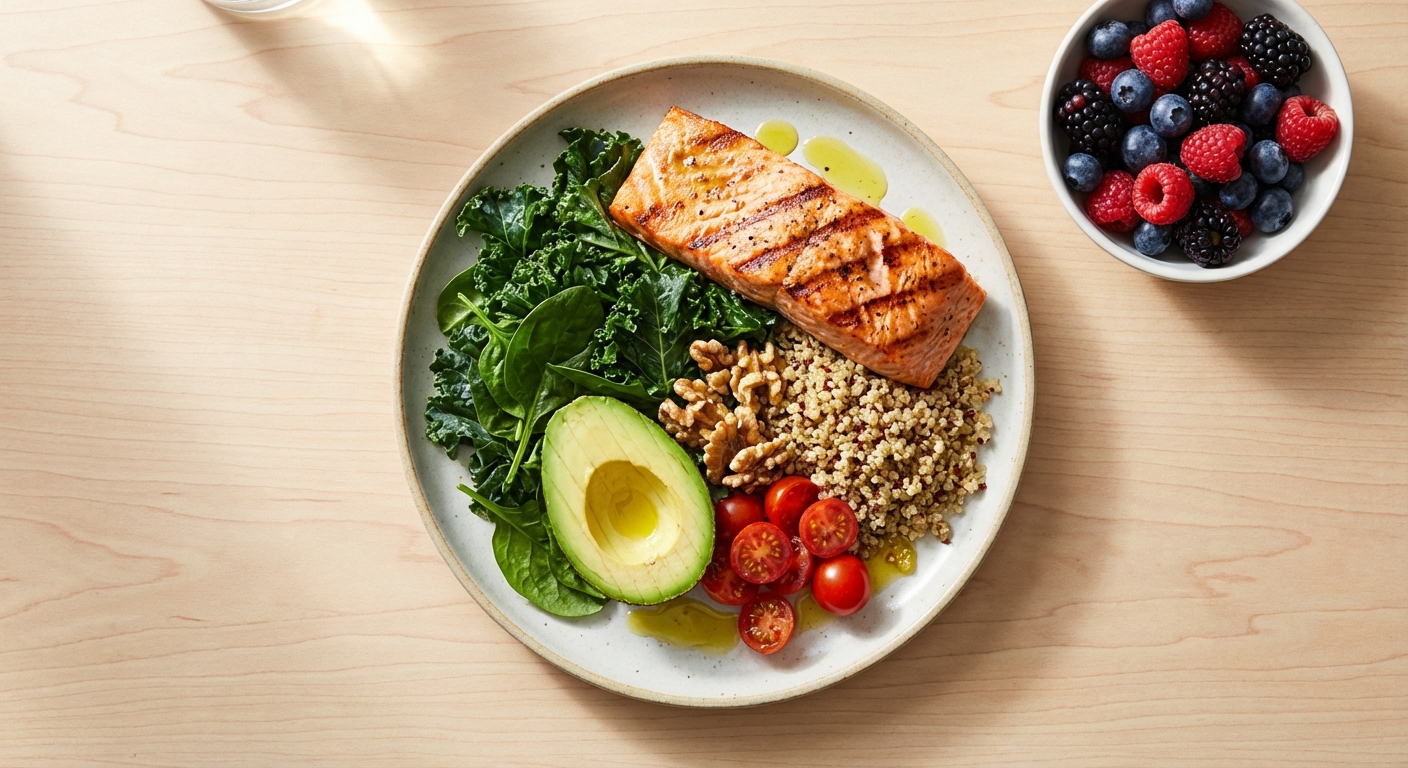
The practical implication is straightforward. A low-carb dieter who gets their fats from avocados, olive oil, nuts, and fatty fish while eating vegetables and plant proteins is doing something fundamentally different, biologically, than a low-carb dieter who gets their fats from bacon, butter, and processed cheese while avoiding all carbohydrates indiscriminately. Same macronutrient ratio. Entirely different metabolic effects. The same principle applies in reverse: a low-fat dieter who emphasizes whole grains, legumes, and vegetables is biologically distinct from one who subsists on fat-free cookies, white rice, and refined pasta.
Why the “Diet Type” Debate Misses the Point
This is where synthesizing the JACC findings with the broader evidence base reveals a pattern that goes beyond what any single study shows. The macronutrient wars have dominated public nutrition discourse for decades, from Atkins versus Ornish in the 1990s to keto versus plant-based today. But the accumulated evidence from this study, combined with research on Nordic dietary patterns and longevity and the broader literature on dietary quality, points to a consistent conclusion: the foods matter more than the ratios.
Consider the evidence geometrically. If you plot dietary patterns on two axes, one for macronutrient composition (low-carb to low-fat) and one for food quality (whole foods to processed foods), the quality axis predicts health outcomes far more powerfully than the macronutrient axis. The JACC study demonstrates this directly. The spread between healthy and unhealthy versions of low-carb diets is 29 percentage points of CHD risk (from 15% reduction to 14% increase). The spread between healthy low-carb and healthy low-fat is only 2 percentage points. Quality dominates the equation by roughly a 15-to-1 ratio.
This framework explains why nutritional epidemiology has produced so many seemingly contradictory findings over the years. Studies comparing “low-carb” to “low-fat” without controlling for food quality are measuring the wrong variable. They’re comparing a mixed bag of bacon-and-butter dieters with quinoa-and-avocado dieters against a mixed bag of white-bread-and-skim-milk dieters with lentil-and-vegetable dieters, and finding small, inconsistent differences. The JACC study resolves this confusion by showing that the quality dimension matters enormously while the macronutrient dimension matters minimally.
Dariush Mozaffarian, MD, DrPH, of Tufts University, noted in response to the study that the findings confirm “what we’ve learned over the last 20 years” about the primacy of food quality. Clyde Yancy, MD, MSc, of Northwestern University, added broader context: combining a quality diet with regular exercise and not smoking can reduce heart disease likelihood “by 75% or 80%.” For those tracking cardiovascular health research, the JACC study provides the strongest evidence yet that the diet wars are asking the wrong question entirely.
Building a Heart-Healthy Plate
The study’s findings translate into practical guidance that works regardless of whether you prefer lower carbs or lower fat. The unifying principle is straightforward: build your meals around whole, minimally processed foods with an emphasis on plant sources, and the macronutrient ratios will take care of themselves.
Protein sources that both healthy patterns share: Legumes (lentils, chickpeas, black beans), nuts and seeds, fatty fish (salmon, sardines, mackerel), tofu and tempeh, and modest amounts of poultry. The data suggests minimizing red meat and avoiding processed meats (bacon, sausage, deli meats), which were consistent markers of the unhealthy versions of both diet types.
Fat quality markers: Extra-virgin olive oil, avocados, nuts (especially walnuts and almonds), fatty fish, and seeds (flax, chia, hemp). The unhealthy patterns relied on saturated fats from animal sources and processed foods. The metabolomic data suggests that unsaturated fat sources drive the favorable lipid and inflammatory profiles associated with lower CHD risk.
Carbohydrate quality markers: Whole grains (oats, quinoa, brown rice, barley), fruits (whole, not juiced), vegetables (especially leafy greens and cruciferous varieties), and legumes. The unhealthy patterns were characterized by refined grains, added sugars, and prepared desserts. Dietary fiber emerges as a consistent marker of heart-healthy eating across multiple recent studies, and this one is no exception.
A sample heart-healthy day that satisfies either approach might look like this. Breakfast: Greek yogurt (full-fat for low-carb, low-fat for low-fat) with mixed berries, a tablespoon of ground flaxseed, and a handful of walnuts. Lunch: a large salad with mixed greens, chickpeas, avocado, cherry tomatoes, cucumber, olive oil, and lemon dressing. Dinner: grilled salmon with roasted broccoli and sweet potato (larger portion for low-fat) or cauliflower rice (for low-carb), dressed with olive oil and herbs. The specific macronutrient balance shifts between approaches, but the core foods remain virtually identical.
The study does carry limitations worth noting. Participants were health professionals with higher-than-average nutritional awareness, which may limit generalizability. Dietary intake was self-reported through questionnaires, though the metabolomic validation helps address this concern. The findings represent the macronutrient ranges observed within these cohorts and may not apply to extreme dietary patterns like strict ketogenic diets. And as with all observational research, the associations don’t prove causation, though the biological plausibility, dose-response relationships, and metabolomic consistency all strengthen the case considerably.
Your Nutrition Action Plan
The JACC study’s message cuts through decades of diet tribalism with unusual clarity: both low-carb and low-fat diets can protect your heart, but only when built on whole, minimally processed foods. Unhealthy versions of either approach don’t just fail to help; they actively increase coronary heart disease risk by 12 to 14%. The macronutrient split you choose matters far less than what you’re actually putting on your plate.
Three concrete steps based on this evidence. First, stop debating macronutrient ratios and start auditing food quality. Look at your last three days of eating and ask not “how many grams of carbs or fat did I eat?” but “how many of my food choices were whole, minimally processed items versus packaged or refined products?” The study suggests this single variable predicts heart outcomes 15 times more powerfully than macronutrient composition. Second, make plant-forward swaps within whatever dietary framework you prefer. If you’re low-carb, shift from animal-fat-dominant to plant-fat-dominant (avocado, olive oil, nuts over butter, cheese, bacon). If you’re low-fat, shift from refined-carb-dominant to whole-food-dominant (whole grains and legumes over white bread and low-fat processed snacks). Third, target 25 to 30 grams of fiber daily from whole food sources, since fiber consistently emerged as a marker of the heart-protective dietary patterns across this and other recent studies.
“Focusing on the overall diet quality may offer flexibility for people to choose what aligns with their own preferences while still supporting heart health,” Wu concluded. In a field plagued by absolutism and false dichotomies, that’s a research finding worth building your meals around.
Sources
- Effect of Low-Carbohydrate and Low-Fat Diets on Metabolomic Indices and Coronary Heart Disease - Journal of the American College of Cardiology, February 2026
- Low-carb and low-fat diets associated with lower heart disease risk if rich in high-quality, plant-based foods - Harvard T.H. Chan School of Public Health
- Healthy Versions of Low-Carb and Low-Fat Diets Linked to Better Cardiovascular and Metabolic Health - American College of Cardiology
- Low-carb versus low-fat diet debate misses mark on heart health - STAT News, February 2026
- Healthy versions of low-carb and low-fat diets linked to better health - ScienceDaily, February 2026