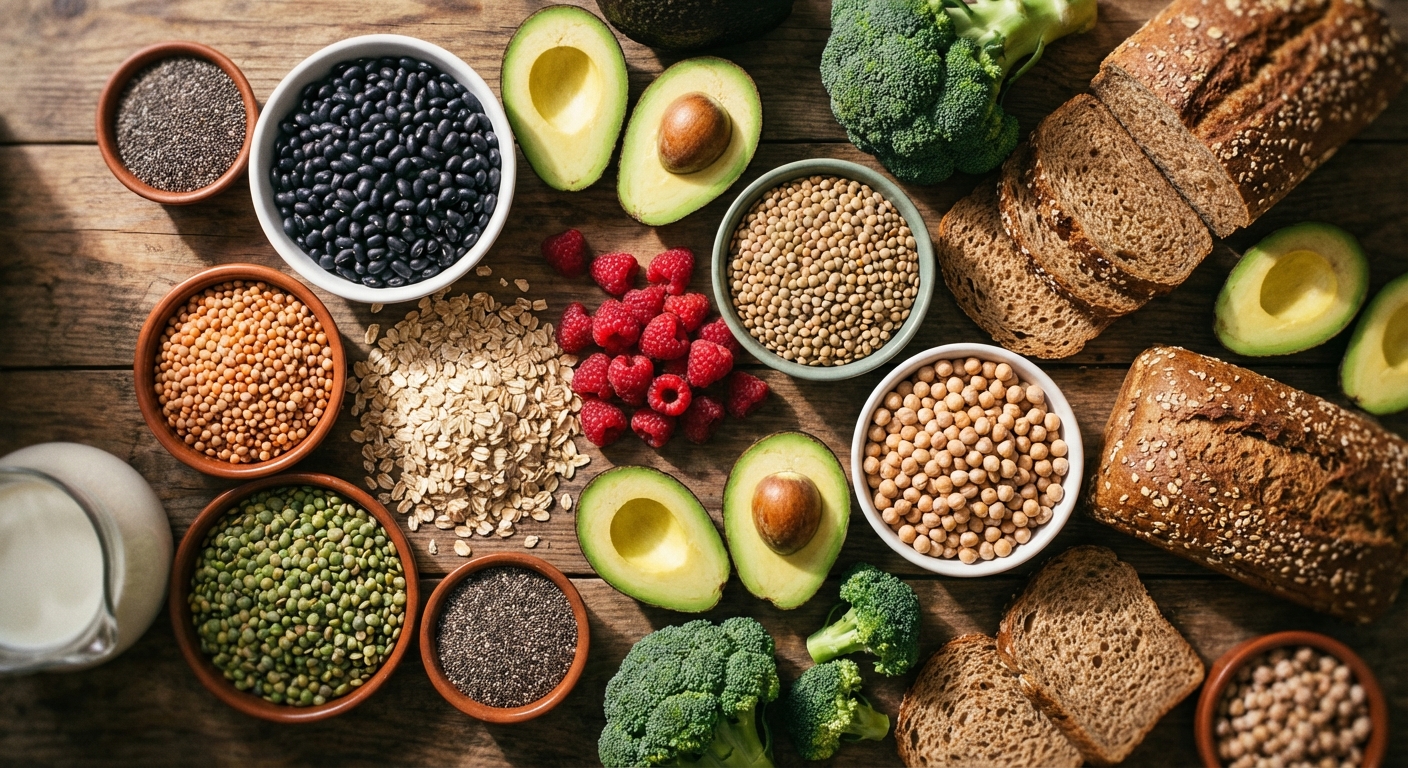
PepsiCo’s CEO told Wall Street analysts in late 2025 that “fiber will be the next protein.” TikTok creators have racked up tens of millions of views under #fibermaxxing, documenting their attempts to cram as much fiber into their diets as possible. Registered dietitians are fielding more questions about fiber than they have in years. And yet, according to the Department of Health and Human Services, more than 90% of women and 97% of men in the United States still don’t meet the recommended daily intake for dietary fiber.
That gap between hype and reality is the central tension of 2026’s biggest nutrition trend. Fibermaxxing, the practice of intentionally maximizing your daily fiber intake, has captured the attention of health influencers, food companies, and clinical nutritionists alike. But the conversation online often skips past the details that matter most: how much fiber you actually need, which types do what, and how to increase your intake without spending a week on the couch clutching your stomach.
The good news is that the science behind fiber is genuinely strong. The bad news is that most people are eating roughly half what they should be, and jumping from 15 grams to 50 grams overnight is a recipe for gastrointestinal misery. Here’s what the evidence supports, what the trend gets right, and how to build a fiber-rich diet that actually works.
The Fiber Gap Is Worse Than You Think
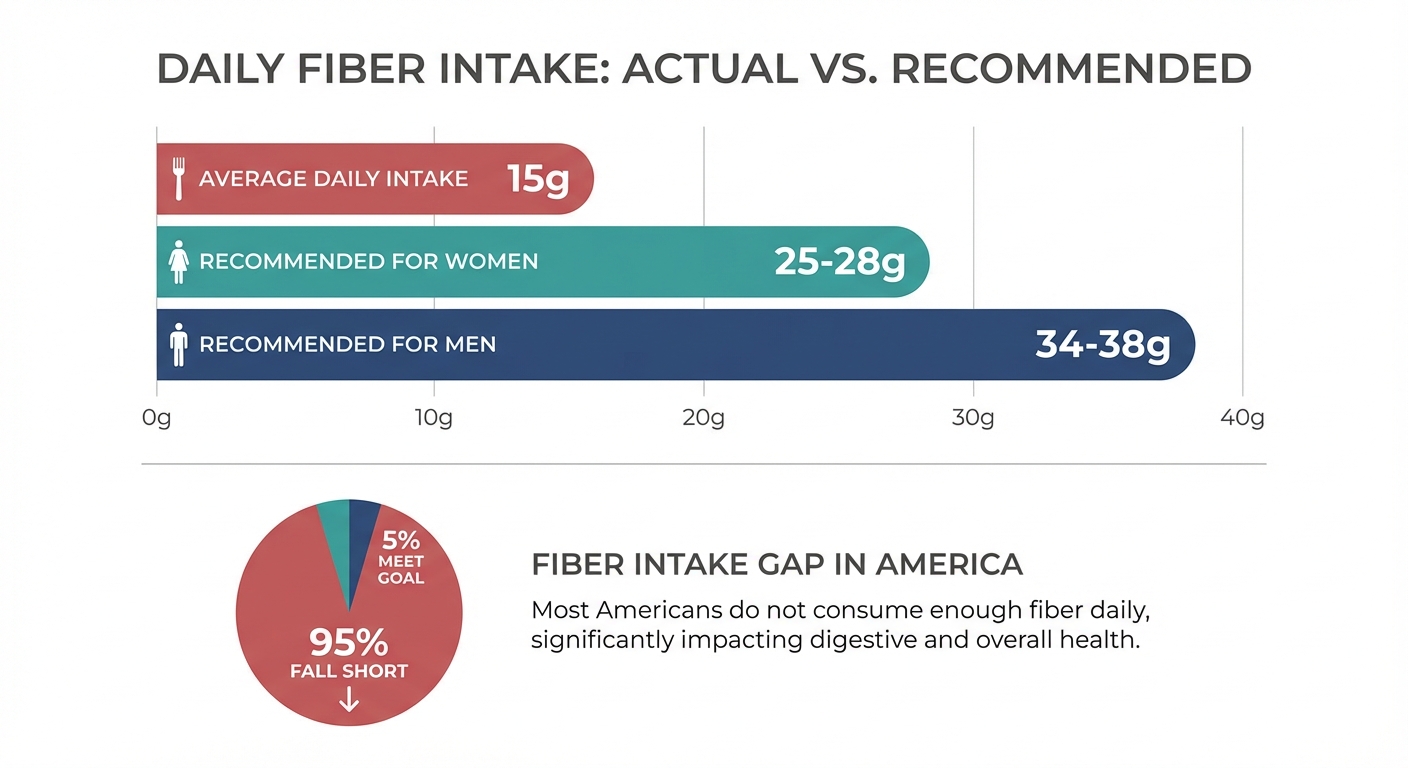
The numbers are stark. The average American consumes approximately 15 grams of fiber per day. The recommended daily intake is 25 grams for women and 38 grams for men (varying slightly by age, with the National Institutes of Health recommending 28 grams for women aged 19-30 and 34 grams for men in the same range). That means the typical American is eating somewhere between 40% and 60% of what their body needs for basic digestive and metabolic function.
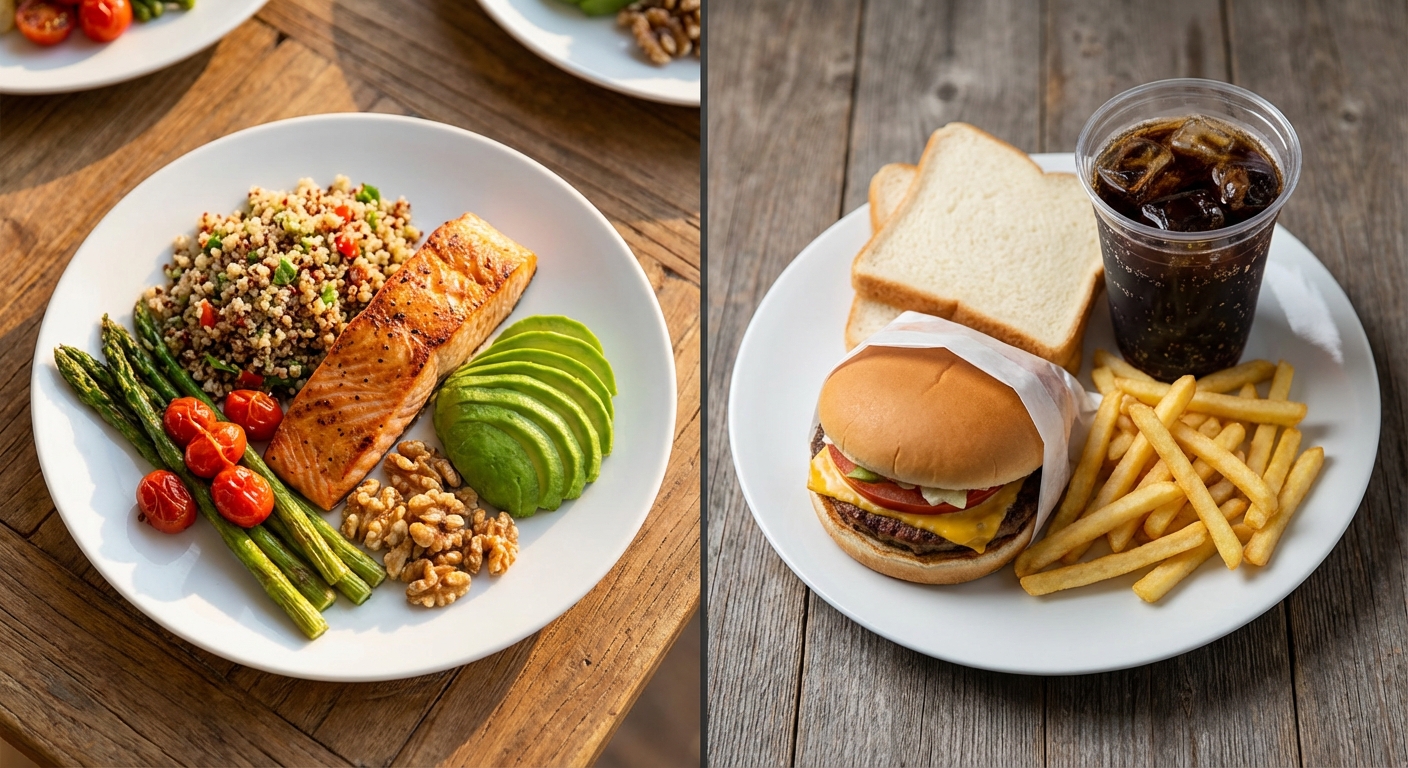
Bonnie Jortberg, PhD, RDN, CDCES, an Associate Professor of Family Medicine at the University of Colorado Anschutz School of Medicine, puts it bluntly: only one in 20 Americans consumes adequate fiber. Part of the explanation is structural. Ultra-processed foods now comprise 55% of calories for Americans over age one, and 62% of calories for youth ages 1-19. These foods are engineered for shelf stability, palatability, and profit margin, not fiber content. When your diet is built around refined grains, added sugars, and processed proteins, fiber gets squeezed out by default.
This isn’t a minor nutritional shortfall. An umbrella review encompassing more than 17 million people found that every 7-gram increase in daily fiber intake was associated with a 9% reduction in cardiovascular disease risk. Separately, each 10-gram increase in dietary fiber has been shown to reduce colorectal cancer risk by approximately 10%. Fiber intake also correlates with lower rates of type 2 diabetes, obesity, and all-cause mortality. The evidence is not ambiguous. Fiber is one of the most consistently beneficial dietary components in the nutritional science literature, and almost nobody is eating enough of it.
What Fiber Actually Does in Your Body
Fiber’s health benefits come from two distinct types, each with different mechanisms of action. Understanding the difference matters because optimizing your intake means eating both types, not just chasing a single number.
Soluble fiber dissolves in water and forms a gel-like substance in your digestive tract. Yasi Ansari, RDN, a Senior Dietitian at UCLA Santa Monica Medical Center, explains that this is the type of fiber that helps decrease LDL cholesterol by binding to cholesterol particles and escorting them out of the body before they can be absorbed into the bloodstream. Soluble fiber also slows glucose absorption, reducing blood sugar spikes after meals. This is why oatmeal, a soluble fiber powerhouse, has been associated with improved glycemic control in dozens of studies. Key sources include oats, beans, seeds, apples, carrots, and psyllium husk.
Insoluble fiber doesn’t dissolve in water. Instead, it adds bulk to stool and helps move food through the digestive tract. Ansari describes it as working “almost like a sweep,” pushing waste material along and preventing the constipation and sluggish transit that can lead to diverticular disease and other complications over time. Sources include whole wheat bran, brown rice, nuts, seeds, cauliflower, green beans, and potatoes.
The practical distinction is important for meal planning. A diet heavy on insoluble fiber (whole grains, raw vegetables) but light on soluble fiber (beans, oats, fruits) may improve regularity without touching cholesterol or blood sugar. Conversely, a soluble-fiber-focused diet might improve metabolic markers while leaving you backed up. The goal is both types at every meal, which is why whole foods naturally containing a mix of soluble and insoluble fiber (lentils, chickpeas, berries) are the gold standard.
The Gut Microbiome Connection
The fiber conversation in 2026 has evolved beyond simple digestive mechanics. Melanie Murphy Richter, a registered dietitian nutritionist, notes that the discussion is shifting “beyond grams per day and toward functional outcomes like improving insulin sensitivity, supporting short-chain fatty acid production, and reducing inflammation.”
Short-chain fatty acids (SCFAs), particularly butyrate, propionate, and acetate, are produced when gut bacteria ferment dietary fiber. Butyrate serves as the primary fuel source for colonocytes (the cells lining your colon), maintaining the integrity of the intestinal barrier. When that barrier weakens, a condition sometimes called “leaky gut,” bacterial endotoxins can cross into the bloodstream and trigger systemic inflammation. Research published in Gut has linked this inflammatory cascade to conditions ranging from metabolic syndrome and insulin resistance to depression and cognitive decline.
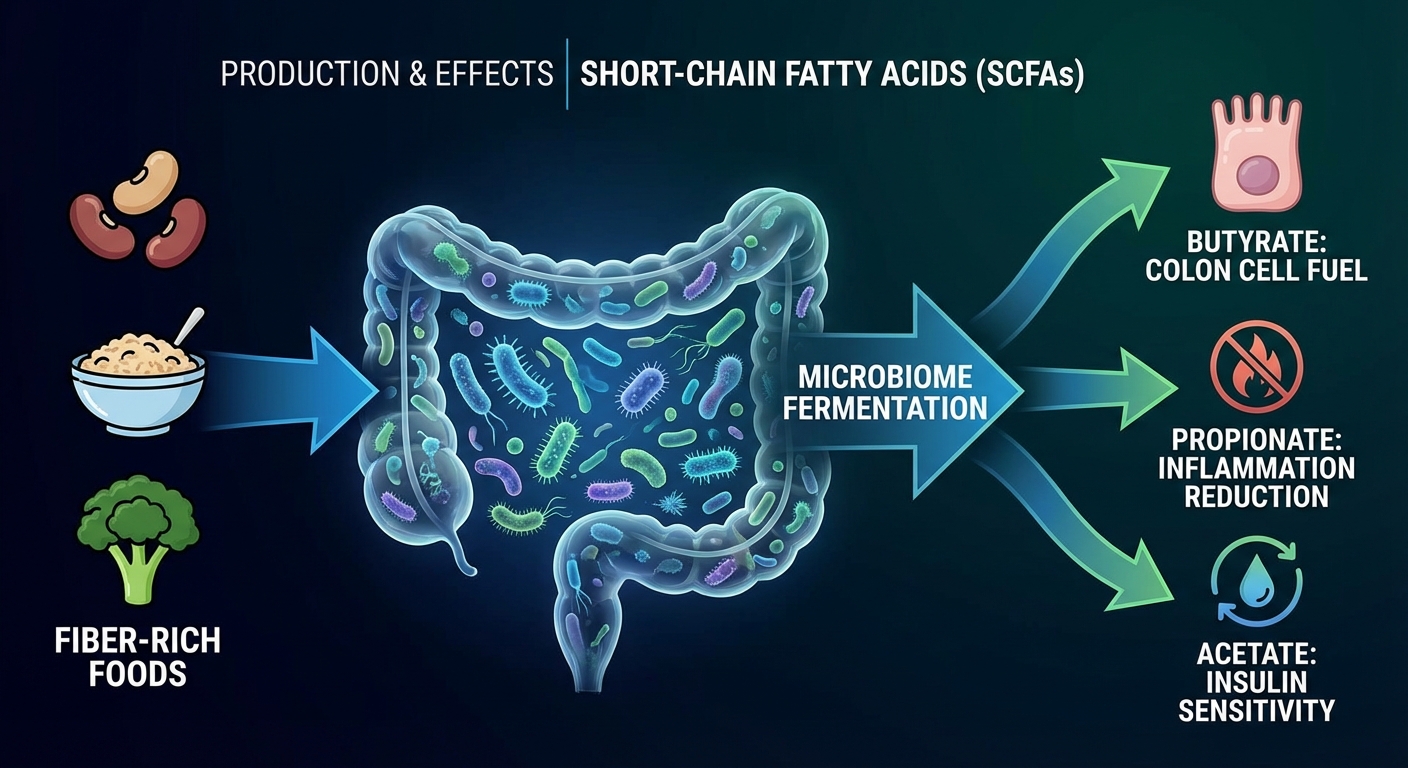
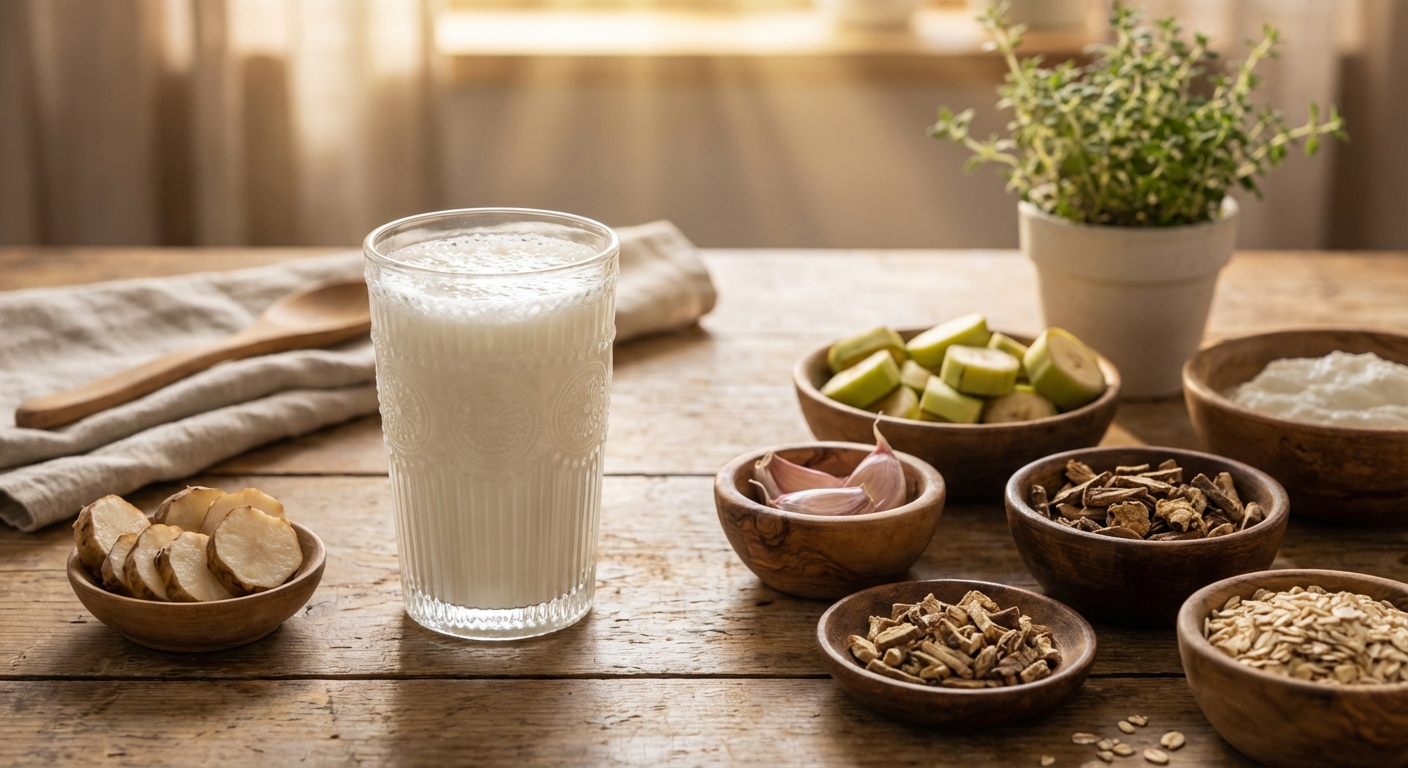
The microbiome angle explains why fiber from whole foods consistently outperforms fiber supplements in clinical trials. Whole foods deliver fiber alongside polyphenols, resistant starches, and other prebiotic compounds that nourish a diverse community of gut bacteria. A psyllium husk supplement provides soluble fiber, but it doesn’t feed the same breadth of microbial species that a bowl of lentil soup does. This doesn’t mean supplements are useless, but they are supplements, not substitutes, for a fiber-rich diet built on real foods that support your gut ecosystem.
Where the Fibermaxxing Trend Goes Wrong
The enthusiasm behind fibermaxxing is warranted. The execution, as social media tends to encourage, often is not.
Jortberg warns that influencers promoting 50 to 70-plus grams of fiber daily are outrunning the science. “There’s no data to show that that amount of fiber is more beneficial than getting what’s recommended,” she says. The recommended targets (25-38 grams depending on sex and age) are based on large population studies demonstrating clear health benefits. The evidence for benefits beyond those targets is thin, while the evidence for gastrointestinal distress at very high intakes is robust.
Dr. Sophie Lin, a primary care physician at Houston Methodist, explains the physiology behind the discomfort. When you increase fiber intake rapidly, your gut bacteria need time to adapt. The fermentation process that produces beneficial SCFAs also produces gas as a byproduct. If you go from 15 grams to 45 grams in a day, you’re tripling the substrate available for fermentation before your microbial community has had time to adjust. The result: bloating, gas, cramping, and potentially diarrhea. For some people, a sudden spike in fiber without adequate water intake can actually cause constipation, because insoluble fiber needs water to form the bulk that moves through the digestive tract.
The other problem with the trend is its supplement-forward framing. Many fibermaxxing influencers lean heavily on fiber powders, bars, and fortified products. While these can help close a gap, the health benefits documented in the major epidemiological studies, particularly the reductions in cardiovascular disease, diabetes, and cancer mortality, were based on fiber-rich whole foods rather than isolated fiber additives. The food matrix matters. A cup of black beans delivers 15 grams of fiber alongside protein, iron, folate, magnesium, and resistant starch. A scoop of fiber powder delivers fiber and little else.
Your Fiber-Rich Whole Food Toolkit
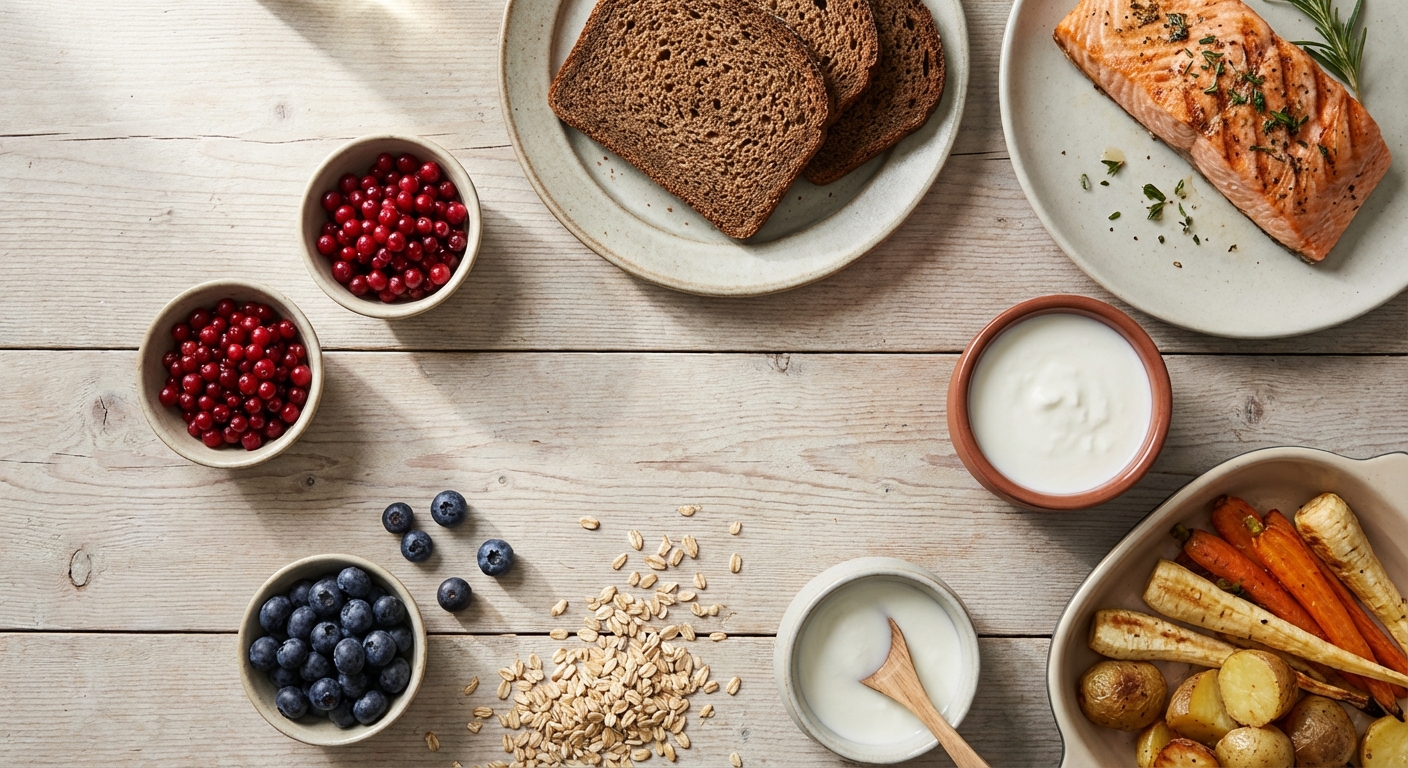
The most practical approach to increasing fiber is to identify high-fiber foods you actually enjoy eating and build meals around them. Here are the most nutrient-dense options organized by category.
Legumes are the single best fiber source per serving. One cup of cooked black beans provides approximately 15 grams of fiber. Lentils deliver 16 grams per cup. Chickpeas come in at 12 grams. These foods also provide substantial protein (14-18 grams per cup), making them ideal for people looking to manage blood sugar while meeting multiple nutritional targets simultaneously.
Vegetables vary widely in fiber content. Brussels sprouts lead at approximately 4 grams per cup, followed by broccoli (5 grams per cup cooked), sweet potatoes (4 grams with skin), and carrots (3.5 grams per cup). The key with vegetables is volume: you need to eat substantial portions, not the decorative side-dish quantities that many Americans default to.
Fruits with the highest fiber density include raspberries (8 grams per cup), pears (5.5 grams each), apples with skin (4.5 grams), and avocados (10 grams per whole fruit). Avocados are particularly valuable because they combine soluble fiber with healthy monounsaturated fats that improve nutrient absorption.
Whole grains and seeds round out the toolkit. A quarter-cup of chia seeds delivers 10 grams of fiber. Oatmeal provides 4 grams per cup cooked. Quinoa offers 5 grams per cup. Barley is an underrated option at 6 grams per cup cooked.
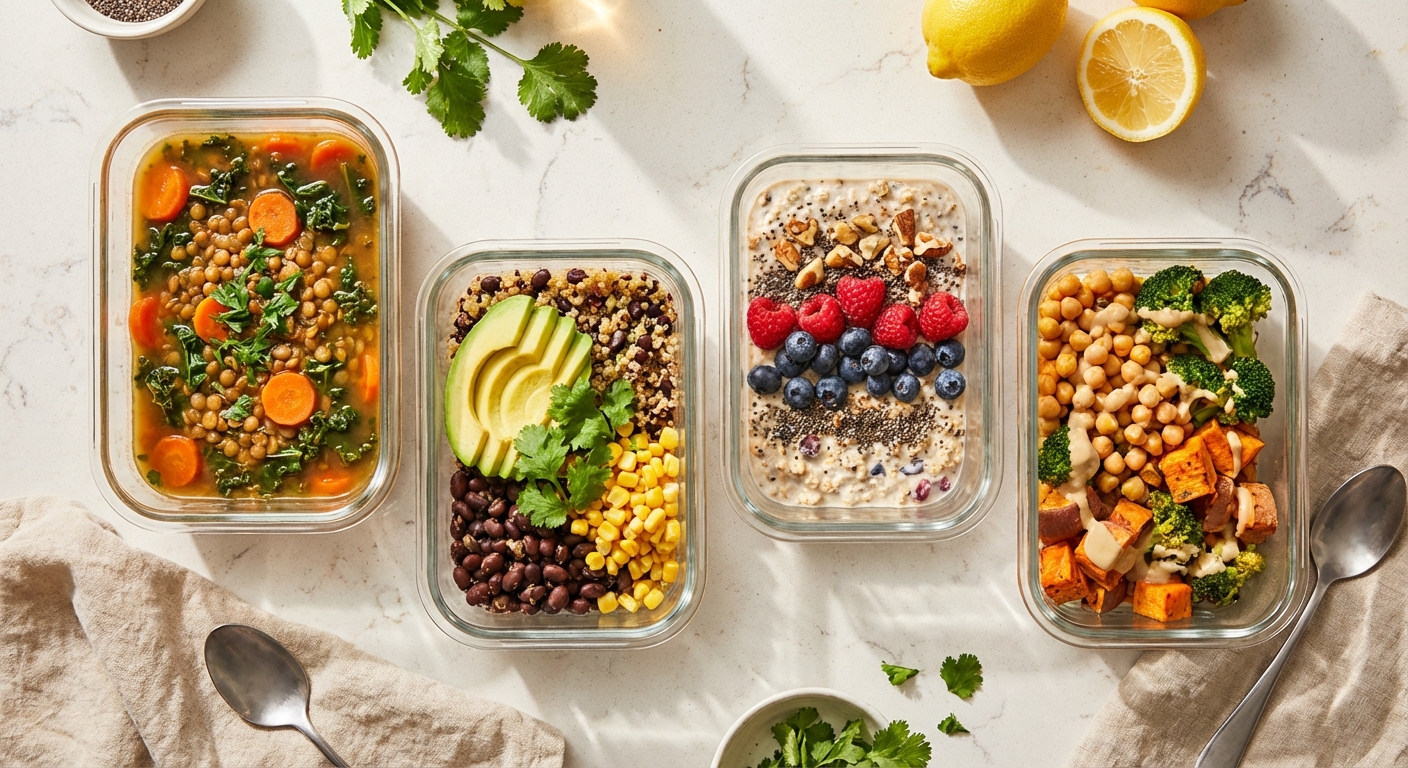
Sample High-Fiber Day (approximately 35 grams):
- Breakfast: Overnight oats with chia seeds and raspberries (4g + 5g + 4g = 13g fiber)
- Lunch: Black bean and quinoa bowl with avocado and roasted broccoli (7.5g + 2.5g + 5g + 2.5g = 17.5g)
- Dinner: Lentil soup with whole grain bread (8g + 2g = 10g)
- Daily total: approximately 40 grams
How to Increase Fiber Without Wrecking Your Gut
Dr. Lin recommends increasing intake by 3 to 5 grams every couple of days rather than making dramatic jumps. If you’re currently averaging 15 grams daily, a reasonable progression looks like this: Week one, add a serving of beans or lentils to one daily meal (target: 20 grams). Week two, swap a refined grain for a whole grain and add a fruit serving (target: 25 grams). Week three, add a second legume serving or incorporate chia/flax seeds (target: 30 grams). Week four, fine-tune portions and variety to reach your target range (25-38 grams depending on your sex and age).
Hydration is non-negotiable throughout this process. Lin recommends approximately one fluid ounce of water per kilogram of body weight daily. For a 70-kilogram (154-pound) person, that’s roughly 70 ounces, or about nine cups. Fiber absorbs water as it moves through your digestive tract, and without adequate hydration, the added bulk can slow transit rather than accelerate it.
There are specific populations who should approach fiber increases cautiously or consult a physician first. People who have had recent abdominal surgery, those with gastroparesis (delayed stomach emptying), individuals currently experiencing an inflammatory bowel disease flare, and anyone preparing for a colonoscopy should not increase fiber intake without medical guidance. For everyone else, the gradual approach outlined above is both safe and effective.
One practical tip that gets overlooked: cook your legumes well. Canned beans are pre-cooked and tend to be easier on the digestive system than home-cooked dried beans that may be slightly undercooked. Soaking dried beans overnight and cooking them thoroughly breaks down some of the oligosaccharides (the complex sugars responsible for gas production), making them gentler on your gut as you adapt.
What to Eat This Week
The fibermaxxing trend has the right instinct and the wrong execution model. Loading up on fiber supplements and powders to hit arbitrary numbers above 50 grams misses the point. The science consistently supports increasing fiber through whole foods to meet recommended targets of 25-38 grams daily, with the most compelling health benefits coming from a diverse mix of soluble and insoluble fiber sources.
Three specific steps to start this week:
- Audit your current intake. Track your fiber consumption for two to three days using a food tracking app or the USDA’s FoodData Central database. Most people are genuinely surprised by how low their number is.
- Add one high-fiber anchor food per day. A cup of lentils, a serving of black beans, overnight oats with chia seeds, or a large portion of roasted vegetables. One strategic addition can close half the gap for most people.
- Increase gradually and hydrate. Add 3-5 grams every few days, drink adequate water, and give your gut bacteria time to adapt. The bloating and gas that discourage many people from eating more fiber are temporary adaptation responses, not permanent consequences.
The evidence is not subtle. Higher fiber intake reduces your risk of cardiovascular disease, type 2 diabetes, colorectal cancer, and premature death. You don’t need to “fibermax” to extreme levels. You just need to eat more beans, more vegetables, more whole grains, and fewer processed foods. That’s not a TikTok trend. It’s nutritional science that has held up across decades of research and millions of study participants.
Sources
- UCLA Health. “Is ‘Fibermaxxing’ a Sound Nutrition Trend?” 2026.
- University of Colorado Anschutz Medical Campus. “Can a Fibermaxxing Social Media Trend Reverse America’s ‘Abysmal’ Intake?” 2026.
- Houston Methodist. “Fibermaxxing: Should You Try the High-Fiber Diet Trend?” January 2026.
- The Food Institute. “Diet Trends to Watch in 2026: Metabolic Eating, Gut Health Prioritized.” 2026.
- CNBC. “Are You Fibermaxxing in 2026? A Nutrition Coach Shares 5 Easy Ways to Get More Fiber.” January 2026.