Your Genes Shape 55% of Your Lifespan, New Study Finds
A landmark Science study upends decades of research, finding genetics account for over half of lifespan variation once accidental deaths are separated from biological aging.

Deep dives into the latest health research and scientific breakthroughs. We analyze clinical trials, review emerging studies, and translate cutting-edge science into practical implications for your health.
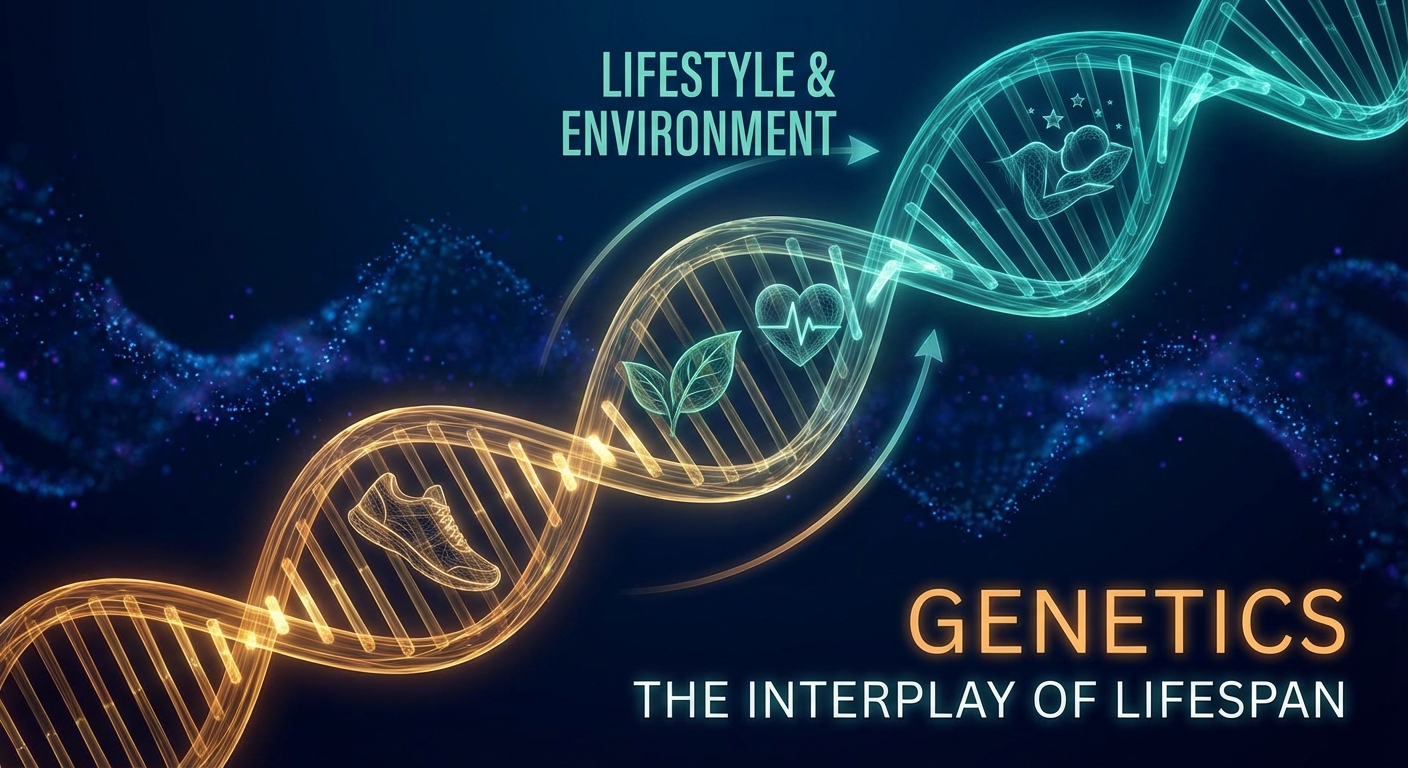
A landmark Science study upends decades of research, finding genetics account for over half of lifespan variation once accidental deaths are separated from biological aging.
New research reveals the ALOX15 enzyme decides whether omega-3 supplements fight colorectal cancer or potentially fuel it. Here's what it means.
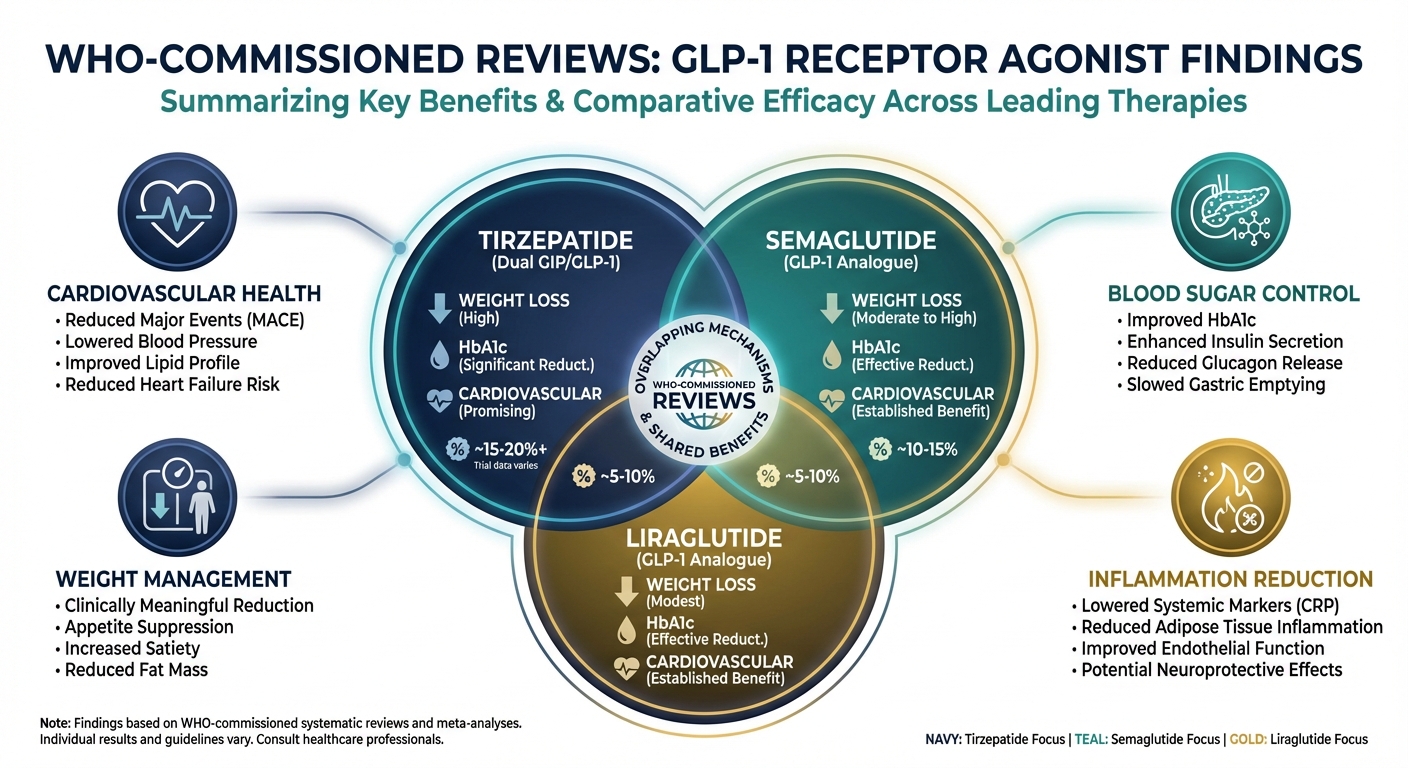
Three WHO-commissioned systematic reviews analyzed GLP-1 drugs across 44,000+ participants. The findings go well beyond the scale. Here's what matters.
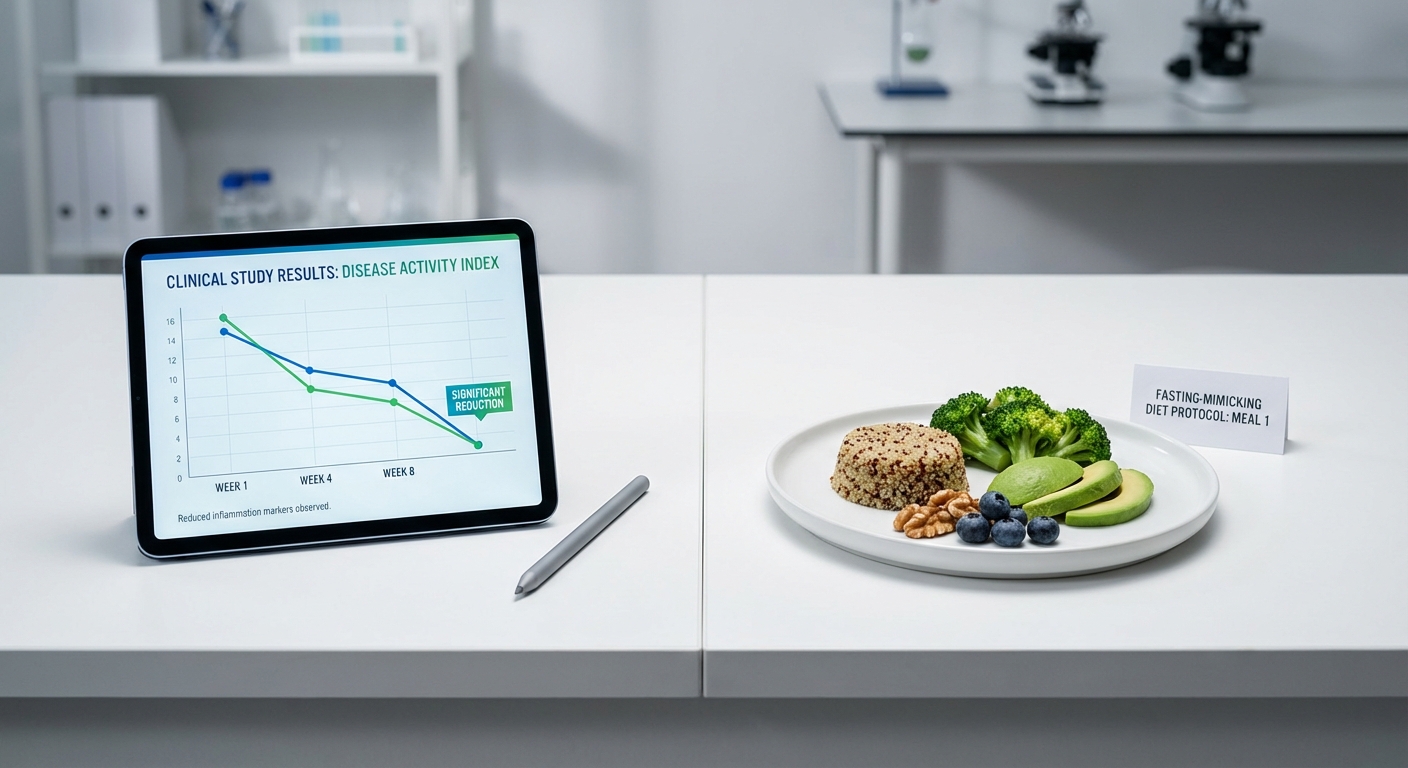
Two clinical trials show intermittent fasting and fasting-mimicking diets reduce Crohn's disease activity by up to 40%. Here's what the science found.

A 14-year study of 108,723 adults found that high consumption of everyday preservatives like potassium sorbate and sodium nitrite significantly increases type 2 diabetes risk.
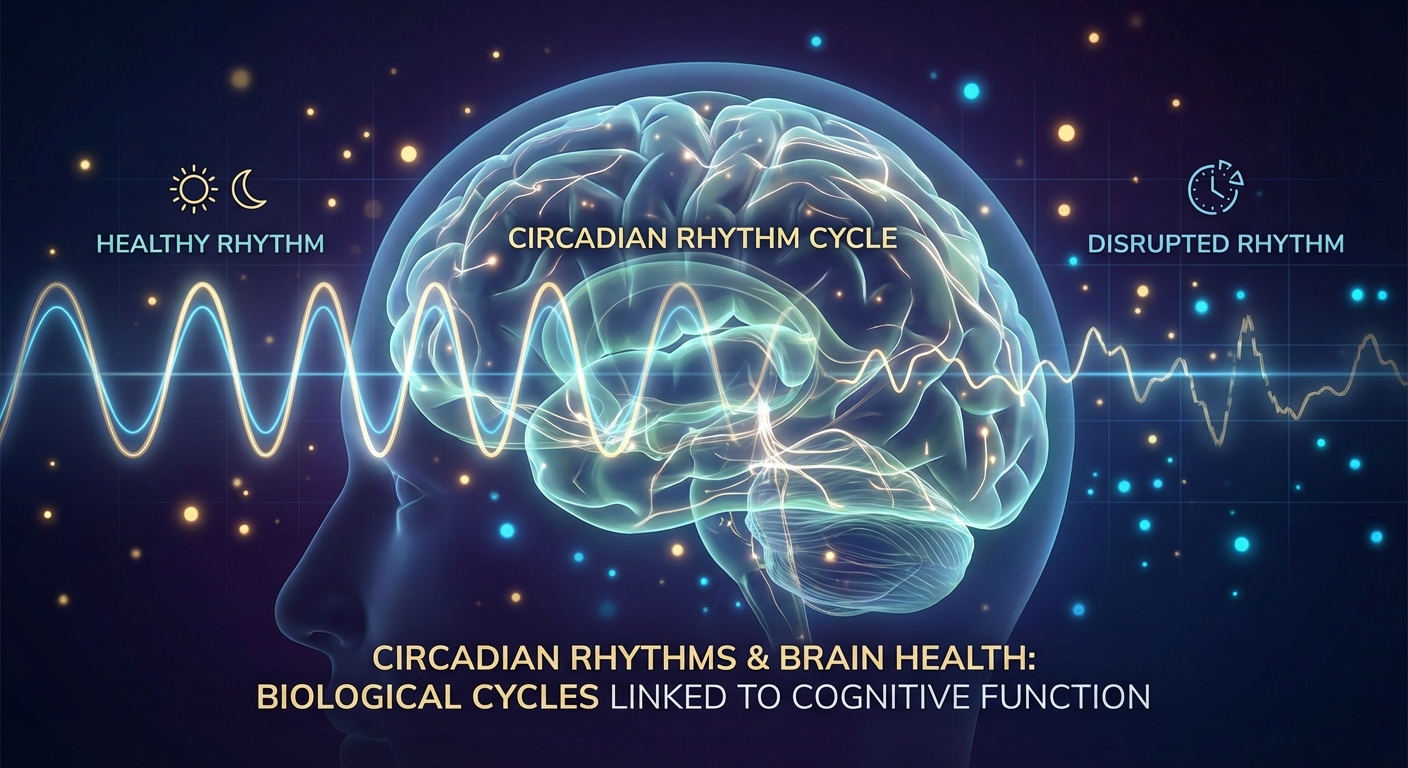
New research reveals that disrupted daily activity patterns may be an early warning sign for cognitive decline, with actionable steps to strengthen your biological clock.

SleepFM analyzes your brain, heart, and breathing patterns during sleep to identify Parkinson's, cancer, and dementia years before symptoms appear.
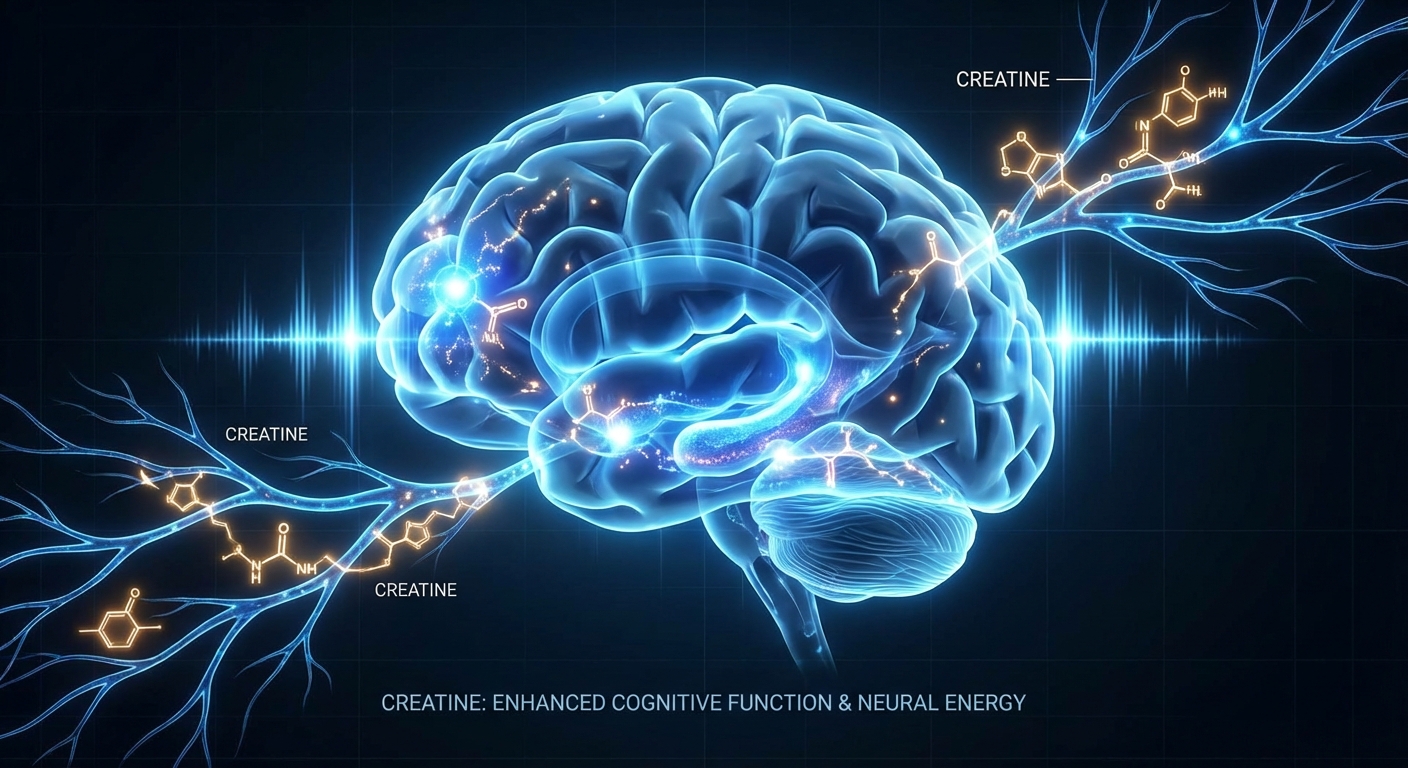
New research shows creatine supplementation may boost memory and protect against cognitive decline. Here's what the science actually supports.
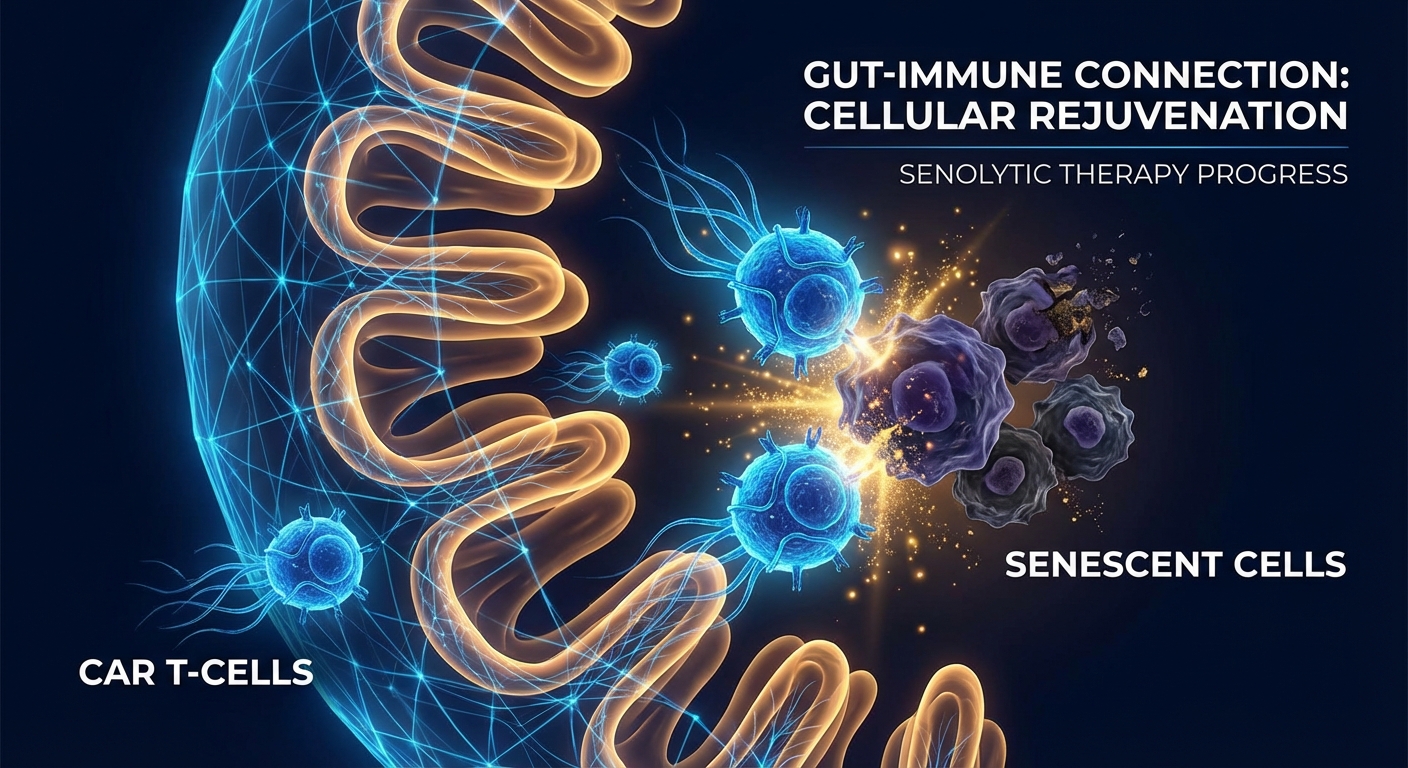
A single treatment with engineered immune cells restored gut regeneration, reduced inflammation, and improved nutrient absorption in aging mice for up to a year.

New research reveals diabetes doesn't just raise heart disease risk. It fundamentally changes how your heart produces energy and maintains structure.

A Ben-Gurion University study found diet-induced weight loss triggered temporary brain inflammation in mid-aged mice, raising questions about age-specific approaches.
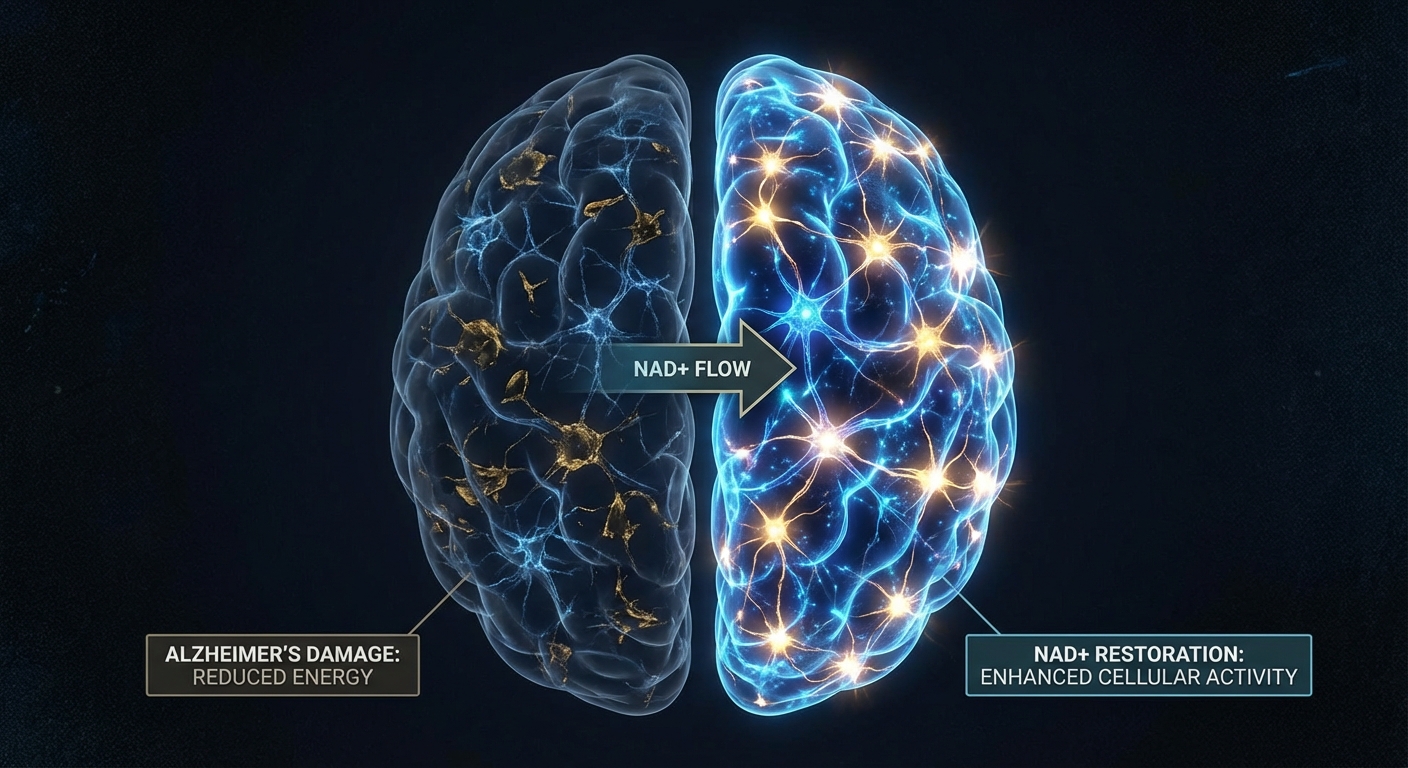
Groundbreaking research shows NAD+ restoration reversed cognitive decline in mice, offering new hope for treating the previously irreversible disease.