That jar of pickles in your refrigerator, the sliced bread on your counter, the bacon you had for breakfast. Each contains preservatives designed to extend shelf life and prevent spoilage. But a landmark study now suggests these additives may come with a hidden cost: a substantially increased risk of developing type 2 diabetes.
Researchers from INSERM, INRAE, Sorbonne Paris Nord University, and Paris Cité University analyzed data from nearly 109,000 French adults over 14 years and found that those consuming the highest amounts of food preservatives faced up to 49% greater risk of developing type 2 diabetes compared to those with the lowest intake. Published in Nature Communications in January 2026, the NutriNet-Santé study represents the first large-scale investigation specifically examining how preservative consumption relates to diabetes incidence.
The Study: What 14 Years of Data Revealed
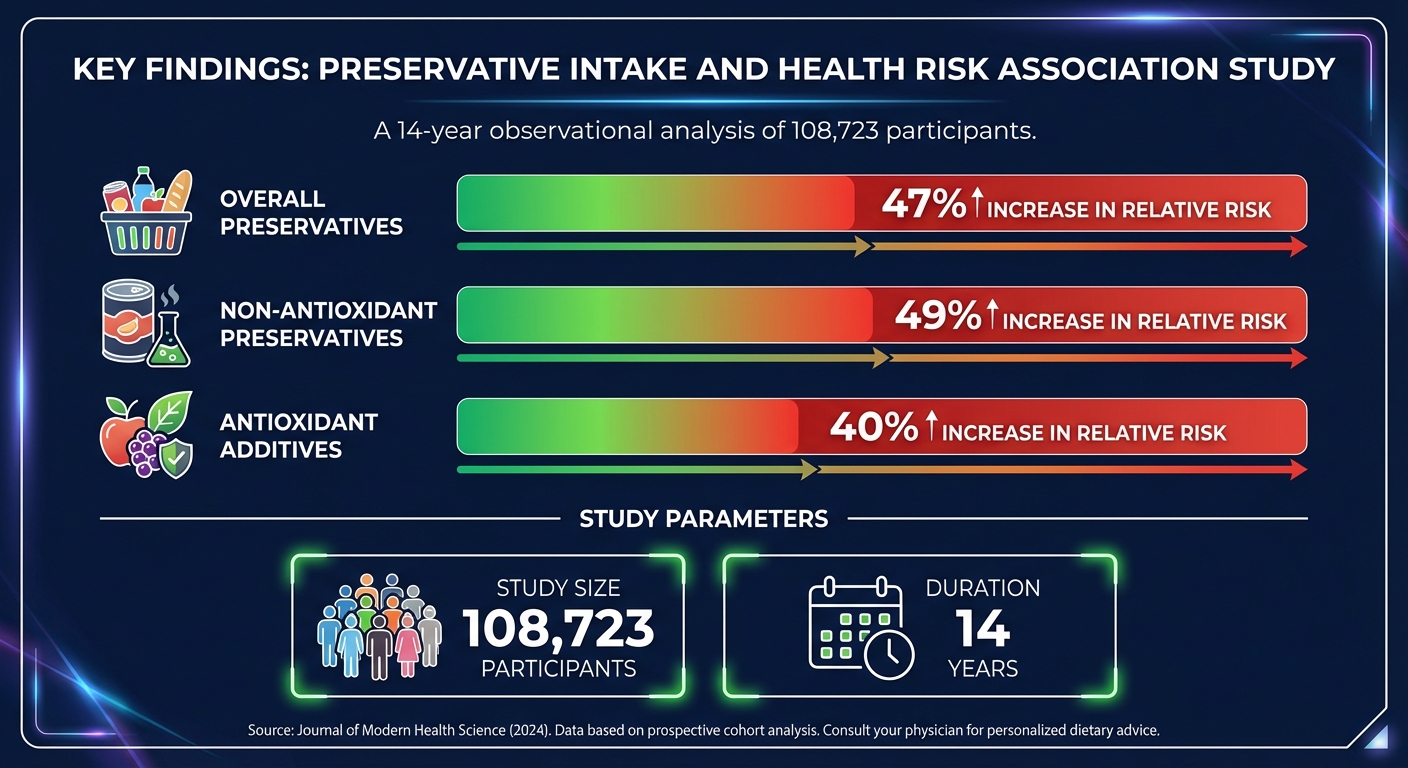
The NutriNet-Santé prospective cohort followed 108,723 participants (79.2% women, mean age 42.5) from 2009 through 2023. Participants recorded their food intake in detailed dietary journals, which researchers cross-referenced with comprehensive food composition databases to estimate preservative exposure. Over the study period, 1,131 participants developed type 2 diabetes.
The strength of this research lies in its granular approach to preservative assessment. Rather than simply measuring “processed food consumption,” the team calculated specific exposure to 17 individual preservative compounds. They examined both antioxidant preservatives (which prevent oxidation and rancidity) and non-antioxidant preservatives (which inhibit microbial growth). This distinction proved important because both categories showed independent associations with diabetes risk.
Higher consumption of preservatives overall correlated with a 47% increased incidence of type 2 diabetes. Non-antioxidant preservatives showed an even stronger association at 49% higher risk. Antioxidant additives linked to a 40% increased risk. These associations held after adjusting for age, sex, education, physical activity, smoking, alcohol consumption, BMI, and overall diet quality including ultra-processed food intake.
The research team, led by epidemiologist Mathilde Touvier, emphasized that these findings add to mounting evidence that food additives deserve closer scrutiny. “This work once again justifies the recommendations made by the National Nutrition and Health Programme to consumers to favor fresh, minimally processed foods and to limit unnecessary additives as much as possible,” Touvier noted in the study release.
The 12 Preservatives That Raised Red Flags
Of the 17 preservatives examined, 12 showed statistically significant associations with increased diabetes risk. Understanding which compounds appeared in this list matters for making informed food choices. The preservatives fall into two categories, each appearing prominently in different types of processed foods.
Non-antioxidant preservatives linked to higher diabetes risk include:
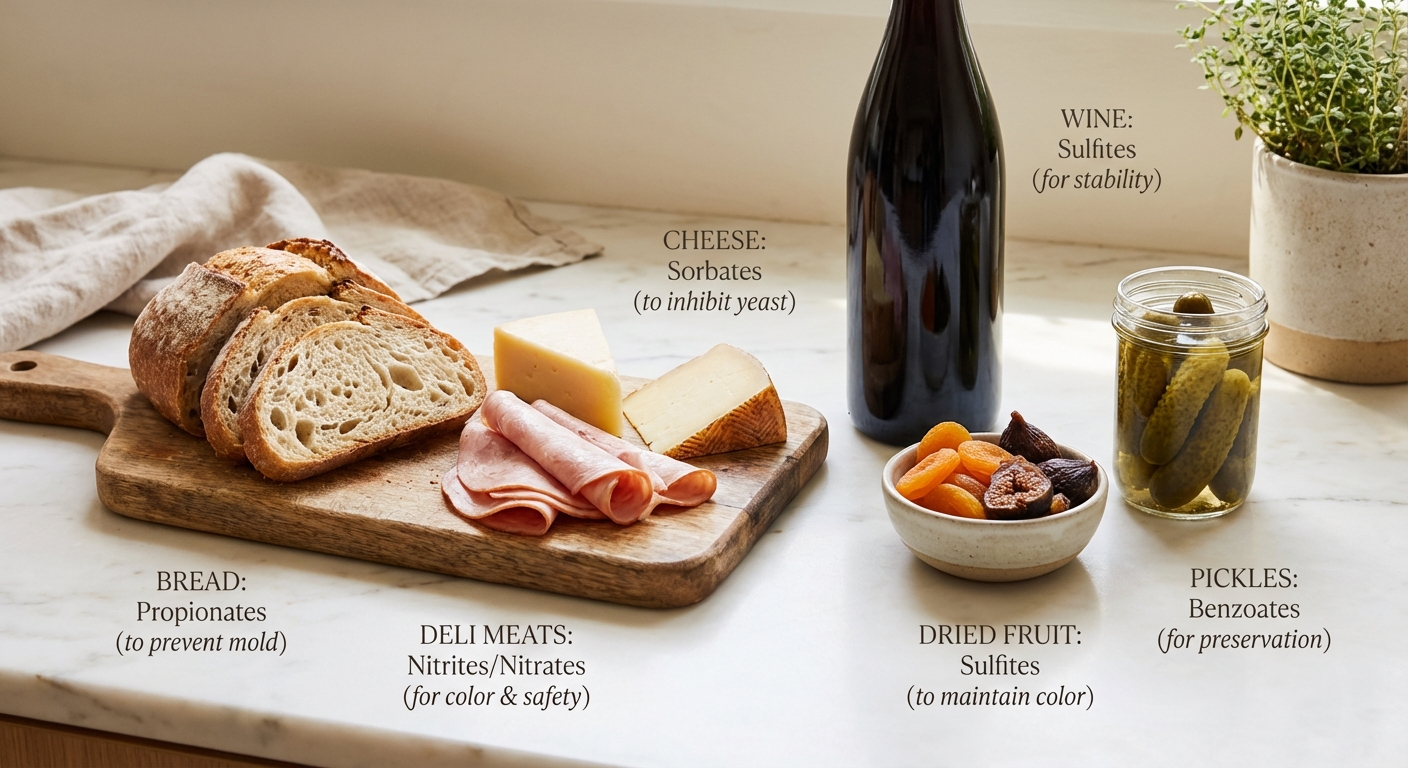
Potassium sorbate (E202) prevents mold and yeast growth. You’ll find it in cheese, yogurt, wine, dried fruits, and baked goods. It’s one of the most widely used preservatives globally, appearing in an estimated 23% of packaged foods.
Sodium nitrite (E250) maintains color and prevents bacterial growth in cured meats. It gives bacon, ham, hot dogs, and deli meats their characteristic pink hue. This preservative has previously raised concerns for potential carcinogenic effects when converted to nitrosamines during cooking.
Potassium metabisulfite (E224) serves as both a preservative and antioxidant in wine, dried fruits, and some processed potatoes. Sulfites are among the most allergenic food additives.
Acetic acid (E260) is essentially vinegar but appears as an additive in countless condiments, pickled products, and baked goods. While natural vinegar consumption hasn’t been linked to metabolic harm, the synthetic versions used industrially may behave differently.
Sodium acetates (E262) function similarly to acetic acid, appearing in snack foods, bread, and processed meats.
Calcium propionate (E282) stops mold growth in bread and baked goods. That loaf lasting suspiciously long on your counter likely contains this white powder preservative.
Antioxidant preservatives showing associations with diabetes risk include:
Citric acid (E330) appears almost everywhere, from soft drinks to canned vegetables to candy. While citric acid occurs naturally in citrus fruits, the industrial version is typically produced by fermenting sugars with the mold Aspergillus niger.
Phosphoric acid (E338) gives cola drinks their tangy bite. It’s also found in processed cheeses and other dairy products.
Sodium ascorbate (E301) and sodium erythorbate (E316) are forms of vitamin C used to prevent discoloration in cured meats and other processed foods.
Alpha-tocopherol (E307) is vitamin E, used to prevent fats from going rancid in oils, margarine, and fried snacks.
Rosemary extracts (E392) function as natural antioxidants in oils, snacks, and meat products.
The presence of compounds like citric acid and vitamin E derivatives on this list warrants careful interpretation. These substances appear harmless or even beneficial when consumed in whole foods. The study findings don’t necessarily indict these molecules themselves but may reflect patterns of ultra-processed food consumption or interactions between multiple additives.
Which Foods Contain the Most Preservatives?
Understanding where these compounds hide helps in making practical dietary choices. According to the Open Food Facts World database, over 700,000 of the 3.5 million catalogued food products contain at least one of the preservatives examined in this study. That’s roughly 20% of all packaged foods.
High-preservative food categories include:
Processed meats consistently contain multiple preservatives. A single package of bacon might include sodium nitrite for color, sodium erythorbate to accelerate curing, and potassium sorbate to prevent surface mold. Deli meats, hot dogs, and sausages follow similar patterns.
Baked goods rely heavily on calcium propionate and potassium sorbate to achieve the long shelf life consumers expect. Commercial bread that stays soft for two weeks accomplishes this feat through preservative chemistry, not baking skill.
Soft drinks and flavored beverages contain phosphoric acid (colas especially), citric acid, and often sodium benzoate, though the latter wasn’t among the 17 preservatives this study examined.
Wine presents a particular challenge because sulfites occur both naturally during fermentation and as added preservatives. Organic wines contain fewer added sulfites but aren’t sulfite-free.
Dried fruits and nuts frequently contain sulfites and antioxidant preservatives to maintain appearance and prevent rancidity.
Condiments and sauces accumulate preservatives because manufacturers combine multiple preserved ingredients. That bottle of barbecue sauce might include preserved tomato paste, preserved vinegar, and additional preservatives for the final product.
How Might Preservatives Affect Metabolic Health?
The NutriNet-Santé study was observational, meaning it identified associations but couldn’t prove causation. However, previous laboratory and animal research suggests several mechanisms through which preservatives might influence diabetes risk.
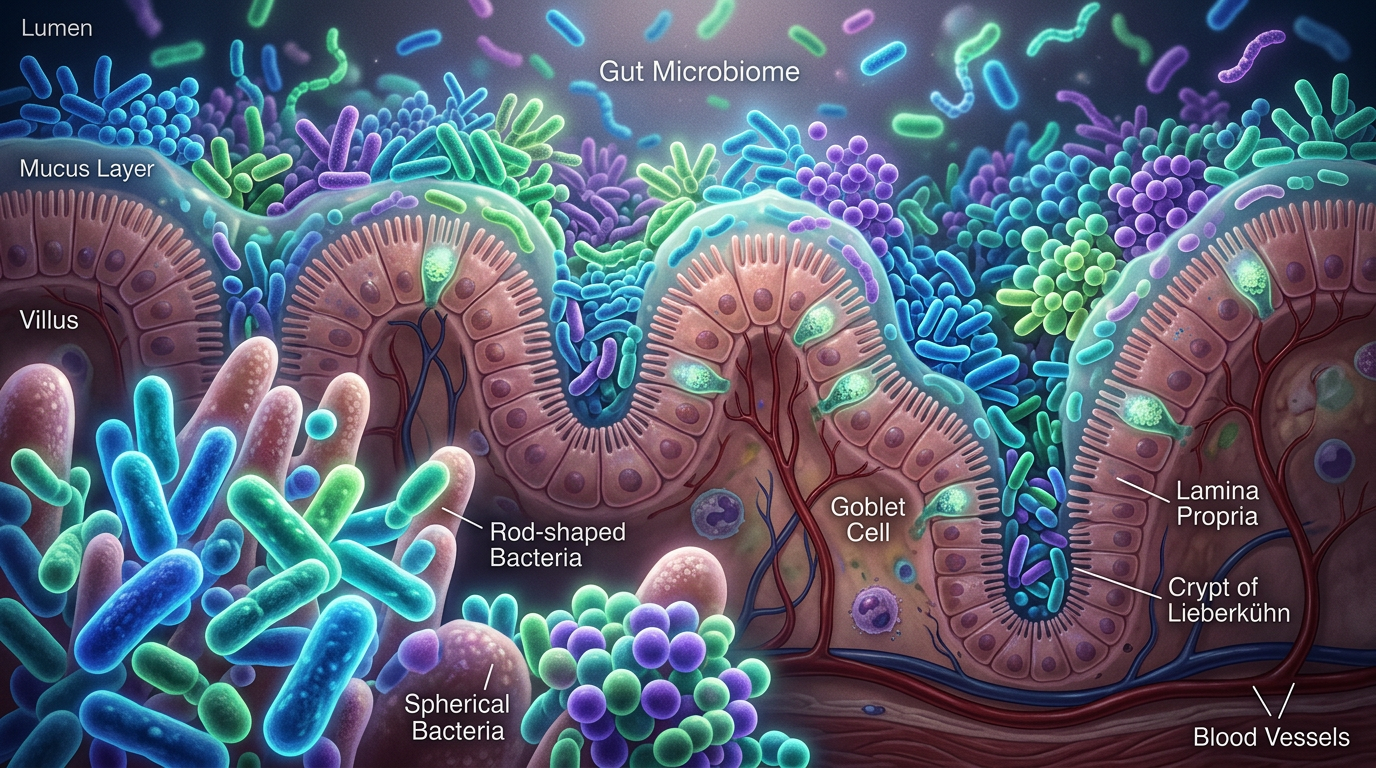
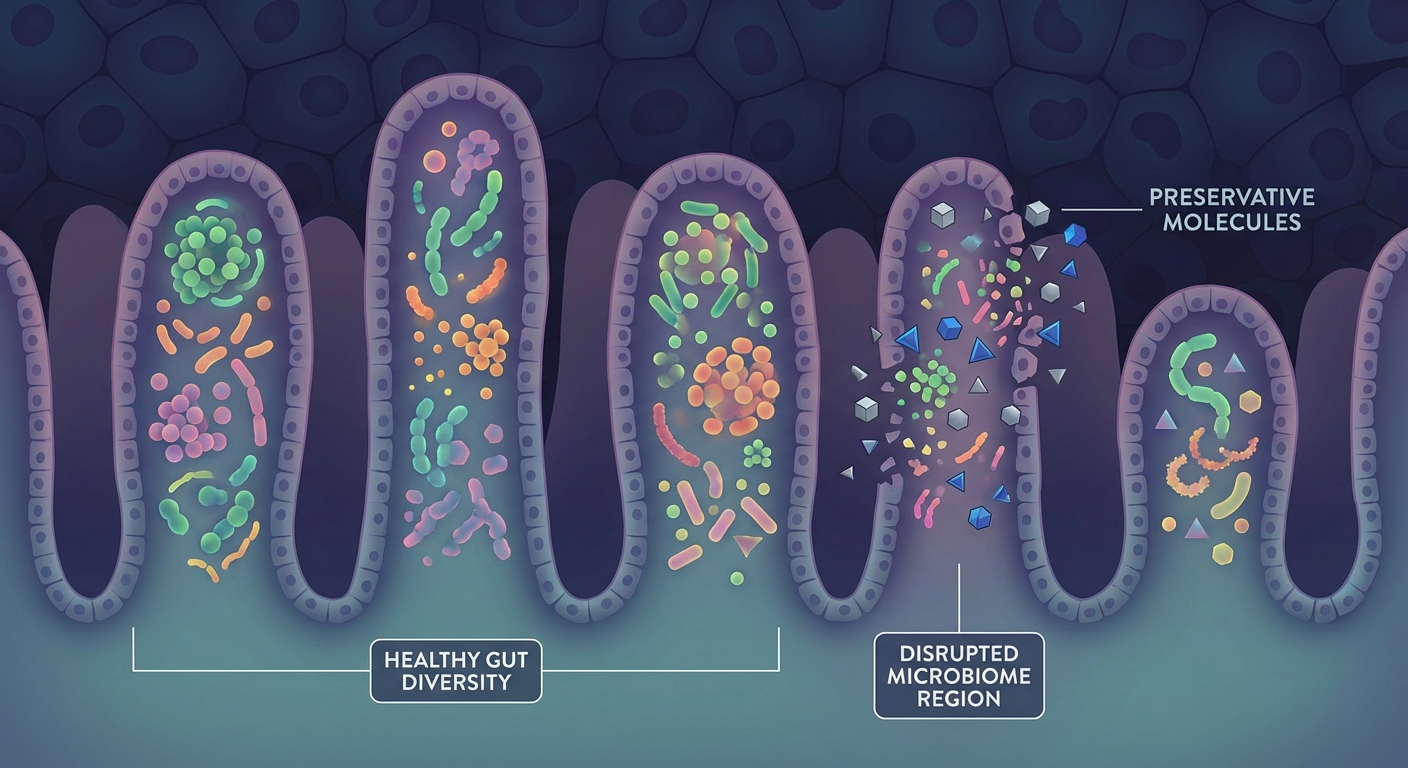
Gut microbiome disruption represents one plausible pathway. Preservatives work by inhibiting microbial growth, which is desirable for food safety but potentially problematic for the trillions of beneficial bacteria in your intestines. Research has shown that common preservatives can alter gut microbiome composition, and we now understand that gut bacteria play crucial roles in metabolic regulation. Disturbances in microbial communities have been linked to insulin resistance and inflammatory states that precede diabetes.
Inflammatory effects offer another potential mechanism. Some preservatives, particularly nitrites and sulfites, have shown pro-inflammatory properties in laboratory studies. Chronic low-grade inflammation is a well-established contributor to insulin resistance. The cumulative effect of consuming multiple inflammatory compounds daily over decades could theoretically shift metabolic function toward diabetes.
Direct effects on glucose metabolism can’t be ruled out. While no preservative is known to directly raise blood sugar, some may influence insulin secretion, liver glucose production, or cellular glucose uptake through mechanisms not yet fully characterized.
The researchers also considered that preservative consumption might simply mark overall dietary patterns. People eating more preserved foods likely consume more ultra-processed foods generally, which are independently associated with metabolic dysfunction. However, the study adjusted for ultra-processed food intake, and the preservative associations remained significant, suggesting the additives contribute independently.
What This Doesn’t Mean: Important Caveats
Before swearing off all preserved foods, several limitations deserve consideration. In an accompanying editorial in the BMJ, Harvard epidemiologists Xinyu Wang and Edward Giovannucci noted: “A major strength of this study was its detailed assessment of preservative intake… given the modest increased risk estimates, causality cannot be established.”
The observational design means unmeasured confounding factors could explain part or all of the association. Perhaps people consuming more preservatives share other characteristics that influence diabetes risk. The study adjusted for many factors, but residual confounding always remains possible in epidemiological research.
A 47-49% relative risk increase sounds dramatic but translates to modest absolute risk changes. Over 14 years, approximately 1% of participants developed diabetes. Even if preservatives truly increase risk by 50%, this would mean about 1.5% of high consumers developing diabetes versus 1% of low consumers. The individual risk remains relatively small.
The French population studied may not represent global dietary patterns. Preservative types and quantities vary significantly between countries based on food regulations and culinary traditions. Americans likely consume different preservative profiles than French participants.
Single nutrient or additive studies often fail to replicate when examined in other populations. The history of nutrition research is littered with initially promising findings that didn’t hold up. This study, while well-designed, needs confirmation from independent cohorts.
Practical Steps for Reducing Preservative Exposure
Despite the caveats, the precautionary principle suggests limiting unnecessary additive consumption makes sense while research continues. The recommendations align with general guidance for metabolic health anyway.
Focus on fresh and frozen whole foods. Vegetables, fruits, meats, fish, eggs, and dairy products in their basic forms contain few or no preservatives. Frozen produce is preserved through temperature, not chemistry.
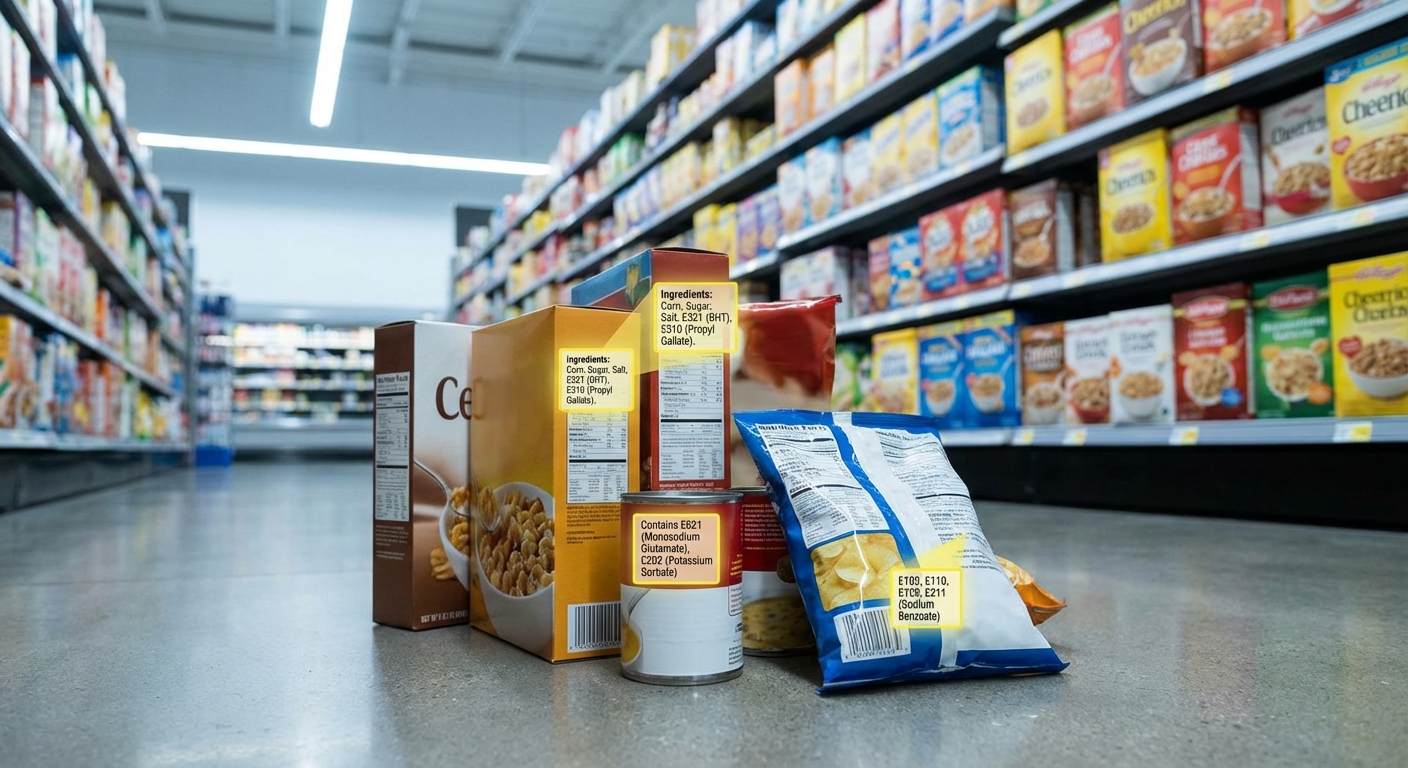
Read ingredient labels. Preservatives must be listed, often with E-numbers in European products or full names in American labeling. The compounds identified in this study are relatively easy to spot once you know what you’re looking for.
Choose products with shorter ingredient lists. Generally, fewer ingredients means fewer additives. Compare two brands of the same product and select the one with more recognizable ingredients.
Bake your own bread or buy from bakeries that don’t use preservatives. Fresh bread lacking calcium propionate only lasts a few days, but that’s how bread naturally behaves. Slice and freeze if needed.
Reduce processed meat consumption. This aligns with recommendations from cancer research organizations anyway. When you do eat cured meats, consider uncured versions preserved with celery powder (a natural nitrate source) rather than synthetic sodium nitrite.
Consume dried fruits in moderation and look for unsulfured versions when available, though these tend to be darker and less visually appealing.
The Bottom Line
The NutriNet-Santé study provides the most comprehensive evidence to date linking common food preservatives with increased type 2 diabetes risk. While observational research cannot prove causation, the findings add to concerns about long-term health effects of food additives that regulators have considered safe based primarily on acute toxicity studies.
Twelve specific preservatives showed associations with nearly 50% higher diabetes risk among those with highest consumption. These compounds appear in bread, processed meats, cheese, wine, soft drinks, and countless other everyday foods. Reducing exposure doesn’t require dietary extremism but does benefit from label reading and a shift toward less processed options.
Next Steps:
- Check ingredient labels on frequently purchased processed foods
- Identify which of the 12 flagged preservatives appear in your regular diet
- Replace one or two high-preservative items with fresher alternatives
- Focus on whole foods that don’t require preservation chemistry
- Consider this research alongside the broader case for minimizing ultra-processed food consumption
Sources: Nature Communications (2026), NutriNet-Santé Prospective Cohort, INSERM/INRAE research team, Mathilde Touvier, Harvard T.H. Chan School of Public Health editorial commentary (BMJ), Open Food Facts World database.