You eat a bowl of strawberries expecting the anti-inflammatory benefits you’ve read about. Your friend eats the same strawberries from the same container. But your bodies don’t respond identically. You experience reduced inflammation markers over the following hours. Your friend shows no change at all. The strawberries were identical. Your genetics are different, certainly, but there’s another variable that may matter even more: the trillions of bacteria living in your gut and whether they possess the specific enzymes needed to transform strawberry compounds into their bioactive forms.
A landmark study published in Nature Microbiology this December has mapped this hidden layer of nutrition science with unprecedented detail. Researchers analyzed 3,068 human gut microbiomes from around the world alongside databases of enzymatic reactions and food health benefits. They found that 775 phytonutrients from edible plants are transformed by gut bacterial enzymes, and this transformation varies dramatically between individuals, between geographic populations, and critically, between healthy people and those with chronic diseases.
The implications reframe how we think about dietary advice. Eating more plants is broadly beneficial, but the specific benefits you receive depend on whether your gut bacteria can process what you’re eating. This isn’t about willpower or even about food choices. It’s about the microbial ecosystem you’ve cultivated, often unknowingly, over your lifetime.
What Your Gut Bacteria Actually Do to Plant Compounds
When you eat a plant-based food, the phytonutrients it contains, compounds like polyphenols, flavonoids, and lignans, often arrive in your intestine in forms that your body cannot directly absorb or use. They’re locked in molecular structures that must be broken apart or modified before they can cross the intestinal wall and enter circulation.
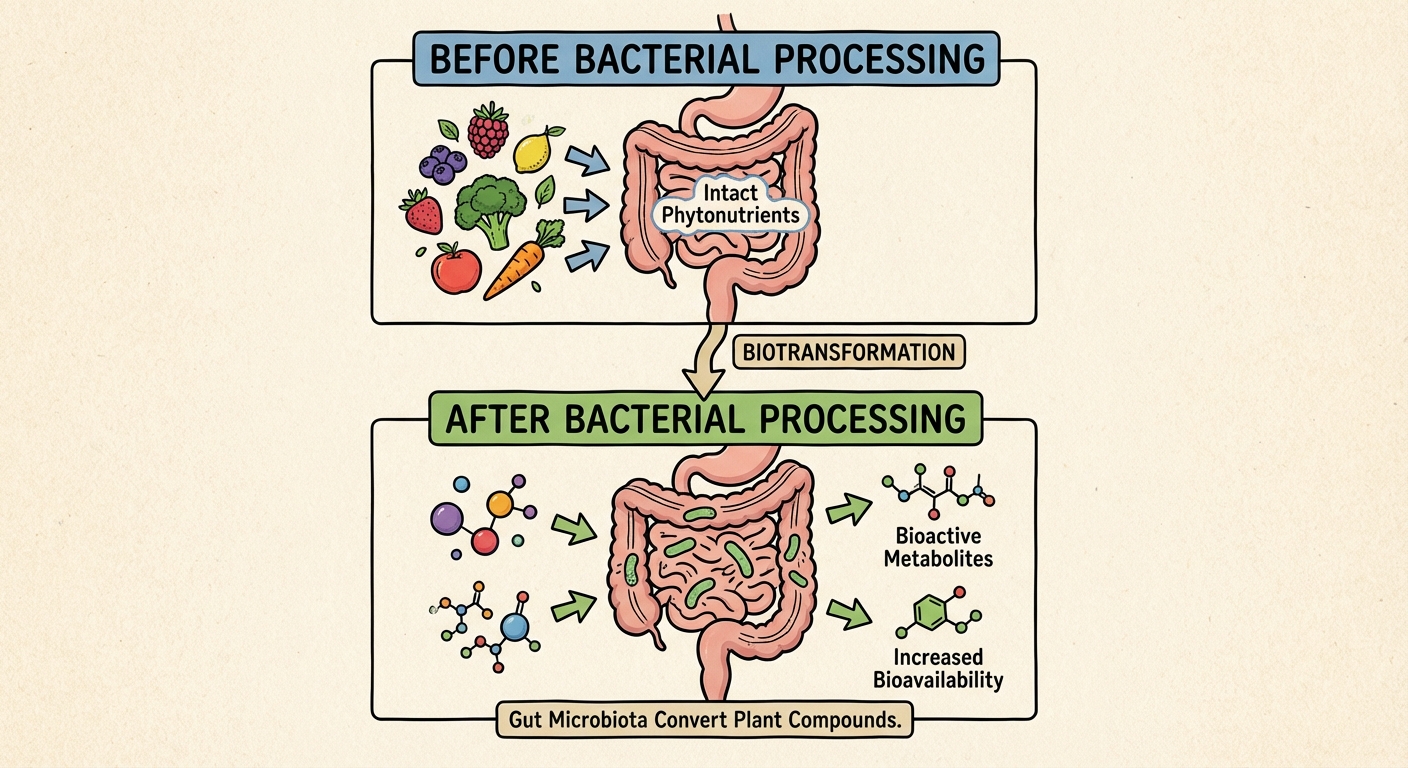
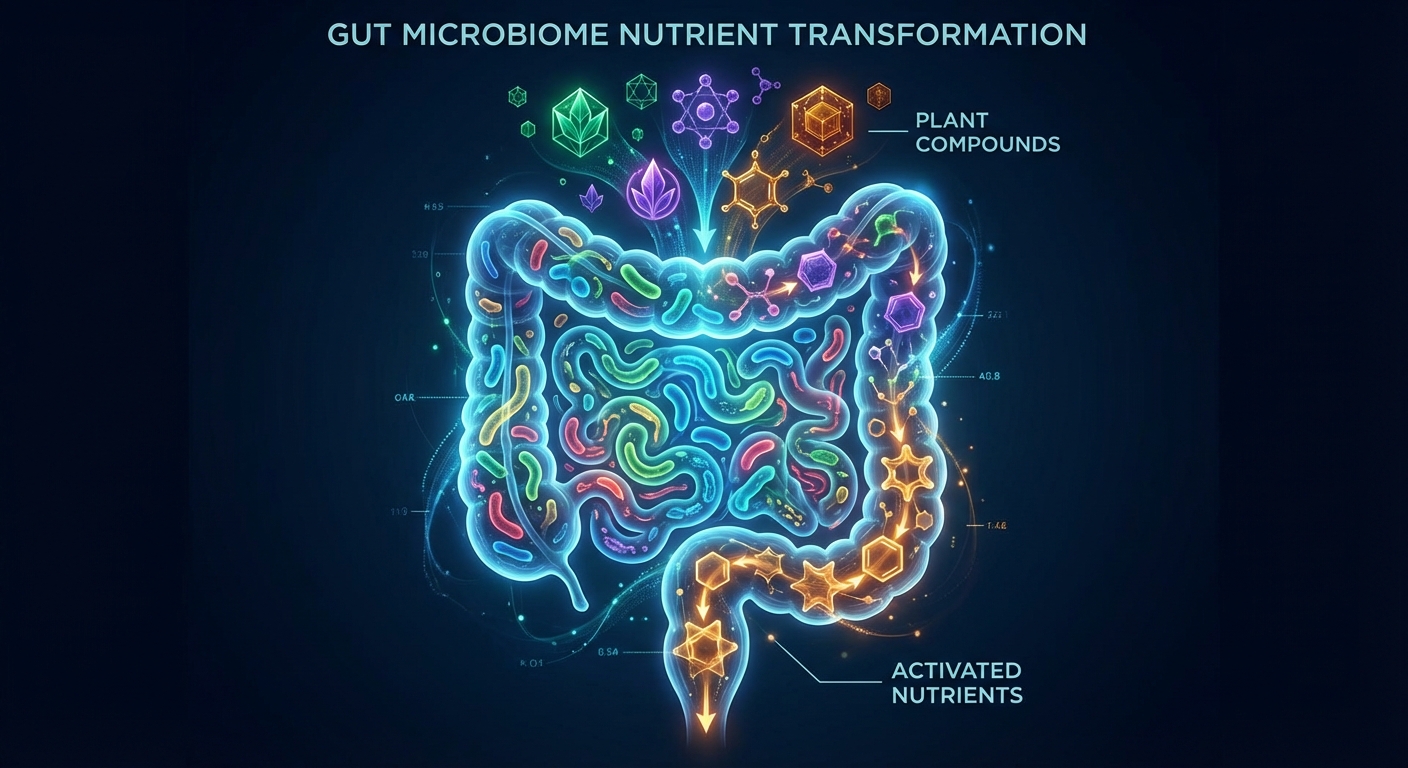
Your gut bacteria serve as a processing factory. They produce enzymes that cleave chemical bonds, remove sugar groups, reduce double bonds, and otherwise modify phytonutrients into forms your body can use. The study identified 4,678 bacterial enzymes associated with transforming 1,388 phytonutrients, and found that approximately 67% of all gut microbial enzymes are potentially involved in some aspect of phytonutrient biotransformation.
Consider ellagic acid, a compound abundant in berries, pomegranates, and walnuts. In its native form, ellagic acid is poorly absorbed. But certain gut bacteria, particularly species in the Gordonibacter and Ellagibacter genera, convert ellagic acid into urolithins, compounds with anti-inflammatory, anti-cancer, and mitochondria-protective properties. If you lack these bacteria, you eat the berries but don’t produce the urolithins. You get fiber and some nutrients, but you miss the signature health benefits researchers have attributed to these foods.
The study validated these transformations experimentally. Researchers isolated specific bacterial species like Eubacterium ramulus and confirmed their ability to transform phytonutrients in controlled laboratory conditions. This wasn’t just computational prediction but demonstrated biochemistry.
Why Your Microbiome Differs From Everyone Else’s
The research revealed striking variation in phytonutrient biotransformation capacity across individuals and geographic populations. A person in one region might have abundant capacity to transform one class of plant compounds while lacking enzymes for another class. Someone in a different region might show the opposite pattern.
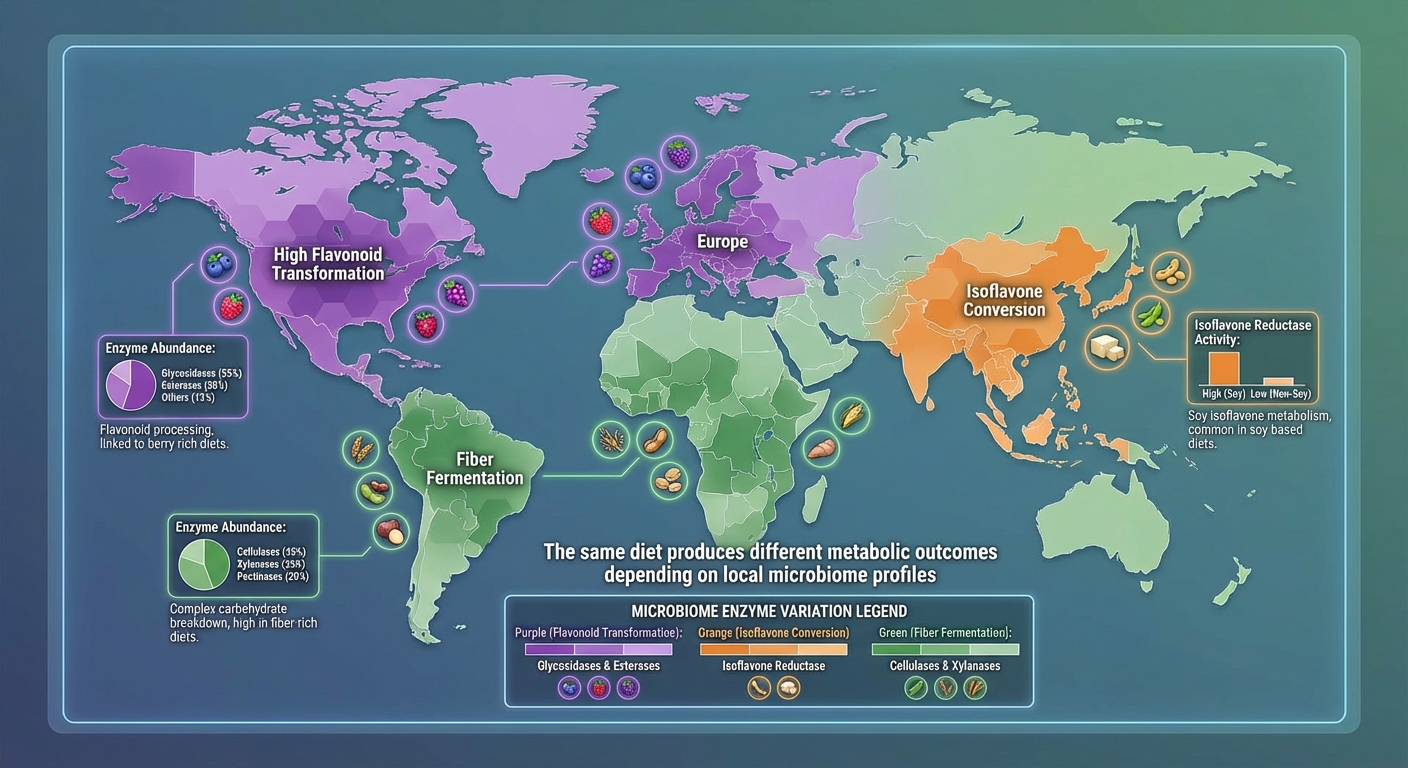
This variation stems from multiple factors. Diet shapes the microbiome over time. Populations with traditional diets high in certain foods develop microbial communities optimized to process those foods. Fiber-rich diets promote fiber-fermenting bacteria. Diets rich in specific polyphenols encourage bacteria that can metabolize those compounds. Geographic isolation, antibiotic use, sanitation practices, and early-life exposures all contribute to the microbial communities we carry.
The practical implication is profound: standardized dietary advice may produce non-standardized results. When studies show that eating more berries reduces inflammation or that soy consumption protects against certain cancers, those benefits reflect the average response across study populations. Individual responses vary based on whether each person’s microbiome can perform the necessary biotransformations.
This helps explain why nutritional research often produces frustratingly inconsistent results. One study finds dramatic benefits from a particular food. A replication study finds nothing. If the study populations differ in microbiome composition, perhaps due to geographic differences, dietary history, or random variation, the same food intervention will produce different outcomes.
The Disease Connection: When Transformation Breaks Down
Perhaps the study’s most significant finding concerns how disease states associate with reduced biotransformation capacity. Researchers developed machine learning models using the abundances of enzymes that modify phytonutrients from health-associated foods. These models could predict, with high accuracy, whether an individual was healthy or had inflammatory bowel disease, colorectal cancer, or non-alcoholic fatty liver disease.
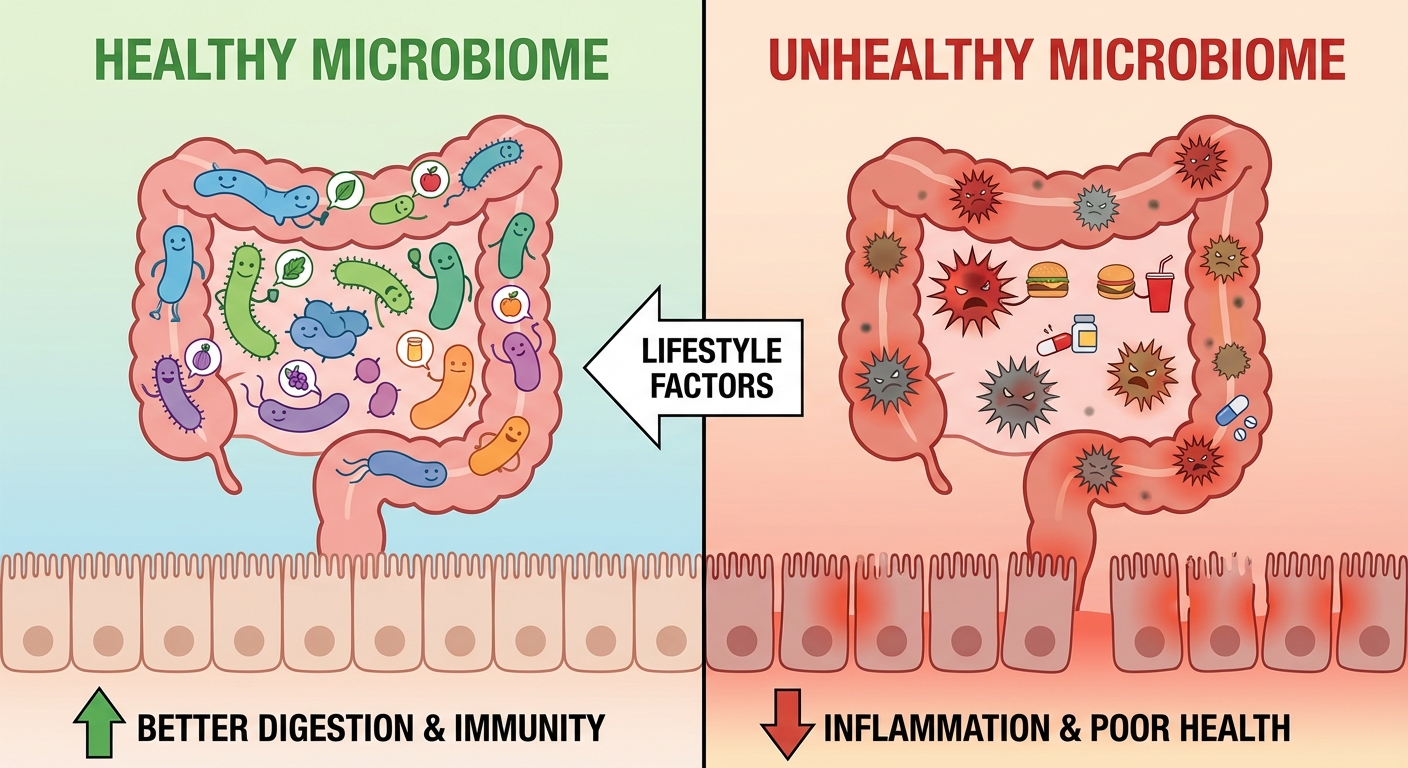
The relationship raises important questions about cause and effect. Does having a microbiome with reduced biotransformation capacity contribute to developing these diseases, perhaps because you miss the protective benefits of plant compounds you eat? Or does having the disease alter the microbiome in ways that reduce transformation capacity? Most likely, both directions operate, creating a feedback loop where disease and microbiome dysfunction reinforce each other.
The study’s mouse experiments shed light on this question. Researchers found that the anti-inflammatory effects of strawberries occurred only in mice with healthy microbiota. When the microbiome was depleted or lacked the relevant enzymes, the same strawberry intake produced minimal anti-inflammatory benefit. This suggests that microbiome capacity causally influences dietary outcomes, not just correlates with them.
This finding has implications for patients with chronic inflammatory conditions who are advised to eat more fruits and vegetables. The advice is sound in principle, but if disease has already compromised their microbiome’s biotransformation capacity, they may receive diminished benefits from these dietary changes. Restoring microbiome function might need to precede or accompany dietary intervention.
Toward Personalized Nutrition
The research points toward a future where dietary recommendations become personalized based on individual microbiome profiles. Rather than generic advice to “eat more plants,” you might receive specific guidance about which plants your microbiome can effectively process, and which might be wasted on your particular bacterial community.
The study’s lead researchers envision using microbiome analysis to match individuals with foods that their bacterial enzymes can transform. Alternatively, if your microbiome lacks certain transformation capacities, targeted probiotics could potentially provide the missing enzymes. “The goal is either to supply the microbiome with the right nutrients or to ‘seed’ it with probiotics that carry the precise enzymes needed for optimal conversion of beneficial plant compounds,” the researchers explained.
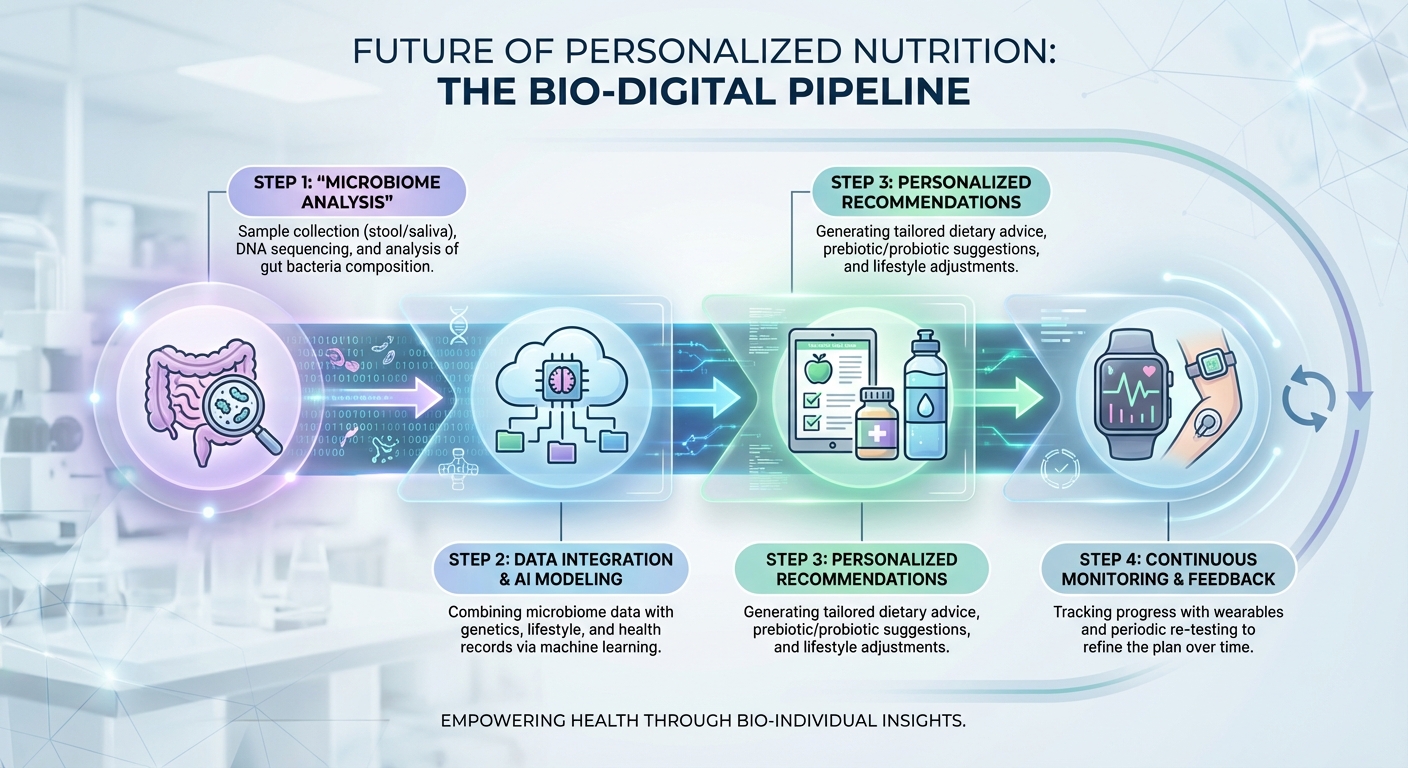
This isn’t science fiction. Commercial microbiome testing services already exist, though their current ability to provide actionable dietary guidance remains limited. The research published in Nature Microbiology helps build the knowledge base needed to translate microbiome analysis into meaningful recommendations. As databases grow and AI models improve, the gap between testing and useful guidance will narrow.
For now, the practical application is more modest: recognize that dietary responses are personal, and that “healthy eating” means something slightly different for each individual based on their microbial endowment. If a supposedly healthy food doesn’t seem to benefit you, the issue might not be the food or your compliance, but the mismatch between the food’s phytonutrient profile and your microbiome’s processing capacity.
Building a Better Microbiome
While we can’t yet fully customize diets to individual microbiomes, we can work on building microbial communities with robust biotransformation capacity. The same factors that promote microbiome diversity and health generally also tend to support phytonutrient transformation.
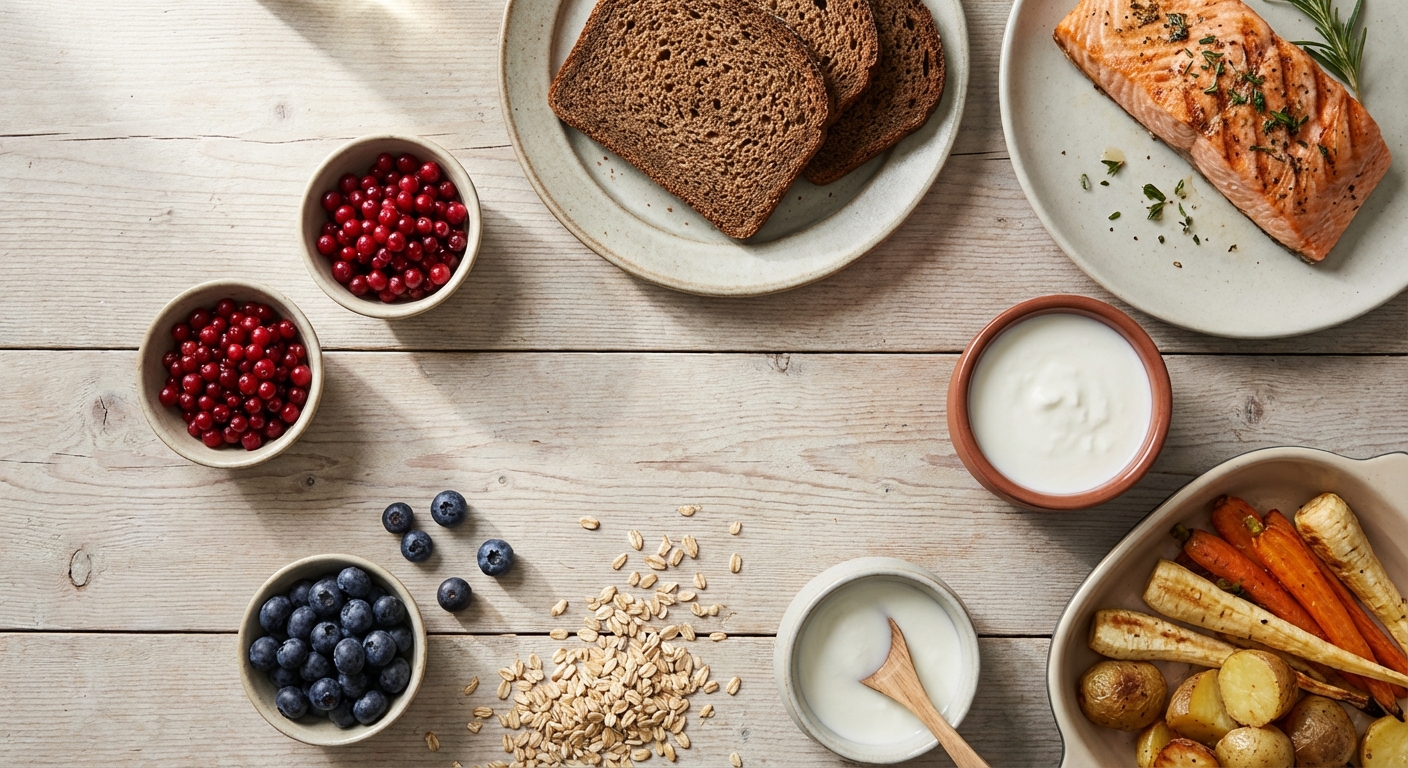
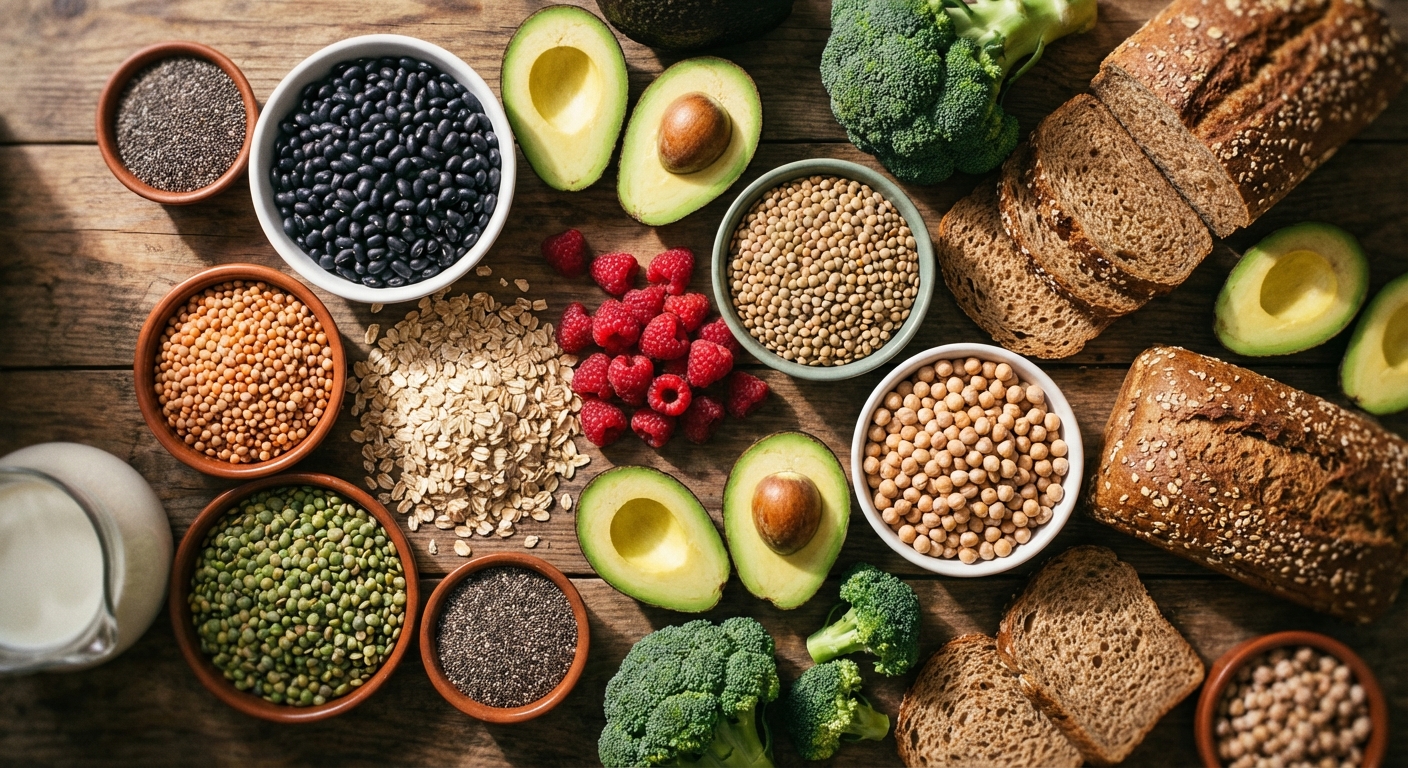
Dietary diversity matters enormously. Eating a wide variety of plant foods exposes your microbiome to diverse compounds, encouraging the growth of bacteria that can process them. Narrow diets, by contrast, allow specialized bacteria to dominate while generalist species decline. The more different fruits, vegetables, legumes, whole grains, nuts, and seeds you consume, the more diverse a microbial workforce you cultivate.
Fiber serves as fuel for beneficial bacteria. Many of the bacterial species involved in phytonutrient biotransformation also ferment fiber, producing short-chain fatty acids that nourish the gut lining and support immune function. High-fiber diets encourage the growth of these bacteria, indirectly supporting their phytonutrient-transforming activities. Our article on fermented foods and their specific strain benefits provides additional guidance on cultivating beneficial bacteria.
Avoiding unnecessary antibiotics preserves microbial diversity. While antibiotics are sometimes essential, their broad-spectrum effects can devastate beneficial bacterial populations, potentially eliminating species with unique biotransformation capabilities. Recovery can take months, and some species may never return without deliberate reintroduction.
Fermented foods introduce beneficial bacteria directly. Yogurt, kefir, sauerkraut, kimchi, and other fermented foods contain live bacteria that can temporarily or permanently join your gut community. Some of these species participate in phytonutrient biotransformation, and even transient colonization can provide benefits.
Time matters. The microbiome adapts to dietary changes, but not overnight. Sustained exposure to plant-rich diets over weeks and months allows bacterial populations to shift in response. Brief dietary experiments may not provide enough time for the microbiome to develop the capacity to fully process new foods.
The Bigger Picture: Rethinking Nutrition Science
This research challenges the reductionist approach that has dominated nutrition science, the attempt to identify specific nutrients or compounds and their specific effects. That approach assumes consistent metabolism, that the same compound produces the same effects in different people. But if biotransformation varies between individuals, the same dietary input produces different metabolic outputs.
Future nutrition research may need to account for microbiome variation as a fundamental variable. Studies comparing dietary interventions might need to characterize participants’ microbiomes and analyze responses within subgroups based on biotransformation capacity. What appears as a failed intervention in a mixed population might be a successful intervention for the subgroup with appropriate microbiome profiles.
This perspective also reframes the debate about plant-based versus other dietary patterns. The health benefits attributed to plant-rich diets depend substantially on phytonutrient biotransformation. If someone lacks the microbiome capacity to transform key plant compounds, the advantage of plant-based eating may be reduced, though other benefits like fiber and lower saturated fat would persist.
The Bottom Line
Groundbreaking research in Nature Microbiology reveals that gut bacteria transform 775 phytonutrients from plants into their bioactive forms, and this transformation varies dramatically between individuals. Machine learning models using bacterial enzyme profiles could distinguish healthy individuals from those with chronic diseases, suggesting that biotransformation capacity may influence disease risk. Mouse studies confirmed that dietary benefits from foods like strawberries depend on having the right bacterial enzymes.
The implications for personalized nutrition are significant. As microbiome testing becomes more sophisticated, dietary recommendations may increasingly account for individual biotransformation capacity. For now, building a diverse microbiome through varied plant intake, fiber consumption, fermented foods, and avoiding unnecessary antibiotics offers the best strategy for maximizing your ability to benefit from healthy eating. Understanding the gut-brain axis adds another dimension to why microbiome health matters beyond nutrient transformation.
Next Steps:
- Diversify your plant intake to cultivate a diverse microbiome capable of processing many compound types
- Maintain high fiber intake (25-35g daily) to support beneficial bacteria
- Include fermented foods regularly to introduce beneficial bacterial species
- Avoid unnecessary antibiotics that can disrupt microbiome diversity
- Be patient with dietary changes; microbiome adaptation takes weeks to months
Sources: Nature Microbiology (December 2025), research led by Gianni Panagiotou with Lu Zhang, Andrea Marfil-Sánchez, Ting-Hao Kuo and colleagues, 3,068 global human microbiome analysis, in vitro validation with Eubacterium ramulus and other species.