For decades, Alzheimer’s disease has been considered a one-way street. Once cognitive decline begins, the standard medical advice has been to manage symptoms and slow progression, not reverse it. The amyloid plaques and tau tangles that accumulate in Alzheimer’s brains were thought to cause permanent, irreparable damage.
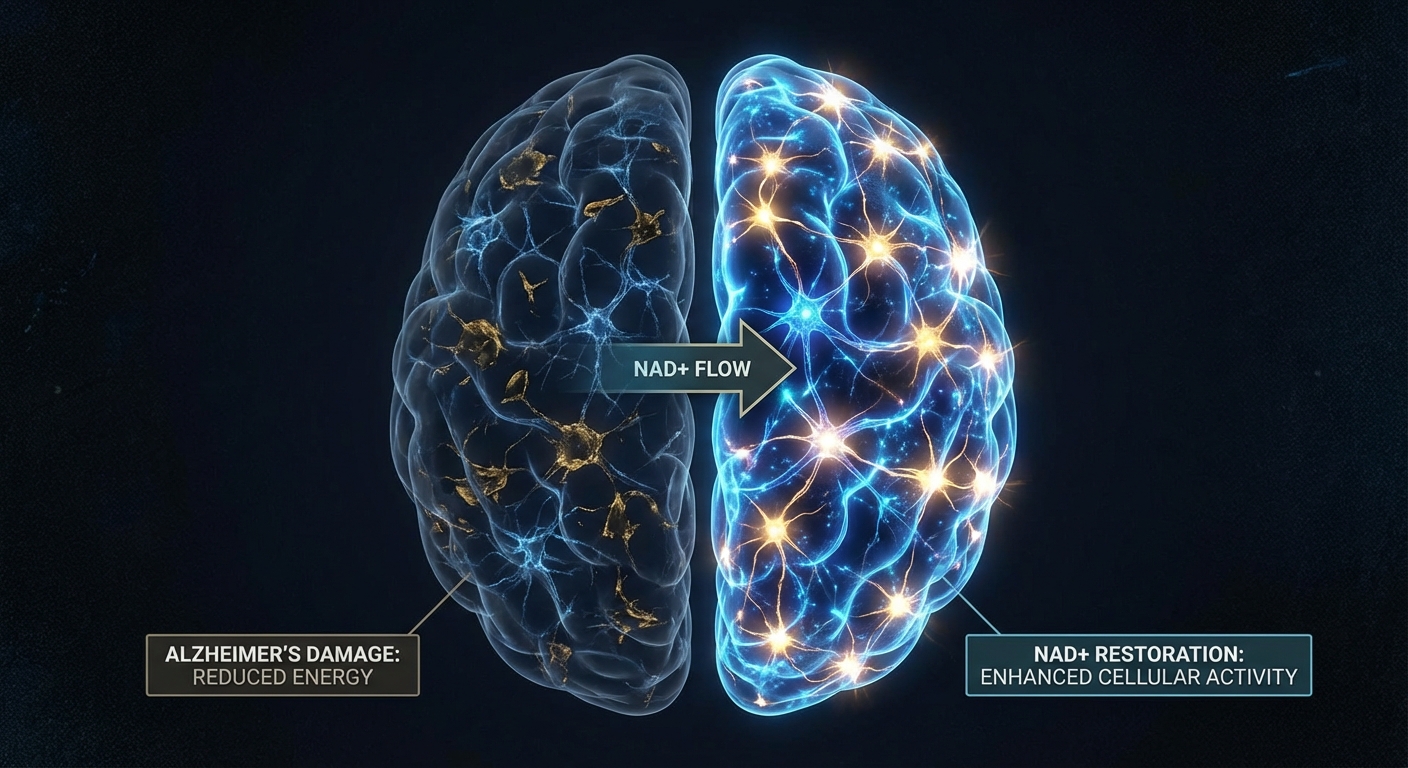
A study published on December 22, 2025, in Cell Reports Medicine challenges that assumption in ways that could fundamentally change how we approach the disease. Researchers at Case Western Reserve University and University Hospitals Cleveland Medical Center didn’t just slow Alzheimer’s progression in mice, they reversed it. Animals with advanced disease regained full cognitive function after treatment. The key wasn’t targeting amyloid or tau directly, but restoring something far more fundamental: the brain’s energy supply.
The molecule at the center of this breakthrough is NAD+, a coenzyme that sits at the heart of cellular energy production. And while NAD+ supplements have become a popular longevity trend, this research reveals why popping pills from the supplement aisle won’t replicate these results.
What Is NAD+ and Why Does It Matter?
Nicotinamide adenine dinucleotide, or NAD+, is one of the most critical molecules in your body. Present in every cell, it serves as a central hub for hundreds of metabolic reactions, including those that convert food into cellular energy. Without adequate NAD+, cells can’t perform the basic functions required for survival and repair.
NAD+ levels naturally decline with age, dropping by roughly 50% between ages 40 and 60 in some tissues. This decline has been linked to numerous age-related conditions, from metabolic dysfunction to reduced cognitive function. But in Alzheimer’s patients, the drop is far more severe. The research team found that Alzheimer’s brains show dramatically reduced NAD+ levels compared to normal aging, creating an energy crisis that impairs neurons’ ability to function and repair themselves.
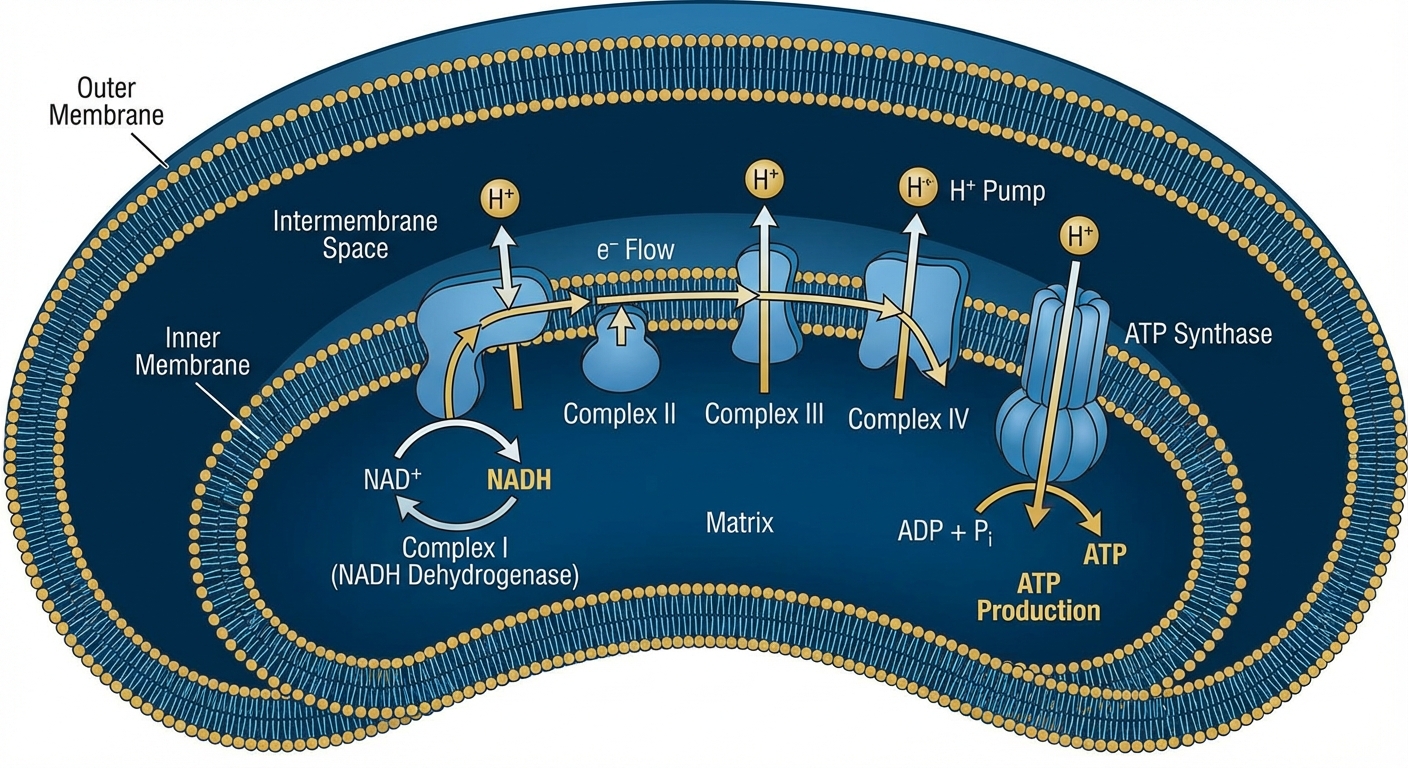
The relationship between NAD+ and brain health goes beyond simple energy production. NAD+ is required for the activity of sirtuins, a family of proteins involved in DNA repair, inflammation control, and cellular stress response. It also supports PARP enzymes, which repair damaged DNA. When NAD+ levels crash, these protective systems fail simultaneously, leaving neurons vulnerable to the cascade of damage that characterizes Alzheimer’s.
Understanding this mechanism shifts the narrative around Alzheimer’s. Rather than viewing the disease solely through the lens of protein aggregation, with amyloid plaques and tau tangles as the primary villains, this research suggests that the underlying energy crisis may be equally important, and potentially more treatable.
The Experiment: How Scientists Reversed the Damage
The research team, led by Kalyani Chaubey, PhD, and senior author Andrew A. Pieper, MD, PhD, used two different mouse models of Alzheimer’s disease. One carried genetic mutations affecting amyloid processing, the other mutations affecting tau protein. Both mutations cause widespread brain damage that mirrors human Alzheimer’s pathology.
Rather than using NAD+ supplements directly, the researchers administered a pharmacological compound called P7C3-A20, which enhances the body’s natural NAD+ production pathway. The compound works by boosting the activity of NAMPT, the rate-limiting enzyme in NAD+ synthesis. This approach maintains NAD+ within healthy physiological ranges rather than spiking it to potentially dangerous levels.
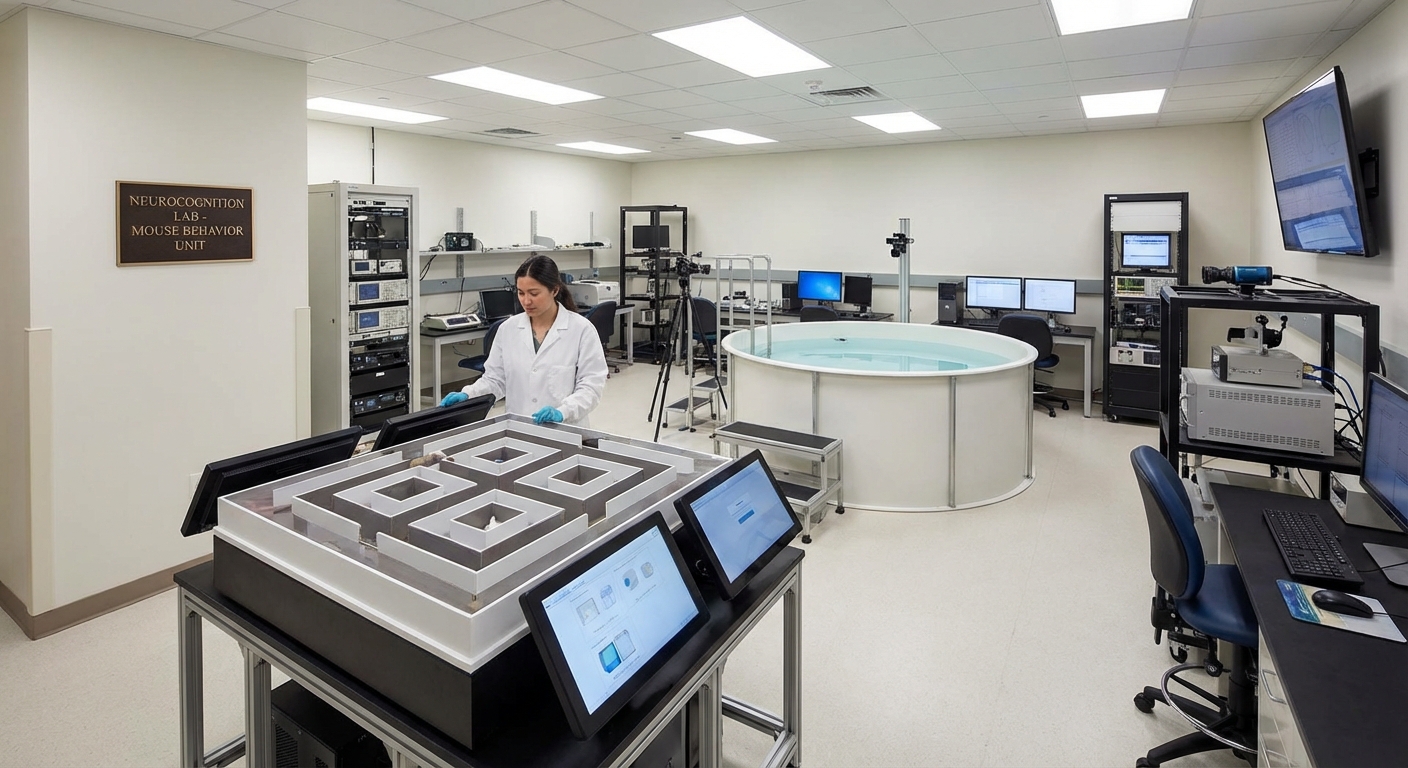
The results were striking in both prevention and treatment scenarios. When P7C3-A20 was administered before symptoms appeared, it prevented disease development entirely. But the more remarkable finding came from treatment of animals with advanced disease. Even mice showing significant cognitive impairment recovered fully. Their brains repaired the accumulated damage, and cognitive testing showed normal function restored.
Blood tests provided additional confirmation. Levels of phosphorylated tau 217, a biomarker used clinically to diagnose Alzheimer’s in humans, normalized after treatment. This suggests that the recovery wasn’t just behavioral improvement but reflected actual biological reversal of disease pathology. The normalization of this specific biomarker is particularly noteworthy because phosphorylated tau 217 is considered one of the most reliable blood-based indicators of Alzheimer’s, making the result directly relevant to how clinicians monitor the disease in human patients.
Why NAD+ Supplements Won’t Work
If NAD+ restoration can reverse Alzheimer’s, the obvious question is whether over-the-counter NAD+ precursor supplements like NMN or NR could provide the same benefit. Dr. Pieper was direct in his assessment: they won’t, and attempting to replicate these results with supplements could be dangerous.
The issue is one of precision and control. Studies examining NAD+ supplementation have shown that oral supplements can raise NAD+ levels beyond normal physiological ranges. While this might seem beneficial, abnormally high NAD+ levels have been associated with increased cancer risk in some research. Cancer cells are metabolically active and benefit from elevated NAD+ availability, potentially fueling tumor growth.
The pharmaceutical approach used in this study takes a fundamentally different path. Rather than flooding the system with NAD+ precursors, P7C3-A20 enhances the body’s own regulatory systems, maintaining levels within normal bounds. It’s the difference between dumping gasoline on a fire and carefully adjusting the thermostat.

This distinction matters for anyone following the longevity and anti-aging supplement space. NAD+ precursor supplements have become a multibillion-dollar market, driven by research suggesting NAD+ decline contributes to aging. But the Alzheimer’s research demonstrates that how you restore NAD+ matters as much as whether you restore it. The therapeutic window, the range between ineffective and harmful, may be narrower than supplement marketing suggests.
What This Means for Alzheimer’s Treatment
The translation from mouse studies to human treatments is notoriously difficult, particularly for neurological conditions. Many promising Alzheimer’s therapies have failed in human trials despite strong preclinical results. The complexity of human brain biology, the blood-brain barrier, and the long timescale of disease progression all create obstacles that don’t exist in controlled animal studies.
That said, several aspects of this research suggest it may translate better than previous approaches. First, NAD+ metabolism is conserved across mammals, meaning the fundamental biochemistry works similarly in mice and humans. Second, the biomarker normalization observed, particularly the reduction in phosphorylated tau 217, uses the same markers clinicians employ to track human Alzheimer’s. Third, the mechanism targets something foundational, cellular energy, rather than attempting to clear already-formed protein aggregates.
The research team is moving toward carefully designed human clinical trials to test whether these animal results translate to patients. The timeline for such trials typically spans years, and success is far from guaranteed. But for a disease that has defeated virtually every therapeutic approach attempted, any path forward is significant.
The Bigger Picture: Energy, Aging, and Brain Health
This research adds to a growing body of evidence suggesting that cellular energy decline is a central driver of age-related disease, not just a consequence of it. The NAD+ connection to Alzheimer’s mirrors findings in other age-related conditions, from cardiovascular disease to metabolic syndrome to muscle loss.
The implications extend beyond Alzheimer’s specifically. If maintaining cellular energy systems can prevent or reverse neurodegeneration, the same principles might apply to other conditions characterized by progressive cellular dysfunction. Parkinson’s disease, which involves different proteins but similar mitochondrial dysfunction, could potentially respond to analogous approaches. The same might be true for age-related cognitive decline that falls short of full dementia.
For individuals concerned about brain health, the research reinforces principles we already know matter: mitochondrial health depends on regular exercise, adequate sleep, and avoiding metabolic dysfunction. These lifestyle factors support NAD+ levels naturally, without the risks associated with high-dose supplementation. While they won’t match the precision of pharmaceutical intervention, they represent the best evidence-based approach currently available.
The Bottom Line
The reversal of advanced Alzheimer’s disease in mouse models represents a genuine scientific breakthrough, offering hope for a condition that has long been considered irreversible. The key insight, that restoring cellular energy balance can repair accumulated brain damage, shifts our understanding of what’s possible in neurodegeneration.
However, this research sits firmly in the preclinical stage. Human trials will take years, and translation from mice to humans has historically been challenging for Alzheimer’s therapies. The finding also doesn’t validate NAD+ supplement use, in fact, it suggests such approaches may be ineffective or potentially harmful compared to precision pharmaceutical intervention.
What you can do now:
- Support natural NAD+ production through regular aerobic exercise, which has been shown to boost NAD+ levels
- Maintain metabolic health since obesity and insulin resistance accelerate NAD+ decline
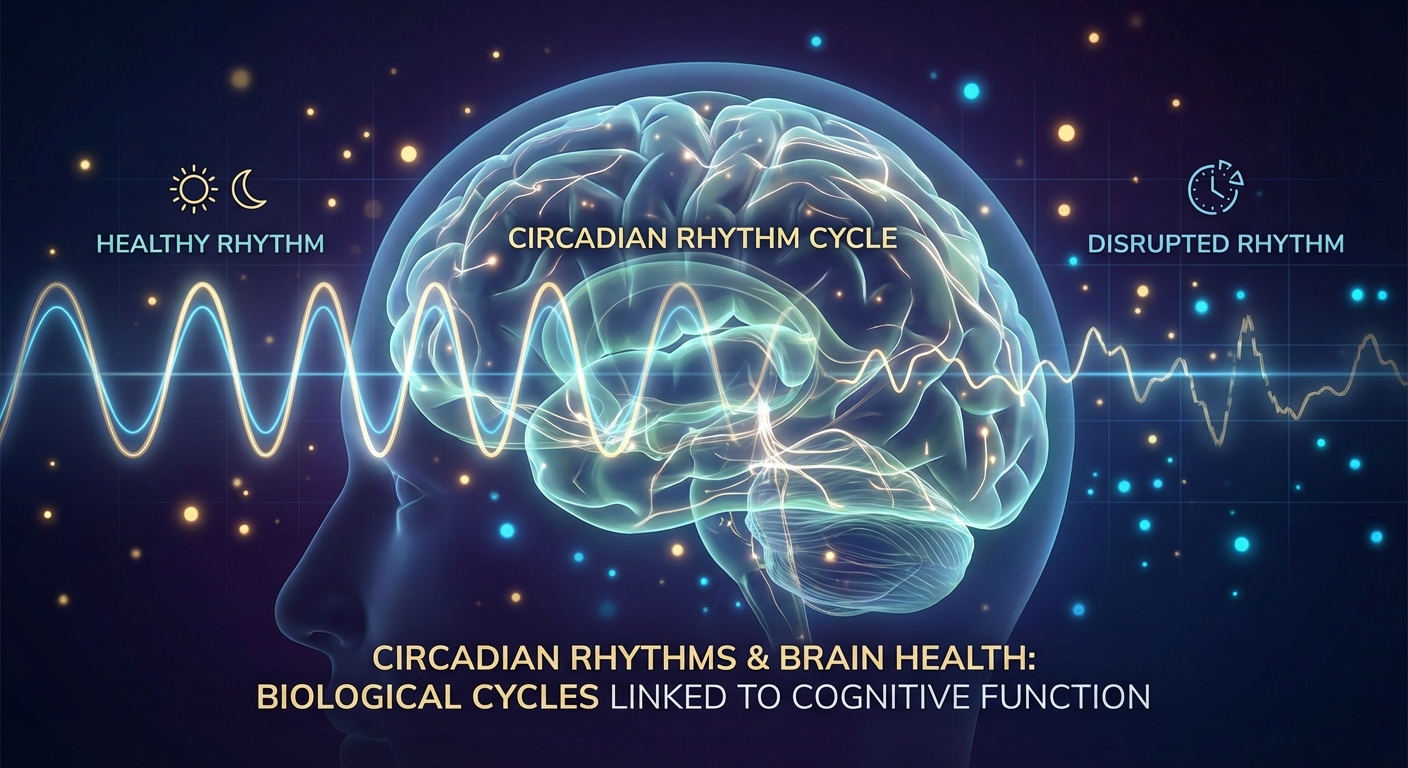
- Prioritize sleep as NAD+ levels follow circadian rhythms and sleep deprivation depletes them
- Be skeptical of supplement claims promising to replicate these results
- Follow the clinical trial pipeline as this research progresses toward human testing
The path from this discovery to available treatment remains long and uncertain. The pharmaceutical industry has invested billions in Alzheimer’s therapeutics over the past two decades, with the vast majority of clinical trials ending in failure. Most of those efforts targeted amyloid plaques or tau tangles directly, a strategy that has produced only modest results in the few drugs that reached approval. The NAD+ restoration approach represents a fundamentally different strategy, one that addresses the underlying energy crisis rather than attempting to clear already-formed protein aggregates. If the approach proves translatable to humans, it could open an entirely new category of neurodegeneration therapies. For a disease that has resisted every previous approach, the demonstration that reversal is biologically possible changes the conversation entirely.
Sources: Cell Reports Medicine (December 2025), Case Western Reserve University School of Medicine, University Hospitals Cleveland Medical Center, Pieper Laboratory