The advice seems straightforward: if you’re carrying excess weight, losing it will improve your health. Decades of research support this general principle. Weight loss reduces cardiovascular risk, improves insulin sensitivity, decreases joint stress, and lowers inflammation throughout the body. The benefits appear so clear-cut that questioning them feels almost contrarian.
But a study published in late December 2025 by researchers at Ben-Gurion University introduces a complication that deserves attention. While diet-induced weight loss successfully improved metabolic markers in both young and mid-aged mice, the mid-aged animals experienced something unexpected: temporary inflammation in the hypothalamus, a brain region critical for appetite regulation, energy balance, and hormonal control.
The finding doesn’t invalidate weight loss as a health strategy. The researchers were explicit on this point. What it does suggest is that the aging brain may respond differently to metabolic changes than younger brains, and that our one-size-fits-all approach to weight management may need refinement.
What the Study Found
The research team, led by Alon Zemer at Ben-Gurion University, compared the effects of diet-induced weight loss between young adult and mid-aged mice. Both groups followed the same weight loss protocol and achieved similar metabolic improvements. Blood glucose control normalized in both groups, demonstrating that the metabolic benefits of weight loss remained intact regardless of age.
The surprise came from molecular analysis and microscopy of brain tissue. In mid-aged animals, researchers detected increased inflammatory activity in the hypothalamus, specifically in microglia, the brain’s resident immune cells. These cells appeared activated in ways consistent with an inflammatory response, a pattern not observed in the younger animals despite identical weight loss protocols.

The inflammation wasn’t permanent. The researchers observed that the inflammatory response persisted for several weeks before gradually declining. This temporal pattern suggests an adaptive response rather than lasting damage, but the duration was long enough to raise questions about potential consequences during the inflammatory window.
The hypothalamus isn’t just any brain region. It serves as the central regulator of appetite, energy expenditure, body temperature, and hormonal cascades that affect virtually every system in the body. Inflammation in this area has been linked in previous research to disrupted appetite signaling, metabolic dysfunction, and even cognitive changes. Whether the temporary inflammation observed in this study produces any lasting effects remains unknown.
Why Might This Happen?
The researchers haven’t yet identified the precise mechanism driving the age-specific inflammatory response, but several hypotheses warrant consideration based on what we know about aging and brain biology.
The hypothalamus experiences significant changes with age. Its responsiveness to hormonal signals like leptin and insulin diminishes, contributing to the metabolic dysregulation often observed in middle age and beyond. The blood-brain barrier, which protects the brain from circulating inflammatory molecules, also becomes more permeable with age. These changes may make the mid-aged hypothalamus more vulnerable to metabolic shifts that younger brains handle without issue.
Rapid changes in energy availability trigger complex signaling cascades throughout the body. Fat tissue isn’t just an energy storage depot; it’s an active endocrine organ producing hormones, cytokines, and other signaling molecules. When fat mass decreases during weight loss, the profile of these secreted molecules shifts dramatically. A younger brain may adapt to these changes seamlessly, while an aging brain, with its accumulated vulnerabilities, may respond with inflammation.

There’s also the possibility that inflammation serves a functional purpose in this context. Inflammatory responses often represent the body’s attempt to clear damaged tissue or adapt to new conditions. The transient nature of the observed inflammation, resolving after several weeks, is consistent with an adaptive process rather than pathological damage. This doesn’t mean the inflammation is harmless, but it suggests the brain may be working through a necessary transition rather than simply being damaged.
What This Means for Midlife Weight Loss
The researchers were careful to frame their findings appropriately. Lead author Alon Zemer stated directly: “Weight loss remains essential for restoring metabolic health in obesity.” The study doesn’t suggest that people in midlife should avoid losing weight. The cardiovascular, metabolic, and quality-of-life benefits of achieving healthy body composition remain well-established.
What the research does suggest is that the strategy for weight loss may need age-specific considerations. Younger individuals might tolerate aggressive calorie restriction without neurological consequences, while mid-aged individuals might benefit from more gradual approaches that give the brain time to adapt.
The pace of weight loss emerges as a potential variable worth examining. Rapid weight loss produces more dramatic shifts in circulating hormones and fat-derived signaling molecules than gradual weight loss. If the hypothalamic inflammation is indeed triggered by these metabolic shifts, slowing the rate of change might reduce the inflammatory burden. This hypothesis remains untested, but it aligns with clinical observations that gradual weight loss often produces more sustainable results than crash dieting.

Nutritional support during weight loss may also matter more in midlife. The brain requires adequate protein, essential fatty acids, and micronutrients to maintain healthy function and manage inflammatory responses. Severely restrictive diets that compromise nutritional adequacy might amplify any age-related vulnerability. Ensuring sufficient omega-3 fatty acids, B vitamins, and antioxidants during weight loss could theoretically support brain health through the transition, though this hypothesis needs direct testing.
The Broader Context of Brain Inflammation
This study joins a growing body of research exploring how chronic low-grade inflammation affects brain health and cognitive function. The connection between systemic inflammation and neurodegeneration has become one of the most active areas in aging research.
Obesity itself is characterized by chronic inflammation, with expanded fat tissue producing inflammatory cytokines that circulate throughout the body and can affect the brain. This creates an interesting paradox: excess weight promotes inflammation that harms the brain, but the process of losing that weight may also trigger inflammatory responses in the brain, at least temporarily and at least in midlife.
The resolution of this paradox likely lies in timescales and magnitudes. Chronic inflammation from sustained obesity produces cumulative damage over years. The transient inflammation from weight loss, if it indeed occurs in humans as it does in mice, represents a temporary disruption that resolves. Even if the short-term inflammatory response carries some risk, it may pale in comparison to the long-term consequences of remaining obese.
This framing aligns with how we think about other health interventions. Surgery involves tissue damage and inflammation that heal. Vigorous exercise produces muscle damage and inflammatory responses that drive adaptation. The presence of some stress response doesn’t automatically mean the intervention is harmful; it may simply reflect the body working through a necessary transition.
Limitations and Open Questions
Several important caveats apply to this research. Most fundamentally, it was conducted in mice, not humans. While mice share many aspects of mammalian biology with humans, results don’t always translate directly. The human hypothalamus, with its more complex regulation of behavior and its interaction with psychological factors around eating, may respond differently than mouse hypothalamus.
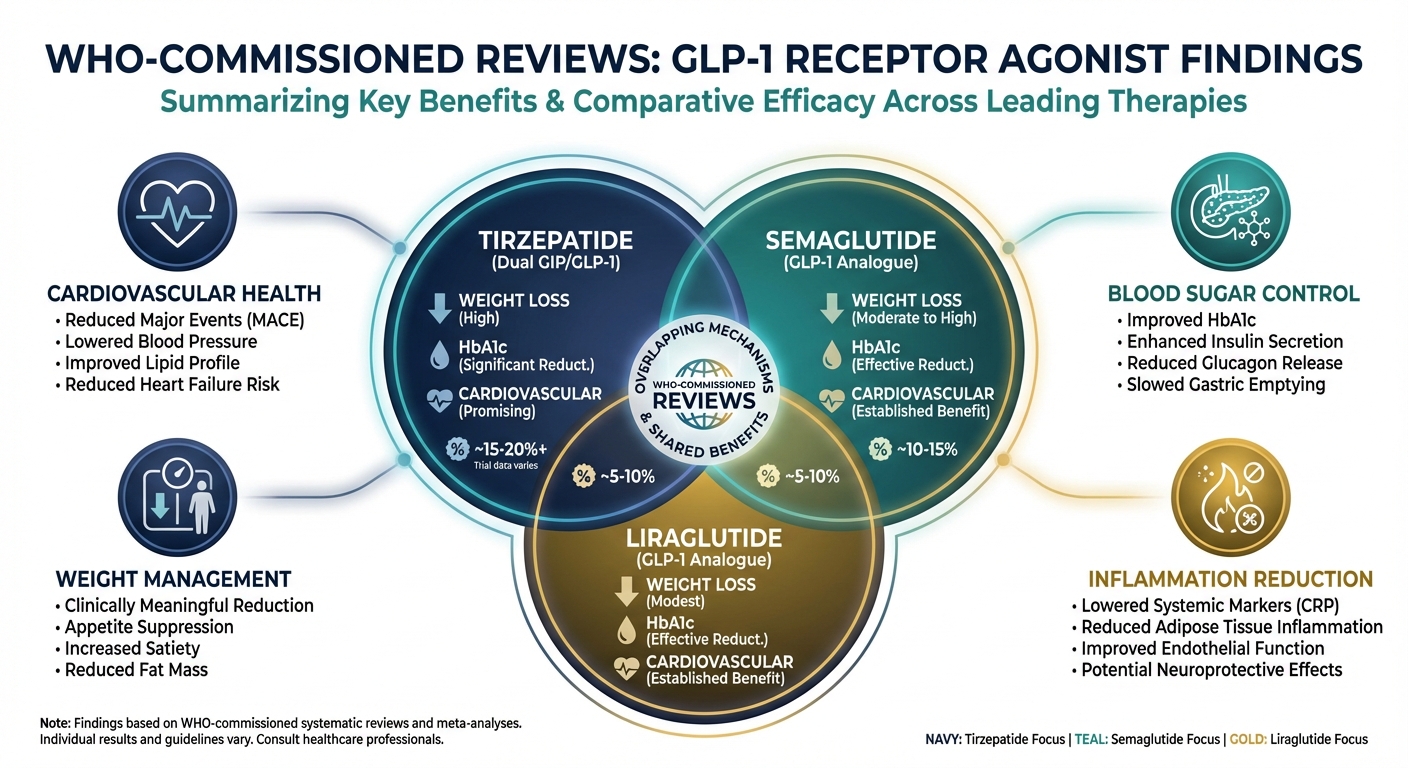
The study examined diet-induced weight loss specifically. Whether the findings apply to weight loss achieved through exercise, medication, or surgical intervention remains unknown. Different weight loss methods produce distinct hormonal and metabolic profiles, and the hypothalamic response may vary accordingly. GLP-1 medications like semaglutide, which act partly through hypothalamic mechanisms, present particularly interesting questions in this context.
The long-term consequences of the observed inflammation also remain unclear. The researchers documented that inflammation resolved after several weeks, but they didn’t follow the animals for extended periods to assess whether any lasting effects emerged. Whether temporary hypothalamic inflammation produces any meaningful cognitive or metabolic consequences, or simply represents a transient adaptation, cannot be determined from this study alone.
The Bottom Line
Research from Ben-Gurion University reveals that diet-induced weight loss may trigger temporary hypothalamic inflammation in mid-aged animals, a response not seen in younger subjects. The finding introduces nuance to our understanding of weight loss biology without undermining the fundamental value of achieving healthy body composition.
The study suggests that one-size-fits-all approaches to weight management may need refinement as we learn more about age-specific responses. Gradual weight loss, adequate nutritional support, and attention to brain-supportive practices may prove especially important for individuals in midlife seeking to improve their metabolic health.
Practical considerations based on current evidence:
- Weight loss remains beneficial for metabolic health in midlife; this research doesn’t suggest otherwise
- Gradual approaches may be preferable to aggressive calorie restriction, allowing time for adaptation
- Nutritional adequacy matters since the brain needs protein, omega-3s, and micronutrients during metabolic transitions
- Anti-inflammatory lifestyle factors like quality sleep, stress management, and regular exercise may support brain health during weight loss
- Monitor cognitive changes during aggressive dieting and discuss concerns with healthcare providers
The researchers emphasized the need for additional studies to understand why this temporary inflammation occurs and how to develop approaches that protect brain health while maintaining metabolic benefits. Until that research emerges, a measured, nutritionally complete approach to weight loss seems prudent for those in midlife. This aligns with broader clinical guidance suggesting that sustainable, gradual approaches to body composition changes tend to produce the best long-term outcomes regardless of age.
Sources: Ben-Gurion University of the Negev, ScienceDaily December 2025, hypothalamic inflammation research in metabolic health