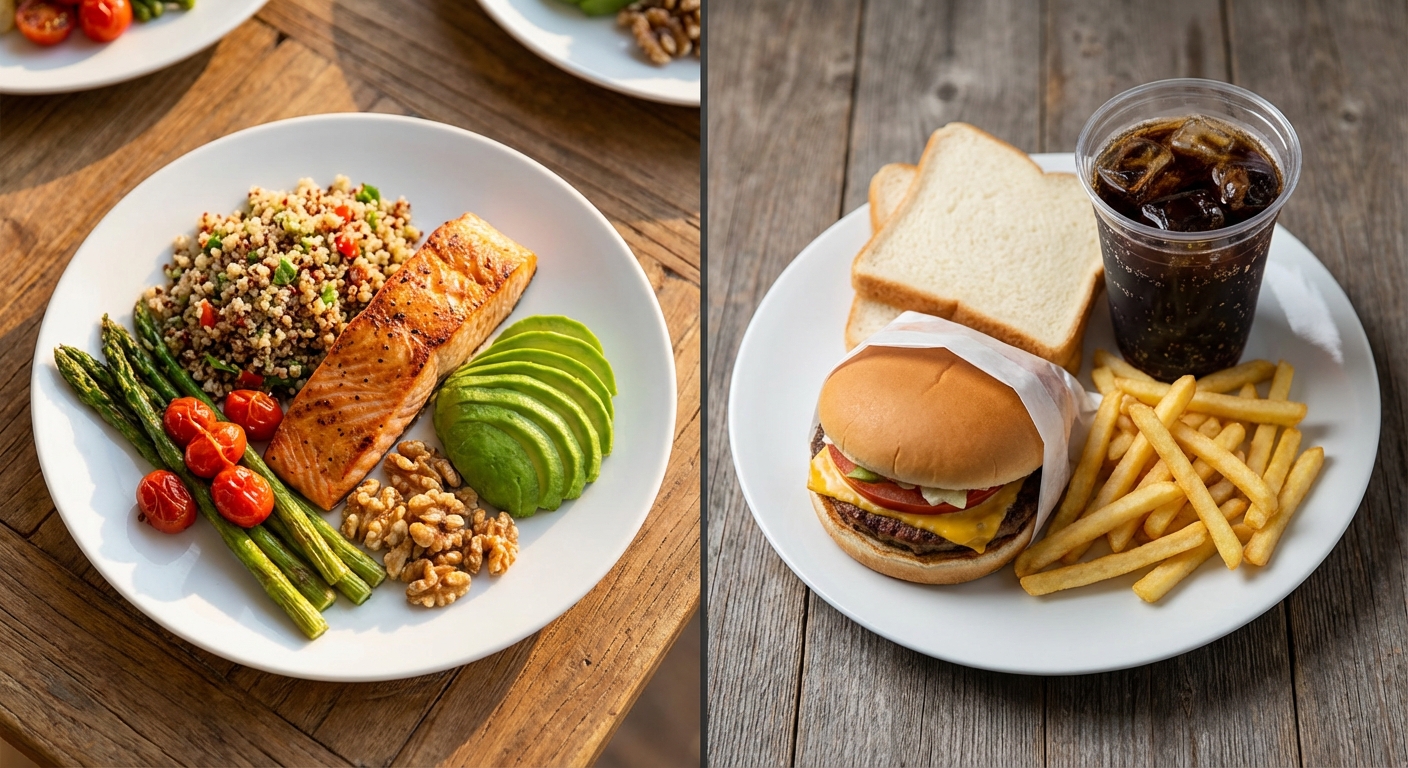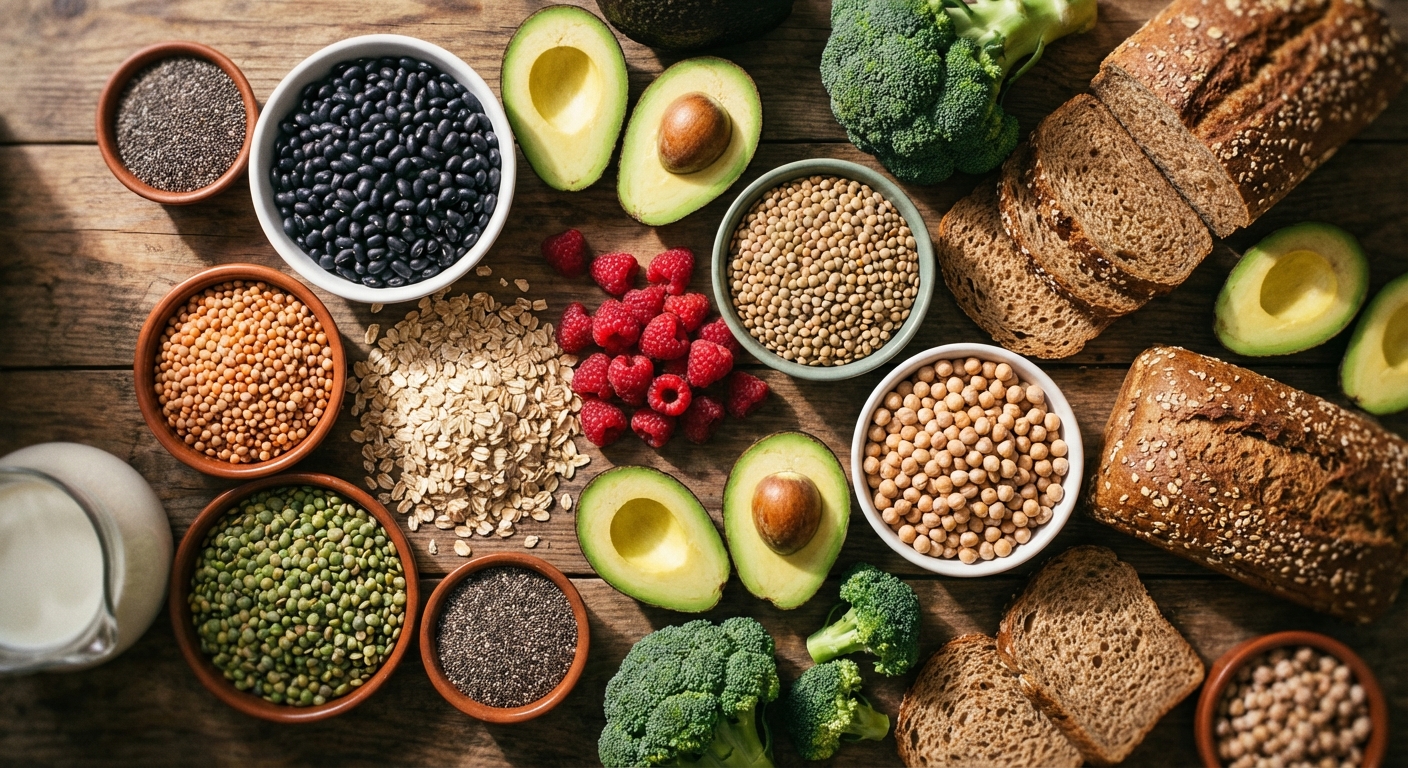
You just finished your last set. Your muscles are pumped, your shirt is soaked, and somewhere in the back of your mind, a countdown begins. You have 30 minutes, maybe 45 at most, to get protein into your system before the “anabolic window” slams shut. Miss it, and your workout was wasted. At least, that’s what bodybuilding culture has insisted for decades. Gym bros guard their shaker bottles like precious cargo. Supplement companies design packaging emphasizing rapid absorption. The entire post-workout ritual has become a race against an invisible metabolic clock.
The problem is that this clock doesn’t exist, at least not in the way we’ve been told. The rigid 30-minute anabolic window was never well-supported by research, and the studies that seemed to support it had significant methodological limitations that later work has exposed. The past decade of sports nutrition research has systematically dismantled the post-workout urgency myth while revealing what actually matters for muscle adaptation and recovery. The truth is both liberating and mundane: timing matters far less than we thought, while overall daily nutrition matters far more.
This doesn’t mean post-workout nutrition is irrelevant. It means we’ve been anxious about the wrong things. Understanding what the research actually shows allows you to make evidence-based decisions about your post-training meals rather than rushing to chug a shake in the locker room based on outdated dogma.
The Anabolic Window Myth: Where It Came From
The concept of a narrow post-exercise window for optimal protein synthesis emerged from legitimate science that was then oversimplified and exaggerated. The foundational research showed that muscle protein synthesis (MPS) rates increase significantly after resistance training and that providing amino acids during this elevated MPS period could enhance the anabolic response. This much is true and remains supported by evidence.
The problem arose when early studies measured MPS after overnight fasting, creating an artificial scenario where participants had consumed no protein for 10+ hours before training. In this fasted state, providing post-workout protein produced dramatic effects compared to waiting several more hours. These findings were then generalized to all training contexts, ignoring that most people don’t train in a completely fasted state. If you ate breakfast three hours ago, your blood amino acid levels are still elevated, fundamentally changing the post-workout equation.
Dr. Brad Schoenfeld, one of the most prolific researchers in resistance training science, co-authored a 2013 meta-analysis in the Journal of the International Society of Sports Nutrition examining the post-workout protein timing literature. The analysis found that when total daily protein intake was equated, the timing of protein relative to training had minimal impact on muscle hypertrophy. Studies showing timing effects typically also had differences in total protein intake, confounding the results. When researchers isolated timing as the only variable, the effect largely disappeared.
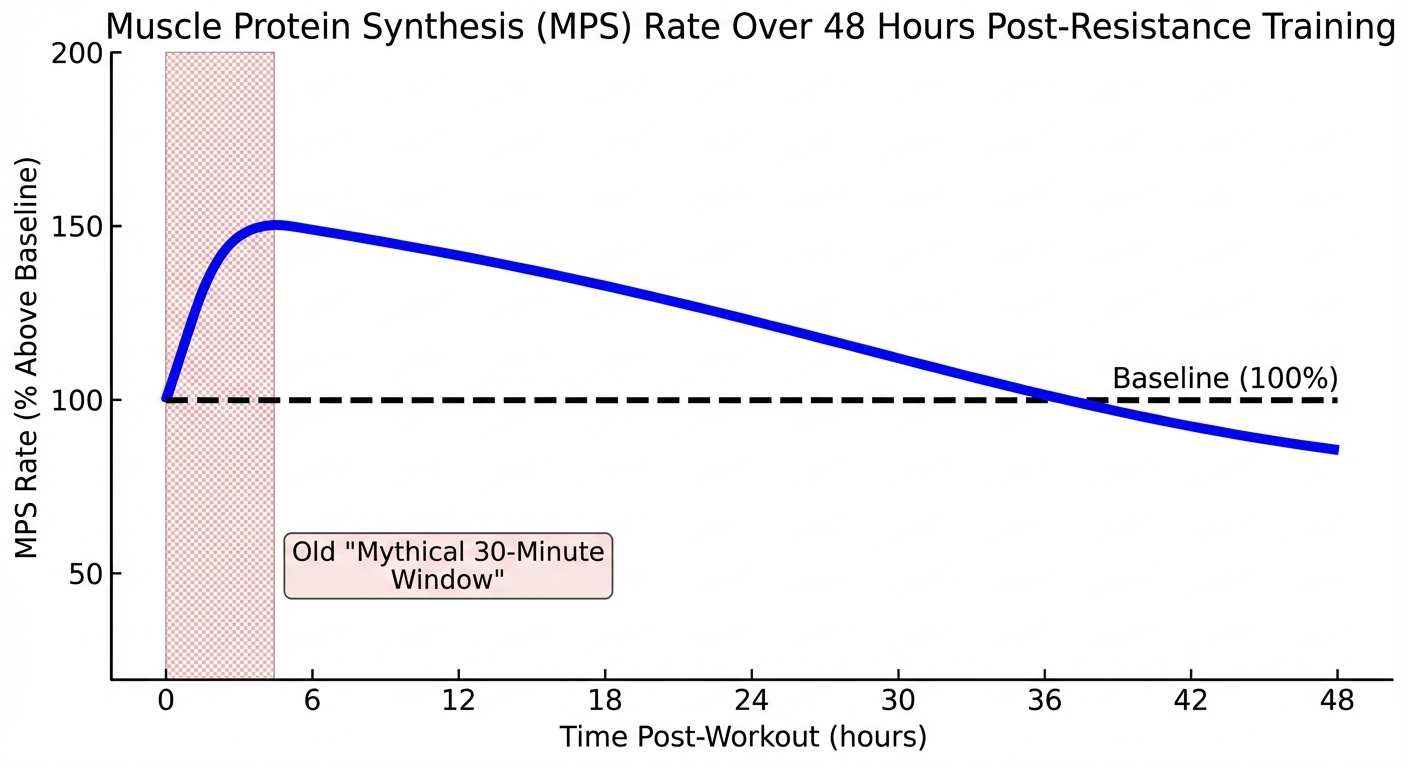
A 2017 follow-up review in the same journal further clarified the picture. The “anabolic window” extends far longer than 30-60 minutes, potentially lasting 24-48 hours after training when MPS remains elevated above baseline. While the elevation is highest in the first few hours post-exercise, it doesn’t crash to zero at the 31-minute mark. The urgency was manufactured, not measured.
What Actually Happens After You Train
Understanding the post-exercise physiological state helps explain why rigid timing rules don’t apply. After resistance training, several processes unfold that influence how your body handles nutrition, and none of them operate on a strict 30-minute deadline.
Muscle protein synthesis elevates as your body begins repairing the microscopic damage caused by training. This elevation happens whether or not you immediately consume protein. The training itself is the trigger; protein availability determines how much raw material is available for the repair process. Having amino acids circulating during this period is beneficial, but “circulating” doesn’t require immediate ingestion. If you consumed protein within a few hours before training, those amino acids are still available.
Muscle glycogen, the stored carbohydrate that fuels intense training, depletes to varying degrees depending on workout volume and intensity. Replenishing glycogen is important for subsequent training sessions and overall recovery. However, the urgency of glycogen replenishment depends on your training schedule. If you’re training the same muscle groups again within 24 hours (rare for most recreational lifters), rapid glycogen replenishment matters. If you’re not training again for 48+ hours, glycogen stores will fully replenish from normal meals regardless of immediate post-workout carbohydrate timing.
Blood flow to working muscles increases during and after exercise, potentially improving nutrient delivery. This has been cited as rationale for rapid post-workout nutrition, but the effect is modest and temporary. More importantly, your digestive system actually receives reduced blood flow during intense exercise (blood is diverted to working muscles), which can impair digestion of a large meal consumed immediately post-training. The common experience of nausea from chugging a shake seconds after a hard set isn’t just mental; it reflects genuine digestive compromise.
The Pre-Workout Meal Changes Everything
Perhaps the most important and underappreciated factor in post-workout nutrition is what you ate before training. The pre-workout meal fundamentally alters the post-workout equation in ways that most timing research failed to account for.
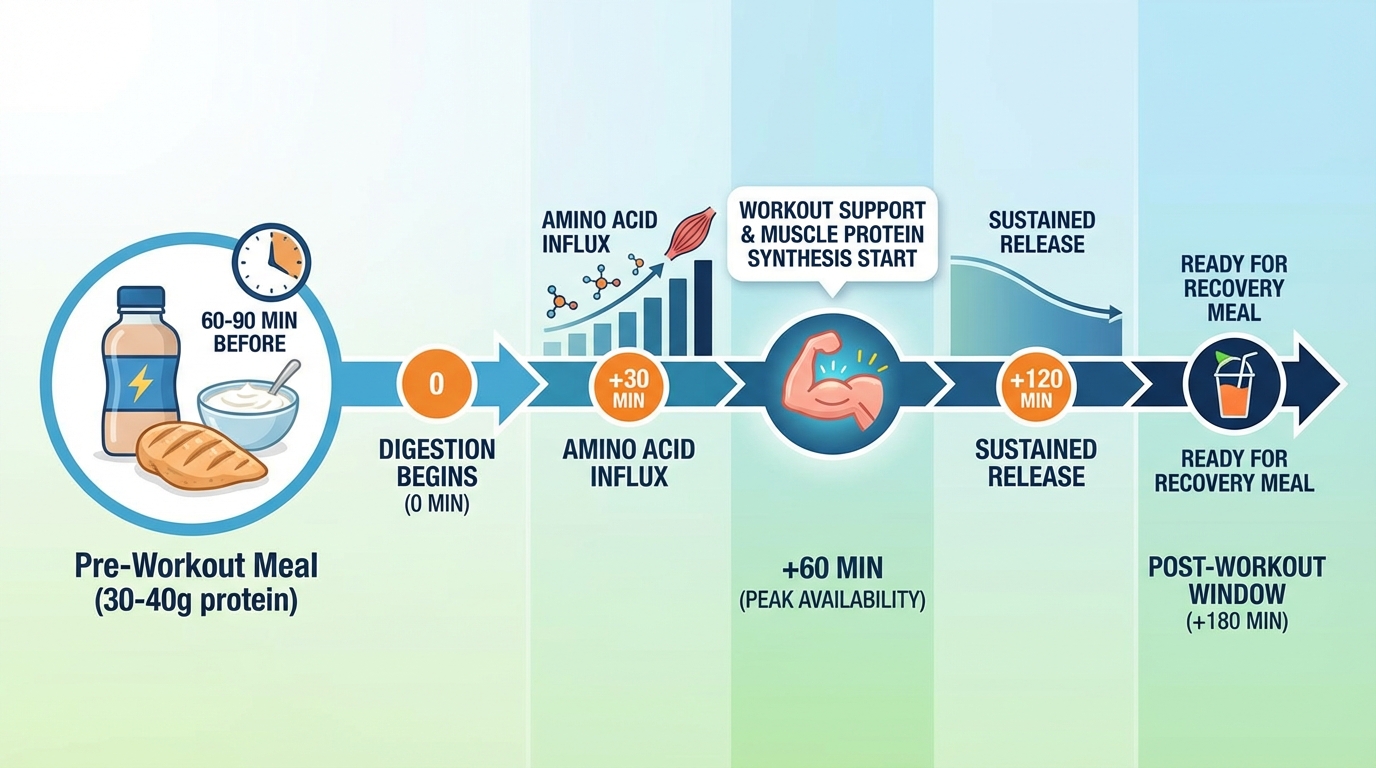
Protein consumed 2-4 hours before training continues to elevate blood amino acid levels during and after your workout. A meal containing 30-40 grams of protein keeps amino acids circulating for roughly 5-6 hours, meaning your muscles have building blocks available throughout a typical training session and well into the post-workout period. In this scenario, the “post-workout protein” is essentially your pre-workout protein that’s still being digested.
Dr. Alan Aragon, a nutrition researcher and consultant, has popularized the concept of the “protein distribution window” as more important than the post-workout window. If you consume adequate protein (0.4-0.5g per kilogram of body weight) every 3-5 hours throughout the day, your muscles are never in a protein-deprived state. The post-workout window becomes just another feeding opportunity rather than a critical intervention point.
This explains why studies comparing immediate post-workout protein to delayed protein (3+ hours later) often find no significant differences in muscle growth outcomes. When participants eat normally throughout the day, their muscles don’t experience the protein deprivation that would make immediate post-workout supplementation essential. The timing obsession emerged from fasted-state research that doesn’t reflect how most people actually train.
For those training in a truly fasted state (morning workouts with nothing but coffee, for instance), post-workout protein does become more important because there are no amino acids circulating from a previous meal. Even then, the window extends well beyond 30 minutes. Consuming protein within 2 hours of fasted training optimizes the response without requiring a locker-room shake race.
Carbohydrate Timing: Less Critical Than Claimed
The carbohydrate component of post-workout nutrition has been similarly overhyped, though carb timing does matter more in specific contexts. Understanding glycogen metabolism helps clarify when immediate post-workout carbs are necessary versus merely convenient.
Glycogen replenishment occurs most rapidly in the first 30-60 minutes post-exercise when the enzyme glycogen synthase is maximally activated. This is genuine physiology, not myth. However, maximum replenishment rate only matters when maximum replenishment speed is necessary. For athletes training multiple times daily (two-a-day practices, tournament competition) or endurance athletes with back-to-back long sessions, rapid glycogen replenishment is legitimately important.
For the typical recreational lifter training each muscle group 2-3 times weekly, glycogen timing is largely irrelevant. Muscle glycogen stores fully replenish within 24 hours from normal dietary carbohydrate intake regardless of immediate post-workout consumption. If you’re not training legs again for 48 hours, whether you eat carbs immediately after or three hours later makes no measurable difference to your recovery or next performance.
The insulin spike from carbohydrates has been promoted as essential for protein synthesis, creating the widespread practice of combining fast-digesting carbs with protein post-workout. While insulin is indeed permissive for protein synthesis, the minimal insulin elevation from protein alone (yes, protein triggers insulin release) is sufficient to maximize MPS. Research published in the Journal of Physiology found that co-ingesting carbohydrate with protein did not enhance muscle protein synthesis compared to protein alone when protein intake was adequate.
Where carbohydrates do help post-workout is in scenarios of genuine glycogen depletion from high-volume or endurance training, and in supporting overall caloric intake for those struggling to eat enough. A post-workout shake with carbs may simply be a convenient way to get calories, independent of any special timing benefit.
What the Research Actually Supports
After cutting through decades of oversimplified advice, what does the current evidence actually support for post-workout nutrition? The picture is more nuanced and less urgent than supplement marketing suggests.
Total daily protein intake trumps timing. A 2023 review in Sports Medicine analyzing 49 studies concluded that total daily protein intake (1.6-2.2g per kilogram of body weight for muscle-building goals) explains the vast majority of protein-related muscle gains. Timing variations within this total had minimal effects. Whether you consume protein 30 minutes post-workout or 3 hours post-workout matters far less than whether you’re hitting your daily target.
Protein distribution across meals matters more than post-workout timing specifically. Consuming 25-40 grams of protein every 3-5 hours throughout the day keeps amino acids available for muscle protein synthesis during the entire 24-48 hour period when MPS is elevated post-training. This strategic protein distribution approach recognizes that muscle building happens continuously, not just in a narrow post-workout window.
For fasted training, post-workout protein within 2 hours is advisable. When no pre-workout meal provides circulating amino acids, getting protein reasonably soon after training does optimize the MPS response. “Reasonably soon” means within a couple of hours, not within 30 minutes. There’s no need to sacrifice your shower or commute to drink a shake immediately.
Carbohydrate timing primarily matters for multiple same-day sessions. Unless you’re training again within 8 hours, glycogen replenishment timing is not a limiting factor. Eat carbohydrates when convenient; your muscles will be fully restored by your next training session regardless.
Food quality and overall diet quality outweigh timing optimization. A well-designed meal consumed 2 hours post-workout dramatically outperforms a poor-quality shake consumed in 5 minutes. The obsession with timing can distract from more important factors: are you eating enough total protein, getting adequate micronutrients, sleeping sufficiently, and training with appropriate intensity and volume?
A Practical Post-Workout Protocol
Based on current research, here’s an evidence-based approach to post-workout nutrition that eliminates unnecessary anxiety while optimizing what actually matters.
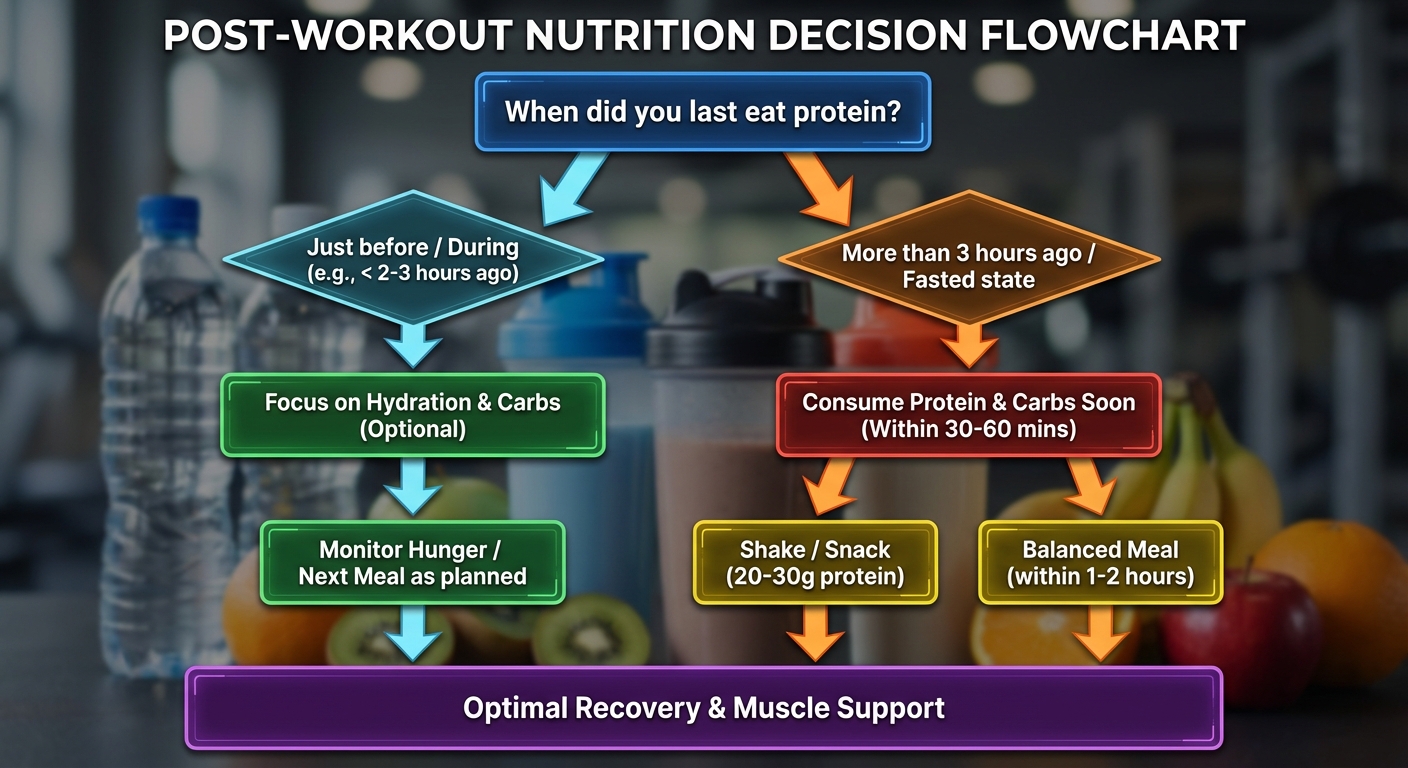
If you ate a protein-containing meal 2-4 hours before training: You have significant flexibility. Eat your next meal whenever convenient, ideally within 3-4 hours post-training to maintain consistent protein distribution. There’s no need for an immediate shake unless you simply prefer it or won’t have access to food for several hours.
If you trained fasted or your last meal was 5+ hours before training: Prioritize protein within 2 hours post-workout. This can be a shake, a meal, or a protein-rich snack. The specific form doesn’t matter; the amino acids are identical whether they come from whey powder or chicken breast.
Protein amount: Target 25-40 grams per meal, including your post-workout meal. This range optimizes the muscle protein synthesis response for most people. Higher amounts provide minimal additional benefit per meal (though they still contribute to daily totals).
Carbohydrate inclusion: Include carbohydrates based on your overall dietary needs and preferences, not based on a narrow “insulin spike” rationale. If you’re in a caloric surplus for muscle gain, post-workout carbs help hit calorie targets. If you’re cutting, you may choose to allocate carbs elsewhere. Neither approach significantly impacts workout recovery for most training schedules.
Practical meal examples post-workout:
- Greek yogurt with berries and honey (30-35g protein)
- Chicken breast with rice and vegetables (35-40g protein)
- Protein shake with banana and nut butter (30g protein)
- Eggs with whole grain toast and avocado (25-30g protein)
The HIIT protocols popular during time-compressed schedules don’t require different post-workout nutrition than steady-state training. The same principles apply: total daily protein matters most, and reasonable post-workout timing (within a few hours) is sufficient.
The Bottom Line
The 30-minute anabolic window was never supported by the strength of evidence that its cultural prevalence would suggest. When researchers controlled for total daily protein intake, the timing of post-workout protein showed minimal effects on muscle hypertrophy. The apparent urgency arose from studies on fasted subjects that didn’t reflect normal eating patterns, then became entrenched through repetition rather than replication.
What actually matters is simpler and less stressful: consume adequate total daily protein (1.6-2.2g per kilogram of body weight), distribute that protein across 3-5 meals throughout the day (25-40g per meal), and don’t let more than 4-5 hours pass between protein feedings during waking hours. If you’ve eaten protein in the hours before training, your muscles have the amino acids they need. If you trained fasted, eat within a couple of hours, though there’s no need to rush.
This evidence-based approach liberates you from the anxiety of post-workout timing while focusing attention on the factors that actually drive results. You can shower, commute, and eat a proper meal rather than choking down a shake in the gym parking lot. Your muscles will be fine. The gains come from consistent training, adequate protein, sufficient sleep, and accumulated effort over months and years, not from the precision of a post-workout stopwatch.
Next Steps:
- Calculate your daily protein target (body weight in kg × 1.6-2.2)
- Divide this across 4 meals for roughly 25-40g per meal
- Ensure one of these meals falls within 3-4 hours after training
- If training fasted, make post-workout meal a priority within 2 hours
- Stop stressing about the 30-minute window; it doesn’t exist as described
Sources: Journal of the International Society of Sports Nutrition protein timing meta-analyses (Schoenfeld et al., 2013, 2017), Sports Medicine systematic review on protein intake (2023), Journal of Physiology carbohydrate and MPS research, Alan Aragon protein distribution research, American College of Sports Medicine position stand on nutrition and athletic performance, Dr. Brad Schoenfeld resistance training research.