You’ve tried the breathing exercises. You’ve cut back on caffeine. You’ve even attempted meditation, though sitting still for ten minutes feels like its own form of torture when your mind won’t stop racing. Yet despite doing “all the right things,” anxiety still grips you at random moments, your heart pounding over nothing, your thoughts spiraling toward worst-case scenarios you know are irrational but can’t seem to dismiss.
What if the missing piece isn’t another coping technique, but a nutrient your brain desperately needs and probably isn’t getting enough of?
Recent research has uncovered a striking pattern: people with anxiety disorders consistently show lower choline levels in key brain regions responsible for emotional regulation and cognitive processing. This essential nutrient, which most Americans don’t consume in adequate amounts, plays a fundamental role in neurotransmitter production, brain cell membrane integrity, and the neural pathways that keep anxiety in check. The findings don’t suggest choline deficiency causes all anxiety, but they do reveal an overlooked factor that may be amplifying symptoms for millions of people.
What Choline Does in Your Brain
Choline is an essential nutrient, meaning your body can’t produce enough on its own and must obtain it from food. While your liver can synthesize small amounts, this endogenous production falls far short of meeting your brain’s demands. The nutrient serves several critical functions in neural tissue, each relevant to understanding its connection to anxiety.
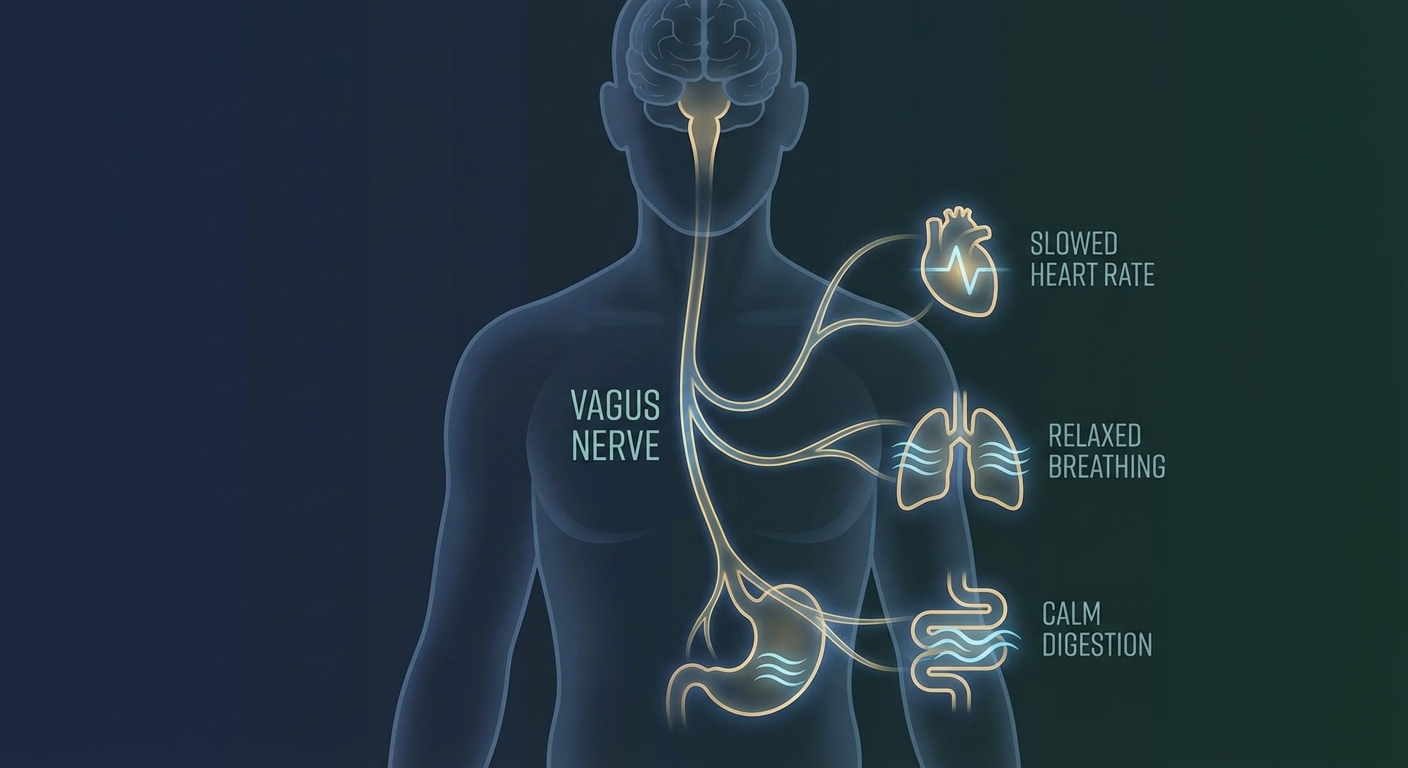
The most direct link involves acetylcholine, a neurotransmitter synthesized from choline that plays central roles in memory, attention, and emotional regulation. Acetylcholine helps your brain shift between states of alertness and calm, facilitating the parasympathetic “rest and digest” response that counterbalances stress activation. When choline intake falls short, acetylcholine production suffers, potentially leaving your nervous system biased toward anxiety and hypervigilance.
Beyond neurotransmitter synthesis, choline provides the building blocks for phosphatidylcholine, a phospholipid that constitutes roughly 30% of brain cell membranes. These membranes don’t just contain brain cells; they facilitate the electrical signaling that underlies all neural function. Compromised membrane integrity can impair neurotransmitter release, receptor function, and the rapid communication between brain regions that allows for appropriate emotional responses.
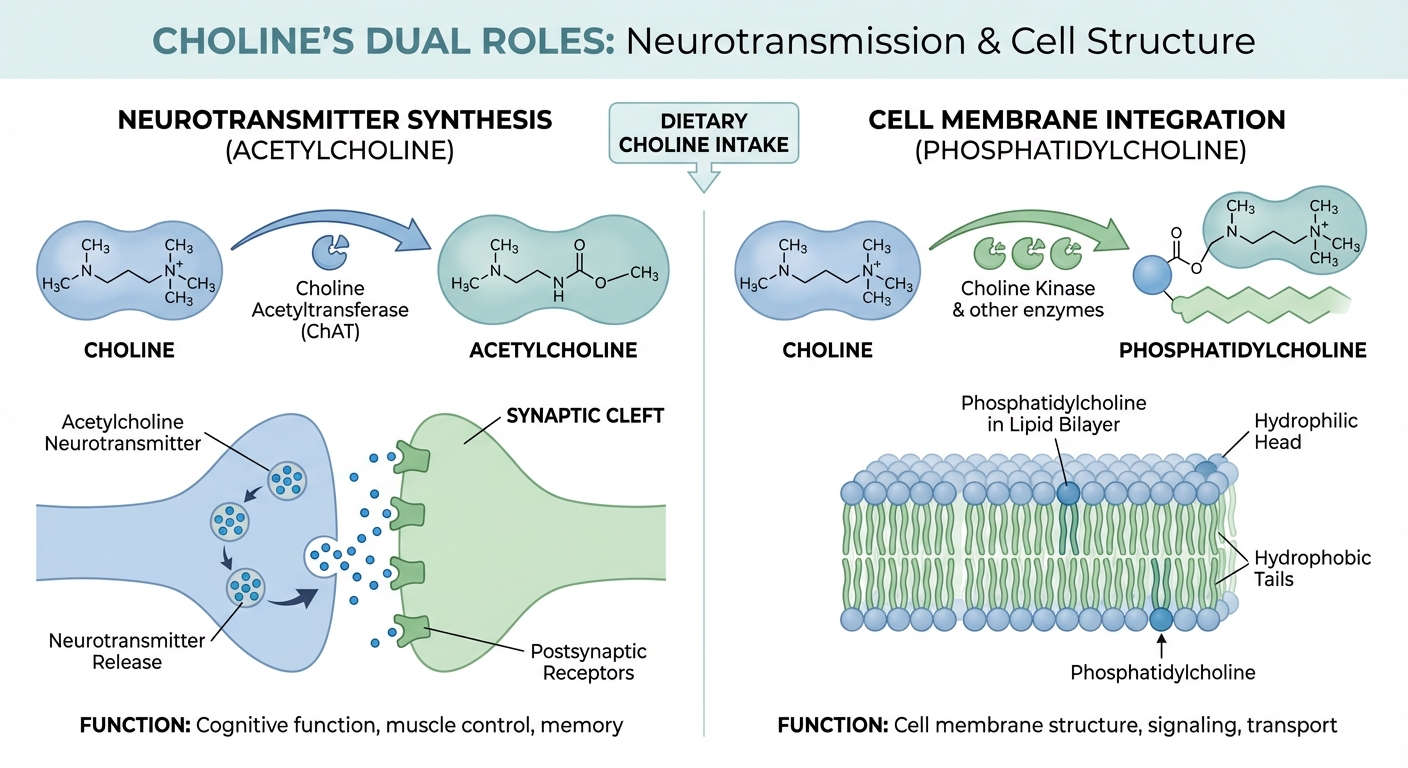
Choline also serves as a methyl donor, participating in the methylation reactions that regulate gene expression, neurotransmitter metabolism, and homocysteine levels. Elevated homocysteine has been independently associated with anxiety and depression, and adequate choline intake helps keep this amino acid in check. The methylation connection also links choline to the production and breakdown of serotonin, dopamine, and norepinephrine, the neurotransmitters most commonly targeted by psychiatric medications.
The Research Connecting Choline to Anxiety
The emerging research on choline and anxiety builds on decades of investigation into the nutrient’s role in cognitive function. Studies using magnetic resonance spectroscopy (MRS), which can measure specific compounds in living brain tissue, have revealed consistent patterns that warrant attention.
Researchers examining individuals with generalized anxiety disorder have found significantly lower choline concentrations in the anterior cingulate cortex, a brain region crucial for emotional processing, decision-making under uncertainty, and the cognitive control of anxiety responses. The anterior cingulate acts as a bridge between the emotional limbic system and the rational prefrontal cortex, helping you evaluate threats accurately and regulate emotional reactions. Lower choline levels in this region correlate with greater anxiety symptom severity, suggesting functional impairment in this critical regulatory hub.
Similar findings have emerged in panic disorder research. A 2024 study published in the Journal of Psychiatric Research found reduced choline levels in multiple brain regions of panic disorder patients compared to healthy controls. The deficits were most pronounced in areas associated with fear processing and the interpretation of bodily sensations, functions that become dysregulated during panic attacks. Interestingly, choline levels showed some normalization in patients who responded well to cognitive-behavioral therapy, hinting at a dynamic relationship between brain chemistry, behavior, and nutrient status.
The research doesn’t establish that low choline causes anxiety disorders, as the relationship is almost certainly bidirectional. Chronic stress and anxiety may deplete choline stores through increased neural activity and membrane turnover. However, the pattern suggests that optimizing choline intake could support anxiety management, particularly for individuals whose diets fall short of recommended amounts, which includes the majority of Americans.
Why Most People Don’t Get Enough Choline
The adequate intake (AI) for choline, established by the National Academy of Medicine, is 550 mg daily for men and 425 mg for women, with higher amounts recommended during pregnancy and lactation. Population surveys consistently find that roughly 90% of Americans fail to meet these targets, making choline deficiency one of the most widespread nutrient gaps in the Western diet.
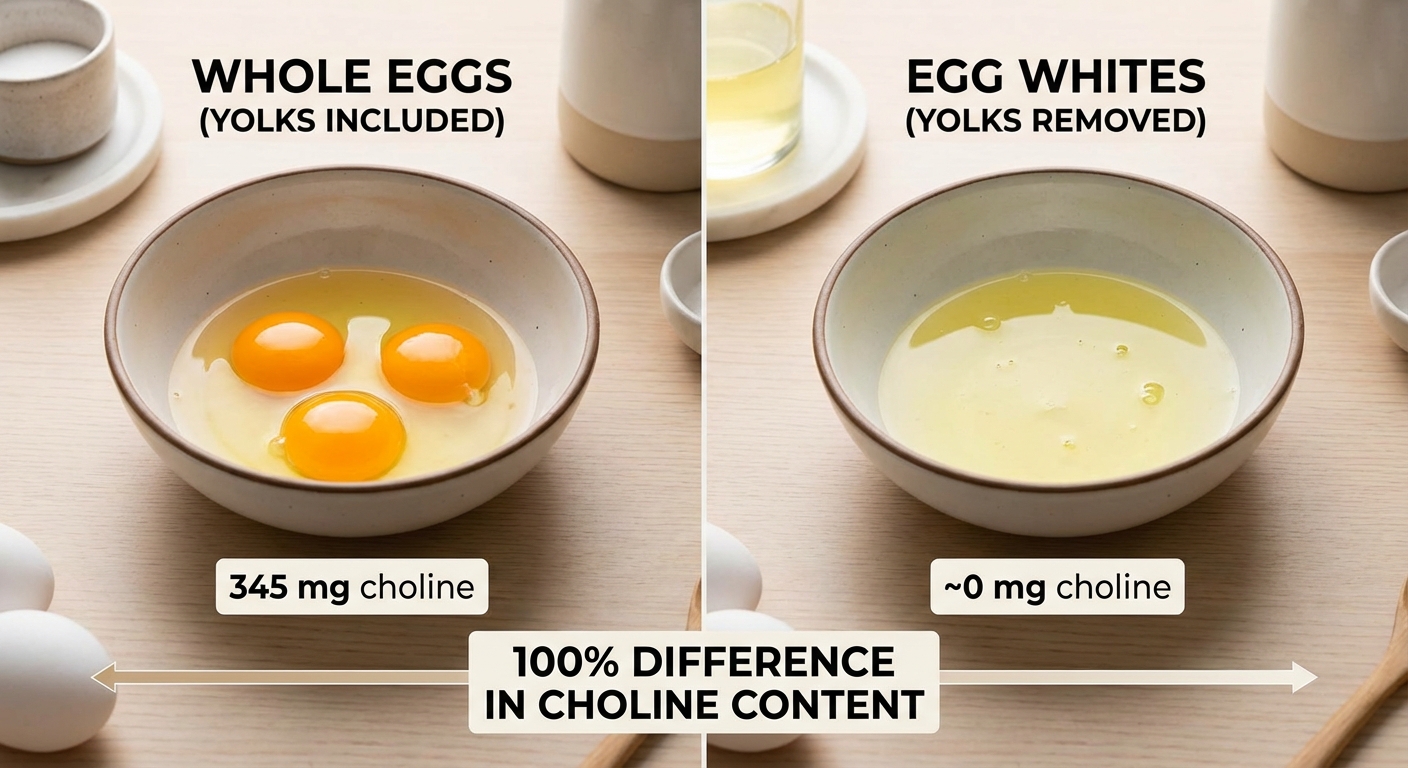
Several factors contribute to this pervasive shortfall. Choline concentrates in foods that modern dietary guidance has discouraged: egg yolks, organ meats, and full-fat dairy products. Decades of advice to limit dietary cholesterol led many people to discard egg yolks or switch to egg whites, eliminating one of the most concentrated choline sources in the typical diet. A single egg yolk provides approximately 115 mg of choline, while the white contributes virtually none.
Plant-based diets present particular challenges for choline intake. While some plant foods contain choline, the amounts are modest compared to animal sources, and bioavailability may be lower. Vegans and vegetarians who don’t strategically plan their diets often fall significantly below recommended intakes. This doesn’t mean plant-based eating is incompatible with adequate choline, but it requires awareness and intentional food choices that many people don’t make.
Genetic variation adds another layer of complexity. Certain gene variants in the PEMT pathway, which enables limited endogenous choline synthesis, are relatively common and can increase an individual’s dietary choline requirements substantially. Women with these variants who consume typical American diets may be particularly vulnerable to deficiency, as estrogen normally enhances the PEMT pathway but can’t fully compensate when genetic variants impair its function.
Best Food Sources of Choline
Understanding where choline concentrates in the food supply allows for strategic dietary choices that can meaningfully increase intake. The following sources provide the highest amounts of bioavailable choline per serving.
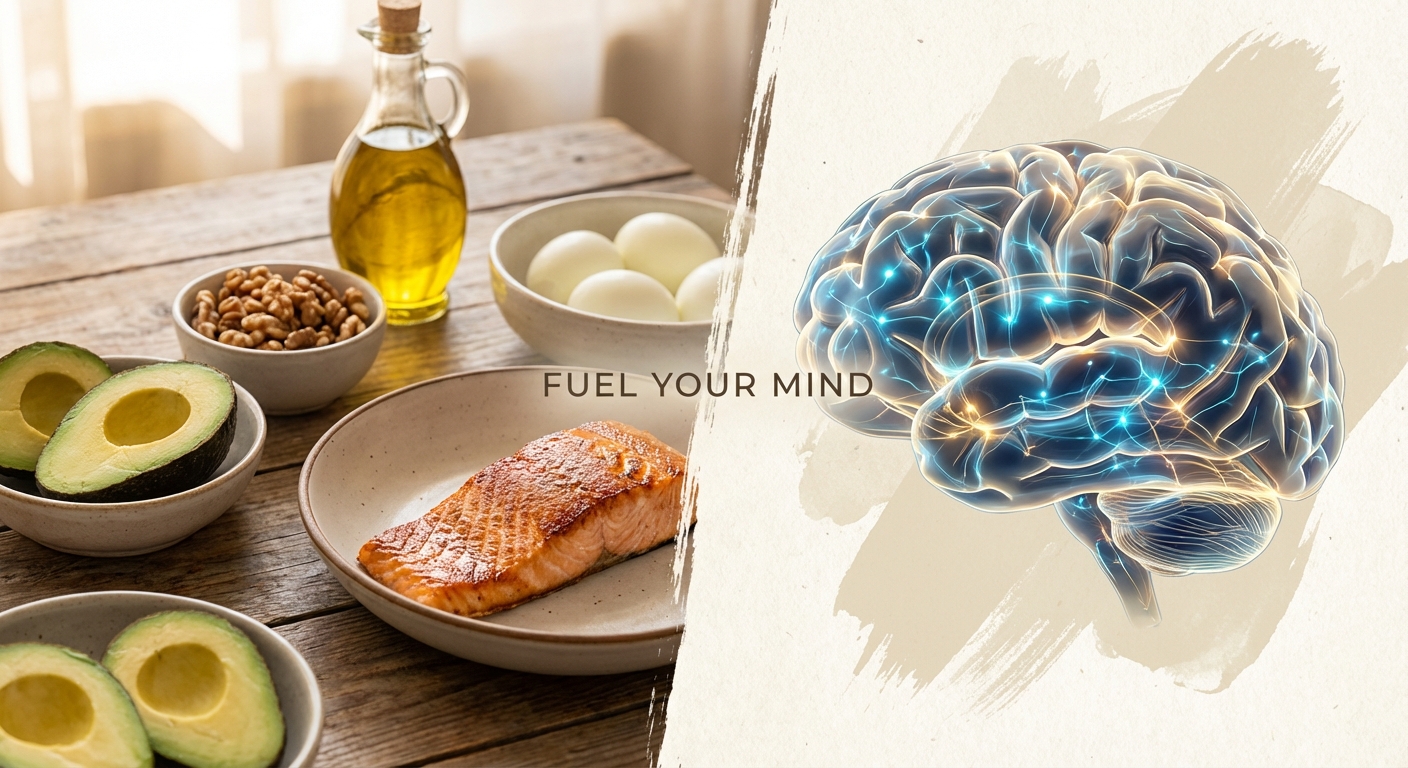
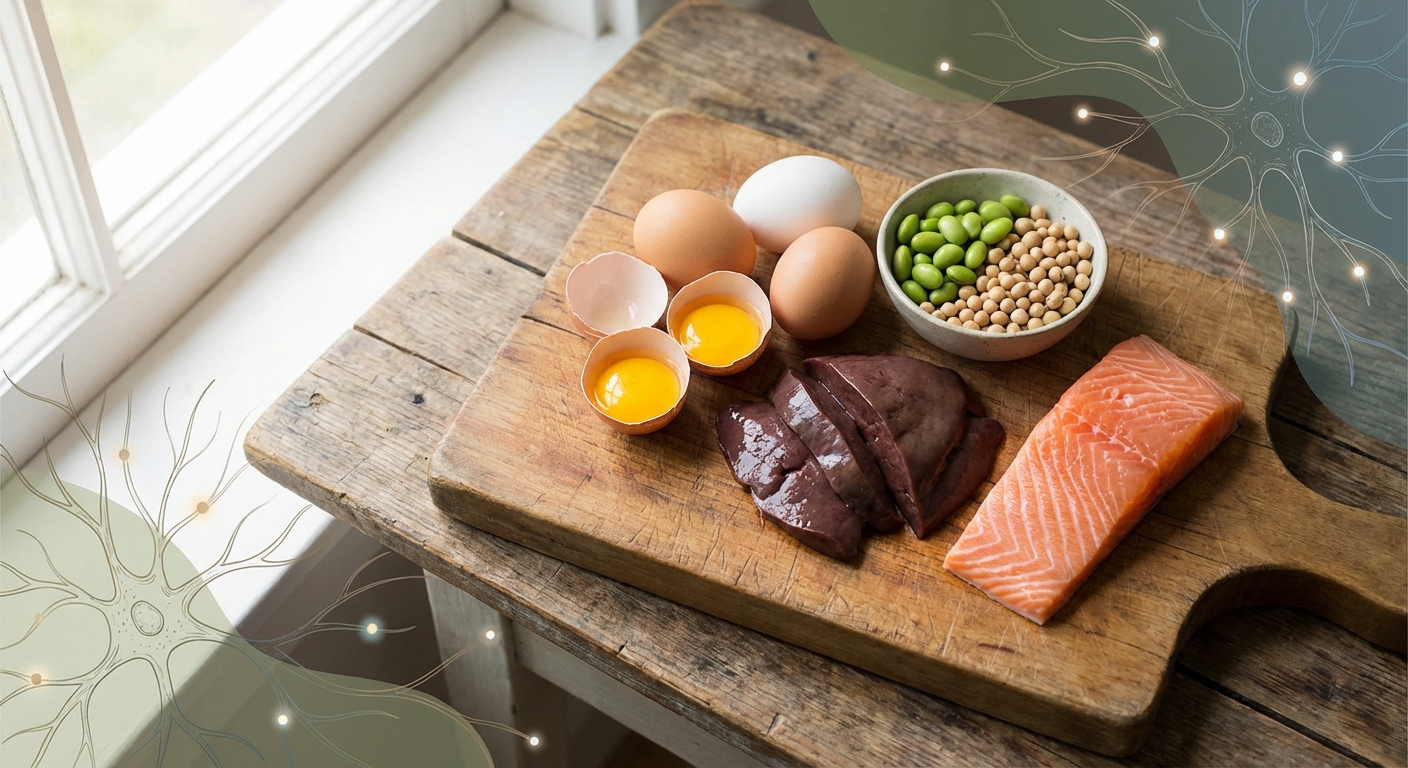
Egg yolks stand as the most practical concentrated source for most people. Two whole eggs provide approximately 230 mg of choline, nearly half the daily requirement for women and over 40% for men. The cholesterol concerns that previously discouraged egg consumption have largely been debunked; current evidence shows dietary cholesterol has minimal impact on blood cholesterol for most individuals, and eggs associate with neutral or beneficial cardiovascular outcomes in prospective studies.
Beef liver and other organ meats deliver extraordinary choline concentrations, with a 3-ounce serving of beef liver providing around 350 mg. While organ meats have fallen out of favor in modern Western cuisine, they remain nutritional powerhouses worth reconsidering. Even incorporating liver into your diet once or twice weekly can substantially boost choline intake. Chicken liver, pâté, and liverwurst offer more palatable entry points for those unaccustomed to organ meats.
Fatty fish, particularly salmon, provides meaningful choline alongside omega-3 fatty acids that independently support brain health and mood regulation. A 6-ounce salmon fillet contains approximately 120 mg of choline. The combination of choline and omega-3s in fatty fish may offer synergistic benefits for neural function, as both nutrients contribute to healthy cell membrane composition.
Top Choline Food Sources (per typical serving):
| Food | Serving Size | Choline (mg) |
|---|---|---|
| Beef liver | 3 oz | 350 |
| Whole egg | 1 large | 115 |
| Salmon | 6 oz | 120 |
| Chicken breast | 6 oz | 100 |
| Soybeans (roasted) | 1/2 cup | 105 |
| Shiitake mushrooms | 1 cup cooked | 58 |
| Beef (ground, 85% lean) | 4 oz | 80 |
| Greek yogurt | 1 cup | 40 |
Soybeans and soy products offer the highest plant-based choline concentrations, with a half-cup of roasted soybeans providing about 105 mg. Tofu, tempeh, and edamame also contribute meaningful amounts. For those following plant-based diets, strategic inclusion of soy products can help close the choline gap, though supplementation may still be warranted for individuals with elevated requirements.
Supplementation: When Food Isn’t Enough
While food sources should form the foundation of choline intake, supplementation may benefit individuals who struggle to meet requirements through diet alone, particularly those following plant-based diets, pregnant women with elevated needs, or individuals with genetic variants that increase requirements.
Several forms of choline supplements exist, each with different characteristics. Choline bitartrate represents the most economical option, providing choline efficiently though with limited evidence for cognitive benefits beyond correcting deficiency. Alpha-GPC (alpha-glycerylphosphorylcholine) and citicoline (CDP-choline) cross the blood-brain barrier more readily and have shown benefits for cognitive function in clinical trials, though they cost more than basic choline salts.
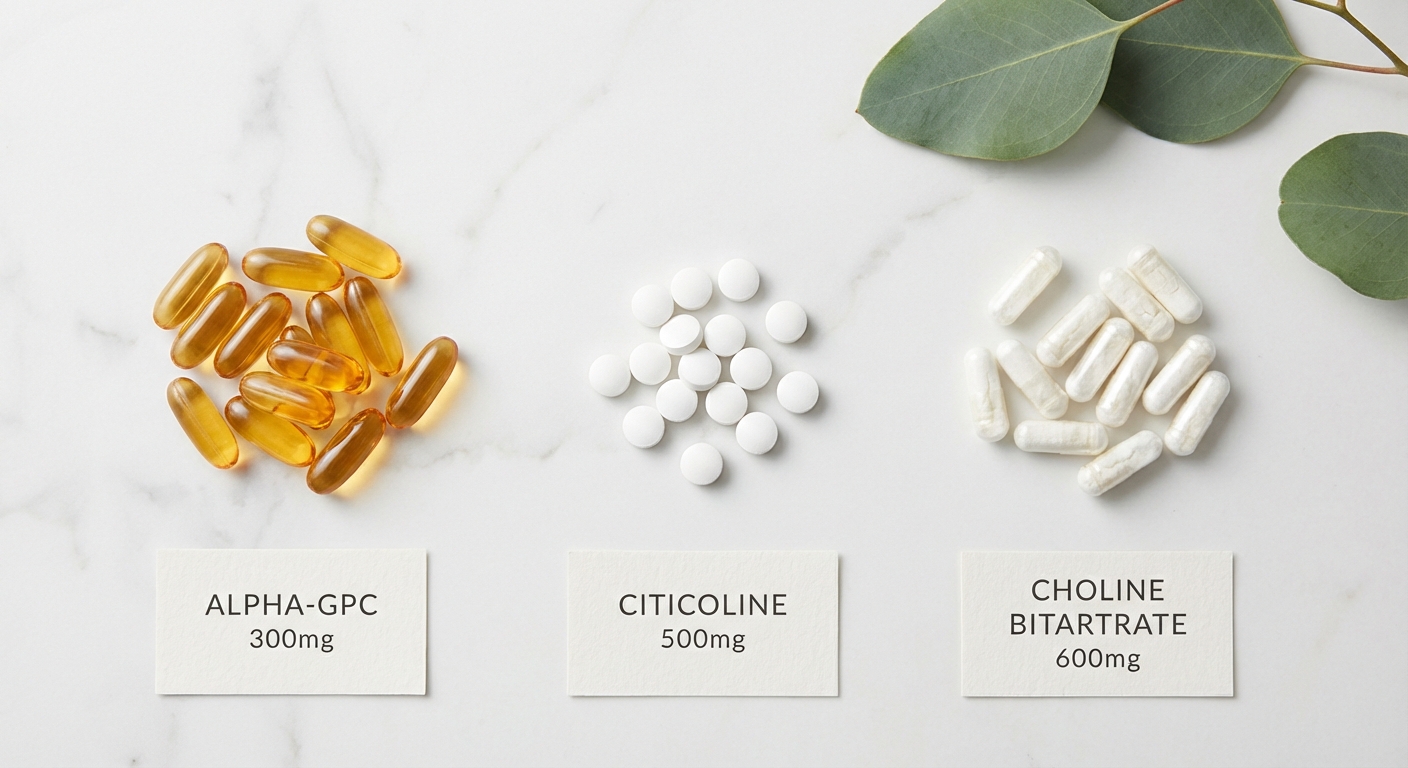
Dosing depends on dietary intake and individual needs. For those consuming minimal choline from food, 250-500 mg daily from supplements can help close the gap. Higher doses of alpha-GPC or citicoline, in the 300-600 mg range, have been studied for cognitive enhancement, though evidence for anxiety-specific benefits at these doses remains limited. Starting at the lower end and adjusting based on response makes sense for most people.
Choline supplementation appears quite safe at typical doses, though very high intakes (above 3,500 mg daily) can cause fishy body odor, excessive sweating, and gastrointestinal distress. More concerning, extremely high choline intake may increase TMAO (trimethylamine N-oxide) production, a metabolite associated with cardiovascular risk in some studies. Sticking to doses that bring total intake into the recommended range, rather than megadosing, represents the prudent approach.
Choline Within a Comprehensive Anxiety Strategy
Optimizing choline intake should complement, not replace, evidence-based anxiety treatments. The nutrient represents one piece of a complex puzzle that includes psychological approaches, lifestyle factors, and sometimes medication. Understanding how choline fits into this broader picture helps set appropriate expectations.
Cognitive-behavioral therapy (CBT) remains the most effective non-pharmaceutical treatment for anxiety disorders, with robust evidence across multiple anxiety subtypes. Adequate choline may support the neural plasticity that allows CBT to produce lasting brain changes, as the acetylcholine system plays key roles in learning and memory consolidation. Ensuring sufficient choline intake while engaging in therapy could theoretically enhance treatment response, though this specific combination hasn’t been directly studied.
Other lifestyle factors that reduce anxiety also influence choline metabolism and brain function. Regular exercise increases brain-derived neurotrophic factor (BDNF) and enhances cholinergic neurotransmission. Quality sleep allows for acetylcholine-dependent memory consolidation and neural restoration. Stress management techniques like breathwork activate parasympathetic pathways that rely partly on cholinergic signaling. These interventions work synergistically; optimizing one supports the others.
The gut-brain axis deserves mention given emerging evidence that gut bacteria influence choline metabolism and availability. Certain gut microbes can convert dietary choline to trimethylamine before absorption, potentially reducing the amount that reaches systemic circulation and the brain. Supporting gut health through fiber intake, fermented foods, and avoiding unnecessary antibiotics may indirectly support choline status and brain function.
The Bottom Line
The research connecting choline to anxiety highlights an often-overlooked nutritional factor that may influence mental health for many people. While choline deficiency doesn’t cause all anxiety, the consistent finding of lower brain choline levels in anxiety disorder patients suggests that optimizing intake could support symptom management, particularly given how few Americans meet recommended intakes.
Eggs, liver, fatty fish, and soy products provide the most concentrated dietary sources, with whole eggs representing the most practical option for most people. Supplementation with choline bitartrate, alpha-GPC, or citicoline can help those who struggle to meet needs through food. The goal should be reaching adequate intake, not megadosing, with attention to the broader lifestyle factors that support both choline utilization and anxiety management.
Next Steps:
- Assess your current choline intake by tracking egg, meat, and fish consumption for a week
- Add 2-3 whole eggs daily if not already consuming them regularly
- Consider beef liver or chicken liver once weekly for a significant choline boost
- For plant-based eaters, emphasize soy products and consider alpha-GPC supplementation
- Address sleep, exercise, and stress management alongside nutritional optimization
Sources: Journal of Psychiatric Research choline and panic disorder study (2024), magnetic resonance spectroscopy studies of brain choline in anxiety, National Academy of Medicine choline intake recommendations, NHANES dietary survey data on choline consumption patterns.