Managing Holiday Stress: Vagal Nerve Activation Techniques
Holiday stress triggers your fight-or-flight response. Learn the neuroscience-backed vagal nerve techniques that activate your parasympathetic nervous system in minutes.

Understanding the connection between mind and body. Explore research-backed approaches to stress management, anxiety, sleep optimization, and mental wellbeing, from the gut-brain axis to cognitive nutrition.

Holiday stress triggers your fight-or-flight response. Learn the neuroscience-backed vagal nerve techniques that activate your parasympathetic nervous system in minutes.

Holidays mean family, and family often means stress. These evidence-based scripts and strategies protect your peace while preserving relationships this season.
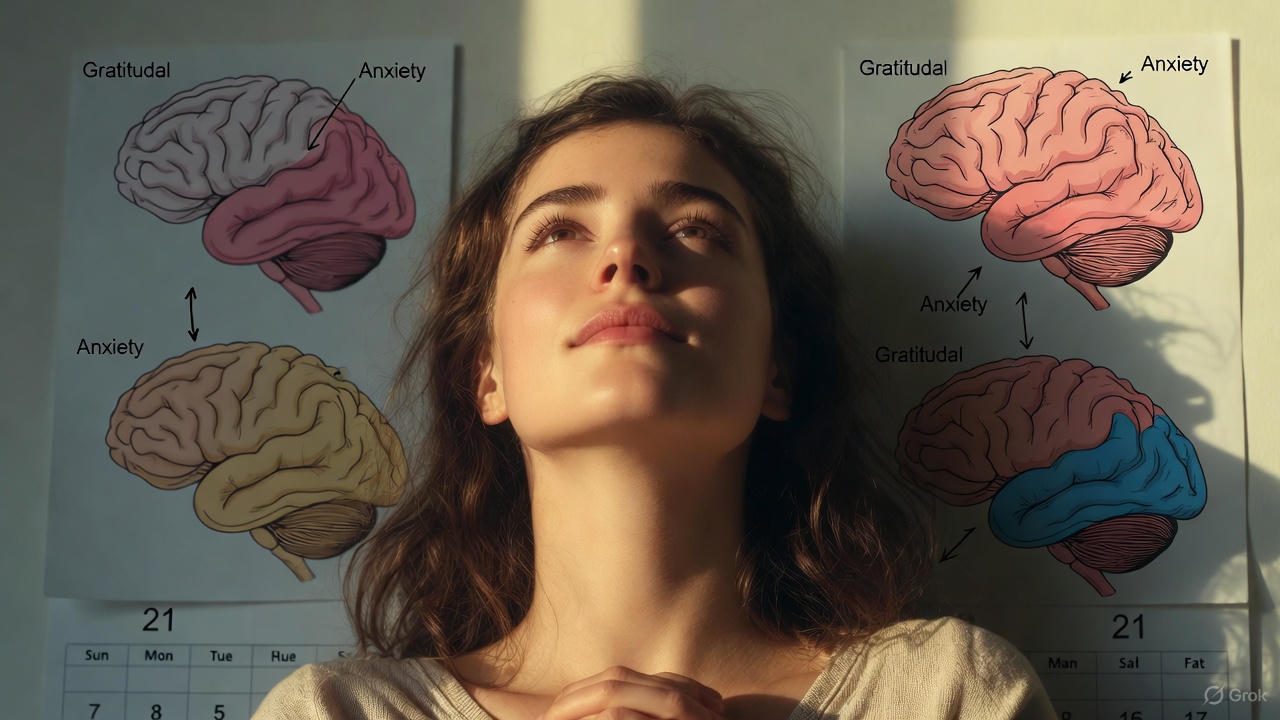
Gratitude isn't just a nice sentiment; it's a neuroplastic intervention. Research shows that consistent practice physically alters brain structure, reducing anxiety and building resilience that persists long after you put down the journal.

While light therapy is the gold standard, beating the winter blues requires a multi-modal approach. Here are the lifestyle interventions that amplify your resilience.
Can you really 'reset' your brain's reward system by staring at a wall for 24 hours? We separate the clinical neuroscience from the productivity guru mythology.

Trauma lives in the body, not just the mind. Groundbreaking research shows how exercise rewires the traumatized brain and provides healing that talk therapy alone often cannot reach.

Political tension hijacks your nervous system. These science-backed protocols protect your mental health while staying informed through election season.

Research shows that physical clutter increases cortisol, impairs focus, and degrades mood. The science of minimalism reveals why owning less creates psychological freedom.
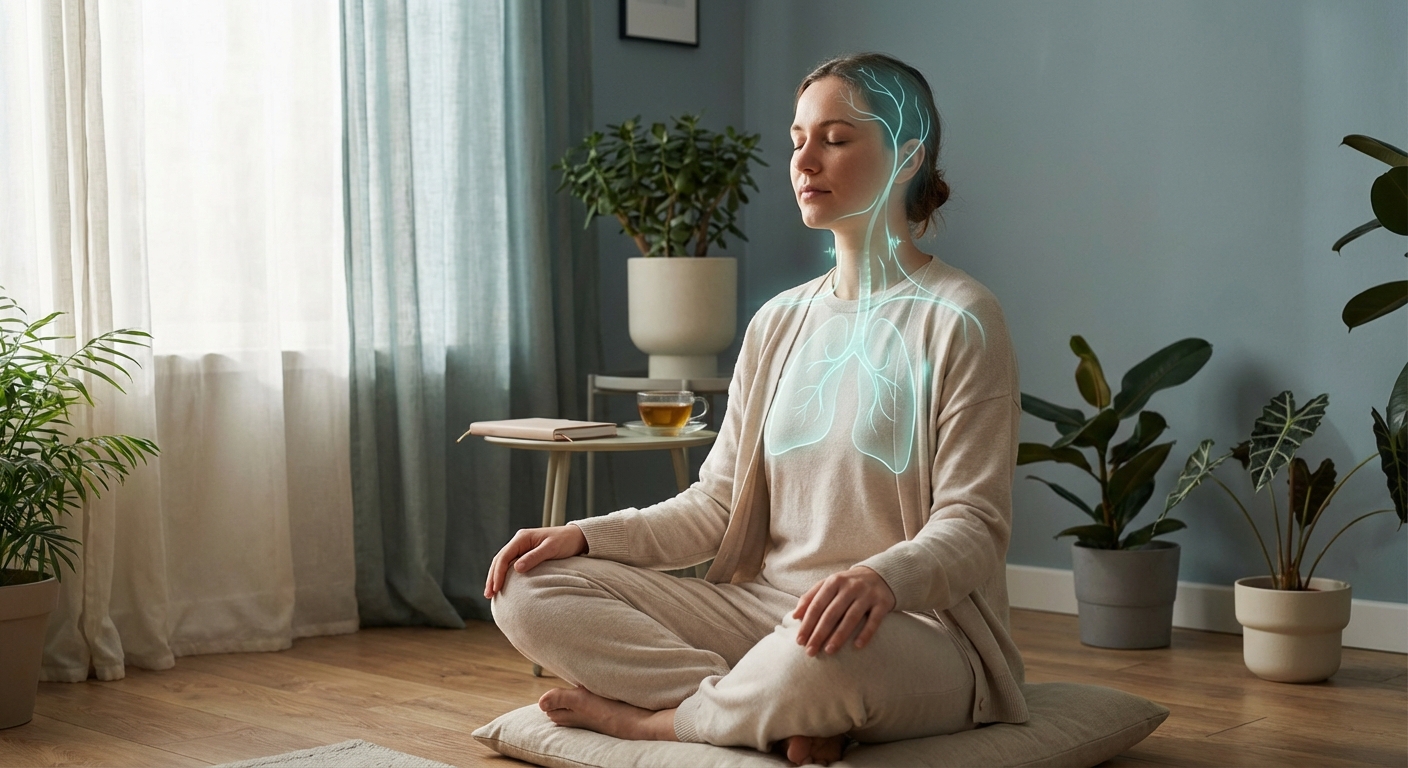
Controlled breathing activates your parasympathetic nervous system and reduces anxiety in minutes. Here are the most effective evidence-based protocols.

Gratitude journaling improves mood, sleep, and relationships. Neuroscience explains how a simple practice rewires the brain for wellbeing.

Morning light exposure and evening darkness regulate circadian rhythms, crucial for mood, energy, and sleep.

Loneliness increases mortality risk by 26%, comparable to smoking 15 cigarettes daily. Social connection is as critical to health as nutrition and exercise.