The loneliness epidemic has prompted health organizations to treat social isolation as seriously as smoking or obesity. Meanwhile, gym membership has never been higher, yet depression and anxiety continue climbing. These trends might seem unrelated until you consider that most modern fitness happens in isolation: earbuds in, eyes forward, following a solo program on a phone screen. We’ve optimized exercise for physical efficiency while stripping away the social dimension that humans evolved with.
Research from Nuffield Health predicts that workouts will become the “social glue of modern life” in 2026. Their data shows that 20% of Brits now cite exercise as their main way of staying socially connected, while 52% of fitness community members report improved social lives. This isn’t coincidental. Exercise provides a structured context for social interaction that other settings don’t offer.
The science increasingly suggests that social fitness isn’t just more enjoyable but actually more effective. The presence of others changes physiology, psychology, and behavior in ways that enhance both the exercise experience and its outcomes. Understanding these mechanisms explains why the gym-as-social-hub model is resurging.
The Physiology of Exercising Together
Something changes physiologically when humans exercise in groups rather than alone. Research has documented measurable differences in hormone release, pain tolerance, and perceived exertion that go beyond simple motivation effects.
Endorphin release increases with synchronized group movement. A study at Oxford University found that rowers who trained synchronously with others had significantly higher pain thresholds post-exercise than those who rowed alone, suggesting enhanced endorphin production. The effect appears to require coordination with others, not merely parallel activity. Moving together, in rhythm, triggers a social bonding response that amplifies the neurochemical rewards of exercise.
The social facilitation effect, first documented over a century ago, shows that performing activities in the presence of others often enhances performance. For well-learned physical tasks, the presence of observers or co-exercisers typically increases output. You actually work harder when others are around, even if you’re not consciously competing. This isn’t purely psychological; measurable work output and physiological markers show real performance enhancement.
Oxytocin, the social bonding hormone, elevates during positive social exercise experiences. This hormone reduces stress response, promotes trust and connection, and may enhance recovery. The combination of physical exertion and social connection creates a hormonal environment that differs qualitatively from solo exercise. The post-workout sense of wellbeing in group settings reflects this distinct neurochemical profile.
Accountability mechanisms operate physiologically as well as psychologically. When you commit to meeting someone for a workout, failing to show up carries social cost. This transforms motivation from purely internal to partially external, engaging social commitment systems that are harder to override than personal intentions. The neural circuitry involved in social obligation differs from that involved in personal goal-setting.
Psychological Benefits Beyond the Physical
The mental health benefits of exercise are well-established, but social exercise appears to amplify them. The combination addresses both physiological mood enhancement and the psychological needs for connection and belonging that solitary exercise cannot meet.
Social comparison in fitness contexts can be positive, unlike on social media. Exercising alongside others who are working hard provides inspiration rather than discouragement. Watching someone complete a challenging set normalizes effort and demonstrates possibility. The comparison happens in real time, with visible effort that social media hides, making it more motivating than demoralizing.
Group exercise reduces self-focus, a pattern associated with depression and anxiety. Monitoring one’s own internal states continuously, a common feature of mood disorders, decreases when attention shifts to coordinating with others and matching group energy. The external focus that group exercise requires provides temporary relief from the internal monitoring that can amplify distress.
The sense of belonging that develops in fitness communities addresses a fundamental human need. Regular attendance at the same class or gym builds recognition, then familiarity, then friendship. These connections differ from other social contexts because they’re built around shared effort and vulnerability. Seeing each other struggle and persist creates bonds that casual social interaction doesn’t.
Community identity provides additional psychological benefits. Being “a runner” or “a CrossFitter” or “a regular at morning yoga” integrates fitness into identity rather than positioning it as an obligation. Identity-based habits are more resilient than goal-based habits because they feel natural rather than effortful. Group membership supports this identity formation in ways that solo exercise rarely achieves.
Adherence and Long-Term Consistency
The primary predictor of exercise benefits is consistency over time. All the potential physiological and psychological benefits require regular, sustained practice. Social exercise dramatically improves adherence, making the benefits more accessible to more people.
Research consistently shows that people who exercise with others maintain their exercise habits longer than solo exercisers. One study found that married couples who worked out together had a 12% lower dropout rate than those exercising alone. Another found that group exercise participants were 64% more likely to maintain their exercise habits after one year compared to solo exercisers.
Social commitments create external accountability that personal intentions lack. When you plan to run alone tomorrow morning, only you know if you skip it. When you’re meeting a friend or attending a scheduled class, others notice your absence. This simple difference in visibility transforms the calculation around whether to exercise on low-motivation days.
The enjoyment factor shouldn’t be underestimated. People are more likely to continue activities they enjoy. Group exercise typically scores higher on enjoyment measures than solo exercise, even when the physical exertion is similar. If the social dimension makes exercise feel less like obligation and more like recreation, consistency naturally improves.
Scheduled group activities also protect exercise time from competing demands. A class that meets at 6 PM on Tuesdays becomes an appointment, not a flexible intention. This structured commitment helps exercise survive the schedule compression that often eliminates flexible activities. The gym will still be there if you skip tonight; your spinning class won’t wait.
Types of Social Fitness
Social fitness encompasses many formats, from structured group classes to informal workout partnerships. Different formats suit different preferences and provide different social benefits.
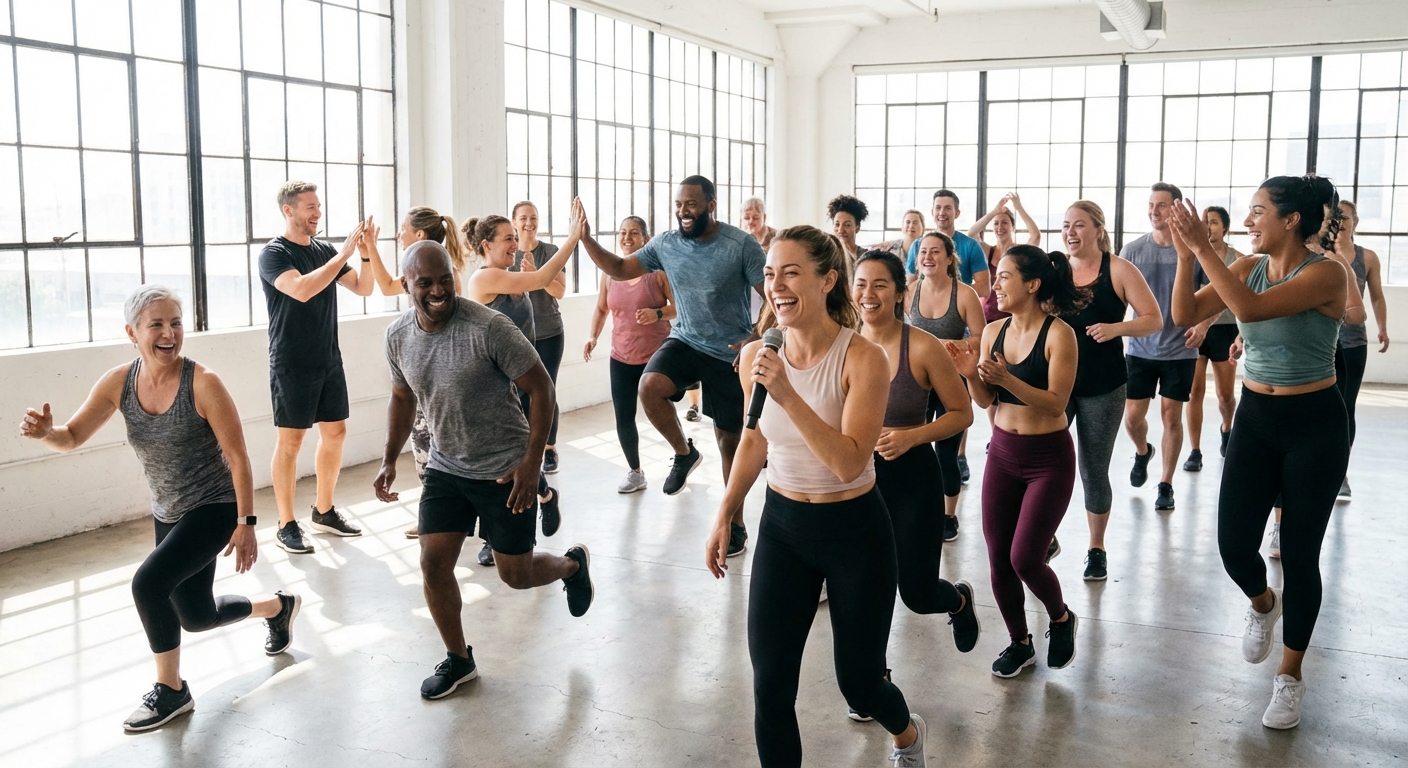
Group fitness classes represent the most structured format. The instructor-led environment provides programming without requiring planning, accountability without requiring personal relationships, and community without requiring social initiative. The energy of a full class exceeds what most individuals can generate alone. Classes range from high-energy formats like spinning and HIIT to more contemplative practices like yoga and Pilates.
Small group training, typically 3-8 people, combines personalized attention with social benefits. The smaller setting allows for individual programming adjustments while maintaining the group energy and accountability. The intimate scale often fosters closer relationships than large classes.
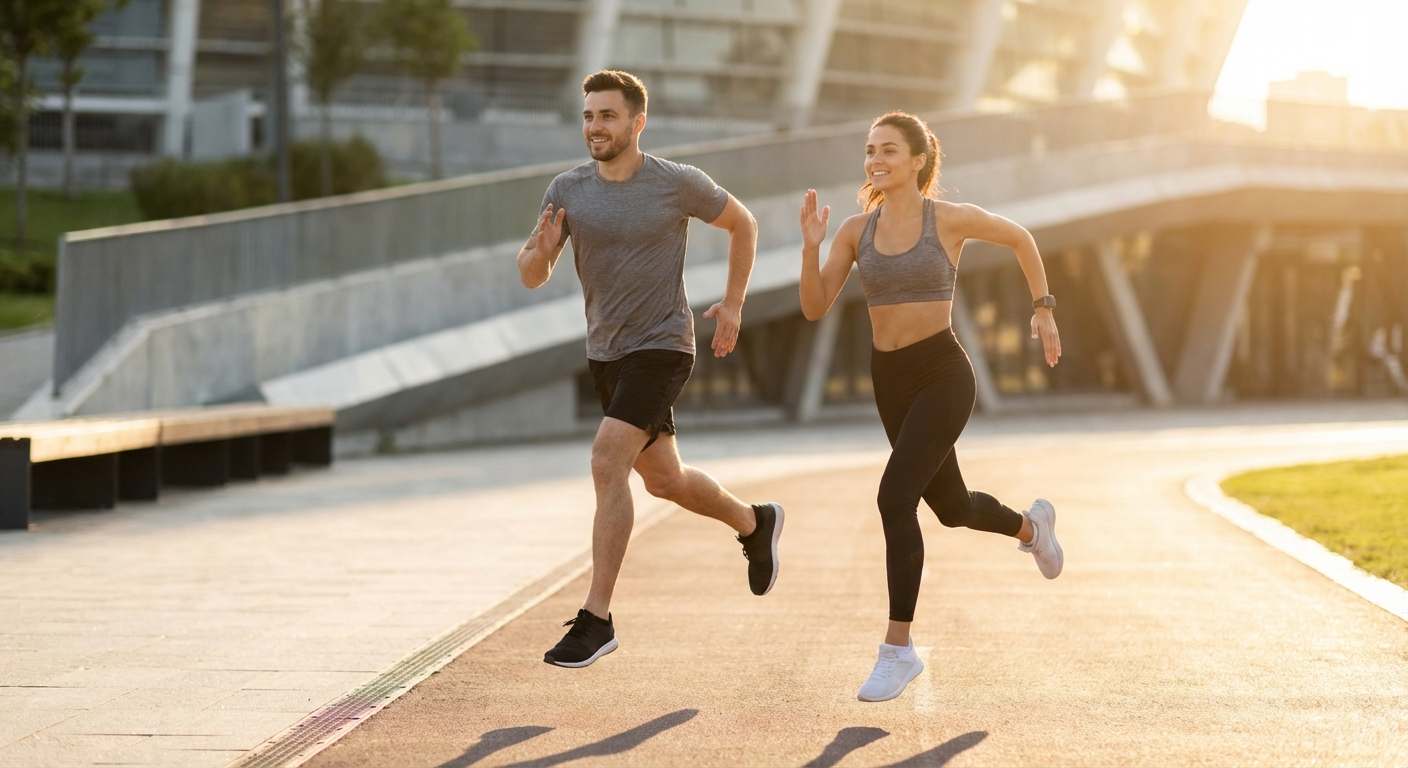
Workout partners or small informal groups provide the deepest accountability and personal connection. Texting a friend at 5:30 AM to confirm you’re both still meeting creates direct mutual commitment. The relationship develops over consistent shared experience, often extending beyond the gym. Finding compatible workout partners requires more initiative than joining a class but creates stronger bonds.
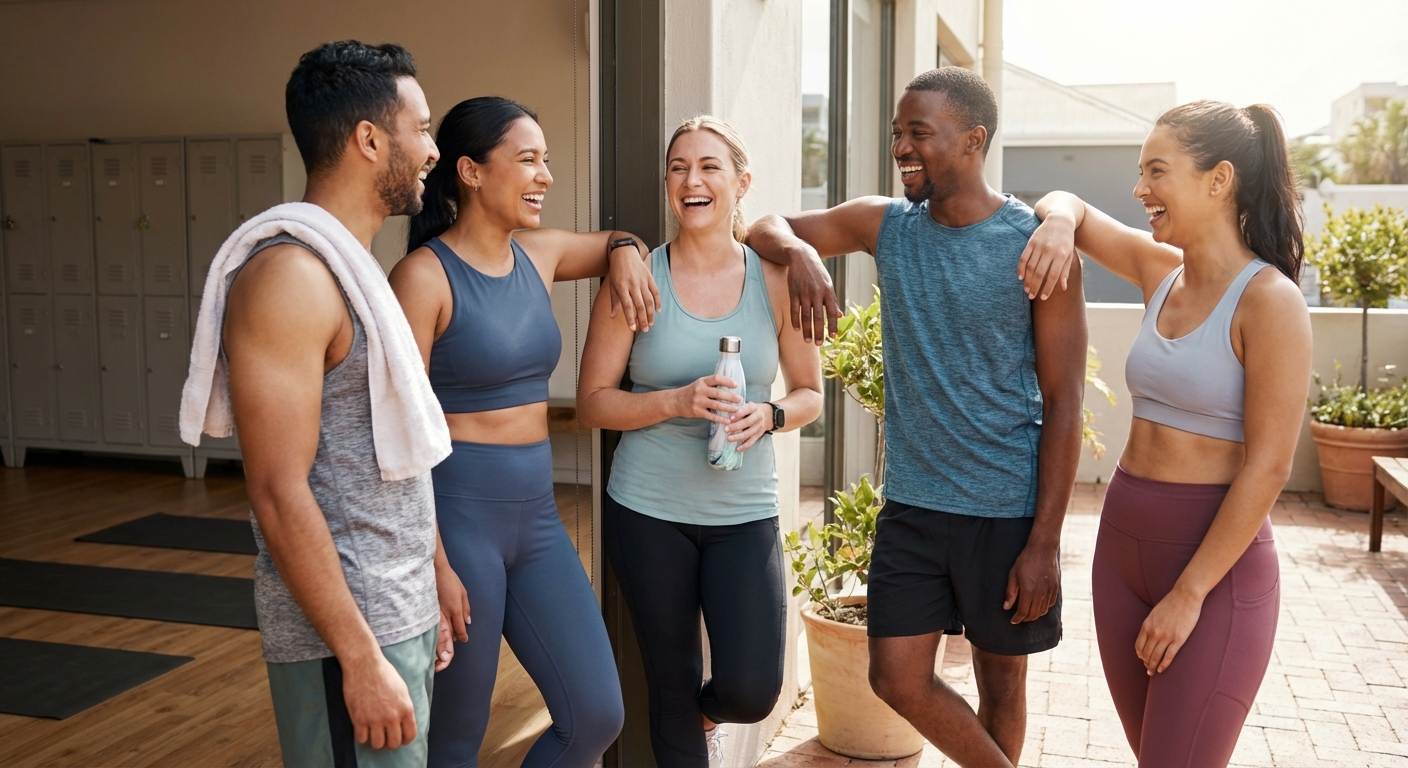
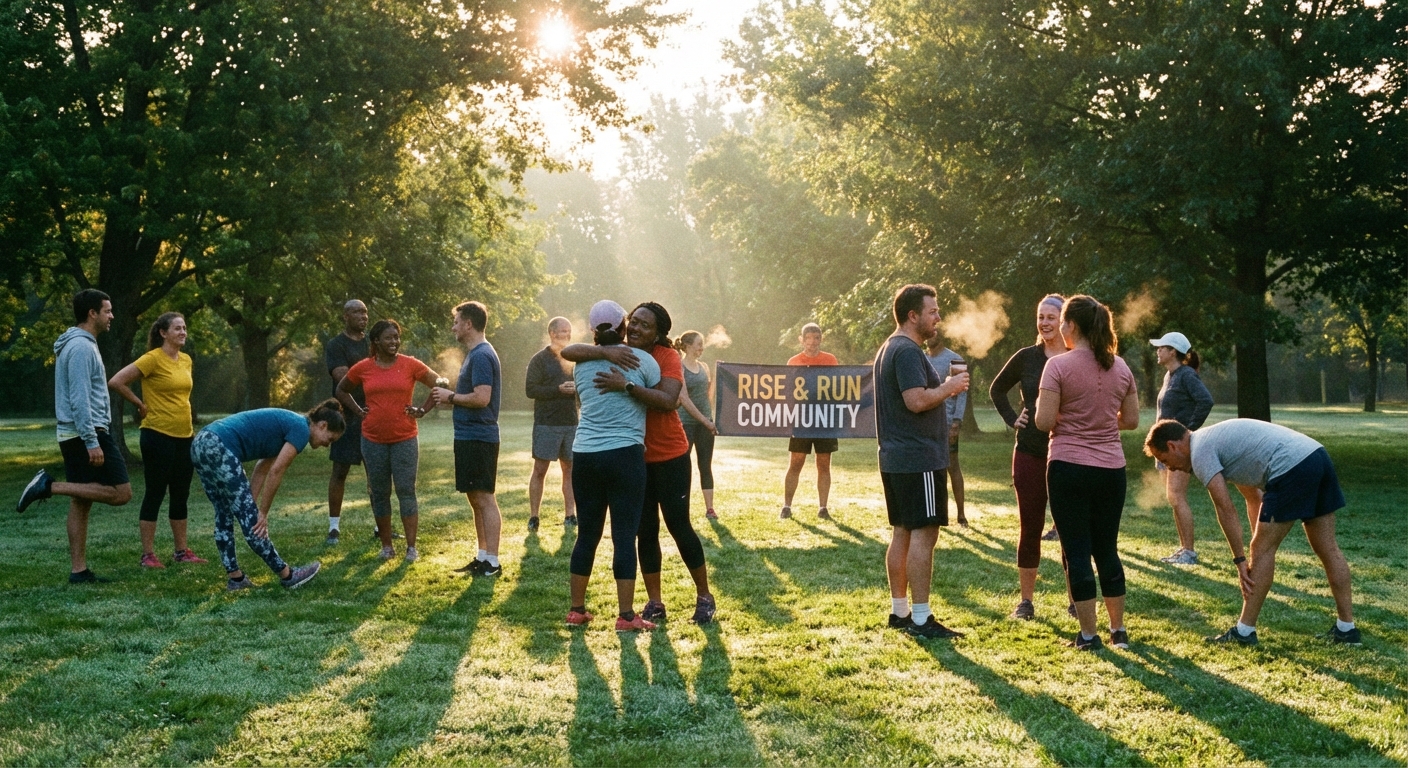
Running clubs, recreational sports leagues, outdoor adventure groups, and climbing communities represent activity-specific social fitness. These communities form around shared passion for particular activities, often with social events extending beyond the activity itself. The specialized focus attracts people with compatible interests, facilitating deeper connection.
Virtual group fitness has found its niche, particularly for convenience and accessibility. Live-streamed classes with real-time participants provide some social presence, while competing on leaderboards or sharing metrics creates asynchronous community. These options don’t replicate in-person connection but offer more social engagement than purely solo exercise.
Building Your Social Fitness Network
Creating social exercise habits requires intentional action, particularly for people accustomed to solo workouts. The transition feels awkward initially but typically becomes self-reinforcing once connections form.
Start with what feels accessible. If joining a large group class feels intimidating, begin with a single workout partner or a small group training session. If you prefer structure, commit to the same class at the same time each week, which naturally creates recognition among regulars. If spontaneity suits you better, frequenting the same gym at consistent times exposes you to potential connections.
Communicate your goals to potential workout partners. Finding someone with compatible goals, schedule, and fitness level creates the foundation for sustainable partnership. Mismatched partnerships, where one person is much fitter or has different objectives, often deteriorate. Honest conversation upfront prevents problems later.
Join communities around activities you genuinely enjoy. Forcing yourself into group activities you don’t like undermines the whole purpose. If you love running, seek running clubs. If you prefer strength training, find gyms with strong lifting communities. If you’re drawn to outdoor activity, look for hiking or cycling groups. Authentic interest in the activity provides the common ground for meaningful connection.
Be patient with community building. Social connection develops over repeated exposure, and fitness communities form through consistent attendance. The person you nod at in week one becomes someone you know by name in week four and someone you’d miss if they stopped coming by week twelve. This gradual development is normal and doesn’t require forcing intimacy.
The Bottom Line
Social fitness addresses the simultaneous crises of physical inactivity and social isolation by combining movement with connection. The physiological benefits of exercise are amplified by group participation, the psychological benefits are extended into the social domain, and adherence improves dramatically when others are involved.
Getting Started:
- Audit your current exercise: How much is truly social versus parallel (others present but not connected)?
- Identify format preference: structured classes, small groups, workout partner, or activity-based community
- Make one commitment: a weekly class, a standing date with a workout partner, or joining a local running club
- Prioritize consistency over intensity initially: regular attendance builds the relationships that sustain long-term participation
Social Fitness Options:
- High structure: Group fitness classes, small group training
- Medium structure: Running clubs, recreational sports leagues, climbing gyms
- Low structure: Workout partner arrangements, gym at consistent times
- Virtual: Live-streamed classes, accountability apps with social features
The fitness industry spent decades optimizing individual performance. The emerging trend toward social fitness recognizes that humans evolved to move together, and that stripping the social dimension from exercise leaves important benefits on the table.
Sources: Nuffield Health 2026 social fitness research, Oxford University synchronized rowing and endorphin studies, group exercise adherence meta-analyses, social facilitation and exercise performance research.