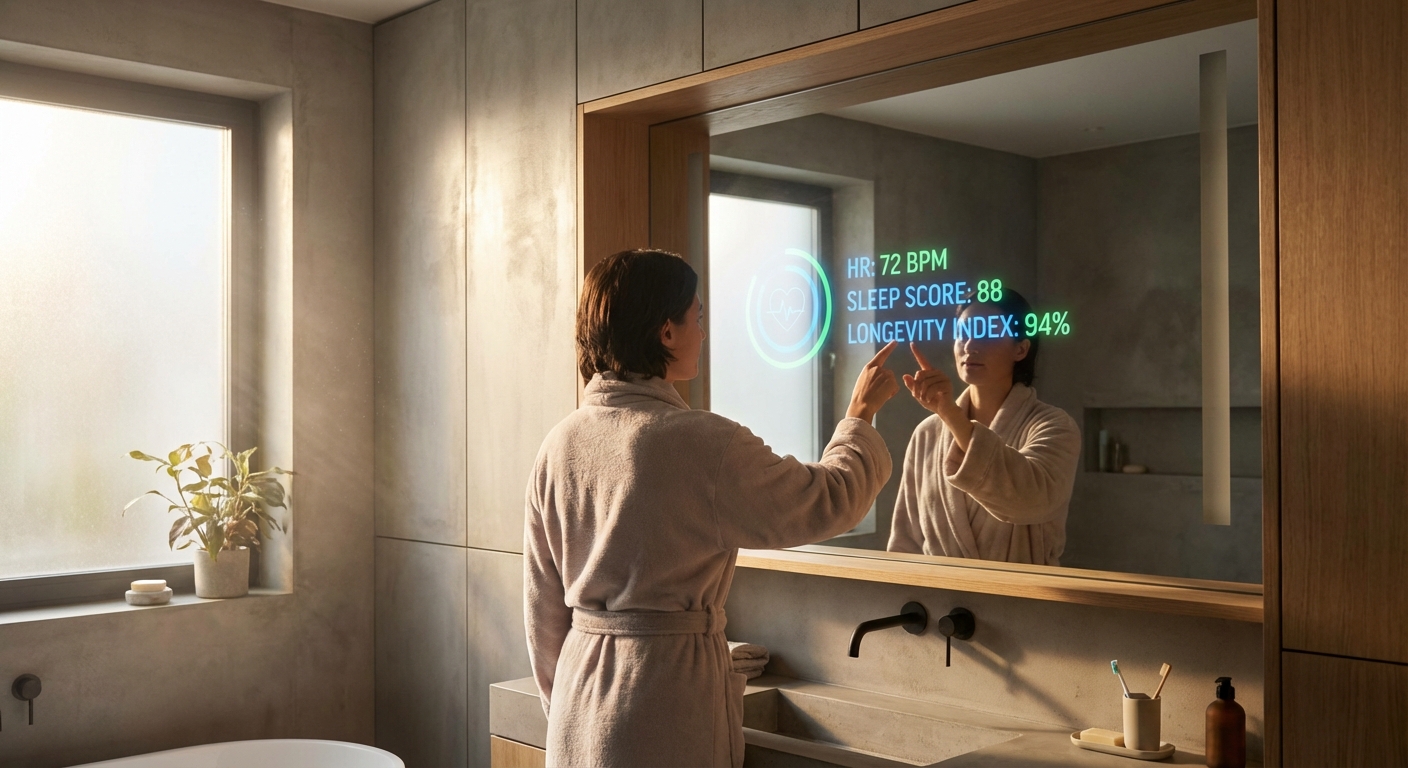
Your phone is probably within arm’s reach right now. If it buzzed, you’d likely check it within seconds. The average person checks their phone 96 times daily, spending over four hours on screens outside of work. This isn’t a moral failing; it’s the designed outcome of technology built to capture and hold attention. But the physiological and psychological costs of constant connectivity have become clear enough to fuel a counter-movement: analogue wellness.
The term has gained traction in 2026, appearing in trend forecasts and spawning the January practice of “Janalogue,” a conscious effort to go offline and engage with non-digital activities. This isn’t nostalgic technophobia but rather a response to accumulating research showing that constant digital engagement carries measurable health costs, and that intentionally disconnecting provides measurable benefits.
The shift represents something deeper than a passing trend. After two decades of smartphones reshaping attention, social interaction, and leisure, many people are discovering that life doesn’t necessarily improve with each new notification feature. The wellness implications of digital habits have become impossible to ignore.
The Physiology of Always-On
Constant connectivity keeps the brain in a state of low-level alertness that never fully resolves. Each notification, each vibration, each urge to check for new content triggers the same neural circuitry involved in vigilance and threat detection. The resulting chronic activation of the stress response produces measurable physiological effects.
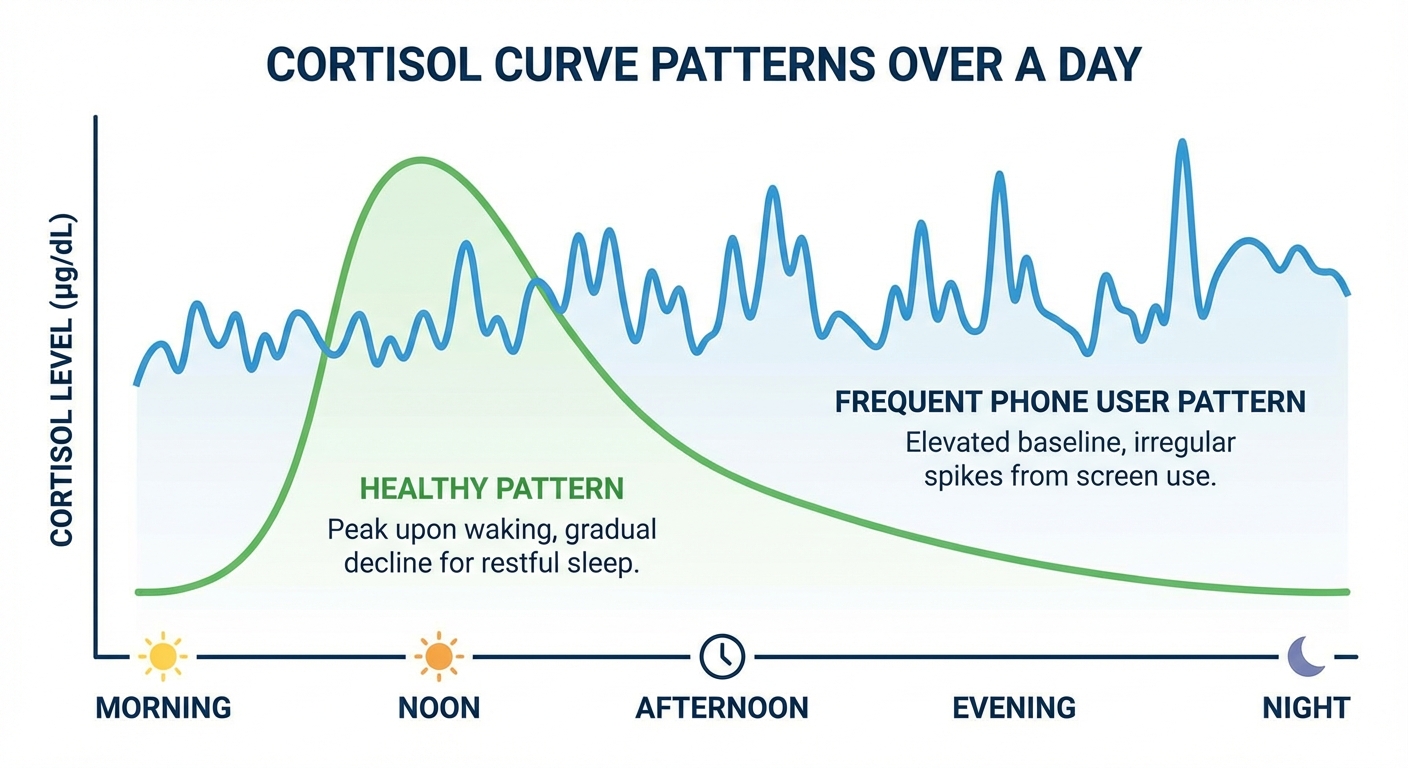
Cortisol patterns change with heavy phone use. Research has found elevated baseline cortisol levels in frequent phone checkers, consistent with chronic stress physiology. This isn’t the acute cortisol spike of a stressful event but the grinding elevation of never truly relaxing. Over time, elevated cortisol contributes to sleep disruption, immune dysfunction, and metabolic issues.
The sleep impact of evening screen use is well-documented but worth revisiting. Blue light from screens suppresses melatonin production, delaying sleep onset and reducing sleep quality. But the content may matter as much as the light: engaging with stimulating social media or work email activates cognitive processing that interferes with the mental unwinding necessary for sleep. The combination of light exposure and cognitive activation makes evening phone use a particular enemy of restorative sleep.
The dopamine system also gets recruited in problematic ways. Variable reward schedules, the same mechanism that makes gambling addictive, operate constantly on social media. Sometimes a notification brings exciting news or social validation; sometimes it’s spam. This unpredictability strengthens the compulsive checking behavior. Over time, the dopamine system recalibrates around this constant stimulation, potentially making non-digital activities feel less rewarding by comparison.
The eyes themselves bear consequences. Prolonged near-focus on screens contributes to digital eye strain and myopia progression. The near work hypothesis suggests that extended close-focus work, which screens maximize, promotes myopia development in children and progression in adults. Looking at distant objects relaxes the focusing muscles, something screen-bound life rarely allows.
Psychological Effects of Constant Connectivity
The mental health correlations with heavy social media use have strengthened in recent research, though causation remains complex. Large studies consistently find associations between high social media use and increased anxiety, depression, and feelings of social isolation. The relationship is likely bidirectional: people who feel bad may use social media more, and using social media more may contribute to feeling bad.
The comparison mechanism appears central to social media’s psychological impact. Exposure to carefully curated highlight reels of others’ lives activates social comparison processes that leave most viewers feeling inferior. Intellectually knowing that Instagram posts are filtered doesn’t prevent the emotional response to seeing apparent perfect lives, perfect bodies, and perfect vacations. The volume of comparison opportunities on social media far exceeds what previous generations experienced.
Attention fragmentation creates its own psychological burden. The scattered focus mode that constant interruption creates doesn’t just reduce productivity; it appears to reduce life satisfaction and increase anxiety. The inability to sustain attention on any single experience, always half-waiting for the next notification, prevents the deep engagement that contributes to wellbeing. Flow states, which research links to happiness, require uninterrupted focus that notification culture prevents.
The research on teenagers is particularly concerning. Data from multiple countries shows increasing rates of anxiety, depression, and self-harm beginning around 2012, coinciding with smartphone adoption. While correlation doesn’t prove causation, the timing pattern, the dose-response relationships, and the mechanisms identified make a compelling case that smartphone-based social media contributes to youth mental health decline.
What Analogue Wellness Involves
Going offline doesn’t mean rejecting technology entirely or returning to a pre-digital era. The analogue wellness movement emphasizes intentional boundaries rather than complete disconnection. The goal is restoring agency over attention and time rather than having these resources constantly extracted by designed-to-addict platforms.

Screen-free time blocks represent the simplest intervention. Designating certain periods as completely offline, perhaps the first hour after waking, evening hours before bed, or entire weekend days, creates space for different types of experience. Initially, this may feel uncomfortable as the habituated mind searches for the missing stimulation. This discomfort typically passes within days as alternative activities fill the space.
Physical activities without screens align naturally with offline periods. Walking without podcasts. Cooking without background videos. Exercising without tracking apps. These activities existed before we added digital overlays to them, and experiencing them undistracted can feel surprisingly different. The experience of being fully present in physical activity, rather than monitoring data about it, shifts the quality of engagement.
Analogue hobbies have experienced a renaissance in response to digital saturation. Crafts, gardening, reading physical books, playing board games, writing with pen and paper: these activities provide engagement and satisfaction without triggering the psychological patterns associated with screens. The tactile reality of physical materials offers something screens cannot replicate.
Social connection without screens may represent the most significant shift. Conversations held with phones out of sight feel qualitatively different from conversations interrupted by checking. The research term “phubbing” (phone snubbing) describes the social harm of phone presence even when not actively used; companions feel deprioritized. Creating phone-free social spaces restores the full attention that meaningful human connection requires.
Implementing a Digital Detox
Effective digital detox requires specificity. Vague intentions to “use your phone less” typically fail against designed-to-addict technology. The research on behavior change suggests that concrete rules and environmental modifications outperform willpower.
Start with an audit. Screen time tracking, built into modern phones, reveals actual usage patterns that often surprise heavy users. Knowing which apps consume the most time, which trigger the most frequent checking, and during which periods usage peaks provides the information needed for targeted intervention. Many people are shocked to discover they spend four or more hours daily on their phones.
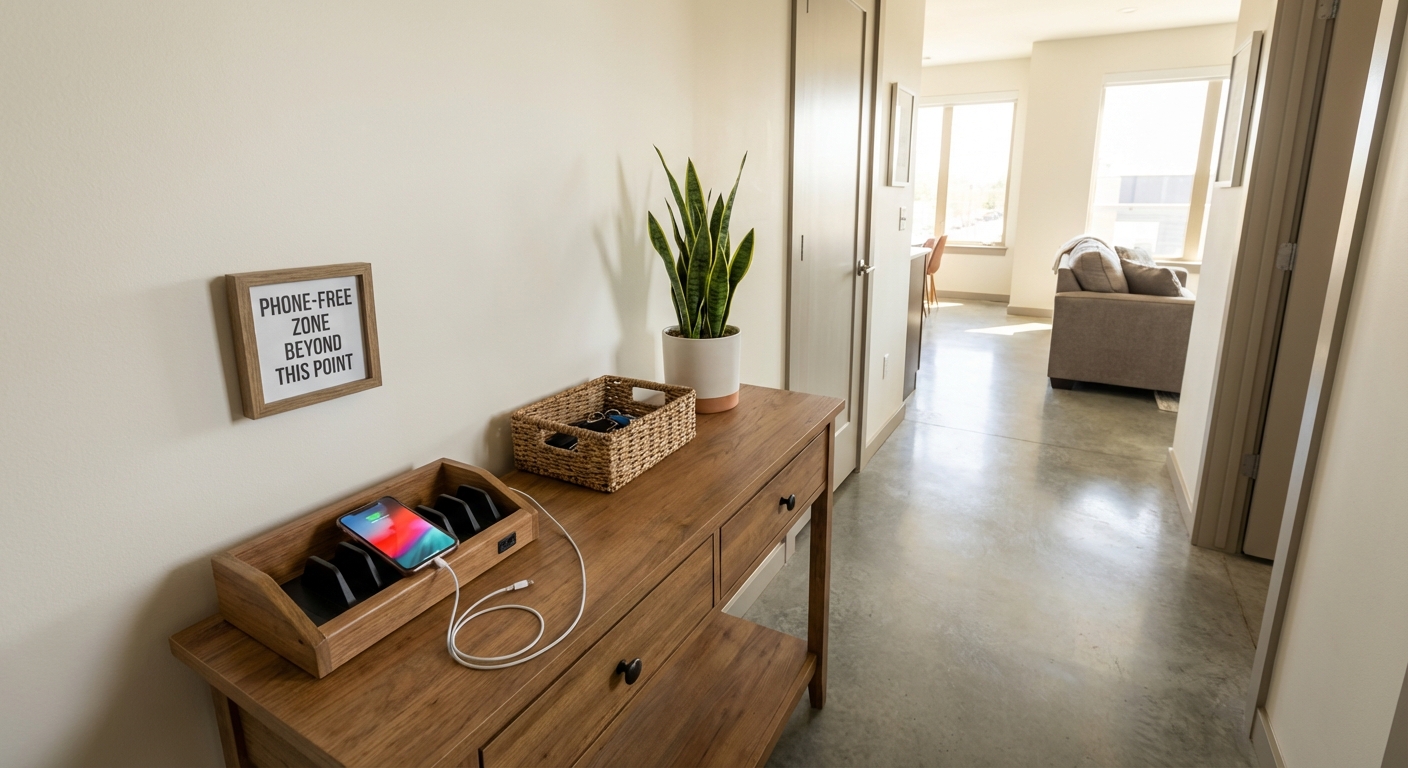
Create physical barriers to reflexive use. Charging phones outside the bedroom eliminates the late-night and first-morning checking that disrupts sleep and sets the tone for the day. Keeping phones in bags rather than pockets during social occasions prevents automatic reaching. Deleting the most problematic apps entirely, rather than relying on willpower to resist them, acknowledges that the designers are better at triggering compulsion than most users are at resisting it.
Notification auditing eliminates the constant interruption that fragments attention. Most notifications are not actually urgent and exist primarily to drive engagement with apps. Turning off all notifications except those from actual humans communicating directly, and perhaps calendar reminders, dramatically reduces the interrupt rate without missing anything important. The fear of missing something important almost never materializes.
Schedule technology use rather than defaulting to it. Checking email and social media at designated times, rather than whenever idle, restores some agency over attention. Even frequent checking on a schedule, say every hour, creates more cognitive freedom than constant monitoring.
The Research on Digital Detox Benefits
Studies on intentional social media breaks and reduced phone use show measurable improvements across multiple outcomes. The effects appear quickly, sometimes within days, suggesting that the psychological costs of constant connectivity are active and reversible rather than representing accumulated damage.
One week of social media abstinence produces measurable reductions in anxiety and depression scores in multiple studies. The effect sizes are modest but consistent, comparable to some therapeutic interventions. People don’t just report feeling better; they score better on validated psychological assessments.
Sleep quality improves when evening phone use is reduced. Beyond the light exposure effects, the absence of stimulating content before bed allows the mental unwinding that supports sleep onset. People fall asleep faster, sleep more deeply, and wake feeling more rested when screens are removed from the pre-sleep period.
Attention capacity appears to recover with reduced digital stimulation. The ability to focus on single tasks for extended periods, degraded by constant interruption, can be rebuilt. People who complete digital detox periods often report feeling able to read books again, to think deeply about complex topics, to be present in conversations, as capacities they had lost without realizing it.
Social satisfaction improves despite reduced online social contact. This counterintuitive finding suggests that quality matters more than quantity in social connection. A few deep, phone-free conversations provide more social nourishment than extensive but fragmented online interaction.
The Bottom Line
Analogue wellness isn’t anti-technology but pro-attention and pro-presence. The constant connectivity that technology enables has costs that accumulate silently until the damage becomes apparent in sleep, stress, relationships, and mental health. Intentionally going offline, in structured ways, restores the balance.
Implementation Strategy:
- Audit current screen time using built-in phone tracking
- Identify the most problematic apps and usage patterns
- Establish phone-free times: first hour of morning, last hour before bed, meals
- Create phone-free zones: bedroom, dining table, social gatherings
- Disable all non-essential notifications
- Schedule social media checking rather than defaulting to constant monitoring
Weekly Analogue Practices:
- Daily: Phone-free morning routine (1 hour), phone-free wind-down (1 hour)
- Weekly: One extended offline period (half-day or full day)
- Monthly: Complete 24-48 hour digital detox
- Ongoing: Physical hobbies, phone-free social time, outdoor activity without devices
The discomfort of disconnecting passes faster than expected. What remains is a quieter mind, better sleep, deeper focus, and more present relationships. The phone will still be there when you return to it, and the notifications will wait.
Sources: NPR 2026 wellness trends analysis, social media and mental health meta-analyses, smartphone and adolescent mental health research, digital detox intervention studies, phubbing and social connection research.