You wake up tired despite eight hours of sleep. By 3 PM, you’re reaching for your third coffee, wondering why your brain feels wrapped in fog. Exercise feels harder than it should. Recovery takes longer than it used to. You might blame age, stress, or a busy schedule. But the real answer may be microscopic: your mitochondria are struggling.
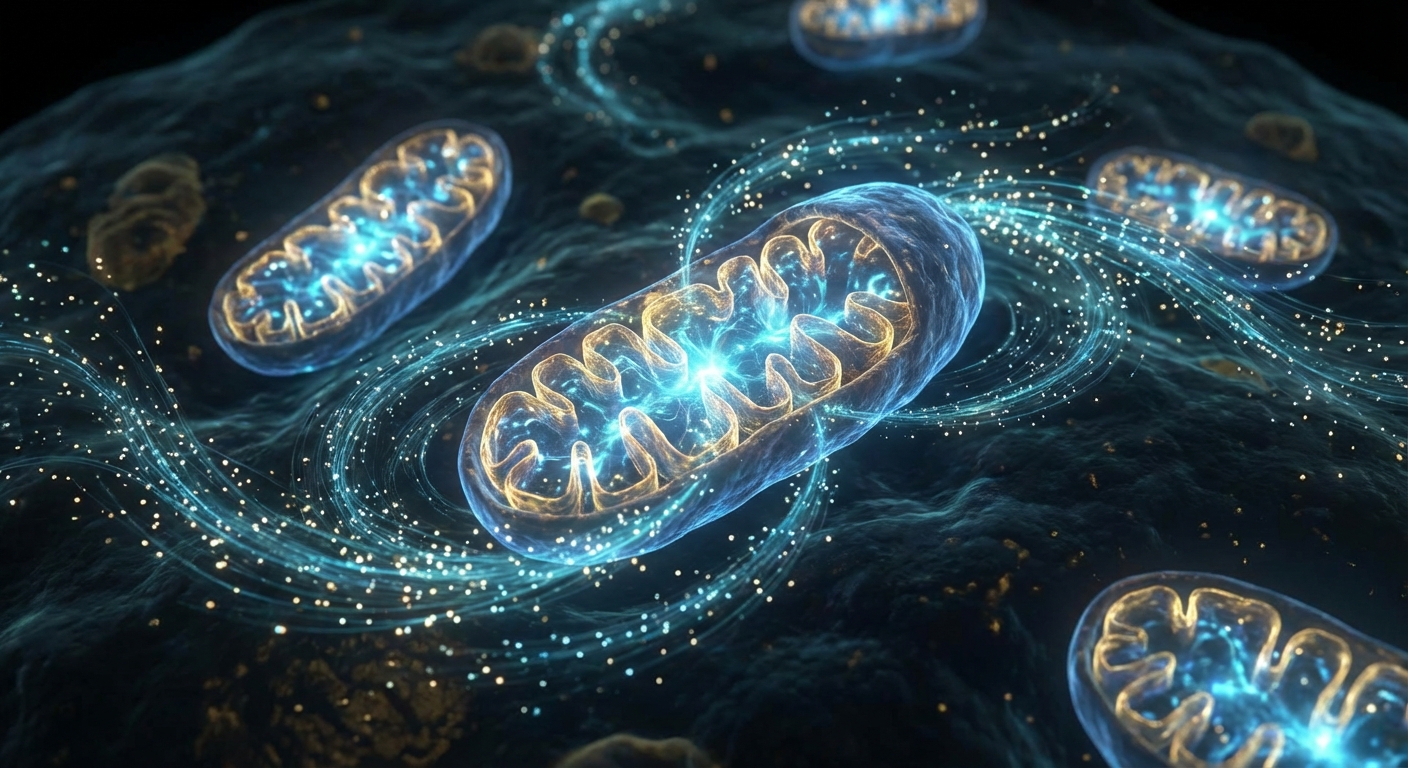
Mitochondrial health has emerged as one of the defining wellness trends of 2026, and unlike many health fads, this one has decades of research behind it. These tiny organelles, often described as the “powerhouses of the cell,” determine how efficiently your body converts food into usable energy. When they function well, you feel vibrant and resilient. When they decline, fatigue, brain fog, and accelerated aging follow.
The longevity research community has increasingly centered mitochondria as a key target for extending healthspan, the years of life spent in good health. Companies like Prenuvo are offering advanced health assessments that include markers of mitochondrial function. Supplement companies are racing to market products claiming to support cellular energy. Behind the commercial hype lies a genuine scientific insight: taking care of your mitochondria may be one of the most impactful things you can do for long-term health.
Understanding Mitochondria: Your Cellular Power Plants
Every cell in your body, with the exception of red blood cells, contains mitochondria. These double-membraned organelles are descendants of ancient bacteria that formed a symbiotic relationship with our cellular ancestors approximately two billion years ago. They retain their own DNA, separate from the nuclear DNA that defines most of your genetic identity, and they replicate independently within cells.
The primary function of mitochondria is producing adenosine triphosphate (ATP), the molecule that powers virtually every cellular process. Through a series of chemical reactions called oxidative phosphorylation, mitochondria extract energy from the food you eat and store it in the high-energy bonds of ATP. This process occurs along the inner mitochondrial membrane, where electron transport chains create an electrochemical gradient that drives ATP synthesis.
Your body produces roughly its own weight in ATP every day. The demand is staggering, and it varies dramatically by tissue. Heart muscle cells contain about 5,000 mitochondria each, reflecting the heart’s continuous energy demands. Brain neurons are similarly packed with these organelles. Skeletal muscle mitochondrial density varies with training status, a key reason why aerobic fitness affects daily energy levels.
Beyond energy production, mitochondria play critical roles in cellular signaling, calcium homeostasis, and programmed cell death. They’re involved in the synthesis of certain hormones and are key players in the body’s response to stress. When mitochondria sense danger signals, they can trigger apoptosis, the controlled demolition of damaged cells that prevents cancer development. This makes mitochondrial health relevant not just to energy but to disease prevention broadly.

The Mitochondrial Theory of Aging
Scientists have long observed that mitochondrial function declines with age. What’s become clearer in recent years is that this decline isn’t just a consequence of aging but may be a driver of it. The mitochondrial theory of aging proposes that accumulated damage to these organelles contributes significantly to the aging process and age-related diseases.
Mitochondria produce reactive oxygen species (ROS) as a byproduct of ATP synthesis. These free radicals can damage cellular components, including mitochondrial DNA itself. Because mitochondrial DNA lacks the robust repair mechanisms that protect nuclear DNA, mutations accumulate over time. Damaged mitochondria become less efficient at energy production and generate even more ROS, creating a vicious cycle of oxidative damage.
The decline in mitochondrial function affects tissues with high energy demands first. The brain and heart, dependent on continuous ATP supply, show functional declines that correlate with mitochondrial health markers. Muscle mass and strength decline partly because aging mitochondria can’t support the energy demands of maintaining and repairing muscle tissue. The fatigue, cognitive slowing, and reduced physical capacity associated with aging all have mitochondrial components.
Research published in Cell Metabolism has demonstrated that interventions improving mitochondrial function can reverse some aspects of aging in animal models. Mice with enhanced mitochondrial dynamics show improved muscle function, better cognitive performance, and extended lifespan compared to controls. While human aging is more complex, these findings suggest that mitochondrial health isn’t just a marker of aging but a modifiable target.
The connection between mitochondrial health and brain function deserves particular attention. Neurons are extraordinarily energy-dependent, using roughly 20% of the body’s ATP despite comprising only 2% of body weight. Mitochondrial dysfunction is implicated in neurodegenerative diseases including Alzheimer’s, Parkinson’s, and ALS. Supporting mitochondrial health throughout life may be one strategy for preserving cognitive function into old age.
What Damages Mitochondria
Understanding the threats to mitochondrial health reveals clear targets for intervention. While some damage accumulates inevitably with time, many of the factors that accelerate mitochondrial decline are within your control.
Chronic inflammation is a major driver of mitochondrial dysfunction. Inflammatory cytokines impair mitochondrial respiration and increase ROS production. The chronic low-grade inflammation associated with obesity, poor diet, and sedentary lifestyle creates an environment hostile to mitochondrial health. This connection helps explain why metabolic syndrome and accelerated aging so often travel together.

Environmental toxins pose underappreciated threats to mitochondria. Certain pesticides, heavy metals, and industrial chemicals specifically target mitochondrial function. Air pollution particles small enough to enter the bloodstream can accumulate in mitochondria and impair their function. While eliminating all environmental exposures is impossible, minimizing avoidable toxin contact supports cellular health.
Poor sleep directly impairs mitochondrial function. During sleep, cells undergo repair processes that include mitochondrial maintenance. Sleep deprivation increases oxidative stress and reduces the expression of genes involved in mitochondrial biogenesis, the creation of new mitochondria. Chronic sleep restriction creates a mitochondrial deficit that manifests as fatigue, cognitive impairment, and accelerated aging markers.
Sedentary behavior may be one of the greatest mitochondrial threats in modern life. Muscles that aren’t regularly challenged signal to mitochondria that their services aren’t needed, triggering mitophagy, the selective destruction of mitochondria. This is metabolically appropriate when demand is low but becomes problematic when inactivity persists. The couch-to-fatigue pipeline runs directly through declining mitochondrial capacity.
Excessive alcohol consumption damages mitochondria through multiple mechanisms. Alcohol metabolism generates acetaldehyde, a toxic compound that impairs mitochondrial DNA and proteins. Chronic drinking also depletes NAD+, a critical coenzyme in mitochondrial energy production. The fatigue and cognitive impairment associated with heavy drinking reflect, in part, mitochondrial dysfunction.
Exercise: The Master Mitochondrial Signal
If there’s a single intervention that most powerfully supports mitochondrial health, it’s exercise. Physical activity triggers a cascade of signals that increase mitochondrial number, improve their efficiency, and accelerate the removal of damaged organelles. The effect is so robust that exercise is sometimes called “mitochondrial medicine.”
Endurance exercise, particularly Zone 2 training, is especially effective at stimulating mitochondrial biogenesis. This moderate-intensity work, sustainable for extended periods, creates a sustained demand for ATP that signals cells to produce more mitochondria. The molecular trigger is activation of PGC-1alpha, a transcription factor that coordinates the expression of genes involved in mitochondrial production and function.
The mitochondrial benefits of exercise extend beyond simply making more organelles. Training improves mitochondrial efficiency, meaning each mitochondrion produces more ATP per unit of oxygen consumed. It enhances mitophagy, the quality control process that removes dysfunctional mitochondria before they cause problems. And it shifts the balance between mitochondrial fusion and fission in ways that support a healthy mitochondrial network.
High-intensity interval training offers complementary benefits. While Zone 2 work builds mitochondrial density, HIIT challenges mitochondria to work at maximum capacity, stimulating adaptations that improve their peak performance. The combination of steady-state endurance work and occasional high-intensity efforts may be optimal for comprehensive mitochondrial health.

Resistance training contributes to mitochondrial health through different mechanisms. While not as potent a stimulus for mitochondrial biogenesis as endurance work, strength training preserves muscle mass, which is itself a mitochondrial reservoir. Maintaining muscle through resistance training means maintaining the body’s mitochondrial capacity. For aging adults, this preservation becomes increasingly important.
The hormetic stress principle, where controlled stress triggers beneficial adaptations, applies directly to exercise and mitochondria. Each workout creates temporary oxidative stress and energy depletion that, during recovery, stimulates mitochondrial improvements. This is why recovery matters as much as training. Without adequate rest, the adaptive response can’t complete, and chronic stress replaces hormetic benefit.
Nutrition for Mitochondrial Support
What you eat directly influences mitochondrial function. Certain nutrients serve as cofactors in mitochondrial energy production, while dietary patterns either support or undermine the cellular environment mitochondria need to thrive.
Coenzyme Q10 (CoQ10) is essential for the electron transport chain. This molecule shuttles electrons between protein complexes in the inner mitochondrial membrane, enabling the proton gradient that drives ATP synthesis. CoQ10 levels decline with age, and supplementation has shown benefits for fatigue, heart function, and exercise performance in some studies. Food sources include organ meats, fatty fish, and whole grains, though supplementation may be necessary to achieve therapeutic levels.
NAD+ (nicotinamide adenine dinucleotide) is another critical mitochondrial molecule. It accepts electrons during glycolysis and the citric acid cycle, transferring them to the electron transport chain. NAD+ levels decline significantly with age, and this decline correlates with mitochondrial dysfunction. Precursors like nicotinamide riboside (NR) and nicotinamide mononucleotide (NMN) are being studied as potential interventions to restore NAD+ levels, though the evidence in humans remains preliminary.
B vitamins, particularly B1 (thiamin), B2 (riboflavin), B3 (niacin), and B5 (pantothenic acid), are cofactors in mitochondrial energy metabolism. Deficiency in any of these vitamins impairs ATP production. While frank deficiency is uncommon in developed countries, suboptimal intake may contribute to subtle energy deficits. A varied diet rich in whole grains, legumes, and animal products generally provides adequate B vitamins.
Magnesium participates in over 300 enzymatic reactions, many involving ATP. ATP actually exists in cells as a magnesium complex, making this mineral essential for energy transfer. Surveys suggest that a significant portion of the population consumes less than the recommended amount of magnesium. Good sources include nuts, seeds, leafy greens, and dark chocolate.
Dietary patterns that reduce inflammation support mitochondrial health indirectly. The Mediterranean diet, rich in olive oil, fatty fish, vegetables, and nuts, consistently shows associations with better markers of cellular health and longevity. Minimizing ultra-processed foods, which promote inflammation and oxidative stress, creates a more hospitable environment for mitochondria.
The Cold and Heat Connection
Temperature stress offers another avenue for mitochondrial enhancement. Both cold exposure and heat exposure trigger adaptations that improve mitochondrial function, though through different mechanisms.
Cold exposure activates brown adipose tissue, a specialized fat that burns calories to generate heat. Brown fat is extraordinarily rich in mitochondria, and cold exposure increases both the amount of brown fat and its mitochondrial density. Regular cold exposure may improve metabolic flexibility and cold tolerance while providing a mitochondrial stimulus. Practical applications range from cold showers to cold plunges, with even brief exposures triggering adaptive responses.
Heat exposure, particularly through sauna use, activates heat shock proteins that assist in protein folding and cellular repair. These proteins help maintain mitochondrial protein quality and support the stress response pathways that protect mitochondria from damage. Finnish sauna studies have shown associations between regular sauna use and reduced all-cause mortality, though the specific contribution of mitochondrial effects is unclear.
The concept of hormesis applies to both cold and heat exposure. Brief, controlled stress triggers protective adaptations, while excessive or chronic stress causes harm. The dose makes the poison, and the skill lies in finding the sweet spot where stress is challenging enough to trigger adaptation but not overwhelming enough to cause damage.
Practical Mitochondrial Optimization Protocol
Translating the science into action requires integrating multiple interventions into a sustainable lifestyle. No single supplement or practice will transform mitochondrial health, but the combination of sleep, exercise, nutrition, and stress management creates an environment where mitochondria thrive.
Sleep forms the foundation. During sleep, cells conduct the maintenance work that keeps mitochondria functioning well. Prioritizing 7-9 hours of quality sleep, maintaining consistent sleep timing, and optimizing the sleep environment all support cellular repair processes. For specific strategies, see our guide to sleep hygiene and circadian optimization.
Exercise should include both endurance and resistance components. Aim for at least 150 minutes of moderate-intensity aerobic exercise per week, with some of that time spent in Zone 2. Add two or more resistance training sessions to preserve muscle mass and its mitochondrial contents. The combination provides complementary stimuli for mitochondrial health.
Nutritional foundations matter more than specific supplements. A diet rich in vegetables, fruits, whole grains, legumes, fatty fish, nuts, and olive oil provides the micronutrients mitochondria need while minimizing inflammatory triggers. For those considering supplements, CoQ10 (100-200mg daily) and a B-complex are reasonable starting points, though individual needs vary.
Stress management directly affects mitochondrial health. Chronic psychological stress increases cortisol, promotes inflammation, and impairs mitochondrial function. Practices like meditation, breath work, time in nature, and social connection don’t just feel good. They create the low-stress environment where cellular repair can occur.
Temperature exposure can be added as an enhancement. Even cold showers lasting 30-60 seconds or weekly sauna sessions may provide hormetic benefits. Start conservatively and build tolerance gradually. These practices shouldn’t feel tortuous. If they do, you’re pushing too hard.
The Bottom Line
Mitochondrial health isn’t an abstract concept reserved for scientists. It’s a practical target with direct implications for how you feel every day and how well you age over decades. The fatigue, brain fog, and declining resilience that often accompany aging aren’t inevitable consequences of time. They’re partly consequences of mitochondrial decline, and mitochondrial decline is modifiable.
The interventions that support mitochondria aren’t exotic or expensive. Sleep, exercise, real food, and stress management. These foundational practices create the conditions for mitochondria to function well. Supplements and cold plunges can provide additional support, but they can’t substitute for the basics.
Perhaps most importantly, mitochondrial health connects energy in the present to health in the future. The same practices that help you feel more energetic today are building cellular resilience that may protect cognitive function, prevent disease, and extend healthspan decades from now. Your mitochondria are keeping score. Give them what they need.
Your Mitochondrial Action Steps:
- Prioritize sleep as the foundation of cellular repair (7-9 hours, consistent timing)
- Include Zone 2 cardio for mitochondrial biogenesis (150+ minutes weekly)
- Maintain muscle through regular resistance training (2+ sessions weekly)
- Eat for mitochondria with emphasis on whole foods, B vitamins, magnesium, and omega-3s
- Consider targeted supplements like CoQ10 (100-200mg) if energy is a concern
- Add hormetic stress through cold exposure or sauna if desired (start conservatively)
- Manage chronic stress through meditation, nature, or other restorative practices
Sources: Cell Metabolism mitochondrial aging research, Prenuvo 2026 health assessment protocols, PGC-1alpha and mitochondrial biogenesis studies, NAD+ decline research from Nature Aging, Finnish sauna and mortality studies from JAMA Internal Medicine.