
You spend most of your day avoiding discomfort. Climate-controlled homes, comfortable chairs, abundant food, and constant entertainment have created an environment of unprecedented ease. Yet despite this comfort, or perhaps because of it, chronic disease rates continue climbing, resilience seems to be declining, and people feel more fragile than ever. The paradox reveals a fundamental truth about human biology: we need stress to thrive.
“What doesn’t kill you makes you stronger” isn’t just a motivational platitude; it’s a biological principle called hormesis. This concept describes the beneficial adaptations that occur from exposure to low-dose stressors, a phenomenon where mild damage triggers overcompensation that leaves you more robust than before. Exercise damages muscle fibers, yet builds strength. Fasting deprives cells of fuel, yet improves metabolic health. Cold exposure stresses your cardiovascular system, yet enhances circulation. Heat challenges thermoregulation, yet improves stress tolerance.
Understanding hormesis transforms how we think about health optimization. The modern pursuit of constant comfort might be our biggest health mistake. Your body is an adaptive machine that requires challenge to maintain function. Without stress, systems degrade through disuse. With too much stress, they break under the load. But with the right amount, strategically applied with adequate recovery, they become anti-fragile, growing stronger from challenges that would have broken a weaker system.
The Science of Beneficial Stress
Hormesis operates through fundamental biological mechanisms that evolved over millions of years. When cells detect mild stress, they activate defensive pathways that not only handle the immediate challenge but prepare for future threats. This overcompensation is the key to hormetic benefits. Your body doesn’t just return to baseline after stress; it builds capacity beyond what existed before.
At the molecular level, hormetic stress triggers a cascade of protective responses. Heat shock proteins repair damaged proteins and protect against future heat stress. Antioxidant enzymes like superoxide dismutase and catalase increase to handle oxidative stress. Mitochondria multiply and become more efficient. DNA repair mechanisms activate. Autophagy, the cellular recycling process, accelerates to clear damaged components. These responses don’t just address the specific stressor; they improve overall cellular resilience.
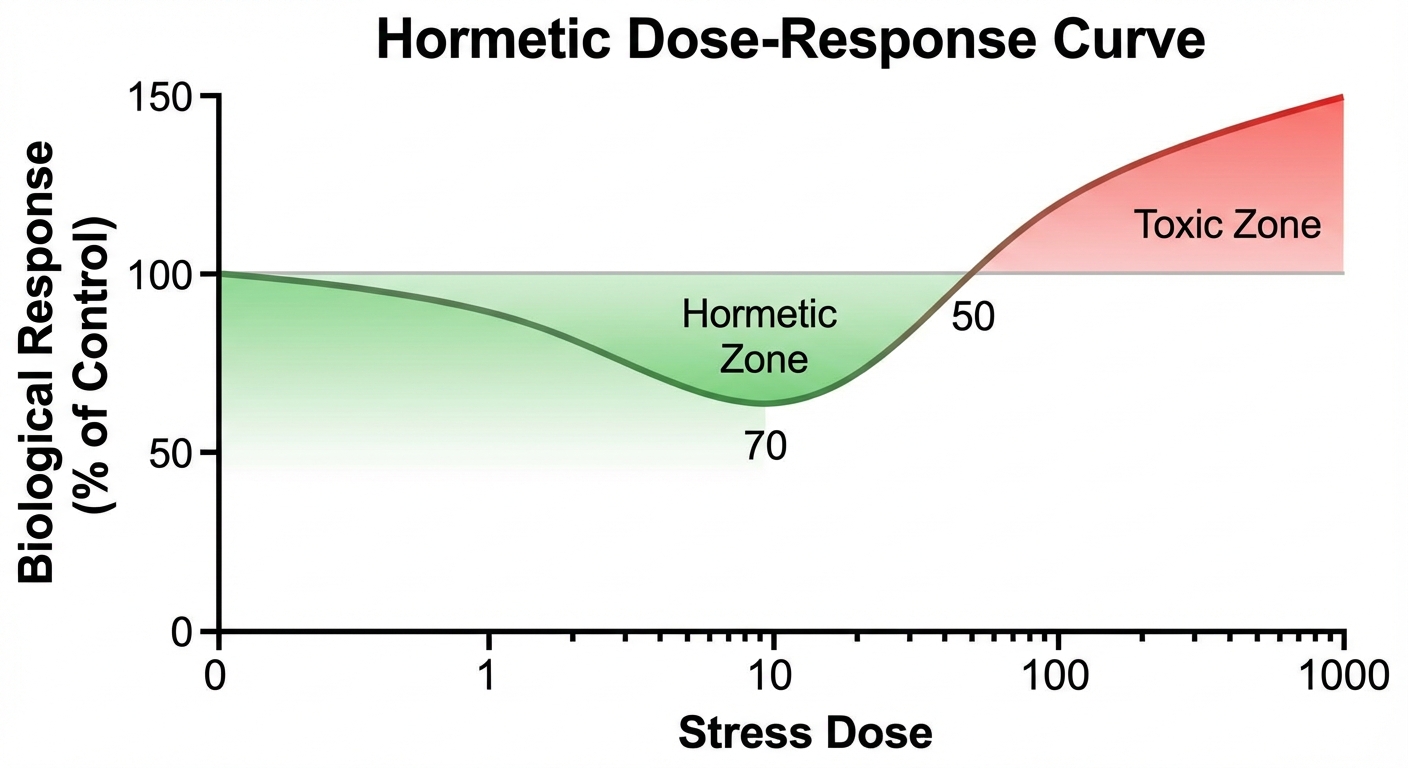
The dose-response curve for hormesis follows a distinctive pattern called the J-shaped or U-shaped curve. At zero stress, you maintain baseline function, but over time, lack of challenge leads to deconditioning. As stress increases within the hormetic zone, benefits accumulate. Your body responds by building stronger muscles, denser bones, more mitochondria, and better antioxidant defenses. But there’s a critical inflection point where stress overwhelms recovery capacity, shifting from beneficial to harmful.
Finding this sweet spot requires understanding both the magnitude and frequency of stress. A single intense stressor might be hormetic if followed by adequate recovery, while chronic low-grade stress without recovery periods can be more damaging than acute high stress. This explains why chronic work stress harms health while intense exercise improves it: one allows recovery, the other doesn’t.
Exercise: The Master Hormetic Stressor
Exercise represents the most studied and accessible form of hormetic stress. Every workout creates controlled damage: muscle fibers tear, energy stores deplete, oxidative stress increases, inflammation spikes, and stress hormones surge. Yet regular exercisers have lower inflammation, better stress resilience, and reduced disease risk. This paradox perfectly illustrates hormesis in action.
Resistance training exemplifies hormetic adaptation. Lifting weights causes mechanical damage to muscle fibers, creating micro-tears in the contractile proteins. This damage signals satellite cells to fuse with existing muscle fibers, adding nuclei and increasing protein synthesis capacity. The inflammatory response brings growth factors and immune cells that not only repair damage but strengthen the tissue. Studies show that markers of muscle damage like creatine kinase can increase 10-fold after intense training, yet regular lifters have lower baseline inflammation than sedentary individuals.
Cardiovascular exercise triggers different but equally important adaptations. Running, cycling, or swimming creates oxidative stress as mitochondria work overtime to produce energy. This acute oxidative stress upregulates the body’s endogenous antioxidant systems, particularly the Nrf2 pathway, which controls over 200 genes involved in cellular defense. Research from the Journal of Applied Physiology shows that trained athletes have 50% higher antioxidant enzyme activity than sedentary controls, protection that extends far beyond just handling exercise stress.
High-intensity interval training (HIIT) might be the most potent hormetic exercise protocol. The severe metabolic stress of repeated sprints triggers mitochondrial biogenesis through PGC-1α activation, literally growing new cellular power plants. A study in Cell Metabolism found that just six sessions of HIIT over two weeks increased mitochondrial capacity by 35% and improved insulin sensitivity by 23%. The brief but intense stress creates adaptations that hours of moderate exercise cannot match.
Thermal Stress: Fire and Ice for Resilience
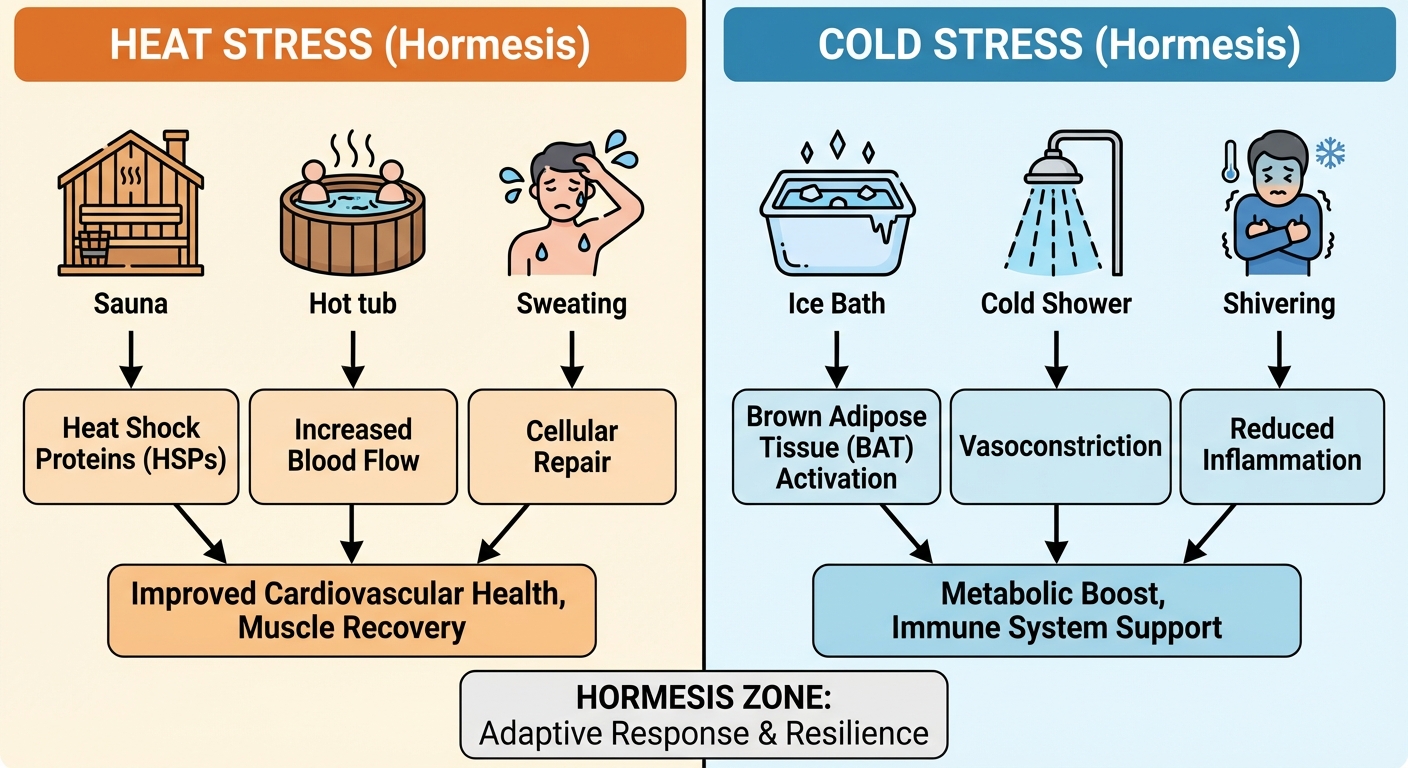
Temperature extremes represent another powerful hormetic pathway. Both heat and cold stress trigger protective adaptations that extend far beyond simple temperature tolerance. These thermal challenges activate ancient survival mechanisms that improve cardiovascular function, metabolic health, stress resilience, and possibly longevity.
Sauna use, particularly the Finnish tradition of regular hot sauna bathing, provides compelling evidence for heat hormesis. Sitting in an 80-100°C sauna raises core body temperature, increases heart rate to 100-150 beats per minute, and triggers profuse sweating. This controlled hyperthermia induces the production of heat shock proteins (HSPs), molecular chaperones that repair misfolded proteins and protect against various stressors. A landmark study following 2,315 Finnish men for 20 years found that those using saunas 4-7 times weekly had 40% lower all-cause mortality compared to once-weekly users.
The benefits of heat exposure extend beyond HSP production. Regular sauna use increases growth hormone levels, improves insulin sensitivity, enhances cardiovascular function, and may protect against neurodegenerative disease. Research from the University of Eastern Finland found that frequent sauna users had 65% lower risk of Alzheimer’s disease and 66% lower risk of dementia. The proposed mechanisms include improved cerebral blood flow, reduced inflammation, and increased brain-derived neurotrophic factor (BDNF).
Cold exposure works through different but complementary pathways. Ice baths, cold showers, and winter swimming trigger the sympathetic nervous system, releasing norepinephrine and activating brown adipose tissue. This metabolically active fat burns calories to generate heat, improving metabolic health and cold tolerance. Regular cold exposure has been shown to increase brown fat activity by up to 15-fold, potentially protecting against obesity and diabetes. For practical guidance on cold exposure protocols, our article on ice bath temperature and timing optimization provides evidence-based recommendations.
Metabolic Stress: The Power of Strategic Deprivation
Fasting and caloric restriction represent metabolic hormesis, where temporary nutrient deprivation triggers protective adaptations. This controlled stress shifts cells from growth mode to repair mode, activating pathways that clear damaged components, improve efficiency, and potentially extend lifespan.
Intermittent fasting creates regular cycles of metabolic stress and recovery. During the fasting period, glycogen stores deplete, forcing a metabolic switch to fat oxidation and ketone production. This metabolic flexibility improves insulin sensitivity and reduces inflammation. But the benefits extend far beyond simple calorie reduction. Fasting activates autophagy, the cellular recycling process that clears damaged proteins and organelles. This cellular cleanup is crucial for preventing neurodegenerative disease, cancer, and age-related decline.
Research on alternate-day fasting shows remarkable hormetic effects. Participants alternating between normal eating and 25% calorie days showed improved cardiovascular markers, reduced oxidative stress, and enhanced mitochondrial function. A study in Cell Metabolism found that fasting cycles reduced biomarkers of aging, diabetes, cancer, and cardiovascular disease in humans, effects that persisted even after resuming normal diet.
Time-restricted eating, where daily eating is confined to 6-10 hours, provides a sustainable form of metabolic hormesis. This pattern aligns eating with circadian rhythms while creating a daily fasting stress. Studies show improvements in blood pressure, insulin sensitivity, and oxidative stress markers even without calorie reduction. The key is the regular oscillation between fed and fasted states, allowing cellular repair processes to activate daily. For more on aligning eating patterns with your body’s clock, see our circadian fasting guide.
Phytochemicals: Eating Your Way to Resilience
Plants produce chemical defenses against predators, pathogens, and environmental stressors. When we consume these phytochemicals, they act as mild toxins that trigger our own defensive responses. This concept, called xenohormesis, suggests we can borrow the stress signals of plants to enhance our own resilience.
Polyphenols, found abundantly in colorful fruits and vegetables, exemplify phytochemical hormesis. Compounds like resveratrol in grapes, curcumin in turmeric, and quercetin in onions aren’t directly antioxidants as once thought. Instead, they create mild oxidative stress that activates the Nrf2 pathway, our master regulator of antioxidant defenses. This indirect mechanism explains why antioxidant supplements often fail while whole foods succeed: the mild stress is the medicine.
Sulforaphane from cruciferous vegetables provides a particularly potent hormetic signal. This compound, concentrated in broccoli sprouts, activates over 200 genes involved in cellular defense. Studies show that regular consumption increases glutathione production, enhances detoxification enzymes, and may reduce cancer risk by 30-40%. The key is that sulforaphane works not by directly neutralizing oxidants but by strengthening your body’s own defense systems.
Even the burn from hot peppers represents beneficial hormetic stress. Capsaicin activates TRPV1 receptors, triggering a stress response that includes endorphin release, increased metabolism, and enhanced thermogenesis. Regular consumption of spicy foods is associated with 14% lower all-cause mortality, potentially through these hormetic mechanisms. The temporary discomfort signals your body to upregulate protective pathways.
The Recovery Imperative: Why Rest Completes the Equation
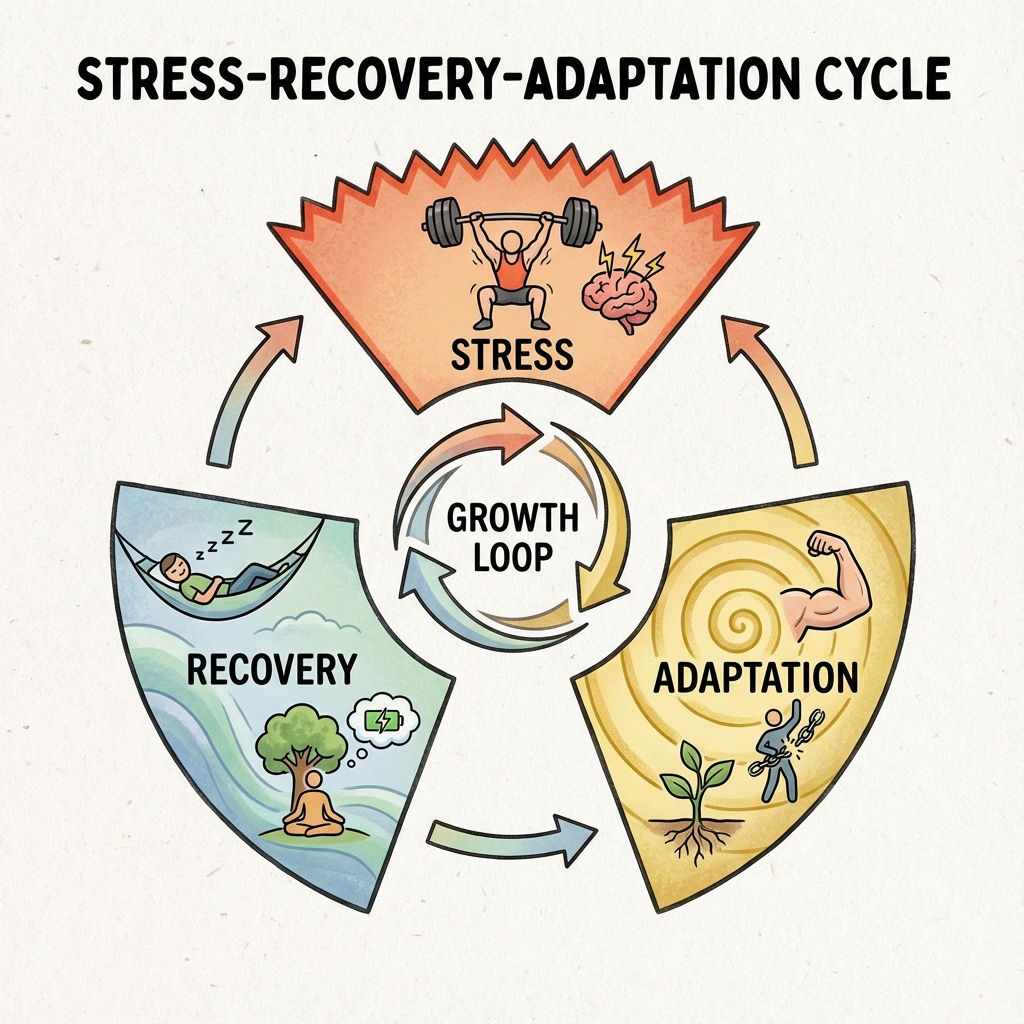
Hormesis fails catastrophically without recovery. The stress provides the stimulus, but adaptation happens during rest. If you stack high-intensity exercise, fasting, cold plunges, sauna sessions, and work stress without adequate recovery, you aren’t building resilience; you’re accumulating damage that will eventually manifest as burnout, illness, or injury.
Sleep represents the foundation of hormetic recovery. During deep sleep, growth hormone peaks, facilitating tissue repair and growth. The glymphatic system, your brain’s waste clearance mechanism, activates primarily during sleep, removing metabolic byproducts including amyloid beta. Sleep deprivation blocks these recovery processes, converting potentially beneficial stress into harmful overload. Studies show that sleeping less than 6 hours negates many exercise benefits and amplifies stress hormone production.
Nutrition provides the raw materials for adaptation. Post-exercise protein synthesis requires adequate amino acids. Mitochondrial biogenesis needs B vitamins and minerals. Antioxidant enzyme production demands trace elements like zinc and selenium. Strategic nutrition timing, such as protein intake within the post-workout window and carbohydrate replenishment after intense training, optimizes hormetic adaptations.
Active recovery enhances adaptation better than complete rest. Light movement, yoga, or walking on rest days improves circulation, reduces muscle soreness, and maintains mobility without adding significant stress. This “movement without strain” approach keeps recovery processes active while allowing supercompensation to occur.
Practical Application: Building Your Hormetic Practice
Implementing hormesis requires systematic progression, not random stress application. Start with one stressor, establish consistency, then gradually add complexity. This approach prevents overwhelming your recovery capacity while building sustainable habits.
Begin with exercise if you’re currently sedentary. Start with 20-30 minutes of moderate activity three times weekly, focusing on consistency over intensity. After 4-6 weeks, add intensity through intervals or resistance training. The key is progressive overload: gradually increasing demands as your capacity improves. Track metrics like resting heart rate, HRV, and subjective energy to ensure you’re adapting, not just accumulating fatigue.
Introduce thermal stress once exercise habits are established. Start with contrast showers: 30 seconds cold at the end of your regular shower, building to 2-3 minutes over weeks. For heat exposure, begin with 10-15 minute sauna sessions at moderate temperature (60-70°C), progressing to higher temperatures and longer durations as tolerance builds. Always listen to your body and never push through dizziness or severe discomfort.
Metabolic stress through fasting should begin conservatively. Start with 12-hour overnight fasts, extending to 14-16 hours as comfortable. Time-restricted eating provides daily hormetic stress without the challenge of longer fasts. For those interested in extended fasting, build gradually from 24 to 36 to 48 hours, always under appropriate supervision if you have health conditions.
Layer stressors strategically rather than simultaneously. Exercise fasted for combined metabolic and physical stress. Follow workouts with cold exposure to amplify anti-inflammatory adaptations. Use sauna on rest days to maintain hormetic signaling without mechanical stress. This rotation ensures constant adaptation stimulus while allowing system-specific recovery.
The Bottom Line
Your body is an adaptive machine designed to grow stronger from challenge. Modern comfort has removed the stressors that maintained our ancestors’ resilience, contributing to an epidemic of fragility and chronic disease. Hormesis offers a solution: strategic stress application that builds capacity rather than causing damage.
The key is understanding that stress plus recovery equals growth, while stress without recovery equals breakdown. Exercise, temperature extremes, fasting, and phytochemicals provide controllable stressors that trigger beneficial adaptations when properly applied. Start conservatively, progress gradually, prioritize recovery, and listen to your body’s signals.
Hormesis isn’t about suffering or pushing through pain. It’s about intelligent challenge application that respects your body’s adaptive capacity. Seek discomfort strategically, recover aggressively, and watch as challenges that once seemed insurmountable become routine. This is the path to anti-fragility: becoming someone who doesn’t just survive stress but thrives on it.
Your Hormesis Starter Protocol:
- Establish consistent exercise: 3x weekly, 30 min moderate intensity, progress over 6 weeks
- Add contrast showers: end with 30 seconds cold, build to 2-3 minutes over weeks
- Implement 12-hour overnight fasting minimum, extend to 14-16 hours as comfortable
- Include colorful vegetables daily for phytochemical hormesis
- Prioritize 7-8 hours sleep as non-negotiable recovery foundation
- Track HRV and energy levels to monitor adaptation vs overload
Sources: Cell Metabolism fasting and mitochondria studies, Journal of Applied Physiology exercise adaptation research, University of Eastern Finland 20-year sauna study, Cambridge Winter Swimming cold shock protein research, Nrf2 pathway and xenohormesis literature, Finnish Kuopio Ischemic Heart Disease Risk Factor Study.