
Before the pandemic, getting a prescription for a controlled medication required sitting in a doctor’s office. You booked an appointment weeks in advance, drove to the clinic, waited in the lobby, spent 15 minutes with a physician, then drove to the pharmacy. For someone with a chronic condition managed by ongoing prescriptions, this ritual repeated every one to three months. For rural patients, the drive could mean a three-hour round trip and a half-day off work. For patients with mobility limitations, the office visit itself was the barrier.
The COVID-19 emergency changed this overnight. Emergency waivers allowed physicians to prescribe controlled substances through video visits without ever seeing the patient in person. Five years later, those flexibilities have been extended for the fourth time. On December 31, 2025, the Drug Enforcement Administration (DEA) and the Department of Health and Human Services (HHS) jointly issued a fourth temporary extension of telemedicine prescribing flexibilities, effective through December 31, 2026. This means DEA-registered practitioners can continue prescribing Schedule II through V controlled medications via audio-video telemedicine encounters without requiring a prior in-person visit.
This extension is not merely a bureaucratic footnote. It determines whether millions of Americans can access medications for ADHD, anxiety, chronic pain, opioid use disorder, and other conditions through the platform they have come to depend on, or whether they face a sudden requirement to appear in person that many cannot practically meet.
What the DEA Extension Actually Allows
The specific regulatory details matter because they define the boundaries of what telemedicine can and cannot do for your healthcare in 2026.
Under the extension, any DEA-registered practitioner (physician, nurse practitioner, physician assistant, or other qualified prescriber) may prescribe Schedule II through V controlled substances via an audio-video telemedicine encounter. This includes medications like Adderall and Ritalin (Schedule II stimulants for ADHD), Xanax and Valium (Schedule IV benzodiazepines for anxiety), Ambien (Schedule IV for insomnia), and testosterone (Schedule III). The prescriber must hold a valid DEA registration and the prescription must be issued for a legitimate medical purpose in compliance with both federal and state law.
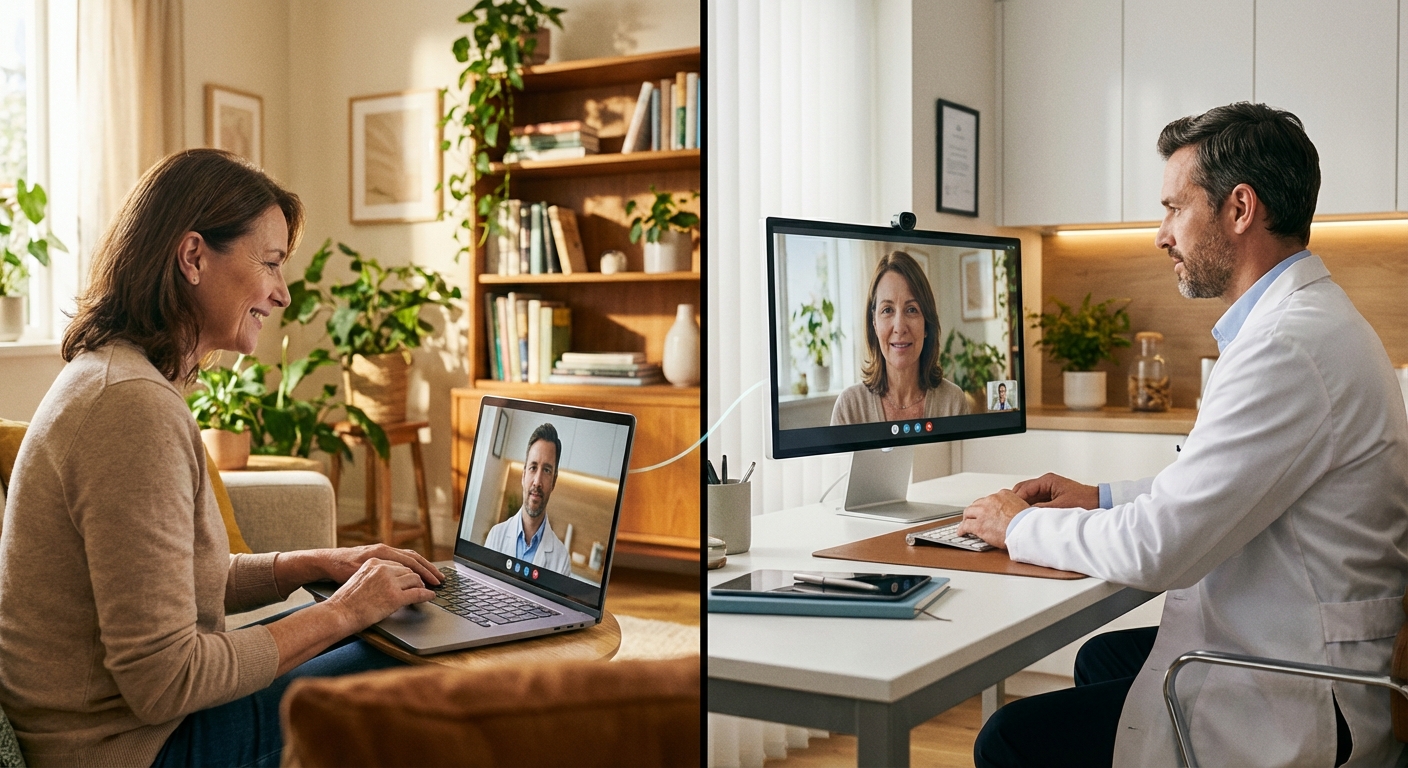
A critical provision concerns opioid use disorder (OUD) treatment. Schedule III through V narcotic controlled medications approved by the FDA for maintenance and withdrawal management of OUD, primarily buprenorphine (Suboxone), can be prescribed via audio-only telemedicine encounters. This recognizes that many patients seeking addiction treatment lack reliable internet access or video-capable devices but do have phone access. Removing the video requirement for this specific population addresses a genuine access barrier for one of the most underserved patient groups.
The extension does not create new prescribing categories or relax the medical standards for controlled substance prescriptions. All existing requirements remain in place: prescriptions must serve legitimate medical purposes, practitioners must exercise sound clinical judgment, and standard prescribing guidelines for each medication class still apply. The extension changes the allowed modality (telemedicine rather than in-person) while maintaining the clinical and legal standards.
State laws add a layer of complexity. While the federal extension permits telemedicine prescribing nationally, individual states may impose additional requirements. Some states require an initial in-person visit before telemedicine follow-ups. Others restrict prescribing of certain controlled substances via telemedicine regardless of federal allowances. Patients should verify their specific state’s telemedicine rules, which are available through state medical board websites or through the Center for Connected Health Policy’s state telehealth policy tracker.
Who Benefits Most From Telemedicine Access
The populations that gain the most from telemedicine access are precisely those who faced the highest barriers under traditional in-person requirements.
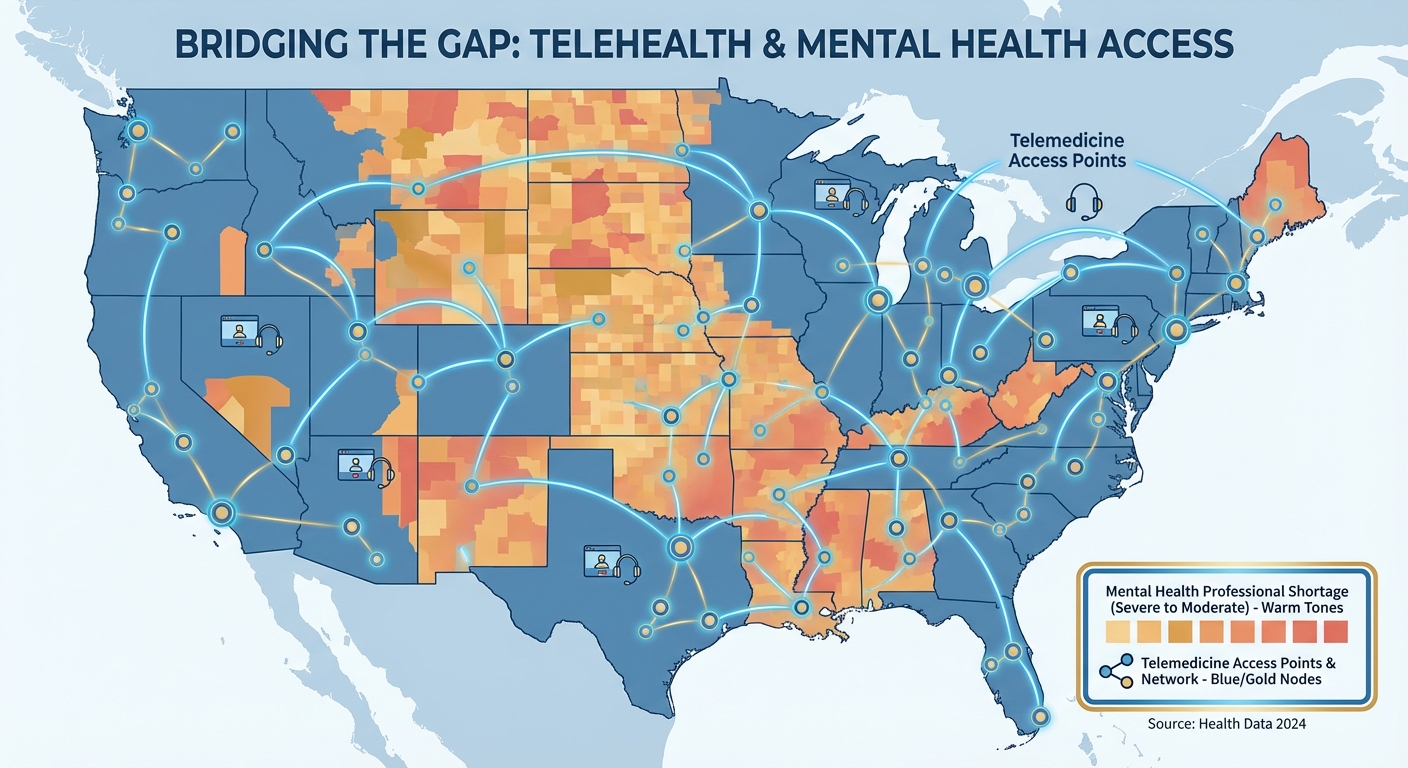
Rural patients represent the clearest beneficiary group. Over 60 million Americans live in rural areas, where specialist access is limited and primary care providers are stretched thin. A 2024 report from the Health Resources and Services Administration (HRSA) found that 80% of rural counties in the United States are classified as mental health professional shortage areas. For a patient in rural Wyoming needing psychiatric medication management, the nearest psychiatrist may be 100 miles away. Telemedicine eliminates the geographic barrier entirely, converting what was a day-long ordeal into a 20-minute appointment from home.
Elderly and mobility-limited patients benefit from removing the physical logistics of office visits. Navigating transportation, parking, building access, and waiting rooms presents genuine barriers for people with chronic pain, wheelchair dependence, or conditions that make travel difficult. The Veterans Administration, one of the largest telemedicine providers in the country, reported in 2024 that veteran telehealth utilization remained at roughly 40% of all outpatient encounters, with highest adoption among patients with mobility limitations and those living in rural areas.
Patients managing mental health conditions gain particular advantage. Depression, anxiety, PTSD, and other psychiatric conditions can make leaving home, navigating social situations, and maintaining appointment schedules exceptionally difficult. The paradox of traditional psychiatric care is that the conditions being treated are often the same conditions that prevent patients from accessing treatment. Telemedicine removes several of these barriers simultaneously.
Working adults without schedule flexibility benefit from reduced time costs. A typical in-person specialist visit consumes 2-4 hours when accounting for travel, waiting, the appointment, and pharmacy time. A telemedicine visit takes 15-30 minutes and requires no travel or waiting. For hourly workers who lose wages for medical appointments, the time savings have direct financial implications.
The Telemedicine Mental Health Landscape in 2026
Mental health has become the dominant use case for telemedicine, and the 2026 prescribing extension ensures this continues. Several platforms and service models have matured into substantive healthcare delivery systems rather than the makeshift alternatives they represented in 2020.
Established telehealth platforms (Teladoc, MDLive, Amwell) provide general telemedicine services including psychiatric care. These platforms connect patients with board-certified psychiatrists and psychiatric nurse practitioners who can evaluate, diagnose, and prescribe medications including controlled substances. Most accept major insurance plans, with copays comparable to in-person visits.
Specialized mental health platforms (Cerebral, Done, Talkiatry) focus specifically on psychiatric medication management and therapy. These services have faced scrutiny: the DEA investigated several platforms for prescribing practices in 2022-2023, leading to tightened internal protocols. The surviving platforms have generally implemented more rigorous evaluation processes, including standardized diagnostic assessments and follow-up scheduling requirements that align with prescribing guidelines.
Therapy-focused platforms (BetterHelp, Talkspace) provide counseling through text, audio, and video but generally do not prescribe medications. These complement medication management services for patients who benefit from combined therapy and pharmacology, the most effective treatment model for many mental health conditions.
The quality concern is real and deserves attention. Not all telemedicine providers are equivalent. A thorough initial evaluation, whether in person or virtual, should include a comprehensive medical and psychiatric history, screening for substance use, discussion of previous treatments, and clear treatment goals. Providers who prescribe controlled substances after brief, perfunctory evaluations are not practicing good medicine regardless of modality. Patients should expect their telemedicine provider to conduct an evaluation that feels substantive, not rushed.
Telemedicine for Chronic Condition Management
Beyond mental health, telemedicine has demonstrated particular value for ongoing management of chronic conditions that require regular monitoring and medication adjustments.
ADHD management has become one of the largest telemedicine medication categories. The diagnosis process ideally includes standardized rating scales (like the ASRS for adults), clinical interview, review of childhood and academic history, and screening for comorbid conditions. Follow-up appointments for medication titration and monitoring can be effectively conducted via video. The key is that the initial evaluation is thorough enough to establish a valid diagnosis, which responsible telemedicine platforms now enforce through structured evaluation protocols.
Chronic pain management via telemedicine presents both opportunities and challenges. Non-opioid controlled substances (gabapentin, pregabalin, muscle relaxants) and comprehensive pain management strategies can be effectively discussed and prescribed through telemedicine. Opioid prescribing via telemedicine remains more restricted in many states and requires careful clinical judgment regarding diversion risk and ongoing monitoring.
Hormone therapy, including testosterone replacement for hypogonadism, has expanded significantly through telemedicine platforms. Services like Hone Health and others provide at-home blood testing kits, video consultations with physicians, and shipped medications. The model works well for testosterone therapy because management primarily involves periodic blood work and symptom assessment, both of which can be conducted remotely.
GLP-1 medication prescribing through telemedicine has exploded. Platforms offering telemedicine prescriptions for semaglutide (Wegovy/Ozempic) and tirzepatide (Mounjaro/Zepbound) for weight management have proliferated. The medical appropriateness of these prescriptions depends on proper patient screening (BMI criteria, comorbidity assessment, contraindication screening), which responsible platforms conduct through structured evaluations. However, the rapid commercialization of GLP-1 telemedicine has raised concerns about inadequate evaluation and monitoring by some providers.
How to Use Telemedicine Effectively
Telemedicine works best when patients approach it as an active participant rather than a passive recipient of care. Several practices improve the quality of care you receive through virtual visits.
Prepare as thoroughly as you would for an in-person visit. Write down your symptoms, questions, and medication history before the appointment. Have your current medications visible or listed. Telemedicine visits tend to be shorter than in-person appointments, so preparation ensures you cover everything important.
Choose your environment carefully. Find a private, quiet space with stable internet connection and adequate lighting. Your provider needs to see you clearly for visual assessment (skin conditions, affect, general appearance). Background noise and interruptions reduce the quality of the clinical encounter for both parties.
Request your records be shared. If you are seeing a new telemedicine provider, ensure your medical records from previous providers are transferred. Telemedicine providers making prescribing decisions benefit from complete medical history just as in-person providers do. Fragmented care, where multiple providers make decisions without access to each other’s notes, increases medication interaction risk.
Verify credentials and platform legitimacy. Confirm that your telemedicine provider holds an active medical license in your state and appropriate DEA registration. Legitimate platforms display provider credentials and have verifiable complaint resolution processes. The Federation of State Medical Boards provides a free physician verification tool.
Understand the limitations. Telemedicine cannot replace all in-person care. Physical examinations, certain diagnostic tests, procedures, and emergencies require in-person settings. If your provider recommends an in-person visit, take the recommendation seriously. Good telemedicine providers recognize the modality’s boundaries.
The Path Toward Permanent Rules

The fourth temporary extension through 2026 is exactly that: temporary. The DEA and HHS are using this time to develop permanent telemedicine prescribing regulations, including the proposed Special Registration for Telemedicine, which would establish standardized requirements for prescribing controlled substances via telehealth.
The permanent regulations, when finalized, will likely create a structured framework that balances access with safety. Expected elements include requirements for specific clinical evaluations before controlled substance prescribing, limitations on initial prescription quantities before follow-up, and standards for technology platforms used to conduct telemedicine encounters. The goal is a sustainable regulatory structure that preserves the access benefits demonstrated during the pandemic-era flexibilities while incorporating safeguards against inappropriate prescribing.
Patient advocacy organizations, including the American Telemedicine Association and the National Rural Health Association, have lobbied strongly for permanent flexibilities, arguing that the evidence from five years of expanded telemedicine access demonstrates safety and efficacy comparable to in-person prescribing for most medication categories. Their position is supported by data: a 2024 analysis published in JAMA Network Open found no significant difference in opioid-related adverse events between patients receiving prescriptions through telemedicine versus in-person encounters.
The American Medical Association has taken a more cautious position, supporting telemedicine access while emphasizing the importance of clinical standards and appropriate technology infrastructure. Their concern centers on ensuring that permanent regulations do not create loopholes that enable prescription mills or facilitate inappropriate prescribing, both of which occurred on some early platforms before regulatory scrutiny increased.
For patients who currently depend on telemedicine for medication access, the practical implication is continued stability through 2026. The flexibilities you rely on will remain in place. Beyond 2026, permanent regulations will likely maintain most current access while adding structural requirements that may vary by medication category and state.
Your Action Plan
Telemedicine prescribing flexibilities represent one of the most consequential healthcare policy changes of the past decade. For millions of Americans, they transformed healthcare access from theoretical availability to practical reality. Understanding the current rules helps you take full advantage of available services while the window remains open.
If you currently use telemedicine for prescriptions:
- Confirm your provider’s DEA registration is current for 2026
- Verify your state’s specific telemedicine prescribing rules (some states have additional requirements)
- Maintain continuity with your current provider when possible, as established patient relationships support better care
- Keep records of all telemedicine encounters for continuity purposes
If you have been considering telemedicine:
- Research platform options: compare established telehealth services (Teladoc, MDLive, Amwell) and condition-specific platforms
- Check insurance coverage: most major insurers cover telemedicine visits, often at the same copay as in-person
- Start with a condition where telemedicine is well-established: mental health medication management, chronic condition monitoring, or preventive care
- Expect a thorough initial evaluation, and be wary of providers who prescribe without one
For chronic condition management:
- Work with your telemedicine provider to establish a regular monitoring schedule
- Use home health tools (wearables, blood pressure monitors, glucose meters) to provide data for remote monitoring
- Maintain communication with your primary care physician about all telemedicine prescriptions
- Use pharmacy delivery services to complete the remote care loop
The extension through 2026 is a bridge, not a destination. The healthcare system is moving toward permanent integration of telemedicine into standard practice. Patients who learn to use telemedicine effectively now are building skills and provider relationships that will serve them regardless of how the permanent regulations ultimately take shape.
The information in this article describes current federal telemedicine policy as of February 2026. State laws vary and may impose additional requirements. Consult your healthcare provider and verify your state’s specific regulations before relying on telemedicine for prescription medications.
Sources
- U.S. Department of Health and Human Services. “HHS & DEA Extend Telemedicine Flexibilities for Prescribing Controlled Medications Through 2026.” December 2025.
- Drug Enforcement Administration. “DEA Extends Telemedicine Flexibilities to Ensure Continued Access to Care.” December 2025.
- Federal Register. “Fourth Temporary Extension of COVID-19 Telemedicine Flexibilities for Prescription of Controlled Medications.” December 2025.
- American Association of Nurse Practitioners. “DEA Announces Teleprescribing Flexibility Extension Through 2026.” 2025.