Your hands are shaking slightly as you read the morning news. Your jaw is clenched, though you have not noticed. Your breathing is shallow, pulled up into the chest rather than expanding through the diaphragm. You slept seven hours but woke exhausted, as if your body ran a marathon overnight. None of this registers as unusual because it has been your baseline for months, maybe years. This is what a dysregulated nervous system feels like from the inside: not dramatic panic, but a persistent low hum of activation that never fully resolves.
The Global Wellness Summit identified nervous system regulation as one of the defining wellness trends of 2026, and the reasoning goes beyond trend forecasting. Chronic nervous system activation sits upstream of the conditions that drive the most healthcare spending: cardiovascular disease, metabolic syndrome, anxiety, depression, autoimmune disorders, and chronic pain. When the autonomic nervous system stays locked in a sympathetic (fight-or-flight) state, every downstream system suffers. The emerging field of neurowellness focuses not on treating those downstream effects individually but on addressing the regulatory dysfunction that feeds them all.
This is not another meditation pitch. The science of nervous system regulation encompasses measurable physiological pathways, validated assessment tools, and interventions ranging from simple breathing techniques to FDA-cleared neurostimulation devices. Understanding what is actually happening in your nervous system, and why, transforms vague advice about “managing stress” into specific, testable protocols.
The Autonomic Nervous System: A Primer on Your Body’s Operating System
Your autonomic nervous system (ANS) operates continuously beneath conscious awareness, controlling heart rate, breathing, digestion, immune function, and hormonal release. It has two primary branches that function in dynamic balance: the sympathetic nervous system (SNS), which mobilizes energy for action, and the parasympathetic nervous system (PNS), which promotes rest, repair, and recovery.
The sympathetic branch activates when you perceive threat or challenge. Heart rate increases. Blood pressure rises. Breathing quickens. Digestion slows. Blood flow redirects from the gut to skeletal muscles. Cortisol and adrenaline flood the system. This is an entirely appropriate response to genuine danger or intense physical demands. The problem begins when this activation becomes the default state rather than a temporary response.
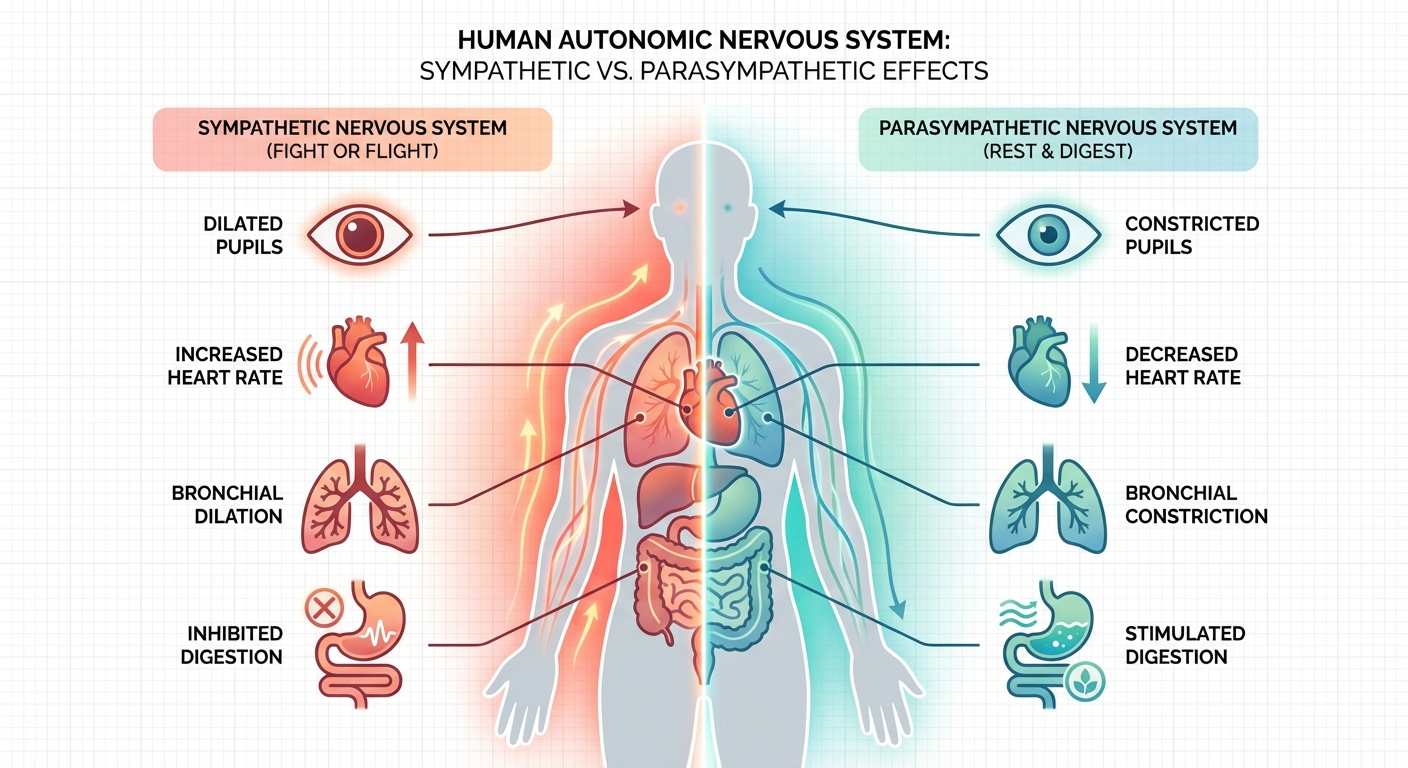
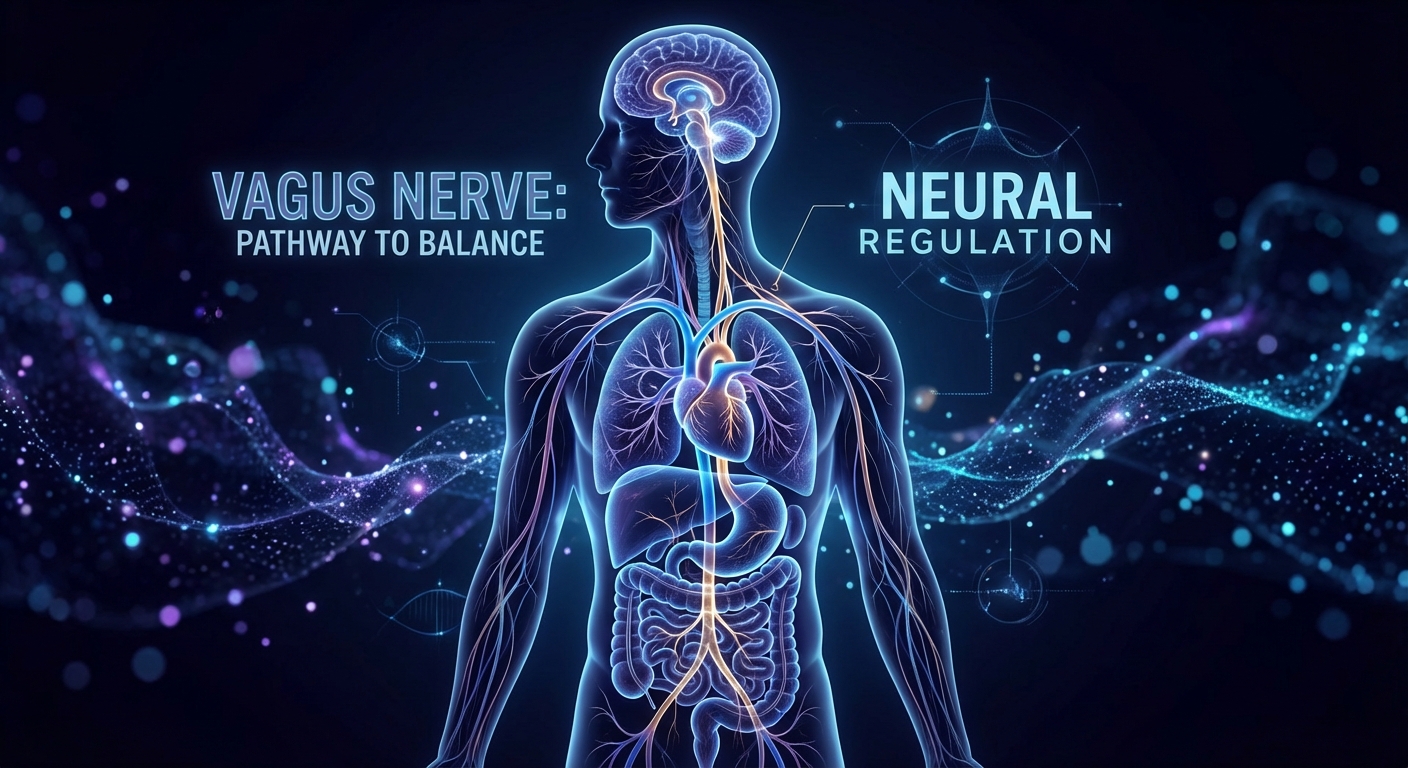
The parasympathetic branch, dominated by the vagus nerve (the longest cranial nerve, running from the brainstem through the chest and abdomen), governs the recovery side. When the PNS is active, heart rate slows, digestion activates, inflammation decreases, and tissue repair accelerates. Deep sleep, creative thinking, social bonding, and immune function all depend on adequate parasympathetic tone.
Dr. Stephen Porges, a neuroscientist at Indiana University and the developer of Polyvagal Theory, has spent decades mapping how the vagus nerve mediates not just physiological states but social behavior and emotional regulation. His research demonstrates that the ventral vagal complex (the newest evolutionary branch of the vagus nerve) enables the “social engagement system,” the calm, connected state that allows humans to communicate, cooperate, and feel safe. When the nervous system detects danger (real or perceived), this social engagement system goes offline, and older defensive circuits take over.
Why Modern Life Creates Chronic Activation
The autonomic nervous system evolved to toggle between activation and recovery in response to discrete threats. A predator appears; the sympathetic system fires. The predator leaves; the parasympathetic system restores equilibrium. The cycle completes. In modern life, the cycle rarely completes.
Digital notifications create micro-activations throughout the day. Each ping, alert, or headline triggers a small sympathetic response. Individually, these are trivial. Cumulatively, over the 96 times the average American checks their phone daily, they maintain a persistent baseline of activation. The nervous system never receives a clear “safety” signal because stimuli keep arriving.
Work culture compounds the pattern. The boundary between work and rest has dissolved for knowledge workers, with email accessible at all hours and performance metrics creating chronic low-grade threat perception. A 2024 study published in Psychoneuroendocrinology found that employees with high perceived job insecurity showed chronically elevated evening cortisol levels and suppressed heart rate variability, both markers of sustained sympathetic dominance, even on weekends.
Sleep disruption creates a vicious cycle. The sympathetic activation that prevents restful sleep is worsened by the poor sleep it causes. Research from the University of California, Berkeley, published in Nature Human Behaviour demonstrated that sleep deprivation amplifies amygdala reactivity (the brain’s threat detection center) by roughly 60%, making sleep-deprived individuals perceive neutral stimuli as threatening. This heightened threat perception further activates the sympathetic system, which further disrupts sleep. Breaking this cycle requires intervening at the nervous system level, not just improving sleep hygiene habits.
Artificial light exposure, particularly blue-spectrum light from screens after sunset, suppresses melatonin production and signals daytime wakefulness to the suprachiasmatic nucleus (the brain’s master circadian clock). This circadian disruption compounds autonomic dysregulation by preventing the natural shift toward parasympathetic dominance that should occur in evening hours.
Measuring Your Nervous System State
Heart rate variability (HRV) has become the primary accessible metric for autonomic nervous system balance. HRV measures the variation in time between successive heartbeats and reflects the dynamic interplay between sympathetic and parasympathetic input to the heart.
Higher HRV generally indicates stronger parasympathetic tone and greater autonomic flexibility, meaning your system can shift effectively between activation and recovery. Lower HRV suggests sympathetic dominance and reduced regulatory capacity. HRV correlates with cardiovascular health, emotional regulation, stress resilience, and even all-cause mortality risk.
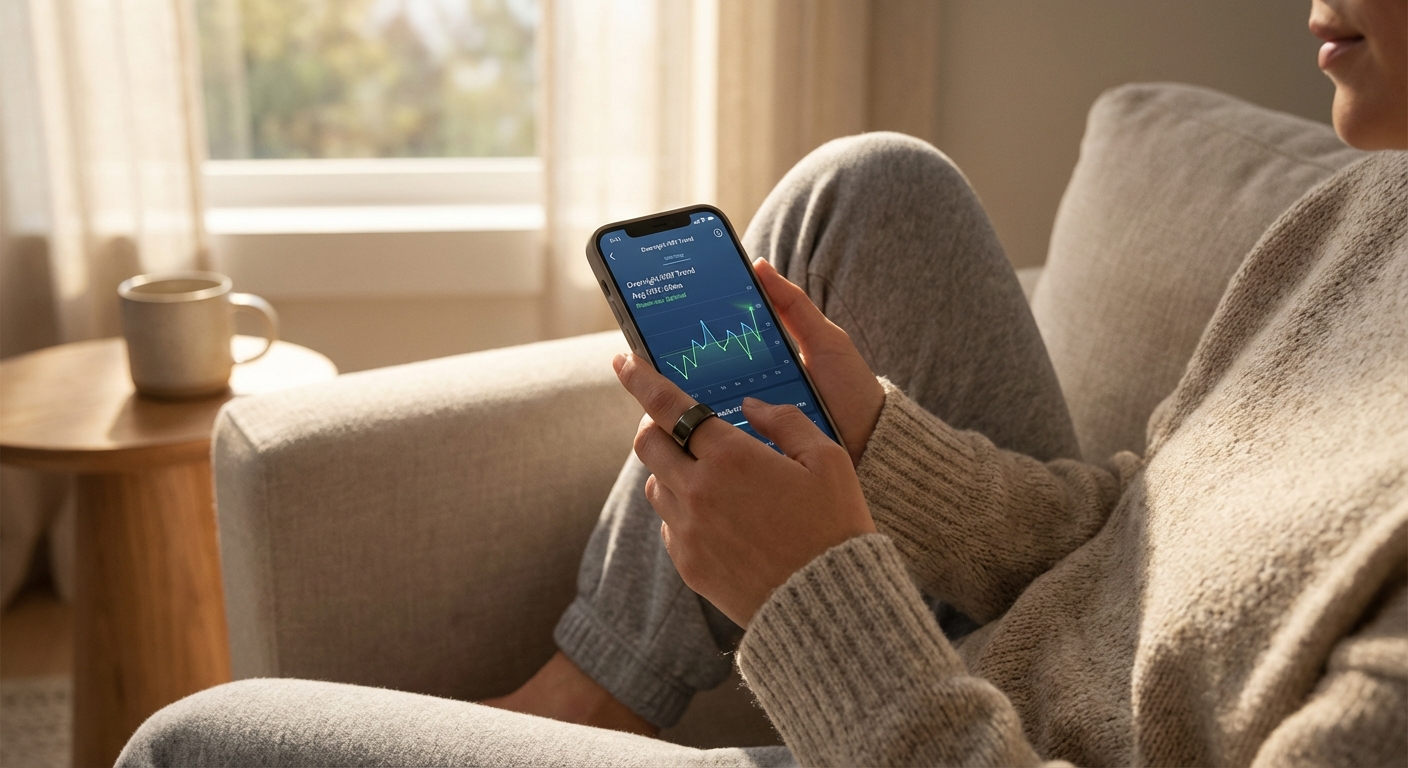
Consumer wearables like the Oura Ring, WHOOP strap, and Apple Watch now provide overnight HRV tracking with reasonable accuracy. The RMSSD metric (root mean square of successive differences) captured during sleep provides the most consistent HRV reading, as daytime measurements are confounded by activity, posture, and caffeine. Tracking HRV trends over weeks and months reveals patterns tied to training load, stress levels, sleep quality, and recovery, offering a window into nervous system regulation that was previously available only in clinical settings.
A useful framework: your HRV baseline is less important than your trends. Some people naturally have HRV values of 20 milliseconds; others sit at 80 or above. What matters is whether your personal trend is stable, improving, or declining. A sustained decline in overnight HRV signals accumulated stress, overtraining, or illness, and warrants adjustment before symptoms fully manifest.
The Vagus Nerve: Your Built-In Regulation Tool
The vagus nerve is the primary parasympathetic pathway, and it is directly trainable. Unlike most autonomic functions, vagal tone responds to specific inputs you can control, making it the primary target for nervous system regulation practices.
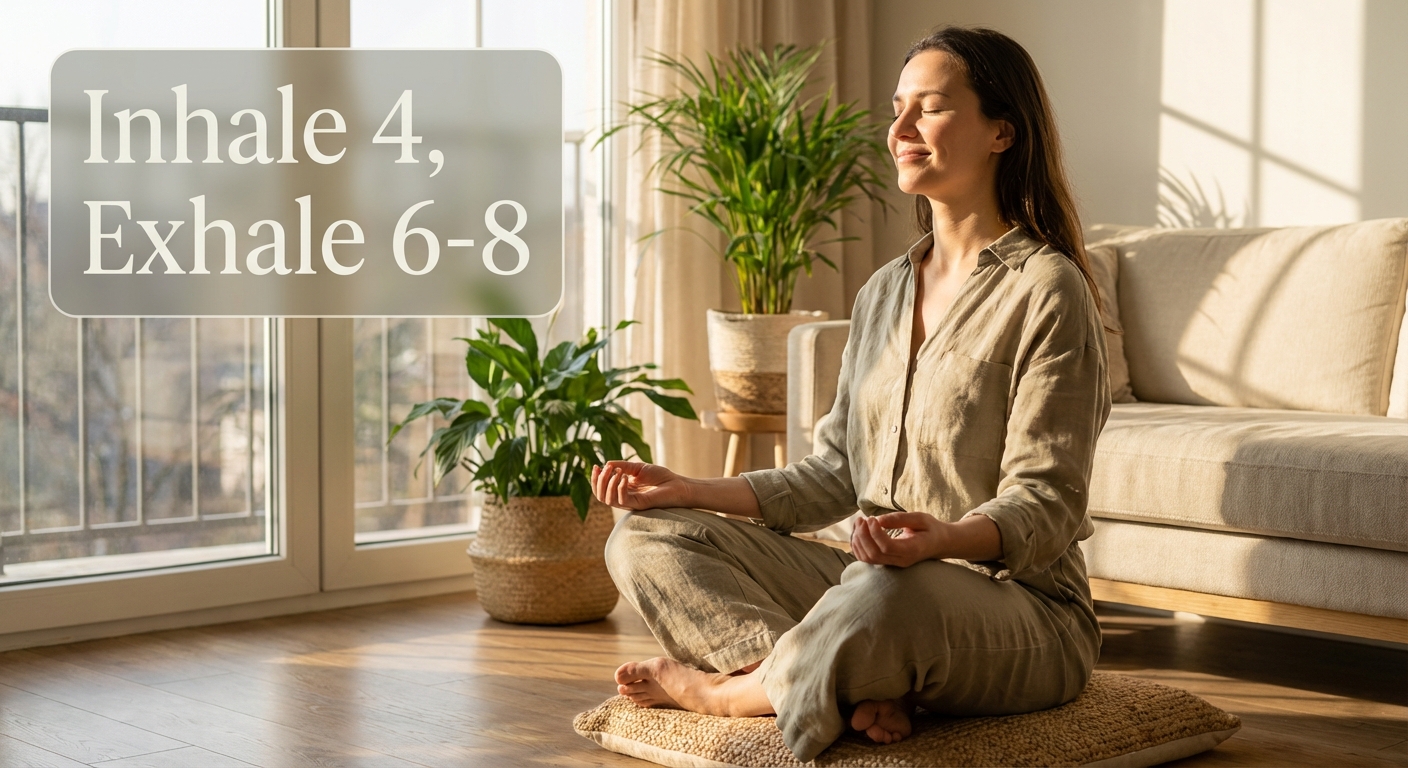
Slow, extended-exhale breathing is the most validated vagal activation technique. When you exhale slowly, stretch receptors in the lungs signal the vagus nerve, which then slows heart rate and shifts autonomic balance toward parasympathetic dominance. The key is the exhale duration: an exhale that is longer than the inhale activates the “dive reflex” pathway and directly engages vagal braking of the heart. A simple protocol of inhaling for four counts and exhaling for six to eight counts, practiced for five minutes, produces measurable shifts in HRV within a single session.
A 2023 randomized controlled trial published in Cell Reports Medicine by researchers at Stanford University compared cyclic sighing (a specific extended-exhale breathwork pattern) to mindfulness meditation. The study, led by Dr. David Spiegel and Dr. Andrew Huberman, found that five minutes of daily cyclic sighing produced greater improvements in mood, anxiety, and physiological markers of relaxation than five minutes of mindfulness meditation. Importantly, the breathwork group showed sustained parasympathetic shifts that persisted after the practice session ended.
Cold exposure activates the vagus nerve through the mammalian dive reflex. Cold water on the face, cold showers, or cold water immersion trigger a rapid shift from sympathetic to parasympathetic dominance. The initial cold shock is sympathetically activating, but the subsequent autonomic shift produces a strong parasympathetic rebound. Regular cold exposure practitioners show increased baseline vagal tone over time, suggesting a training effect.
Vocalization practices stimulate the vagus nerve mechanically. The vagus nerve passes through the larynx (voice box), and sustained vocalization, including humming, chanting, gargling, and singing, creates vibration that activates vagal fibers directly. A 2023 pilot study published in Complementary Therapies in Medicine found that 10 minutes of humming three times weekly for four weeks improved HRV in participants with self-reported anxiety. The intervention is simple enough to integrate into daily routines: humming during a shower or while driving requires no additional time commitment.
Neurostimulation: Technology Enters the Picture
Consumer vagus nerve stimulation (VNS) devices represent the technology frontier of neurowellness. These devices deliver mild electrical impulses to the vagus nerve through the skin, aiming to enhance parasympathetic activation without requiring the user to actively practice a technique.
The Pulsetto device, which sits on the neck and delivers transcutaneous cervical vagus nerve stimulation (tcVNS), has attracted attention as a consumer wellness product. The company has secured European Union funding for clinical trials running through June 2026, targeting safety and efficacy validation for stress reduction and migraine relief. Preliminary data from a small pilot study showed improvements in morning stiffness and quality of life in patients with ankylosing spondylitis, and ongoing trials are investigating effects on HRV and autonomic regulation in healthy adults.
It is important to maintain perspective on consumer neurostimulation. FDA-cleared medical VNS devices (implanted surgically) have established efficacy for epilepsy and treatment-resistant depression. The non-invasive consumer versions deliver lower stimulation intensity and have substantially less clinical evidence behind them. They should be viewed as potentially useful adjuncts to established regulation practices, not as replacements for behavioral interventions with stronger evidence bases.
The Elemind headband, which uses EEG-guided acoustic stimulation to entrain brain waves toward sleep-compatible patterns, represents another technology approach. By monitoring brain activity in real time and delivering precisely timed audio tones, the device aims to accelerate the transition from waking to sleeping brain states. Early research on sleep technology suggests potential, but long-term outcome data remains limited.
Building a Regulation Practice: A Graduated Protocol
Effective nervous system regulation is not a one-time intervention but a daily practice that accumulates over time. The following graduated approach moves from foundational habits to more targeted interventions.
Foundation (Week 1-2): Breathing and awareness. Practice extended-exhale breathing for five minutes, twice daily. Morning and evening sessions create a bookend pattern that begins and ends the day with parasympathetic activation. Track overnight HRV if you have a wearable device. No special equipment required.
Building (Week 3-4): Environmental adjustments. Reduce evening screen brightness or use blue-light blocking after sunset. Implement a 30-minute “wind-down” period before sleep with no screens, work, or stimulating content. Add cold water face immersion (30 seconds of cold water on the face) as a rapid vagal activation technique when stress peaks during the day.
Deepening (Week 5-8): Targeted vagal training. Add humming or vocal toning for five minutes daily. Begin a regular cold exposure practice (cold shower finishing, or deliberate cold water immersion). Consider social regulation practices: slow, connected conversations; physical touch; cooperative activities. Polyvagal Theory emphasizes that co-regulation, feeling safe with other people, is one of the most powerful vagal activators.
Assessment (ongoing): Review HRV trends monthly. Notice changes in sleep quality, daytime anxiety, digestive function, and recovery from physical and emotional demands. Adjust the protocol based on what produces measurable and felt improvements. Not every intervention works equally for every person; the goal is finding your most effective regulation tools through systematic experimentation.
What to Do Next
Nervous system regulation is not a luxury wellness trend. It is a physiological framework for understanding why chronic stress produces chronic disease, and for intervening before downstream symptoms require medical treatment. The tools are accessible: your breath, your environment, your social connections, and increasingly, technology that supports the process.
Start this week:
- Practice 5 minutes of inhale-4, exhale-6 breathing twice daily
- Check your overnight HRV trend if you own a wearable
- Reduce evening screen exposure 60 minutes before bed
Within the next month:
- Add one vagal activation practice (cold exposure, humming, or extended breathwork)
- Audit your notification settings and reduce non-essential alerts
- Establish a consistent wind-down routine
The research trajectory is clear: the nervous system is not a passive responder to your life circumstances but an actively trainable system. Training it toward greater regulatory capacity improves not one health outcome but many, because autonomic balance influences every organ system in the body.
If you are experiencing persistent anxiety, panic attacks, PTSD symptoms, or other mental health concerns, consult a licensed mental health professional. Nervous system regulation practices are supportive interventions, not replacements for professional treatment.
Sources
- Balban, M.Y. et al. “Brief structured respiration practices enhance mood and reduce physiological arousal.” Cell Reports Medicine, January 2023.
- Porges, S.W. “The Polyvagal Theory: Neurophysiological Foundations of Emotions, Attachment, Communication, and Self-Regulation.” W.W. Norton, 2011.
- Global Wellness Summit. “The Future of Wellness 2026 Trends.” 2026.
- Simon, E.B. et al. “Overanxious and underslept.” Nature Human Behaviour, 2020.
- Tan, C. et al. “The efficacy and safety of transcutaneous auricular vagus nerve stimulation in the treatment of depressive disorder: A systematic review and meta-analysis.” Journal of Affective Disorders, 2023.