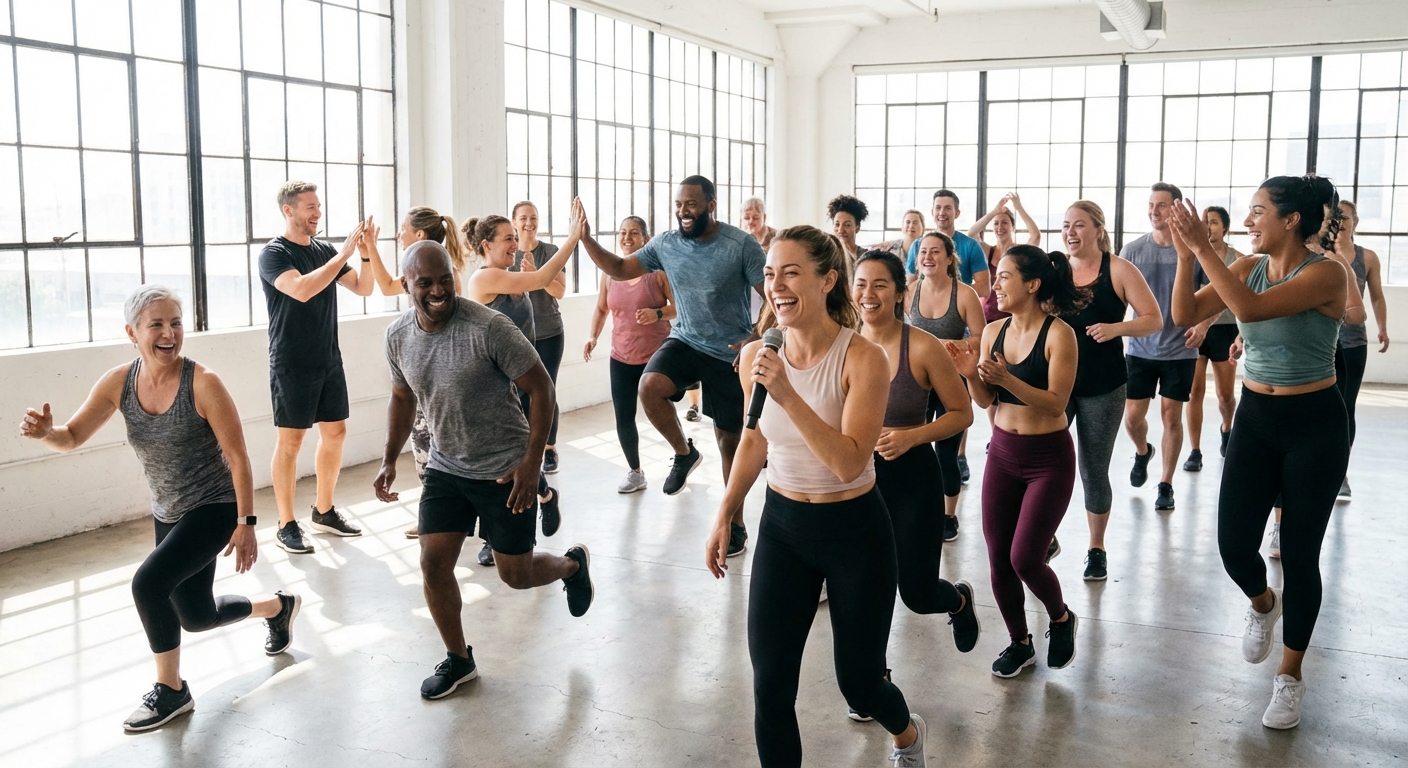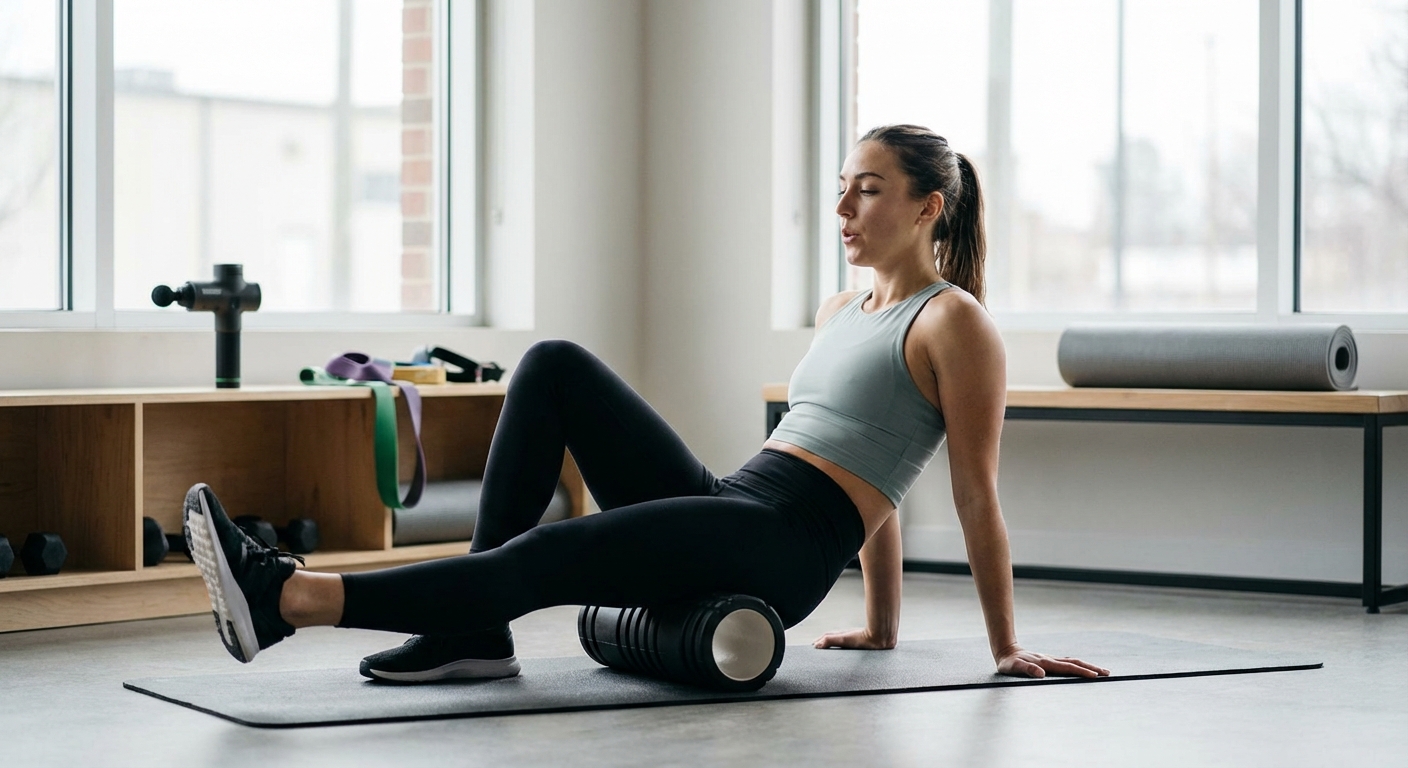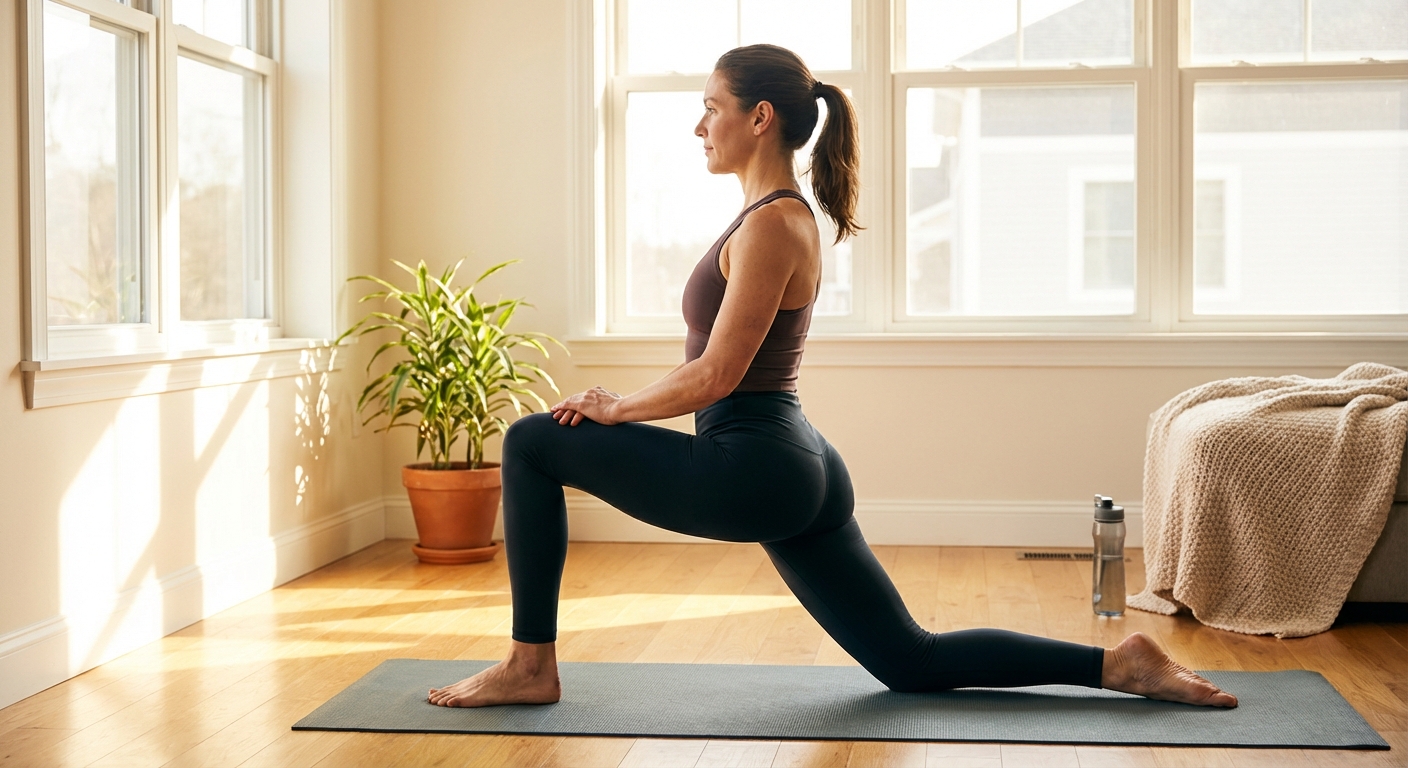
Most people’s flexibility training consists of thirty seconds of half-hearted stretching after workouts, if they remember at all. Then they wonder why touching their toes has become impossible, why their hips feel permanently tight, why their shoulders can’t reach overhead without compensation, and why their posture increasingly resembles a question mark. The disconnect between knowing flexibility matters and actually training it consistently is one of the largest gaps in most people’s fitness routines.
Flexibility doesn’t maintain itself. Without deliberate intervention, range of motion declines steadily with each passing decade. After age 30, you lose measurable flexibility in virtually every joint, a process that accelerates after 50. This isn’t merely aesthetic. Limited range of motion contributes to pain, increases injury risk, degrades posture, and eventually restricts your capacity to perform basic daily movements. The stiff 70-year-old who can barely bend to tie shoes didn’t become that way suddenly; they arrived there through decades of neglected mobility work.
The encouraging news is that flexibility responds remarkably well to training at any age. Consistent stretching improves range of motion even in older adults who haven’t stretched deliberately in decades. The adaptations happen relatively quickly compared to strength or endurance gains, and the benefits extend beyond simply being able to touch your toes. A well-designed flexibility program reduces chronic pain, prevents injuries, improves posture, and preserves the movement capacity that keeps you functional as you age.
Why Flexibility Matters for Health and Function
Range of motion affects far more than whether you can perform party tricks like touching your toes or doing splits. Flexibility influences injury risk, posture, pain levels, movement quality, and functional capacity across virtually every physical activity you perform.
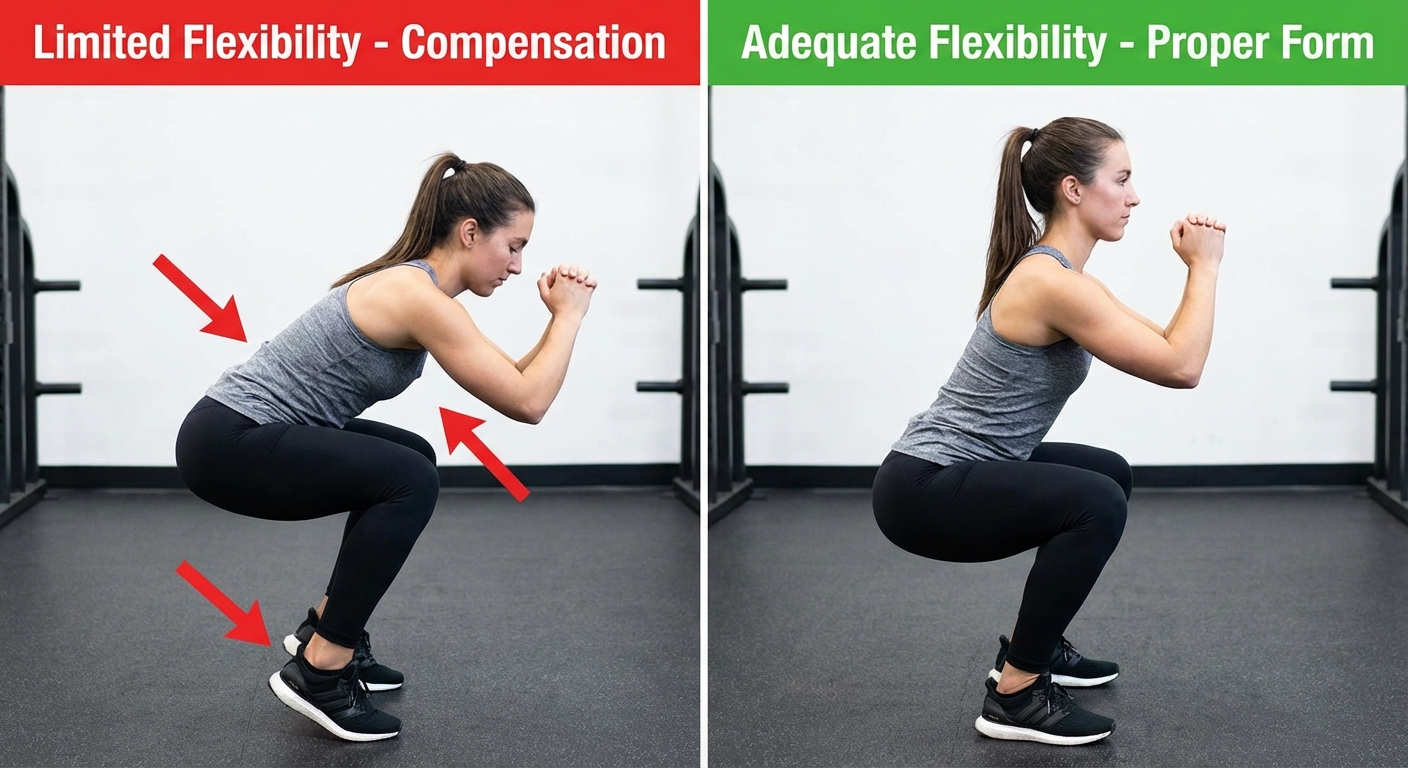
Adequate flexibility allows joints to move through their full anatomical range safely without forcing compensation from other body parts. When flexibility in one area is limited, your body finds workarounds. Tight hips prevent proper hip hinging, so your lower back rounds to pick things up. Tight hamstrings limit squat depth, so your knees cave inward or your heels lift off the ground. Tight chest muscles pull your shoulders forward, so your neck cranes forward to compensate. These compensation patterns accumulate mechanical stress in structures that weren’t designed to bear it, creating the injuries that seem to come from nowhere: the lower back that went out reaching for something light, the shoulder that started hurting without any apparent cause.
Pain reduction often follows flexibility improvement because much chronic pain relates to muscle tightness and movement restriction rather than structural damage. Tight muscles pull joints out of alignment, create compression in places that shouldn’t be compressed, and trigger pain responses that become chronic when the underlying tension is never addressed. Improving flexibility in key areas like hip flexors, chest muscles, hamstrings, and thoracic spine allows better postural alignment, relieves compression, and frequently reduces or eliminates pain that patients and doctors have been treating symptomatically for years.
Movement quality in both exercise and daily activities improves with better flexibility. Your squat depth increases when your ankles and hips have adequate range. Overhead reaching becomes possible without compensation when your shoulders and thoracic spine are mobile. Rotation improves for sports requiring twisting movements. Simple daily activities like putting on shoes, reaching overhead shelves, turning to check blind spots while driving, and getting in and out of cars become easier rather than progressively more challenging.
For older adults, the functional stakes are particularly high. Better ankle, hip, and thoracic spine mobility supports the dynamic balance and quick corrective movements that prevent falls. These are practical benefits that affect quality of life and independence, not merely the ability to perform impressive stretches.
Types of Flexibility Training
Not all stretching methods produce the same results, and different approaches suit different goals and contexts. Understanding the options allows you to select appropriate techniques for your specific objectives and circumstances.
Static stretching involves holding a stretch position for 15 to 60 seconds without movement, allowing the muscle and connective tissue to gradually lengthen under sustained tension. This is what most people picture when they think of stretching: reaching for your toes and holding, or holding a hip flexor stretch in a kneeling position. Static stretching is best for general flexibility improvement, cool-down after exercise, and dedicated flexibility sessions. The technique is simple: stretch to the point of mild tension without pain, hold while breathing deeply, and allow yourself to relax into the position. Research shows that holding stretches for 30 to 60 seconds produces better flexibility gains than shorter holds, though even 15-second holds provide some benefit.
One important caveat is that static stretching immediately before high-intensity activity can temporarily reduce power output and may increase injury risk in ballistic movements. Save static stretching for after workouts or for standalone flexibility sessions rather than using it as a pre-workout warm-up.
Dynamic stretching involves moving through range of motion actively and under control without holding end positions. Leg swings, arm circles, walking lunges with rotation, and torso twists are classic dynamic stretches. This approach is ideal for warming up before exercise and for improving functional mobility that you can actually access under load. Dynamic stretching prepares muscles and joints for the movement patterns you’re about to perform while raising body temperature and activating the nervous system.
PNF stretching, technically proprioceptive neuromuscular facilitation, combines stretching with muscle contraction to produce faster flexibility gains than static stretching alone. The basic technique involves stretching a muscle to the point of tension, then contracting that muscle isometrically (pushing against resistance without movement) for 5 to 10 seconds, then relaxing and stretching deeper than before. You repeat this cycle 2 to 3 times. PNF leverages neurological reflexes to temporarily inhibit muscle contraction, allowing greater stretch. Research consistently shows PNF produces the fastest flexibility improvements, though it requires more effort and knowledge than simple static stretching.
Loaded stretching applies resistance at end ranges of motion, combining flexibility work with strength development. Examples include deep squats holding weight, Romanian deadlifts emphasizing the hamstring stretch at the bottom, and overhead presses through full range. This approach builds strength in lengthened positions, which protects joints at their most vulnerable points. Loaded stretching is appropriate for advanced trainees and as part of strength training programs but isn’t suitable for beginners or those with significant flexibility limitations.
Priority Areas for Most People
The body operates as an interconnected kinetic chain, meaning restriction in one area often manifests as pain or dysfunction in another. Tight ankles can cause knee pain. Limited thoracic spine mobility can create shoulder impingement. Tight hip flexors can trigger lower back pain. While every joint matters, modern life creates predictable tightness patterns in most people. Focusing on these high-yield areas offers the best return on your flexibility investment.
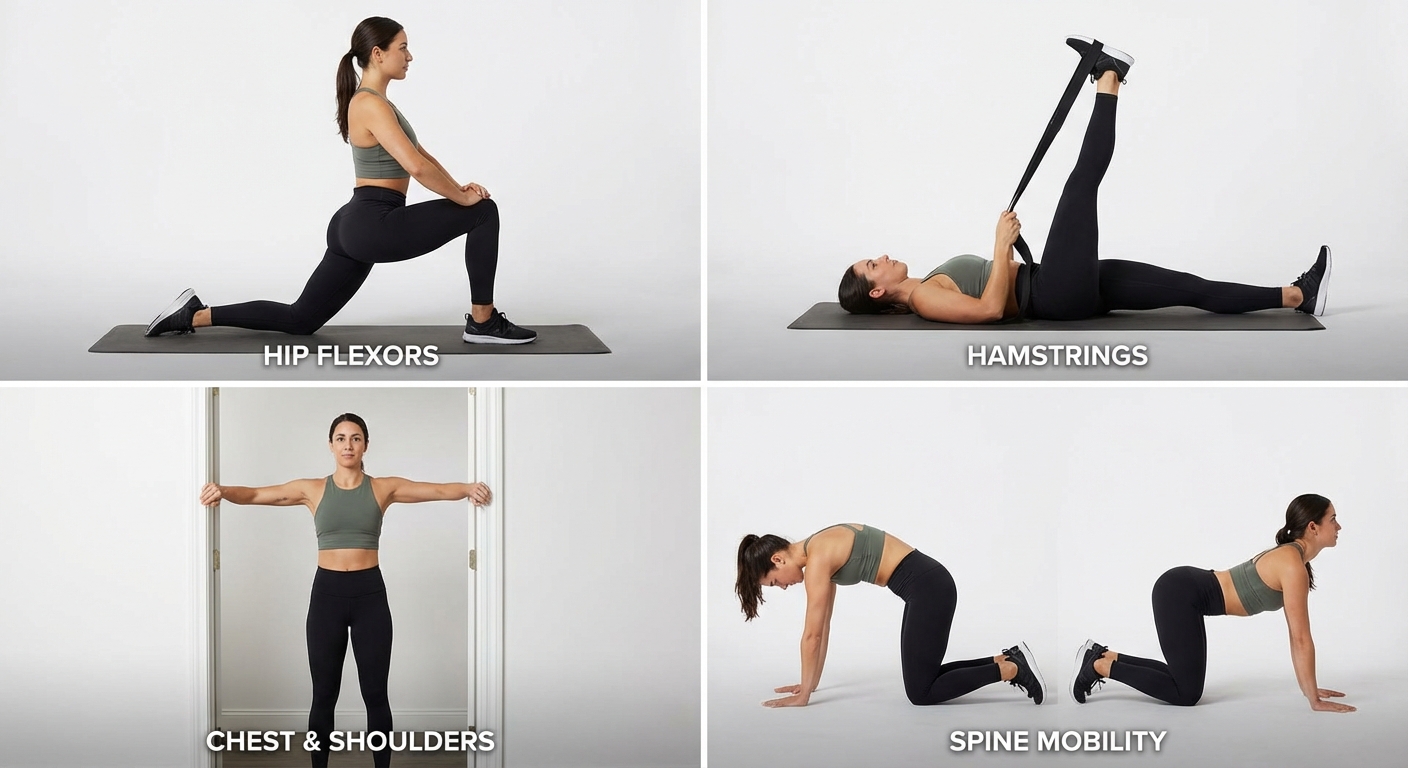
Hip flexors top the priority list for most people because sitting for hours daily keeps these muscles in a shortened position, and they progressively tighten as a result. Tight hip flexors pull on your pelvis, tilting it forward and creating the excessive lower back curve that causes much chronic back pain. The kneeling hip flexor stretch, held for 30 to 60 seconds per side, directly addresses this. Pigeon pose and lunge variations with emphasis on hip extension also target hip flexors effectively. If you sit extensively for work, daily hip flexor stretching should be non-negotiable.
Hamstrings rank second because tightness here limits your ability to hinge at the hips properly, forcing your lower back to round during any bending movement. Tight hamstrings restrict squat depth, compromise deadlift form, and contribute to the back strain people experience when picking up light objects from the floor. Standing or seated forward folds, lying hamstring stretches with a strap or towel, and downward dog position all effectively stretch hamstrings. Aim for 4 to 6 sessions weekly with 30 to 60 second holds per side.
Chest and shoulder mobility suffer from the forward posture that desk work and phone use promote. Tight chest muscles pull shoulders forward and inward, limiting overhead reach and contributing to the rounded upper back posture that becomes increasingly pronounced with age. Doorway stretches where you place forearms against a door frame and lean through the opening effectively stretch the chest. Thread-the-needle stretches and arm-across-chest stretches address shoulder mobility. Daily stretching is appropriate for anyone with desk-based work.
The spine itself needs mobility work, particularly the thoracic (mid-back) region that stiffens from sustained seated postures. Cat-cow movements flowing between spinal flexion and extension, child’s pose, spinal twists, and thread-the-needle rotations all promote spinal mobility. Daily practice, particularly in the morning to counteract the stiffness of sleep and in the evening after prolonged sitting, helps maintain the spinal mobility that preserves posture and movement quality.
Calves and ankles often get overlooked but affect squat depth, walking mechanics, and balance. Tight calves limit ankle dorsiflexion, forcing compensations higher up the chain during any lower body movement. Standing calf stretches, ankle mobility circles, and deep squat holds with weight on heels all address this area. Three to four sessions weekly maintains adequate ankle mobility for most people.
Programming Frequency and Duration
Flexibility is the most transient of all physical adaptations. Unlike strength, which can be maintained with relatively infrequent training, range of motion regresses quickly when you stop stretching. The tissues of your body are constantly remodeling, and if you don’t use a range of motion regularly, your body eliminates it to create stability.
This biological reality means frequency beats intensity for flexibility development. A heroic 90-minute yoga session once a week is far less effective than 10 to 15 minutes of targeted stretching every morning. You are essentially trying to convince your nervous system that these extended ranges of motion are safe and normal. Consistent daily signals accomplish this far better than sporadic intense sessions.
For maintenance of current flexibility, 10 to 15 minutes three to four times weekly hitting major muscle groups with 20 to 30 second holds is adequate. This prevents regression without requiring substantial time investment.
For improvement of limited flexibility, 20 to 30 minutes five to seven times weekly produces meaningful gains. Focus on your most restricted areas, holding stretches for 30 to 60 seconds with 2 to 3 sets per muscle. The areas that need the most work should receive the most attention rather than spreading time equally across all muscle groups.
For achieving specific flexibility goals like splits or deep backbends, 30 to 45 minutes of daily dedicated work using multiple approaches including static holds, PNF techniques, and extended holds of 60 to 120 seconds is necessary. These goals require significant tissue remodeling and take months to achieve.
Timing flexibility work appropriately enhances results. After workouts is excellent because muscles are warm and pliable, reducing injury risk and allowing deeper stretches. Standalone sessions in the evening work well because your body has warmed up from the day’s activities. Morning sessions can address the stiffness that accumulates overnight but should start gently and progress as you warm up. Avoid intensive static stretching immediately before high-intensity or explosive training, as this can temporarily reduce power output.
Flexibility training pairs well with strength training for longevity, particularly for older adults looking to maintain functional capacity. For complementary training methods that also build stability, see our coverage of isometric exercises.
The Adaptation Timeline
Understanding realistic timelines helps set appropriate expectations and prevents discouragement during the initial weeks when progress feels slow.
During weeks one and two, stretching feels difficult and uncomfortable. Positions that look simple in videos or photographs feel impossible. Range of motion improvements are small, measured in millimeters rather than inches. The primary adaptation during this phase is neurological: your nervous system is learning that these positions are safe and gradually allowing you to access range you already have but that protective tension was preventing you from using.
Weeks three and four bring noticeable improvements. You can reach farther than when you started. Positions that felt impossible now feel merely challenging. The stretches become more comfortable even as you push deeper into them. Confidence builds as you see measurable progress.
By weeks six through eight, substantial gains accumulate. Movements that seemed impossible when you started become achievable. If you couldn’t touch your toes, you’re likely getting close or achieving it. If your squat was limited by ankle mobility, you’re likely hitting parallel. The changes feel significant rather than incremental.
Over months three through six, continued improvement brings you toward your genetic potential for range of motion. Progress slows as you approach these limits, but consistent work continues producing gains throughout this period.
Once you achieve your desired flexibility, maintenance requirements drop substantially. Two to three sessions weekly with briefer holds preserves gains that took months of daily work to achieve. This maintenance phase requires far less time commitment than the development phase.
The speed of flexibility improvement compares favorably to strength or endurance development. Meaningful changes happen in weeks rather than months, rewarding consistent effort with relatively rapid visible progress.
Common Mistakes to Avoid
Several errors commonly undermine flexibility training effectiveness or increase injury risk.
Bouncing through stretches, called ballistic stretching, can trigger the stretch reflex and cause muscle guarding or injury. Stretch smoothly to the point of tension and hold rather than bouncing or pulsing at end range.
Stretching cold muscles significantly increases injury risk. Light movement like walking or gentle dynamic stretches for a few minutes before intensive static stretching prepares tissues for the demands you’re about to place on them.
Pushing through pain signals that you’re damaging tissue rather than productively stretching it. Stretching should produce mild tension and possibly discomfort but not sharp pain. Pain indicates overstretching and should prompt backing off to a less intense position.
Holding your breath during stretches increases muscle tension and prevents relaxation into the stretch. Breathe deeply and use the exhale to relax further into each position.
Inconsistency undermines flexibility more than any technical error. Stretching sporadically provides minimal benefit because gains regress between sessions. Frequency matters more than session duration.
Training flexibility without corresponding strength leaves joints vulnerable in their newly accessible ranges. Balance flexibility work with strength training, particularly in lengthened positions, to ensure you can control the ranges you’re developing.
The Bottom Line
Flexibility is trainable, valuable, and neglected by most people despite requiring minimal equipment and time investment. You don’t need to achieve splits or master advanced yoga poses. But you should be able to touch your toes, squat to at least parallel with good form, reach fully overhead without compensation, rotate your spine, and move through daily activities without restriction or compensation.
If you currently can’t perform these basic movements, consistent flexibility work will help. Ten to fifteen minutes daily of focused stretching targeting your most restricted areas produces noticeable improvements within weeks and substantial improvements within months.
Your Flexibility Protocol:
-
Assess your limitations: Note which basic movements feel restricted, hip hinging, overhead reaching, squatting, rotation.
-
Prioritize accordingly: Focus stretching time on your most limited areas rather than spreading effort equally.
-
Commit to frequency: Daily 10-15 minute sessions beat weekly longer sessions. Consistency drives adaptation.
-
Time it strategically: After workouts when warm, or as standalone evening sessions. Avoid intensive stretching before explosive training.
-
Progress gradually: Start with 20-30 second holds, progress to 30-60 seconds. Add sets before adding intensity.
-
Balance with strength: Ensure you can control the ranges you develop through loaded movements and strength training.
Your future self will appreciate the mobility you maintain now through consistent flexibility work. Range of motion that slips away through neglect becomes progressively harder to regain with each passing year. The investment of 10 minutes daily pays dividends in pain reduction, injury prevention, and preserved functional capacity for decades to come.
Sources: Flexibility training research meta-analyses, PNF stretching studies, range of motion adaptation timelines, injury prevention and flexibility research, aging and flexibility decline data, Journal of Strength and Conditioning Research stretching protocols.