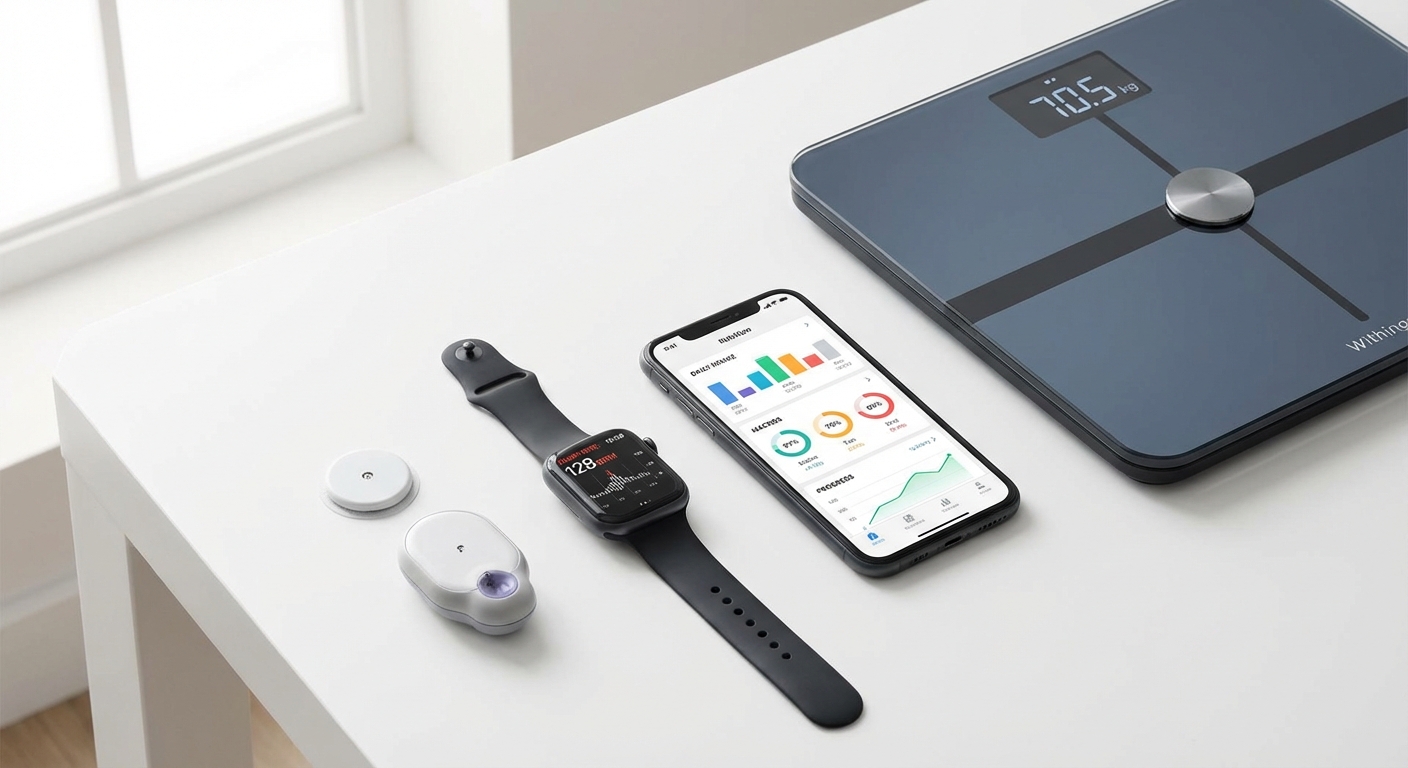
Your bathroom scale tells you one number, but that single digit reveals almost nothing about what’s actually happening inside your body. Whether you’re losing fat or muscle, improving metabolic health or just dehydrating, building sustainable habits or white-knuckling through another failed diet, the scale can’t distinguish between any of these outcomes. For decades, this crude measurement was essentially all we had.
The weight loss technology landscape of 2025 looks nothing like even five years ago. Injectable medications that eliminate the constant hunger driving overeating. Wearable sensors that reveal exactly how your body responds to specific foods. AI systems that learn your patterns and adapt recommendations in real-time. Smart scales that track body composition changes invisible to traditional measurements. These aren’t future promises or venture capital pitches. They’re available now, backed by rigorous research, and fundamentally changing how millions of people approach weight management.
What makes this technological moment different from previous waves of weight loss gadgetry is the emphasis on personalization and metabolic understanding rather than just calorie restriction. The tools emerging in 2025 don’t simply tell you to eat less. They help you understand why your body responds the way it does, identify the specific patterns that drive your weight gain, and provide targeted interventions that work with your biology rather than against it.
Next-Generation GLP-1 Medications and Multi-Hormone Therapies
The pharmaceutical revolution in weight loss continues to accelerate, with new medications building on the remarkable success of semaglutide (marketed as Ozempic and Wegovy) while addressing its limitations. These drugs work by mimicking natural gut hormones that regulate appetite, slow digestion to extend feelings of fullness, and improve insulin sensitivity. Clinical trials consistently show 15-20% body weight reductions, numbers that rival what many patients achieve through bariatric surgery.
Retatrutide, developed by Eli Lilly, represents the cutting edge of multi-hormone therapy. Unlike earlier GLP-1 medications that target a single receptor, retatrutide activates three different metabolic pathways simultaneously: GLP-1, GIP, and glucagon receptors. This triple-agonist approach creates a more comprehensive metabolic intervention than single-target drugs can achieve. Phase III trials show particularly promising results for preserving lean muscle mass during weight loss, addressing one of the most significant concerns about earlier medications where patients lost substantial muscle alongside fat. Early data suggests up to 25% body weight reduction in some participants, though final trial results won’t be available until late 2025 or early 2026.
MariTide, developed by Amgen, tackles a different problem: the rapid weight regain that occurs when patients stop taking GLP-1 medications. Unlike predecessors requiring weekly or daily administration, this monthly injectable maintains weight loss for extended periods even after discontinuation. The mechanism involves longer-lasting receptor engagement and what researchers describe as metabolic resetting that persists beyond active treatment. For patients concerned about committing to lifelong medication, this approach offers a potentially different path. If you’re considering pharmaceutical options, understanding how to optimize nutrition while on these medications becomes essential for preserving muscle mass.

The evolution toward oral formulations represents another significant advancement for patient convenience. Pills eliminate the needle phobia that prevents some people from trying injectable GLP-1s and integrate more seamlessly into daily routines. Several pharmaceutical companies are racing to develop oral versions that maintain the efficacy of injectable forms. This competition is intensifying as the market expands, with estimates suggesting the GLP-1 weight loss market could exceed $100 billion annually by 2030.
Insurance coverage remains a substantial barrier for many patients. Many insurers still classify GLP-1 medications for weight loss as optional rather than medically necessary, despite mounting evidence that obesity itself is a disease with serious health consequences. Patients without coverage may pay $1,000 or more monthly out of pocket, creating significant equity concerns about who can access these effective treatments.
Continuous Metabolic Monitoring Through Wearable Technology
The wearable technology category has matured far beyond basic step counting into sophisticated metabolic monitoring that provides insights previously available only through clinical testing. These devices democratize access to personalized health data that can drive meaningful behavior change when properly understood and applied.
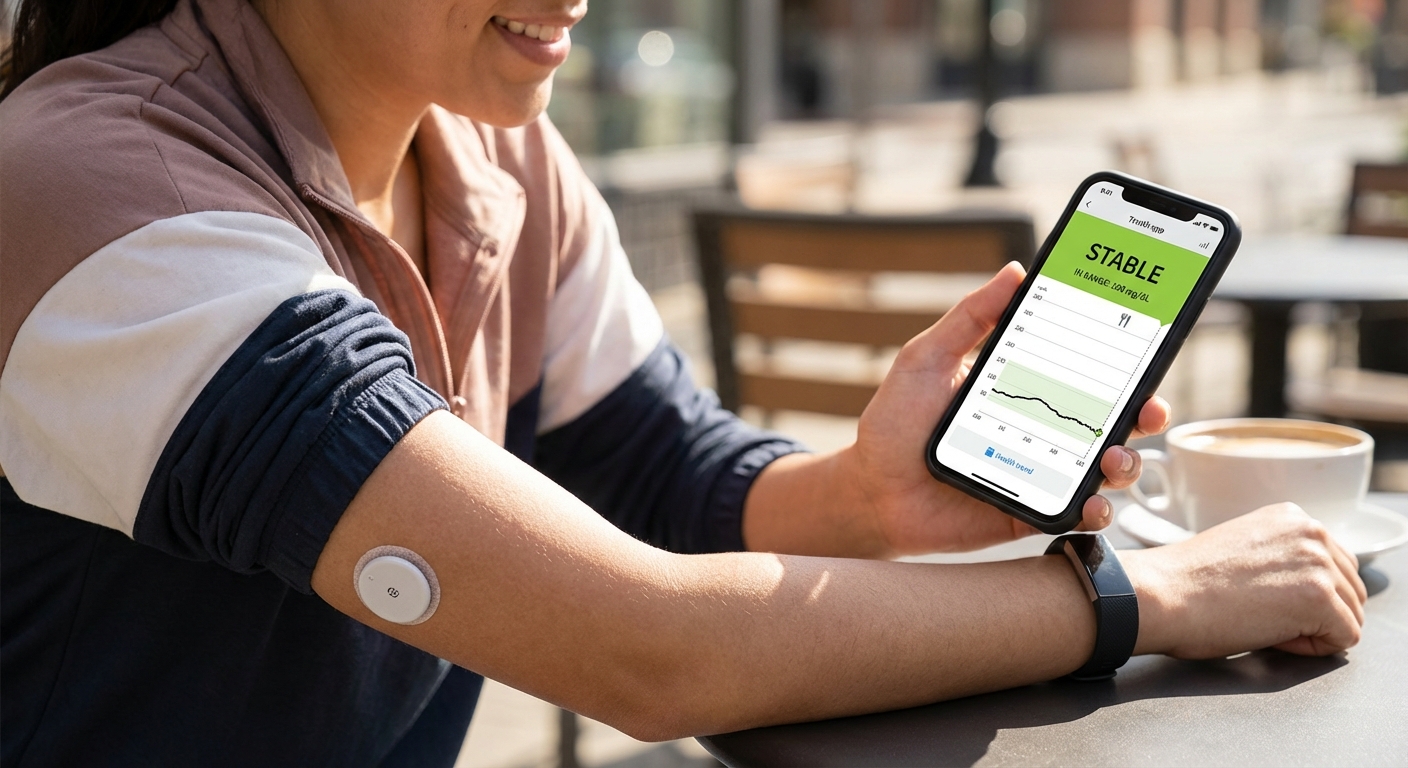
Continuous glucose monitors represent perhaps the most transformative technology for non-diabetic weight management. Originally developed for diabetes care, CGMs from Abbott (FreeStyle Libre) and Dexcom (G7) track blood sugar fluctuations in real-time through tiny sensors worn on the arm or abdomen. The insights can be revelatory for understanding your personal metabolism. You might discover that your blood sugar spikes dramatically after eating oatmeal but stays stable with eggs and avocado, that a morning workout blunts your glucose response to lunch, or that poor sleep makes you glucose-intolerant the following day even when eating identically.
A 2025 Cambridge University report documented the rise of CGM use in non-diabetic populations, with studies showing 5-10% weight loss achieved through better carbohydrate management informed by real-time glucose data. The mechanism isn’t magic. It’s awareness. When you see exactly how your body responds to specific foods, you naturally gravitate toward choices that maintain stable blood sugar and avoid the spike-and-crash patterns that drive cravings and overeating. Understanding your personal glucose responses becomes a powerful tool for sustainable dietary change.
The latest fitness trackers and smart scales have reached new sophistication levels. The 2025 Apple Watch and Fitbit models use AI to analyze sleep quality, stress levels through heart rate variability, and activity patterns, providing tailored calorie burn estimates that account for individual metabolic rates rather than generic calculations. Smart scales from Withings now provide detailed body composition analysis through bioelectrical impedance, tracking fat mass, muscle mass, bone density, and water weight separately. This allows monitoring whether you’re losing fat while maintaining muscle, the ideal scenario for metabolic health improvement.
The American College of Sports Medicine ranked wearable technology as the top fitness trend for 2025, underscoring its role in sustaining motivation and adherence to health programs. The constant feedback loop, seeing daily progress, receiving encouragement for hitting goals, and visualizing trends over weeks and months, appears to support long-term behavior change more effectively than periodic check-ins or sporadic self-monitoring.
AI-Powered Apps and Digital Interventions
Artificial intelligence has transformed weight loss apps from simple calorie trackers into genuinely personalized coaching systems that learn from your behavior and adapt recommendations accordingly. Think of these platforms as virtual nutritionists and trainers available around the clock, constantly improving their understanding of what works for you specifically.
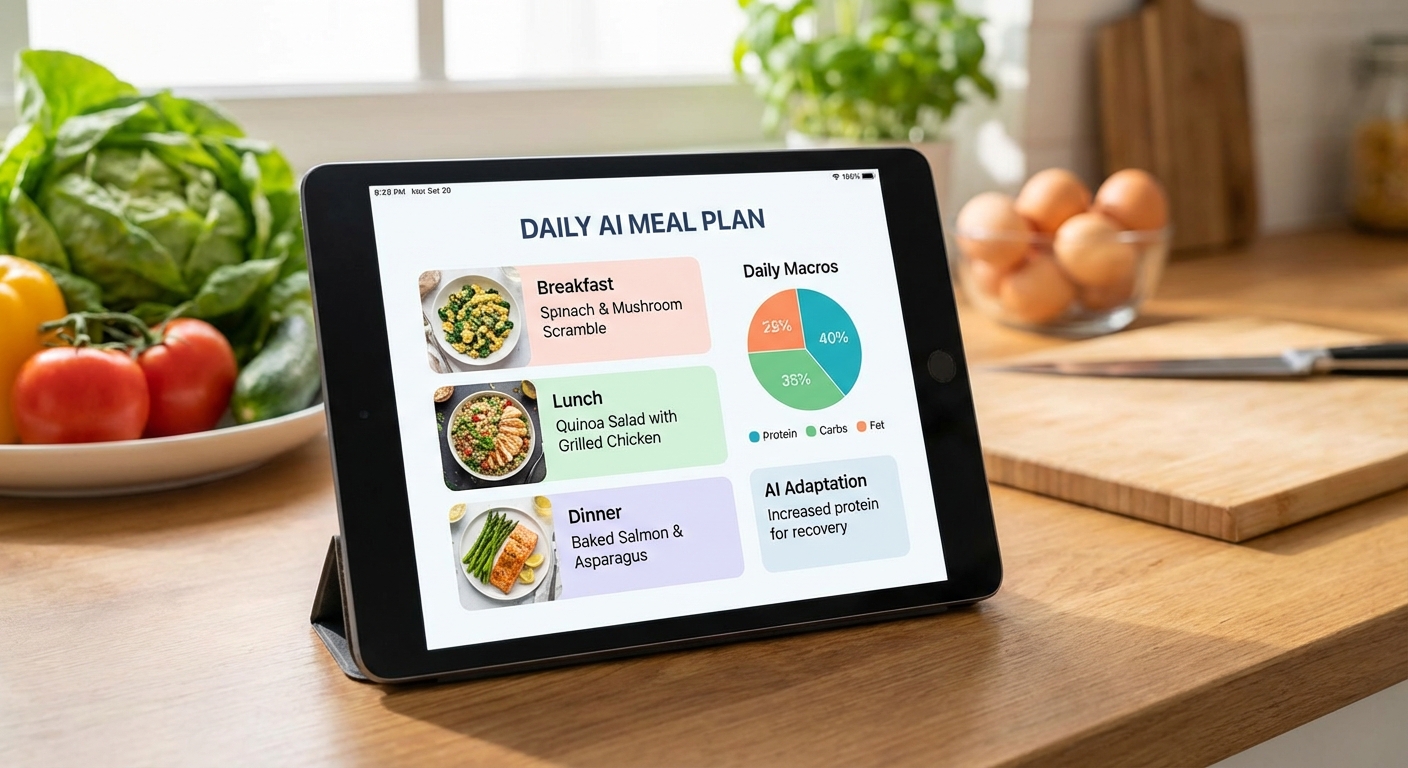
Platforms like Noom and MyFitnessPal have integrated generative AI that creates dynamic meal plans accounting for user preferences, dietary restrictions, allergies, budget constraints, cooking skill level, and even mood patterns. The AI learns what you actually eat versus what you plan to eat, adjusting recommendations to increase adherence likelihood. Exercise apps use machine learning to create adaptive workouts that adjust intensity based on fatigue signals, suggest restorative sessions when stress patterns emerge, or increase challenge when fitness improves beyond current programming.
The integration with pharmaceutical approaches represents a significant development. WeightWatchers and Mayo Clinic Diet platforms now offer programs specifically designed to support people taking GLP-1 medications, recognizing that these drugs create unique nutritional challenges. Appetite suppression can make consuming adequate protein difficult, but maintaining protein intake is critical for preserving muscle mass during rapid weight loss. The apps provide meal suggestions emphasizing protein density, portion-controlled options that deliver nutrients without triggering the nausea some patients experience, and coaching around the behavioral and psychological adjustments that medication-assisted weight loss requires.
At-home gut microbiome testing services have moved from novelty to serious health tool. Companies like Viome analyze stool samples to identify bacterial populations and recommend dietary changes to optimize microbiome composition. The theory, supported by emerging research, is that gut bacteria influence metabolism, inflammation, appetite regulation, and fat storage through various mechanisms. By identifying dysbiosis and suggesting prebiotic and probiotic interventions, these services aim to create a gut environment that supports rather than undermines weight loss efforts. Understanding the gut-brain connection provides context for why microbiome optimization matters.
Non-Invasive Medical Devices for Mechanical Satiety
For people seeking procedural options without the risks and recovery time of surgery, 2025 offers increasingly refined minimally invasive technologies that promote fullness through mechanical rather than pharmaceutical means. These devices occupy a middle ground between lifestyle intervention and bariatric surgery in terms of both invasiveness and effectiveness.
Advanced gastric balloons have evolved significantly from earlier generations. Companies like Allurion and Orbera have developed next-generation balloons that patients can swallow in capsule form, inflating in the stomach without requiring endoscopy or anesthesia. The Allurion Balloon 2.0, cleared by the FDA in early 2025, features smart valve technology for precise deflation timing and integrates with a smartphone app that tracks progress and provides dietary coaching. Clinical data reports 10-15% weight loss over four months of balloon presence, with fewer complaints of nausea and discomfort than older systems generated.
Boston Scientific’s Endura procedure combines balloon technology with endoscopic suturing to create smaller functional stomach capacity, performed under conscious sedation as an outpatient procedure. The company has developed protocols specifically accounting for hormonal fluctuations affecting appetite and metabolism across the menstrual cycle and during perimenopause, addressing gender-specific factors that influence weight loss outcomes.
These devices cost $6,000-$8,000, substantially less than surgical options, and many insurance plans cover them partially for patients with BMI over 30 who haven’t achieved adequate weight loss through diet and exercise alone. The temporary nature of balloon interventions, typically four to six months, positions them as tools for jump-starting weight loss or achieving goals for specific time-sensitive purposes. However, long-term maintenance still requires sustained behavior change after the device is removed.
Considerations and Broader Impact
Collectively, these technologies appear to be making a measurable dent in obesity prevalence. U.S. obesity rates have declined to 37%, the lowest in over a decade, with much credit attributed to increased GLP-1 medication accessibility as shortages have eased and insurance coverage has expanded. The combination of pharmaceutical, digital, and device-based approaches creates multiple entry points for intervention, allowing people to choose approaches that fit their preferences, medical histories, and financial situations.
Yet experts consistently stress that technology amplifies but doesn’t replace fundamental lifestyle factors. The most effective approaches combine technological tools with sustainable changes in eating patterns, physical activity, sleep, stress management, and social support. Technology can make these changes easier, but lasting results still require building new habits that persist after medication is discontinued or devices are removed. Combining tech tools with evidence-based fitness approaches creates more comprehensive solutions.
Data privacy concerns warrant consideration as AI apps collect detailed information about eating patterns, body measurements, location data, and emotional states. Who owns this data, how it’s protected, and whether it might be used by insurers or employers remain open questions as technology outpaces regulation. Muscle loss risks with GLP-1 use have prompted new formulations specifically focused on lean mass retention and new attention to strategic protein distribution during medication-assisted weight loss.
The Bottom Line
The weight loss technology landscape of 2025 offers genuinely unprecedented tools for understanding and managing body composition. GLP-1 medications and their successors provide pharmaceutical assistance that eliminates the constant hunger undermining willpower. CGMs reveal your personal metabolic responses to specific foods. AI apps generate truly personalized recommendations that adapt to your patterns. Smart wearables track body composition changes invisible to traditional scales.
Key considerations when evaluating these technologies:
- GLP-1 medications show 15-25% weight loss in trials but require attention to protein intake for muscle preservation
- Continuous glucose monitors provide personalized insight into food responses, with studies showing 5-10% weight loss through better carbohydrate management
- AI-powered apps offer dynamic personalization but vary widely in quality and evidence base
- Gastric balloons provide 10-15% weight loss as temporary interventions requiring follow-through for maintenance
Practical next steps:
- Assess which technology addresses your specific barrier, whether appetite, food response awareness, accountability, or mechanical satiety
- If considering GLP-1 medications, discuss muscle preservation strategies with your healthcare provider
- Start with less invasive options (CGM, apps) before considering pharmaceutical or procedural interventions
- Build sustainable habits alongside any technology, since tools work best when supporting lasting behavior change
The challenge and opportunity lie in choosing combinations that fit your specific situation while building the lifestyle foundation that determines whether weight loss becomes lasting transformation. Technology provides unprecedented support, but the fundamentals, adequate protein, quality sleep, regular movement, stress management, still determine long-term success.
Sources: GLP-1 clinical trial data (Eli Lilly, Amgen), American College of Sports Medicine 2025 fitness trends report, Cambridge University CGM research, FDA device clearance announcements, CDC obesity prevalence data.