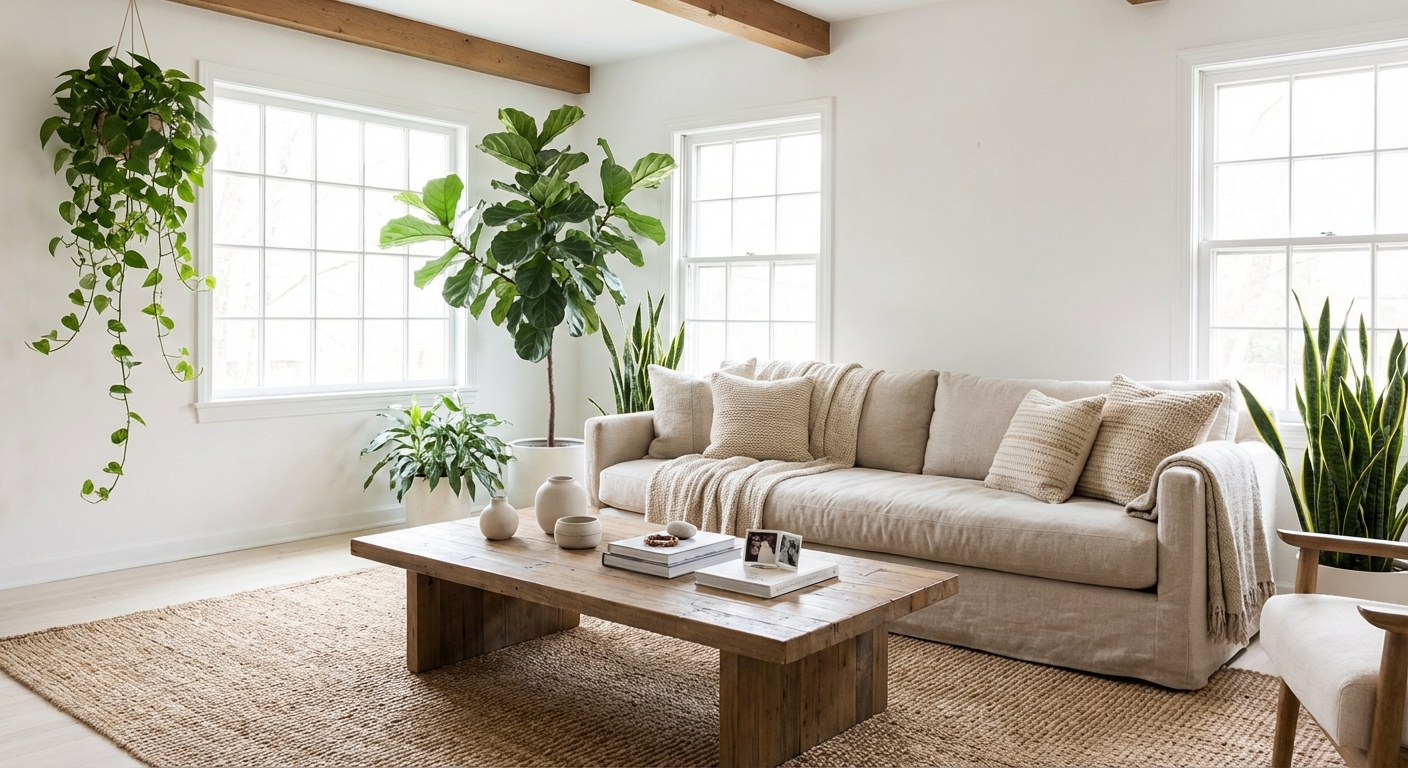
You spend approximately 90% of your time indoors, and 60-70% of that time in your home. That space shapes your mood, stress levels, sleep quality, eating behaviors, relationship dynamics, and cognitive function more profoundly than most people realize. Your home either restores you or depletes you, and the difference isn’t primarily about budget or square footage. It’s about intentional design choices aligned with how human beings psychologically and physiologically respond to their environments.
Environmental psychology, a field studying how physical spaces affect human wellbeing, has documented consistent principles across decades of research. UCLA researchers found that people living in cluttered homes had measurably elevated cortisol levels throughout the day, describing their homes with stress-associated language while those in organized spaces used restorative language. Hospital patients with window views of nature healed faster and required less pain medication than those with views of brick walls. Office workers near windows reported better sleep, more physical activity, and higher quality of life than colleagues in windowless spaces.
These findings aren’t just interesting academic observations. They’re actionable insights for designing living spaces that actively support rather than undermine your mental and physical health. Creating sanctuary isn’t about magazine-worthy aesthetics. It’s about understanding what genuinely restores human beings and building those elements into your daily environment.
How Environment Affects Your Brain and Body
Your brain constantly monitors your surroundings through processes that evolved for survival in unpredictable natural environments. This background scanning never stops, even when conscious attention is focused elsewhere. The quality of your environment creates either a baseline of safety that allows relaxation or a persistent low-level stress that prevents it.
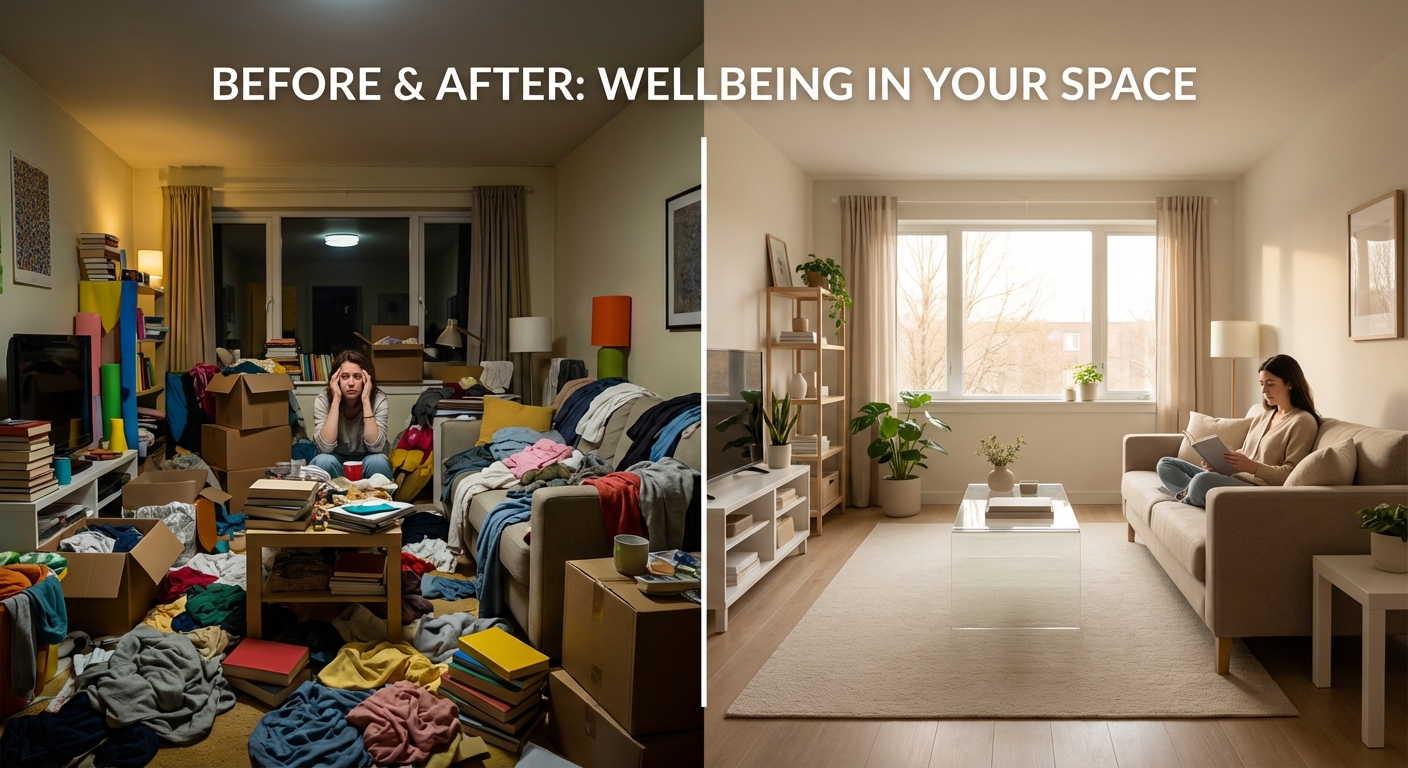
When an environment is cluttered, chaotic, or poorly organized, your brain interprets these signals as potential threats or unfinished tasks requiring attention. It works harder to filter signal from noise, draining cognitive resources that could otherwise support focused work, creative thinking, or emotional regulation. The UCLA study on home clutter and cortisol demonstrated this directly: people in messy homes maintained elevated stress hormone levels throughout waking hours, never fully shifting into rest and recovery mode.
Attention Restoration Theory, developed by environmental psychologists Rachel and Stephen Kaplan, explains why certain environments feel rejuvenating while others feel draining. Your directed attention, the mental resource used for focused work and deliberate thinking, depletes throughout the day. Certain environments restore this resource while others continue depleting it. Restorative environments share common characteristics: they include natural elements, they offer complexity without chaos (interesting but not overwhelming), they provide “soft fascination” (elements that hold attention effortlessly, like watching leaves move or water flow), and they create psychological distance from demands and pressures.
Your home can incorporate these restorative qualities even in urban apartments with limited nature access. Understanding what creates psychological restoration allows you to build it intentionally into your space, rather than accidentally creating an environment that continues the depletion you experience at work.
The behavioral architecture of your space shapes actions through mechanisms you often don’t consciously notice. Convenience increases behavior frequency: whatever is easy happens more. Cues trigger associated actions: visible reminders prompt behaviors. Friction decreases behavior frequency: whatever requires extra steps happens less. If healthy food is visible and easily accessible while junk food is hidden and requires effort, eating patterns shift without requiring willpower for each decision. If your yoga mat is accessible while your TV remote requires getting up, the balance of activities changes. Design your environment to make desired behaviors easy and default, and behavior change requires dramatically less conscious effort.
The Five Pillars of Restorative Home Design
Research consistently identifies specific environmental elements that support human wellbeing across cultures, climates, and individual differences. These aren’t matters of taste but fundamental human needs shaped by evolution.
Natural Light and Quality Lighting
Natural light exposure regulates circadian rhythm, the internal biological clock governing sleep-wake cycles, hormone production, mood, and countless physiological processes. Humans evolved under natural light conditions that varied predictably with time of day and season. Artificial lighting, especially modern LED and fluorescent sources, disrupts these ancient patterns in ways that affect sleep, mood, and health.
A landmark study of office workers published in the Journal of Clinical Sleep Medicine found that those with workstations near windows received 173% more white light exposure during work hours, slept an average of 46 minutes more per night, had higher quality sleep as measured by objective assessments, and reported better physical activity levels and quality of life. The proximity to natural light created measurable differences in health outcomes despite similar job roles and other lifestyle factors.
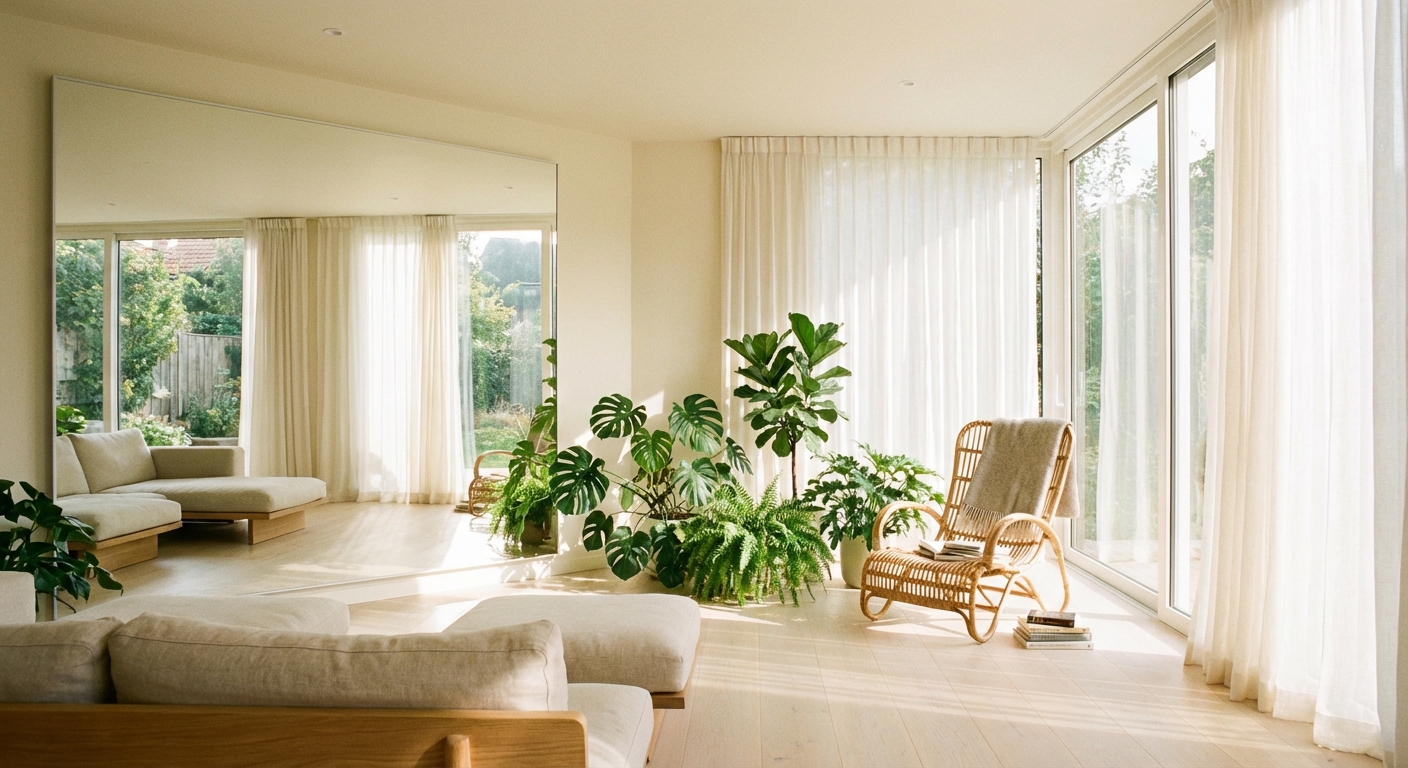
Maximizing natural light in your home starts with removing obstacles. Keep window areas clear of furniture or decorations that block light. Use light-colored walls that reflect rather than absorb daylight. Position mirrors strategically to bounce light into darker areas. Replace heavy curtains with sheer options for daytime privacy without blocking light.
Quality artificial lighting becomes critical for evening hours and spaces with limited windows. Match light color temperature to time of day: bright, cool white light (5000-6500K) during morning and daytime to maintain alertness, transitioning to warm light (2700-3000K) in evening to signal the approaching end of day. Avoid overhead-only lighting that creates harsh shadows; layer ambient, task, and accent lighting for flexibility. Install dimmers to control intensity based on activity and time. In bedrooms and bathrooms, warm-spectrum bulbs support melatonin production in the hours before sleep.
Biophilic Design and Nature Connection
Biophilia, the innate human need for connection with nature, evolved over millions of years in natural environments. Modern indoor life frustrates this need in ways that create measurable stress. Biophilic design addresses this disconnection by bringing natural elements indoors through plants, natural materials, views, and patterns that satisfy our evolved connection to the natural world.
Indoor plants provide benefits beyond aesthetics. Research documents that they reduce perceived stress and anxiety, modestly improve air quality through oxygen production and pollutant absorption, enhance perceived wellbeing in home and work environments, and may increase creativity and cognitive function. The effect appears to scale with quantity and visibility: 5-10 plants in main living areas create more impact than a single plant tucked in a corner. Choose low-maintenance varieties if you’re likely to neglect demanding species. Position plants where you’ll see them during daily activities rather than in unused spaces.
Natural materials, including wood, stone, bamboo, cotton, wool, and linen, create nature connection through visual textures and grain patterns, tactile qualities when touched, and sometimes scent. Research shows people report feeling calmer in spaces featuring natural materials compared to those dominated by synthetic alternatives. Even modest incorporation of wood furniture, stone countertops, cotton or linen textiles creates meaningful psychological benefit.
Window views of nature dramatically improve wellbeing. The famous hospital study found that surgical patients with tree views recovered faster, required less pain medication, and had fewer complications than those with brick wall views. If your windows lack nature views, compensate with nature photography or artwork, window-based gardens or plants, positioning furniture to maximize whatever greenery is visible, and balcony or patio gardens if outdoor space exists.
Organization and Visual Order
The relationship between clutter and stress has been quantified. UCLA researchers measuring cortisol levels found that people living in cluttered homes maintained elevated stress hormones throughout the day and described their homes using stress-associated language (“stressful,” “cluttered,” “messy,” “not finished”), while those in organized spaces had lower cortisol and used restorative language (“restful,” “peaceful,” “comfortable”). The physical environment creates biological effects measurable in saliva samples.
Organization reduces stress through multiple mechanisms. It decreases visual overwhelm, as your brain processes less chaotic stimuli when surfaces are clear. It eliminates the low-level frustration of searching for items. It creates a sense of control in a world where much feels uncontrollable. It makes cleaning and maintenance easier.
Practical organization follows simple principles. Designate specific storage locations for items you’re keeping: if something doesn’t have a home, you probably don’t need it. Clear surfaces reduce visual stress more effectively than almost any other intervention; counters, tables, and desks should be mostly clear with only intentionally placed items visible. Establish a daily reset ritual, 10 minutes each evening returning items to designated places prevents accumulation that transforms organized spaces into chaos over weeks. Distinguish between visible and hidden storage: frequently used items should be accessible, occasionally used items belong in closed storage out of sight.
Meaningful Personalization
Generic decor purchased to fill empty walls creates spaces that might photograph well but provide no emotional nourishment. Your home should reflect your actual identity, relationships, and values, not a catalog aesthetic designed for mass appeal.
Photos of loved ones and meaningful experiences trigger positive emotions with each viewing, strengthening feelings of connection and belonging. These function as psychological anchors, not mere decoration. Travel mementos from significant trips, gifts from important people, objects representing achievements or values, all serve similar functions. They remind you who you are, what matters to you, and who matters to you. This isn’t sentimentality; it’s using environmental cues to support psychological wellbeing.
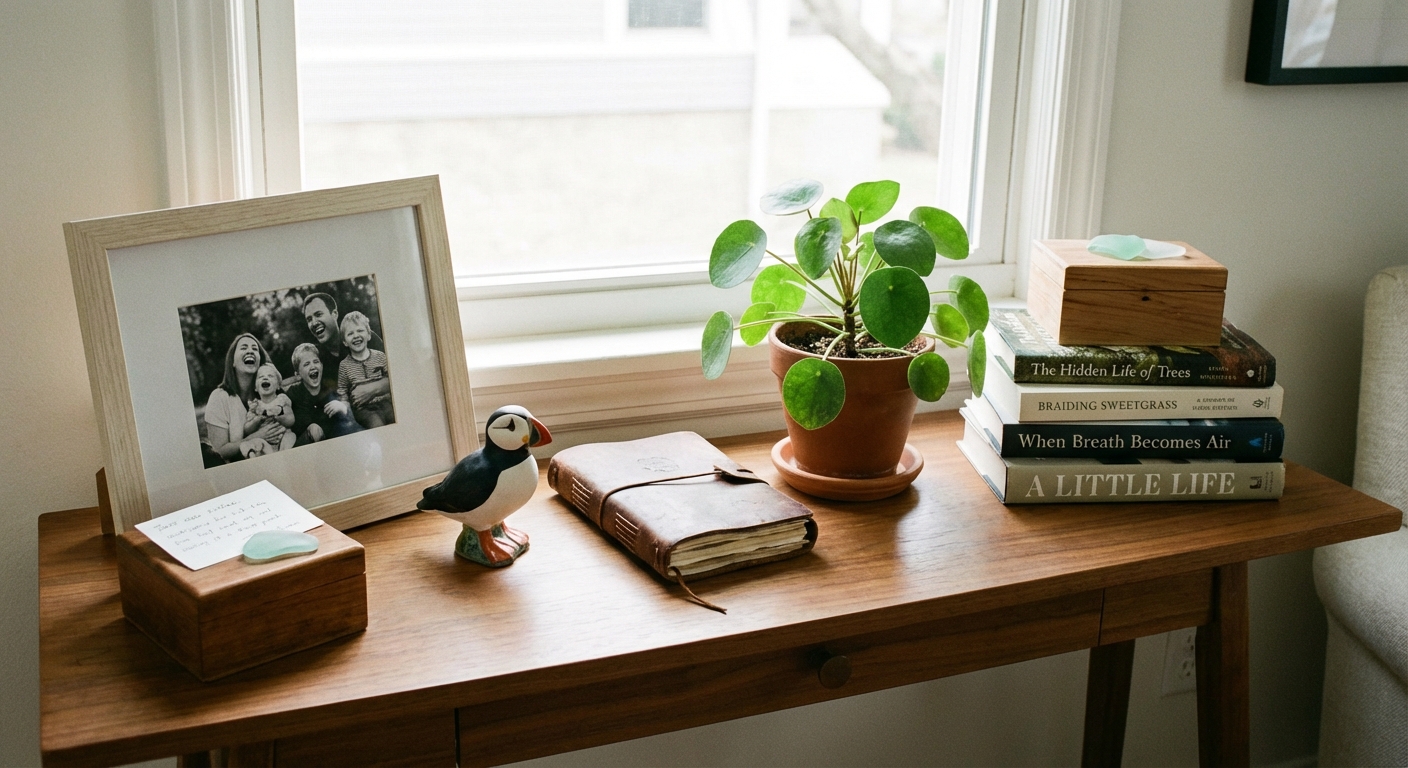
Simultaneously, release items that don’t serve you. Generic decor bought to fill space contributes nothing. Gifts kept from obligation create guilt when viewed. Items triggering negative memories don’t belong in a sanctuary. Edit ruthlessly: a curated selection of genuinely meaningful items creates warmth; too many items, even meaningful ones, creates visual chaos. Select the most significant pieces and rotate others seasonally if you can’t choose.
Sensory Environment
Your home affects all senses simultaneously, and optimizing each sensory channel creates comfort beyond visual aesthetics.
Sound management starts with reducing unwanted noise. Rugs, textiles, and soft furnishings absorb sound, preventing echo and dampening footstep noise. Weather stripping blocks external sounds. White noise machines mask sounds you can’t eliminate. Add pleasant sounds intentionally: water features, visible bird feeders, music systems, or simply opening windows for natural ambiance.
Scent powerfully affects mood through direct pathways to the brain’s emotional center. Research documents specific effects: lavender promotes relaxation and sleep quality, citrus scents increase alertness and elevate mood, pine and evergreen reduce stress responses, vanilla creates comfort. Introduce scent through essential oil diffusers, fresh flowers or herbs, non-toxic candles made from beeswax or soy, or simply fresh air through open windows. Avoid synthetic fragrances that trigger headaches in many people.
Temperature and air quality significantly impact comfort and health. General living spaces function best at 68-72°F, while bedrooms should be cooler (65-68°F) for optimal sleep. Humidity between 30-50% balances comfort, respiratory health, and mold prevention. Open windows regularly for fresh air exchange, use air purifiers if needed for allergies or pollution, and minimize indoor pollution sources from harsh chemicals and synthetic fragrances.
Room-by-Room Design Principles
Different rooms serve different primary functions, and optimizing each space for its intended use creates a home that actively supports your entire life.
The bedroom functions as sleep sanctuary. Darkness is non-negotiable: install blackout curtains, eliminate LED lights from electronics, remove or cover any light sources. Temperature should be cool, 65-68°F optimal for sleep. For comprehensive sleep environment optimization, consider both lighting and temperature as primary factors. Minimize stimulation by removing work materials and limiting technology. The bedroom should be dedicated to sleep and rest, not multipurpose. Invest in a quality mattress, comfortable bedding, and pillows suited to your sleep position.
The kitchen should support healthy eating behaviors. Make healthy choices visible and convenient: fruit bowl on counter, water filter accessible, healthy snacks at eye level in pantry and refrigerator. Make unhealthy choices less convenient: store treats out of sight, add friction to access. Create a pleasant environment that makes cooking appealing rather than a chore you avoid by ordering takeout.
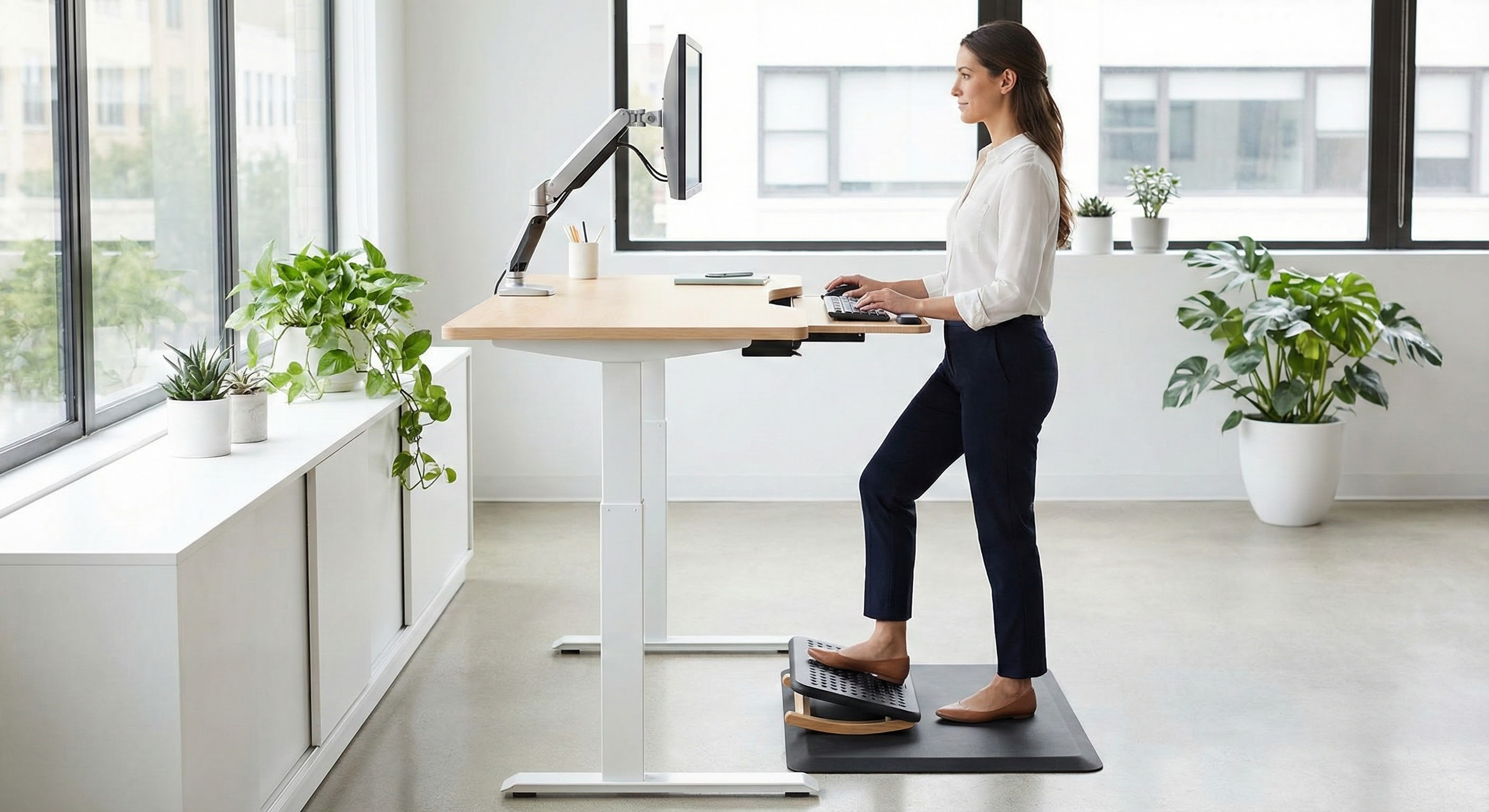
Workspaces require focus and boundary maintenance. If you work from home, dedicate specific space to work, even if it’s just a corner of a room. Establish clear temporal and physical boundaries. Optimize ergonomics: proper chair height, monitor at eye level, keyboard and mouse positioned correctly. Minimize distractions while including plants and personal items that support wellbeing without disrupting focus.
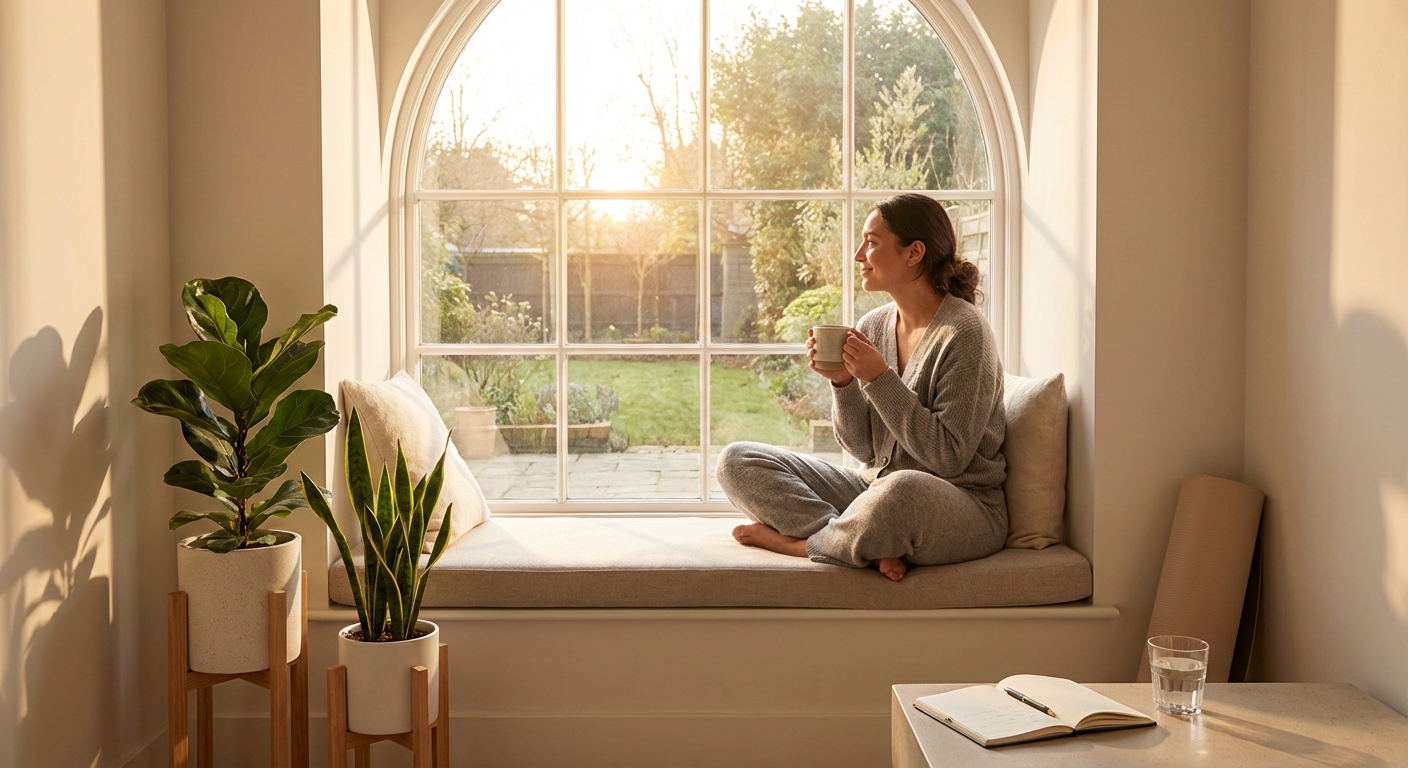
Living areas serve connection and relaxation. Arrange furniture to facilitate conversation, not just TV viewing. Ensure comfortable seating for multiple people. Create cozy spaces for individual relaxation: reading nook, comfortable chair by a window. Balance technology with tech-free zones or times that encourage presence and connection. Consider implementing digital detox strategies in shared spaces to foster genuine interaction.
The Bottom Line
Your home environment measurably affects stress hormones, mood, sleep quality, eating behavior, and relationship quality. These effects are documented by research, not just subjective impressions. Creating a restorative home doesn’t require unlimited budget or professional design; it requires understanding what genuinely restores human beings and making intentional choices aligned with those principles.
The five pillars of restorative home design:
- Natural light maximized during day, warm artificial light in evening
- Nature connection through plants, natural materials, views, and natural patterns
- Organization that reduces visual chaos and cognitive load
- Meaningful personalization that reflects identity and values without clutter
- Sensory comfort across sound, scent, temperature, and texture
Start with highest-impact, lowest-cost changes: declutter and organize (free), maximize natural light (free to minimal cost), add a few plants ($20-50), clear surfaces of visual chaos (free), and evaluate whether your lighting supports or undermines your circadian rhythm.
Your home should restore you, not deplete you. The difference between a draining environment and a sanctuary often isn’t money. It’s intention, understanding, and the willingness to design space that serves your actual wellbeing rather than some external aesthetic ideal.
Sources: UCLA clutter and cortisol research, Journal of Clinical Sleep Medicine natural light study, environmental psychology reviews, Attention Restoration Theory (Kaplan), biophilic design research, behavioral architecture principles, sensory environment and wellbeing studies.