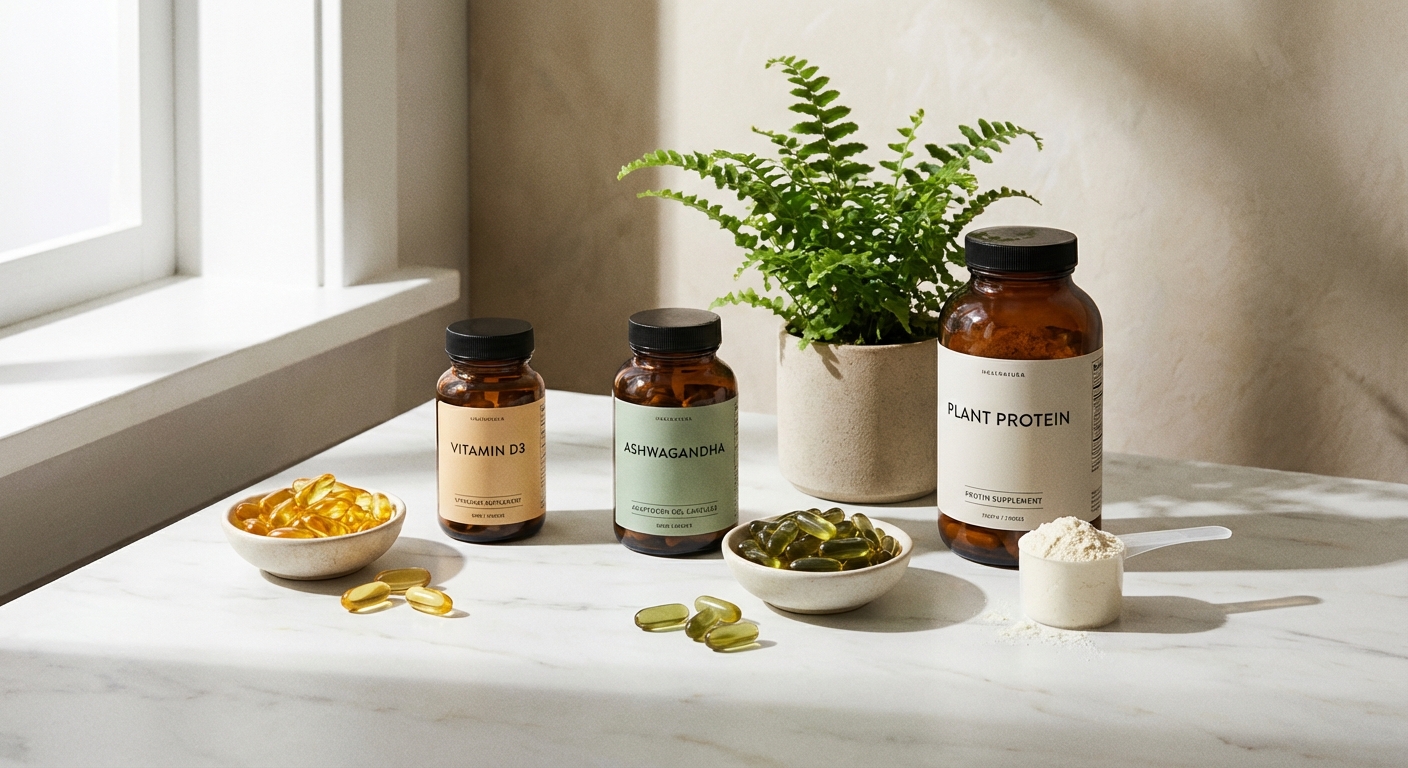
You’re standing in the supplement aisle at Whole Foods, staring at 47 different vitamin D options, when your phone buzzes with an ad for a personalized supplement subscription that promises to analyze your DNA and create a custom formula just for you. Meanwhile, your friend swears by lion’s mane mushrooms for focus, your doctor just recommended magnesium for sleep, and you’ve heard that anyone taking Ozempic absolutely needs extra protein. The global supplement market has ballooned to $378 billion in 2025, projected to nearly double to $746 billion by 2033, and navigating it feels more overwhelming than ever.
The good news is that beneath the marketing hype, some genuine shifts are reshaping how supplements are formulated, personalized, and used. The bad news is that distinguishing evidence-based products from wellness theater requires knowing what questions to ask. After analyzing industry reports from Glanbia Nutritionals, Innova Market Insights, and Spate’s 2025 Trends Report, along with the underlying research, here’s what’s actually happening in supplements this year and what it means for your health decisions.
Personalized Supplementation Is Maturing Beyond Gimmicks
The era of taking the same multivitamin your parents took is ending, replaced by personalized supplementation that uses genetic testing, microbiome analysis, blood biomarker testing, and AI-driven recommendations to create custom regimens. Companies like Care/of, Persona, and Vitamin Lab offer at-home testing kits that analyze your DNA, gut bacteria, or blood markers, then formulate vitamin packs addressing your specific deficiencies and health goals.
The sophistication has increased dramatically from early iterations. Instead of generic “energy support” or “immune health” formulas, you now receive supplements targeting your verified vitamin D deficiency, your genetically-influenced folate metabolism variant (MTHFR polymorphism), your specific microbiome imbalance affecting inflammation, or your sleep problems linked to documented low magnesium. The personalization extends beyond just which supplements to include. Dosing is calibrated to your deficiency levels, timing recommendations account for your daily routine, and formulations avoid ingredients you’re sensitive to or that interact with medications you’re taking. Some services integrate with wearables like Oura Ring or Apple Watch to adjust recommendations based on sleep quality, activity levels, and stress markers tracked in real time.
Market data shows 20% year-over-year growth in custom supplement formulations, driven particularly by Gen Z and millennial consumers who’ve grown up with personalized everything and expect the same individualization in health products. The focus has shifted from general wellness to specific “need states,” including cognitive function for knowledge workers, heart health for those with family history, hormonal balance for women navigating menstruation or menopause, and athletic recovery for fitness enthusiasts. For context on how this intersects with broader nutrition trends, see our analysis of personalized nutrition approaches.
The critical question is whether customization genuinely produces better outcomes than high-quality standard supplements and good diet. The evidence is mixed but suggests that for people with verified deficiencies or specific health issues, personalized approaches work better. A blood test revealing vitamin D at 15 ng/mL, for instance, justifies supplementation at doses (5,000-10,000 IU daily) far exceeding what generic multivitamins provide. For generally healthy people hoping to optimize without documented deficiencies, the benefit over quality multivitamins and evidence-based supplementation is less clear, and the cost premium is substantial.
Adaptogens and Functional Mushrooms Have Real Research Now
In a world characterized by chronic stress, political instability, economic uncertainty, and lingering psychological impacts from the pandemic, adaptogens have surged from wellness niche to mainstream supplement category. These herbs and mushrooms supposedly help the body adapt to stress, and while that framing is somewhat vague, the research on specific adaptogens has actually become quite robust.
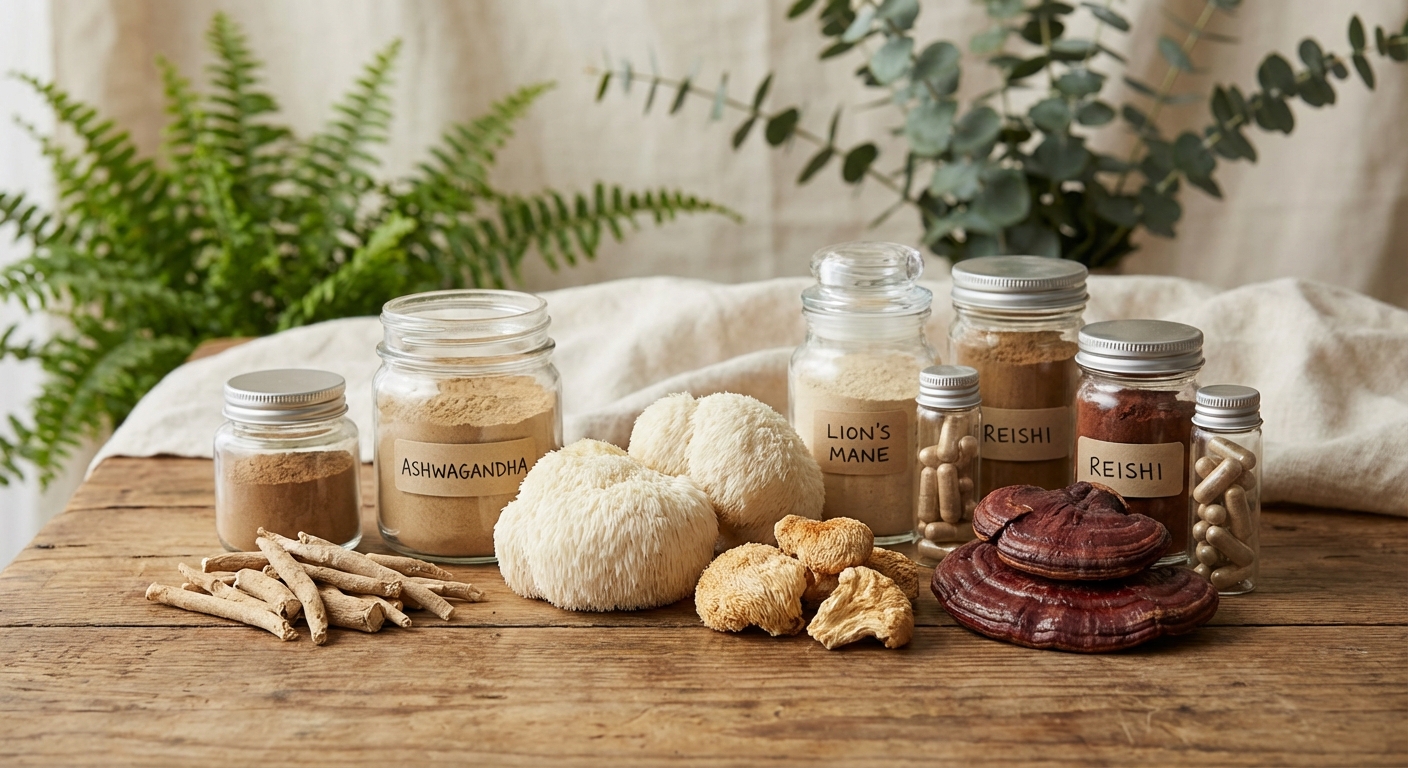
Ashwagandha leads the boom with the strongest evidence base. This Ayurvedic herb reduces cortisol by up to 30% in clinical trials and shows genuine anti-anxiety effects in multiple randomized controlled studies. A 2019 meta-analysis in the Journal of Alternative and Complementary Medicine found that ashwagandha significantly reduced anxiety scores compared to placebo, with effect sizes comparable to some pharmaceutical interventions for mild to moderate symptoms. It’s appearing in everything from standalone capsules to combination formulas with magnesium and L-theanine for “calm focus,” or stacked with creatine for “sustained energy without jitters.”
Functional mushrooms, particularly lion’s mane, reishi, and cordyceps, have grown 15% in search volume year-over-year. Lion’s mane shows preliminary evidence for cognitive enhancement and nerve growth factor stimulation. A 2020 study in the Journal of Medicinal Food found improvements in cognitive function in adults with mild cognitive impairment after 16 weeks of supplementation. Reishi is marketed for immune support and relaxation. Cordyceps supposedly improves energy and athletic performance, though the evidence here is weaker. The quality of evidence varies dramatically by mushroom and claimed benefit, but consumer adoption continues growing regardless.
Women drive 60% of adaptogen purchases according to market research, often seeking hormonal balance support during menstrual cycles, perimenopause, or menopause. The appeal of “natural” stress management that doesn’t require prescription medications or therapy resonates particularly strongly with consumers looking for self-directed wellness solutions. For evidence-based approaches to managing stress, our guide to election stress strategies offers complementary techniques.
The products have evolved from capsules and powders into more appealing formats. Gummies with adaptogens make supplementation feel like a treat rather than medicine. Adaptogen-infused beverages serve the sober-curious movement while delivering functional benefits. The convenience and palatability improvements address one of supplements’ persistent problems, namely that people buy them but don’t consistently take them. Make them enjoyable, and adherence improves.
GLP-1 Support Supplements Address Real Nutritional Gaps
The explosive growth of GLP-1 receptor agonists for weight loss, including semaglutide (Ozempic, Wegovy) and tirzepatide (Mounjaro, Zepbound), has created an entirely new supplement category: products specifically designed to support people taking these medications. With an estimated 15-20 million Americans now taking GLP-1 medications, and that number growing rapidly, the market for supporting supplements has exploded for reasons that go beyond opportunistic marketing.
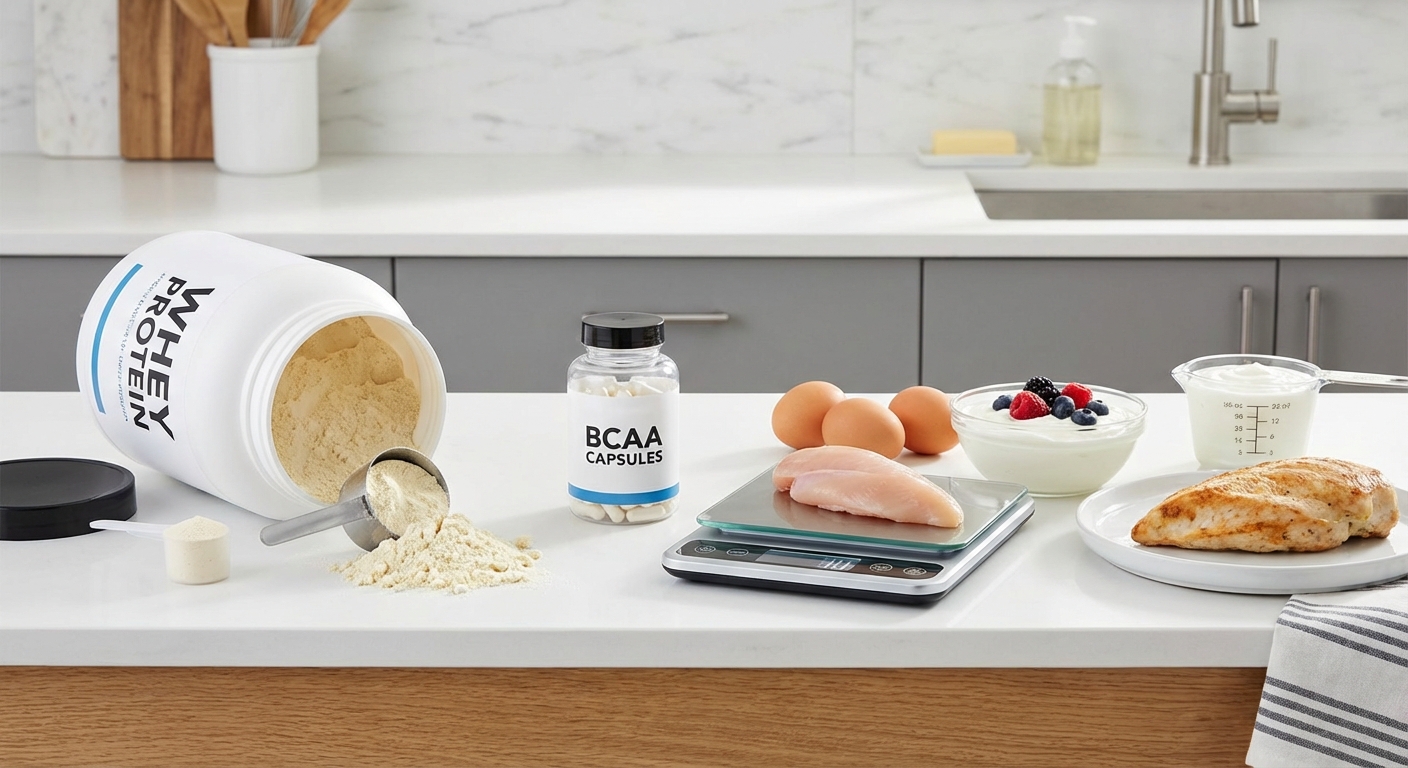
GLP-1 medications create genuine nutritional challenges that supplements can partially address. The most concerning issue is the 25-40% lean mass loss problem plaguing users. When you lose weight rapidly through severe appetite suppression, a significant portion of that weight comes from muscle rather than fat unless you actively protect it. Highly bioavailable protein formulations with added leucine to maximize muscle protein synthesis have surged in response to this need. For comprehensive guidance on protein strategy during GLP-1 use, our protein timing guide for GLP-1 users covers the research in depth.
Anti-nausea blends combining ginger, vitamin B6, and peppermint address the most common side effect. Approximately 44% of users experience nausea, particularly in early months. The evidence for ginger in nausea management is quite strong, dating back decades for pregnancy-related nausea and motion sickness.
Fiber supplements have become essential rather than optional for many users. When food intake drops to 1,000-1,500 calories daily, fiber intake plummets alongside total food volume, and constipation follows. Psyllium husk, inulin, and other fiber supplements become necessary to maintain digestive regularity and feed beneficial gut bacteria.
NAD+ precursors, specifically nicotinamide riboside (NR) and nicotinamide mononucleotide (NMN), are marketed for maintaining energy and cellular function during the caloric restriction that GLP-1 medications create. The theory is that severe calorie reduction depletes NAD+, affecting energy production, and supplementation might counteract this. The evidence is preliminary but biologically plausible.
Probiotics for gut reset target the microbiome disruption that can occur with dramatically altered eating patterns. Collagen supplements promise joint support and skin elasticity maintenance during rapid weight loss that can leave skin loose and joints aching.
Cosmetics Business and other industry analysts predict explosive growth in this GLP-1 support category, with some suggesting it could represent a $5-10 billion market within 2-3 years as medication use continues expanding. The nutritional challenges affecting nearly everyone on these drugs create genuine demand for solutions that supplements can at least partially address.
Ingestible Beauty Has Evidence Worth Considering
The ingestible beauty category, supplements promising skin, hair, and nail improvements from internal nutrition rather than topical treatments, continues strong growth with the global market reaching $9.76 billion and expanding at nearly 10% annually. Unlike many supplement categories, some products here have actual clinical evidence supporting their claims.
Collagen peptides dominate the category for good reason. Hydrolyzed collagen, broken down into smaller peptides for better absorption, has demonstrated skin elasticity and hydration improvements after 8-12 weeks of consistent use at 2.5-10 gram daily doses. A 2019 meta-analysis in the Journal of Drugs in Dermatology found that collagen supplementation improved skin elasticity by 7-12% and hydration by 12-16%. These are modest but real effects that explain the category’s staying power beyond just marketing hype. For a deeper dive into the collagen research, see our comprehensive collagen supplements review.
Hyaluronic acid supplements show benefits for skin hydration when consumed orally at 120-240mg daily. The molecule is absorbed and distributed systemically, affecting not just facial skin but joints and eyes as well. A 2017 randomized controlled trial found significant improvements in skin moisture and wrinkle depth after 12 weeks of supplementation.
Oral probiotics targeting the oral microbiome represent an unexpected subcategory driven by emerging research on how mouth bacteria affect not just dental health but systemic inflammation. Specific probiotic strains for oral health, particularly Lactobacillus reuteri, show promise in research for reducing gum inflammation and cavities, though the evidence base is still developing.
Bovine colostrum has surged in popularity driven by claims of immune support, gut healing, and anti-inflammatory effects. The research is preliminary but the ingredient has acquired substantial celebrity backing. Whether healthy adults need supplemental colostrum remains questionable, but the product category is growing regardless.
The search interest spike of over 6,500% year-over-year in wrinkle reduction supplements suggests this isn’t a fading trend but a growing consumer priority. The convergence on functional-aesthetic goals, products that promise both health benefits and appearance improvements, reflects consumer desire for efficiency.
Gut Health Supplements Have Evolved Beyond Basic Probiotics
The probiotic market has matured significantly. The industry has moved past the idea that simply flooding the gut with generic bacteria is enough to restore health. The new frontier is precision, targeting specific strains for specific outcomes, and synergy, ensuring the beneficial bacteria have the fuel they need to survive and colonize.
Synbiotics combine probiotics (the beneficial bacteria) with prebiotics (the fiber that feeds them). This ensures that supplemented bacteria have the substrate they need to thrive once they reach your gut, theoretically increasing efficacy. The approach makes biological sense, though comparative studies between standalone probiotics and synbiotics are still limited.

Researchers are identifying specific strains for specific outcomes. We now have “psychobiotics” targeting the gut-brain axis for mental health benefits, “metabiotics” for metabolic function, and immune-specific blends. For deeper exploration of the gut-brain connection, our gut-brain axis guide explains the mechanisms and evidence. This targeted approach replaces the shotgun method of dumping generic Lactobacillus strains into your system and hoping for the best.
Postbiotics represent the cutting edge. Rather than providing the bacteria themselves, postbiotics deliver the beneficial metabolites that gut bacteria produce, compounds like butyrate, short-chain fatty acids, and other bioactive molecules. The theoretical advantage is more targeted benefit without needing the bacteria to colonize and produce these compounds in your gut. Research is still early on whether this works as well as live probiotics in practice.
Enzyme combinations paired with probiotics address multiple aspects of digestion simultaneously. Digestive enzymes help break down proteins, fats, and carbohydrates, while probiotics support the bacteria that ferment fiber and produce beneficial compounds. The combination targets both immediate digestion and longer-term microbiome health.
Multi-purpose powders, greens blends with added vitamins, minerals, adaptogens, and probiotics, cater to “pill fatigue,” the consumer exhaustion with taking 10-15 different supplement capsules daily. One scoop of powder replaces multiple pills, improving adherence through convenience, though the doses of individual ingredients in these blends are often subtherapeutic.
Mental Wellness Supplements Have Entered the Mainstream
Mental health has fully entered the supplement mainstream, with products targeting anxiety, depression, stress, sleep, and cognitive function growing rapidly in both innovation and consumer adoption. The recognition that nutrition affects mental health through neurotransmitter production, inflammation, and gut-brain signaling has opened this market beyond people comfortable seeking psychiatric help.
Nootropics, substances that enhance cognitive function, have grown 25% in consumer interest year-over-year. Beyond caffeine and traditional stimulants, the category includes lion’s mane mushrooms for memory and focus, L-theanine for calm alertness, omega-3 fatty acids for brain structure and function, and various B-vitamins for neurotransmitter production. The evidence quality varies dramatically by ingredient. Omega-3s have robust research supporting brain health, while other ingredients rely more on preliminary studies and theoretical mechanisms.
NAD+ boosters (NR and NMN supplements that raise levels of this cellular coenzyme that declines 50% by age 50) are marketed for cognitive longevity, energy, and healthy aging. The research is promising but early, mostly in animals with limited human trials. Despite relatively weak evidence and high cost ($40-100 monthly), adoption continues growing among consumers focused on longevity and willing to invest in speculative interventions.
Gummy supplements for stress and mood have proliferated, making mental health supplementation less clinical and more accessible. The format reduces psychological barriers, as taking a gummy for anxiety feels less medicalized than swallowing capsules. Whether the doses in gummy format are therapeutically meaningful is another question, as gummies have limited capacity for active ingredients.
The shift is toward supplements for mental wellness, not just mental illness. Products position themselves for optimization and resilience, not just treatment of diagnosed conditions. This reflects broader cultural acceptance that mental health maintenance is a universal need.
Navigating the Evidence Problem
As the supplement market explodes with innovation and new products launch constantly, the evidence quality problem persists and arguably worsens. Many products make claims far exceeding what research supports, use proprietary blends hiding actual ingredient doses, or rely on single preliminary studies to justify broad health claims.
Principles for smart supplementation in 2025:
- Choose products from reputable brands with third-party testing by organizations like NSF International, USP, or ConsumerLab, which verify contents match labels and test for contaminants
- Prioritize supplements with actual clinical evidence, including omega-3s, vitamin D, magnesium, and protein, rather than trendy ingredients with one preliminary study
- Be skeptical of dramatic claims; if something sounds like it cures everything, it probably cures nothing
- Consult healthcare providers if taking medications or managing chronic conditions to avoid interactions
- Address deficiencies rather than chasing optimization; a blood test showing vitamin D at 15 ng/mL justifies supplementation, while levels already at 50 ng/mL probably don’t need boosting
The message from registered dietitians and physicians remains consistent: supplements amplify and support but don’t replace balanced nutrition from whole foods. No amount of supplementation fixes a diet based on processed foods and lacking vegetables. Get the fundamentals right first, then use supplements strategically to address specific needs or verified deficiencies.
The Bottom Line
The 2025 supplement landscape offers both genuine innovation and persistent hype. Personalized supplementation, when based on actual testing rather than questionnaires, can identify and address real deficiencies. Adaptogens like ashwagandha have accumulated meaningful research for stress and anxiety. GLP-1 support supplements address legitimate nutritional challenges facing millions of medication users. Collagen peptides show modest but real benefits for skin health. And gut health formulations have evolved beyond generic probiotics toward more targeted approaches.
Your next steps:
- Get baseline bloodwork (vitamin D, B12, iron/ferritin, thyroid at minimum) before starting supplements
- Address documented deficiencies with appropriate doses rather than generic multivitamins
- If taking GLP-1 medications, prioritize protein (1.6-2.2g per kg of goal body weight) and fiber
- For stress and anxiety, consider ashwagandha (300-600mg KSM-66 extract) with realistic expectations
- Choose supplements with third-party testing (NSF, USP, ConsumerLab) over flashy marketing
The fundamentals, sleep, nutrition, exercise, stress management, and social connection, determine health far more than any supplement regimen, however sophisticated or personalized. Supplements are tools supporting overall wellness, not magic bullets replacing the hard work of actually living healthfully.
Sources: Journal of Alternative and Complementary Medicine (ashwagandha meta-analysis 2019), Journal of Drugs in Dermatology (collagen meta-analysis 2019), Journal of Medicinal Food (lion’s mane 2020), Glanbia Nutritionals Industry Reports, Innova Market Insights Consumer Surveys, Spate 2025 Trends Report, NIH Office of Dietary Supplements.