Three weeks into her ketogenic diet, Maria couldn’t understand why she felt worse than ever. She was following the macros perfectly, but the fatigue was crushing. Headaches started around noon and lasted until she went to bed. Her calves cramped violently at 3 AM. When she mentioned this to her doctor, he ran a basic metabolic panel and found something surprising: her electrolytes were depleted. Not dramatically enough to be dangerous, but enough to explain every symptom she was experiencing.
Most people’s understanding of electrolytes comes from sports drink marketing. You sweat, you lose electrolytes, you drink Gatorade. This narrative isn’t wrong, but it captures perhaps 10% of what electrolytes actually do and completely misses the chronic inadequacy that affects the majority of Americans. Sodium, potassium, magnesium, and calcium don’t just prevent cramps during exercise; they regulate nerve signaling, energy production, pH balance, muscle contraction, heart rhythm, and cognitive function every moment of every day.
The fatigue you blame on poor sleep might be low sodium. The brain fog you assume is just stress could be inadequate potassium. The muscle twitches you ignore are often early magnesium deficiency. And the standard advice to “stay hydrated” misses the point entirely, because water without adequate electrolytes can actually worsen mineral balance by diluting what you have. Understanding electrolyte physiology transforms vague tiredness and unexplained symptoms into actionable nutritional targets.
The Four Essential Electrolytes
Your body maintains delicate electrochemical gradients across every cell membrane, and four minerals do most of this work. Each plays distinct but interconnected roles, and imbalances in any one affect how the others function.
Sodium gets the most attention, usually negative, but this mineral is genuinely essential for life. It regulates fluid balance throughout your body, determines blood volume and pressure, enables nerve impulse transmission, and triggers muscle contraction. Without adequate sodium, your nervous system cannot function properly. The minimum requirement is approximately 1,500mg daily, but this floor is set low for sedentary populations eating processed foods. Active individuals, those in hot climates, people eating whole foods with minimal added salt, and anyone following low-carb diets often function optimally with 3,000-4,000mg or more. Deficiency manifests as fatigue, headaches, confusion, muscle cramps, low blood pressure, and dizziness.
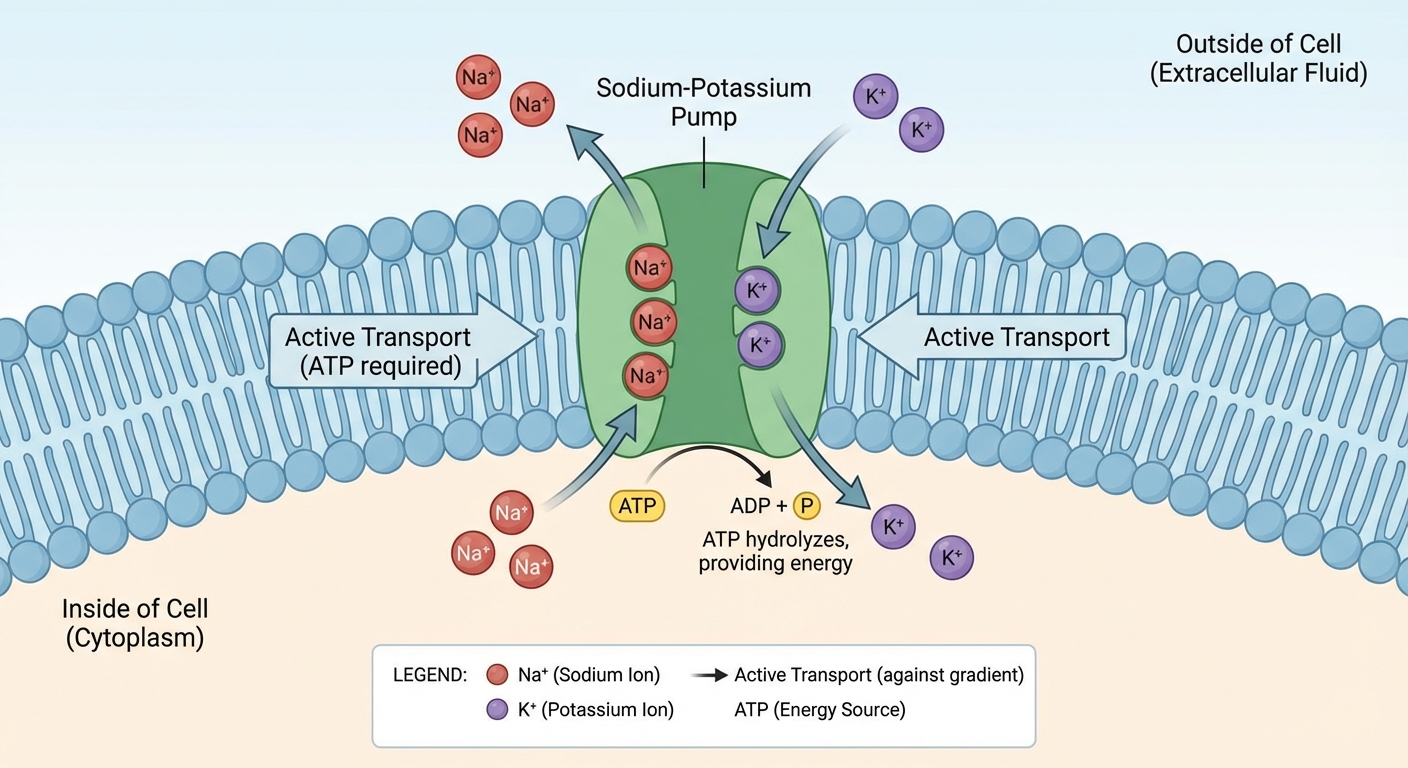
Potassium works in concert with sodium to maintain cellular function. While sodium concentrates outside cells, potassium concentrates inside, creating the electrochemical gradient that powers nerve signaling and muscle contraction. This gradient also helps regulate blood pressure, with higher potassium intake consistently associated with lower blood pressure across populations. The optimal daily intake is 2,600-3,400mg at minimum, with some researchers recommending up to 4,700mg for cardiovascular optimization. Yet most Americans consume only 2,000-2,500mg, with estimates suggesting 98% of the population falls below optimal targets. Deficiency causes muscle weakness, cramping, constipation, heart palpitations, and fatigue.
Magnesium participates in over 300 enzymatic reactions, making it one of the most metabolically essential minerals. It’s required for ATP production (cellular energy), protein synthesis, nerve and muscle function, bone structure maintenance, and blood glucose regulation. Despite this importance, approximately 50% of Americans consume less than the recommended 310-420mg daily, with many taking in only 200-250mg. This chronic insufficiency manifests as muscle cramps (especially nocturnal calf cramps), eyelid twitching, anxiety and irritability, insomnia or poor sleep quality, fatigue despite adequate rest, and migraines in susceptible individuals.
Calcium provides structural support for bones and teeth, but its roles extend far beyond skeleton maintenance. It enables muscle contraction, facilitates nerve transmission, participates in blood clotting, and serves critical cell signaling functions. Daily requirements of 1,000-1,200mg are met by many people through dietary intake, though those avoiding dairy or following certain dietary patterns may fall short. Long-term deficiency compromises bone density, while acute deficiency affects nerve and muscle function.
The critical insight is that these minerals don’t work in isolation. They interact and balance each other. The sodium-potassium ratio affects blood pressure and cellular function. Calcium and magnesium have opposing effects on muscle tissue, with calcium enabling contraction and magnesium enabling relaxation. Optimizing one while ignoring others often fails to produce the expected benefits.
Sodium: Separating Science from Salt Phobia
For decades, public health messaging has demonized sodium, treating salt restriction as universally beneficial. The reality is considerably more nuanced, and for many people, especially those eating whole foods and exercising regularly, fear of salt may be causing more problems than it prevents.
The traditional narrative linked high sodium intake to hypertension and cardiovascular disease, leading to recommendations to keep intake below 2,300mg daily. This guidance was based primarily on population studies showing correlations between high-sodium processed food consumption and health problems. However, recent research has complicated this picture substantially.
Research by Dr. Andrew Mente at McMaster University’s Population Health Research Institute shows a J-shaped curve for sodium and health outcomes. Very high sodium intake (above 5,000-6,000mg daily) does correlate with increased cardiovascular risk, particularly in sodium-sensitive individuals who represent perhaps 25-30% of the population. But very low sodium intake (below 2,000mg daily) also correlates with increased mortality and adverse outcomes in multiple large studies. The sweet spot for most people appears to be 3,000-4,500mg daily, notably higher than current recommendations.
For active individuals, sodium needs increase substantially. Sweat contains 500-1,200mg of sodium per liter, and intense exercise in hot conditions can produce sweat losses of 2-4 liters per hour. That translates to potential sodium losses of 1,000-4,800mg in a single training session. Without replacement, performance declines, fatigue sets in, and in extreme cases, dangerous hyponatremia (low blood sodium) can develop, particularly when athletes drink large volumes of plain water during prolonged exercise.
Many people eating whole foods diets are chronically sodium-depleted without realizing it. When you eliminate processed foods, which provide the vast majority of sodium in typical American diets, and don’t consciously add salt to cooking and meals, intake can drop below 1,500mg despite eating plenty of food. The resulting symptoms, fatigue, headaches, poor concentration, exercise intolerance, often get attributed to other causes.
The practical recommendation for healthy, active individuals: salt your food to taste. If you’re exercising hard, use more than you think. Experiment with intake in the 3,000-5,000mg range and assess how you feel. Many people report dramatically better energy, mental clarity, and exercise performance when they stop fearing salt and ensure adequate intake.
Potassium: The Most Neglected Essential Mineral
If you had to prioritize one electrolyte for optimization, potassium would be the leading candidate. It’s essential for cardiovascular function, blood pressure regulation, and muscular performance, yet population-wide insufficiency is nearly universal.
The numbers are striking. Optimal intake is at least 3,400mg daily, with some evidence supporting targets up to 4,700mg for cardiovascular benefits. Average American intake hovers around 2,400mg. By some estimates, 98% of the US population fails to meet the adequate intake level. This widespread shortfall means that most people are functioning suboptimally without realizing it.
Research links adequate potassium intake to a 20% reduction in stroke risk, meaningful blood pressure reduction (especially in salt-sensitive individuals), better muscle function and reduced cramping, and improved bone density. The sodium-to-potassium ratio may matter as much as absolute intake of either mineral. Ancestral diets were potassium-dominant with relatively low sodium; modern processed food diets invert this ratio. Returning to higher potassium intake, even without reducing sodium, improves cardiovascular markers in many studies.
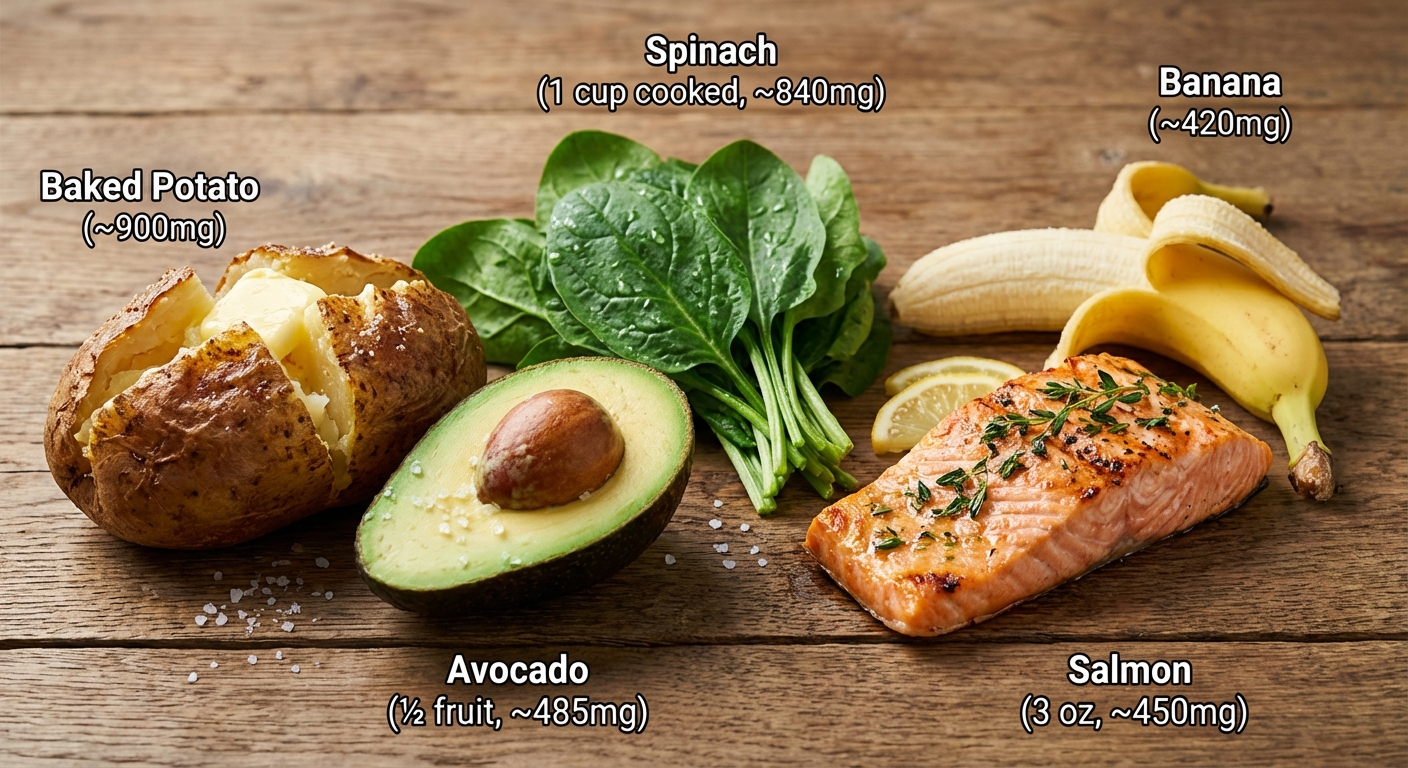
Getting enough potassium requires deliberate attention to high-potassium foods. A single baked potato with skin provides 925mg, nearly a quarter of daily needs. One avocado delivers about 690mg. A cup of cooked spinach offers 840mg. Salmon provides 628mg per serving. Three to four servings of these potassium-dense foods daily approaches optimal intake; most people eat far fewer. The fiber gap analysis discusses similar challenges with meeting nutrient targets through modern diets.
Potassium supplements exist but carry genuine caution. High-dose potassium supplementation can cause dangerous cardiac arrhythmias, which is why over-the-counter supplements are limited to small doses (typically 99mg, representing only 2-3% of daily needs). Food sources are safer because potassium absorbs more gradually when consumed with the fiber and other compounds in whole foods. For most people, focusing on potassium-rich foods rather than supplements makes more sense both for safety and effectiveness.
Magnesium: The Relaxation Mineral Most People Lack
Magnesium deficiency is pervasive, underdiagnosed, and implicated in numerous symptoms that people typically attribute to other causes. This mineral is essential for over 300 enzymatic reactions, yet roughly half of Americans consume inadequate amounts.
The scope of magnesium’s functions helps explain why deficiency causes such diverse symptoms. It’s required for ATP production, meaning that every energy-requiring process in your body depends on adequate magnesium. Muscle relaxation requires magnesium (calcium contracts, magnesium relaxes), explaining the cramps, tension, and twitches that accompany deficiency. Nervous system calming involves magnesium through GABA receptor modulation, connecting deficiency to anxiety, irritability, and hyperexcitability. Sleep quality depends on magnesium’s role in glycine receptors and melatonin production, and supplementation consistently improves sleep metrics in those who are deficient.
Modern soil depletion means food contains less magnesium than it did historically. Processing removes more. Even people eating reasonably well often fall short. The recommended 310-420mg daily (depending on sex and age) requires consistent attention to magnesium-rich foods: pumpkin seeds (156mg per ounce), chia seeds (95mg per ounce), almonds (80mg per ounce), cooked spinach (157mg per cup), and dark chocolate (65mg per ounce).
Supplementation makes sense for many people given the widespread insufficiency and difficulty meeting needs through food alone. Different magnesium forms have different properties. Magnesium glycinate (200-400mg before bed) aids sleep without causing digestive issues, making it the most versatile choice. Magnesium threonate specifically targets brain function and may enhance cognition. Magnesium oxide, despite being the cheapest and most common form, absorbs poorly and often causes digestive discomfort, making it the least recommended option.
The signs of magnesium insufficiency are worth recognizing: nocturnal leg cramps, eyelid twitching, anxiety or irritability that seems disproportionate to circumstances, difficulty falling or staying asleep, fatigue despite adequate rest time, and migraine susceptibility. If these symptoms are familiar and you’re not already optimizing magnesium intake, a trial of supplementation with glycinate or threonate forms is low-risk and often surprisingly effective.
Special Situations: When Electrolyte Needs Surge
Certain circumstances dramatically increase electrolyte requirements, and failing to adjust intake can produce significant symptoms.
Intense exercise amplifies losses through sweat. For training sessions under 60 minutes, water alone usually suffices. Beyond 60-90 minutes, especially in heat, electrolyte replacement becomes important. Target 300-600mg sodium per hour during prolonged exercise, with some potassium and magnesium as well. Post-workout, rehydrate with sodium-containing fluids and consume potassium-rich foods at your next meal. Athletes who train hard while following low-sodium dietary advice often experience persistent fatigue and performance plateaus that resolve when they simply add more salt.
Low-carbohydrate and ketogenic diets create a distinct electrolyte challenge. Carbohydrate restriction causes the kidneys to excrete sodium and water rapidly, depleting electrolytes within days of starting such a diet. The “keto flu,” symptoms of headache, fatigue, cramps, and brain fog that often accompany the first weeks of carbohydrate restriction, is largely electrolyte depletion rather than carbohydrate withdrawal. Keto electrolyte needs are substantially higher than normal: 4,000-7,000mg sodium (compared to typical 2,300-4,000mg), 3,500-4,500mg potassium, and 400-500mg magnesium. Adequate electrolyte intake eliminates most symptoms that drive people to abandon ketogenic approaches. The biohacking sleep guide covers how electrolyte status affects sleep quality, which often suffers during keto adaptation.
Hot weather and altitude increase fluid and electrolyte losses through increased sweating and respiration. Travelers to hot climates or high altitudes should proactively increase sodium and potassium intake rather than waiting for symptoms. These losses can sneak up on you because the dry air at altitude and air conditioning in hot climates mask how much fluid you’re actually losing.
Gastrointestinal illness depletes electrolytes rapidly through vomiting and diarrhea. Commercial sports drinks are suboptimal for rehydration because they contain too much sugar and inadequate sodium for illness recovery. Oral rehydration solutions (ORS) with specific ratios of electrolytes and glucose are more effective. A simple DIY version: 1 liter water, 6 teaspoons sugar, 1/2 teaspoon salt, and optionally 1/4 teaspoon potassium chloride (sold as “lite salt”). This matches WHO recommendations and costs pennies compared to commercial products.
Recognizing Subtle Imbalances
Electrolyte insufficiency often manifests as vague, nonspecific symptoms that rarely prompt people to consider mineral status. Connecting these symptoms to their underlying cause can transform unexplained malaise into solvable problems.
Low energy despite adequate sleep suggests you should examine sodium and magnesium status first. Both minerals are essential for ATP production and cellular energy generation. If you’re sleeping 7-8 hours but still dragging through afternoons, electrolyte insufficiency deserves consideration before assuming you need more caffeine or have some mysterious chronic fatigue.
Brain fog and poor concentration can reflect sodium or potassium inadequacy, since both are essential for nerve signal transmission. The mental clarity people report when starting ketogenic diets often results from better electrolyte management (because keto communities emphasize electrolytes) rather than the ketones themselves.
Heart palpitations or irregular rhythm warrant attention to potassium and magnesium, both of which regulate cardiac electrical activity. If you’re experiencing occasional palpitations that your doctor has cleared as non-dangerous, optimizing these minerals often reduces or eliminates them.
Muscle cramps, especially those striking at night, most commonly reflect magnesium insufficiency, though sodium and potassium deficits can contribute. The classic 3 AM calf cramp that jolts you awake often resolves within weeks of magnesium glycinate supplementation.
Chronic headaches sometimes respond to sodium optimization, particularly in people eating whole foods diets, following low-carb approaches, or exercising frequently in heat. The headache that develops every afternoon and lifts after salty food is telling you something.
Dizziness upon standing suggests low sodium affecting blood pressure regulation. When blood volume is low due to sodium insufficiency, standing up drops blood pressure enough to cause lightheadedness.
If any of these symptoms are familiar and you haven’t identified a cause, try optimizing electrolyte intake for 2-4 weeks before assuming something more complicated is wrong.
A Practical Daily Approach
Sustainable electrolyte optimization doesn’t require expensive supplements or obsessive tracking. A few practical habits cover most people’s needs.
In the morning, consider a glass of water with a pinch of salt upon waking. You’ve fasted overnight and are mildly dehydrated; adding sodium helps rehydrate more effectively than plain water and prevents the dilution of remaining electrolytes. Coffee or tea contributes to fluid intake and provides some minerals.
Throughout the day, salt your food to taste rather than avoiding salt out of misplaced fear. Include potassium-rich foods (fruits, vegetables, potatoes) at meals. Drink adequate water, roughly half your body weight in ounces as a starting guideline, though individual needs vary based on activity, climate, and diet composition.
In the evening, if you’re supplementing magnesium, take glycinate form 1-2 hours before bed. Avoid excessive water before sleep, which disrupts rest with bathroom visits.
After exercise, rehydrate with sodium-containing fluids (whether commercial electrolyte products, DIY solutions, or simply salted food) and consume a potassium-rich meal or snack.
This approach requires no elaborate tracking, just conscious inclusion of electrolytes through normal eating and strategic supplementation where evidence supports it.
The Bottom Line
Electrolytes aren’t specialized sports nutrition; they’re essential minerals that everyone needs in adequate amounts for optimal physical and mental function. Most Americans are chronically low in potassium and many are low in magnesium, creating subtle dysfunction that rarely gets connected to its cause.
Most people would benefit from less fear of salt (especially if active or eating whole foods), more potassium through deliberate consumption of potassium-rich foods, magnesium supplementation with glycinate or threonate forms (200-400mg nightly), and conscious hydration that includes electrolytes rather than diluting them with excessive plain water.
Daily Targets for Active Adults:
- Sodium: 3,000-5,000mg (salt food to taste, increase with exercise and heat)
- Potassium: 3,400-4,700mg (3-4 servings of high-potassium foods daily)
- Magnesium: 310-420mg from food, plus 200-400mg supplemental glycinate if symptomatic
- Calcium: 1,000-1,200mg (most people meet this through diet)
Pay attention to how you feel. Low energy, poor sleep, muscle issues, brain fog, these might be electrolyte-related. Optimizing intake for a month and assessing whether symptoms improve costs nothing, carries minimal risk, and often produces benefits that more expensive interventions fail to deliver.
Sources: American Journal of Clinical Nutrition sodium intake studies, potassium and cardiovascular health meta-analyses, magnesium deficiency prevalence research, sports nutrition and electrolyte replacement guidelines, ketogenic diet electrolyte management literature.