At 52, Dr. David Sinclair, a Harvard genetics professor and one of the world’s leading aging researchers, takes a daily cocktail of supplements designed to boost a molecule most people have never heard of: NAD+. He’s been doing this for years, essentially using himself as an experimental subject in the most ambitious anti-aging experiment in human history. Sinclair isn’t alone. Millions of people worldwide now take NMN or NR supplements, betting that this molecular intervention might slow the aging process at its cellular roots.
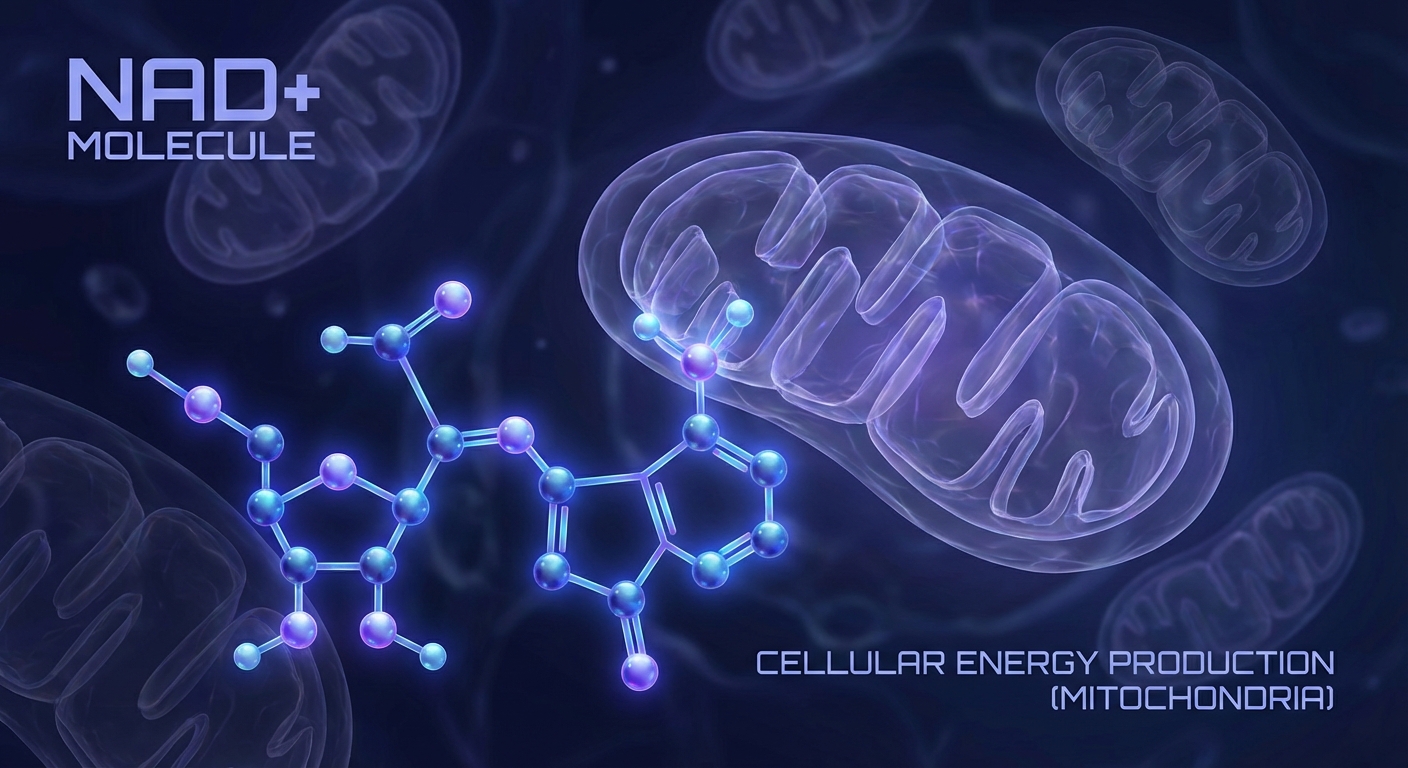
NAD+ (nicotinamide adenine dinucleotide) is a coenzyme present in every cell in your body, essential for energy production, DNA repair, and activation of the longevity pathways that determine how well your cells maintain themselves over time. The molecule is so fundamental that without it, you would die within seconds. Your cells simply cannot function without NAD+.
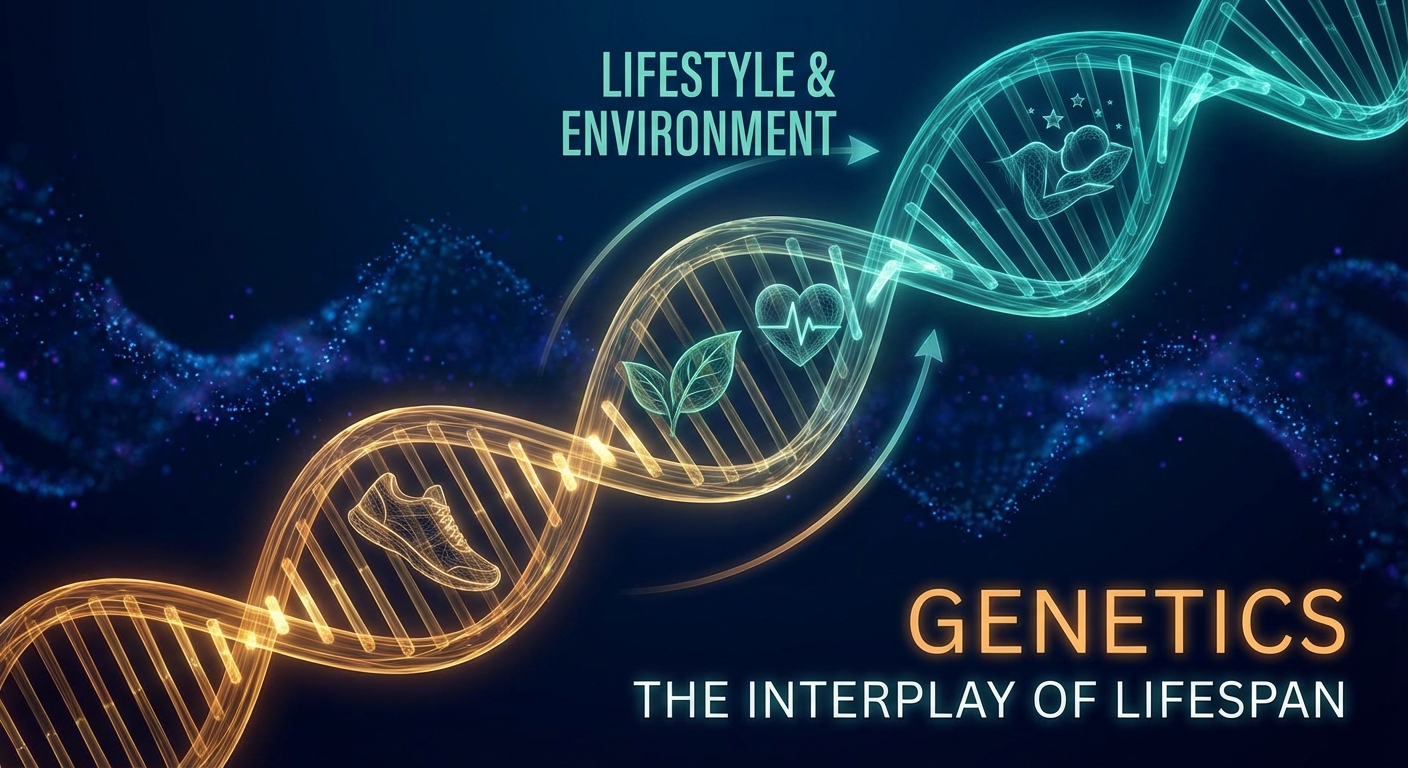
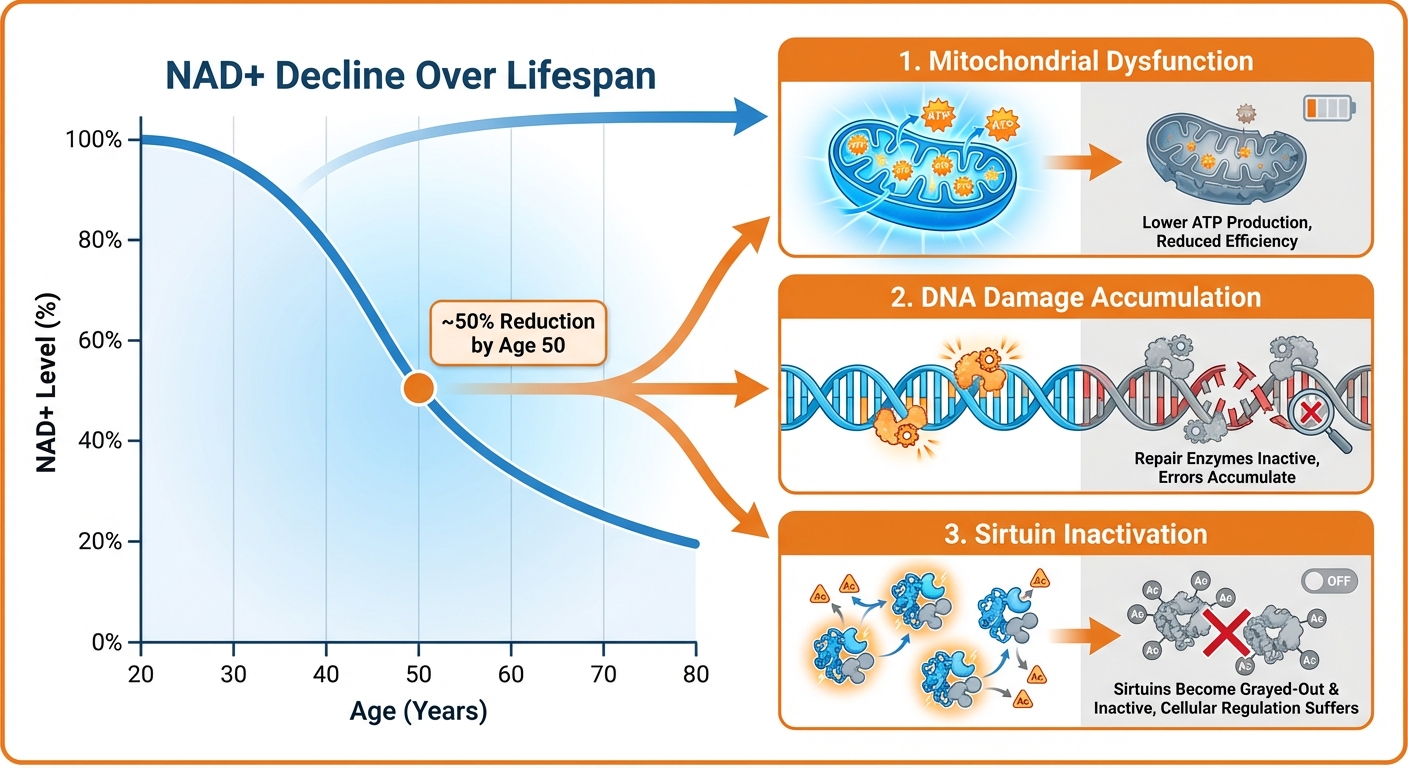
Here’s the problem: your NAD+ levels decline dramatically with age. By 50, you have roughly half the NAD+ you had at 20. By 80, levels have dropped even further. This decline isn’t just a biomarker of aging; it appears to be a driver of it. Lower NAD+ means less efficient mitochondria, reduced capacity for DNA repair, diminished activation of protective proteins, and accelerated cellular aging. The hypothesis driving current research is that restoring NAD+ to youthful levels might slow or partially reverse cellular aging, essentially turning back the molecular clock.
The research is genuinely promising, particularly in animal models where NAD+ boosting has produced remarkable rejuvenation effects. But the human evidence remains early-stage, and the long-term safety of chronic supplementation is unknown. This is cutting-edge longevity science with real potential and real uncertainty.
Why NAD+ Matters for Cellular Function
NAD+ participates in hundreds of enzymatic reactions that keep your cells alive and functioning. It’s not an optional cofactor for a few specialized processes; it’s required for the fundamental operations that define cellular life.
The primary role involves energy production in mitochondria, the powerhouses within your cells that produce ATP, the energy currency your body uses for everything from muscle contraction to neurotransmission to protein synthesis. The citric acid cycle and oxidative phosphorylation, the core energy-generating pathways, absolutely require NAD+ to function. When NAD+ levels drop, mitochondrial efficiency declines. Your cells produce less energy, and the fatigue and reduced vitality associated with aging begin to manifest.
DNA repair represents another critical function. Your DNA accumulates damage constantly, from normal metabolism, environmental exposures, radiation, and replication errors. Two enzyme families responsible for repairing this damage, sirtuins and PARPs, both use NAD+ as a substrate. Lower NAD+ availability means less capacity for DNA repair, allowing damage to accumulate and mutations to persist. This contributes to both aging and cancer risk, as genomic instability underlies both processes.
Sirtuins, the family of proteins that NAD+ activates, have broader effects beyond DNA repair. They influence gene expression, determining which genes are turned on or off in response to cellular conditions. They regulate inflammation, metabolic efficiency, and stress resistance. Studies across multiple species show that animals with enhanced sirtuin activity tend to live longer and healthier lives. Caloric restriction, one of the most reliable life-extending interventions known, works partly through sirtuin activation.
When NAD+ declines with age, all of these processes become less efficient. Mitochondria produce less energy. DNA damage accumulates. Protective proteins become less active. The result is the cascade of dysfunction we recognize as aging: declining energy, cognitive slowing, metabolic problems, increased disease susceptibility.
Why NAD+ Declines With Age
The age-related decline in NAD+ results from multiple converging factors that create a downward spiral, not a single cause that could be easily targeted.
As we age, DNA damage increases from accumulated environmental exposures, oxidative stress, and the simple passage of time. Repairing this damage requires NAD+, particularly through PARP enzymes that consume NAD+ as they work to fix breaks in DNA strands. With more damage to repair, more NAD+ gets consumed, depleting available pools. Simultaneously, the enzymes responsible for synthesizing NAD+ become less efficient with age, reducing production just when demand is increasing.
A key discovery involves CD38, an enzyme that breaks down NAD+. CD38 levels increase dramatically with aging and chronic inflammation, accelerating NAD+ depletion beyond what production can compensate for. Research has shown that blocking CD38 in aged mice restores NAD+ levels and improves metabolic function, suggesting that excessive degradation rather than insufficient production may be the primary driver of NAD+ decline.
Chronic low-grade inflammation, which characterizes aging in most people (sometimes called “inflammaging”), accelerates NAD+ consumption through multiple pathways. The inflammatory state creates cellular stress that demands NAD+ for stress response and repair while simultaneously activating the CD38 enzyme that degrades it. This creates a vicious cycle: lower NAD+ contributes to mitochondrial dysfunction and inflammation, inflammation increases CD38, higher CD38 further depletes NAD+, leading to more dysfunction and more inflammation.
The decline appears partially inevitable as a consequence of aging biology. But it’s potentially modifiable through interventions that either boost NAD+ production or reduce its consumption and degradation, which is exactly what NMN and NR supplements aim to accomplish.
The NAD+ Precursors: NMN and NR
If NAD+ is so vital, the obvious question is why not simply take NAD+ directly as a supplement. The answer lies in bioavailability. The NAD+ molecule itself is too large to cross cell membranes efficiently. Taking oral NAD+ is largely ineffective because it gets broken down in the digestive tract before reaching tissues where it’s needed.
To bypass this absorption problem, researchers have focused on precursors, smaller molecules that the body can easily absorb and then convert into NAD+ through established enzymatic pathways. Two precursors have emerged as leading candidates, both backed by serious research and significant commercial investment.
NMN (nicotinamide mononucleotide) is a direct precursor to NAD+, requiring only one enzymatic step for conversion. It’s absorbed in the gut, enters the bloodstream, and is taken up by cells where enzymes convert it to NAD+. Human studies confirm that oral NMN does increase tissue NAD+ levels, with doses typically ranging from 250-1,000mg daily. The main drawback is cost: quality NMN runs $40-100+ monthly depending on dose and brand.
NR (nicotinamide riboside) is another NAD+ precursor that takes a slightly different metabolic pathway. It’s converted to NMN first, then to NAD+. NR was actually discovered and commercialized before NMN and has somewhat more human research behind it. Typical doses are 250-500mg daily, at slightly lower cost than NMN.
Both compounds appear to increase NAD+ levels in human studies. The practical question is whether this increase translates to meaningful health benefits, and whether either compound is superior to the other. Head-to-head comparisons are limited, and individual responses may vary. Some researchers favor NMN for its more direct conversion pathway; others prefer NR for its longer research track record.
What the Human Research Shows
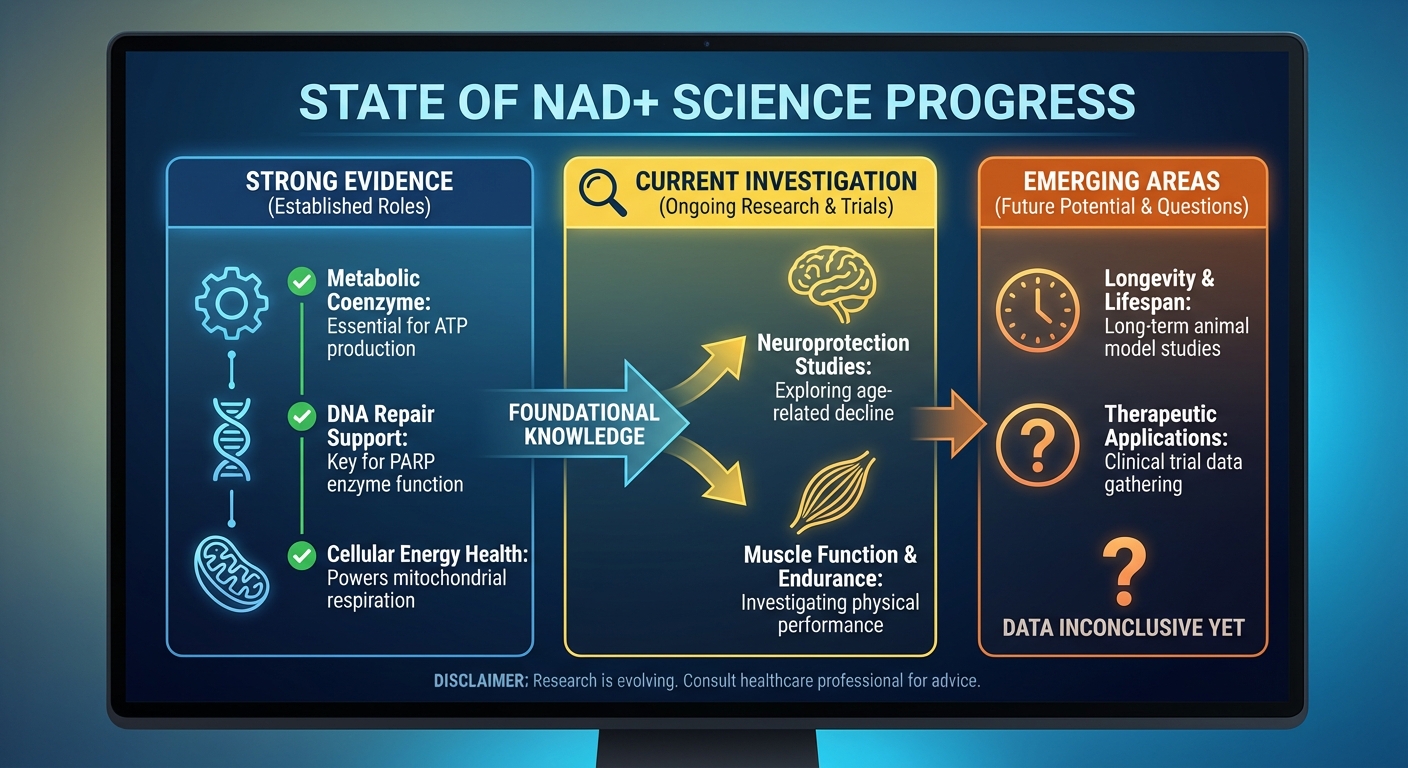
While the theoretical framework for NAD+ restoration is compelling, clinical evidence in humans remains in its infancy. Moving from controlled cage environments with genetically identical mice to the complex, uncontrolled world of human biology is a massive leap. The initial wave of human trials has moved the needle from speculation to plausible intervention, but we’re far from definitive proof.
Studies on insulin sensitivity show the most promising results. Research published in Science found that NMN supplementation improved muscle insulin sensitivity in prediabetic women, though the effect was modest. Other studies have shown improvements in glucose metabolism with both NMN and NR, suggesting potential benefits for metabolic health.
Physical performance results have been mixed. Some studies show improved muscle function, endurance, or strength in older adults taking NAD+ precursors. Others show no significant effects. The inconsistency may reflect differences in dosing, study duration, population characteristics, or the inherent difficulty of measuring small effects in short timeframes.
Cognitive function improvements appear in some preliminary research, with participants reporting enhanced mental clarity and processing speed. However, these studies are typically small, short-term, and rely heavily on subjective reporting. Larger, longer trials with objective cognitive testing are needed.
The catch with all human research to date: most studies run only 4-12 weeks. We don’t know what happens with years of supplementation, either in terms of benefits or risks. Sample sizes are typically small, 10-50 participants, making it difficult to detect anything other than large effects. The science is promising but preliminary, better described as “justifying further investigation” than “proven effective.”
The Remarkable Animal Evidence
The excitement surrounding NAD+ boosters originated from truly striking findings in rodent models. These weren’t subtle shifts in blood markers; researchers observed visible, functional reversal of aging characteristics.
In studies at Harvard, MIT, and other institutions, old mice treated with NMN showed improvements across multiple aging markers. Muscle function improved to the point where old mice had the endurance of much younger animals on treadmill tests. Mitochondrial function in muscle tissue, typically deteriorated in aged animals, returned to levels resembling young mice. Metabolic profiles, including insulin sensitivity and lipid markers, shifted toward healthier patterns.
Some studies showed even more dramatic effects. Research published in Cell found that NMN treatment improved blood vessel function in old mice, with vascular health markers resembling those of young animals. Other studies showed enhanced DNA repair capacity, reduced inflammation markers, and improved cognitive function in aged rodents.
Lifespan extension has been observed in some studies, with treated animals living 10-30% longer than controls. While not all studies replicate this effect, the pattern of healthspan improvement, living better rather than just longer, appears more consistent.
The limitation is well-known in aging research: mice aren’t humans. We’re genetically distinct, with different metabolic rates, lifespan, and responses to interventions. Many compounds that produce dramatic effects in mice fail to translate to humans or translate only partially. The history of anti-aging research is littered with rodent miracles that became human disappointments. NAD+ boosters may or may not follow this pattern; we simply don’t know yet.
The Safety Question
In pharmacology, there’s no such thing as a biological free lunch. Every potent intervention carries potential risks, and manipulating a molecule as fundamental as NAD+ demands caution. NAD+ doesn’t just support healthy cell function; it supports all cellular function, including potentially unwanted cellular growth.
Short-term safety data is reassuring. Studies lasting weeks to months have found NMN and NR well-tolerated, with few side effects beyond occasional digestive discomfort. No serious adverse events have been attributed to these supplements in published research.
Long-term safety is unknown. These supplements haven’t been in widespread use long enough to assess effects over decades. Theoretical concerns exist that deserve consideration:
NAD+ fuels cellular energy production and growth. Could chronically elevated NAD+ promote cancer cell growth? Cancer cells are metabolically voracious, and anything that provides them more energy might theoretically accelerate tumor development. Current research hasn’t shown increased cancer rates in supplemented animals or humans, but monitoring periods have been short relative to human cancer development timelines.
Chronic sirtuin activation, one of the main mechanisms through which NAD+ exerts anti-aging effects, may have complex downstream consequences that aren’t fully understood. Sirtuins affect gene expression patterns throughout the body, and the long-term effects of sustained artificial activation are unknown.
Optimal dosing for different ages, health states, and individual variations remains unclear. The doses used in research may not be optimal for everyone, and more isn’t necessarily better.
The practical implication: taking NMN or NR means participating in an experiment with unknown long-term outcomes. The risk appears low based on current evidence, but it isn’t zero, and the uncertainty should inform decision-making.
The Lifestyle NAD+ Boosters
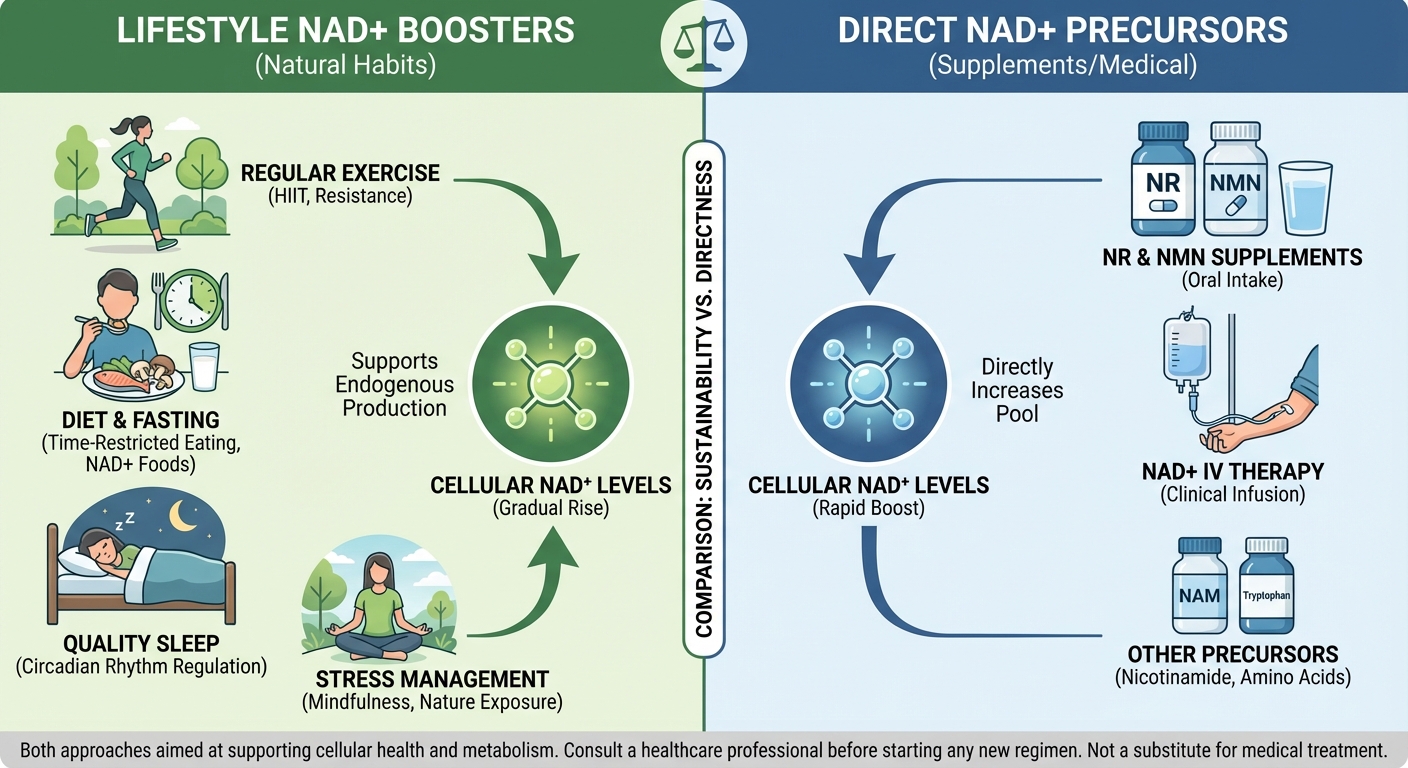
Before reaching for supplements, it’s worth recognizing that your body has internal machinery for recycling and generating NAD+. Evolution equipped us with mechanisms to boost cellular resilience in response to certain stressors, without laboratory-synthesized molecules.
Exercise increases NAD+ levels and upregulates NAD+ synthesis enzymes. This may be one mechanism through which exercise provides anti-aging benefits. Regular physical activity essentially tells your cells to maintain higher NAD+ production capacity.
Caloric restriction and intermittent fasting trigger NAD+ production pathways, likely as a survival response to perceived scarcity. The metabolic and longevity benefits of fasting work partly through NAD+-related mechanisms.
Heat exposure through sauna use may increase NAD+ through hormetic stress, the beneficial adaptation that occurs in response to manageable stressors. The evidence here is less robust than for exercise or fasting, but the mechanism is plausible.
Niacin (vitamin B3) is a precursor to NAD+, though it causes uncomfortable flushing at the high doses needed to significantly boost NAD+ levels. Nicotinamide, the non-flushing form of B3, is less effective at raising NAD+.
These lifestyle interventions are free or cheap, have broad evidence bases for health benefits beyond NAD+, and carry minimal risk. They should be optimized before adding expensive supplements. If you’re sedentary, eating processed food constantly, and never fasting, fixing those issues will likely provide more benefit than any supplement.
The Bottom Line
NAD+ decline with aging is real and well-documented. Boosting NAD+ through precursor supplementation (NMN, NR) does increase tissue NAD+ levels in humans. Animal research showing rejuvenation effects is genuinely impressive.
Whether supplementation translates to meaningful healthspan benefits in humans remains incompletely answered. The human research is promising but preliminary: small studies, short durations, mixed results. Long-term safety data doesn’t exist. The theoretical concerns about cancer and other risks haven’t been ruled out.
If you’re considering NAD+ supplementation:
- Recognize you’re an early adopter in an ongoing experiment
- Optimize lifestyle factors first: exercise, nutrition, fasting, quality sleep
- Use quality products from reputable manufacturers with third-party testing
- Typical starting dose: 250-500mg NMN or NR daily
- Consider periodic blood work to monitor metabolic markers
- Accept that benefits may be too subtle to perceive subjectively
The researcher perspective spans a spectrum:
- Optimists like David Sinclair argue that the animal data is compelling enough to justify human use now, that the risk of aging exceeds the risk of supplementation
- Most researchers recommend caution: the data is promising but we need large, long-term human trials before broad recommendations
- Skeptics note that many rodent miracles have failed to translate to humans, and we may be in another hype cycle
The potential is real. The proof is incomplete. The choice to supplement is individual, depending on your risk tolerance, financial situation, and how much you trust early-stage research. For many people, perfecting the free interventions (exercise, diet, sleep, fasting) makes more sense than spending $50-100 monthly on molecules whose long-term effects remain unknown.
Sources: Harvard Medical School NAD+ research (David Sinclair laboratory), Science (NMN and insulin sensitivity study), Cell (NAD+ and vascular aging research), NMN and NR human clinical trials, sirtuin and longevity research, CD38 and NAD+ degradation studies.