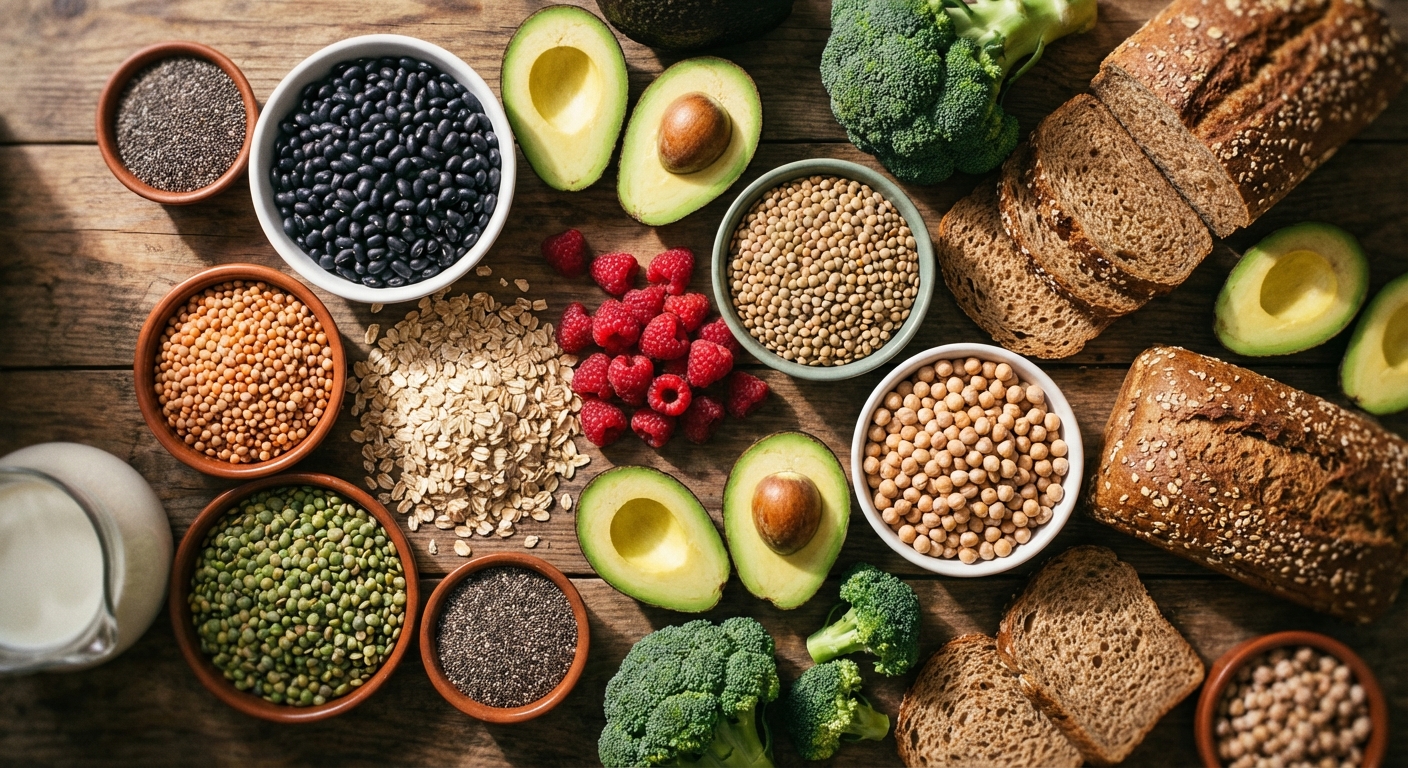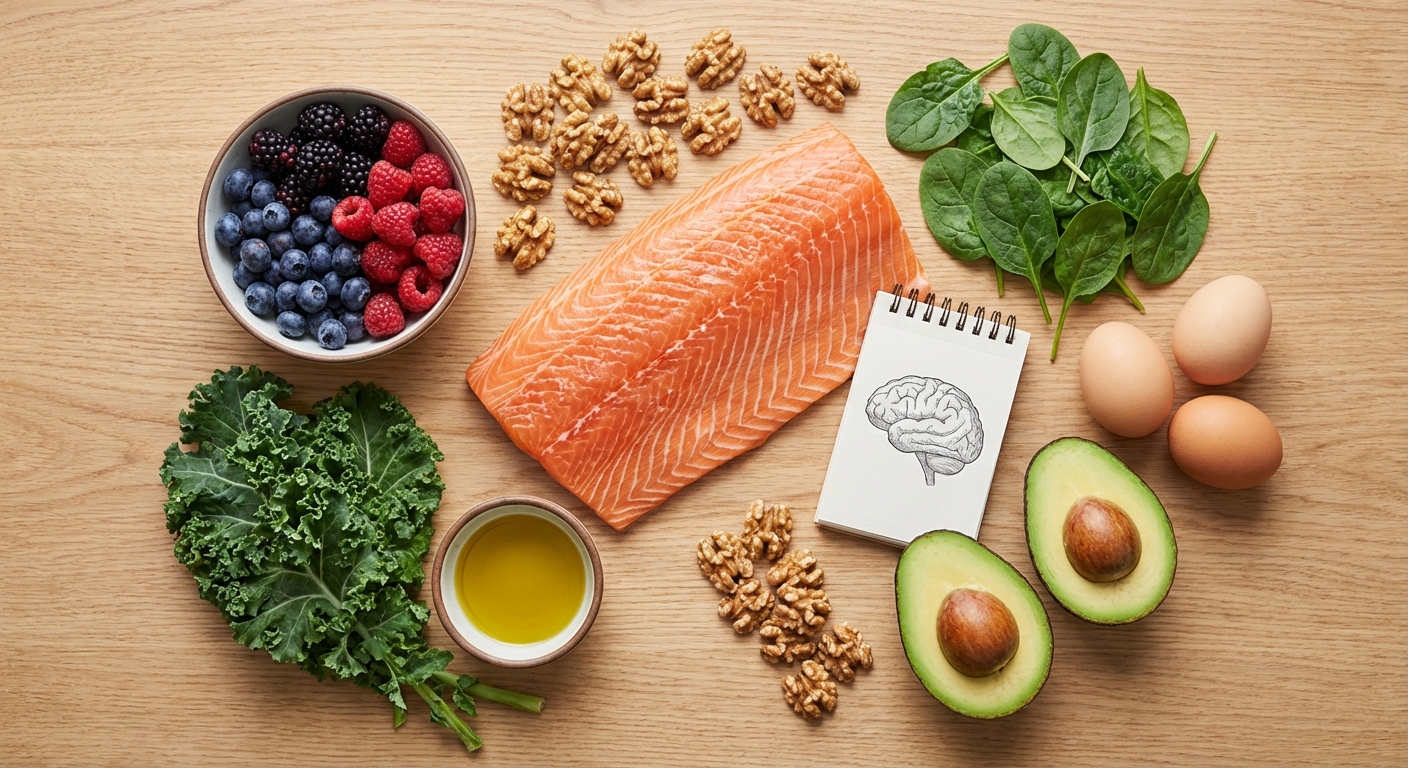
Your grandmother was right: fish is brain food. But the science behind this folk wisdom reveals a far more nuanced and actionable picture than simply “eat more salmon.” The brain, despite comprising only 2% of body weight, consumes 20% of daily caloric intake and has specific, demanding nutritional requirements that determine how well you think today, how clearly you’ll remember tomorrow, and whether you’ll maintain cognitive function into old age. With neurodegenerative diseases affecting 55 million people globally and brain fog plaguing millions more in their productive years, understanding cognitive nutrition has moved from academic interest to practical necessity.
The emerging field of cognitive nutrition synthesizes research from neuroscience, nutritional biochemistry, and longevity science to identify which dietary patterns and specific nutrients most powerfully influence brain function. The evidence points to several key players: omega-3 fatty acids that form the structural foundation of neuronal membranes, B vitamins that enable neurotransmitter production and protect against brain shrinkage, antioxidants that shield neurons from oxidative damage, and newer compounds like NAD+ precursors that address age-related cellular energy decline. Each works through distinct mechanisms, and understanding these mechanisms allows targeted intervention rather than generic “eat healthy” advice.
The good news is that cognitive nutrition largely aligns with foods people enjoy. Fatty fish, berries, nuts, eggs, dark chocolate, olive oil, and leafy greens aren’t nutritional punishment; they’re genuinely delicious. The challenge isn’t eating unpalatable foods but consistently including brain-supportive nutrients in meals that already appeal to you. This article covers the key nutrients, their mechanisms, food sources, and supplementation considerations for those seeking to optimize brain function and protect cognitive longevity.
Omega-3 Fatty Acids: The Structural Foundation
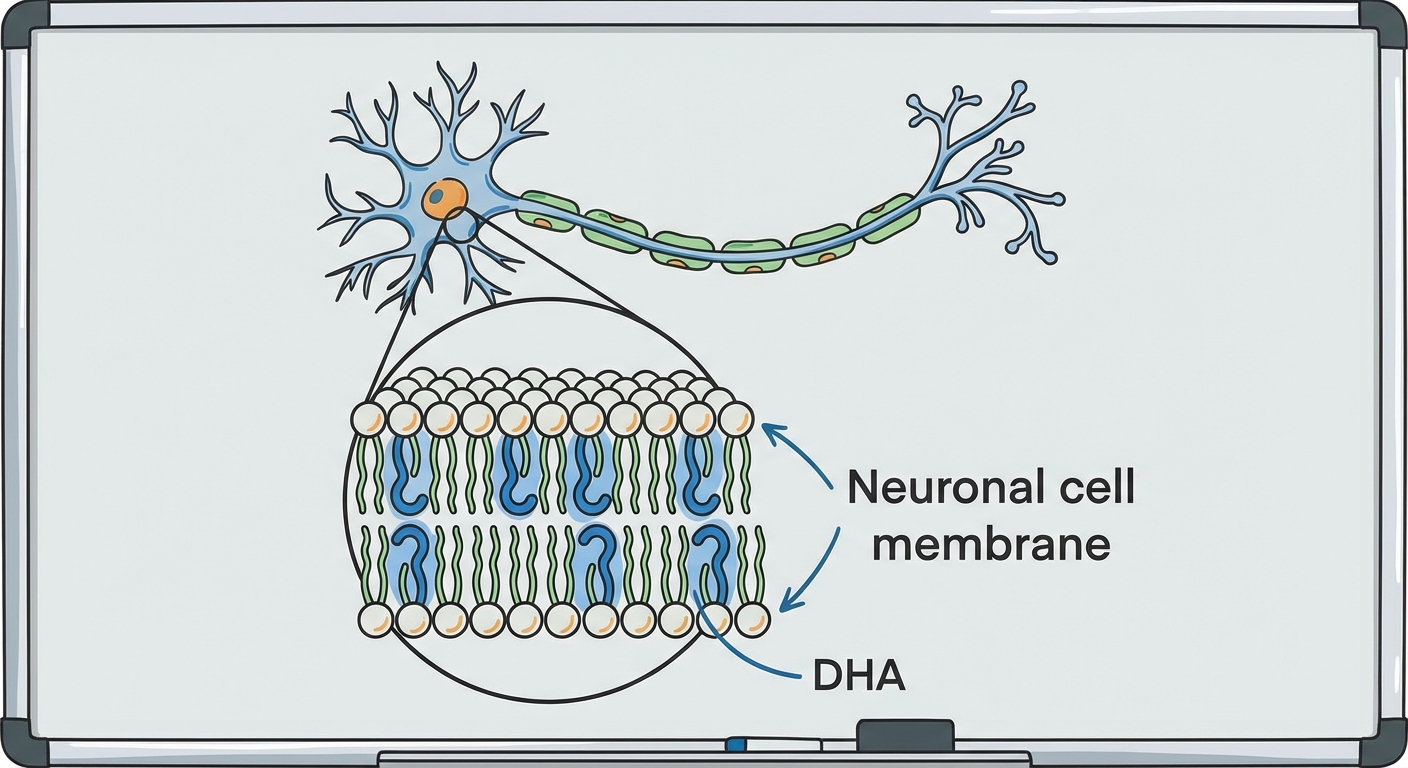
The brain is approximately 60% fat by dry weight, and the specific fats that comprise neural tissue profoundly affect its function. DHA (docosahexaenoic acid), one of the two primary omega-3 fatty acids, constitutes about 40% of the polyunsaturated fats in neuronal cell membranes. This isn’t mere structural scaffolding; membrane composition determines how efficiently neurons transmit signals, how well neurotransmitter receptors function, and how resistant cells are to inflammation and damage.
The mechanism works at the molecular level. Cell membranes with higher DHA content are more fluid, allowing membrane proteins like receptors and ion channels to function optimally. This fluidity affects signal transmission speed, synaptic plasticity, and the brain’s ability to adapt and learn. Membranes deficient in omega-3s become rigid and less responsive, impairing the fundamental processes of cognition.
Beyond structural roles, omega-3s provide potent anti-inflammatory effects relevant to brain aging. Chronic neuroinflammation underlies the pathology of Alzheimer’s disease and contributes to the cognitive decline that many people experience with age. Omega-3s suppress inflammatory signaling pathways and promote resolution of inflammation, protecting neurons from the slow damage that accumulates over decades.
The research evidence is compelling. A 2024 meta-analysis published in Alzheimer’s Research & Therapy found that consuming 1 gram of combined EPA and DHA daily reduced the rate of cognitive decline by 20% in older adults tracked over three years. Population studies consistently show that regular fish consumption correlates with larger hippocampal volume, the brain’s memory center that characteristically shrinks in Alzheimer’s disease. The association is strong enough that many neurologists now recommend omega-3 supplementation as part of comprehensive cognitive health strategy.
The optimal intake is 1-2 grams of combined EPA and DHA daily. The richest dietary sources are fatty fish: salmon, sardines, mackerel, herring, and anchovies. Two to three servings weekly provides adequate omega-3s for most people. For those who don’t eat fish, algae oil supplements provide DHA directly. Plant sources like walnuts, flaxseeds, and chia seeds contain ALA, a precursor omega-3, but conversion to DHA is inefficient (5-10%), making them inadequate as sole sources for brain health. For a deeper dive into omega-3s specifically for brain health, see our article on EPA and DHA for mood and cognition.
B Vitamins: The Neurotransmitter Enablers
While omega-3s provide structure, B vitamins enable the biochemical processes that produce neurotransmitters and protect brain tissue from damage. Three B vitamins deserve particular attention for cognitive function: B6, B9 (folate), and B12. These work together in interconnected metabolic pathways, and deficiency in any one can impair brain function even when other nutrients are adequate.
The primary mechanism involves homocysteine metabolism. Homocysteine is an amino acid that, when elevated, damages blood vessels and neurons through oxidative stress and inflammation. Population studies consistently associate high homocysteine with accelerated cognitive decline, increased dementia risk, and measurable brain atrophy. B6, folate, and B12 work together as cofactors in the enzymatic reactions that convert homocysteine into harmless compounds, preventing its toxic accumulation.
The VITACOG trial led by Dr. A. David Smith at the University of Oxford provided dramatic evidence for this mechanism. Participants with mild cognitive impairment received either high-dose B vitamin supplementation or placebo for two years. Brain imaging showed that supplemented participants retained 30% more brain volume in regions critical for memory compared to placebo participants, who showed the expected shrinkage associated with aging and early dementia. This wasn’t a subtle effect; the brain preservation was visible on scans and correlated with better cognitive performance.
Beyond homocysteine control, B vitamins serve as essential cofactors in neurotransmitter synthesis. Dopamine production requires adequate B6. Serotonin and GABA synthesis depend on folate and B12. Myelin, the fatty coating that insulates nerve fibers and enables rapid signal transmission, requires B12 for maintenance. Deficiency, particularly of B12, can cause irreversible neurological damage if it persists too long, making detection and correction critical.
Deficiency risk increases with age and with certain dietary patterns. Stomach acid production decreases with age, impairing B12 absorption. Vegans who don’t supplement B12 will inevitably develop deficiency since B12 exists almost exclusively in animal products. Medications including proton pump inhibitors (PPIs) and metformin interfere with B12 absorption. Regular blood testing of B12 levels is advisable for at-risk populations.
Optimal intake targets 1.5-2mg of B6 daily, 400-800mcg of folate (preferably methylfolate for better absorption), and 2.4-10mcg of B12 daily, with higher amounts for people over 50 or those on absorption-interfering medications. Food sources include leafy greens and legumes for folate, eggs and fortified cereals for B6, and animal products like meat, fish, and nutritional yeast for B12.
NAD+ Precursors: The Longevity Frontier
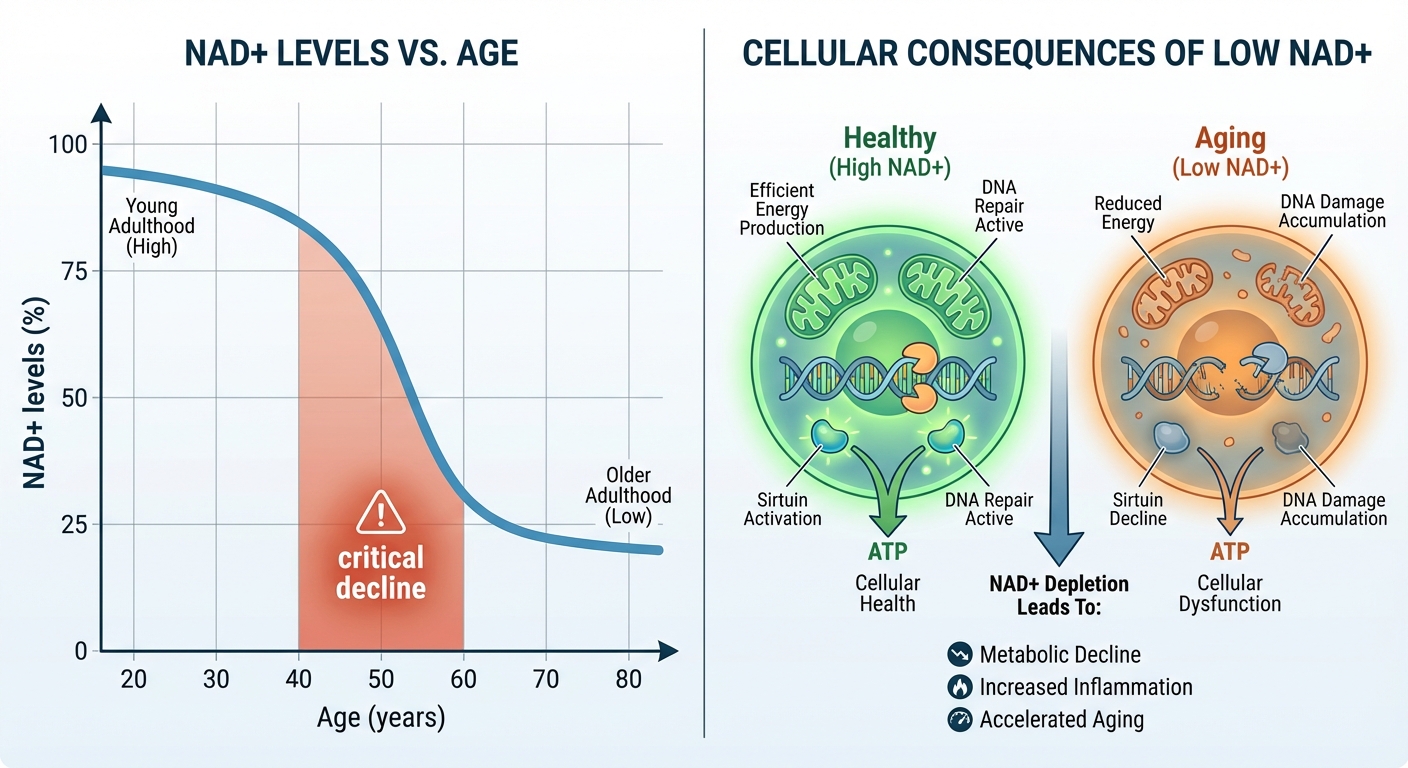
NAD+ (nicotinamide adenine dinucleotide) represents the cutting edge of longevity-focused cognitive nutrition. This coenzyme exists in every cell, essential for converting food into energy, repairing DNA, and regulating cellular aging processes. The problem: NAD+ levels decline approximately 50% between ages 40 and 60, impairing the cellular functions that maintain brain health and cognitive capacity.
Neurons are metabolically demanding cells that rely heavily on mitochondrial energy production. When NAD+ declines, neurons produce less ATP (cellular energy), DNA repair mechanisms slow, and cellular stress responses become less effective. The cumulative result manifests as the brain fog, mental fatigue, and reduced cognitive sharpness that many people accept as inevitable consequences of aging. Longevity researchers increasingly view this decline not as natural aging but as a potentially addressable deficiency.
NAD+ precursor supplementation provides the building blocks cells use to synthesize NAD+. The primary precursors, NMN (nicotinamide mononucleotide), NR (nicotinamide riboside), and niacin (vitamin B3), are converted through slightly different pathways into cellular NAD+. Animal studies from Dr. David Sinclair’s laboratory at Harvard Medical School show that NAD+ boosters improve mitochondrial function, enhance synaptic plasticity, and extend healthspan. Human trials, while more limited, demonstrate measurable improvements in cognitive function within 8-12 weeks of consistent supplementation.
Typical dosing is 250-500mg daily for NMN, 300-500mg daily for NR, or 15-35mg daily of niacin from food sources. Food sources of niacin include turkey, chicken, tuna, mushrooms, and green peas, though dietary amounts are unlikely to produce the dramatic NAD+ elevation that supplementation achieves.
The caveats are important. NAD+ precursor supplements are expensive, typically $30-60 monthly for quality products. Long-term effects in humans aren’t fully established despite strong animal data and promising preliminary human studies. If you’re interested in NAD+ supplementation for cognitive longevity, consult with a healthcare provider familiar with longevity medicine to discuss whether current evidence justifies the investment for your situation.
Antioxidants: The Neuroprotective Shield
The brain’s high metabolic activity generates substantial oxidative stress. Every moment of cognitive work produces reactive oxygen species as metabolic byproducts. These free radicals damage cellular structures, DNA, proteins, and lipids, contributing to the neurodegeneration that underlies Alzheimer’s, Parkinson’s, and general cognitive decline. Antioxidants neutralize free radicals before they cause damage, providing protection that accumulates over years and decades.
Flavonoids, plant compounds abundant in berries, dark chocolate, and tea, rank among the most powerful dietary antioxidants for brain health. These compounds cross the blood-brain barrier and accumulate in regions critical for learning and memory. Research consistently shows that higher flavonoid intake correlates with better memory, faster processing speed, and superior executive function. A landmark study found that consuming one cup of blueberries daily was associated with a 2.5-year delay in cognitive aging compared to people who rarely ate berries.
Vitamin E protects neuronal cell membranes from lipid peroxidation, the oxidative damage to fatty structures that comprise much of brain tissue. Since the brain is approximately 60% fat, protection against lipid damage is particularly critical. The target intake is 15mg daily, achievable through nuts (especially almonds and hazelnuts), seeds (sunflower seeds), leafy greens, and plant oils. Supplementation above food-based intake shows mixed results for cognitive outcomes.
Curcumin, the active compound in turmeric, provides both antioxidant and anti-inflammatory effects. Laboratory studies demonstrate that curcumin reduces amyloid plaques characteristic of Alzheimer’s, protects neurons from oxidative damage, and enhances memory. The challenge is bioavailability; curcumin is poorly absorbed unless consumed with black pepper (which contains piperine) or in specialized formulations. Supplementation of 500-1000mg daily with black pepper is the typical approach.
CoQ10 (coenzyme Q10) functions in mitochondria where it facilitates energy production while providing antioxidant protection. Levels decline with age and are further reduced by statin medications. Supplementation at 100-200mg daily supports mitochondrial function and may reduce the fatigue some statin users experience. The brain health evidence is preliminary but biologically plausible given neurons’ high energy demands.
Choline: The Memory Molecule
Choline serves as the dietary precursor to acetylcholine, the neurotransmitter most directly linked to memory formation and learning. Without adequate choline, the brain cannot produce sufficient acetylcholine, and memory function suffers. This becomes particularly important with age, since acetylcholine-producing neurons are among the first to degenerate in Alzheimer’s disease.
Beyond acetylcholine production, choline plays structural roles in cell membranes as a component of phosphatidylcholine, contributes to DNA methylation affecting gene expression, and supports liver function. The interconnected roles make choline deficiency problematic across multiple systems, though cognitive effects are often most noticeable.
The optimal intake is 425-550mg daily, amounts that many people fail to achieve consistently. The richest dietary source is eggs, with a single large egg providing approximately 147mg of choline, primarily in the yolk. This makes whole eggs one of the most efficient vehicles for choline intake. Other good sources include liver, soybeans, chicken, fish, and to a lesser extent, nuts and cruciferous vegetables.
Population studies consistently associate low choline intake with poorer cognitive performance across memory, processing speed, and executive function, and with increased dementia risk over time. The practical implication is straightforward: if you want to support memory function nutritionally, ensure adequate choline intake through eggs, quality protein sources, or targeted supplementation if dietary intake consistently falls short.
Integrating Cognitive Nutrition
Understanding individual nutrients provides the knowledge base, but real dietary patterns deliver the benefits. The Mediterranean and MIND diets, which emphasize the foods covered above (fatty fish, leafy greens, berries, nuts, olive oil, eggs), reduce Alzheimer’s risk by 30-53% in observational studies. These patterns work not because they’re high in isolated nutrients but because they provide complex, interacting compounds through whole foods.
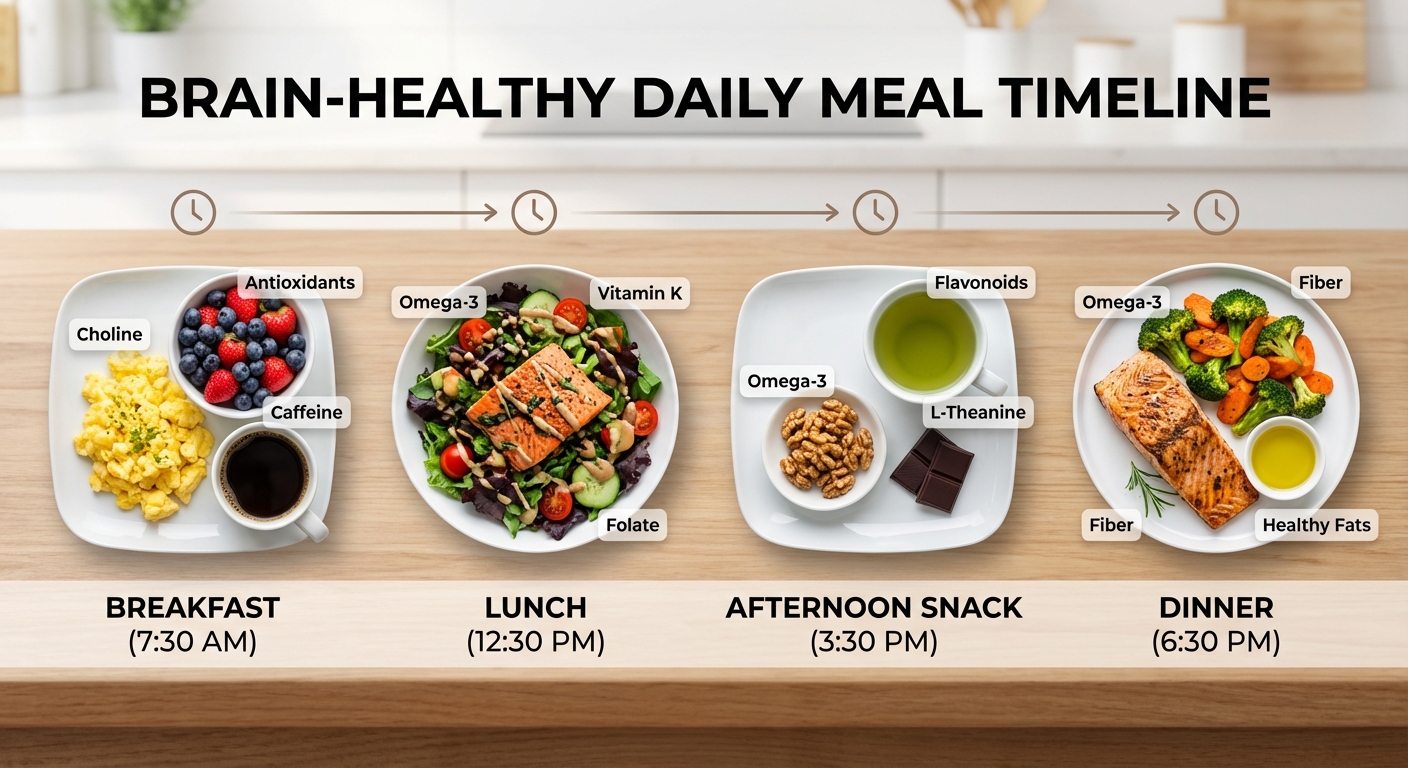
A practical daily pattern might include eggs for breakfast (choline), fatty fish or legumes at lunch (omega-3s or plant protein), berries as snack (flavonoids), leafy greens with dinner (folate and antioxidants), and nuts throughout the day (vitamin E and healthy fats). Green tea provides EGCG and L-theanine for calm focus. Dark chocolate (70%+ cacao) delivers flavanols while satisfying sweet cravings.
Supplements fill gaps when dietary intake consistently falls short. Omega-3s if you don’t eat fish 2-3 times weekly. B12 if you’re over 50, vegan, or on absorption-interfering medications. Vitamin D if you have limited sun exposure. NAD+ precursors if you’re focused on longevity and willing to invest in less-established interventions. The principle is food first, supplements second: build your diet around whole foods, then use supplements for specific gaps rather than as replacements for poor eating patterns.
Lifestyle factors multiply nutritional benefits. Exercise increases BDNF and blood flow, delivering nutrients to neurons. Sleep activates the glymphatic system that clears brain waste, which is why optimizing your sleep environment matters as much as diet. Stress management prevents cortisol from damaging the hippocampus. Social engagement and mental challenge build cognitive reserve. Nutrition provides the raw materials; lifestyle determines how effectively they’re used. The gut-brain axis also plays a crucial role, as gut health directly influences neurotransmitter production and brain inflammation.
The Bottom Line
Cognitive nutrition provides actionable strategies for supporting brain function today and protecting cognitive capacity for decades to come. The key nutrients, omega-3 fatty acids for membrane structure, B vitamins for neurotransmitter synthesis and brain preservation, antioxidants for neuroprotection, choline for memory, and potentially NAD+ precursors for cellular energy, each work through distinct mechanisms that scientific research has validated.
The dietary pattern that delivers these nutrients is neither exotic nor unpleasant. Fatty fish twice weekly, eggs regularly, abundant vegetables, berries, nuts, olive oil, and dark chocolate comprise a brain-supportive diet that most people would genuinely enjoy. Supplements address specific gaps but don’t replace the complex benefits of whole foods.
The investment pays dividends both immediately and long-term. Many people report improved focus, clearer thinking, and better memory within weeks of optimizing cognitive nutrition. The longer-term benefits, reduced dementia risk, preserved brain volume, extended cognitive healthspan, accumulate over years and decades of consistent practice. Your brain’s future starts with what you eat today.
Your Cognitive Nutrition Protocol:
- Include fatty fish 2-3 times weekly (salmon, sardines, mackerel) for omega-3s; supplement if fish intake is lower
- Eat eggs regularly for choline; one egg daily provides 25-30% of needs
- Consume leafy greens daily for folate and antioxidants
- Include berries 3-4 times weekly for flavonoids
- Snack on walnuts and almonds for vitamin E and healthy fats
- Drink green tea for EGCG and L-theanine
- Consider B12 supplementation if over 50, vegan, or on PPIs/metformin
- Test vitamin D levels and supplement if low (most people need 1,000-5,000 IU daily)
Sources: Alzheimer’s Research & Therapy omega-3 meta-analysis, VITACOG trial B vitamin research, Harvard longevity and NAD+ studies, flavonoid and cognitive aging research, Journal of Neurology neurotransmitter studies.