You’re probably dehydrated right now. Not dramatically, not dangerously, but enough to feel it without recognizing the cause. That mid-afternoon fatigue you attribute to needing coffee, the mild headache you reach for ibuprofen to fix, the brain fog that makes afternoon work feel harder than morning tasks, these are often dehydration symptoms masquerading as other problems. Studies suggest 75% of Americans operate in a state of chronic mild dehydration, drinking enough to survive but not enough to thrive.
Hydration in 2025 has evolved substantially beyond the dated “eight glasses of water” advice that never had much scientific basis anyway. Today’s approach recognizes that optimal hydration isn’t just about volume, it’s about what you’re drinking and when. Functional beverages that deliver electrolytes, adaptogens, prebiotics, and other bioactive compounds alongside fluids are transforming hydration from basic physiological need into strategic wellness intervention.
Water remains foundational, but the functional beverage revolution reflects our understanding that hydration can be optimized. Every sip becomes an opportunity to deliver minerals that conduct cellular electrical signals, herbs that modulate stress response, or fibers that feed beneficial gut bacteria. Since you’re going to drink something anyway, why not make it work harder for your health?
Why Hydration Affects Everything
Water comprises approximately 60% of your body weight and participates in virtually every physiological process. Your blood plasma is 90% water, making adequate hydration essential for nutrient transport and waste removal. Your kidneys filter roughly 200 quarts of fluid daily, requiring constant replenishment to maintain this detoxification capacity. Temperature regulation through sweating depends on available water, and joints rely on water-based synovial fluid for cushioning and smooth movement.
The cognitive effects of even mild dehydration are particularly striking. Research shows that just 2% dehydration, easily achievable through normal daily activities without conscious fluid replacement, impairs memory, attention, and reaction time by approximately 20%. That’s enough to affect work performance, athletic capability, and even mood. Dehydration increases cortisol production, creating a stress response that compounds the cognitive impairment. The fatigue, irritability, and difficulty concentrating that many people experience by late afternoon often trace directly to inadequate fluid intake rather than any more complex cause.
Individual hydration needs vary based on body size, activity level, climate, diet, and health status. Larger bodies require more water. Physical activity increases needs substantially, adding 12-16 ounces per hour of exercise or more in hot conditions. High-sodium or high-protein diets increase water requirements. Illness, pregnancy, and breastfeeding all elevate needs. The general guidelines of 3.7 liters (125 ounces) daily for men and 2.7 liters (91 ounces) for women represent starting points, not universal prescriptions. Approximately 20% of daily fluid intake typically comes from food, particularly fruits and vegetables with high water content.
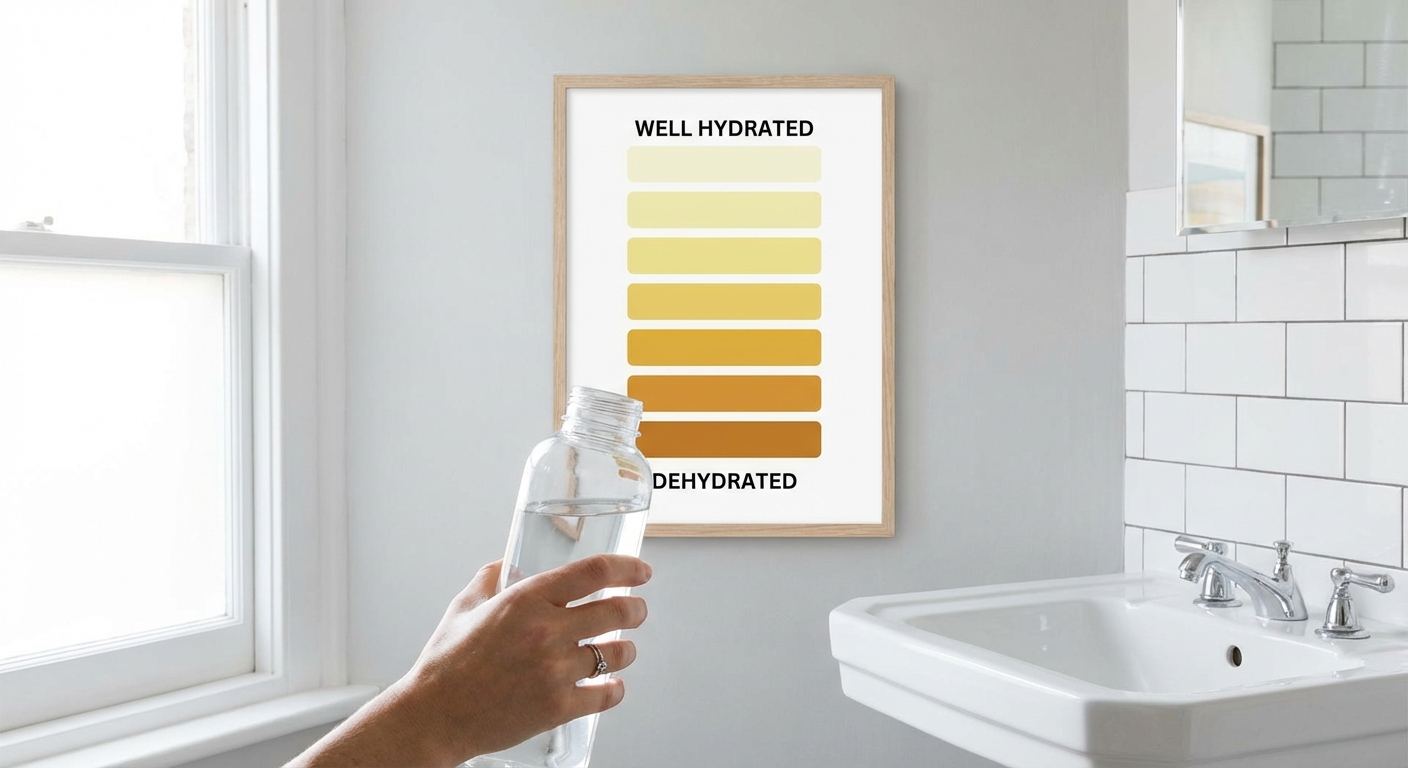
Monitoring hydration status provides more useful guidance than rigid volume targets. Urine color offers the simplest assessment: pale yellow indicates optimal hydration, dark yellow suggests you need more fluids, and completely clear may indicate overhydration. Thirst is a reliable signal in healthy adults that shouldn’t be ignored. Skin elasticity, the speed at which pinched skin on the back of your hand returns to normal, provides another quick check. Persistent fatigue and irritability that resolves with fluid intake suggests chronic underhydration.
Electrolyte-Enhanced Hydration Beyond Sports Drinks
Electrolytes, the minerals sodium, potassium, magnesium, and calcium, conduct electrical signals throughout your body and regulate fluid balance at the cellular level. When you sweat, urinate, or even breathe, you lose these essential minerals. Without adequate replacement, hydration suffers even if you’re drinking plenty of plain water, because water alone can actually dilute your remaining electrolyte concentrations.
This creates a condition called hyponatremia when sodium drops too low, manifesting as muscle cramps, fatigue, confusion, and in extreme cases, dangerous brain swelling. Athletes drinking excessive plain water during endurance events have been hospitalized with hyponatremia despite being “well hydrated” by fluid volume. The lesson extends beyond extreme athletics: electrolyte balance matters for everyone, especially those who exercise, follow low-carb diets, fast intermittently, or live in hot climates.
The commercial electrolyte market has exploded with options targeting different needs. LMNT provides sugar-free packets with 1000mg of sodium, designed for people following low-carb diets where insulin changes increase sodium excretion. Liquid I.V. uses what they call Cellular Transport Technology, an optimal ratio of sodium and glucose that leverages the body’s sodium-glucose co-transport mechanism to enhance water absorption by 2-3 times compared to plain water. Nuun offers effervescent tablets with balanced electrolytes and minimal calories. Understanding which electrolyte products deliver genuine value helps navigate the marketing claims.
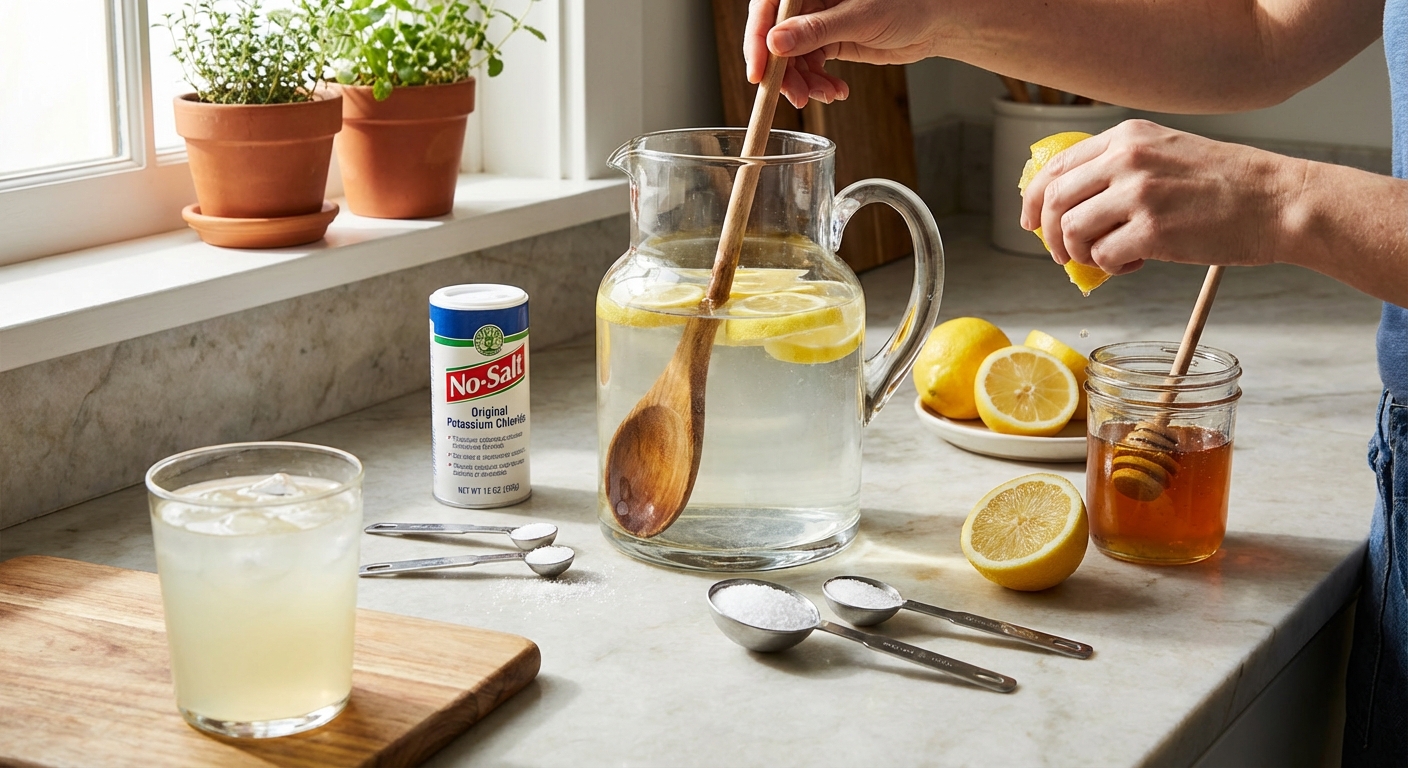
Homemade electrolyte drinks work effectively at a fraction of commercial cost. Mix 32 ounces of water with 1/4 teaspoon of sea salt for sodium, 1/4 teaspoon of potassium chloride (sold as salt substitute) for potassium, 2 tablespoons of fresh lemon juice for flavor and vitamin C, and optionally 1 tablespoon of raw honey if you want carbohydrates for energy. This DIY version costs approximately $0.15 per serving compared to $1-2 for commercial products.
Electrolyte drinks make most sense post-workout when sweat losses have depleted minerals, in hot weather where sweat rate increases dramatically, during illness involving diarrhea or vomiting, while fasting when you’re not getting minerals from food, and when following low-carb diets that increase electrolyte excretion. For sedentary people in moderate climates eating balanced diets, plain water usually suffices and sugary sports drinks provide unnecessary calories.
Adaptogen Beverages for Stress and Energy
Adaptogen-infused beverages represent the intersection of hydration and stress management, addressing the reality that chronic stress undermines health in ways that water alone cannot fix. Adaptogens are herbs and mushrooms containing compounds that help the body adapt to stress by promoting homeostasis in the nervous and endocrine systems. Rather than forcing a specific response like pharmaceutical stimulants or sedatives, adaptogens help normalize function, supporting what’s underperforming while calming what’s overactive.
Ashwagandha has emerged as the most popular adaptogen for beverages, supported by substantial clinical research. Studies demonstrate that ashwagandha supplementation reduces cortisol, the primary stress hormone, by approximately 30% in people with elevated stress levels. This translates to feeling calmer without sedation, reducing anxiety and reactivity without the dulling effects of pharmaceutical anti-anxiety medications. Brands like Recess and Moment have built businesses around sparkling waters infused with 300-600mg of ashwagandha per serving, marketed as non-alcoholic alternatives for unwinding without alcohol’s health costs or hangover.
Reishi mushroom elixirs tap into the “mushroom of immortality” reputation from traditional Chinese medicine. While it won’t grant immortality, reishi does support immune function through polysaccharides that modulate immune response and appears to promote relaxation and sleep quality through triterpenes affecting neurotransmitter systems. The benefits center on better sleep, reduced inflammation, and immune support, particularly valuable during high-stress periods or cold and flu season. Adaptogenic mushrooms connect to broader functional mushroom trends in wellness that have gained significant research attention.
Rhodiola and ginseng provide energizing adaptogenic options for sustained energy without caffeine’s jitters or crash. These adaptogens combat fatigue by improving mitochondrial function and enhancing stress response capacity. They support mental stamina for extended focus, physical endurance during demanding workouts, and mood elevation through effects on dopamine and serotonin systems. Morning or pre-workout timing works best, providing energy when needed without interfering with evening sleep.
A 2024 study published in Phytotherapy Research found that daily consumption of adaptogen beverages for 8 weeks reduced perceived stress scores by 35% and improved self-reported energy levels by 28% compared to placebo beverages. While these are subjective measures, the consistency and magnitude of effects suggest genuine benefits beyond placebo, particularly for people dealing with chronic stress or fatigue.
Prebiotic and Probiotic Sodas: Gut Health in a Can
The gut-brain axis research revealing how gut bacteria influence mood, cognition, and overall health has fueled demand for beverages that hydrate while supporting digestive and mental wellness. This intersection of hydration and microbiome health has created an entirely new beverage category capturing market share from traditional sodas.
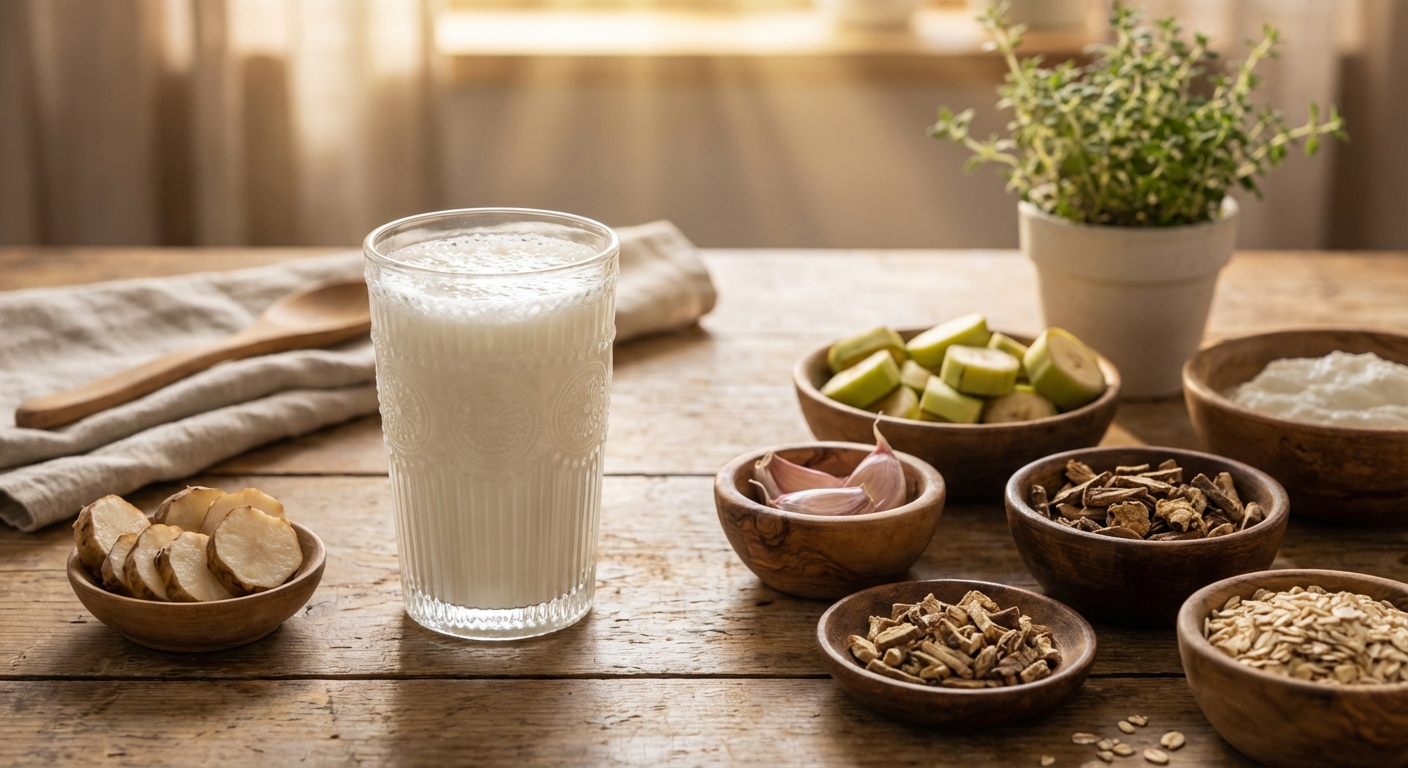
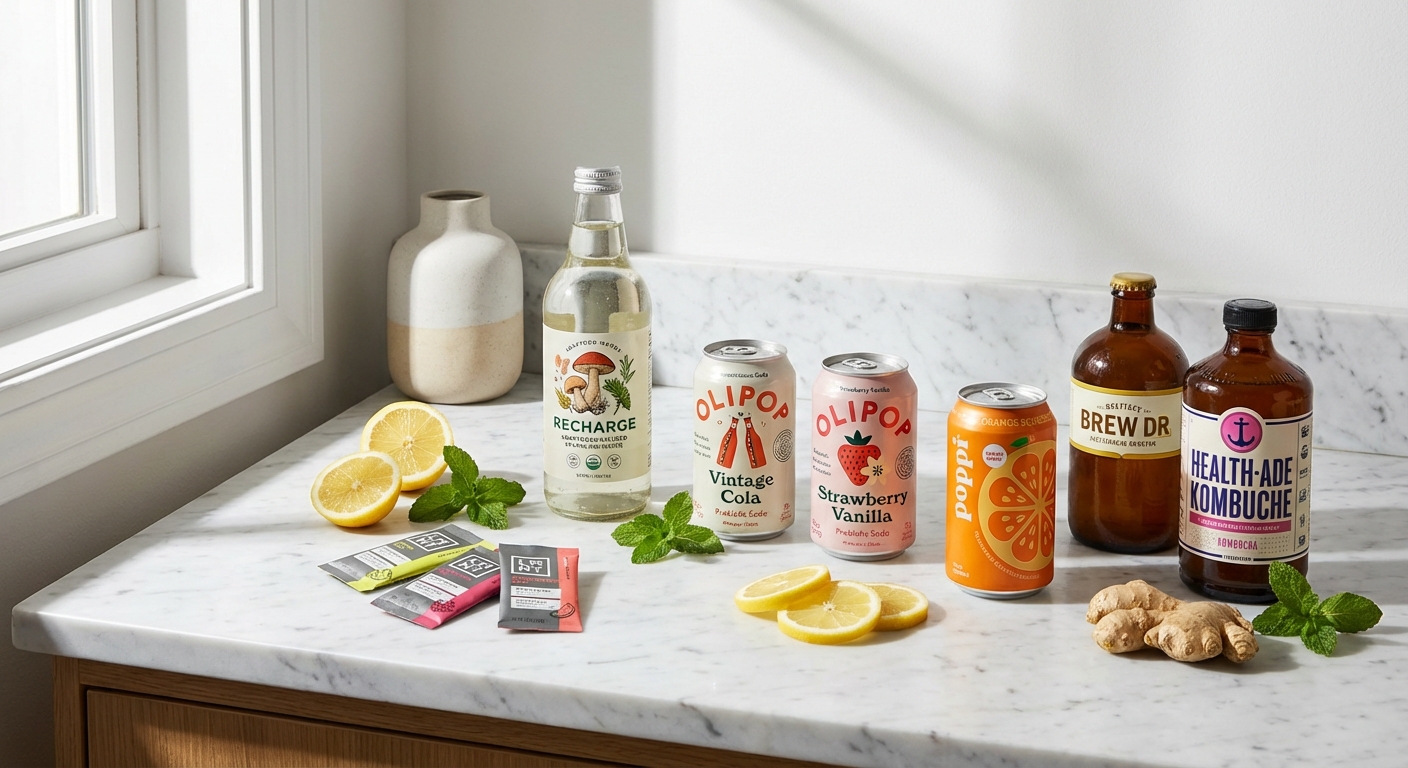
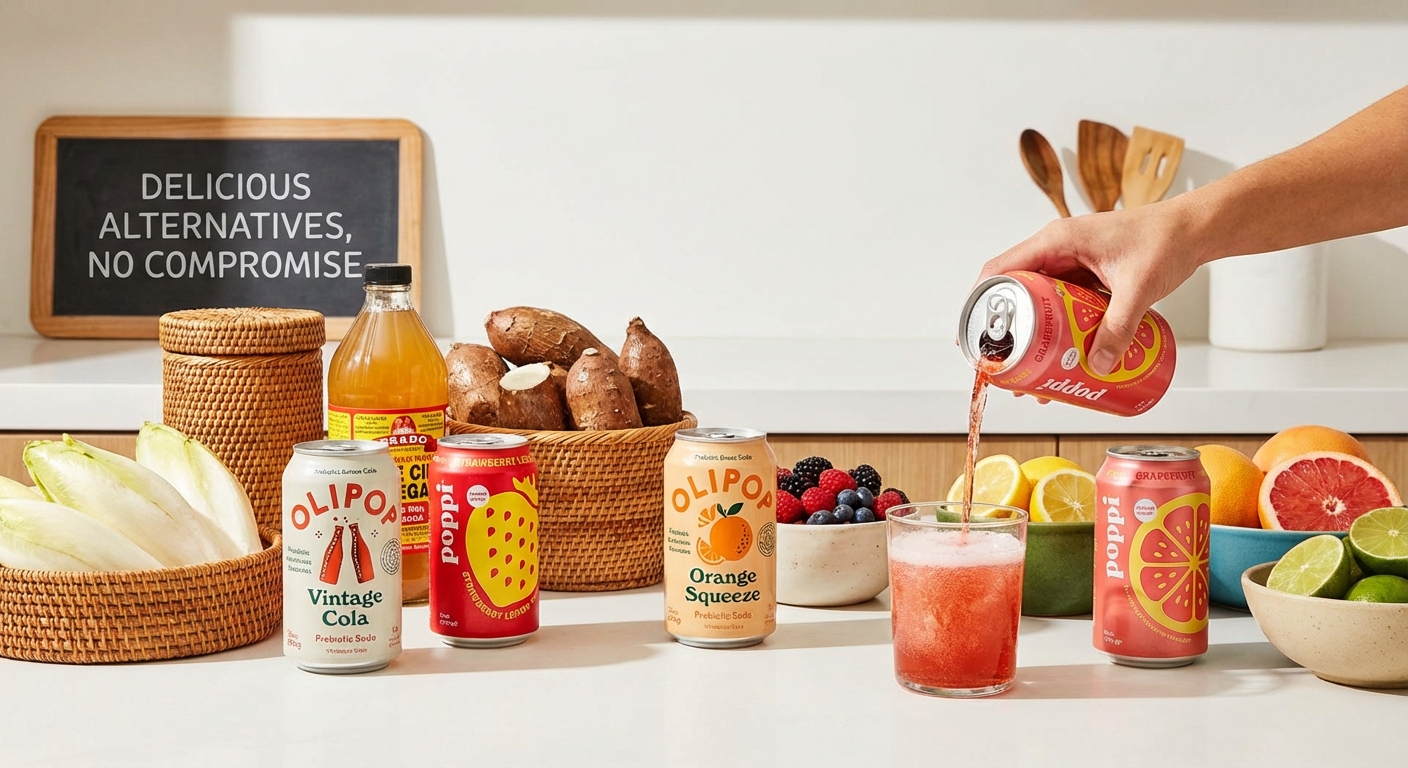
Prebiotic sodas like Olipop and Poppi have become breakout successes by delivering the taste and fizz of traditional soda while providing genuine functional benefits. These beverages contain 9 grams or more of fiber from sources like inulin, chicory root, and cassava, fiber that your digestive system can’t break down but beneficial gut bacteria ferment into short-chain fatty acids. These SCFAs, particularly butyrate, provide energy to intestinal cells, reduce inflammation, support immune function, and influence mood through gut-brain signaling. The drinks replicate soda taste convincingly while containing less than 5 grams of sugar per can compared to 39 grams in traditional Coca-Cola.
Probiotic waters from brands like KeVita and GoodBelly deliver live bacterial strains, primarily Lactobacillus and Bifidobacterium species, directly to your digestive system. These beneficial bacteria support microbiome diversity, which research links to better immune function, improved metabolic health, and reduced inflammation. Many probiotic waters combine beneficial bacteria with electrolytes, delivering dual benefits in a single beverage. The live bacteria must be kept refrigerated to maintain viability.
Kombucha has evolved substantially from its early health food store days into a mainstream beverage with diverse formulations. Modern versions include adaptogen-laced varieties combining fermentation’s probiotic benefits with stress-reducing compounds. The fermentation process produces not just probiotics but also organic acids and B vitamins contributing to energy metabolism. Sugar content has dropped as the category matured, with many brands now offering options with just 2-4 grams per serving compared to 20+ grams in early commercial kombuchas. Understanding how these beverages support gut health and the microbiome provides context for their potential benefits.
Strategic Hydration Throughout the Day
Timing and distribution of fluid intake matters as much as total volume. Your body can only process approximately 27-33 ounces of water per hour, with excess simply excreted. Chugging large amounts at once is less effective than consistent sipping throughout the day.
Upon waking, 16-20 ounces of water replenishes overnight losses from breathing and metabolism, jumpstarts metabolic processes, and supports morning brain function. Adding lemon and a pinch of salt provides electrolytes and supports digestion. This morning hydration habit creates a foundation that makes maintaining adequate intake easier throughout the day.
Pre-workout hydration, 16-20 ounces consumed 1-2 hours before exercise, primes muscles and cardiovascular system for performance. During workouts lasting more than 60 minutes, 8 ounces every 15-20 minutes replaces sweat losses and maintains performance. Post-workout, the goal is replacing 150% of weight lost during exercise, measured by weighing before and after, which accounts for continued sweating during recovery. Electrolyte drinks make most sense in these exercise-related contexts.
Afternoon hydration, 12-16 ounces mid-afternoon, combats the 2-3pm energy slump that often drives people to caffeine or sugar. Adaptogen waters or herbal teas provide hydration plus stress support during this challenging part of the day. Evening intake should taper to 8-12 ounces, maintaining hydration without disrupting sleep through overnight bathroom trips. Limiting fluids 2 hours before bed reduces sleep disruption. Magnesium-rich waters or calming herbal teas like chamomile support relaxation and sleep quality.
The Bottom Line
Hydration in 2025 has evolved from basic physiological necessity into strategic wellness practice. Functional beverages deliver electrolytes, adaptogens, probiotics, and other beneficial compounds alongside essential fluids, making every sip an opportunity for targeted health support.
Key hydration principles:
- Aim for pale yellow urine as your primary hydration indicator rather than rigid volume targets
- Electrolytes matter, especially for athletes, fasters, low-carb dieters, and those in hot climates
- Adaptogen beverages provide genuine stress-reduction benefits supported by clinical research
- Prebiotic and probiotic sodas offer functional alternatives to traditional soft drinks
- Timing and distribution of fluids throughout the day matters as much as total volume
Practical implementation:
- Start each day with 16-20 ounces of water, optionally with lemon and salt
- Keep a water bottle visible throughout the day as a hydration reminder
- Use electrolyte drinks strategically for exercise, fasting, or high-heat situations
- Experiment with adaptogen beverages as afternoon pick-me-ups or evening wind-downs
- Replace sugar-laden sodas with prebiotic alternatives for gut-supportive hydration
The functional beverage revolution isn’t about complexity or expensive products. Homemade electrolyte drinks work as well as commercial options at a fraction of the cost. Simple herbal teas provide adaptogenic benefits without specialty products. The core principle is intentionality: treating hydration as health practice rather than unconscious habit, and choosing beverages that support your specific goals rather than defaulting to whatever’s convenient.
Sources: American Journal of Clinical Nutrition, Phytotherapy Research adaptogen studies, Sports nutrition research on electrolyte balance, Market analyses of functional beverage trends.