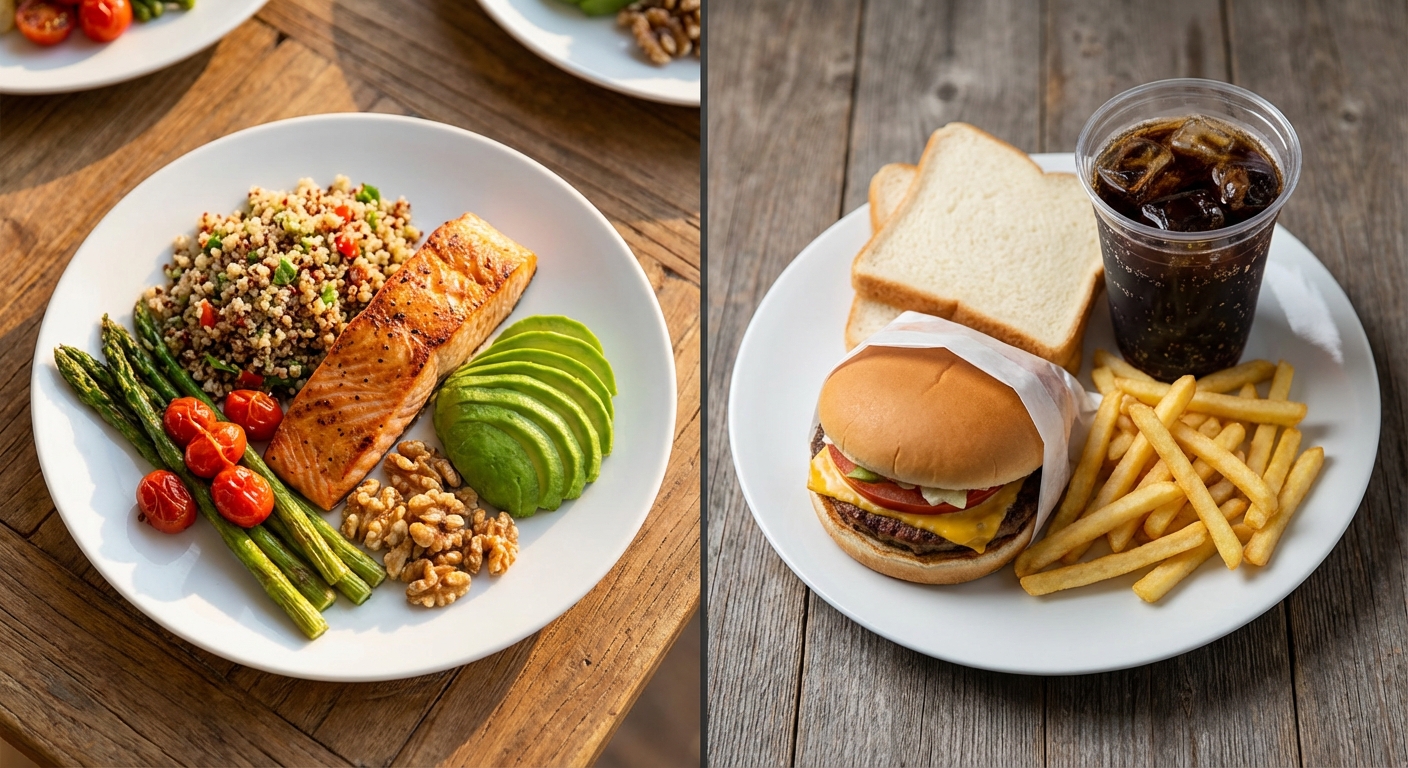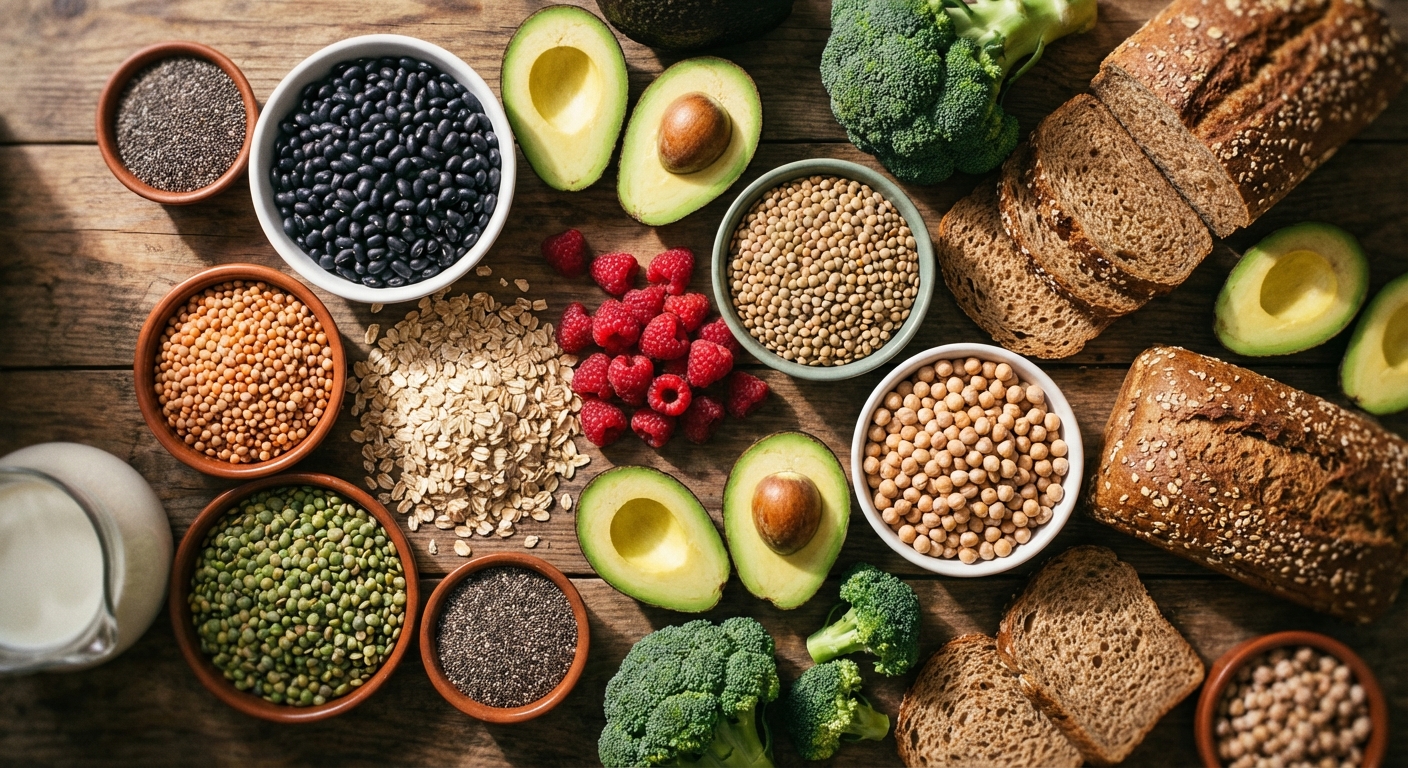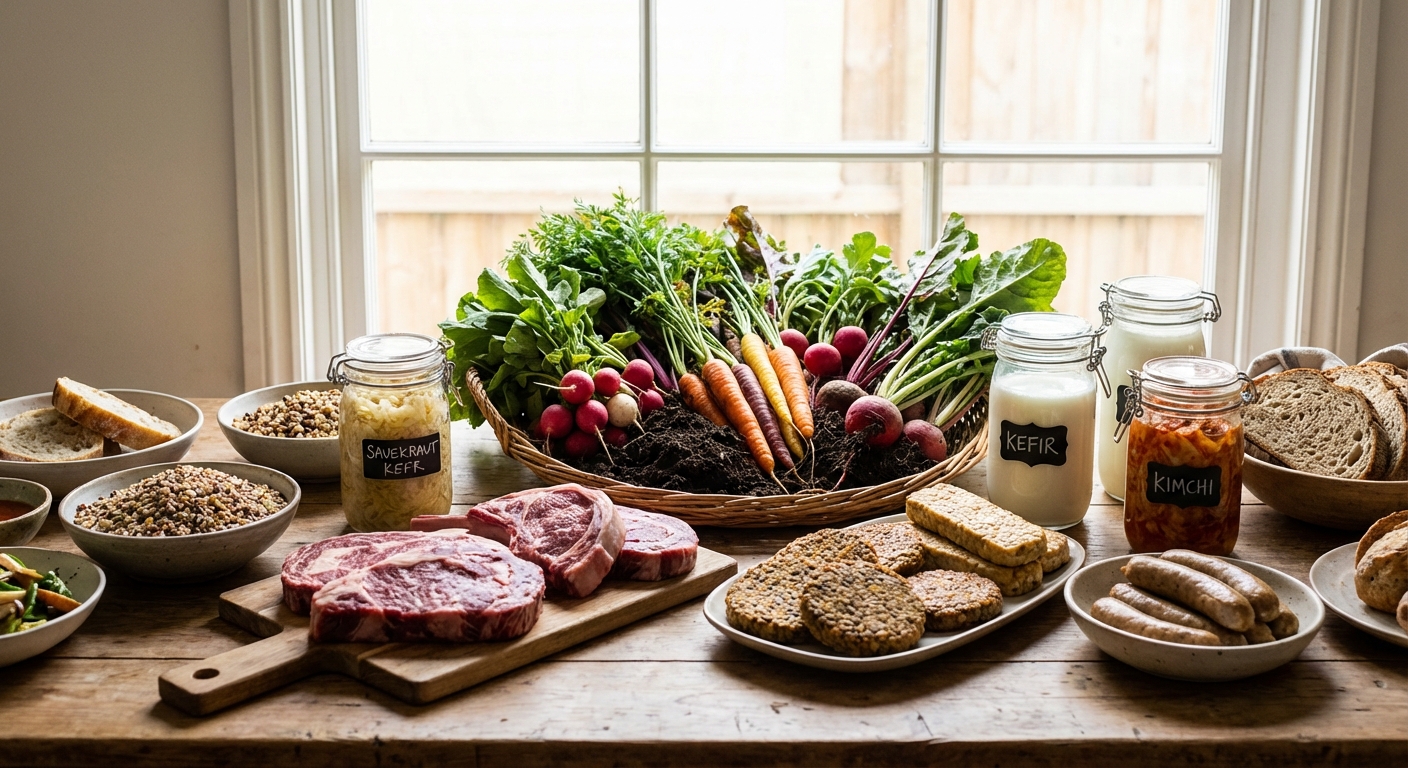
The numbers are uncomfortable to consider. Your average American diet generates approximately 2.5 tons of greenhouse gas emissions annually, roughly equivalent to driving a car 6,000 miles. Animal agriculture alone accounts for 14.5% of global greenhouse gas emissions, uses 70% of agricultural land, and consumes quantities of freshwater that make other industries seem modest by comparison. If you care about both personal health and planetary health, these statistics create genuine tension.
But sustainable eating in 2025 looks nothing like the sacrifice-focused environmentalism of previous decades. Regenerative agriculture isn’t just carbon-neutral, it actively removes greenhouse gases from the atmosphere while producing food that’s measurably more nutritious than conventionally grown alternatives. Cultivated meats taste identical to conventional options because they are meat, just produced without the environmental devastation. Plant-based proteins have evolved beyond rubbery veggie burgers into genuinely delicious products that satisfy rather than merely substitute.
The question has shifted from whether sustainable eating is possible to how to implement it in ways that are practical, affordable, and satisfying enough to become permanent habits. The innovations emerging across regenerative farming, cultivated proteins, and plant-forward food production offer paths forward that don’t require choosing between personal health, planetary health, and actual enjoyment of food.
Regenerative Agriculture: Farming That Heals Rather Than Depletes
Organic farming represented the first wave of agricultural sustainability, eliminating synthetic pesticides and fertilizers while prioritizing soil health over chemical inputs. Regenerative agriculture goes considerably further, actively rebuilding ecosystems that industrial farming has degraded over the past century. The distinction matters because regenerative practices don’t merely reduce harm. They create measurable benefit.
The core principle is deceptively simple: work with natural systems instead of against them. Conventional agriculture treats soil as an inert growing medium to be chemically manipulated for maximum yield extraction. Regenerative practices recognize soil as a living ecosystem containing billions of microorganisms per tablespoon, complex fungal networks that transport nutrients between plants, and organic matter that holds water and sequesters carbon. When properly managed, this living soil becomes more productive and resilient over time while pulling carbon dioxide from the atmosphere and storing it underground.
The Rodale Institute, which has conducted side-by-side farming trials comparing regenerative and conventional methods since 1981, has documented outcomes that challenge industrial agriculture’s fundamental assumptions. Their findings reveal that regenerative systems not only match conventional yields but often exceed them, particularly during drought years when healthy soil’s water-holding capacity provides critical buffering that chemically depleted soil cannot offer. Research published by the Institute shows that regeneratively managed soil can sequester 1-4 tons of carbon per acre annually. Scale that across millions of agricultural acres, and regenerative farming becomes not just carbon-neutral but actually carbon-negative.
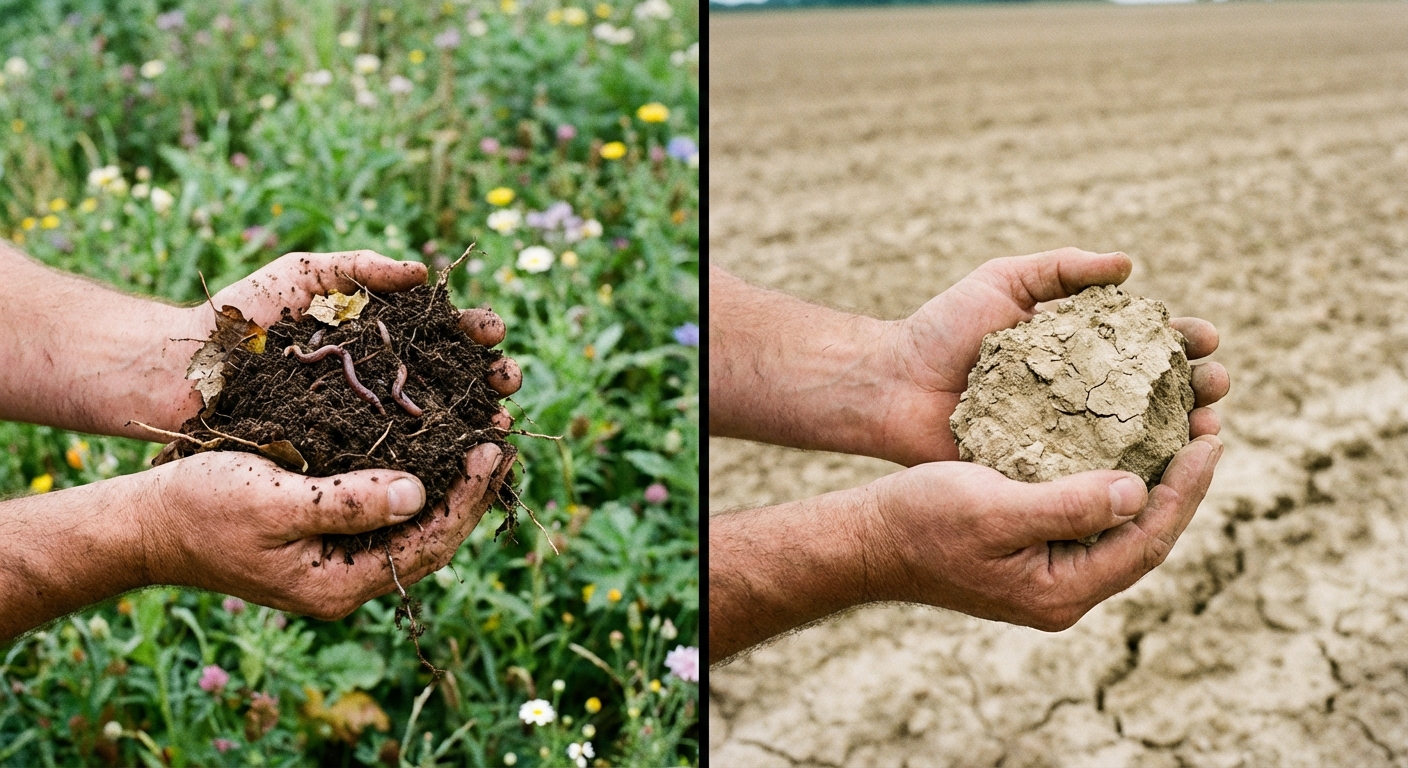
The specific practices that create these outcomes are increasingly standardized across regenerative operations. No-till or minimal-till farming preserves soil structure and the complex microbial communities living within it. Every time soil is plowed, carbon stored in the ground releases into the atmosphere, beneficial fungi are disrupted, and erosion accelerates. Cover cropping means planting species like clover, rye, or vetch specifically to protect and enrich soil rather than for harvest. These plants prevent erosion, fix nitrogen from air into soil, suppress weeds, and provide habitat for beneficial insects. Integrated livestock management brings animals back into crop production systems, with cattle, sheep, or chickens grazing on cover crops while their manure fertilizes soil and their hooves work organic matter into the ground.
Perhaps most importantly for health-focused consumers, regenerative agriculture produces more nutritious food. Soil rich in organic matter and diverse microbial life transfers more minerals and beneficial compounds to plants growing in it. Studies comparing regeneratively grown produce to conventionally grown options have found significantly higher levels of polyphenols, antioxidants, vitamins, and minerals. The nutritional density connection helps explain why people often report that regeneratively grown food tastes better, because it actually contains more of the compounds that create flavor.
Major food companies have committed substantial resources to regenerative sourcing. General Mills is converting one million acres of farmland to regenerative practices by 2030, starting with wheat sourcing for cereals. Danone, Cargill, and Unilever have made similar commitments, recognizing that long-term agricultural viability depends on soil health rather than endless chemical inputs. These corporate commitments are creating market demand that enables more farmers to transition to regenerative methods.
The Cultivated Meat Revolution: Real Meat Without the Environmental Cost
While regenerative agriculture improves conventional farming, cultivated meat represents a fundamentally different approach to protein production. Instead of raising and slaughtering animals, companies grow real animal meat from cells in controlled bioreactor environments. The result is meat that is biologically identical to conventional meat because it literally is meat, produced through a radically different process.
The technology starts with a small sample of animal cells, often obtained through harmless biopsy from a living animal. These cells are fed a nutrient-rich growth medium in conditions that mimic the inside of an animal’s body. The cells multiply and differentiate into muscle tissue, fat, and connective tissue, the same components that make up conventional meat. No animals are slaughtered. No antibiotics are routinely administered. No manure pollutes waterways.
The environmental mathematics are compelling. Cultivated meat production uses approximately 90% less land and 90% less water than conventional beef production. Greenhouse gas emissions drop by 80-95% depending on energy sources powering production facilities. There’s no deforestation to create grazing land or grow animal feed, no methane from cattle digestion contributing to atmospheric warming.
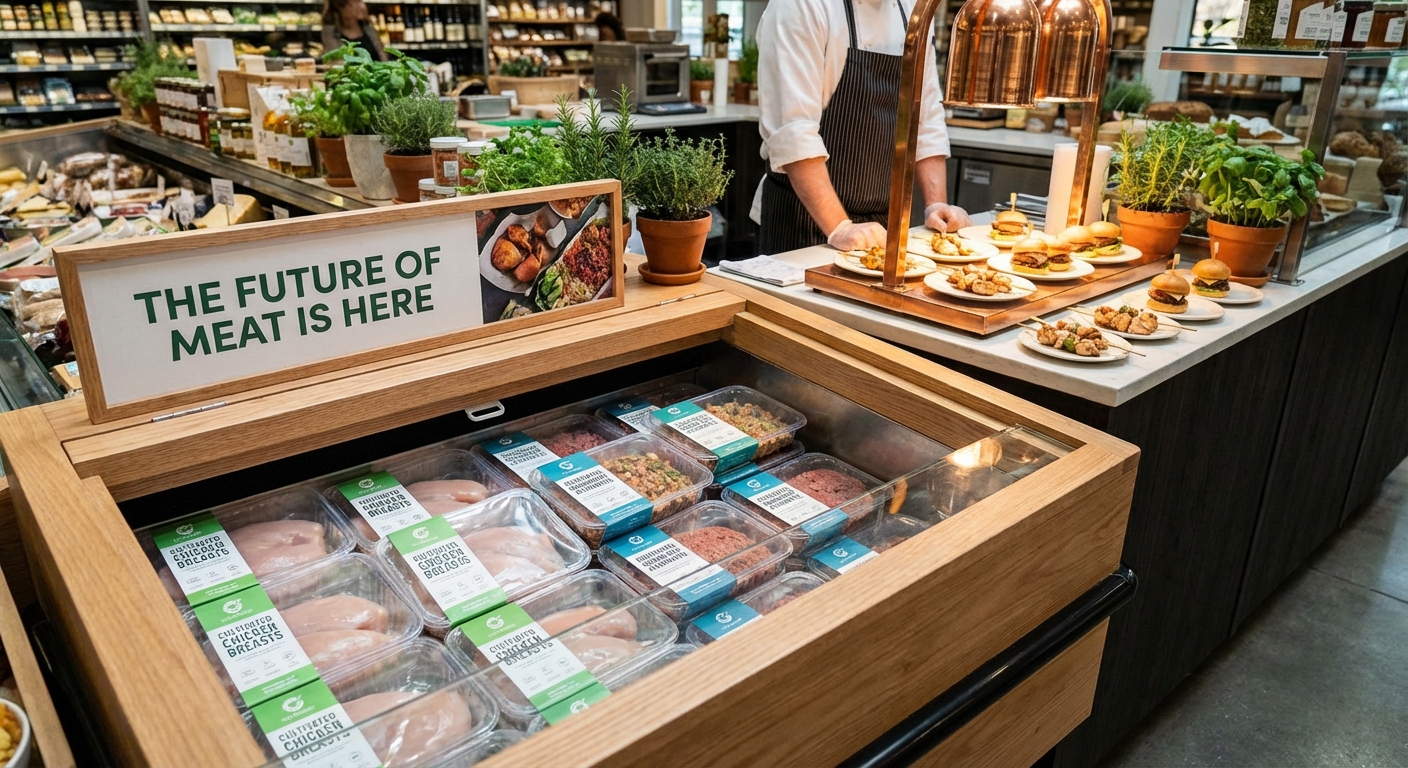
The FDA and USDA granted their first approvals for cultivated meat products in 2023, and by 2025, several companies have brought products to market. UPSIDE Foods and GOOD Meat currently sell cultivated chicken in select restaurants and retail locations, with beef, pork, and seafood products moving through development pipelines. The pace of expansion is accelerating as production capacity grows and costs decline.
Consumer acceptance remains the primary challenge. Many people find the concept initially unsettling despite proven safety and environmental benefits. But taste tests consistently tell a different story. When people try cultivated meat without knowing its origin, approximately 80% rate it favorably, with most unable to distinguish it from conventional meat. The mental barrier exists before the first bite, not after. Once people actually experience that cultivated chicken tastes like chicken because it is chicken, resistance often transforms into enthusiasm.
Cost represents the other significant obstacle. Production remains expensive, positioning cultivated meat as premium product currently. But technological improvements and production scaling are rapidly driving costs down. Industry analysts project cultivated meat reaching cost parity with conventional meat within 5-10 years, potentially becoming cheaper as it matures while conventional meat costs rise due to environmental regulations, water scarcity, and resource constraints.
Plant-Based Innovation Beyond First-Generation Products
The plant-based meat category that exploded in the late 2010s with Impossible Burger and Beyond Meat has evolved substantially based on consumer feedback. First-generation products were impressive technological achievements but not quite right for many consumers. Complaints centered on excessive processing, imperfect textures, and aftertaste issues. The industry has responded with significant reformulation and entirely new approaches to plant protein.
Hybrid products represent one promising direction, blending plant and animal proteins to reduce environmental impact while maintaining familiar flavor and texture. These 50/50 products, half conventional meat and half mushrooms or other plant ingredients, cut environmental footprint by 50% while retaining characteristics that make full plant-based products challenging for some consumers. For people who aren’t ready to eliminate meat entirely but want to reduce their consumption’s environmental impact, hybrids offer practical middle ground.
Mushroom-based proteins have emerged as particularly promising alternatives. Mycelium, the root structure of mushrooms, can be grown rapidly in controlled conditions, has a texture remarkably similar to meat, and provides complete protein without the saturated fat concerns of animal products. Companies like MyForest Foods and Meati are creating whole-cut meat alternatives from mycelium that look, cook, and eat like chicken breast or steak rather than ground meat products. The whole-cut capability addresses one of the major limitations of earlier plant-based products, which excelled at ground meat applications but couldn’t replicate the experience of cutting into a steak or chicken breast.
Flavor technology has improved dramatically through precision fermentation, which uses microorganisms to produce specific proteins and fats found in animal products. This allows manufacturers to recreate the exact molecules responsible for meat’s distinctive taste and mouthfeel. The resulting products deliver umami depth, fatty richness, and cooking behaviors that earlier plant-based products couldn’t achieve. These innovations connect to broader nutrition trends emphasizing protein quality and innovation across the food industry.
Making Sustainable Eating Economically Practical
The persistent criticism of sustainable food concerns cost. Regeneratively raised meat, cultivated protein, and premium plant-based alternatives typically carry higher price tags than conventional options, creating legitimate accessibility concerns that can’t be dismissed as mere inconvenience.
This price gap is real but requires context. Conventional meat is artificially cheap because its environmental costs, water pollution, greenhouse gas emissions, antibiotic resistance contribution, habitat destruction, aren’t reflected in consumer prices. These are externalized costs that society bears through environmental remediation, healthcare expenses, and climate change impacts. If conventional meat carried its true costs, sustainable alternatives would often be competitive or cheaper. The playing field isn’t level.
That said, immediate affordability matters for people making daily food decisions with real budget constraints. The practical path to sustainable eating doesn’t require buying exclusively premium products. Strategic choices can significantly reduce your food’s environmental footprint without dramatically increasing grocery bills.
Prioritizing impact over perfection creates the most environmental benefit per dollar spent. Beef has by far the largest environmental footprint of common proteins. Swapping beef for chicken, pork, or plant proteins just a few times weekly creates more environmental benefit than buying organic versions of everything else combined. When you do purchase beef, choosing grass-fed or regeneratively raised maximizes both nutritional quality and environmental benefit for the premium price. Understanding protein requirements for your specific needs helps determine how much meat you actually need versus habitually consume.
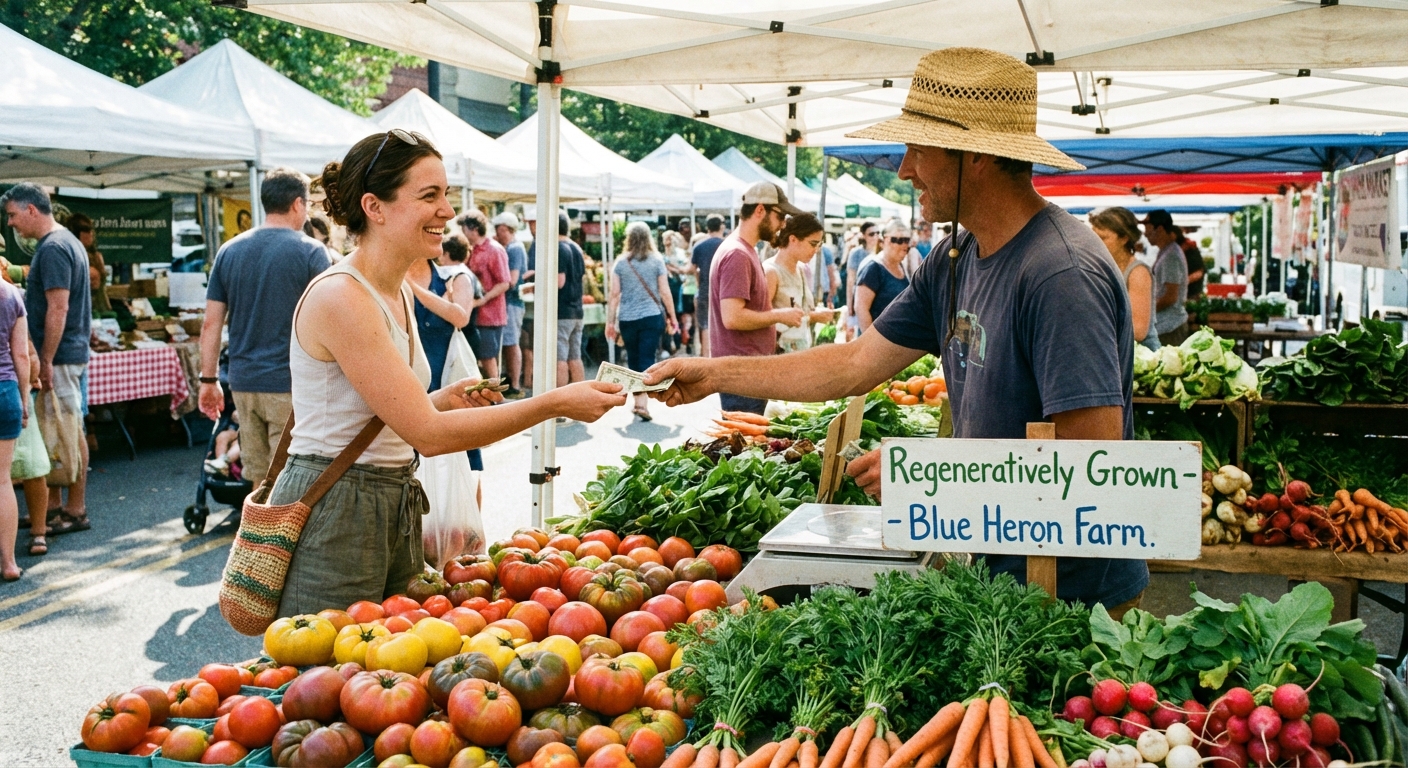
Shopping seasonally and locally often costs less than people expect. Local produce at farmers’ markets is frequently comparable in price to supermarket options, sometimes cheaper, while dramatically reducing transportation emissions. Seasonal eating naturally guides you toward lower environmental impact choices and often better flavor since produce picked at peak ripeness and consumed quickly simply tastes better than produce harvested early and shipped thousands of miles.
Cooking at home transforms the economics entirely. Sustainable eating becomes vastly more affordable when you’re not paying restaurant markups. A homemade plant-forward meal costs a fraction of takeout, and even premium regenerative proteins become reasonable when you’re cooking rather than dining out. The time investment in cooking pays dividends across both health and environmental impact.
Practical Implementation: The 30% Approach
Research from environmental scientists suggests that reducing your food-related emissions by 30% is achievable without radical dietary transformation. Strategic substitutions across a few high-impact categories can reach this threshold while maintaining satisfaction and nutritional adequacy.
The highest-impact swap involves beef frequency and sourcing. Moving from factory-farmed beef four times weekly to regeneratively-raised beef twice weekly plus chicken or fish twice weekly reduces emissions by approximately 40% from that category alone while improving fatty acid profiles and reducing exposure to antibiotic-resistant bacteria. The beef you do eat becomes more intentional, higher quality, and more genuinely satisfying.
Shifting from imported produce year-round to seasonal, local vegetables when available reduces food miles by 15-25% while typically improving flavor and nutritional content. Produce picked at peak ripeness and consumed within days contains more vitamins and phytonutrients than produce harvested early for long-distance shipping.
Dairy milk to oat or pea milk substitution reduces water use by approximately 70% for that category. Fortified plant milks match dairy’s nutritional profile for most people, and many find they prefer the taste once they’ve adjusted. This single swap, applied consistently, represents meaningful environmental impact with minimal lifestyle disruption.
These changes collectively achieve 30-35% reduction in dietary carbon footprint while maintaining protein adequacy, micronutrient intake, and genuine enjoyment of food. The goal isn’t perfection but progress through changes sustainable enough to become permanent.
The Bottom Line
Sustainable eating in 2025 represents a genuine departure from earlier approaches that emphasized sacrifice and restriction. Regenerative agriculture produces food that’s measurably more nutritious while actively removing carbon from the atmosphere and rebuilding depleted soil ecosystems. Cultivated meats deliver identical taste and nutrition to conventional options while eliminating 90% of land use, 90% of water use, and 80-95% of greenhouse gas emissions. Plant-based innovations have moved beyond novelty substitutes into genuinely delicious products that satisfy rather than merely replace.
Key principles for practical sustainable eating:
- Prioritize impact: Reducing beef consumption creates more environmental benefit than optimizing everything else
- Quality over quantity: When you do eat animal products, choose regeneratively raised options
- Strategic substitution: Target 30% reduction through high-impact swaps rather than complete dietary overhaul
- Local and seasonal: Farmers markets often match supermarket prices while reducing transportation emissions and improving nutrition
- Cook at home: Sustainable eating becomes economically practical when you’re not paying restaurant margins
Practical starting points:
- Replace two beef meals weekly with chicken, fish, or plant-based options
- Try one new plant-forward recipe weekly until you have several you genuinely enjoy
- Visit a local farmers market to identify regeneratively-grown options in your area
- Experiment with oat or pea milk for applications where you don’t need dairy specifically
- When you do buy beef or pork, choose grass-fed, pasture-raised, or regeneratively-sourced options
The sustainable food movement has matured beyond ideology into practical possibility. You don’t have to sacrifice flavor, convenience, or satisfaction to eat in ways that support planetary health. The innovations in regenerative agriculture and ethical proteins have made sustainable eating genuinely appealing, not just theoretically worthy. Every meal is a choice, and collectively those choices determine agricultural practices, environmental outcomes, and the food system future generations inherit.
Sources: Rodale Institute long-term farming trials, Environmental Science & Technology lifecycle analyses, FDA/USDA cultivated meat approvals, Journal of Cleaner Production agricultural studies, Innova Market Insights consumer data.