The kit arrives in sleek packaging with promises of unlocking the secrets hidden in your gut. You collect a stool sample, mail it back, and two weeks later receive a comprehensive report detailing the trillions of bacteria living in your digestive system. Companies like Viome, ZOE, Thorne, and dozens of others now offer these tests for $300-500, claiming their analysis can reveal why you feel bloated, why diets never work for you, and which specific foods your unique microbiome needs to thrive.
The marketing pitch is compelling and builds on legitimate science. Your gut microbiome genuinely is unique as a fingerprint. The bacteria in your intestines truly do affect metabolism, immune function, and even brain chemistry. Generic nutrition advice cannot account for individual microbiome differences that influence how you respond to foods. Personalized recommendations based on your actual bacterial composition should, theoretically, work better than one-size-fits-all guidelines.
But should and does are different things. The question confronting anyone considering a microbiome test isn’t whether the gut matters for health, it clearly does, but whether current testing technology can deliver actionable personalization that produces better outcomes than following conventional evidence-based dietary advice. The answer is more complicated, and considerably less definitive, than the glossy marketing materials suggest.
What These Tests Actually Measure
Understanding what microbiome tests do well versus where they fall short requires knowing exactly what information they provide. The technology underlying these tests, primarily 16S ribosomal RNA sequencing or more comprehensive shotgun metagenomic sequencing, accurately identifies which bacterial species and strains are present in your stool sample and their relative abundances. The sequencing science itself is solid and well-validated.
Most commercial tests report on bacterial diversity, meaning how many different species populate your gut ecosystem. Higher diversity generally correlates with better health outcomes across multiple studies, so this metric provides legitimately useful information. The tests also identify specific bacterial species, noting the presence of known beneficial bacteria, absence of problematic organisms, and unusual population distributions that might indicate dysbiosis or imbalance.

Some tests measure the Firmicutes to Bacteroidetes ratio, two major bacterial phyla whose relative proportions have been linked to obesity and metabolic health in some studies, though the evidence for this particular metric has become increasingly controversial as larger studies reveal substantial individual variation. More advanced tests attempt to predict functional capacity, inferring what your bacteria can do based on the genes they carry: produce certain vitamins, break down specific fibers, generate inflammatory or anti-inflammatory compounds.
The sequencing technology is reliable. These companies accurately identify what bacteria are in your sample. The genuine question is: what does that information actually tell us about your health, and can it meaningfully guide dietary choices?
The Gap Between Measurement and Meaning
Here’s where commercial microbiome testing runs significantly ahead of the underlying science. Multiple factors limit our ability to translate microbiome composition into precise dietary recommendations.
Individual bacterial composition varies considerably over time. Your microbiome shifts day to day, week to week, based on recent dietary choices, stress levels, sleep patterns, medication use, and other transient factors. A single snapshot from one stool sample might not represent your “true” or typical microbiome composition. Some people show remarkable microbiome stability; others fluctuate substantially. Testing once provides limited information about your characteristic bacterial community.
We genuinely don’t know what “optimal” microbiome composition looks like. Despite thousands of published microbiome studies, no scientific consensus exists on what a healthy microbiome should contain beyond broad generalizations. We know diversity is generally good, certain species appear protective while others associate with disease, but the specifics remain murky. Different populations around the world have dramatically different “healthy” microbiomes adapted to their traditional diets. The idea that we can define optimal bacterial targets for everyone rests on shaky scientific ground.

The food recommendations generated by most tests are often surprisingly generic. After spending $400 on testing and receiving a detailed bacterial analysis, many people find the dietary recommendations essentially match what conventional nutrition already advises: eat more fiber, consume diverse plant foods, include fermented foods, minimize ultra-processed products. The “personalization” sometimes amounts to specifying which vegetables to emphasize rather than suggesting truly individualized interventions.
Correlation hasn’t been established as causation for most findings. We know certain bacterial profiles correlate with obesity, diabetes, inflammatory bowel disease, and other conditions. We don’t yet know whether changing your bacteria through dietary intervention will actually improve those health outcomes or whether the bacterial differences are simply markers of underlying conditions driven by other factors. This distinction matters enormously for interpreting test results.
The ZOE Research: Best Available Evidence
Among commercial microbiome testing ventures, ZOE stands out for conducting the most rigorous research supporting personalized nutrition approaches. Their PREDICT studies gathered detailed metabolic data from thousands of participants, combining microbiome sequencing with continuous glucose monitoring, blood lipid measurements, and other physiological markers.
This massive dataset enabled researchers to examine how individual biology, including microbiome composition, affects responses to standardized test meals. The findings confirmed what scientists suspected: identical people respond differently to identical foods. Blood sugar spikes, fat storage patterns, and inflammatory responses vary substantially between individuals consuming the same meals under controlled conditions. Even identical twins, who share 100% of their DNA, showed divergent metabolic responses, suggesting factors beyond genetics, including microbiome differences, influence food processing.
The ZOE research found that microbiome composition was one factor among several that predicted individual food responses. Personalized nutrition recommendations based on the combined analysis of microbiome, genetics, and baseline metabolic testing improved dietary outcomes modestly compared to generic healthy eating advice. People following personalized recommendations showed approximately 10-15% better results on metabolic measures than those following standard dietary guidelines.
However, several caveats apply. The personalization that worked wasn’t microbiome-based alone; it required genetic testing, continuous glucose monitoring, and blood lipid analysis alongside bacterial data. The improvement over conventional healthy eating was real but modest, not transformative. Achieving these benefits requires ongoing testing and monitoring significantly more expensive and complex than a one-time stool sample. The research suggests comprehensive personalization can work, but single-modality microbiome testing provides limited information for precise dietary guidance.
Who Might Actually Benefit
Before spending several hundred dollars on microbiome testing, honestly assess whether you fit the profiles most likely to gain useful information. For many people, the investment won’t provide value beyond what free dietary advice already offers.
Testing makes most sense for people with persistent digestive issues that haven’t responded to standard interventions. If you’ve experienced IBS symptoms, chronic bloating, irregular bowel patterns, or unexplained abdominal discomfort for months or years, and you’ve already tried eliminating common trigger foods like gluten, dairy, and high-FODMAP foods without improvement, microbiome analysis might reveal specific dysbiosis patterns that explain your symptoms. Seeing actual bacterial data could identify overlooked issues and suggest targeted probiotic or dietary interventions that generic advice missed.

People who’ve genuinely committed to conventional dietary improvements without experiencing expected results represent another appropriate testing population. If you’ve consistently eaten diverse vegetables, adequate fiber, fermented foods, and minimal processed products for several months but still feel the same or worse, microbiome analysis might reveal why your body isn’t responding as expected. Perhaps you have bacterial overgrowth issues, lack diversity despite dietary efforts, or show inflammatory patterns that explain your symptoms.
Those willing to invest seriously in optimization, both financially and in terms of follow-through commitment, might find testing worthwhile. This means being prepared to spend $300-500 on initial testing, potentially more on targeted supplements or follow-up tests, and genuinely implementing the detailed recommendations provided. The data only provides value if you act on it systematically.
Testing isn’t appropriate for people seeking quick fixes, those who haven’t yet addressed obvious dietary problems (no test is needed to recommend eating more vegetables and less processed food), or anyone unwilling to follow through on complex recommendations. The testing provides information, not transformation. Actually changing your gut health requires sustained behavioral changes that most people find challenging to maintain.
The Alternative: Evidence-Based Gut Optimization
You don’t need testing to improve your microbiome. Decades of research support interventions that benefit virtually everyone regardless of their specific bacterial composition. These approaches work because they address the fundamental conditions that allow beneficial bacteria to thrive.
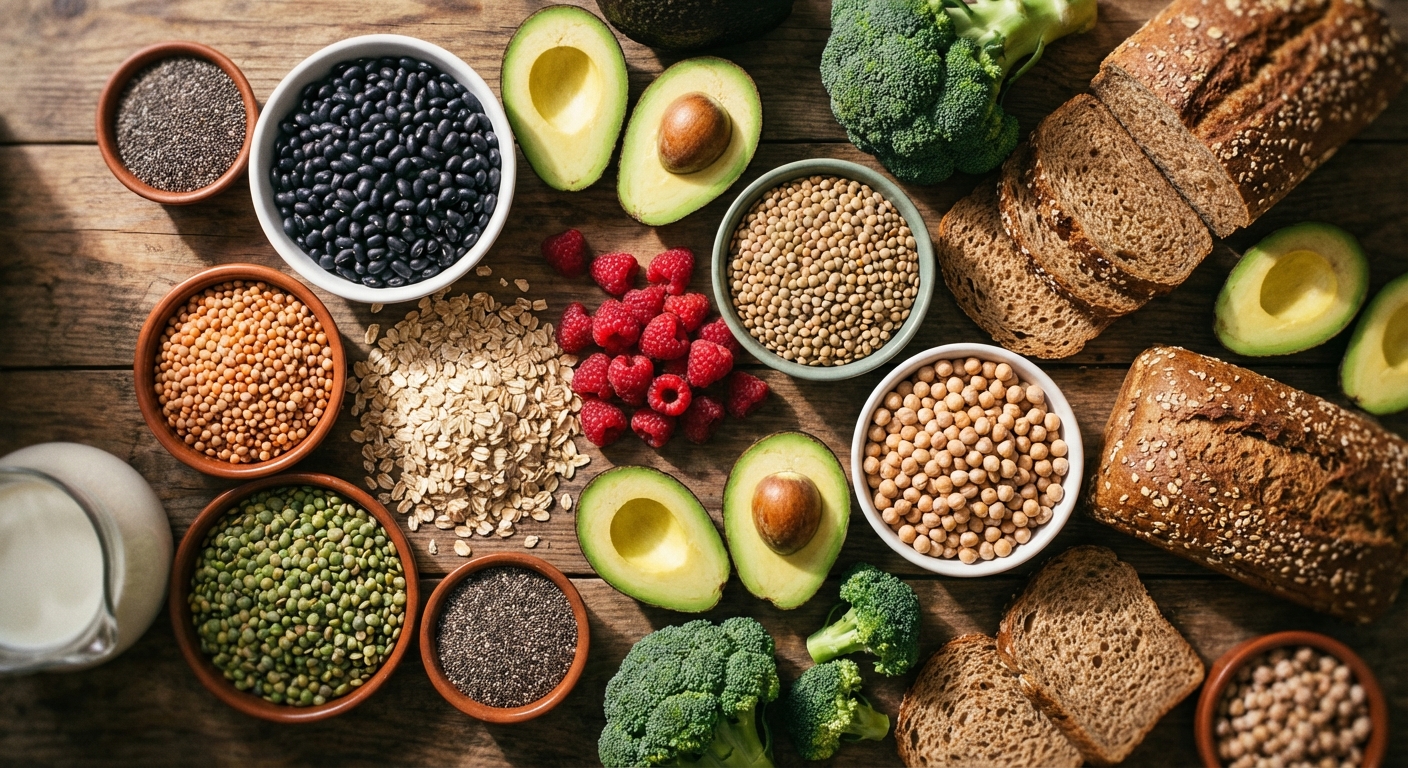
Increasing fiber intake to 25-35 grams daily feeds beneficial bacteria through fermentation regardless of which specific species you currently harbor. Most Americans consume only 15 grams daily, leaving their gut bacteria essentially starving for their preferred food source. Fiber from whole grains, legumes, vegetables, and fruits provides the substrate that beneficial bacteria ferment into short-chain fatty acids, which reduce inflammation and support gut barrier integrity. This intervention works for nearly everyone and costs nothing beyond food choices.
Eating diverse plants matters perhaps more than any single dietary factor. Research suggests people who regularly consume 30 or more different plant foods weekly develop more diverse and resilient microbiomes than those eating repetitive diets. Diversity in diet creates diversity in bacteria because different fiber types feed different bacterial species. Rotating vegetables, fruits, legumes, whole grains, nuts, and seeds provides substrate for a broader range of beneficial organisms than eating the same few foods repeatedly.
Including fermented foods daily adds beneficial bacteria directly rather than just feeding them. Yogurt with live cultures, kefir, sauerkraut, kimchi, and other traditionally fermented foods introduce probiotic organisms that may colonize temporarily or permanently, depending on individual factors. Research on fermented foods and strain-specific benefits demonstrates that regular consumption shifts microbiome composition toward healthier configurations regardless of baseline status.
Minimizing ultra-processed foods removes compounds that harm gut bacteria. Emulsifiers, artificial sweeteners, and other additives common in processed foods disrupt the gut barrier and shift bacterial populations toward inflammatory configurations in both animal studies and limited human research. Reducing these exposures allows the microbiome to normalize toward healthier patterns.
Managing chronic stress matters because stress hormones directly alter gut bacterial composition through the gut-brain axis. High cortisol and sympathetic nervous system activation shift the microbiome toward inflammation-associated patterns regardless of diet. Addressing stress through evidence-based approaches, whether meditation, exercise, therapy, or social connection, supports gut health independently of food choices.
A Realistic Cost-Benefit Analysis
Commercial microbiome testing typically costs $300-500 for initial analysis. Some companies offer subscriptions with repeat testing to track changes over time, adding further costs. What do you receive for this investment?
You get detailed bacterial composition data, which provides genuine information about your gut ecosystem. You receive food recommendations, which often substantially overlap with conventional gut health advice but may include personalized nuances about specific foods to emphasize or avoid. You may receive probiotic or supplement suggestions, though evidence for specific strain recommendations based on individual microbiome composition remains limited.
The value depends heavily on factors specific to your situation. If the recommendations differ meaningfully from what you’d already know to do, and you actually follow through implementing them, and your health genuinely improves, the testing provided value. If the recommendations essentially match standard advice, or you don’t follow them consistently, or your health doesn’t measurably improve, you’ve spent money for interesting but not actionable information.
For many people, spending $300-500 on high-quality whole foods, diverse vegetables, quality fermented products, and a good general probiotic over six months would likely produce equal or better gut health improvements than testing followed by similar dietary changes. The testing adds data without necessarily adding outcomes.
But for some people, the specific information and personalized framing proves motivating enough to justify the cost. Having data about your actual bacteria can shift psychology in ways that general advice doesn’t. Knowing exactly which dietary targets to hit, even if they’re similar to generic recommendations, might improve adherence for some individuals.
The Honest Assessment
Microbiome testing represents interesting science that’s substantially ahead of its clinical validation. The technology accurately measures what it claims to measure. The underlying principle, that microbiome composition affects health and responds to diet, rests on solid scientific foundation. But the leap from measurement to meaningful personalized intervention currently outpaces the evidence.
Testing works best as a “last mile” optimization tool for people who’ve already implemented conventional dietary wisdom without adequate results, not as a first-line diagnostic for anyone curious about their gut. It provides most value for individuals with persistent, unexplained digestive symptoms who’ve tried obvious interventions without success. It provides least value for people who haven’t yet consistently eaten diverse whole foods, adequate fiber, and regular fermented products, since those interventions would likely help regardless of what testing reveals.
The field is evolving rapidly. In five to ten years, microbiome testing may become genuinely useful for mainstream health optimization as we better understand what compositions predict good outcomes and which dietary interventions reliably modify those compositions. Currently, we’re in the early, somewhat speculative phase where commercial applications have outpaced validated clinical applications.
The Bottom Line
Your gut microbiome genuinely matters for health. Understanding the gut-brain axis reveals how profoundly these bacteria affect everything from mood to metabolism. Diet genuinely affects microbiome composition. These are established scientific facts, not marketing claims.
Whether current testing technology can translate your specific bacterial profile into dietary recommendations that produce better outcomes than evidence-based conventional nutrition remains much less certain. The honest answer is: probably not, for most people, most of the time.
If you’re curious, have discretionary money available, and would find the data interesting regardless of whether it transforms your health, testing might be worthwhile for you. Just calibrate expectations appropriately. You’ll likely receive recommendations substantially similar to what you’d get for free from any evidence-based nutrition source: more fiber, more plant diversity, more fermented foods, less processed food.
If you’re budget-conscious or skeptical of personalization claims, skip testing and implement the gut health practices that work for the vast majority of people without requiring $400 of diagnostic data. The fiber gap in most American diets provides far more actionable opportunity for improvement than personalized bacterial optimization.
Next Steps:
- Honestly assess whether you’ve consistently implemented basic gut health practices (25-35g fiber, 30+ plant foods weekly, daily fermented foods) for at least three months before considering testing
- If you have persistent digestive symptoms that haven’t responded to conventional approaches, testing may provide useful diagnostic information
- If testing, choose companies with published research supporting their recommendations (ZOE currently has the strongest evidence base)
- Regardless of testing decisions, focus on the fundamentals: diverse plants, adequate fiber, fermented foods, minimal ultra-processed products
The microbiome matters enormously. Testing it is optional. Improving it through evidence-based diet and lifestyle is valuable for everyone, tested or not.
Sources: ZOE PREDICT study results (Nature Medicine), microbiome-diet interaction research (Cell), reviews of commercial microbiome testing validation, gut bacteria composition studies (Nature Reviews Microbiology), personalized nutrition evidence reviews (American Journal of Clinical Nutrition), 16S and metagenomic sequencing validation studies.