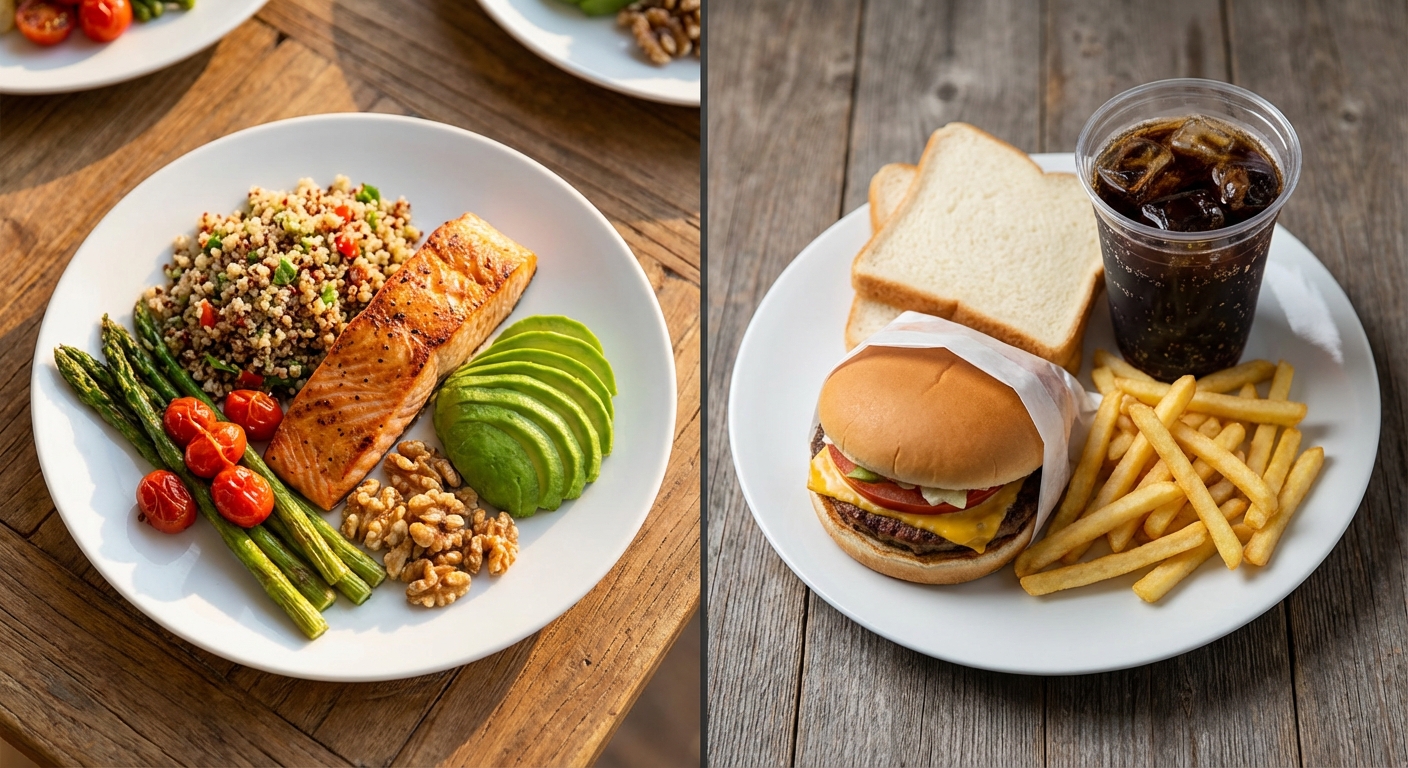
Walk through any grocery store in 2025 and you’ll notice something that would have seemed absurd a decade ago: protein is everywhere. Protein chips sit next to regular chips. Protein soda occupies its own refrigerator section. Protein cereal, protein ice cream, protein cookies. Products that traditionally contained negligible protein now display “15g protein!” as their primary selling point, betting that this single claim will drive purchase decisions.
They’re not wrong about consumer demand. The high-protein revolution reflects genuine shifts in nutritional understanding and eating patterns. Research has validated protein’s role in satiety, muscle maintenance, metabolic health, and weight management far beyond what traditional dietary guidelines acknowledged. But the innovation has moved past simply adding whey powder to everything. In 2025, the frontier is sustainable, diverse protein sources that address both nutritional needs and the environmental reality that conventional animal agriculture cannot scale to meet global protein demand.
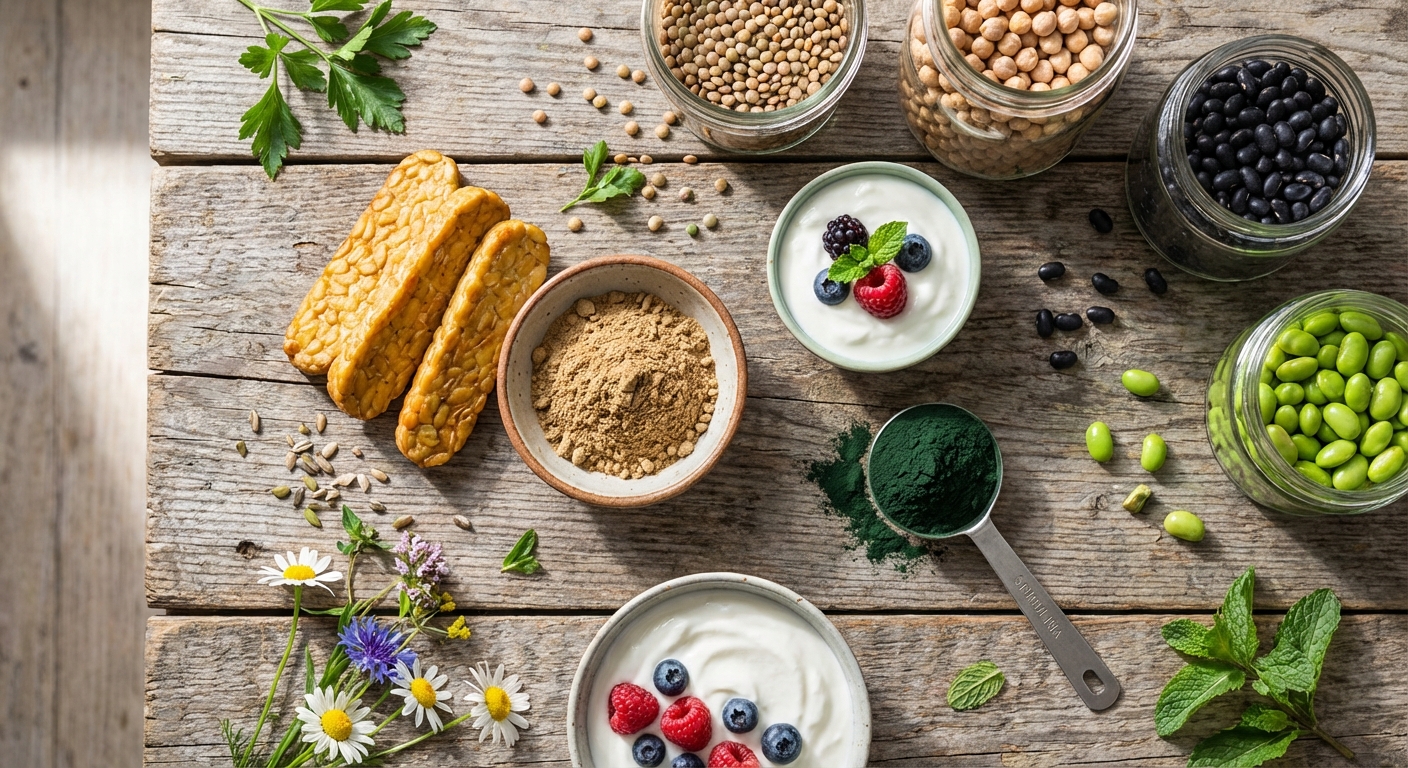
Fermented proteins now offer gut health benefits alongside amino acids. Insect-derived proteins provide complete amino acid profiles with minimal environmental footprint. Mycoprotein and algae-based options deliver protein without the ethical and ecological concerns of industrial animal farming. Upcycled ingredients rescue valuable protein from food waste streams that previously fed landfills rather than people. The challenge isn’t finding protein anymore. It’s choosing wisely among options and balancing high protein intake with the fiber, micronutrients, and overall dietary patterns necessary for long-term health.
Why Protein Demand Has Exploded
The protein obsession isn’t just marketing hype exploiting consumer confusion. Research has validated several compelling benefits that traditional dietary recommendations significantly underestimated, particularly regarding satiety, body composition, and metabolic health.
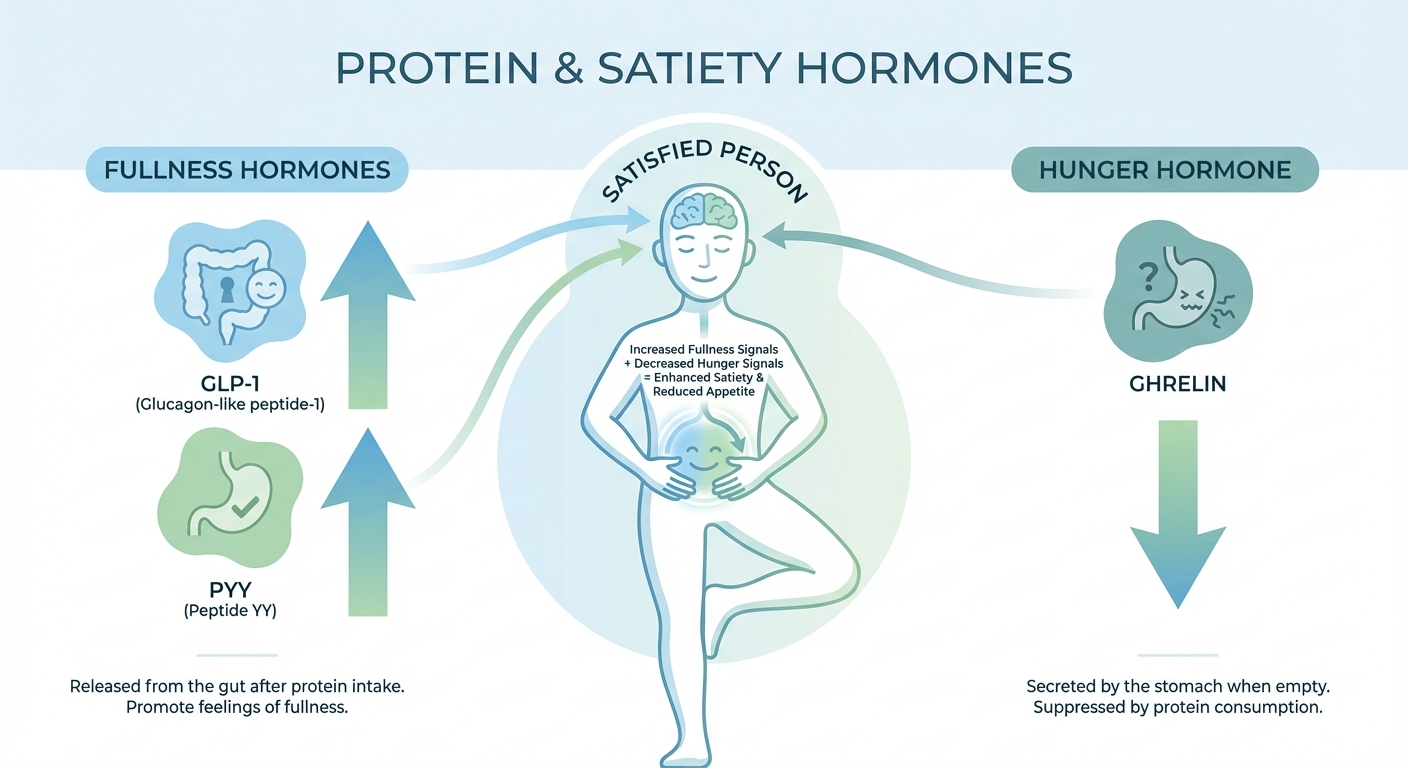
Protein is the most satiating macronutrient by a substantial margin. Calorie for calorie, protein reduces hunger and increases fullness more effectively than carbohydrates or fats through multiple overlapping mechanisms. Protein triggers the release of satiety hormones like GLP-1 and peptide YY, compounds that signal to your brain that you’ve eaten enough. Simultaneously, protein reduces levels of ghrelin, the hormone responsible for hunger sensations. The thermic effect adds another layer: your body expends 20 to 30 percent of protein calories just digesting and processing the protein, compared to 5 to 10 percent for carbohydrates and nearly nothing for dietary fat.
For people trying to lose weight or maintain weight loss, these satiety effects matter enormously. A diet providing 25 to 30 percent of calories from protein rather than the traditional 10 to 15 percent makes caloric restriction significantly more tolerable and sustainable. You simply feel less hungry, fewer cravings, fewer white-knuckle moments of willpower, fewer abandoned diet attempts. The protein itself doesn’t magically cause fat loss, but it makes the caloric deficit required for fat loss far easier to maintain.
Protein also preserves muscle mass during weight loss and aging, a benefit that receives far less attention than it deserves. When you lose weight through caloric restriction alone, you inevitably lose some muscle along with fat. This muscle loss reduces your metabolic rate, contributes to the “skinny fat” physique, and sets you up for weight regain. Higher protein intakes in the range of 1.6 to 2.2 grams per kilogram of body weight, combined with resistance training, can minimize or even prevent muscle loss during caloric restriction.
For aging adults, protein becomes even more critical. Sarcopenia, the age-related loss of muscle mass and function, accelerates after age 50 and compounds annually. The consequences extend beyond aesthetics to functional independence: decreased strength, increased fall risk, slower recovery from illness or surgery, and eventually loss of the ability to perform basic activities of daily living. Research suggests older adults may actually need more protein than younger people to achieve the same muscle maintenance effects, potentially 1.2 to 1.6 grams per kilogram compared to the standard 0.8 grams per kilogram recommendation that applies to sedentary young adults.
The Food and Agriculture Organization projects global protein demand will reach 1.2 billion tons by 2030, representing a 70 percent increase from 2010 levels. Meeting this demand through conventional animal agriculture alone would create unsustainable pressure on land, water, and climate systems. Hence the urgent interest in innovative protein sources that can scale without scaling environmental damage.
Fermented Proteins: Ancient Wisdom Meets Modern Nutrition
Fermentation has preserved and enhanced foods for thousands of years across virtually every human culture, but only recently have we begun to appreciate fermented foods specifically as premium protein sources with unique benefits beyond their amino acid content.
Tempeh, made from whole fermented soybeans, provides approximately 20 grams of protein per 100 grams alongside probiotics, prebiotic fiber, and dramatically enhanced bioavailability of nutrients. The fermentation process breaks down antinutrients like phytates and trypsin inhibitors that can interfere with mineral absorption in unfermented soy, making tempeh’s iron, calcium, and zinc considerably more accessible to your body. Unlike tofu, which has a mild, almost neutral flavor that takes on characteristics of whatever you cook it with, tempeh has a distinctive nutty, slightly earthy taste and a firm, chewy texture that holds up beautifully to grilling, stir-frying, or crumbling into dishes where you’d otherwise use ground meat.
Natto, another fermented soy product beloved in Japan but challenging to Western palates, takes fermentation’s benefits even further. It provides similar protein levels to tempeh but includes vitamin K2 in the MK-7 form, a nutrient critical for calcium metabolism, bone density, and cardiovascular health that’s remarkably rare in plant foods. For people avoiding animal products, natto offers one of the few plant-based K2 sources available. The caveat is significant: natto’s very strong, ammonia-like smell and slimy, stringy texture challenge many people, even those accustomed to fermented foods. It’s worth trying, particularly for the K2 benefits, but don’t expect to love it immediately.

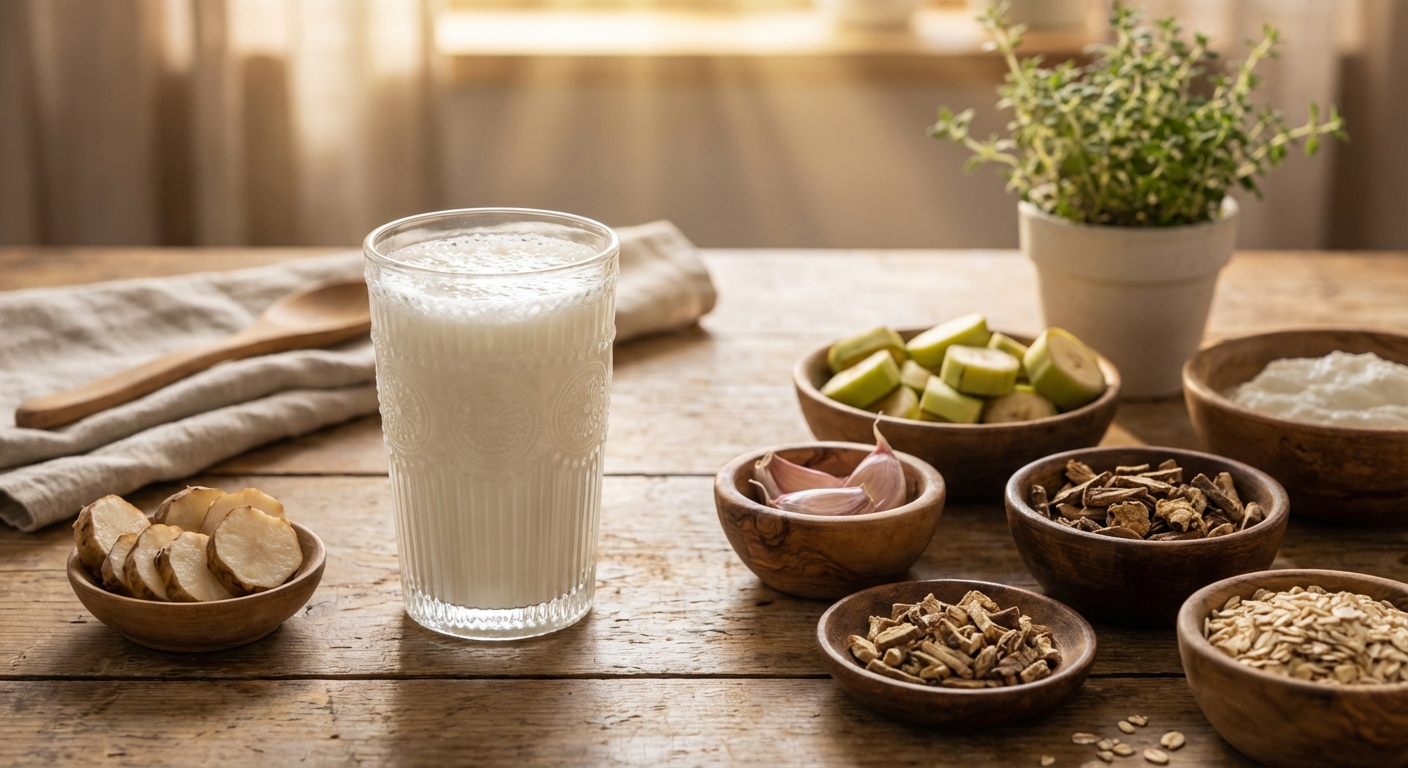
Fermented dairy products like Greek yogurt, skyr, and kefir offer excellent protein density with their own probiotic benefits. Greek yogurt provides 15 to 20 grams of protein per cup compared to 5 to 8 grams in regular yogurt, achieved through straining that removes liquid whey and concentrates the protein. Kefir adds diverse probiotic strains, potentially 30 to 50 different beneficial bacteria and yeasts compared to the handful in most commercial yogurts, creating a living ecosystem in your gut with each serving.
The fermentation advantage extends beyond individual foods to the proteins themselves. Research indicates that fermenting proteins may reduce allergenicity for people with sensitivities, improve digestibility and absorption, and create bioactive peptides with anti-inflammatory and blood pressure-lowering effects that wouldn’t exist in the unfermented form.
Insect Protein: Nutrition Beyond the Barrier
Insect consumption, technically called entomophagy, is common across much of the world. Over 2 billion people globally eat insects regularly, and many cultures consider specific insects delicacies rather than desperation food. In Western countries, however, insects remain deeply novel, typically met with visceral disgust despite their remarkable nutritional and environmental profile.
Cricket flour, powder made from ground whole crickets, contains approximately 60 grams of protein per 100 grams, surpassing beef, chicken, fish, and virtually every other whole food protein source. The protein is complete, providing all essential amino acids in ratios comparable to high-quality animal proteins. Beyond protein, crickets supply significant iron, vitamin B12, calcium, and omega-3 fatty acids. The nutritional density per calorie exceeds most conventional protein sources.
The environmental case for insect protein is even more compelling than the nutritional case. Cricket farming uses 90 percent less water than cattle production, requires 50 percent less feed (insects are cold-blooded and don’t waste energy maintaining body temperature), and produces virtually no greenhouse gas emissions. Crickets can be farmed vertically in controlled indoor environments with minimal land use, and they reach harvestable size in 6 weeks compared to months or years for conventional livestock. If you care about sustainable food systems, insects are difficult to argue against on practical grounds.
The barrier is psychological, not gastronomic. Companies have addressed this through incorporation rather than confrontation, adding cricket flour to protein bars, chips, crackers, and protein powders where the insects aren’t visible and the taste is masked or complemented by other flavors. When people try these products without knowing the protein source, taste ratings are typically favorable. The mental association, not the actual sensory experience, is the primary obstacle to adoption.
For readers interested in broader sustainability aspects of nutrition, our guide to sustainable eating covers the full landscape of environmentally conscious food choices.
Mycoprotein and Algae: Emerging Plant-Adjacent Options
Mycoprotein, derived from a naturally occurring fungus called Fusarium venenatum, has been commercialized primarily through the Quorn brand since the 1980s but is gaining renewed attention as environmental concerns drive interest in meat alternatives. It provides approximately 11 to 15 grams of protein per 100 gram serving along with substantial fiber, around 6 grams per serving, making it unusual among protein sources for delivering both macronutrients simultaneously.
The texture of mycoprotein closely mimics chicken or meat, particularly in chunk or patty form. This makes it appealing as a direct meat substitute in familiar dishes, nuggets, burgers, stir-fries, and casseroles, without requiring recipe modifications or learning new cooking techniques. Research published in the European Journal of Nutrition found that mycoprotein consumption led to greater satiety and reduced subsequent food intake compared to chicken, despite similar protein content. The combination of protein and fiber appears synergistic for appetite control in ways that isolated proteins don’t match.
Spirulina and chlorella, microscopic algae sold as powders and tablets, have been marketed as superfoods for decades but deserve evaluation specifically as protein sources. Spirulina contains approximately 60 to 70 percent protein by dry weight, higher than almost any whole food. It also provides iron, B-vitamins, and unique antioxidants like phycocyanin that aren’t found in other foods.
The practical limitation with algae is the amount needed to obtain meaningful protein. A typical serving of spirulina powder, around 5 to 10 grams, provides only 3 to 6 grams of protein. You’d need multiple servings throughout the day to approach protein needs, and the cost per gram of protein is higher than conventional sources. Algae works better as a nutritional booster adding density to smoothies or energy balls rather than as a primary protein source. The taste can also be challenging: spirulina has a strong, oceanic, slightly swampy flavor that works better masked in strongly-flavored smoothies than showcased in mild preparations.
The Critical Fiber Balance
High-protein diets’ benefits are well-documented, but they require thoughtful implementation to avoid creating new problems while solving old ones. The most common issue is digestive discomfort from inadequate fiber intake.
Many protein-rich foods contain little to no fiber. Meat, fish, eggs, whey protein, and even most purified plant proteins deliver amino acids without the fermentable carbohydrates your gut bacteria need to thrive. When people dramatically increase protein intake without correspondingly increasing fiber, constipation, bloating, and general digestive sluggishness commonly result. Your gut microbiome, starved of its preferred fuel, shifts toward less beneficial compositions.
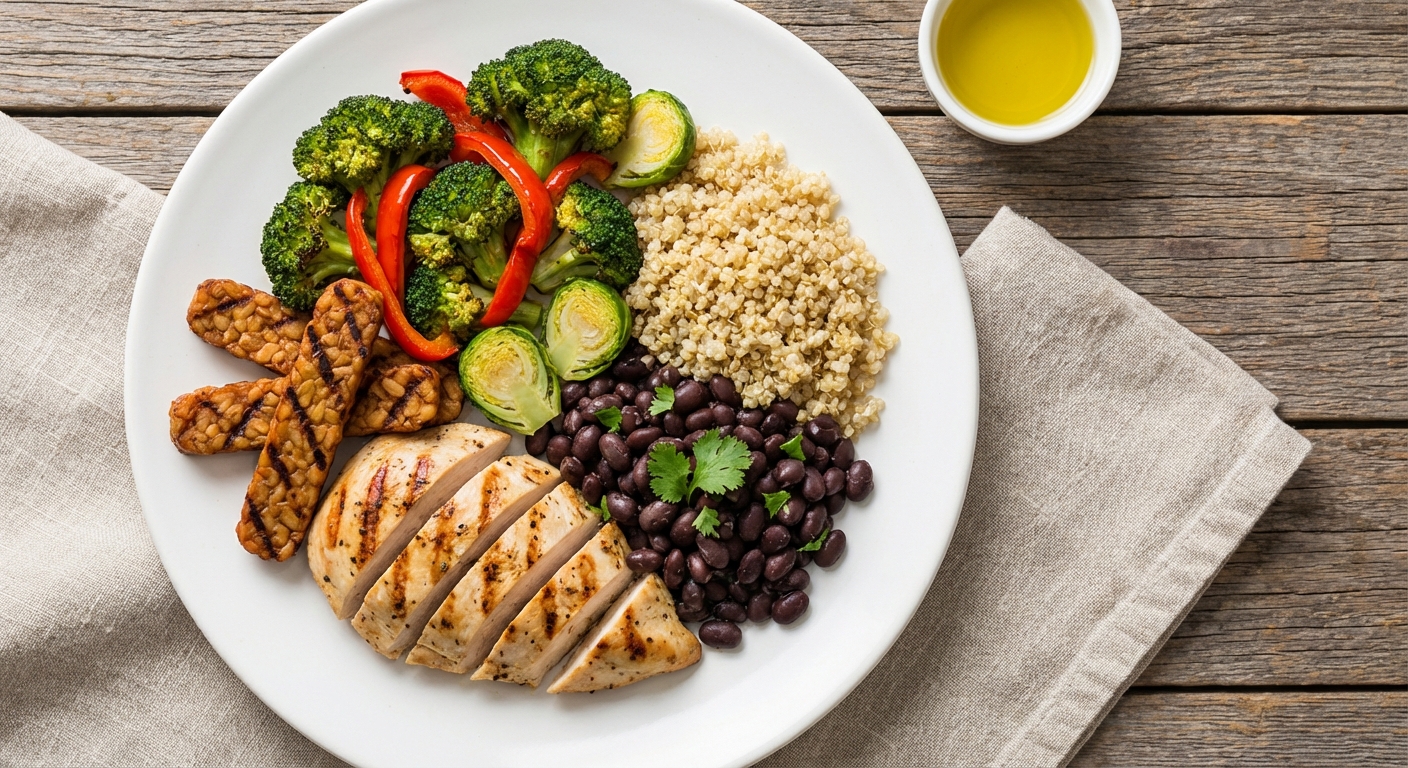
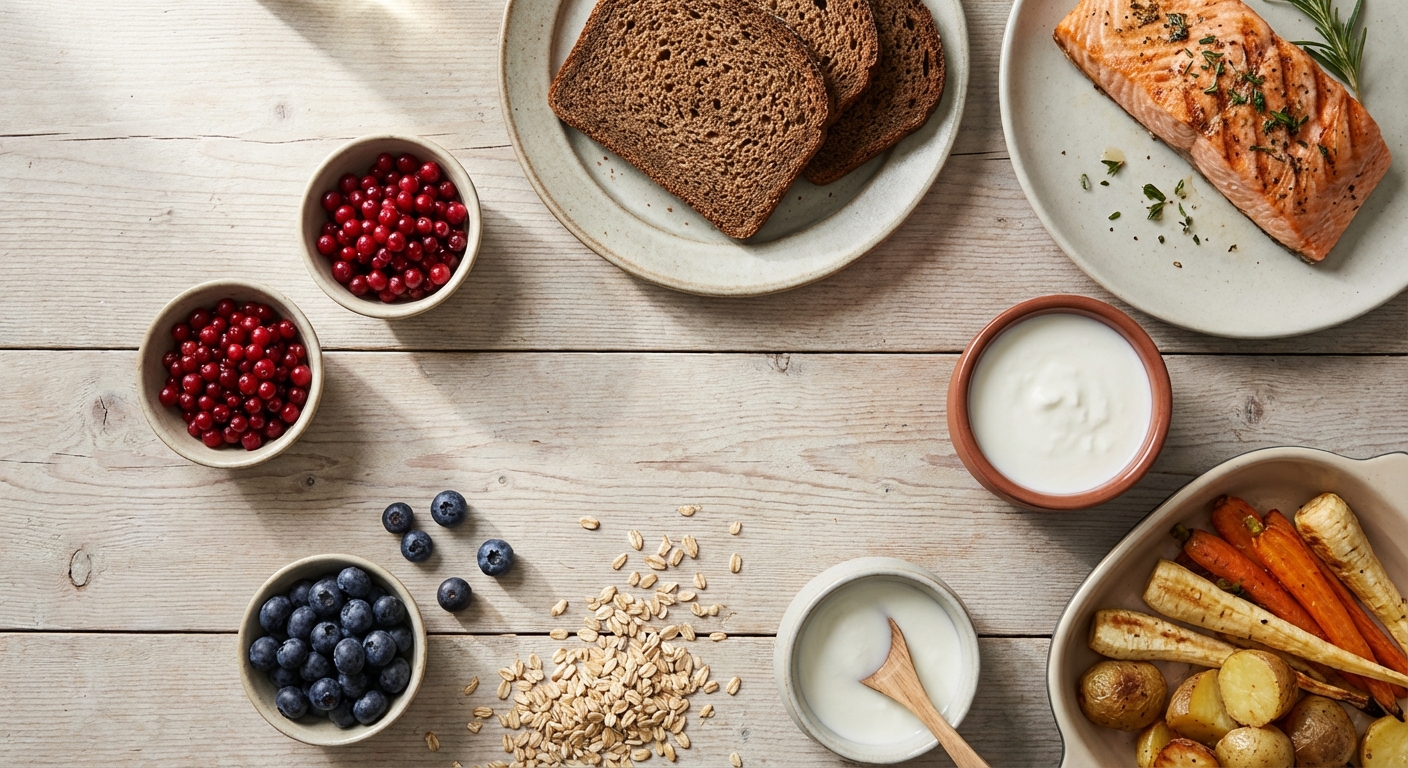
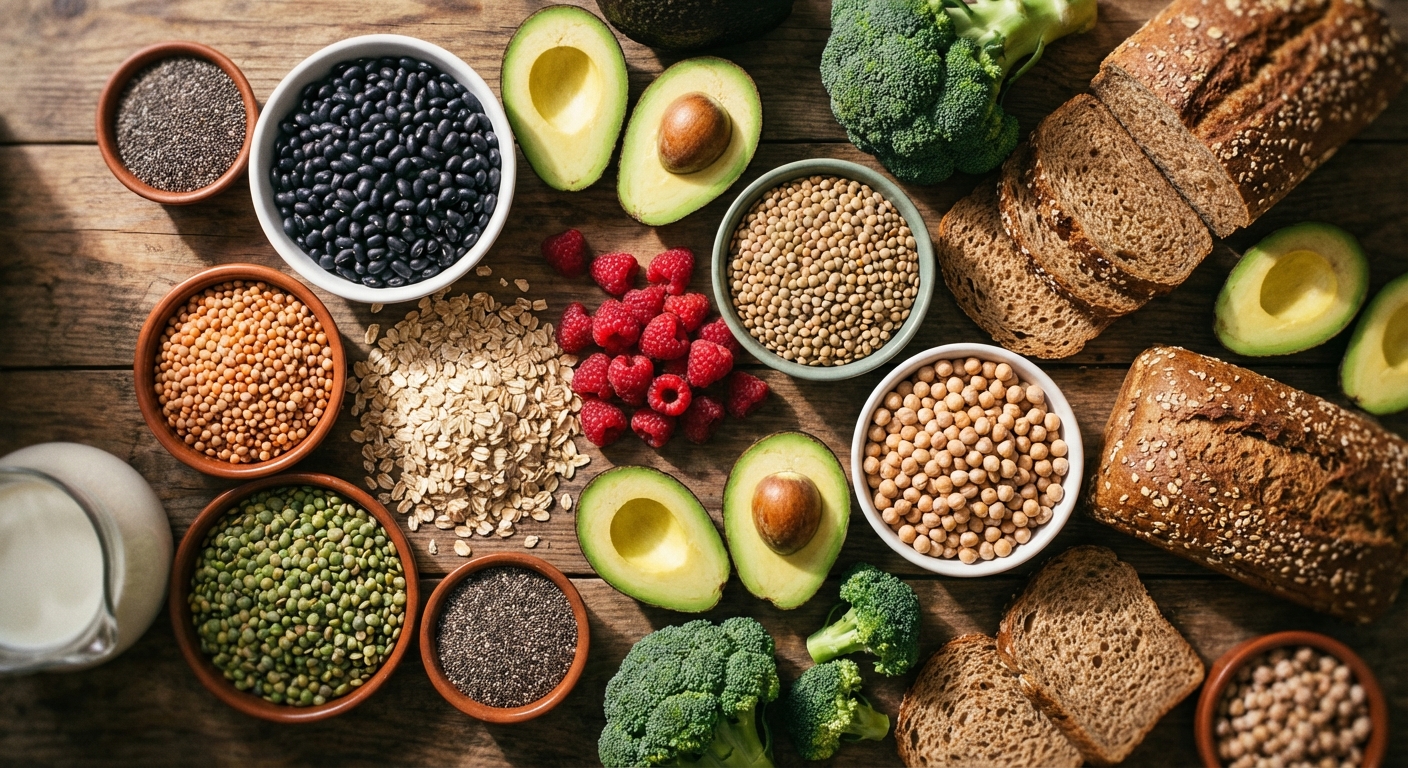
The Journal of Nutrition suggests targeting at least 30 grams of fiber daily, with higher intakes of 35 to 45 grams potentially beneficial for people consuming very high protein levels above 2 grams per kilogram body weight. A practical guideline is maintaining roughly a 3:1 protein-to-fiber ratio in your daily totals. If you’re eating 150 grams of protein, aim for 40 to 50 grams of fiber. This requires intentional pairing: adding legumes to meat dishes, including vegetables at every meal, choosing whole grains over refined, and supplementing with prebiotic fibers if whole food sources fall short.
For comprehensive guidance on optimizing fiber intake, our article on closing the fiber gap provides detailed strategies and food recommendations.
| Protein Source | Protein (g/100g) | Fiber-Rich Pairing | Combined Benefit |
|---|---|---|---|
| Cricket flour (in baking) | 60 | Oat bran, chia seeds | High protein bread with 5-8g fiber per serving |
| Tempeh | 20 | Quinoa, roasted vegetables | Complete meal with 20g protein and 8g fiber |
| Mycoprotein | 15 | Bean salad, leafy greens | Dual protein sources plus 12-15g fiber |
| Greek yogurt | 10 | Berries, ground flaxseed | Breakfast bowl with 20g protein and 10g fiber |
| Chicken breast | 31 | Lentils, broccoli | Protein-fiber optimized dinner plate |
Another consideration is kidney function. While high protein intake doesn’t cause kidney disease in healthy individuals, it does increase kidney workload through nitrogen processing. People with existing kidney issues should consult physicians before significantly increasing protein intake. For healthy individuals, adequate hydration supports kidney function during high protein consumption. Drink when thirsty and aim for pale yellow urine as a rough adequacy indicator.
Protein Timing and Distribution
How you distribute protein throughout the day influences its effectiveness, particularly for muscle protein synthesis and appetite control. The conventional pattern of minimal protein at breakfast, moderate at lunch, and large amounts at dinner isn’t optimal for either goal.
Research suggests spreading protein across three to four meals provides superior muscle building and maintenance compared to consuming most protein in a single feeding. The mechanism involves muscle protein synthesis (MPS), which is stimulated by amino acid availability, particularly the essential amino acid leucine. Once MPS is maximally stimulated, which occurs at approximately 20 to 40 grams of protein per meal depending on body size and age, additional protein in that meal doesn’t further enhance muscle building. The excess amino acids are oxidized for energy or converted to glucose rather than incorporated into new muscle tissue.
This means eating 100 grams of protein in one massive dinner wastes much of that protein’s muscle-building potential compared to splitting the same total into 25 to 35 gram servings across four meals. Each feeding event can maximally stimulate MPS, while the large single meal stimulates MPS once and wastes the rest. For people trying to build or maintain muscle, distribution matters as much as total daily intake.
Older adults appear to need larger protein doses per meal to maximally stimulate MPS, potentially 40 grams per meal versus 20 to 25 grams for younger adults. This phenomenon, called anabolic resistance, makes protein timing even more critical as we age. Front-loading protein at breakfast and ensuring adequate evening protein becomes increasingly important for maintaining muscle mass through the decades.
For detailed guidance on optimizing protein timing for muscle maintenance, our protein timing guide covers the research and practical applications in depth.
Practical Implementation Strategies
Increasing protein intake doesn’t require protein powder at every meal or eating chicken breast with every dish. Strategic choices make high-protein eating sustainable for the long term.
Start the day with protein-rich breakfast rather than the carbohydrate-dominated breakfast most people default to. Greek yogurt with nuts and seeds, eggs with vegetables, protein oatmeal made by cooking oats with protein powder and topping with nut butter, or a smoothie blending protein powder with fruits and greens all deliver 25 to 40 grams of protein to start the day. Research consistently shows that front-loading protein to breakfast improves satiety throughout the day and may support better body composition over time.
Incorporate protein-rich snacks between meals to maintain amino acid availability and prevent the hunger that leads to poor food choices. Hard-boiled eggs, beef or turkey jerky, roasted chickpeas, quality protein bars with minimal added sugar, cottage cheese, or Greek yogurt all travel well and deliver meaningful protein in convenient forms. Even the newer protein sodas can contribute, though watch for artificial ingredients and sweeteners that may have their own drawbacks.
Build meals around protein rather than starch. Instead of pasta with small amount of chicken, have chicken with a small amount of pasta. Instead of a sandwich with a sliver of turkey, have turkey wrapped in lettuce or with a small portion of bread. This psychological reframe naturally increases protein intake without requiring calorie counting or macro tracking.
Experiment with novel proteins gradually rather than attempting dramatic overnight changes. Try cricket protein bars before diving into whole roasted crickets. Add tempeh to familiar stir-fries before making it the centerpiece of meals. Mix mycoprotein into dishes you already enjoy before replacing meat entirely. Gradual exposure builds acceptance and helps you find the novel proteins that work for your taste preferences.
The Bottom Line
The high-protein revolution of 2025 isn’t just about quantity. It’s about quality, sustainability, and smart integration into overall dietary patterns. Novel protein sources like fermented foods, insects, mycoprotein, and upcycled ingredients offer nutritional benefits alongside environmental advantages that conventional animal agriculture cannot match at scale. But high protein intake requires balancing with adequate fiber, appropriate hydration, and overall dietary variety.
For most people, gradually increasing protein to 1.2 to 1.6 grams per kilogram body weight, higher for athletes, older adults, or people actively losing weight, while maintaining 30 to 40 grams of fiber daily creates an optimal foundation for satiety, muscle maintenance, and metabolic health. Distribute protein across meals rather than concentrating it at dinner. Pair protein-rich foods with fiber-rich foods to support digestive health.
The best protein strategy is one you’ll sustain long-term: diverse sources you actually enjoy, distributed throughout the day, balanced with fiber-rich foods, and aligned with your ethical and environmental values.
Next Steps:
- Calculate your protein target (body weight in kg × 1.4-1.6 for most adults, higher for athletes or active weight loss)
- Track your current intake for three days to identify gaps
- Add protein to breakfast if that’s currently your lowest-protein meal
- Experiment with one novel protein source this month (tempeh, cricket flour protein bar, or mycoprotein)
- Ensure fiber intake matches protein increases (aim for 10g fiber per 30g protein as a rough guide)
Sources: Journal of Nutrition protein and fiber research, European Journal of Nutrition mycoprotein satiety studies, FAO global protein demand projections, Kerry Health and Nutrition Institute market trends, International Journal of Sport Nutrition and Exercise Metabolism protein timing research.