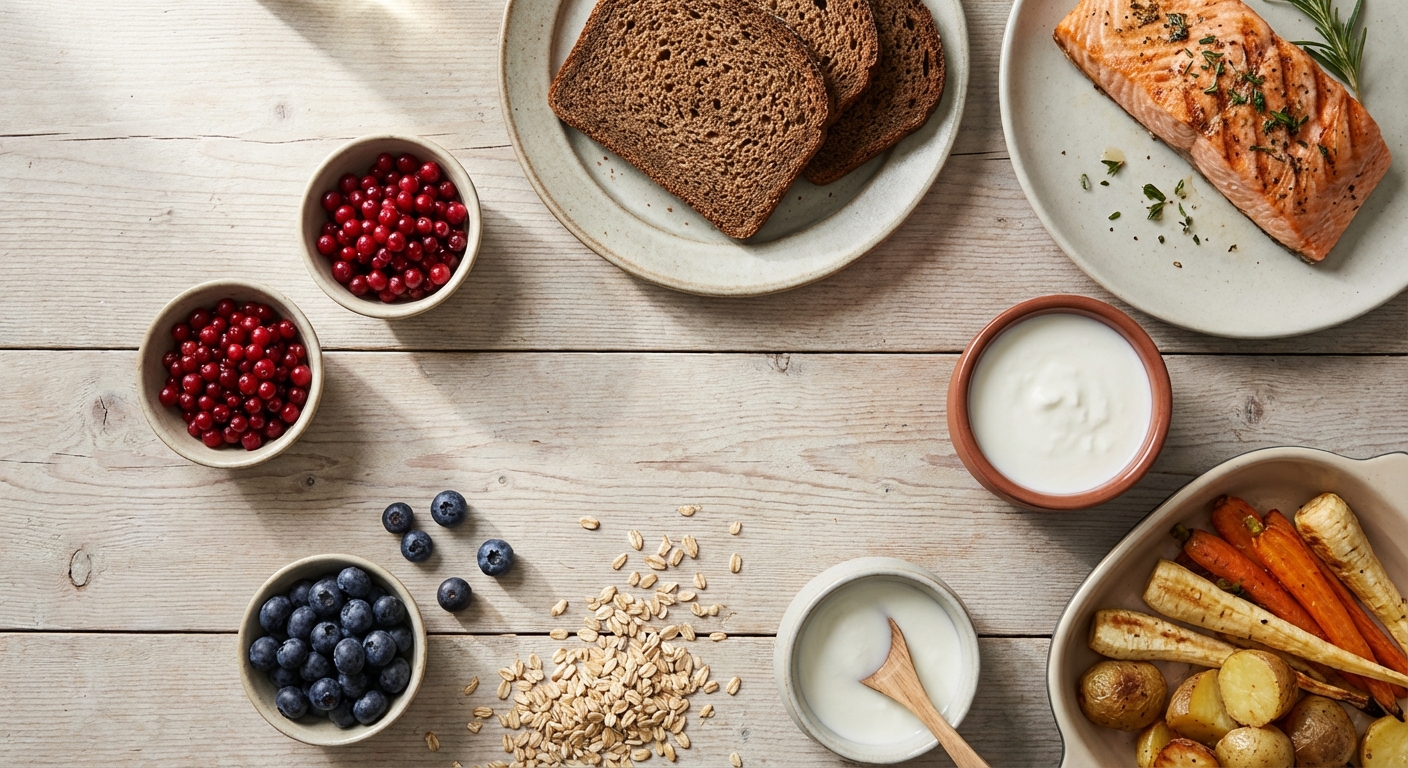
You’ve probably noticed the advice is different now. Five years ago, nutrition guidance focused primarily on calorie counting, macronutrient ratios, and whether to eat breakfast. Today, conversations center on your specific glucose responses to certain foods, the bacterial populations colonizing your gut, and whether the way your food was grown affects its nutritional value. The shift reflects something real: we’ve learned that individual variation in nutrition response is far more significant than generic recommendations can address.
The nutrition landscape of 2025 represents a fundamental departure from one-size-fits-all dietary prescriptions. What works remarkably well for your colleague may actively work against your goals, not because either of you is doing anything wrong, but because your bodies metabolize foods differently based on genetics, microbiome composition, sleep quality, stress levels, and dozens of other factors. The technologies and approaches emerging this year aim to account for this variation rather than pretending it doesn’t exist.
Drawing from insights by researchers at Kerry Health and Nutrition Institute, the Academy of Nutrition and Dietetics, and data from Innova Market Insights, these are the nutrition trends genuinely shaping how people eat in 2025, backed by emerging science and driven by consumer demand for approaches that actually work for their individual biology.
Personalized Nutrition Reaches the Mainstream
The era of universal dietary guidelines as the primary tool for nutrition guidance is ending. Personalized nutrition, tailored to individual genetics, microbiome composition, and real-time metabolic responses tracked through wearable technology, has transitioned from expensive boutique offering to accessible approach for millions of people who want more than generic advice.
The technology driving this shift has matured remarkably fast. At-home genetic testing kits from companies like 23andMe, Nutrigenomix, and DNA Fit identify variants in genes affecting nutrient metabolism, food sensitivities, and optimal macronutrient ratios for your specific biology. A test costing $99-199 reveals whether you carry genes associated with lactose intolerance, caffeine sensitivity, issues metabolizing saturated fats, or increased requirements for specific vitamins. This isn’t fortune-telling. These are well-established genetic variants with documented effects on nutrient processing.
Microbiome analysis has become equally accessible. Services from Viome, Thorne, ZOE, and others examine your gut bacteria composition through simple stool samples, providing recommendations for foods that feed your specific beneficial bacteria and suggestions for addressing imbalances. The science here continues evolving, with ongoing debate about how actionable specific recommendations truly are. But the technology for identifying bacterial populations is solid, and the connection between gut microbiome composition and metabolic health grows stronger with each new study.

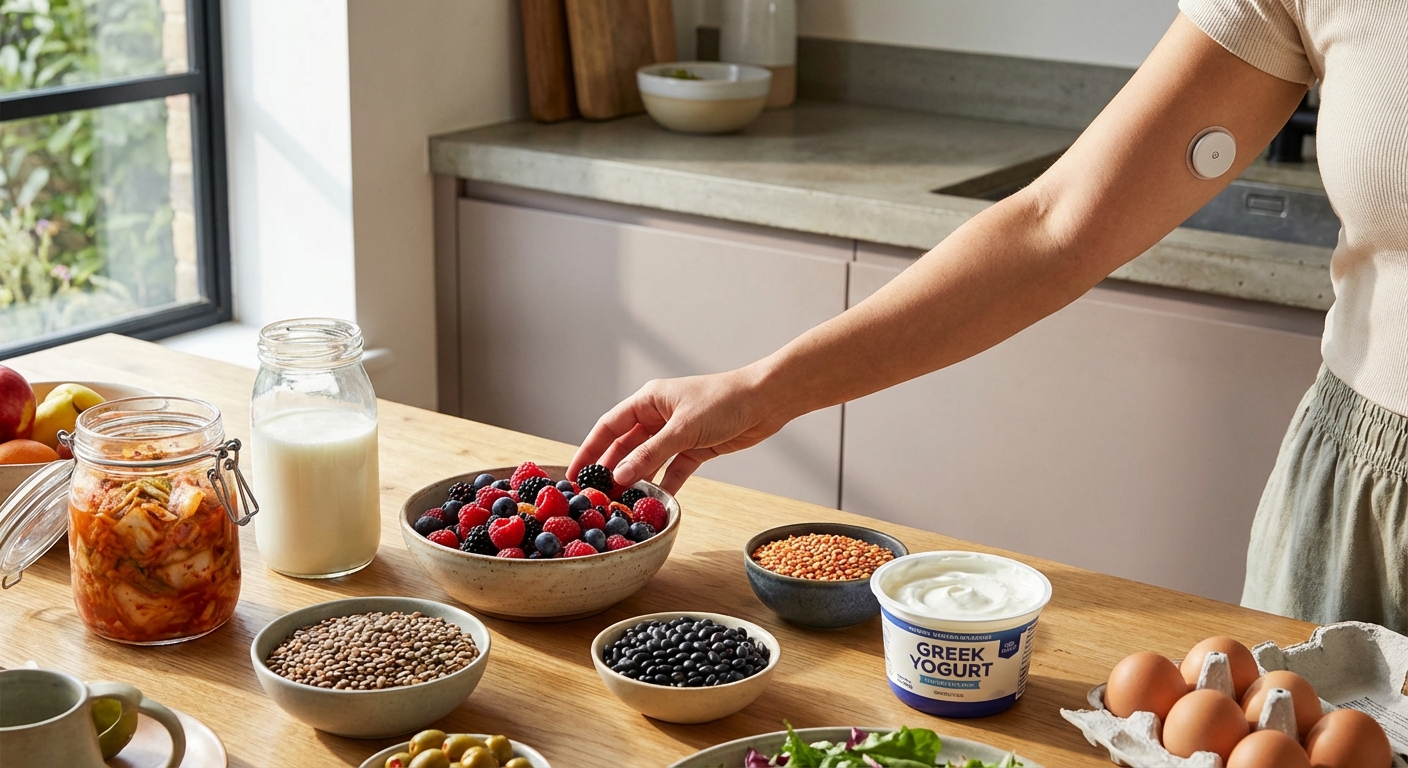
Continuous glucose monitors have completed their transition from medical device to consumer wellness tool. Abbott’s FreeStyle Libre and Dexcom’s G7 track blood sugar fluctuations in real-time, revealing exactly how different foods, meal timing, stress, sleep quality, and physical activity impact your glucose levels. The insights often surprise people: your blood sugar might spike dramatically after eating oatmeal but stay stable with eggs, or poor sleep might make you glucose-intolerant the next day even when eating identically to days when you slept well. Understanding your personal metabolic responses empowers dietary choices based on actual data rather than generic recommendations.
AI-driven apps integrate all this information, combining genetic results, microbiome analysis, CGM readings, sleep tracking, activity levels, and even mood logs to generate genuinely personalized meal plans. Platforms like ZOE and Levels analyze patterns across millions of data points to predict which foods will work well for your specific biology. Nutritionists report a surge in clients seeking personalized approaches to address specific “need states” rather than general health, whether optimizing for sleep, athletic performance, cognitive function, or cardiovascular health.
High-Protein Innovation Addresses New Challenges
Protein consumption continues its upward trend in 2025, but the category has evolved beyond simple whey powder and chicken breast into sophisticated products addressing both sustainability concerns and the nutritional challenges created by widespread GLP-1 medication use.
The explosion of semaglutide (Ozempic, Wegovy) and tirzepatide (Mounjaro, Zepbound) for weight loss has created urgent demand for protein products that prevent the muscle loss plaguing many users. When appetite suppression makes eating 1,200 calories feel difficult, getting 100-150 grams of protein becomes nearly impossible through whole foods alone. The market has responded with protein-fortified products, highly bioavailable protein powders, and convenient ready-to-drink options designed for people with reduced appetite who still need to meet protein targets. Understanding optimal protein timing strategies becomes essential for anyone using these medications.
Innovation extends across product categories that previously had little protein emphasis. Protein-enriched pasta delivers 15-20 grams per serving without dramatically changing taste or texture. High-protein sourdough bread makes sandwiches more nutritionally complete. Farmer’s cheese and other protein-dense dairy products fill niches between snack and meal. Even chips and crackers now come in versions providing meaningful protein content for the snacking occasions that dominate modern eating patterns.

Fermented proteins like tempeh and natto provide not just protein but beneficial bacteria for gut health, addressing two trends simultaneously. Cultivated meats, real animal protein grown from cells in bioreactors without raising and slaughtering animals, are beginning commercial rollout after securing regulatory approval. Insect-based proteins from crickets and mealworms offer complete amino acid profiles with minimal environmental footprint, though consumer acceptance remains the primary barrier to widespread adoption.
Dietitians consistently emphasize an important caveat: high protein intake without adequate fiber creates digestive problems and potentially stresses kidneys. The evidence-based guidance for 2025 is protein with fiber, not protein alone. Pairing high-protein foods with vegetables, legumes, and whole grains prevents the constipation and metabolic stress that isolated protein supplementation can cause. Getting the protein-to-fiber ratio right matters as much as hitting protein targets.
Gut Health Becomes Central to Nutrition Strategy
What began as niche wellness concern has become mainstream health priority. Gut health in 2025 is understood not merely as digestive comfort but as fundamental to immunity, mental health, metabolic function, and overall wellbeing. The research connecting microbiome composition to conditions ranging from depression to obesity to autoimmune disease has accumulated to the point where ignoring gut health means ignoring a significant piece of the health puzzle.
Social media, particularly #GutTok and similar hashtags with millions of posts, has driven awareness among younger demographics. But this isn’t merely influencer hype. It’s backed by robust research demonstrating that gut bacterial composition affects mood, anxiety levels, cognitive function, immune response, inflammation, and disease risk through mechanisms researchers continue to map in increasing detail. The gut-brain axis connection explains why what you eat affects how you think and feel.
Fermented foods have gone genuinely mainstream. Kefir, kimchi, sauerkraut, kombucha, and probiotic-rich yogurts are no longer specialty items relegated to health food stores but grocery staples available at standard supermarkets. Prebiotic sodas like Olipop and Poppi, delivering 9 grams of fiber per can instead of 40 grams of sugar, have captured significant market share from traditional soft drinks, particularly among consumers wanting gut health benefits without sacrificing the fizzy, sweet beverage experience.
Probiotic snacks have proliferated beyond yogurt into creative formats. Probiotic gummies, protein bars with added beneficial bacteria, and even probiotic chocolate attempt to deliver gut health support in convenient packages. The efficacy varies considerably. Some products contain viable bacteria at meaningful doses while others amount to marketing more than medicine. But the category reflects genuine consumer demand for gut support beyond traditional supplement pills.
Fiber-rich pantry staples, beans and berries particularly, are experiencing renaissance as consumers understand their role in feeding beneficial gut bacteria. Surveys show 46% of consumers now prioritize probiotic support when choosing snacks, a dramatic shift from five years ago when gut health was afterthought at best for most shoppers. Understanding how to build a gut-healthy diet has become priority for health-conscious consumers.
Nutrient Density Takes Priority Over Calories Alone
The conversation about what makes food “healthy” has shifted from macronutrient composition and calorie content toward nutrient density: the amount of vitamins, minerals, and beneficial compounds per calorie consumed. This shift reflects growing awareness that modern food, even produce, contains fewer nutrients than previous generations due to soil depletion from industrial farming practices and selection for yield over nutritional quality.
Berries top virtually every superfood list in 2025, not because they’re exotic but because they deliver exceptional antioxidant content, fiber, and beneficial plant compounds relative to their calorie count. Blueberries, strawberries, blackberries, and raspberries are nutritional overachievers that happen to taste good and satisfy sweet cravings without added sugar. The recommendation to eat more berries appears in guidance from nearly every major nutrition authority.
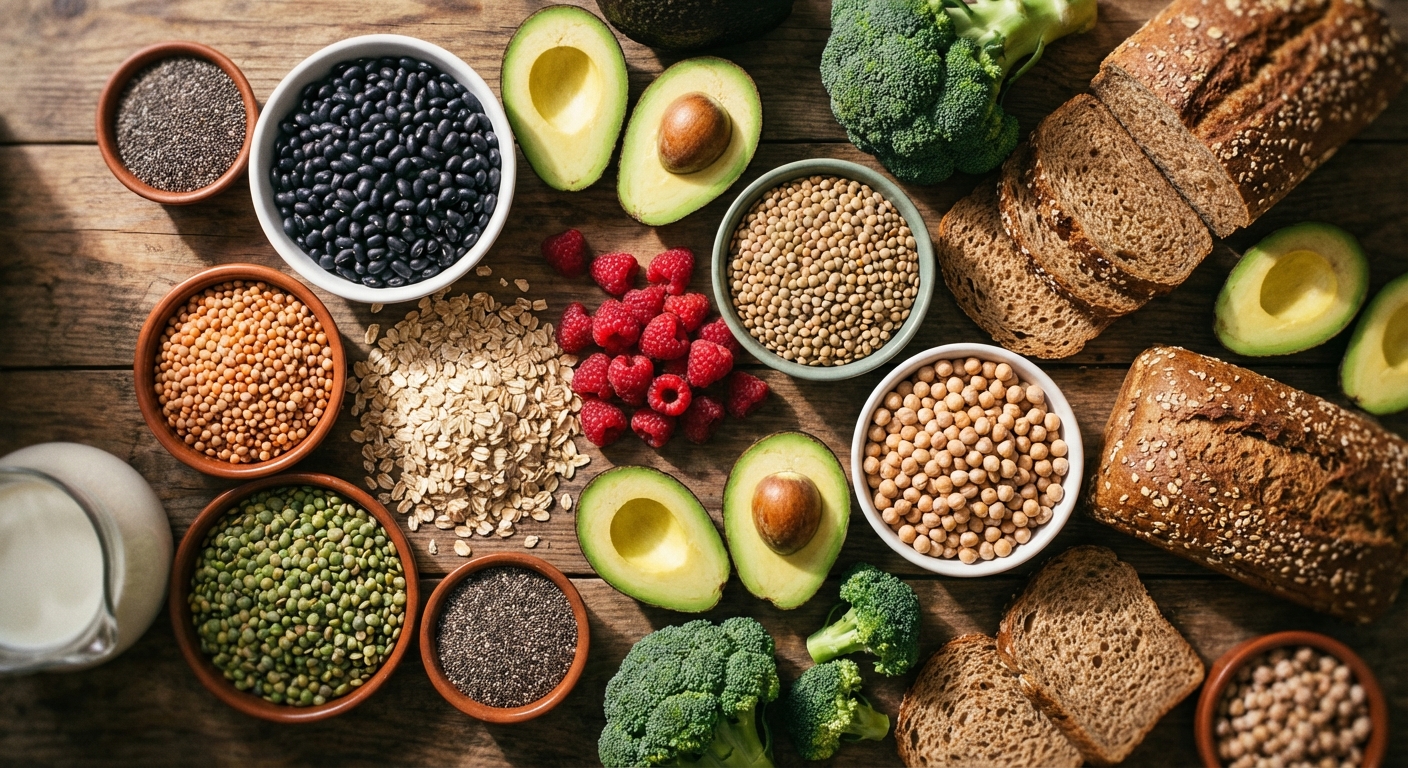
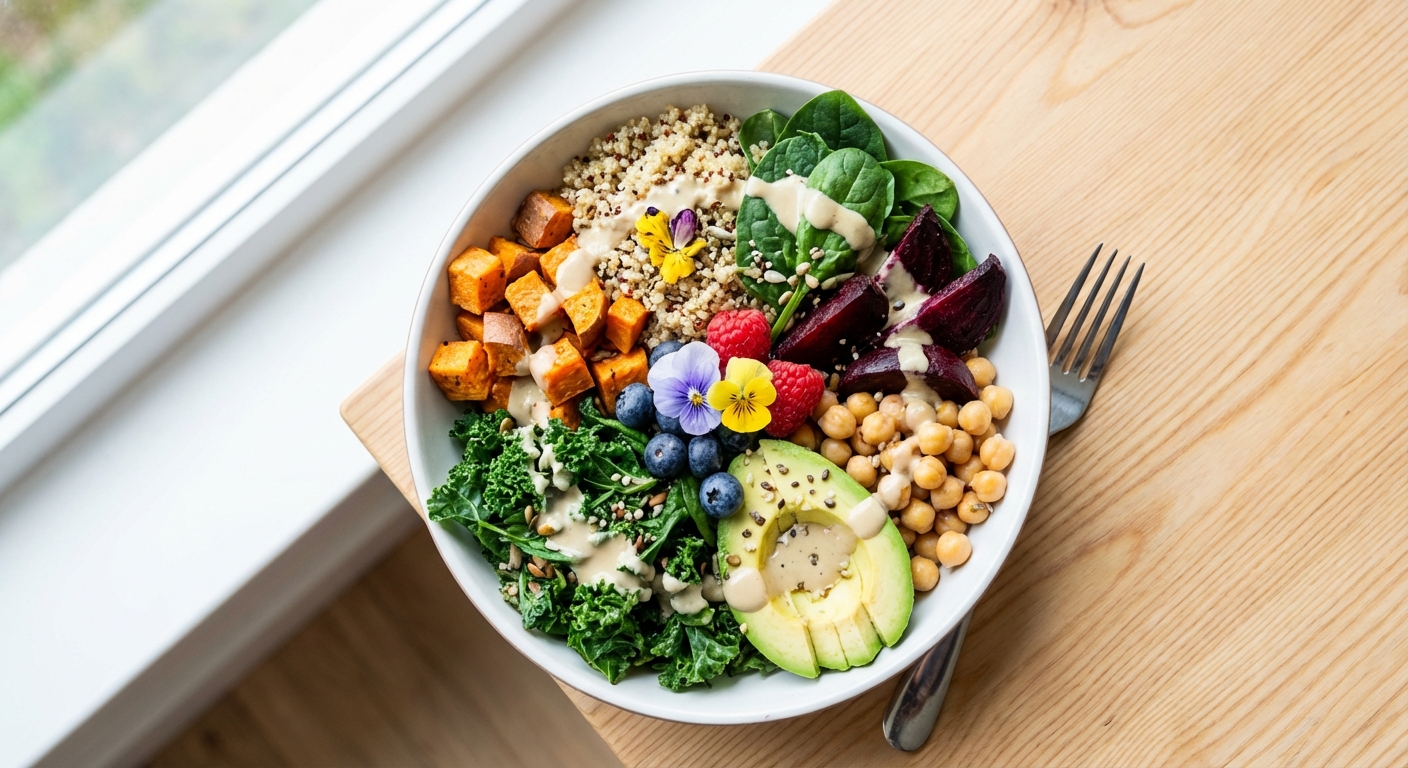
Beans and legumes are having a moment after decades of being dismissed as boring or gas-inducing. Nutritionists have successfully reframed them as protein-and-fiber powerhouses that support gut health, blood sugar regulation, and satiety while being environmentally sustainable and budget-friendly. Lentils, chickpeas, black beans, and other legumes appear in everything from traditional dishes to innovative products like bean-based pasta and chickpea-flour baked goods.
Organ meats, particularly liver, are experiencing unlikely renaissance among nutrition-focused consumers. While most people still find them unappetizing, the nose-to-tail eating movement has highlighted that liver, heart, and kidney are among the most nutrient-dense foods available, providing vitamins and minerals in concentrations that muscle meat and plant foods can’t match. Freeze-dried organ meat capsules and products that hide organ meats in ground meat blends make the nutrition accessible to those who can’t stomach the taste.
Targeted supplementation fills recognized gaps rather than serving as catch-all insurance. Vitamin D, chronically low in most populations regardless of diet, leads supplement recommendations alongside probiotics and protein powders for specific needs. But the framing has shifted from supplements as magic bullets to supplements as strategic tools addressing specific deficiencies that diet alone struggles to correct.
Sustainability Moves From Optional to Expected
Environmental concerns and food production ethics have shifted from fringe consideration to mainstream requirement for growing consumer segments, particularly younger demographics who will live with the consequences of current agricultural practices for decades.
Transparency demands are reshaping food labeling. Consumers want to know not just nutritional content but where food comes from, how it was produced, and what environmental impact it carries. Front-of-pack labels including carbon footprint indicators and regenerative agriculture certifications are appearing on more products in response to this demand. The connection between sustainable eating practices and personal health has become clearer as research demonstrates that environmentally sound food production often produces more nutritious food.
Natural ingredients dominate purchasing decisions, with 84% of consumers actively seeking products without artificial additives according to market research. This preference extends beyond organic certification to encompass clean labels, minimal processing, and ingredients people recognize. Low-sugar and sugar-free products using natural sweeteners like stevia or monk fruit rather than artificial alternatives reflect this preference for ingredients perceived as closer to nature.
Regenerative farming, agricultural practices that actively rebuild soil health while producing food, is transitioning from boutique concept to mainstream movement. Major food companies including General Mills and Danone have committed to sourcing from regenerative farms, driven partly by consumer demand and partly by recognition that current industrial agriculture depletes the soil resources future production depends upon. The promise is food that’s not merely less harmful but actively beneficial, sequestering carbon while producing crops with higher nutrient density.
Plant-based alternatives have matured beyond imitation meat into diverse options including pistachio milk, pea protein pasta, and mushroom-based whole cuts that don’t try to mimic meat but offer plant protein in appealing formats. The broader trend has shifted from strict veganism toward flexitarian patterns where people reduce animal product consumption without eliminating it entirely, finding balance that’s sustainable both environmentally and personally.
Functional Foods Deliver Targeted Benefits
Beyond basic nutrition, 2025’s functional foods promise specific benefits: energy enhancement, cognitive support, stress reduction, and mood improvement through strategic ingredient combinations. This represents food as targeted intervention, using generally recognized as safe ingredients rather than pharmaceutical compounds.
Energy and cognitive support outpace immunity as the top consumer-desired functional benefits. Lion’s mane mushrooms, which stimulate nerve growth factor and may improve cognitive function, appear in products from coffee to gummies to snack bars. Research supporting cognitive benefits remains preliminary but promising, and consumer adoption has doubled since 2023. Understanding how adaptogenic herbs and mushrooms work helps separate marketing claims from genuine evidence.
Electrolyte-enhanced hydration products have exploded beyond sports nutrition into daily wellness. Products like LMNT, Liquid I.V., and Nuun target not just athletes but anyone seeking better hydration and energy. The recognition that many people are chronically under-hydrated and low in electrolytes like magnesium has expanded the market from gym-focused to everyday life. Getting electrolyte balance right supports energy levels and cognitive function beyond what water alone provides.
High-fiber, protein-packed hybrid products address the reality that snacking comprises over half of daily eating occasions for younger generations. Traditional three-meal structure has fragmented into grazing throughout the day, and functional snacks delivering protein, fiber, and beneficial ingredients in convenient formats serve this eating pattern while providing nutritional value that conventional snack foods lack.
Non-alcoholic beverages with adaptogens and relaxation-promoting ingredients represent growing intersection of gut health, mental wellness, and social drinking. These products serve the dual purpose of providing relaxation without alcohol’s health costs while supporting stress management through bioactive compounds. The category has grown substantially as more people, particularly younger demographics, reduce or eliminate alcohol consumption.
The Bottom Line
The unifying theme across 2025’s nutrition trends is recognition that food serves multiple purposes simultaneously. It provides fuel and building blocks for your body. It functions as medicine that prevents disease and optimizes function when chosen well. It carries environmental impact, with each meal representing a vote for agricultural practices that either heal or harm the planet. And it’s increasingly personalized tool, calibrated to your unique biology rather than generic prescription applied identically to everyone.
Key principles emerging from this year’s trends:
- Personalization over prescription: Your optimal diet genuinely differs from others based on genetics, microbiome, activity level, and health status
- Protein with fiber: High protein intake requires adequate fiber to avoid digestive issues and metabolic stress
- Gut health as foundation: Microbiome composition affects far more than digestion, influencing mood, immunity, and metabolic function
- Nutrient density over calories: Maximizing vitamins and minerals per calorie matters more than calorie counting alone
- Sustainability as standard: Environmental impact has become mainstream consideration, not optional add-on
Practical next steps:
- Consider CGM testing to understand your personal glucose responses to different foods
- Prioritize fermented foods and fiber to support gut microbiome health
- Evaluate protein intake against your specific needs, especially if appetite is reduced
- Focus on nutrient-dense whole foods before considering supplements
- Choose foods from sustainable sources when budget allows
The invitation for 2025 and beyond is experimentation within evidence-based boundaries. Try fermented foods you’ve been curious about. Consider whether personalized testing might reveal useful information about your biology. But anchor experimentation in fundamentals that work for virtually everyone: eat more vegetables, prioritize protein and fiber, minimize ultra-processed foods, find eating patterns you can sustain for years rather than weeks.
Sources: Kerry Health and Nutrition Institute 2025 Trends Report, Academy of Nutrition and Dietetics position papers, Innova Market Insights Consumer Survey Data, Journal of Nutrition and American Journal of Clinical Nutrition research.