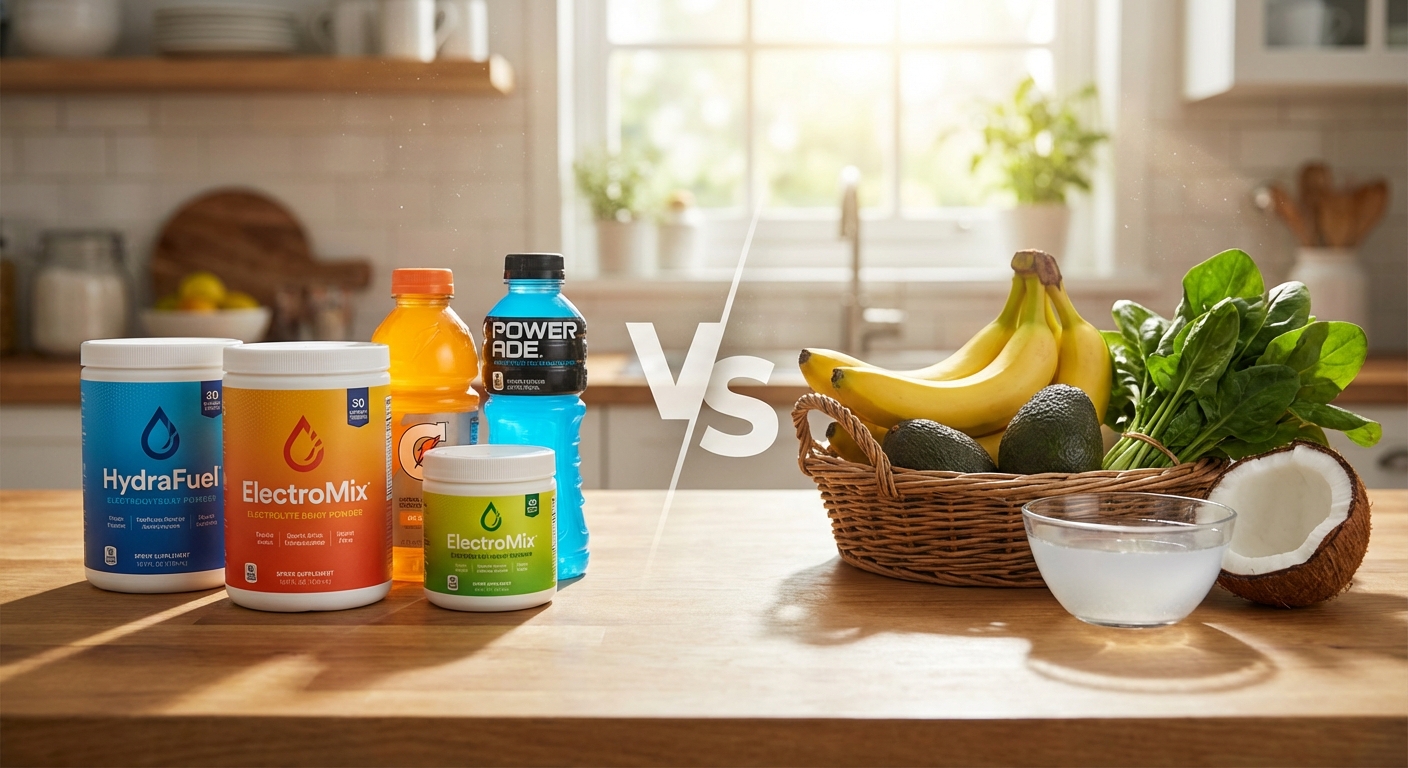
Your Instagram feed is flooded with influencers adding neon-colored powders to their water bottles, claiming these electrolyte supplements cure everything from afternoon fatigue to post-workout soreness. The global electrolyte supplement market reached $2.3 billion last year, with companies promising optimal hydration, enhanced performance, and better recovery. But here’s what the marketing doesn’t tell you: unless you’re an endurance athlete exercising for hours in the heat or have specific medical conditions, you’re probably just creating expensive urine.
The disconnect between electrolyte marketing and actual physiological need represents one of the supplement industry’s greatest success stories. Companies have convinced healthy, moderately active people that they’re perpetually on the verge of dangerous dehydration. Dr. Tamara Hew-Butler, an exercise scientist at Wayne State University who serves on the international hyponatremia consensus committee, puts it bluntly: “The vast majority of people get sufficient electrolytes from food alone. The supplement industry has manufactured a problem that doesn’t exist for most consumers.”
Understanding when electrolyte supplementation genuinely helps versus when it’s marketing theater requires examining what these minerals actually do, how your body regulates them with remarkable precision, and which specific situations warrant spending money on supplements. The answers might surprise you, especially if you’ve been drinking LMNT with your desk job.
What Electrolytes Actually Do in Your Body
Electrolytes are minerals that carry electrical charges when dissolved in your body’s fluids. The major players include sodium, potassium, magnesium, calcium, chloride, phosphate, and bicarbonate. These minerals don’t just prevent muscle cramps, despite what marketing departments want you to believe. They orchestrate fundamental processes that keep you alive: muscle contraction, nerve signaling, pH balance, and fluid regulation across every cell membrane. Without electrolytes, your heart couldn’t beat, your neurons couldn’t fire, and your cells couldn’t maintain proper volume.
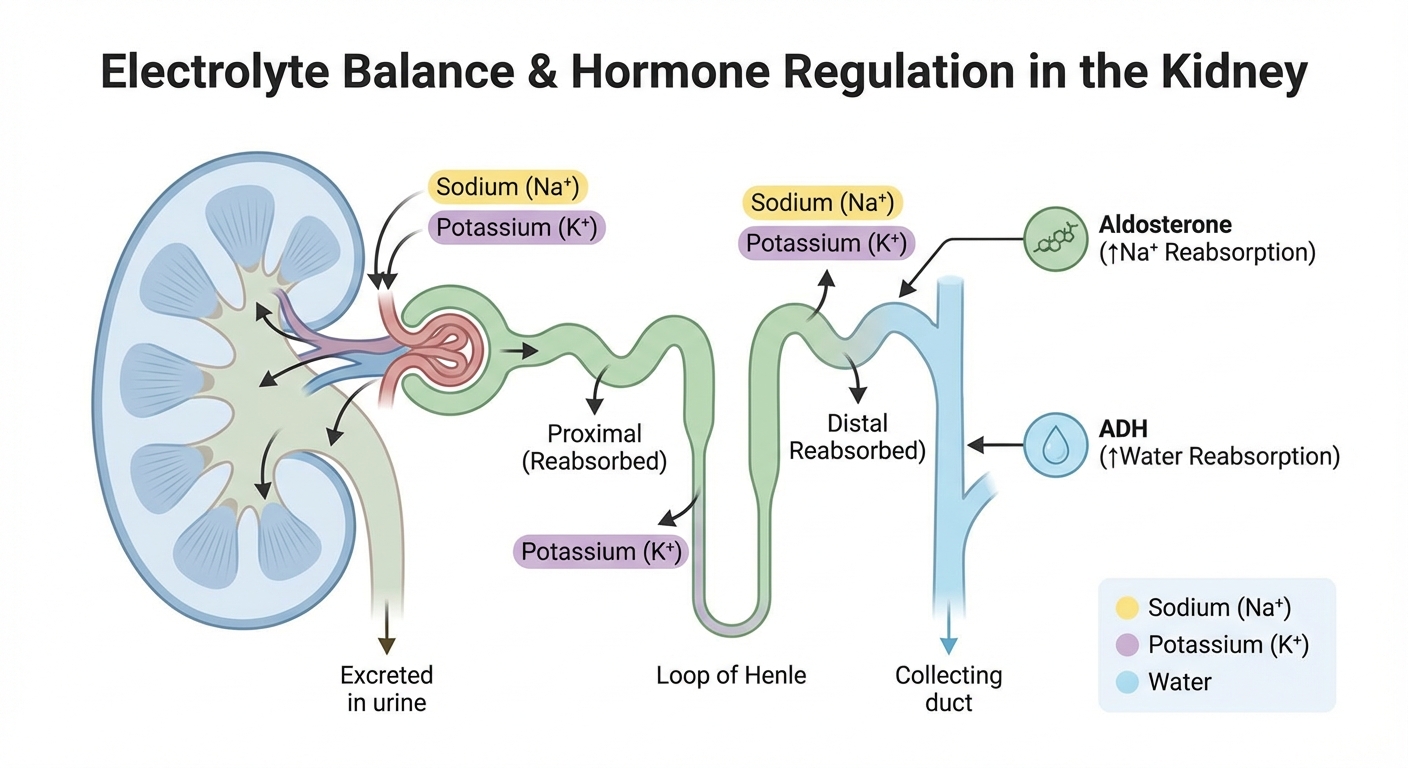
Your body maintains electrolyte balance through remarkably sophisticated mechanisms that evolved over millions of years. The kidneys filter approximately 180 liters of blood daily, precisely adjusting electrolyte retention or excretion based on your moment-to-moment needs. The hypothalamus monitors blood sodium concentration within an extraordinarily tight 2-3% range, triggering thirst responses when levels rise even slightly. Hormones like aldosterone, antidiuretic hormone, and parathyroid hormone continuously fine-tune this balance without any conscious input from you.
The average American consumes around 3,400mg of sodium daily, well above the recommended 2,300mg limit, making sodium deficiency virtually impossible outside extreme circumstances. Potassium presents the opposite challenge: most people consume only about 2,500mg of the recommended 3,500-4,700mg daily, but this shortfall stems from inadequate vegetable and fruit consumption, not from missing out on supplement powders. One medium banana provides more potassium than most electrolyte products, along with fiber, vitamins, and phytonutrients you won’t find in any powder. If you’re genuinely concerned about electrolyte intake, the solution is sitting in your produce drawer, not on the supplement shelf.
The Exercise Equation: When Supplements Actually Make Sense
The relationship between exercise and electrolyte needs depends entirely on duration, intensity, and environmental conditions. Research published in the International Journal of Sports Nutrition demonstrates that exercise lasting less than 75 minutes rarely requires electrolyte replacement, regardless of how intense your workout feels. Your body’s stored minerals easily cover these shorter efforts, and plain water handles hydration needs perfectly well. That spin class or strength training session? Water is all you need.
The calculus genuinely changes for endurance activities, particularly those performed in heat. Athletes exercising continuously for over 90 minutes can lose significant sodium through sweat, anywhere from 200mg to 2,000mg per hour depending on individual genetics, fitness level, and heat acclimatization. A marathon runner might lose 3,000-5,000mg of sodium across the entire race, while an Ironman triathlete could lose double that over the course of the event. These athletes legitimately benefit from targeted electrolyte replacement, but even within this population, needs vary dramatically from person to person.
Sweat testing reveals enormous individual variation that generic supplement recommendations simply can’t address. Some people are “salty sweaters” with sodium concentrations exceeding 1,500mg per liter of sweat, while others lose less than 500mg in the same volume. You can identify yourself as a salty sweater if you regularly notice white, crusty residue on your clothes or skin after exercise, experience frequent muscle cramps despite adequate hydration, or find yourself intensely craving salty foods after workouts. These individuals might genuinely benefit from targeted supplementation during extended efforts, but they represent a minority of exercisers.
Evidence-Based Supplementation for Endurance Athletes:
- Pre-exercise: 300-600mg sodium consumed 2-3 hours before prolonged activity
- During exercise: 300-700mg sodium per hour after the first 60-90 minutes of continuous effort
- Post-exercise: Regular food typically provides sufficient replacement unless training again within 24 hours
- Optimal concentration: 500-700mg sodium per liter of fluid for maximum intestinal absorption
For most recreational exercisers, this level of precision is unnecessary. If your longest workout is a 45-minute HIIT class or a 5K run, you’re not depleting electrolytes to any meaningful degree. Save your money for higher-quality food instead.
Medical Conditions That Warrant Supplementation
Certain health conditions create legitimate needs for electrolyte supplementation that go beyond athletic performance. Gastroenteritis causing severe vomiting or diarrhea can deplete electrolytes rapidly, which is precisely why oral rehydration solutions save millions of lives annually in developing countries. The World Health Organization’s formula contains specific ratios of sodium, chloride, potassium, and glucose that optimize intestinal absorption during illness. This is medical supplementation with proven efficacy, not wellness marketing.
Medications significantly impact electrolyte balance in ways that require careful monitoring. Diuretics, commonly prescribed for hypertension, increase urinary loss of sodium, potassium, and magnesium. ACE inhibitors can raise potassium levels to potentially dangerous concentrations. Proton pump inhibitors prescribed for acid reflux may cause magnesium deficiency with long-term use. If you take any of these medications, your doctor should monitor electrolyte levels through regular blood work, and any supplementation should follow medical guidance rather than Instagram recommendations.

Specific medical conditions requiring electrolyte attention include inflammatory bowel disease, which impairs intestinal absorption; chronic kidney disease, where the normal regulatory mechanisms fail; and conditions causing excessive sweating like hyperhidrosis or cystic fibrosis. Elderly individuals face elevated risk due to decreased kidney function, reduced thirst sensation, and complex medication interactions. These populations need medical supervision for electrolyte management, not commercial sports drinks or trendy supplement brands.
The Hidden Dangers of Over-Supplementation
While electrolyte deficiency receives all the marketing attention, excess poses equal risks that supplement companies conveniently ignore in their promotional materials. Hypernatremia, or excess sodium, increases blood pressure, strains kidney function, and contributes to cardiovascular disease risk over time. The average electrolyte powder contains 200-500mg of sodium per serving, and many people consume multiple servings daily on top of already excessive dietary sodium intake. You can easily push yourself into unhealthy territory while thinking you’re optimizing health.
Hyperkalemia, excess potassium, presents serious cardiac risks that can escalate quickly. While difficult to achieve through food sources alone, concentrated supplements make it disturbingly possible. Potassium levels above 5.5 mmol/L can cause heart palpitations, muscle weakness, and in severe cases, cardiac arrest. People with kidney disease or those taking certain medications face particular risk because their bodies cannot efficiently excrete excess potassium. This isn’t theoretical danger, it’s documented in emergency rooms regularly.
The psychological dependence on electrolyte supplements deserves recognition as well. Many people develop anxiety around hydration, constantly monitoring urine color and drinking far beyond thirst signals. This hypervigilance around hydration, which some researchers have termed “aquaholism,” can lead to hyponatremia: dangerously low sodium levels caused by overhydration. Marathon medical tents actually see more hyponatremia cases than dehydration cases, largely due to runners overconsuming fluids with inadequate sodium concentration. The cure has become worse than the disease.
Real Food Sources That Beat Supplements Every Time
Nature packages electrolytes with cofactors that enhance absorption and utilization in ways that isolated supplements simply cannot replicate. A study published in the Journal of Nutrition found that potassium from whole food sources correlates with significantly better cardiovascular outcomes than equivalent amounts of supplemental potassium, likely due to accompanying nutrients and superior bioavailability. Your body evolved to extract minerals from food, not from powdered concentrates.
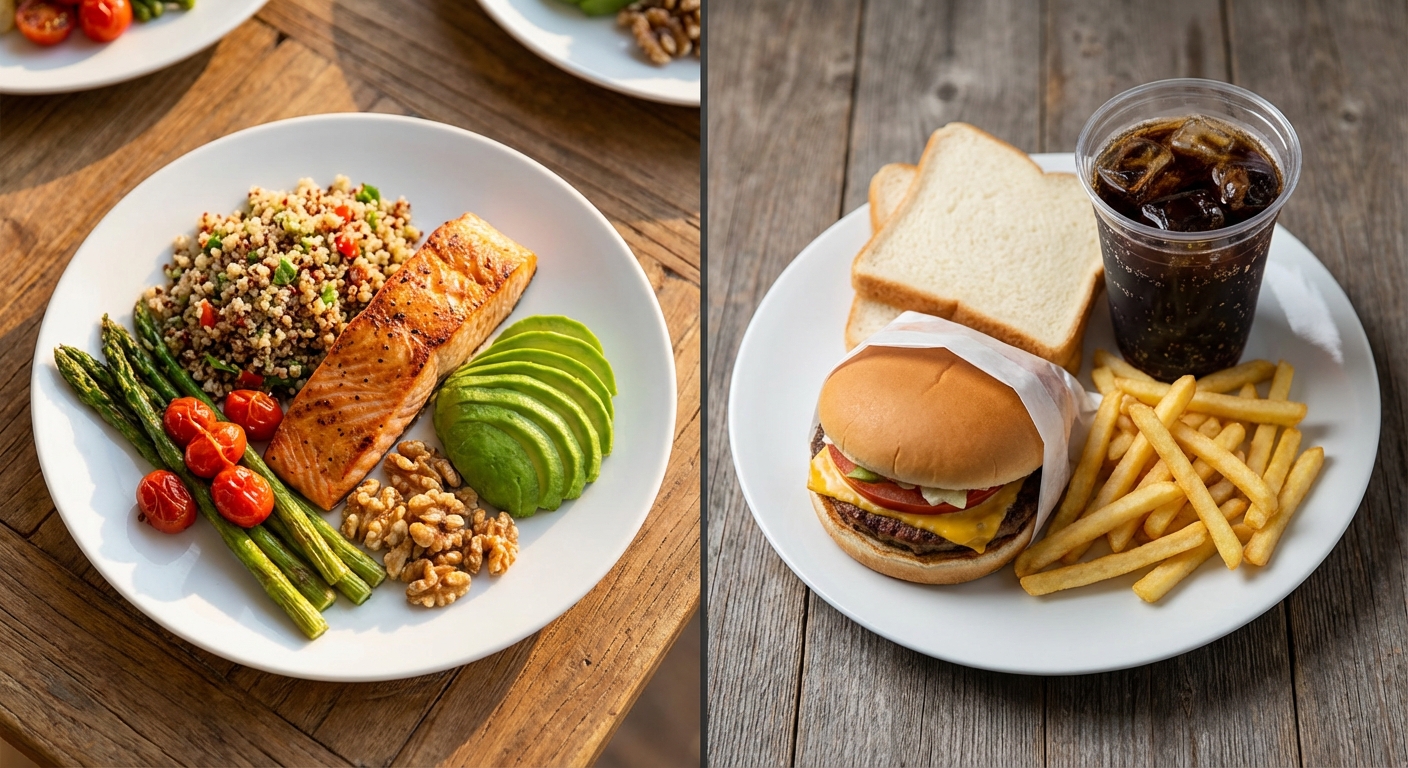
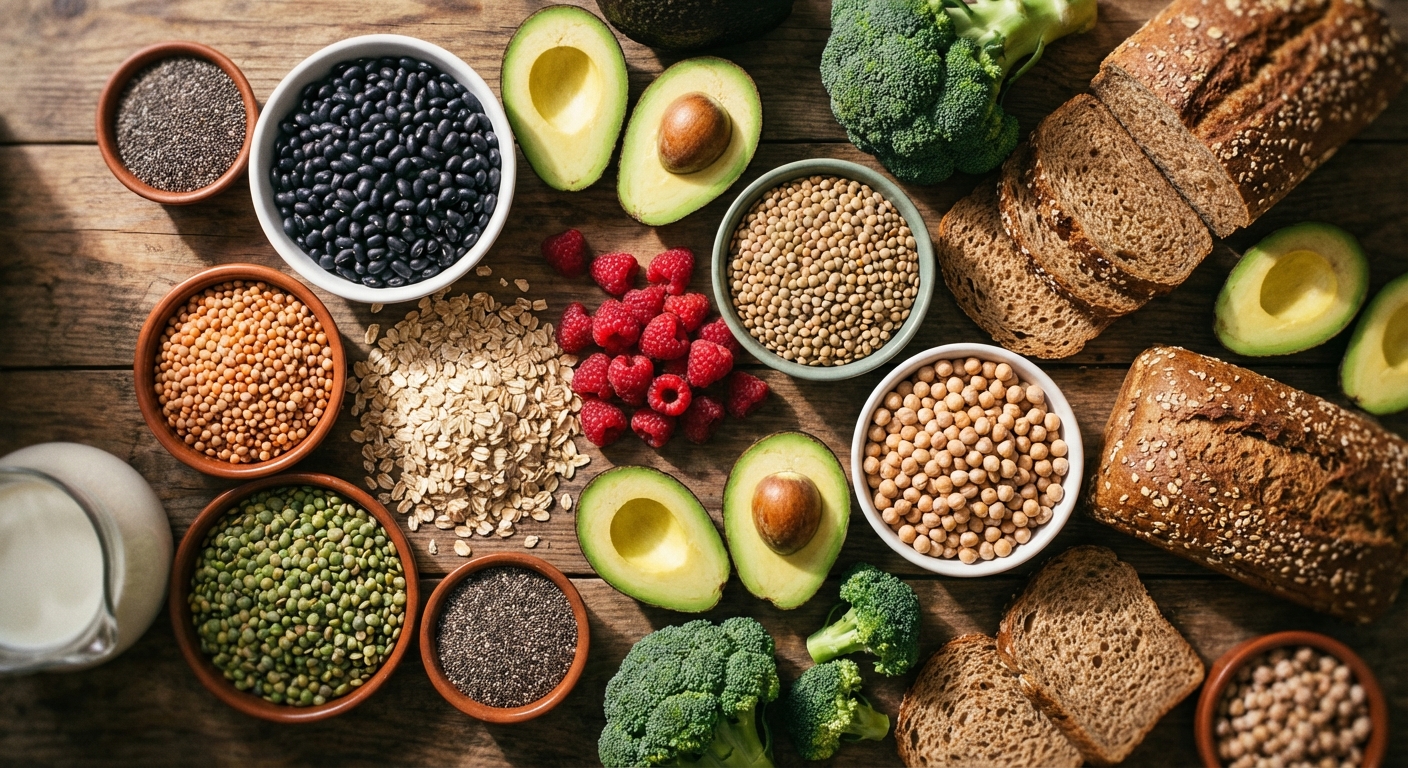
Potassium from food provides cardiovascular benefits that supplements don’t match. Sweet potatoes deliver approximately 540mg per medium potato along with fiber and vitamin A. White beans pack an impressive 1,190mg per cooked cup with substantial protein. Cooked spinach provides 840mg per cup along with magnesium and folate. A single avocado contains about 690mg plus heart-healthy fats. These foods address the actual potassium shortfall in most American diets while providing nutrients no supplement can offer.
Magnesium absorbs better from food than from most common supplement forms. Pumpkin seeds provide roughly 150mg per ounce, dark chocolate (70% cacao or higher) offers about 65mg per ounce with antioxidant benefits, black beans deliver 120mg per cup, and quinoa provides 118mg per cup along with complete protein. If you’re eating adequate amounts of these foods, you likely don’t need a magnesium supplement. If you do need supplementation, magnesium glycinate offers better absorption than cheaper oxide forms.
Calcium from food comes packaged with vitamin K2 and other bone-building nutrients that enhance utilization. Yogurt provides approximately 415mg per cup along with probiotics, cooked collard greens offer 360mg per cup with vitamin K, sardines with bones deliver 325mg per 3 ounces with omega-3 fatty acids, and tahini provides 130mg per 2 tablespoons. These whole food sources support bone health more effectively than isolated calcium supplements, which research suggests may increase cardiovascular risk when taken alone.

Smart Hydration Without Expensive Supplements
Your body’s thirst mechanism works remarkably well for most daily situations. Research published in the Clinical Journal of Sports Medicine demonstrates that drinking to thirst prevents both dehydration and overhydration more effectively than forced drinking schedules or arbitrary ounce targets. The outdated “eight glasses a day” rule lacks scientific basis; actual fluid needs vary substantially based on body size, activity level, climate, and diet composition.
Monitor hydration through simple observations rather than obsessive tracking. Your urine should be pale yellow, not crystal clear (which indicates overhydration) or dark amber (suggesting dehydration). You should urinate every 3-4 hours during waking hours. Thirst is a somewhat late indicator but not dangerously so for everyday life. Body weight changes exceeding 2% from morning baseline might indicate hydration issues during intense training, but this level of monitoring is unnecessary for most people living normal lives.
For exercise sessions under 75 minutes, plain water suffices regardless of intensity. For longer efforts in hot conditions, you can create your own sports drink at a fraction of commercial product costs: mix 1/4 teaspoon table salt (approximately 300mg sodium), 2 tablespoons sugar or honey, and juice from half a lemon in 16 ounces of water. This provides adequate sodium and glucose for intestinal absorption without artificial colors, excessive sweeteners, or premium pricing. Your cells cannot distinguish between sodium from a $40 boutique powder and sodium from a $0.50 packet of salt.
When Buying Electrolyte Supplements Actually Makes Sense
Legitimate use cases for commercial electrolyte supplements do exist, even if they’re narrower than marketing suggests. Endurance athletes training continuously for over two hours benefit from convenient, portable options with precisely known concentrations. Look for products containing 300-700mg sodium per serving, minimal added sugars unless you need the carbohydrate energy, and third-party testing verification for purity. Avoid products featuring artificial colors, excessive B-vitamins that create neon urine as a marketing gimmick, or proprietary blends that obscure actual ingredient amounts.
Travel to countries with questionable water safety warrants packing oral rehydration salts. The WHO-approved formulations cost pennies per packet and could prevent serious illness from traveler’s diarrhea or other gastrointestinal infections. Keep these in your travel medical kit alongside other essentials. This represents genuine preventive health, not wellness theater.
People with confirmed deficiencies through blood testing might need specific, targeted supplementation rather than general electrolyte products. Magnesium glycinate for documented magnesium deficiency, potassium citrate for medical conditions affecting potassium balance, or calcium citrate for those unable to consume dairy. These evidence-based interventions differ vastly from the blanket electrolyte powder consumption promoted by influencer marketing. If you suspect a deficiency, get blood work done rather than guessing with supplements.
The Marketing Machine Versus Biological Reality
Electrolyte supplement marketing exploits several cognitive biases that make consumers susceptible to unnecessary purchases. The “natural fallacy” suggests that because electrolytes are essential for life, consuming more must automatically be better. The “athlete halo effect” implies that supplements used by elite endurance athletes apply equally to everyone, regardless of activity level. Fear-based marketing warns of constant dehydration danger lurking around every corner, while aspirational branding makes expensive supplements seem like investments in optimal performance.
Companies cherry-pick studies showing benefits in extreme conditions, ultramarathoners racing across Death Valley or soldiers training in Iraqi summer heat, and extrapolate those findings to office workers and weekend joggers without acknowledging the vast difference in physiological demands. They emphasize mineral losses without mentioning that your body adapts to conserve electrolytes with regular training. They promote vague “optimal” levels without defining what that means clinically or acknowledging the enormous individual variation in actual needs.
The placebo effect contributes significantly to perceived benefits from electrolyte supplements. If you believe your $40 powder improves energy levels, you might genuinely feel more energetic, at least temporarily. This psychological benefit has some value, but you could achieve identical effects with a squeeze of lemon in water and positive expectations. The ritual matters more than the ingredients for most users who aren’t actually depleting electrolytes through extreme exercise.
The Bottom Line
For roughly 90% of people reading this article, electrolyte supplements represent unnecessary expenses solving a problem that doesn’t exist. Your kidneys, hormones, and thirst mechanism maintain electrolyte balance remarkably well with food and water alone. The billions spent on these supplements would better serve public health if redirected toward vegetable consumption, which would actually address the real electrolyte issue: inadequate potassium and magnesium from poor dietary patterns rather than insufficient sodium or supplement intake.
If you exercise for less than 90 minutes, skip the supplements and focus on proper hydration habits instead. If you’re training for endurance events, use targeted supplementation based on sweat testing and effort duration rather than generic recommendations. If you have medical conditions affecting electrolyte balance, work with healthcare providers who can monitor your blood levels, not supplement companies making broad claims.
Next Steps:
- Track your vegetable and fruit intake for one week before considering any electrolyte supplement
- If you exercise regularly, note whether workouts exceed 90 minutes in duration
- Replace one supplement serving with a banana and a pinch of salt on your eggs, then assess how you feel
- If you suspect genuine deficiency, request an electrolyte panel from your doctor rather than self-diagnosing
Everyone else can eat a banana, sprinkle salt on their morning eggs, and trust the elaborate regulatory systems your body evolved over millions of years. Your cells genuinely cannot tell the difference between potassium from a $40 powder and potassium from a $0.30 banana, but your wallet and your long-term health certainly can.
Sources: International Journal of Sports Nutrition, Clinical Journal of Sports Medicine, Journal of Nutrition, World Health Organization Oral Rehydration Guidelines, American College of Sports Medicine Position Stand on Exercise and Fluid Replacement, Wayne State University Exercise Science Department.