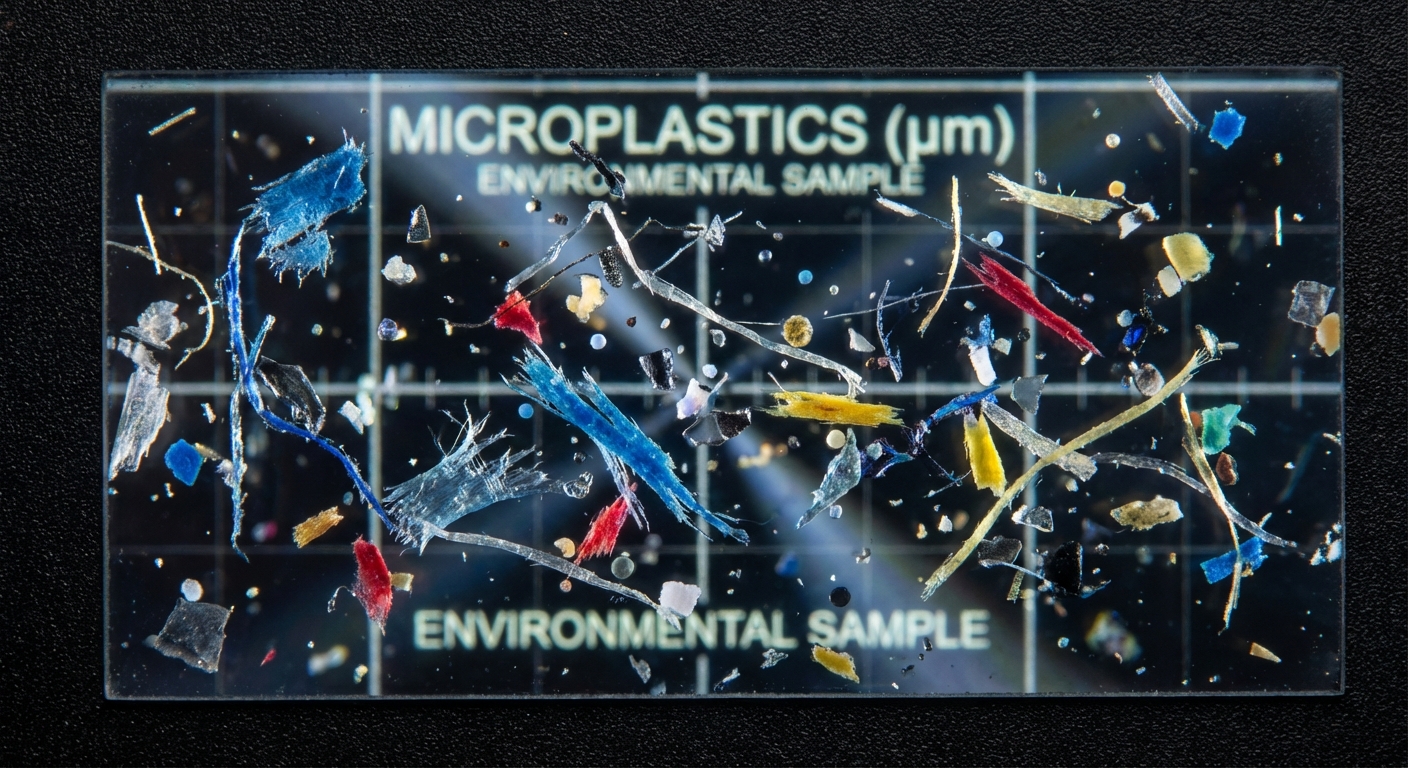
In 2022, researchers at Vrije Universiteit Amsterdam published a finding that made headlines worldwide: they had detected microplastics in human blood for the first time. Testing 22 healthy volunteers, they found plastic particles in 77% of samples. PET plastic (used in drink bottles) was most common, followed by polystyrene (food packaging) and polyethylene (plastic bags). These particles weren’t just passing through the digestive tract; they were circulating in the bloodstream with the potential to reach every organ in the body.
Since then, microplastics have been documented in human lungs, liver, kidneys, placentas, and even brain tissue. A 2024 study in The Lancet found microplastics in the arterial plaque of patients undergoing carotid surgery, with higher concentrations correlating with increased cardiovascular events over the following 3 years. Another study in Environmental International detected nanoplastics crossing the blood-brain barrier in animal models. The question has shifted from “are we exposed?” to “what does this mean for human health?”
The honest answer is: we don’t fully know yet. These particles have been in the environment and our bodies for only a few decades, nowhere near long enough to assess lifetime effects. But the emerging research raises legitimate concerns that warrant attention, not panic, but not dismissal either.
How Microplastics Enter Our Bodies
Microplastics are defined as plastic particles smaller than 5mm in diameter, ranging from visible fragments down to nanoplastics smaller than a human cell. They originate from the breakdown of larger plastics exposed to UV radiation, mechanical abrasion, and environmental weathering. They also come from primary sources like microbeads in cosmetics and synthetic fibers shed from clothing during washing.
The pathways into our bodies are multiple and largely unavoidable in modern life. Understanding these routes helps identify where exposure reduction is most feasible.
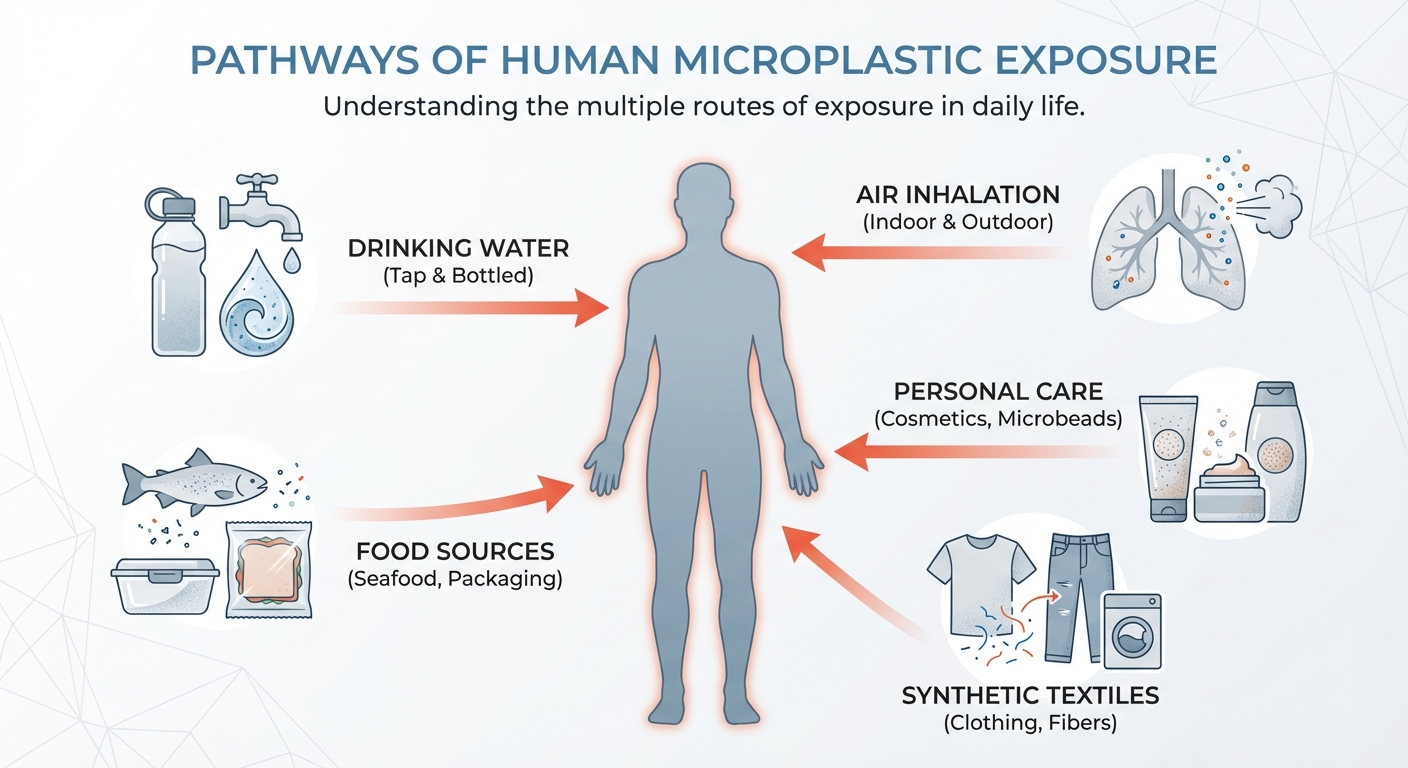
Drinking water represents a major exposure route. A 2019 WHO report found microplastics in 90% of bottled water samples tested globally, with concentrations often higher than tap water. The plastic bottles themselves leach particles into the water, especially when exposed to heat or stored for extended periods. Tap water also contains microplastics from environmental contamination of water sources, though municipal treatment can reduce levels. Researchers estimate we consume approximately 5 grams of plastic weekly from water alone, roughly the weight of a credit card.
Food provides continuous exposure through multiple mechanisms. Seafood, particularly filter-feeding shellfish like mussels, oysters, and clams, concentrates microplastics from ocean pollution. A 2018 study found an average of 1-2 microplastic particles per gram of mussel tissue. But seafood isn’t the only concern. Table salt (especially sea salt) contains microplastics. Honey, beer, and sugar have all tested positive. Any food that comes in contact with plastic packaging can become contaminated, with particles migrating from container to contents.
Air exposure is unavoidable. We breathe microplastics constantly from indoor air contaminated with synthetic textile fibers (carpets, upholstery, clothing), outdoor air containing tire wear particles (a major source of environmental microplastics), and household dust. Researchers estimate we inhale 13,000 to 68,000 microplastic particles annually depending on environment and lifestyle. These particles deposit in the lungs, where some are cleared by mucociliary action and some persist in tissue.
Synthetic clothing represents an underappreciated source. Polyester, nylon, acrylic, and other synthetic fabrics shed thousands of microfibers with every wash. These enter waterways, eventually making their way through the food chain. A single wash of synthetic fleece releases an estimated 1 million microfibers. We also inhale these fibers directly from our clothing and home textiles.
The sum of these exposures creates ubiquitous contamination. Studies analyzing stool samples find microplastics in 100% of people tested, confirming that we are all continuously exposed through oral routes. Complete avoidance is impossible without abandoning modern life entirely.
What the Science Shows About Health Effects
The health effects of microplastic exposure in humans remain largely unknown, which is itself concerning given that exposure is universal and increasing. The research we do have comes primarily from cell cultures, animal models, and early observational studies in humans, with inherent limitations in extrapolating to long-term human health impacts.
Inflammation appears to be triggered by microplastic exposure across multiple study types. The particles themselves, as foreign objects, activate inflammatory signaling pathways in cells and tissues. This adds another dimension to the importance of adopting an anti-inflammatory lifestyle to counteract environmental exposures. Macrophages (immune cells) attempt to engulf and destroy the particles but cannot break down plastic, leading to frustrated phagocytosis and chronic inflammatory signals. A 2021 study in Nature Nanotechnology demonstrated that nanoplastics triggered inflammatory responses in human intestinal cells at concentrations comparable to estimated dietary exposure.
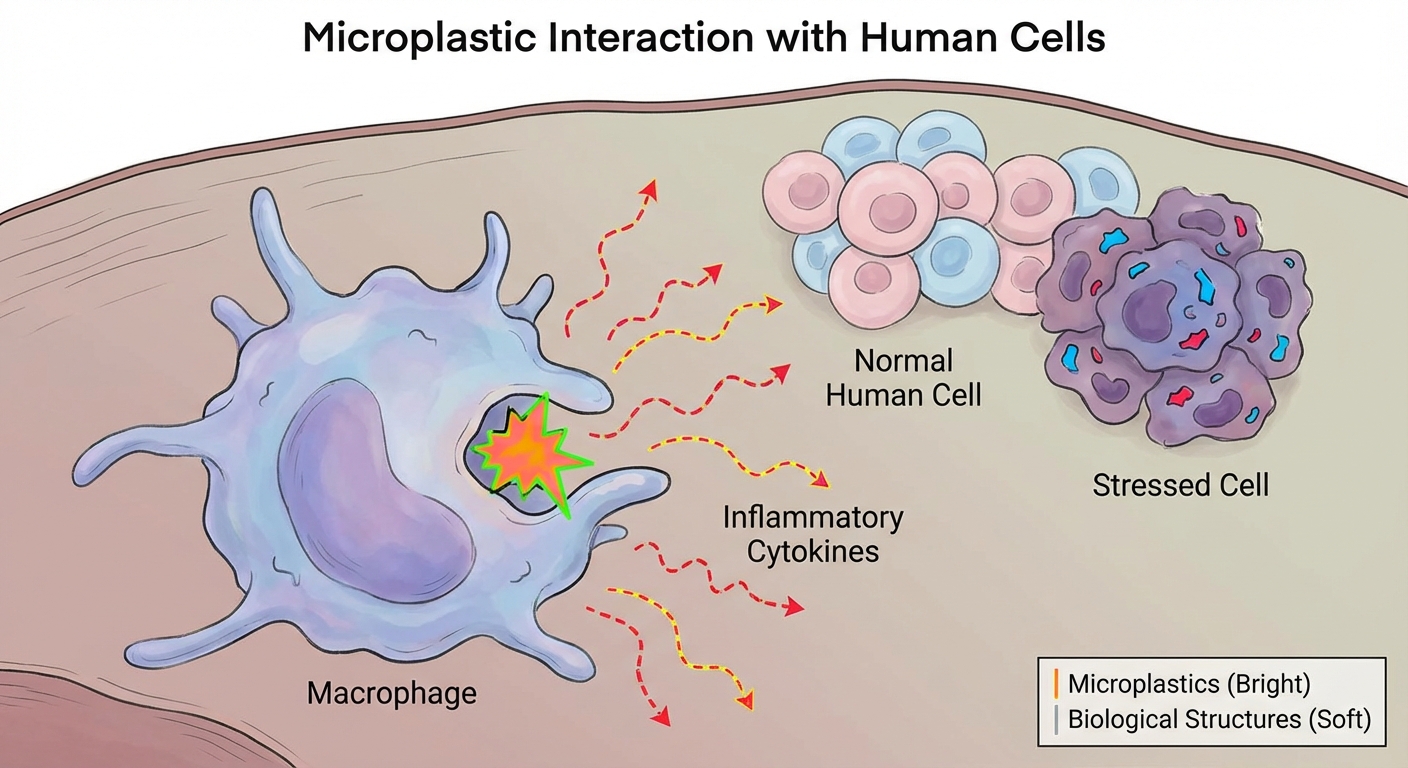
Oxidative stress from microplastics has been demonstrated in laboratory conditions. The particles generate reactive oxygen species (free radicals) that can damage DNA, proteins, and cell membranes. This oxidative damage accumulates over time and contributes to aging and disease processes. The smaller the particle, the greater its potential for cellular penetration and oxidative effects, making nanoplastics particularly concerning.
Endocrine disruption occurs not necessarily from the plastic polymers themselves but from the chemical additives they contain. BPA (bisphenol A), phthalates, and other plasticizers used in plastic manufacturing are established endocrine disruptors that interfere with hormone signaling. Microplastics serve as delivery vehicles for these chemicals, slowly releasing them into tissues where they accumulate. A 2023 study in Environmental Science & Technology found that microplastics from food packaging contained measurable concentrations of over 2,400 different chemicals, many with unknown toxicity profiles.
Cellular penetration by nanoplastics raises unique concerns. Particles below 1 micrometer can enter cells directly, potentially affecting mitochondrial function, gene expression, and cellular metabolism. Animal studies have demonstrated nanoplastic accumulation in brain tissue and crossing of the blood-brain barrier, though the implications for human neurological health remain speculative.
The cardiovascular signal from the 2024 Lancet study deserves particular attention. Researchers analyzed carotid artery plaque from 257 patients undergoing endarterectomy surgery and found microplastics in 58% of samples. Strikingly, patients with detectable plastics in their plaque had a 4.5-fold higher risk of heart attack, stroke, or death over 34 months of follow-up compared to those without detectable plastics. This association doesn’t prove causation (sicker patients might accumulate more plastics, or shared risk factors might explain both), but it represents the first direct correlation between tissue-level microplastics and hard clinical outcomes in humans.
Vulnerable Populations and Critical Windows
Certain life stages and populations may face heightened risks from microplastic exposure, warranting additional caution even while definitive evidence remains incomplete.
Pregnancy and fetal development represent perhaps the most critical concern. The detection of microplastics in placentas from otherwise healthy pregnancies suggests that these particles can cross the placental barrier and potentially reach the developing fetus. Fetal development is a critical window when toxic exposures can have outsized effects; the thalidomide tragedy demonstrated how substances considered safe for adults can cause devastating birth defects.
No human studies have yet directly linked microplastic exposure to adverse birth outcomes. However, animal studies using doses within environmentally relevant ranges have shown developmental abnormalities, including reduced fetal weight and altered organ development. A 2023 mouse study in Environment International found that maternal microplastic exposure altered offspring metabolic function into adulthood. The precautionary principle suggests that pregnant women should take reasonable steps to reduce exposure even without definitive human proof of harm.
Infants and children face proportionally higher exposure relative to body weight and may be more vulnerable to health effects during rapid development. Infants fed formula from polypropylene bottles are estimated to ingest 1-16 million microplastic particles daily from the bottles alone, according to a 2020 study in Nature Food. Children’s hand-to-mouth behavior and time spent on floors increases their exposure to microplastics in household dust.
Respiratory conditions may be exacerbated by inhaled microplastics. The presence of plastic fibers in lung tissue raises questions about potential contributions to chronic obstructive pulmonary disease, asthma, and pulmonary fibrosis. Occupational studies of workers in synthetic textile manufacturing show higher rates of respiratory symptoms, though whether this translates to general population exposure levels is unknown.
Practical Steps to Reduce Exposure
While complete avoidance is impossible, practical steps can meaningfully reduce your microplastic intake without requiring radical lifestyle changes. Focus on the highest-impact interventions first.

For drinking water:
- Filter your water using activated carbon or reverse osmosis systems, both of which reduce microplastic content by 70-90%
- Avoid bottled water when possible; paradoxically, tap water often contains fewer microplastics than water stored in plastic bottles
- Never drink from plastic bottles left in hot cars, as heat dramatically accelerates leaching
- If you must use plastic bottles, store them cool and dark and replace them frequently
For food:
- Store food in glass or stainless steel containers rather than plastic, especially for acidic or fatty foods
- Never microwave in plastic containers; use glass or ceramic instead
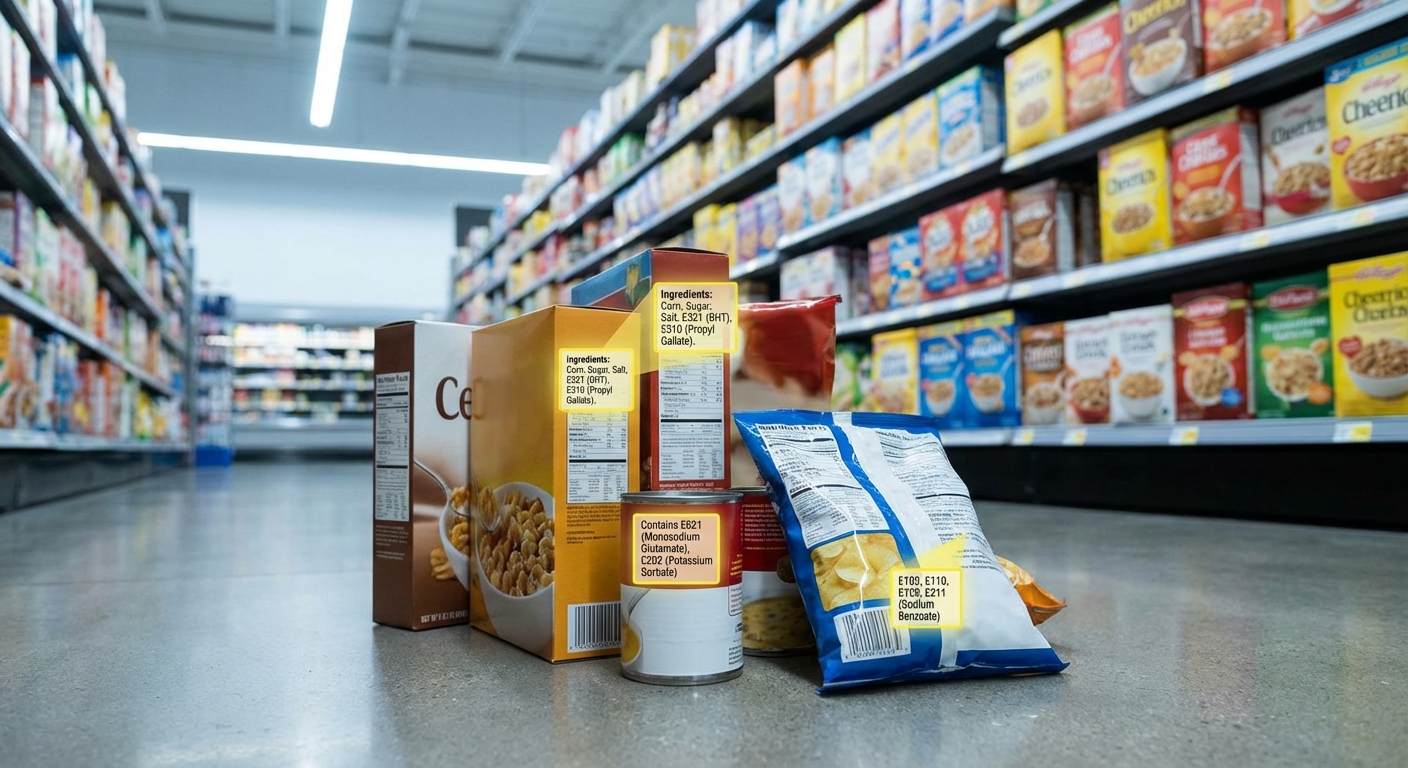
- Reduce processed and packaged foods, which have both higher contamination and contribute to plastic waste
- Rinse canned goods before use if possible, as can linings contain plastics
- Limit seafood to 2-3 servings weekly, balancing omega-3 benefits against potential contamination
For indoor air:
- Use HEPA air filters in your home, which capture airborne microplastics along with other particulates
- Vacuum regularly with HEPA-filtered vacuum to remove settled dust containing microplastics
- Choose natural fiber furnishings when possible (wool rugs, cotton upholstery, wood furniture)
- Ventilate regularly to reduce indoor particulate accumulation
For clothing and textiles:
- Prioritize natural fibers (cotton, wool, linen, hemp) over synthetics (polyester, nylon, acrylic)
- Wash synthetic clothes less frequently when possible
- Use a microfiber-catching laundry bag like Guppyfriend for synthetic items
- Avoid synthetic fleece which sheds particularly high amounts of microfibers
For personal care:
- Avoid products containing “polyethylene” or “polypropylene” in the ingredients (microbeads)
- Choose natural ingredient products when available
- Skip glitter and sparkle in cosmetics, which is often plastic
Maintaining Perspective
The scientific understanding of microplastics remains in its infancy. We lack data on safe exposure levels, long-term accumulation patterns, and the body’s ability to clear these particles. We don’t know if effects require decades to manifest or if current exposure levels are below any meaningful harm threshold. This uncertainty demands intellectual honesty about what we know and don’t know.
The optimistic view holds that human bodies are remarkably resilient, that we’ve always been exposed to environmental particles (dust, pollen, natural fibers), and that current microplastic levels may be tolerable without significant health consequences. Absence of evidence isn’t evidence of harm.
The pessimistic view notes that we are conducting an uncontrolled experiment on the entire human population, that even small inflammatory or endocrine effects compounding over a lifetime could contribute to disease, and that waiting for definitive proof of harm before acting means accepting decades of potentially preventable exposure.
The realistic view likely lies somewhere in between. There are probably some health effects from microplastic exposure, but they are likely modest contributors to disease risk rather than catastrophic causes. The cardiovascular association in the Lancet study is concerning but represents a single study requiring replication. The prudent response is reducing exposure through low-effort interventions while avoiding anxiety about the unavoidable.
The Bottom Line
Microplastics are in your body. Everyone has them. The health effects are unknown but potentially concerning based on cell, animal, and emerging human studies. We are genuinely in uncharted territory.
Reasonable steps to reduce exposure:
- Filter drinking water (activated carbon or RO)
- Store food in glass or stainless steel, not plastic
- Never heat food in plastic containers
- Choose natural fiber clothing when possible
- Use HEPA filtration in your home
But maintain perspective. Don’t create anxiety about inevitable exposures. The proven health interventions, quality diet, regular exercise, adequate sleep, stress management, and avoiding smoking, almost certainly confer more benefit than plastic avoidance alone. Microplastics are one of many environmental exposures; they’re on the list of concerns but not necessarily the most important item.
Live healthily overall. Reduce plastic exposure where practical and low-effort. Don’t obsess over what you can’t control. And recognize that the full picture will take years or decades of research to complete. Supporting overall gut health and gut microbiome diversity may help your body better manage environmental exposures.
Sources: Environment International blood microplastic detection studies, Nature Food infant formula research, The Lancet cardiovascular outcomes study (2024), WHO drinking water reports, Environmental Science & Technology chemical analysis, Nature Nanotechnology cellular response studies.