Sarah, a 38-year-old marketing director, had accepted her afternoon brain fog and constant bloating as normal consequences of a demanding career. She’d tried elimination diets, expensive supplements, even therapy for the low-grade anxiety that seemed to follow her everywhere. Nothing moved the needle. Then, almost by accident, she started making her own kefir after watching a documentary about fermentation. Within six weeks, the bloating had resolved. Within three months, she noticed her mood was measurably more stable. What happened wasn’t magic, it was microbiology.
Your gut contains approximately 100 trillion microorganisms: bacteria, fungi, viruses, and other microbes that collectively weigh about 2-3 pounds and comprise what scientists call your microbiome. For decades, medicine viewed these organisms as largely irrelevant passengers, hitchhikers that happened to live in your intestines. Then the research started accumulating, and the picture changed dramatically. These microbes aren’t passengers; they’re crew members running essential systems throughout your body.
Your gut microbiome influences far more than digestion. It shapes immune function, with roughly 70% of immune cells residing in the gut-associated lymphoid tissue. It affects mental health through the gut-brain axis, with gut bacteria producing approximately 90% of your body’s serotonin. It modulates inflammation levels, influences weight regulation, affects skin health, shapes sleep quality, and even alters behavior and mood. The microbes in your intestines produce neurotransmitters, communicate with your brain via the vagus nerve, train your immune system, and create metabolites that influence nearly every physiological system you have.
The question isn’t whether to care about your gut health. It’s how to actually improve it in practical, sustainable ways that fit into real life.
The Gut-Brain Connection: How Your Microbiome Shapes Your Mind
The connection between gut and brain isn’t metaphorical or speculative; it’s biological, bidirectional, and remarkably well-documented. Your gut microbiome and your brain maintain constant communication through three main pathways that scientists have mapped with increasing precision over the past decade.
The vagus nerve provides the most direct connection, a superhighway of neural signals running from your brainstem down through your chest and into your abdomen. This nerve carries messages in both directions: your brain can influence gut function, and your gut can influence brain function. When researchers severed the vagus nerve in animal studies, many of the mental health effects of probiotics disappeared, demonstrating that this neural pathway is essential for gut-brain communication.
Beyond the vagus nerve, immune signaling molecules called cytokines provide another communication channel. Gut bacteria influence the production of both pro-inflammatory and anti-inflammatory cytokines, which enter the bloodstream and can cross the blood-brain barrier. Chronic low-grade inflammation in the brain, driven partly by signals originating in the gut, is increasingly recognized as a driver of depression, anxiety, and cognitive decline. By modulating inflammation at its source in the gut, you can influence brain health directly.
The third pathway involves neurotransmitters and metabolites produced by microbes themselves. Your gut bacteria manufacture approximately 90% of your body’s serotonin, the neurotransmitter associated with mood, appetite, and sleep regulation. They also produce GABA (the calming neurotransmitter), dopamine, and other neuroactive compounds. A 2024 meta-analysis published in Frontiers in Psychiatry found that probiotic supplementation improved depression symptoms by approximately 20%, not a cure, but a meaningful improvement comparable to some therapeutic interventions. For a deeper exploration of these neural pathways, see our detailed guide on the gut-brain axis.

The Science of Fermented Foods
Fermented foods have been part of human diets for thousands of years, long before anyone understood microbiology. Sauerkraut in Germany, kimchi in Korea, miso in Japan, kefir in the Caucasus, and yogurt across the Middle East and Mediterranean all developed independently as methods of food preservation that happened to provide health benefits. What our ancestors discovered through trial and error, modern science has validated through controlled trials and mechanistic research.
The fermentation process itself is remarkably simple: beneficial bacteria, yeasts, or both consume sugars and starches in food, producing lactic acid, alcohol, or other compounds that preserve the food and create distinct flavors. More importantly, this process populates the food with live, beneficial microorganisms that can colonize your gut or influence your existing microbiome through various mechanisms.
Clinical research has documented concrete, measurable benefits from fermented food consumption. For digestive health, the evidence is particularly strong. A study published in Gut found that specific Lactobacillus strains common in yogurt and kefir reduced IBS (irritable bowel syndrome) symptoms by approximately 40% in participants who consumed them regularly. The mechanisms involve modulating gut motility, reducing visceral hypersensitivity, and decreasing intestinal inflammation. For the estimated 10-15% of people suffering from IBS, this represents meaningful relief.
Immune function also improves with regular fermented food consumption. Bifidobacteria strains found in kefir and certain yogurts have been shown to reduce the incidence and duration of upper respiratory infections by approximately 47% according to meta-analyses of controlled trials. The microbiome trains your immune system, teaching it to distinguish between harmless antigens and genuine threats. A diverse, healthy microbiome creates a more balanced, effective immune response that’s neither overactive (allergies, autoimmunity) nor underactive (frequent infections).
Fermented Foods Worth Adding to Your Diet
The fermented foods category has evolved dramatically from the sauerkraut and plain yogurt of previous generations. Innovation in this space combines traditional fermentation wisdom with modern flavor profiles and functional ingredients, making gut-healthy eating genuinely enjoyable rather than an exercise in forcing down unpleasant foods for health reasons.
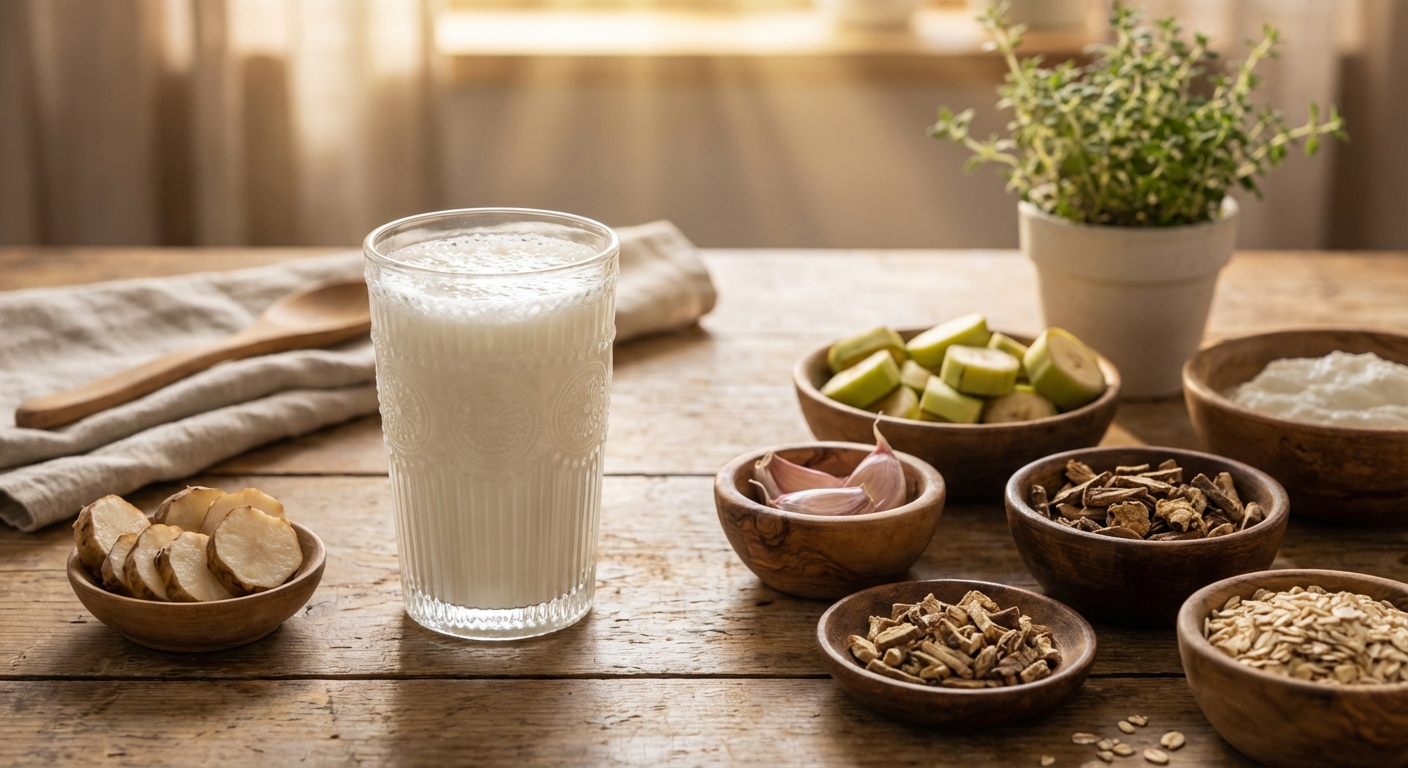
Kefir leads the probiotic beverage category, offering 30-50 different bacterial and yeast strains compared to the 5-10 found in most commercial yogurts. This microbial diversity matters because research consistently shows that greater diversity of gut bacteria correlates with better health outcomes across multiple domains. Traditional dairy kefir provides protein, calcium, and B vitamins alongside its probiotic benefits, but water kefir, coconut kefir, and other plant-based versions offer options for those avoiding dairy while still delivering probiotic diversity. The tangy, effervescent flavor profile has genuine appeal beyond health benefits.
Kimchi and sauerkraut have undergone gourmet makeovers that make them far more accessible than the harsh, vinegary products of decades past. Beyond traditional cabbage-based versions, you’ll find kimchi infused with turmeric for additional anti-inflammatory effects, sauerkraut with added beets for color and flavor, and fusion versions incorporating unexpected vegetables and spice combinations. These aren’t your grandmother’s fermented vegetables; they’re culinary experiences that happen to deliver live beneficial bacteria with every serving.
Prebiotic sodas represent perhaps the most surprising category development, offering a pathway to gut health for people who simply don’t enjoy fermented foods. Brands like Olipop, Poppi, and Culture Pop create beverages that taste remarkably similar to conventional sodas but deliver 9 grams of prebiotic fiber per can instead of 40 grams of sugar. These sodas use ingredients like inulin, cassava fiber, and apple cider vinegar to feed beneficial gut bacteria while satisfying cravings for something sweet and carbonated. They don’t provide probiotics directly, but by feeding the beneficial bacteria already in your gut, they support microbiome health through a different mechanism.

Practical Steps to Improve Your Gut Health
The barrier to improving gut health isn’t knowledge; most people understand that fermented foods provide benefits. The real barriers are practical: taste preferences, habit formation, confusion about which products actually work, and uncertainty about how much to consume. A systematic approach addresses each of these obstacles.
Start smaller than you think necessary. If you’re new to fermented foods, jumping immediately to kimchi three times daily or drinking kombucha with every meal overwhelms both your palate and your digestive system. Your gut bacteria need time to adapt to dietary changes, and introducing too many fermented foods too quickly can cause gas, bloating, and digestive discomfort, the opposite of what you’re trying to achieve. Begin with one serving daily of a fermented food you think you might actually enjoy: kefir blended into a smoothie, Greek yogurt with berries, a small portion of sauerkraut alongside dinner, or one of the newer prebiotic sodas as an afternoon treat. Gradual introduction over 2-4 weeks allows your microbiome to adjust smoothly.
Quality matters more than quantity with fermented foods. Look for products in the refrigerated section of your grocery store; fermentation continues in these products, which is why they must stay cold. Check labels for “live active cultures” rather than just “made with cultures,” since some products are pasteurized after fermentation, killing the beneficial bacteria. Shelf-stable sauerkraut and pickles, for example, have typically been heat-processed, which eliminates the probiotic benefits while retaining the flavor. Genuine fermented foods will often mention specific bacterial strains on the label and always require refrigeration.
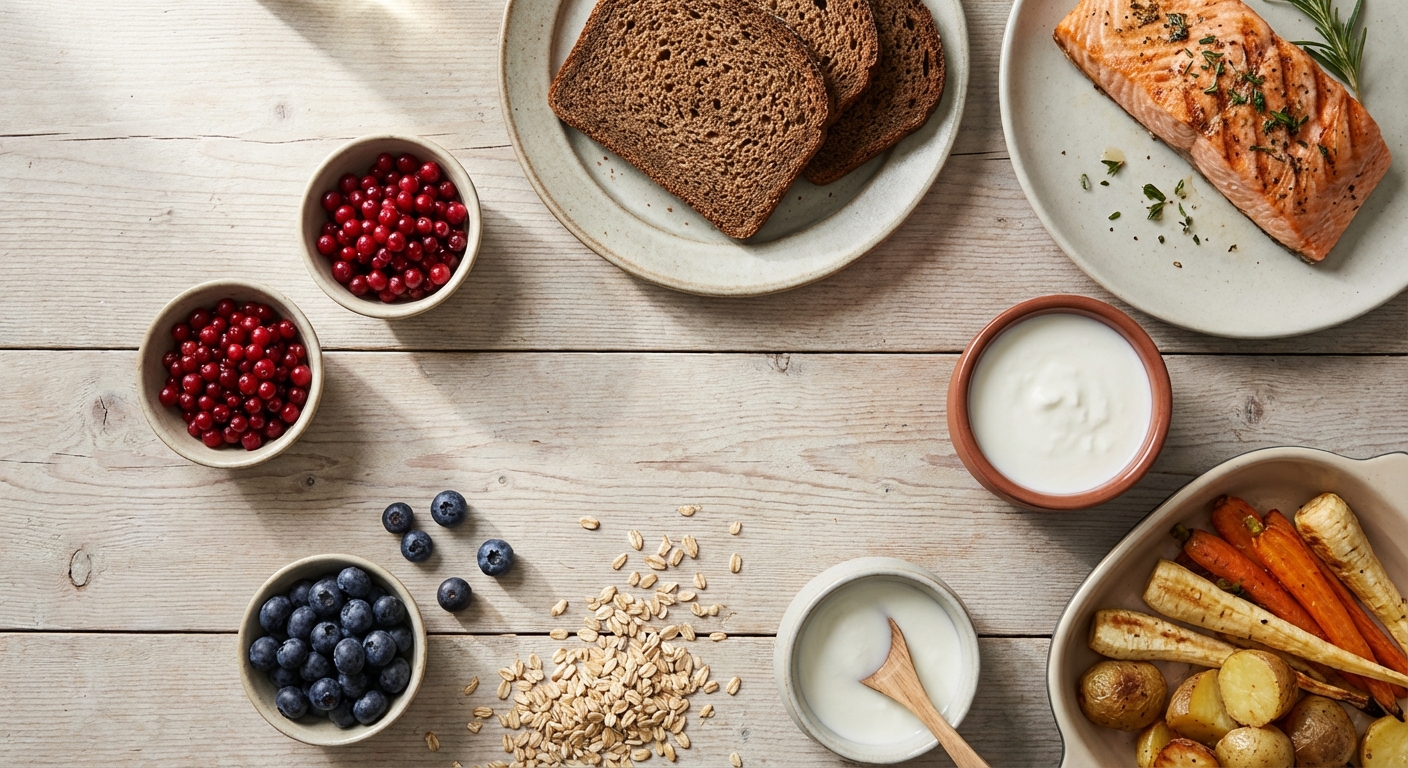
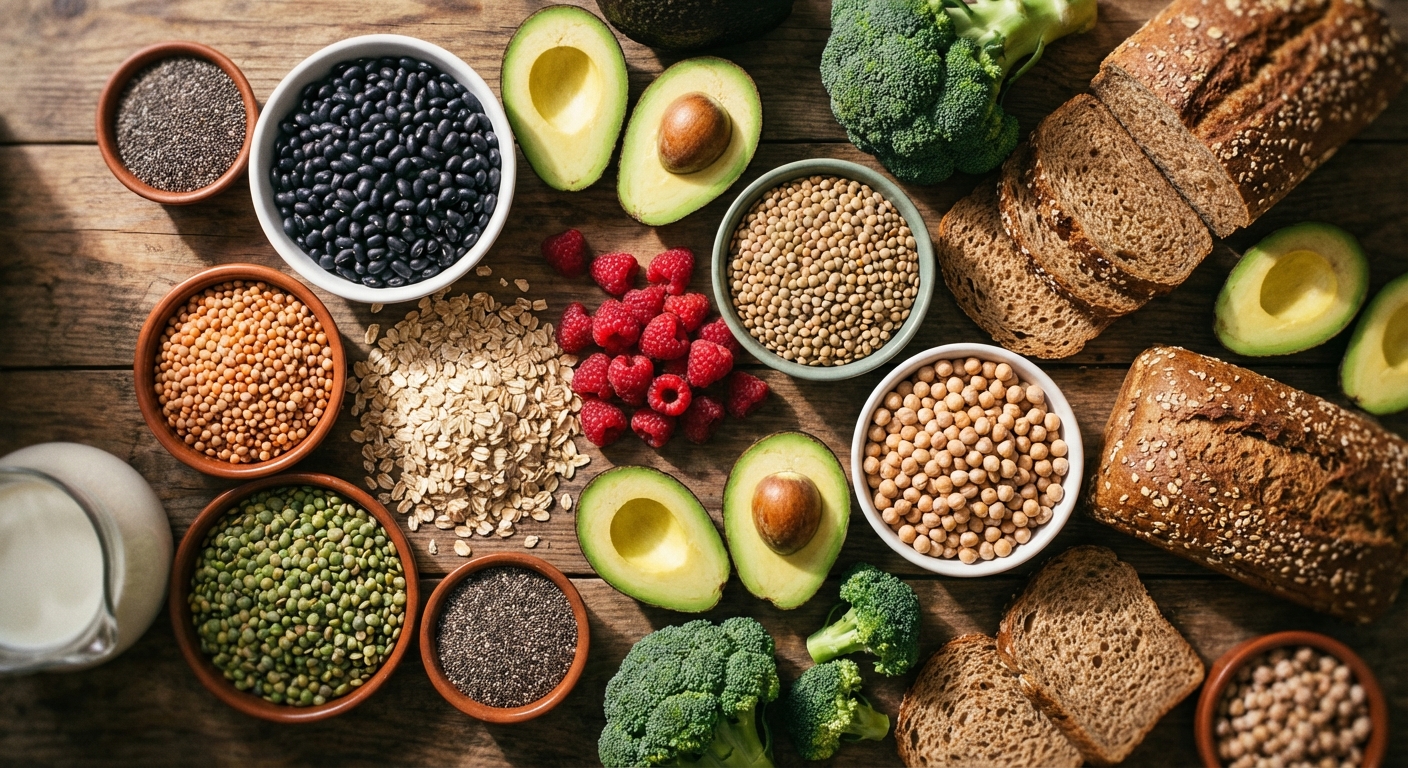
Beyond fermented foods, aim for the 30-plant-variety-per-week target that’s emerged from microbiome research as a marker of dietary diversity. Each type of plant food, from leafy greens to nuts to legumes, feeds different populations of gut bacteria. This diversity of plant foods feeds diverse bacteria, preventing the dominance of any single species and maintaining ecosystem balance. The target sounds daunting, but it’s achievable when you count each type of vegetable, fruit, grain, nut, seed, legume, and herb as a separate plant. A stir-fry with five vegetables, brown rice, and a handful of cashews already puts you almost a third of the way there.
Beyond the Gut: Whole-Body Effects
The most exciting aspect of microbiome research is discovering that the effects of gut health extend far beyond digestion. This isn’t just about preventing bloating or constipation; it’s about influencing whole-body health through the microbial ecosystem in your intestines.
Metabolic health ties closely to microbiome composition in ways that influence weight, blood sugar, and energy levels. Certain bacterial profiles are associated with obesity, insulin resistance, and type 2 diabetes, while others correlate with healthy weight and metabolic function. The mechanisms involve short-chain fatty acid production (beneficial metabolites that gut bacteria create from fiber), inflammation modulation, and even direct effects on how your body extracts and stores energy from food. Two people eating identical diets can gain different amounts of weight based partly on their microbiome composition, which helps explain why weight management is more complex than simple calorie math.
Skin health, perhaps surprisingly, responds to gut interventions through what researchers call the gut-skin axis. Gut inflammation and dysbiosis (microbial imbalance) can trigger systemic inflammation that manifests in the skin as acne, eczema, rosacea, or accelerated aging. Several studies have shown that probiotic supplementation improves these conditions from the inside out, reducing inflammation at its source rather than just treating skin symptoms topically. For persistent skin issues that don’t respond to conventional dermatological treatments, gut health optimization represents a worthwhile avenue to explore.
Sleep quality may also improve with better gut health, though the research here is earlier-stage than in other domains. The microbiome influences production of both melatonin and serotonin, both critical for sleep regulation. Some studies have shown that probiotic interventions improve subjective sleep quality and reduce time to fall asleep, though effects are modest and individual variation is significant. For those struggling with sleep in challenging circumstances, gut health optimization may provide supplementary support.

The Bottom Line
Your gut microbiome functions as a meta-organ influencing nearly every physiological system in your body. The research supporting the importance of gut health has moved from fringe science to mainstream medicine, with clear evidence that the bacteria in your intestines affect digestion, immunity, mental health, metabolism, skin health, and more.
Fermented foods like kefir, kimchi, sauerkraut, and kombucha provide beneficial bacteria that can improve this ecosystem. Prebiotic foods and beverages feed beneficial bacteria, promoting the diversity and balance that correlates with optimal health. The interventions are simple, accessible, and increasingly delicious as the fermented foods category evolves to meet modern taste preferences.
Getting Started with Gut Health:
- Add one fermented food to your daily routine (kefir in smoothies, yogurt at breakfast, sauerkraut with dinner)
- Gradually increase over 2-4 weeks as your digestive system adapts
- Choose refrigerated products with “live active cultures” on the label
- Aim for 30 different plant varieties weekly to feed diverse bacteria
- Consider a gut health reset protocol if you’re dealing with significant digestive issues
Your gut microbiome is trainable, responsive, and remarkably resilient. Feed it diverse plant foods, provide beneficial bacteria through fermentation, minimize factors that harm it (excess sugar, artificial sweeteners, unnecessary antibiotics), and it will support your health in ways that extend far beyond the digestive tract.
Sources: Gut journal (IBS and probiotic research), Frontiers in Psychiatry (gut-brain axis studies), Kerry Health and Nutrition Institute, Nutrients journal, American Gastroenterological Association guidelines, microbiome diversity and health outcomes meta-analyses.