Sarah, a 38-year-old marketing director, had seen three gastroenterologists before she came to our functional medicine practice. Her symptoms were familiar: bloating that made her look six months pregnant by dinner, brain fog that forced her to reread emails multiple times, and fatigue that no amount of sleep could resolve. Her colonoscopy was normal. Her blood work was normal. She was told she had irritable bowel syndrome and handed a prescription for an antispasmodic that made her symptoms worse.
What conventional testing couldn’t reveal was the cascade of dysfunction happening in her intestinal lining and microbiome. Chronic stress, years of antibiotic use, and a diet heavy in processed foods had eroded the integrity of her gut barrier and shifted her bacterial population toward species that promoted inflammation rather than health. Within three weeks of following the protocol outlined in this article, her bloating had reduced by 80 percent. Within six weeks, the brain fog had lifted entirely.
This 30-day gut health reset follows the 4R framework developed in functional medicine: Remove, Replace, Reinoculate, and Repair. Each phase serves a specific purpose in restoring gut function. This isn’t about drinking detox teas or taking expensive supplements. It’s about systematically identifying what’s damaging your gut, removing those triggers, and providing the conditions and raw materials your body needs to heal itself.
Understanding Gut Barrier Function
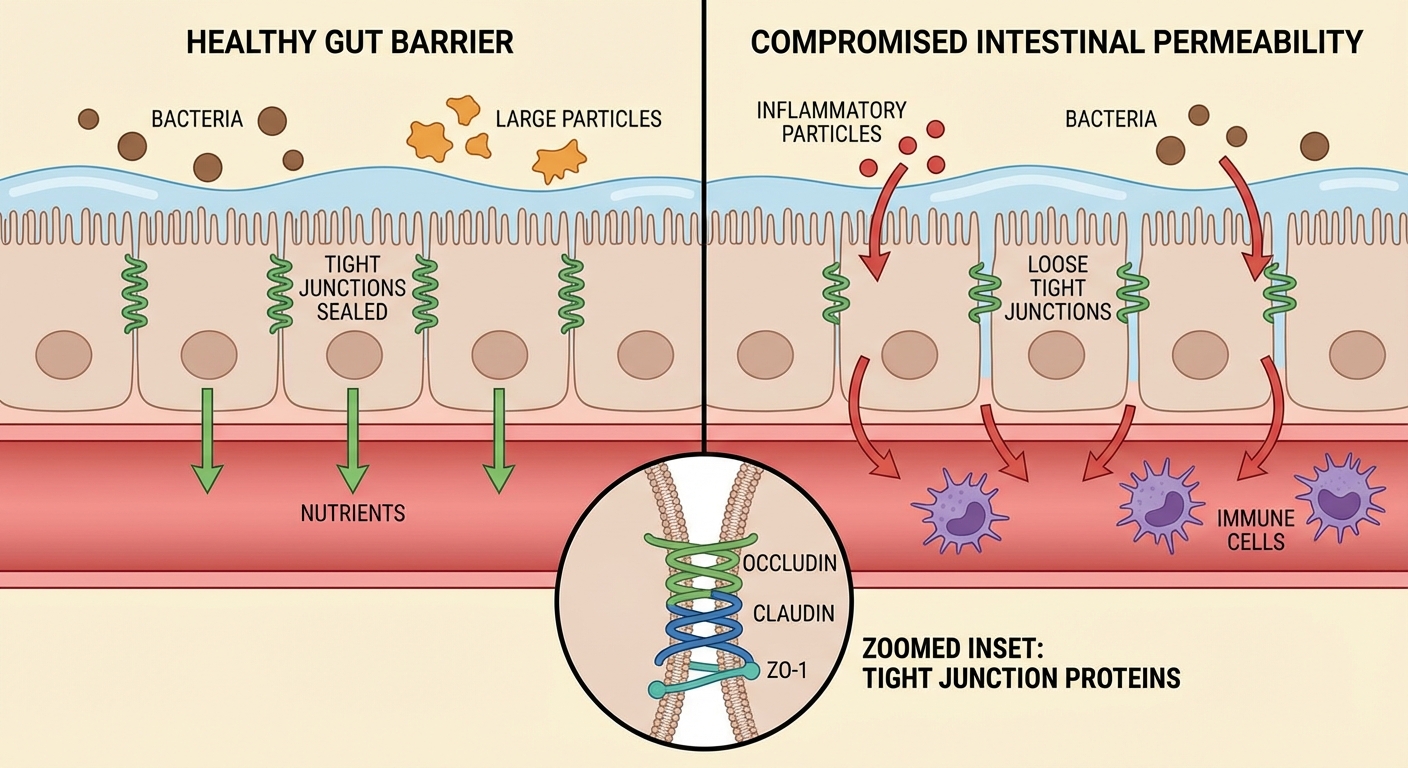
Before diving into the protocol, understanding what we’re trying to fix helps contextualize each step. Your intestinal lining performs a remarkable dual function: it must absorb nutrients from digested food while simultaneously preventing undigested food particles, bacteria, and toxins from entering your bloodstream. This selective permeability depends on tight junctions, protein complexes that seal the gaps between intestinal cells and act like bouncers at a club, deciding what gets in and what stays out.
When these tight junctions become compromised, a condition often called “intestinal permeability” or colloquially “leaky gut,” particles that should stay in the intestine slip into the bloodstream. The immune system, encountering these foreign particles, mounts an inflammatory response. This inflammation can manifest locally as digestive symptoms but also systemically as fatigue, joint pain, skin issues, and the cognitive cloudiness patients often describe as brain fog.
Research published in Gut found that increased intestinal permeability correlates with conditions ranging from irritable bowel syndrome to autoimmune thyroid disease to clinical depression. A 2023 review in Nature Reviews Gastroenterology & Hepatology identified specific dietary and lifestyle factors that disrupt tight junction integrity, including alcohol, certain medications, chronic stress, and specific food components. The 4R protocol addresses each of these factors systematically.
The gut microbiome, the trillions of bacteria living in your intestines, plays a central role in maintaining barrier function. Beneficial species produce short-chain fatty acids like butyrate that nourish intestinal cells and strengthen tight junctions. They crowd out pathogenic species, produce vitamins, and modulate immune function. When the balance tips toward pathogenic species, a state called dysbiosis, gut barrier function deteriorates and inflammation increases. Restoring microbial balance is essential to lasting gut healing.
Phase 1: Remove (Days 1-14)
The first phase focuses on eliminating the inputs that are damaging your gut lining and feeding pathogenic bacteria. This requires temporary but complete removal of several categories of foods and substances. Half-measures don’t work here; a single exposure to a trigger food can reignite the inflammatory cascade you’re trying to extinguish.
Alcohol is the first and most non-negotiable removal. Ethanol is a direct gut toxin that disrupts tight junction proteins within hours of consumption. Research in the American Journal of Physiology demonstrated that even moderate alcohol consumption increases intestinal permeability measurably within a single day. For these 30 days, zero-tolerance is necessary. This isn’t about moral judgment; it’s about giving your intestinal lining the conditions required for repair.
Added sugar and refined carbohydrates must also go. These foods feed the exact bacterial species you’re trying to reduce, including Candida yeast and certain gram-negative bacteria that produce endotoxins. The average American consumes 17 teaspoons of added sugar daily; reducing this to near zero for 30 days starves pathogenic organisms and begins shifting the microbial balance. Read labels carefully: sugar hides under dozens of names including dextrose, maltodextrin, and high-fructose corn syrup.
Gluten and dairy represent the most common food sensitivities and deserve removal during this elimination phase. Gliadin, a component of gluten, has been shown to increase zonulin, a protein that opens tight junctions, even in people without celiac disease. Casein and whey, dairy proteins, trigger immune responses in a significant portion of the population. Whether these foods are problematic for you specifically will become clear during the reintroduction phase, but removing them during the reset lowers the total inflammatory burden on your digestive system.
Artificial sweeteners, particularly sucralose and aspartame, should be eliminated despite their lack of calories. A concerning body of research shows these compounds alter microbiome composition in ways that promote metabolic dysfunction. A 2022 study in Cell found that common artificial sweeteners impacted the microbiome and glycemic response in ways that persisted beyond the exposure period. Avoid diet sodas, sugar-free gum, and packaged foods with these additives.
Around days three to five, you may experience what’s called a “die-off” or Herxheimer reaction. As pathogenic bacteria die off and release endotoxins, you may feel worse before feeling better. Headaches, fatigue, irritability, and even flu-like symptoms can occur. This is unpleasant but actually indicates the protocol is working. Drink plenty of water (at least half your body weight in ounces daily), ensure adequate sleep, and push through. The symptoms typically resolve by day seven or eight.
Phase 2: Replace (Days 15-30)
With the inflammatory triggers removed, the second phase focuses on providing what your digestive system may be missing. Many people with compromised gut function have insufficient stomach acid, digestive enzyme production, or bile flow, all of which impair nutrient extraction from food and leave undigested particles available to feed pathogenic bacteria.
Stomach acid, contrary to popular belief, is essential for proper digestion and often too low rather than too high in people with digestive issues. Low stomach acid allows bacteria to survive passage through the stomach and colonize the small intestine where they don’t belong. A simple home test involves drinking a quarter teaspoon of baking soda in water first thing in the morning and timing how long until you burp; longer than 3 to 5 minutes suggests low stomach acid production. Betaine HCl supplements with meals can support acid production, though those with ulcers or gastritis should avoid supplementation and work with a practitioner.
Digestive enzymes support the mechanical and chemical breakdown of food. A broad-spectrum enzyme containing proteases (for protein), lipases (for fat), and amylases (for carbohydrates) taken with meals ensures food is broken into absorbable particles rather than fermenting in the intestine. This is particularly important for those who experience bloating after meals regardless of what they eat.
Bile acids emulsify fats and support absorption of fat-soluble vitamins. Those who have had their gallbladder removed or who see light-colored, floating stools may benefit from ox bile supplements with fat-containing meals. Even with an intact gallbladder, bile production can be suboptimal due to congested liver function or other factors.

Phase 3: Repair (Days 15-30)
Simultaneously with the Replace phase, we focus on providing the raw materials your gut lining needs to physically rebuild. The intestinal epithelium turns over every 3 to 5 days, meaning you can substantially regenerate your gut lining within this 30-day protocol if you provide the necessary building blocks.
Bone broth has become synonymous with gut healing, and the hype is largely warranted. Properly prepared bone broth is rich in glutamine, the primary fuel source for enterocytes (intestinal cells), as well as collagen, gelatin, and glycine, all of which support mucosal integrity. Aim for 1 to 2 cups of bone broth daily during days 15-30. You can make your own by simmering beef or chicken bones with vegetables for 12-24 hours, or purchase high-quality prepared broth that’s gelatinous when cold (indicating collagen extraction). For detailed guidance on maintaining gut health during the holidays, see our companion article.
L-glutamine supplementation can accelerate the repair process. This amino acid is the preferred energy source for intestinal cells, and supplementation has been shown to reduce intestinal permeability in clinical trials. A 2020 meta-analysis in Nutrients found that glutamine supplementation significantly improved markers of intestinal barrier function in critically ill patients. For a gut reset, 5 to 10 grams of L-glutamine powder in water, taken on an empty stomach twice daily, provides therapeutic benefit.
Polyphenols from colorful plant foods act as prebiotics, feeding beneficial bacteria while simultaneously providing antioxidant and anti-inflammatory benefits. Dark berries (blueberries, blackberries, raspberries), green tea, and dark chocolate (85% cocoa or higher) are particularly dense sources. These compounds are fermented by beneficial bacteria into short-chain fatty acids that nourish the gut lining. Aim for diversity: different polyphenols feed different bacterial species, and microbial diversity is the hallmark of a healthy gut.
Phase 4: Reinoculate (Days 15-30)
The final phase reintroduces beneficial bacteria to reestablish a healthy microbial ecosystem. This happens simultaneously with Repair and continues beyond the 30-day protocol into long-term maintenance.
Fermented foods provide the most diverse and bioavailable source of probiotic bacteria. Start slowly, especially if you’ve been avoiding these foods. One tablespoon of sauerkraut (make sure it’s raw, unpasteurized, and found in the refrigerated section) or a small serving of kefir daily during the first week. Gradually increase as tolerated. If introducing fermented foods too quickly, the rapid fermentation in the gut can cause significant bloating. More is not better initially; consistency beats quantity.
Probiotic supplementation can support recolonization, particularly strains with clinical evidence for specific conditions. For general gut health, look for products containing multiple strains of Lactobacillus and Bifidobacterium species with at least 10 to 50 billion CFU (colony-forming units). Strains with specific research backing include Lactobacillus rhamnosus GG for immune function and Saccharomyces boulardii for protection against opportunistic pathogens. Take probiotics away from digestive enzyme supplements and antibiotics, which can reduce their viability.
Prebiotic fiber feeds the bacteria you’re reintroducing. Foods high in prebiotic fiber include garlic, onions, leeks, asparagus, chicory root, and green bananas. These foods contain inulin, fructooligosaccharides (FOS), and resistant starch that pass undigested to the large intestine where beneficial bacteria ferment them into butyrate and other short-chain fatty acids. If these foods have previously caused bloating, start with small amounts and increase gradually as your microbiome adapts.
The Reintroduction Phase (Day 31+)
This phase, beginning after day 30, is the most scientifically valuable part of the entire protocol. The elimination phases have cleared the noise; now you can hear what your body is telling you about specific foods. Do not skip or rush this phase.
Reintroduce one food category at a time using the “pulse test” method. Choose a single food, for example dairy, and consume a moderate serving at two different meals on one day. That evening and the following two days, observe carefully for any reactions: bloating, digestive discomfort, skin changes, brain fog, joint stiffness, fatigue, or mood shifts. Write down what you eat and any symptoms, no matter how minor.
After the observation period, if no reactions occur, that food can be considered safe for your regular diet. If reactions occur, that food is a trigger for you specifically and should remain eliminated for at least 3 to 6 months before attempting reintroduction again. Sometimes reactions are dose-dependent: small amounts of a food may be tolerable while larger quantities cause problems.
Test the major categories in this order: dairy, gluten-containing grains, eggs, soy, corn, nightshades (tomatoes, peppers, eggplant). Each category requires a full 3-day test-and-observe cycle before moving to the next. Yes, this means complete reintroduction takes several weeks beyond the 30-day protocol. The information you gain about your personal food sensitivities is worth the investment of time.
For those interested in the broader connection between gut health and brain function, our deep-dive article covers the neuroscience of the gut-brain axis.

Long-Term Maintenance
The 30-day reset establishes new patterns, but lasting gut health requires ongoing attention. The gut microbiome is dynamic, constantly responding to diet, stress, sleep, and environmental exposures. The goal is to create sustainable habits rather than perpetual restriction.
Continue avoiding the foods identified as triggers during reintroduction. Some people can eventually reintegrate trigger foods after 6 to 12 months of complete avoidance as gut healing progresses and immune reactivity decreases. Others find that certain foods remain problematic indefinitely. Either outcome is valuable information that allows you to make informed choices.
Prioritize fiber diversity. Different fiber types feed different bacterial species, and microbial diversity is consistently associated with better health outcomes. Aim for 30 different plant foods weekly, including vegetables, fruits, legumes, nuts, seeds, and whole grains. This sounds ambitious but becomes achievable when you add variety to each meal rather than eating the same rotating five vegetables.
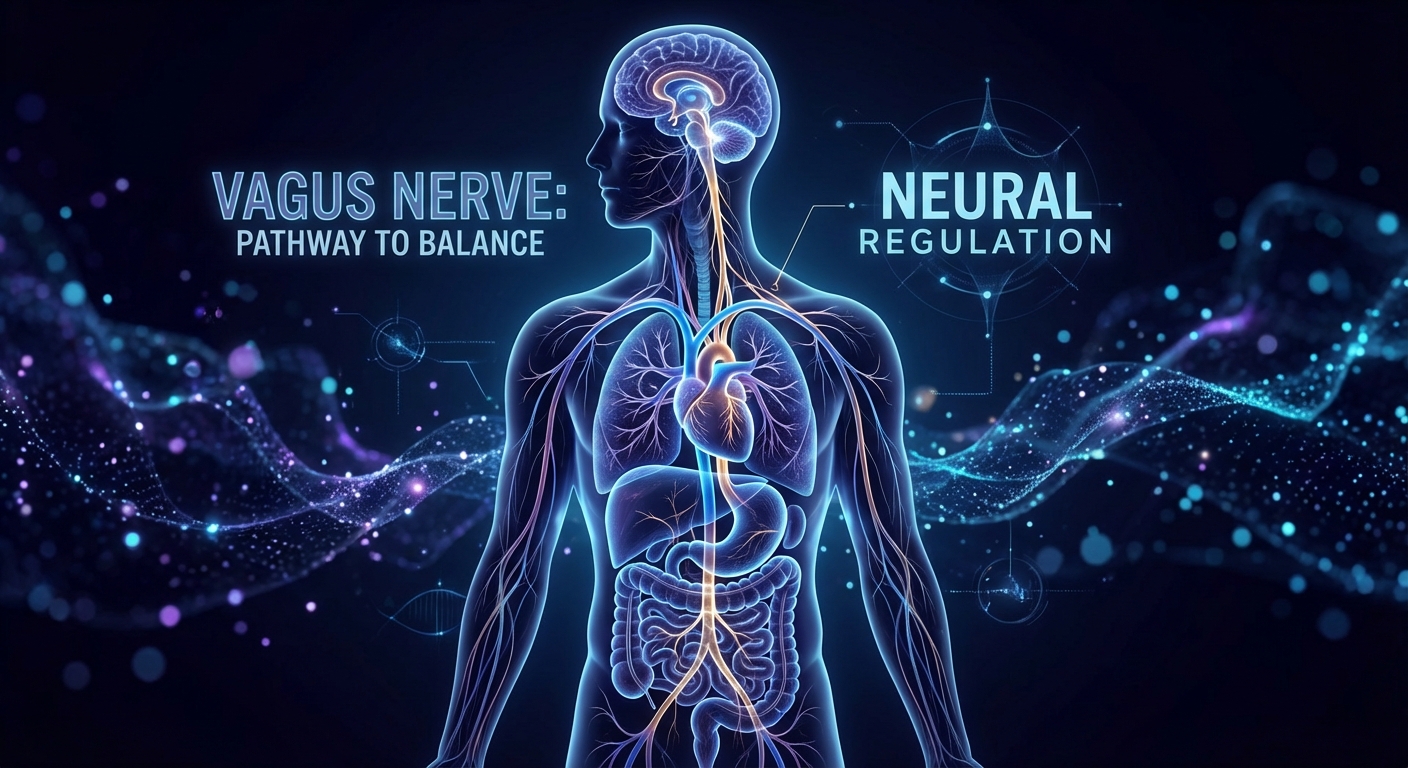
Manage stress through whatever modality works for you. Chronic stress directly affects gut function through the vagus nerve connection (the gut-brain axis), increasing permeability and reducing beneficial bacterial populations. Meditation, breathwork, walking in nature, or simply adequate downtime all support the parasympathetic state in which digestion and healing occur. You cannot supplement your way out of a chronically stressed state.
The Bottom Line
Your gut lining regenerates every 3 to 5 days. Your microbiome begins shifting within 24 to 48 hours of dietary changes. This means the timeline for meaningful improvement is weeks, not years. The 30-day reset provides the conditions and inputs for this transformation to occur.
The protocol requires discipline, particularly during the elimination phase when you may experience die-off symptoms and find yourself surrounded by foods you temporarily cannot eat. The reward is information, the clearest signal your body has ever given you about what it does and doesn’t tolerate, along with a rebuilt gut barrier and rebalanced microbiome that support not just digestive health but systemic wellbeing.
Your Action Steps:
- Clear your kitchen of elimination foods before starting; willpower is finite
- Stock up on approved proteins, vegetables, bone broth, and herbal teas
- Start the elimination phase on a week without travel or major social obligations
- Track symptoms daily in a journal, including energy, mood, digestion, and sleep
- Commit to the full 30 days plus systematic reintroduction; partial protocols yield partial results
- Consider working with a functional medicine practitioner if symptoms are severe or don’t improve
Sources: Nature Reviews Gastroenterology & Hepatology intestinal permeability research, Gut microbiome and disease association studies, American Journal of Physiology alcohol and gut barrier studies, Nutrients meta-analysis on glutamine supplementation, Cell artificial sweetener and microbiome research, 4R protocol developed by Institute for Functional Medicine.