The holiday meal sits heavy in your stomach two hours after finishing, accompanied by bloating that makes your waistband uncomfortable and a fatigue that has nothing to do with the early winter darkness. This post-feast distress affects an estimated 60% of Americans during November and December, according to surveys by the American Gastroenterological Association. Yet the discomfort isn’t inevitable. Your digestive system possesses remarkable adaptive capacity, and strategic support through enzymes and probiotics can dramatically reduce the gastrointestinal consequences of holiday eating.
Research from the Human Microbiome Project at the National Institutes of Health has revealed that dietary changes affect gut bacteria composition within 24 hours. The sudden shift from your usual eating patterns to holiday fare, characterized by higher fat content, increased sugar, more alcohol, and larger portion sizes, creates a temporary microbial imbalance that contributes to digestive symptoms. Dr. Justin Sonnenburg at Stanford’s Center for Human Microbiome Studies describes this as “dietary whiplash,” a phenomenon where the gut microbiome struggles to adapt to rapid nutritional changes.
The good news is that proactive intervention works. Clinical trials published in the World Journal of Gastroenterology demonstrate that both digestive enzyme supplementation and targeted probiotic use reduce symptoms of bloating, gas, and discomfort following high-fat, high-volume meals. Understanding when and how to deploy these tools transforms holiday eating from a gastrointestinal ordeal into an experience your digestive system can handle.
How Holiday Foods Challenge Digestion
The typical holiday meal presents multiple simultaneous digestive challenges that exceed normal capacity. Understanding these mechanisms explains why even healthy digestive systems struggle and identifies where intervention provides the most benefit.
Volume overload represents the most obvious challenge. The stomach typically holds about one liter comfortably, but holiday meals often exceed this capacity. Research from the University of Leeds found that stomach distension beyond comfortable limits triggers nausea, early satiety, and delayed gastric emptying. The food literally has nowhere to go, so it sits in the stomach longer than optimal, leading to prolonged fullness and discomfort.
Fat content in holiday meals typically doubles or triples normal intake. A traditional Thanksgiving dinner can contain 100 to 150 grams of fat, compared to the average daily intake of 65 to 80 grams. Fat slows gastric emptying and requires bile secretion from the gallbladder for emulsification before enzymes can access it. This complex process takes time, and insufficient bile flow or lipase enzyme activity leaves fat partially undigested, contributing to the heavy, uncomfortable sensation after rich meals.
Fiber disruption occurs when holiday foods displace the vegetables, whole grains, and legumes that normally feed beneficial gut bacteria. Without adequate fiber, these bacteria have less fuel for producing short-chain fatty acids that support intestinal barrier function. Simultaneously, the increased sugar and refined carbohydrates feed less beneficial bacteria, temporarily shifting the microbial balance toward species associated with gas production and inflammation.
Alcohol consumption compounds these effects by irritating the stomach lining, increasing acid production, and disrupting the intestinal barrier. Research from the University of Massachusetts Medical School found that even moderate alcohol intake during meals increases intestinal permeability, allowing bacterial components to enter circulation and trigger low-grade inflammation that manifests as post-meal fatigue and malaise. For strategies on managing blood sugar alongside digestive concerns during parties, our guide on blood sugar management at holiday parties provides complementary approaches.

Digestive Enzymes: When They Help
Digestive enzyme supplements contain concentrated versions of the enzymes your pancreas and small intestine naturally produce. When holiday meals exceed your endogenous enzyme capacity, supplementation can bridge the gap.
Lipase breaks down fats into fatty acids and glycerol for absorption. Holiday meals high in butter, cream sauces, gravy, and fatty meats demand substantial lipase activity. Research published in Alimentary Pharmacology & Therapeutics found that lipase supplementation reduced bloating, fullness, and nausea following high-fat meals in individuals with functional dyspepsia. Even those without diagnosed conditions often benefit when fat intake dramatically exceeds normal patterns.
Protease enzymes break down proteins into absorbable amino acids. While protein is generally well-tolerated, the sheer volume of meat consumed at holiday meals can overwhelm digestive capacity. Supplemental proteases, including bromelain from pineapple and papain from papaya, have demonstrated effectiveness in clinical trials for reducing post-meal heaviness.
Amylase handles carbohydrate digestion, breaking starches into simpler sugars. Though salivary and pancreatic amylase typically handle normal carbohydrate loads well, the combination of reduced chewing time during rapid holiday eating and increased starch volume can leave carbohydrates partially undigested, where gut bacteria ferment them into gas.
Lactase specifically breaks down milk sugar and becomes relevant when holiday foods contain cream, cheese, butter, and milk-based desserts. An estimated 36% of Americans have some degree of lactose malabsorption, and lactase supplementation before dairy-heavy meals prevents the bloating, cramping, and gas that result from undigested lactose reaching the colon.
The optimal timing for enzyme supplementation is immediately before or with the first bites of a meal. Enzymes need to mix with food in the stomach to work effectively. Taking them after a meal provides significantly reduced benefit as food has already begun moving through the digestive tract.
Probiotic Strategy for Holiday Season
Probiotics, live beneficial bacteria, support digestive function through multiple mechanisms distinct from enzymes. While enzymes directly break down food, probiotics modulate the gut environment, support barrier function, and compete with potentially harmful bacteria that may flourish during dietary disruption.
Lactobacillus and Bifidobacterium species form the foundation of most evidence-based probiotic protocols. Research from the University of Copenhagen published in Beneficial Microbes found that daily probiotic supplementation for two weeks before dietary disruption significantly reduced gastrointestinal symptoms compared to starting supplementation only when problems arose. This preemptive approach allows beneficial bacteria to establish populations before holiday eating begins.
Strain specificity matters more than total colony-forming units (CFUs). A 2023 meta-analysis in the British Journal of Nutrition concluded that specific strains demonstrate benefits for specific symptoms. Lactobacillus acidophilus NCFM and Bifidobacterium lactis Bi-07 showed consistent benefits for bloating, while Lactobacillus rhamnosus GG demonstrated particular effectiveness for antibiotic-associated digestive disruption, relevant if you’re taking antibiotics during the holiday season.
Timing and duration influence effectiveness. Unlike enzymes, which work immediately, probiotics require time to colonize and exert effects. Begin daily probiotic supplementation at least one week before anticipated dietary changes for optimal benefit. Continue through the holiday season and for one week afterward to support microbiome recovery.
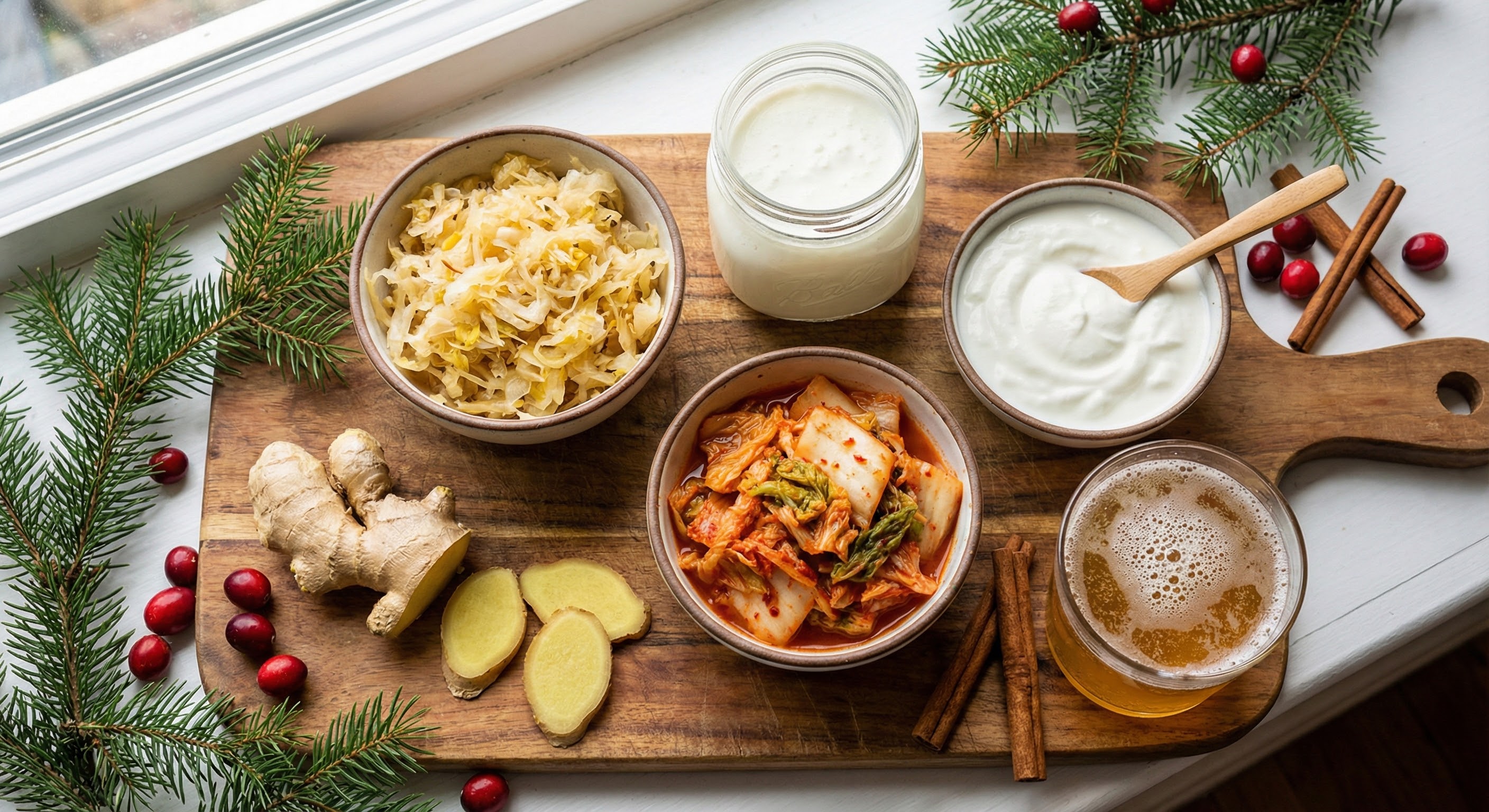
Food-based probiotics offer an alternative or complement to supplements. Fermented foods including yogurt with live cultures, kefir, sauerkraut, kimchi, miso, and kombucha provide diverse bacterial strains along with prebiotic fibers that feed existing gut bacteria. Incorporating one to two servings of fermented foods daily during the holiday season provides both probiotic organisms and the substrate they need to thrive.

Building Your Digestive Support Protocol
Combining enzymes and probiotics strategically maximizes digestive comfort throughout the holiday season. This protocol addresses both immediate meal digestion and longer-term gut health.
Phase 1: Pre-Holiday Preparation (7 to 10 days before) Begin daily probiotic supplementation with a multi-strain formula containing at least 10 billion CFUs of Lactobacillus and Bifidobacterium species. Take probiotics in the morning with breakfast to establish consistent dosing. Maintain or increase fiber intake through vegetables, fruits, and whole grains to support the incoming probiotic bacteria.
Phase 2: Active Holiday Period Continue daily probiotics. Add digestive enzyme supplementation before large or rich meals. A broad-spectrum enzyme containing lipase, protease, amylase, and ideally lactase covers the range of holiday foods. Take enzymes immediately before eating or with the first few bites. You don’t need enzymes before every meal, only before those significantly richer or larger than your normal eating pattern.
Phase 3: Recovery (7 days after holidays) Maintain probiotic supplementation while gradually returning to normal eating patterns. Focus on fiber-rich foods that support microbiome recovery. Consider a short course of prebiotic supplementation, such as inulin or partially hydrolyzed guar gum, to accelerate the return of beneficial bacterial populations.
Dose recommendations:
- Probiotics: 10 to 30 billion CFUs daily of multi-strain formula
- Digestive enzymes: Follow product recommendations, typically 1 to 2 capsules with large meals
- Prebiotic fiber: 5 to 10 grams daily during recovery phase
Supporting Practices Beyond Supplements
Supplements work best within a broader digestive support strategy. These evidence-based practices amplify the benefits of enzyme and probiotic supplementation.
Mindful eating pace dramatically affects digestion. Research from the University of Rhode Island found that eating slowly, taking 30 minutes for a meal versus 5 to 10 minutes, reduced caloric intake by 10% and significantly decreased post-meal discomfort. Chewing thoroughly initiates mechanical breakdown and triggers enzyme release in the mouth and stomach. Holiday meals consumed rapidly bypass these preparatory steps, leaving the stomach and intestines to compensate.
Strategic meal ordering influences how well you digest. Beginning meals with vegetables and protein before moving to starches and fats provides fiber that moderates glucose absorption and protein that triggers appropriate enzyme secretion. Our guide on strategic protein distribution explores how this ordering benefits both digestion and satiety.
Post-meal movement accelerates gastric emptying and reduces bloating. A gentle 10 to 15 minute walk after large meals helps food move through the digestive tract and prevents the stagnation that contributes to discomfort. This doesn’t mean intense exercise, which diverts blood flow away from digestion, but light activity that gently stimulates intestinal motility.
Adequate hydration supports all digestive processes. Water is necessary for enzyme function, bile secretion, and intestinal motility. However, avoid excessive fluid intake during meals, which can dilute digestive secretions. Sip water as needed during eating, then hydrate more substantially between meals.
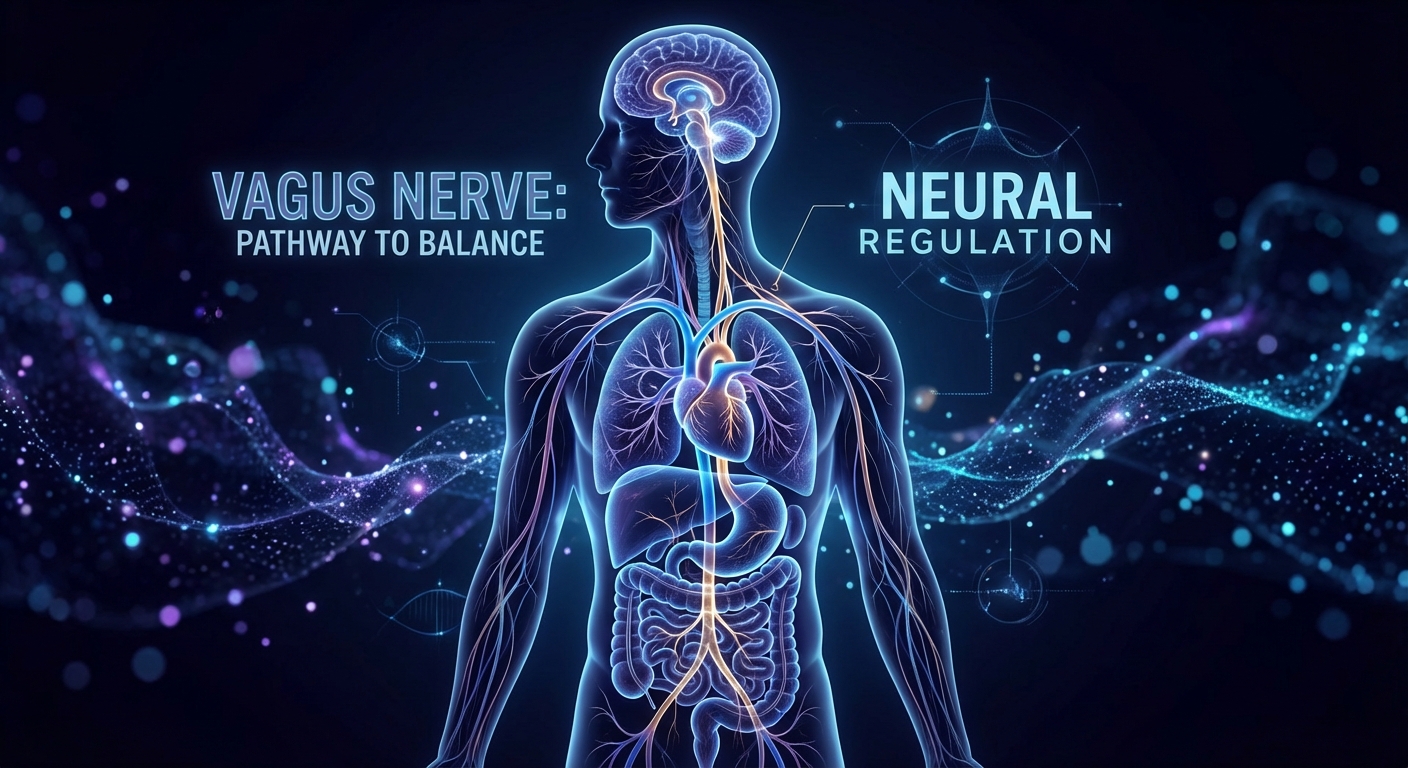
Stress management affects gut function through the gut-brain axis. Research from UCLA’s Center for Neurobiology of Stress demonstrates that psychological stress directly impairs digestive function, reducing enzyme secretion, slowing motility, and increasing intestinal permeability. Holiday stress compounds holiday eating’s digestive impact. Even brief relaxation practices before meals, such as three deep breaths, can shift the nervous system toward the parasympathetic “rest and digest” state.

When to Seek Medical Evaluation
While occasional holiday digestive discomfort is normal, certain symptoms warrant medical attention rather than self-treatment with supplements.
Persistent symptoms lasting more than 48 hours after returning to normal eating suggest something beyond typical holiday overindulgence. Ongoing bloating, pain, or altered bowel habits should prompt evaluation.
Severe pain that differs from typical post-meal fullness could indicate gallbladder inflammation, particularly common after high-fat holiday meals in those with gallstones. Pain in the upper right abdomen radiating to the back or shoulder requires medical assessment.
Bloody stool or vomiting blood are always urgent symptoms requiring immediate medical attention, regardless of timing relative to holiday meals.
Significant unintended weight loss or persistent loss of appetite extending beyond the holiday period suggests underlying conditions that digestive supplements won’t address.
Previous gastrointestinal conditions including inflammatory bowel disease, celiac disease, or diagnosed enzyme deficiencies require individualized management. Consult with your gastroenterologist about appropriate holiday eating strategies rather than relying solely on over-the-counter approaches.
The Bottom Line
Holiday digestive distress results from predictable challenges: volume overload, high fat content, fiber disruption, and alcohol effects that exceed your digestive system’s typical capacity. Strategic intervention with digestive enzymes before rich meals and probiotic supplementation throughout the holiday season significantly reduces symptoms while supporting long-term gut health.
The key is preparation. Begin probiotics one week before holiday eating intensifies to allow beneficial bacteria time to establish. Keep digestive enzymes available for meals that exceed your normal patterns. Support these supplements with mindful eating pace, strategic meal ordering, post-meal movement, and stress management practices that optimize your body’s inherent digestive capacity.
Your gut microbiome will experience temporary disruption during dietary changes, but with appropriate support, it recovers quickly. The goal isn’t perfect eating but rather providing your digestive system the tools it needs to handle the predictable challenges of holiday celebration.
Action Steps:
- Begin a multi-strain probiotic (10+ billion CFUs) at least 7 days before major holiday meals
- Purchase a broad-spectrum digestive enzyme containing lipase, protease, and amylase
- Take enzymes immediately before or with the first bites of rich holiday meals
- Include one serving of fermented food daily throughout the holiday season
- Practice 10-minute post-meal walks after large dinners
- Continue probiotic supplementation for one week after holidays to support microbiome recovery
Sources: American Gastroenterological Association survey data, National Institutes of Health Human Microbiome Project, Stanford Center for Human Microbiome Studies (Dr. Justin Sonnenburg), World Journal of Gastroenterology enzyme supplementation trials, Alimentary Pharmacology & Therapeutics lipase research, University of Leeds gastric distension studies, University of Massachusetts Medical School alcohol and intestinal permeability research, University of Copenhagen probiotic timing studies (Beneficial Microbes), British Journal of Nutrition probiotic meta-analysis (2023), UCLA Center for Neurobiology of Stress gut-brain axis research.