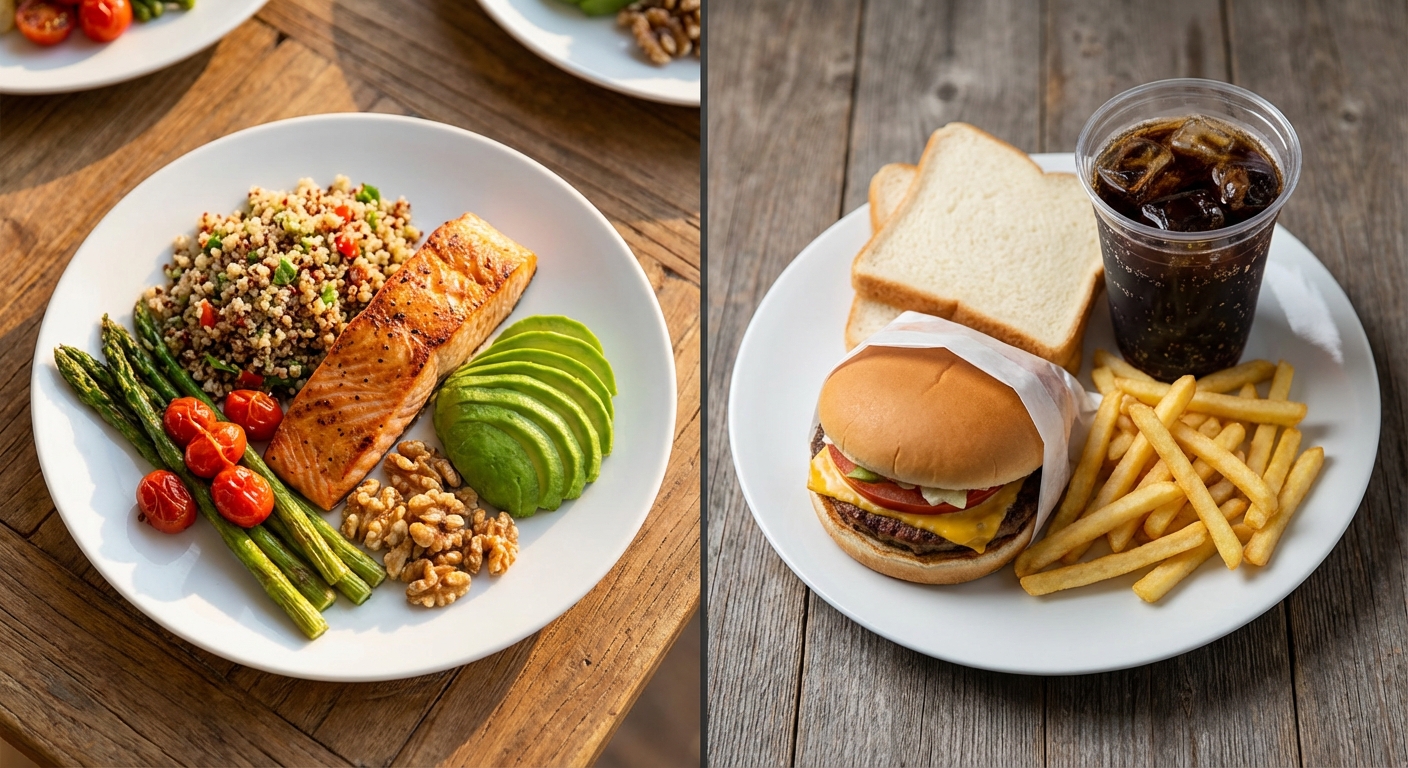
The average holiday party buffet presents a metabolic challenge your body wasn’t designed to handle. Refined carbohydrates concentrated in cookies, crackers, breads, and sugary drinks arrive in your digestive system without the fiber, protein, and fat that would normally slow their absorption. The result: glucose spikes that can exceed 180 mg/dL in metabolically healthy individuals, followed by crashes that trigger hunger, fatigue, and cravings for more simple carbohydrates.
Research from the Weizmann Institute of Science, published in Cell, demonstrated remarkable individual variation in glucose responses to identical foods. Some participants showed minimal response to ice cream but significant spikes from bananas. Others showed the opposite pattern. However, certain principles consistently reduced glucose excursions across all participants: fiber before starch, protein and fat alongside carbohydrates, and strategic meal sequencing.
Dr. Jessie Inchauspe, a biochemist who has popularized glucose management strategies based on peer-reviewed research, describes these approaches as “glucose hacks” that work regardless of individual variation. The science is straightforward: slowing gastric emptying and reducing the rate of glucose absorption flattens the post-meal curve, reducing both the peak and the subsequent crash. For those interested in tracking their personal glucose responses, our review of continuous glucose monitors provides guidance on selecting and interpreting these devices.
How Holiday Foods Affect Blood Sugar
Understanding which party foods cause the largest glucose excursions allows strategic selection and pairing. The glycemic impact of a food depends on multiple factors: the type and amount of carbohydrates, presence of fiber, fat content, protein content, and how the food is prepared.
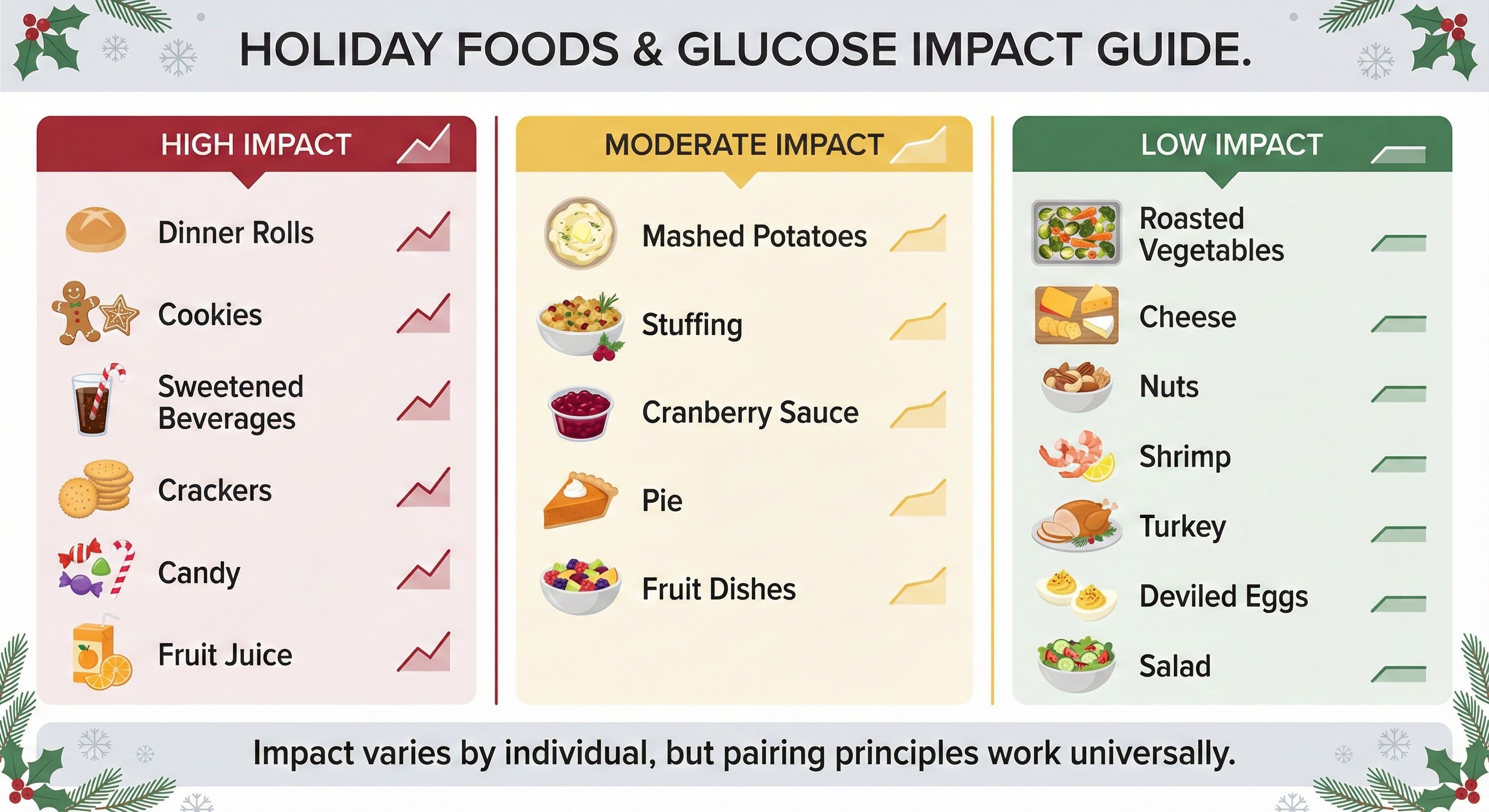
High-impact foods typically found at holiday gatherings include dinner rolls, crackers, chips, sweetened beverages, fruit juices, candy, cookies, and many desserts. These deliver rapidly digestible carbohydrates with minimal buffering from fiber or protein. A single frosted sugar cookie can contain 25 grams of carbohydrates, predominantly from sugar and refined flour, entering the bloodstream within 30 minutes.
Moderate-impact foods include mashed potatoes (particularly without skin), stuffing, cranberry sauce with added sugar, and fruit-heavy dishes. These contain more complex carbohydrates or some fiber but still produce meaningful glucose elevation, typically 30 to 50 mg/dL above baseline in most individuals.
Low-impact foods include roasted vegetables, leafy salads, cheese, nuts, shrimp cocktail, meat and poultry (without sweet glazes), and deviled eggs. These foods provide minimal glucose impact due to high fat, protein, or fiber content.
The goal isn’t avoiding all carbohydrates. It’s pairing and sequencing foods to minimize glucose volatility while still enjoying holiday traditions.
The Fiber-First Principle
Research published in Diabetes Care demonstrated that consuming vegetables before carbohydrates reduced post-meal glucose peaks by approximately 29% compared to eating the same foods in reverse order. The mechanism involves both physical and hormonal effects.
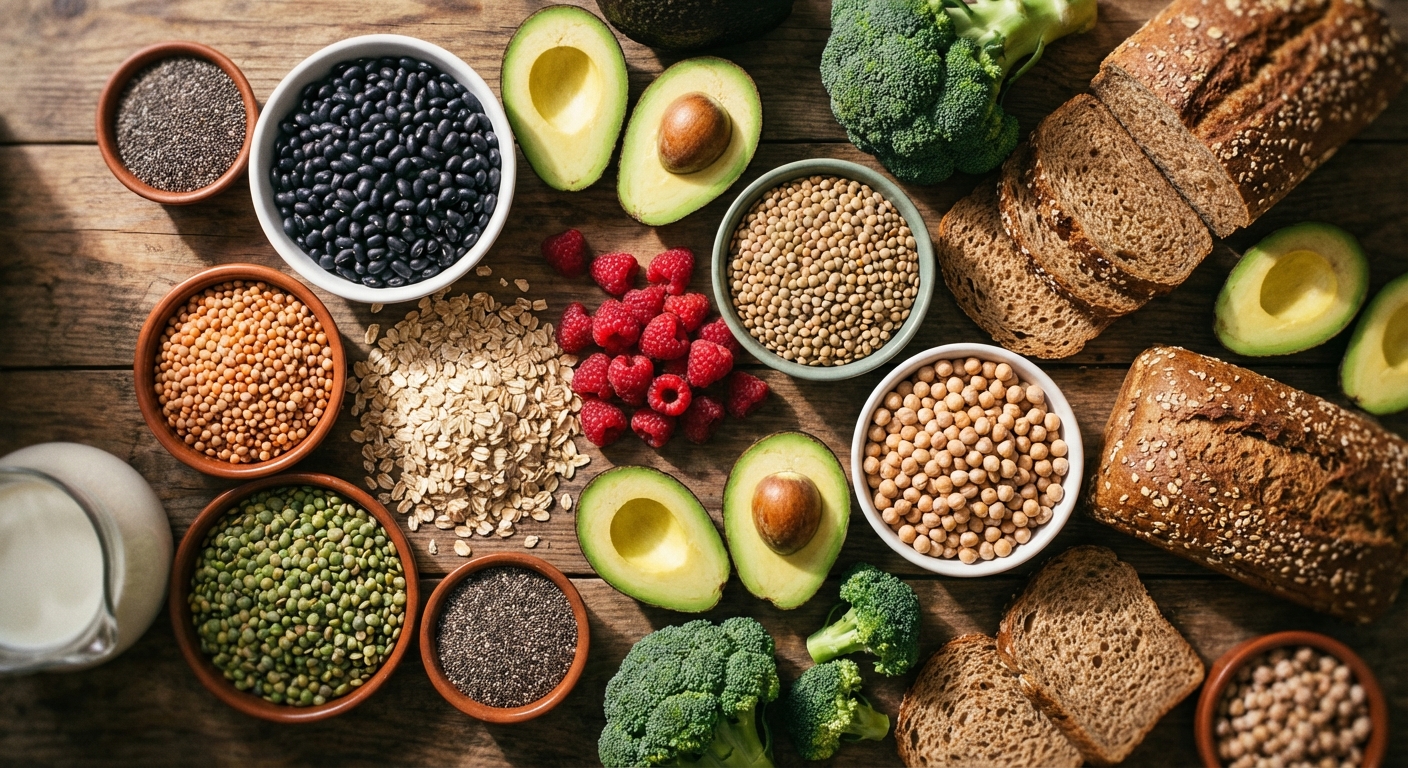
Physical barrier effect: Fiber creates a gel-like matrix in the stomach and small intestine that physically slows carbohydrate absorption. Soluble fiber from vegetables essentially wraps around starch and sugar molecules, delaying their contact with digestive enzymes and intestinal walls.
Hormonal signaling: Vegetables stimulate GLP-1 release from the lower intestine before significant glucose absorption begins. This “pre-signaling” prepares the pancreas for incoming glucose and enhances insulin sensitivity, improving the body’s handling capacity.
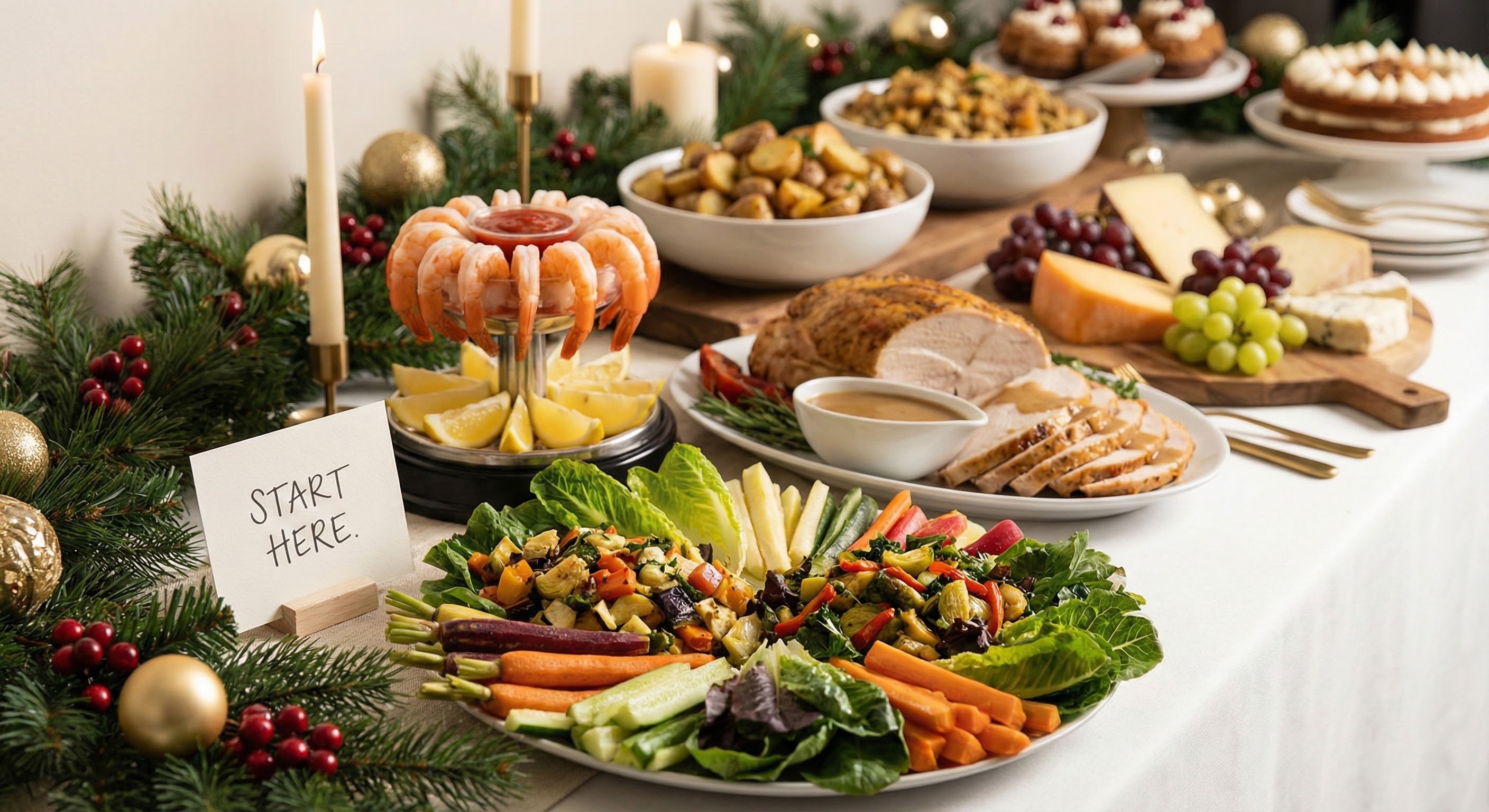
At a holiday buffet, this translates to a practical strategy: begin with the vegetable options. Raw vegetables with dip, roasted Brussels sprouts, green bean casserole (despite the fried onion topping), or a simple side salad all provide the fiber foundation that buffers subsequent carbohydrate intake.
The timing matters. Consuming vegetables five to ten minutes before moving to starches and desserts provides optimal buffering. This doesn’t require sitting down with a separate vegetable course. Simply starting your grazing pattern at the vegetable section of the buffet accomplishes the goal. For additional strategies on managing holiday meals, our guide on holiday meal timing and strategic fasting provides complementary approaches.
Protein and Fat: The Glucose Brake
Beyond fiber, protein and fat slow gastric emptying through multiple mechanisms. Fat triggers cholecystokinin (CCK) release, which inhibits stomach contractions and keeps food in the stomach longer. Protein stimulates incretin hormones that enhance insulin response. Together, these macronutrients extend digestion time from minutes to hours.
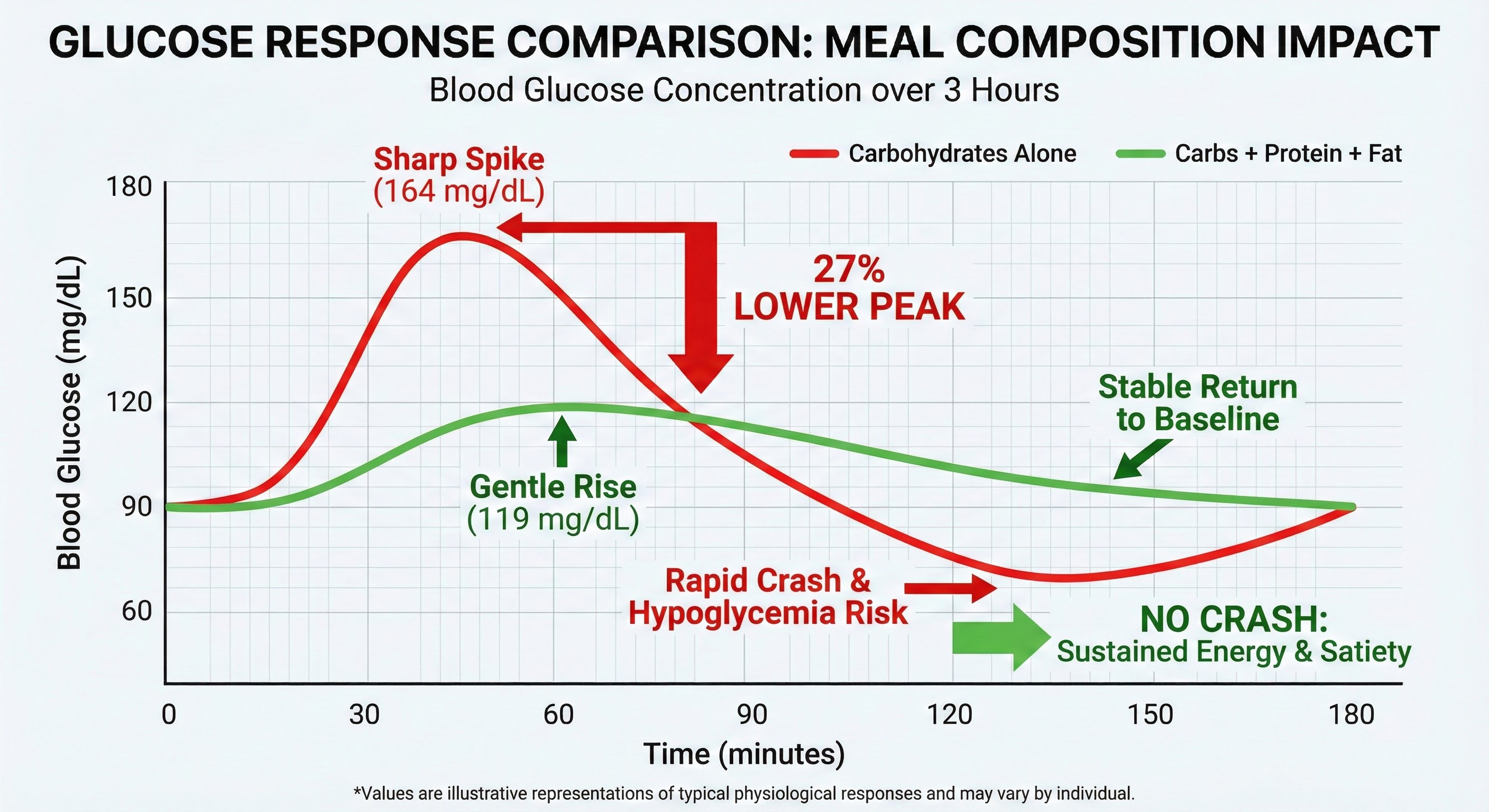
A 2020 study in the journal Nutrients compared three meal patterns: carbohydrates alone, carbohydrates with protein, and carbohydrates with protein and fat. The carbohydrate-only meal produced peak glucose of 164 mg/dL. Adding protein reduced the peak to 138 mg/dL. Adding both protein and fat dropped it further to 119 mg/dL, a 27% reduction from the baseline condition.
At holiday parties, protein and fat sources abound: cheese platters, cured meats, shrimp cocktail, deviled eggs, meatballs, nuts, and the main protein course whether turkey, ham, or prime rib. Consuming these alongside or before carbohydrate-heavy options provides the glucose brake that prevents extreme spikes.
Practical application: grab a few pieces of cheese or some shrimp before reaching for the bread basket. Include a protein source on every plate rather than treating it as a separate course. When dessert arrives, pair it with a protein-rich food like cheese or nuts rather than consuming it in isolation.
Strategic Meal Sequencing
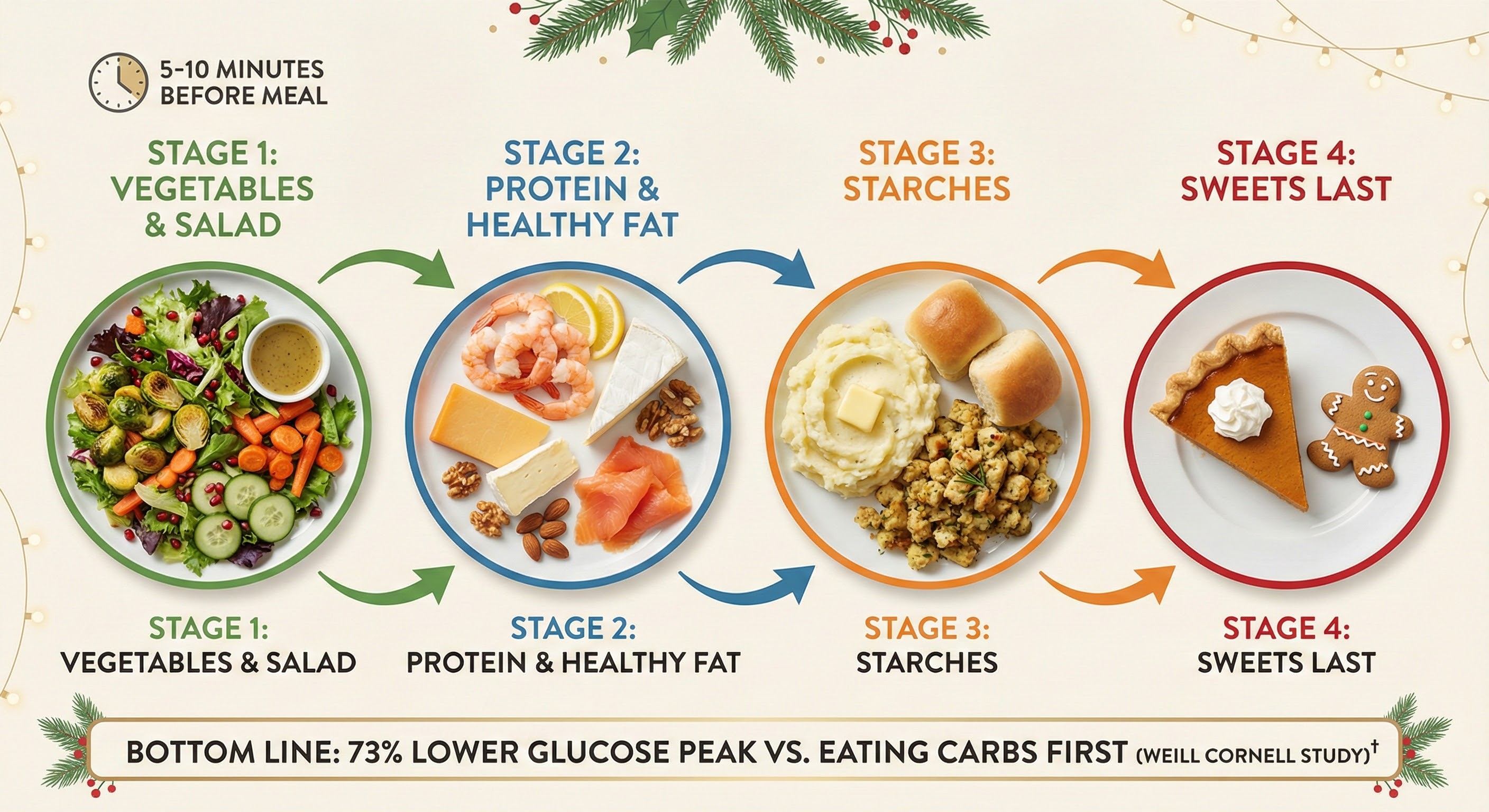
The order in which foods reach your digestive system affects glucose response more than many people realize. A landmark study from Weill Cornell Medical College, published in Diabetes Care, tested different eating orders with identical food quantities. Participants ate vegetables first, then protein, then carbohydrates in one trial, and the reverse order in another.
The vegetables-first sequence produced glucose peaks 73% lower than the carbohydrates-first sequence. Insulin levels were also significantly lower, suggesting more efficient glucose disposal with less pancreatic strain.
Optimal sequence for holiday meals:
- First: Vegetables and salad (5 to 10 minutes)
- Second: Protein sources and healthy fats
- Third: Starches and higher-carbohydrate sides
- Fourth: Desserts and sweets
This doesn’t mean rigid separation. You can combine steps two and three on the same plate. The key is ensuring vegetables arrive first and desserts arrive on a foundation of protein and fiber rather than an empty stomach.
For buffet-style parties where you graze over hours, maintain this sequence each time you approach the food. Grabbing a cookie every pass through the kitchen produces very different glucose patterns than grabbing vegetables and cheese with occasional sweet additions.
Vinegar and Acidic Foods
A surprisingly effective glucose-moderating tool sits in most kitchens: vinegar. Research from Arizona State University found that consuming two tablespoons of vinegar (diluted in water) before a carbohydrate-rich meal reduced glucose response by 20 to 30%. The acetic acid in vinegar interferes with starch-digesting enzymes and slows gastric emptying.
At holiday gatherings, this principle extends to acidic foods generally. Salad dressed with vinaigrette, pickled vegetables, pickles alongside sandwiches, or even a splash of lemon juice on appetizers all provide modest glucose-moderating effects.
More practically, starting with a small salad dressed with oil and vinegar before moving to other foods accomplishes both the fiber-first and acidity principles simultaneously. If drinking diluted vinegar before a party seems unappealing (and it is), the salad approach provides similar benefits with better palatability.
Fermented foods also offer acidity benefits alongside probiotic effects. Sauerkraut, kimchi, and fermented pickles common at many holiday tables provide both.
Movement After Eating
Post-meal movement provides one of the most powerful glucose-moderating interventions, yet most holiday gatherings encourage sitting after eating. Research from the University of Otago found that even 10 minutes of light walking after meals reduced glucose peaks by 22% compared to remaining sedentary.
The mechanism is simple: contracting muscles absorb glucose from the bloodstream independently of insulin. During and after movement, glucose transporters (GLUT4) move to muscle cell surfaces and pull glucose directly from circulation. This glucose disposal occurs regardless of insulin sensitivity, making it particularly valuable for individuals with metabolic concerns.
At holiday gatherings, this might mean suggesting a family walk after dinner, helping with cleanup rather than remaining at the table, or simply walking around the house between courses. Any movement is superior to none. For those interested in maximizing the metabolic benefits of brief movement, our guide on exercise snacking explores how short movement bursts throughout the day improve glucose control.
The timing matters. Movement is most effective during the 30 to 90 minutes after carbohydrate consumption when glucose levels are highest. Even standing and walking around the room during conversation provides meaningful benefit compared to remaining seated.
Alcohol Considerations
Holiday parties often involve alcohol, which has complex effects on glucose metabolism. Initially, alcohol inhibits gluconeogenesis, the liver’s production of new glucose, which can lower blood sugar. However, many alcoholic beverages contain significant carbohydrates that raise glucose, and alcohol impairs judgment around food choices.
Lower glucose impact options:
- Dry wines (red or white): approximately 2 to 4 grams of carbs per glass
- Spirits with zero-carb mixers (vodka soda, whiskey neat): negligible carbs
- Light beers: typically 5 to 10 grams of carbs
Higher glucose impact options:
- Sweet wines and dessert wines: 10 to 20+ grams per glass
- Regular beer: 10 to 15 grams per bottle
- Cocktails with juice or simple syrup: 20 to 40+ grams per drink
- Eggnog: 20 to 35 grams per cup
If consuming alcohol, pair it with protein and fat rather than drinking on an empty stomach. The food slows alcohol absorption while the alcohol contributes to slowed gastric emptying.
Be aware that alcohol’s glucose-lowering effect on the liver can increase hypoglycemia risk for those on diabetes medications. This counterintuitive effect makes glucose monitoring particularly important for metabolically compromised individuals consuming alcohol at holiday events.
Continuous Glucose Monitoring Insights
The rise of continuous glucose monitors (CGMs) like Dexcom, Abbott Freestyle Libre, and Levels has provided real-time feedback on individual glucose responses. While primarily designed for diabetes management, these devices increasingly appear among metabolically healthy individuals seeking optimization.
CGM data has revealed several consistent patterns at holiday meals:
Pre-meal baseline matters. Arriving at a party with already-elevated glucose from previous snacking produces higher peaks than arriving with stable baseline levels.
Glucose responses are reproducible. Your response to your grandmother’s pie will be similar each year. Once you identify your personal high-responders, you can strategically limit those foods.
Timing of exercise is visible. The glucose drop from post-meal movement appears clearly on CGM tracings, reinforcing the value of that after-dinner walk.
For those without CGM access, standard glucometers can provide similar insights through spot-checking before meals and at 30, 60, and 90 minutes post-meal. A peak below 140 mg/dL and return to baseline within two hours suggests good glucose handling.
Building Your Party Strategy
Combining these principles into a practical party strategy prevents decision fatigue when surrounded by tempting foods.
Before arriving:
- Eat a small protein and fiber-rich snack one to two hours before
- Avoid arriving famished, which undermines all strategic intentions
- Consider diluted vinegar or a small salad at home
Upon arrival:
- Survey the available foods before eating anything
- Identify the vegetable, protein, and strategic carbohydrate options
- Begin with vegetables and protein before approaching carbohydrates
During the event:
- Maintain the fiber-protein-carbohydrate sequence each time you eat
- Pair any sweets with protein or fat
- Choose lower-impact alcohol options if drinking
- Move periodically rather than remaining seated
After eating:
- Engage in light movement within the hour following carbohydrate-heavy courses
- Suggest a group walk or active cleanup participation
- Avoid second dessert servings during the peak glucose window
The Bottom Line
Holiday parties present predictable glucose challenges that evidence-based strategies can effectively mitigate. The fiber-first principle, protein and fat pairing, strategic meal sequencing, and post-meal movement together reduce glucose spikes by 30 to 50% compared to unstructured eating of the same foods.
These approaches don’t require avoiding favorite holiday foods. They require thoughtful ordering and pairing that your taste buds won’t notice but your metabolism will appreciate. Enjoy the cookie, but enjoy it after the vegetable crudites and alongside a piece of cheese rather than on an empty stomach first thing at the party.
Action Steps:
- Begin every eating occasion with vegetables or salad
- Include protein and fat alongside all carbohydrate-heavy choices
- Position desserts after protein-rich foods, not before
- Take a 10 to 15 minute walk within an hour of finishing large meals
- Choose dry wines or spirits over sugary cocktails if drinking
Sources: Weizmann Institute of Science (Cell), Diabetes Care meal sequencing studies, Weill Cornell Medical College, Arizona State University vinegar research, University of Otago post-meal walking studies, Journal of Nutrients protein and fat studies.