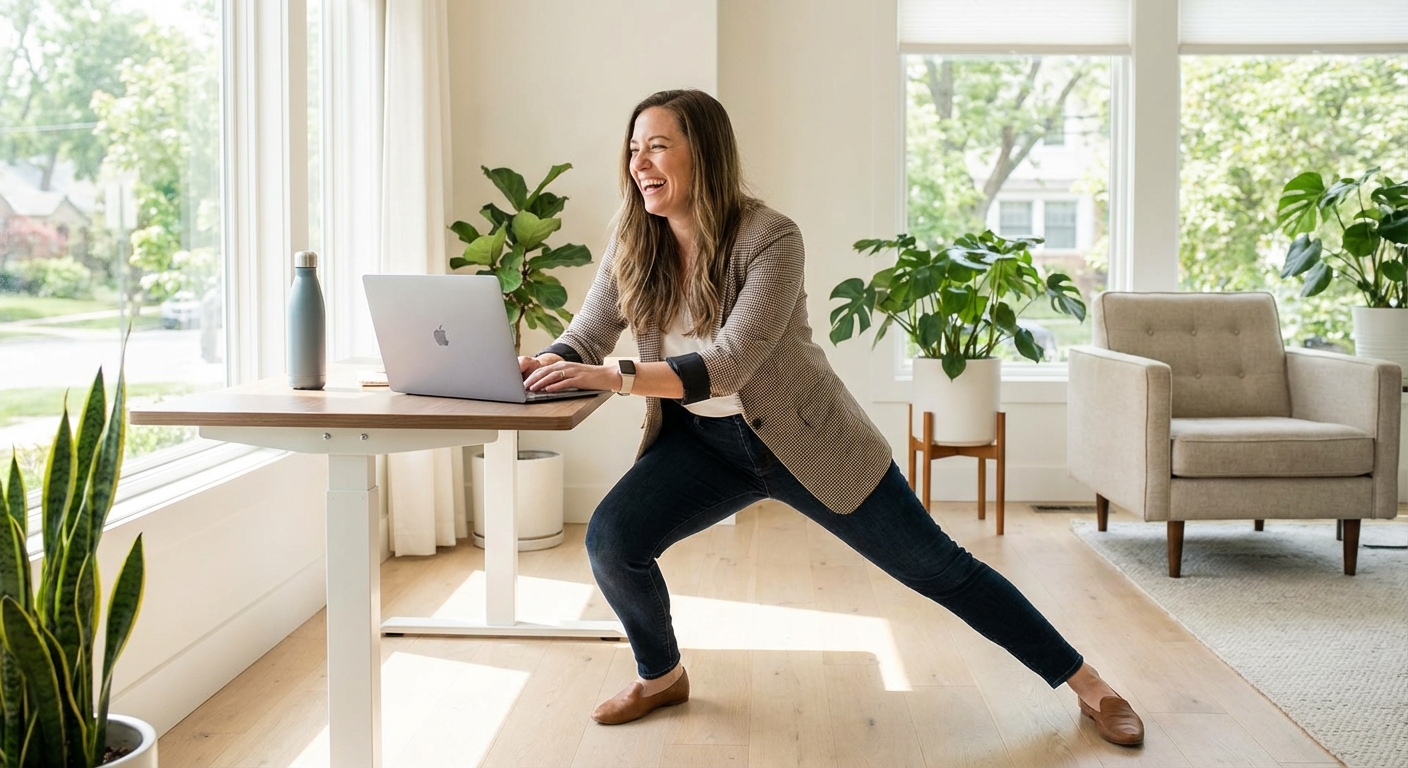
The 150-minute weekly exercise recommendation sounds reasonable until you try to fit it into an actual life. That’s 30 minutes five days per week, which assumes you can find 30 consecutive minutes, plus time to change clothes, travel to wherever you’ll exercise, and shower afterward. For parents with young children, people working multiple jobs, or anyone with a genuinely packed schedule, those 30-minute blocks simply don’t exist. So the exercise doesn’t happen. And after enough failed attempts, many people conclude they “can’t exercise” and stop trying entirely.
A growing body of research suggests this all-or-nothing framing misses the point. Brief bursts of activity, sometimes called “exercise snacks,” provide real health benefits even when they’re as short as one to two minutes. A 2022 study published in Nature Medicine tracked 25,000 adults using wearable devices and found that people who accumulated just 3-4 minutes of vigorous movement daily through normal activities, taking stairs vigorously, speed-walking to catch a bus, playing intensely with children, had 30-40% lower mortality compared to those with no vigorous activity. They weren’t exercising in any traditional sense. They were simply moving hard for brief moments throughout their day.
Exercise snacking won’t replace structured training if you’re pursuing athletic goals. But for general health, metabolic function, and longevity, brief movement accumulated throughout the day may be nearly as effective as traditional workouts, and dramatically more effective than the nothing that happens when people can’t find 30-minute blocks. The barrier to entry is so low that almost everyone can do it. And something, even a few minutes, is vastly better than nothing.
What the Research Actually Shows
The science on brief exercise bursts has strengthened considerably in recent years, moving from theoretical plausibility to documented outcomes in large-scale studies. The effects span metabolic health, cardiovascular function, and mortality risk.
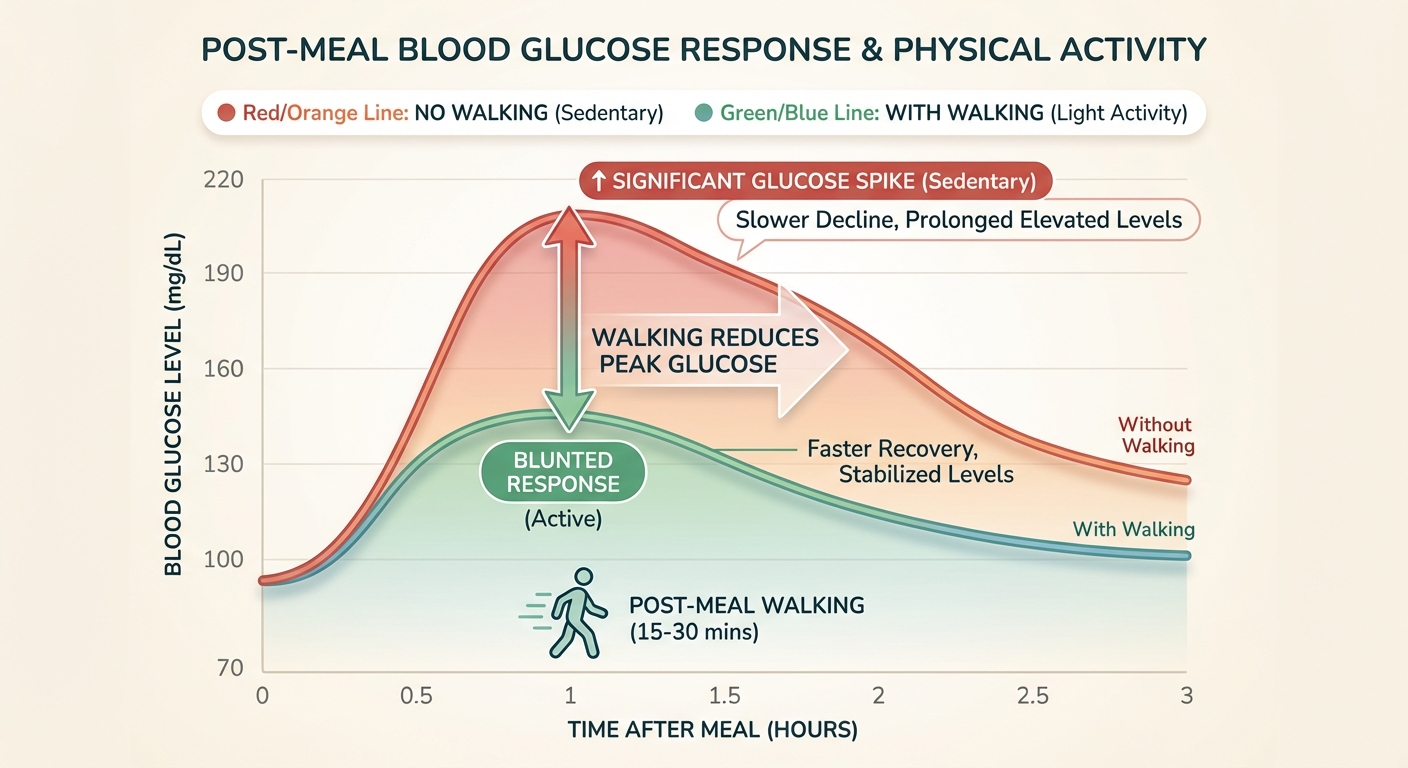
Blood glucose control represents perhaps the most immediate and measurable benefit. A study published in Diabetes Care found that 2-minute walks every 30 minutes after meals reduced post-meal blood glucose spikes by 15-25% compared to sitting continuously. The mechanism is straightforward: muscle contractions during walking activate glucose transporters (GLUT4) that pull sugar from your bloodstream into muscle cells, independent of insulin. This matters particularly after meals when blood sugar naturally rises. Even brief movement during this window significantly blunts the spike.
Post-meal walking has become one of the most reliable interventions in blood sugar management. Research from George Washington University found that 15-minute walks after meals produced better 24-hour glucose control than a single 45-minute morning walk, despite equivalent total walking time. The timing, not just the duration, determines the metabolic effect. For people with prediabetes or type 2 diabetes, this is one of the most potent non-pharmaceutical interventions available, and it requires nothing more than walking around the block after dinner.
Cardiovascular benefits emerge from accumulated activity regardless of how it’s distributed. A meta-analysis in the British Journal of Sports Medicine found that total activity volume, not session length, predicted cardiovascular improvements. People who accumulated 30 minutes of moderate activity through 10 three-minute sessions had similar blood pressure and lipid profile improvements to those who did a single 30-minute session. The heart doesn’t particularly care whether stimulus comes continuously or in fragments; what matters is the total mechanical and metabolic demand placed on the cardiovascular system.
Mortality risk shows perhaps the most striking association with brief vigorous activity. The Nature Medicine study on Vigorous Intermittent Lifestyle Physical Activity (VILPA) tracked participants who accumulated vigorous movement through daily life rather than intentional exercise: running up stairs, hurrying to catch transportation, intense housework, playing vigorously with children. Those averaging just 3-4 minutes daily of these brief intense bursts had mortality rates comparable to regular exercisers and far better than sedentary individuals. This suggests that the dose required for longevity benefit is surprisingly small when intensity is high.
The Problem with Prolonged Sitting
Exercise snacking addresses a distinct health risk beyond insufficient exercise: the independent harm of prolonged sitting. Research has established that extended sedentary time damages health even in people who meet exercise guidelines. Exercising for 30 minutes then sitting for 8 hours still carries metabolic consequences that the exercise doesn’t fully offset.
The mechanisms involve metabolic and vascular changes that occur during prolonged immobility. Lipoprotein lipase, an enzyme that clears fat from your bloodstream, drops by 90% after just one hour of sitting. Glucose uptake into muscles declines as GLUT4 transporters internalize without the mechanical stimulus of muscle contraction. Blood pools in lower extremities, reducing shear stress on vessel walls that normally triggers beneficial nitric oxide production. Muscles compress nerves and restrict blood flow. These effects begin within 30-60 minutes of continuous sitting.
Breaking up sitting with brief activity reverses these changes. A study in Diabetologia found that breaking hourly sitting with just 2-3 minutes of light walking improved glucose and insulin levels by 20-30% compared to continuous sitting. The effect held even when total sitting time remained identical, the interruptions themselves provided the benefit. Research from Columbia University found that activity breaks every 30 minutes, even just standing and taking a few steps, reduced blood pressure and improved arterial function compared to uninterrupted sitting.
The implication is that activity distribution matters independently of total volume. Even if you can’t increase total exercise time, redistributing movement throughout the day to break up sitting provides metabolic benefits that a single morning workout doesn’t fully achieve. Exercise snacks serve this function naturally, inserting movement breaks that interrupt sedentary stretches.
Types of Exercise Snacks and When to Use Them
Different exercise snacks serve different purposes, and matching the snack to your goals and circumstances maximizes benefit while maintaining practicality.
Post-meal movement deserves priority if metabolic health is a concern. Walking for 10-15 minutes after meals, particularly dinner, produces the glucose control benefits documented in research. Even 2-5 minutes helps if longer walks aren’t feasible. The timing matters: walking within 30-60 minutes of finishing eating captures the period when blood sugar rises and muscle contractions can blunt the peak. This single habit, a short walk after dinner, may be the highest-value exercise snack for most people, particularly those with blood sugar concerns or family history of diabetes.
Vigorous snacks provide cardiovascular stimulus and contribute to the VILPA effects associated with reduced mortality. These are brief periods of genuinely hard effort: sprinting up a flight of stairs, walking as fast as possible while carrying groceries, vigorous yard work, intense playing with children. The key is momentary intensity that elevates heart rate significantly, even if only for 60-90 seconds. Accumulating 3-4 of these moments daily, none requiring exercise clothing or gym access, produces meaningful cardiovascular protection.

Strength snacks maintain muscle and functional capacity through brief resistance work scattered throughout the day. Ten push-ups while waiting for coffee to brew, 15 squats during a phone call, a 30-second plank between meetings, these add meaningful resistance training volume without dedicated workout time. The stimulus isn’t optimal for maximizing muscle growth (that requires progressive overload and sufficient volume in focused sessions), but it maintains baseline strength and adds training volume that compounds over time. For people doing structured strength training, snacks provide extra volume on rest days. For people not doing any resistance training, snacks provide minimum effective dose that prevents age-related muscle loss.
Mobility snacks address the stiffness and discomfort that sedentary work produces. Brief stretching, joint circles, or movement flows during work breaks reduce back pain, maintain flexibility, and often improve focus and energy. These needn’t be elaborate: standing up, reaching overhead, rotating through your spine, and doing a few hip circles takes 60 seconds and interrupts the postural patterns that cause discomfort. HIIT protocols can provide more structured high-intensity options when time permits.
A Sample Exercise Snacking Day
Translating these concepts into practice helps illustrate how exercise snacks integrate into normal life without requiring schedule reorganization or special equipment.
7:00 AM wake-up: Before showering, do 10 push-ups and 20 bodyweight squats. This takes approximately 2 minutes and requires no equipment, just enough floor space to lie down. Starting the day with movement elevates heart rate, increases alertness, and establishes momentum.
9:00 AM mid-morning: Take stairs vigorously for 2 flights instead of the elevator. Walk up at the fastest pace you can sustain, arriving slightly breathless. This takes perhaps 90 seconds and counts as a vigorous snack contributing to VILPA totals.
11:00 AM pre-lunch: Stand from your desk, do 15 jumping jacks and a 30-second plank. Combined time is about one minute. This breaks up the morning’s sitting, provides a brief cardio stimulus, and engages core stability.
1:00 PM post-lunch: Walk outside for 10 minutes after eating. This is the metabolic sweet spot, movement when blood glucose is rising from your meal. If 10 minutes isn’t possible, even 5 minutes of walking around the building provides meaningful glucose-lowering effect.
3:00 PM afternoon slump: Do 10 desk push-ups (hands on desk edge) and 20 bodyweight squats. This takes 2 minutes and combats the post-lunch energy dip that many people experience. The movement often restores focus better than coffee.
5:00 PM end of workday: Take stairs down from your office, then walk an extra block before reaching your car or transit stop. Combined vigorous stair descent plus moderate walking adds 3-4 minutes of activity.
7:00 PM post-dinner: Walk around your neighborhood for 15 minutes after eating. This is the most important snack of the day for metabolic health, blunting the dinner glucose spike during the period when blood sugar control typically matters most.
9:00 PM before bed: 30-second plank and 2 minutes of gentle stretching. This maintains core engagement and addresses any stiffness accumulated during the day without being stimulating enough to disrupt sleep.
This sample day accumulates approximately 36 minutes of activity across 8 discrete snacks, with no single session longer than 15 minutes. The total meets exercise guidelines without requiring any dedicated workout time or gym access. Modify based on your circumstances, the principle is distributing movement throughout the day rather than concentrating it in one session.
Making Exercise Snacks Automatic
The challenge with exercise snacks isn’t their difficulty but their remembrance. In the flow of a busy day, movement breaks slip from awareness unless systems exist to trigger them.
Habit stacking links snacks to existing behaviors that already occur automatically. Always do squats while coffee brews. Always take stairs when entering a building. Always walk after dinner. The existing behavior (making coffee, entering building, finishing dinner) becomes the cue that triggers the movement. Over time, the snack becomes as automatic as the trigger behavior. You don’t have to remember or decide; the linkage handles it.
Environmental design removes friction from movement. Keep a yoga mat visible near your desk. Leave resistance bands by the couch. Position your home office near stairs you can easily climb. When movement options are visible and accessible, using them requires less willpower than seeking them out would. Conversely, remove friction from existing snack triggers: if post-meal walking requires finding shoes and keys, store them by the door you’ll exit.

Alarms and reminders provide external cues until snacks become habitual. Set hourly phone alarms as prompts to stand and move. Use productivity apps that remind you to take breaks. Some people find that wearable devices with sedentary alerts helpful during the habit-building phase. The goal is graduating from external reminders to automatic execution, but starting with reminders is better than starting with nothing.
Social accountability can reinforce snacking habits. A colleague who joins you for post-lunch walks, a family member who does evening walks with you, or even a social media commitment where you log daily snacks creates external expectation that supports follow-through. The social dimension also makes snacks more enjoyable, converting obligation into connection.
For People Who Also Train
Exercise snacking complements rather than replaces structured training for those pursuing fitness goals. The snacks provide additional benefits that focused workouts don’t fully address.
Additional volume accumulates through snacks without requiring additional recovery. The 50-100 push-ups or squats scattered throughout a day add meaningful training stimulus, but distributed across many hours, they don’t create the fatigue that concentrated sessions do. For someone strength training three times weekly, daily strength snacks can increase total weekly volume by 25-50% without extending gym sessions or requiring additional rest days.
Metabolic health benefits from movement distribution don’t come from concentrated exercise alone. Even regular exercisers who sit all day between workouts show worse metabolic markers than exercisers who break up sitting. Snacks address this gap, providing the frequent movement that protects against prolonged sitting’s harms regardless of whether you also do structured training.
Active recovery on rest days maintains circulation and promotes recovery without impeding adaptation. Light movement snacks (walking, gentle stretching, easy mobility work) support the recovery process better than complete immobility. Many strength athletes have adopted daily walking targets partially for this reason, recognizing that some movement, even on rest days, supports rather than undermines training adaptations.
The optimal approach for trained individuals combines structured sessions (2-3 strength training, 2-3 cardio) with daily exercise snacks that break up sitting, add volume, and maintain movement consistency on rest days. The snacks fill gaps that focused training leaves.
The Bottom Line
Exercise snacking offers a practical solution for the gap between exercise recommendations and real-world constraints. Brief bursts of activity, accumulated throughout the day, provide meaningful health benefits including improved glucose control, cardiovascular protection, reduced sitting-related harm, and lower mortality risk. These effects don’t match what structured training achieves for athletic performance, but they substantially exceed what happens when people can’t find 30-minute blocks and exercise zero instead.
The research is clear that something, even 2-3 minutes at a time, is dramatically better than nothing. Post-meal walks blunt glucose spikes. Vigorous stair climbing contributes to cardiovascular protection. Strength snacks maintain muscle and functional capacity. Movement breaks every 30-60 minutes reverse the metabolic changes that prolonged sitting causes. All of this is achievable for almost anyone, regardless of schedule constraints, gym access, or fitness level.
Start with one or two snacks that fit naturally into your existing routine: a post-dinner walk, squats while coffee brews, taking stairs instead of elevators. Build from there as the habits establish. The cumulative effect of daily snacking compounds over months and years into substantially better health outcomes. Don’t let the perfect (structured 30-minute workouts) be the enemy of the good (brief movement throughout your day). Move a little, often. Your body will respond. Combine exercise snacking with strength training fundamentals and walking habits for comprehensive fitness.
Sources: Nature Medicine (VILPA study), Diabetes Care (post-meal walking), British Journal of Sports Medicine (activity distribution meta-analysis), Diabetologia (sitting breaks), George Washington University (meal timing research), Columbia University (activity break studies).