For most of modern medical history, women were systematically excluded from clinical trials. Researchers viewed the menstrual cycle as a “confounding variable” that made data messy and difficult to interpret. The result was a medical system designed for a 70-kilogram male and applied broadly to everyone else, an approach sometimes called “bikini medicine” that treated women as smaller men with different reproductive organs rather than as biologically distinct beings requiring different nutritional and medical approaches.
This historical blind spot is now being corrected. Every cell in a woman’s body contains sex hormone receptors, which means fluctuations in estrogen, progesterone, and other hormones affect not just reproductive function but insulin sensitivity, serotonin production, bone metabolism, and cardiovascular function. The monthly hormonal cascade of the menstrual cycle creates distinct nutritional demands at different phases. Pregnancy, lactation, and menopause each introduce their own metabolic shifts. Understanding these patterns and responding to them nutritionally isn’t about creating limitations; it’s about optimization, working with the body’s rhythms rather than ignoring them.
The emerging field of women’s health nutrition acknowledges what should have been obvious all along: female physiology has unique requirements that deserve targeted strategies. Iron deficiency affects 1 in 5 women of reproductive age, not because women are somehow weaker, but because monthly blood loss creates iron demands that male-based recommendations don’t account for. Osteoporosis affects 30% of postmenopausal women versus 5% of men, reflecting the bone-protective effects of estrogen that disappear at menopause. These aren’t minor differences; they’re fundamental biological realities that nutrition can address.
Why Nutritional Needs Differ Across the Female Lifespan
Women’s nutritional requirements shift dramatically across the lifespan, driven by hormonal fluctuations that affect everything from energy metabolism to micronutrient utilization. A woman in her reproductive years has fundamentally different needs than a woman navigating menopause, and both differ from a woman during pregnancy or lactation. Generic nutritional advice that ignores these phases misses the opportunity for optimization.

Hormonal fluctuations create varying demands for specific nutrients. During the menstrual phase, blood loss depletes iron stores, requiring intake that accounts for this regular loss. During the follicular phase, rising estrogen supports higher energy expenditure and increased protein utilization. During the luteal phase, progesterone dominance slows metabolism and increases cravings, while also increasing requirements for B vitamins and magnesium that support neurotransmitter function. These aren’t arbitrary preferences; they’re physiological realities that show up in blood work and symptom patterns when ignored.
Beyond monthly cycles, major life transitions create additional demands. Pregnancy and lactation dramatically increase requirements for folate, choline, iron, calcium, omega-3s, and total calories. Perimenopause introduces metabolic changes that favor muscle loss and fat gain, requiring increased protein and resistance training to maintain body composition. Menopause eliminates estrogen’s bone-protective effects, making calcium and vitamin D optimization critical for preventing the accelerated bone loss that occurs in the first five years after periods cease.
Higher risk conditions affect women disproportionately. Autoimmune diseases occur in women at rates 3-4 times higher than men, with nutrition playing roles in both prevention and management. Iron-deficiency anemia is far more common in women due to menstrual losses. Thyroid disorders affect women 5-8 times more frequently than men, with iodine, selenium, and zinc status influencing thyroid function. These conditions aren’t random; they reflect the interplay between female physiology and nutritional status.
Cycle-Syncing Nutrition: Working With Your Hormones
The menstrual cycle consists of four distinct phases, each with different hormonal profiles and corresponding nutritional opportunities. Matching your eating patterns to these phases doesn’t require obsessive tracking, but understanding the general principles allows you to support your body’s changing needs rather than fighting against them.
The Menstrual Phase (Days 1-5) begins with the first day of bleeding. Estrogen and progesterone are at their lowest, energy may dip, and blood loss depletes iron stores. This is the time to prioritize iron intake, targeting 18mg daily or 27mg if flow is heavy. Heme iron from animal sources (grass-fed red meat, liver, shellfish) absorbs at approximately 25% efficiency, while non-heme iron from plant sources (spinach, lentils, fortified cereals) absorbs at 5-10% but increases dramatically when consumed with vitamin C. Cooking in cast iron cookware can increase the iron content of foods by 16%. Magnesium-rich foods like dark chocolate, pumpkin seeds, and leafy greens may help reduce cramping and headaches.
The Follicular Phase (Days 6-14) sees rising estrogen, increasing energy, and a metabolic environment favorable for protein synthesis and higher-intensity exercise. This is the time to emphasize protein and B vitamins for egg development and neurotransmitter support. Cruciferous vegetables like broccoli, Brussels sprouts, and cauliflower contain compounds that support estrogen metabolism, helping the body clear excess estrogen efficiently. Fermented foods support the gut microbiome’s role in estrogen metabolism through the “estrobolome,” the collection of gut bacteria involved in estrogen processing.
The Ovulation Phase (Days 14-16) represents peak fertility and optimal energy as estrogen peaks. Antioxidants protect egg quality from oxidative stress during this critical window. Berries, leafy greens, and colorful vegetables provide anthocyanins, carotenoids, and vitamin C. Fiber helps clear excess estrogen that’s no longer needed after ovulation. This short phase is when many women feel their best, and supporting it with nutrient-dense eating maintains that momentum.
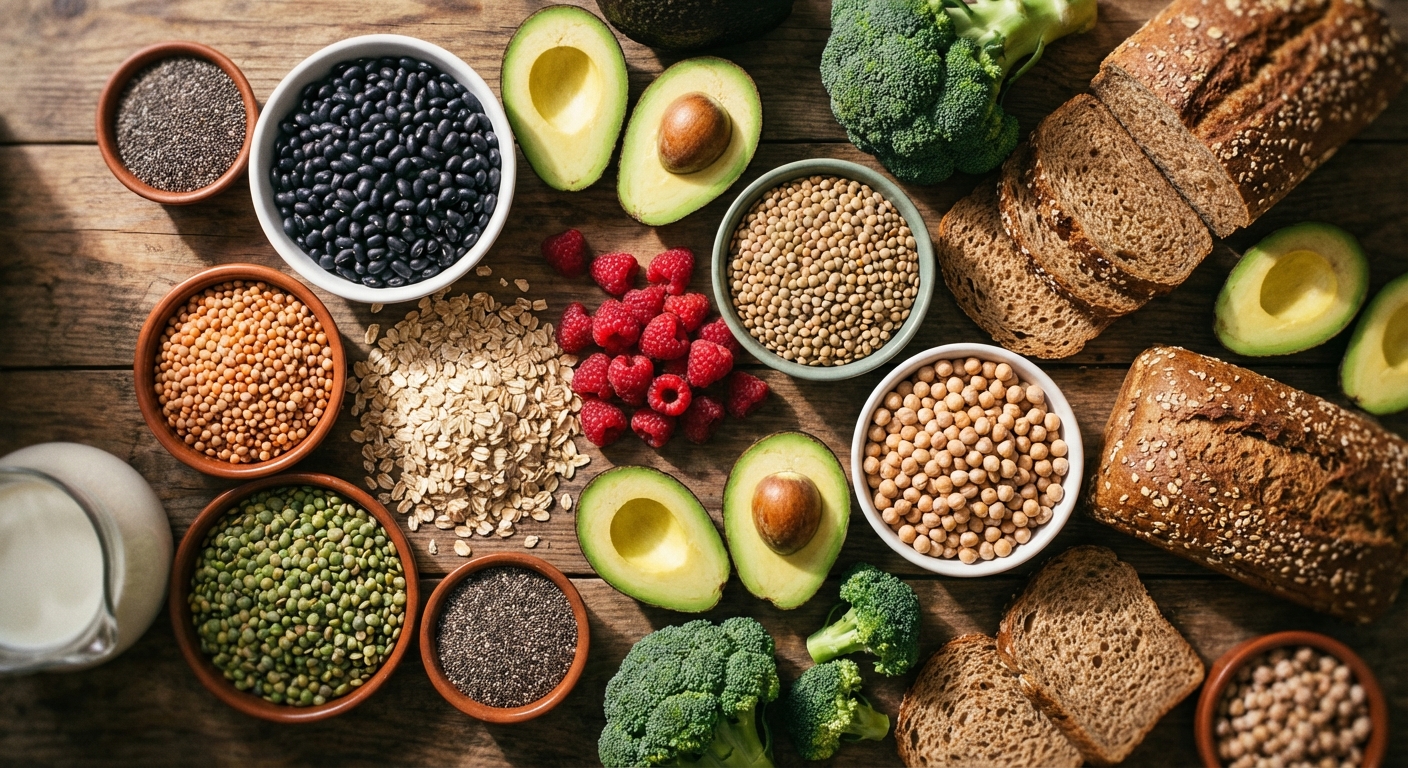
The Luteal Phase (Days 17-28) is dominated by progesterone, which slows metabolism, increases appetite and cravings, and can trigger PMS symptoms. This is when many women feel worst, and nutrition can make a meaningful difference. Complex carbohydrates from sweet potatoes, quinoa, and whole grains stabilize blood sugar to reduce mood swings and cravings. Magnesium and vitamin B6, both depleted by progesterone metabolism, ease bloating, irritability, and breast tenderness. Dark chocolate provides magnesium while satisfying cravings in a relatively healthy way. Avoiding excessive sodium reduces water retention and bloating.
Fertility and Preconception Nutrition
Optimizing nutrition 3-6 months before conception enhances fertility and pregnancy outcomes for both partners. The eggs that will eventually be fertilized are actually selected and matured over a roughly 90-day period, meaning the nutritional environment during those months directly affects egg quality. This is the time to build nutrient stores, eliminate deficiencies, and create optimal conditions for conception.
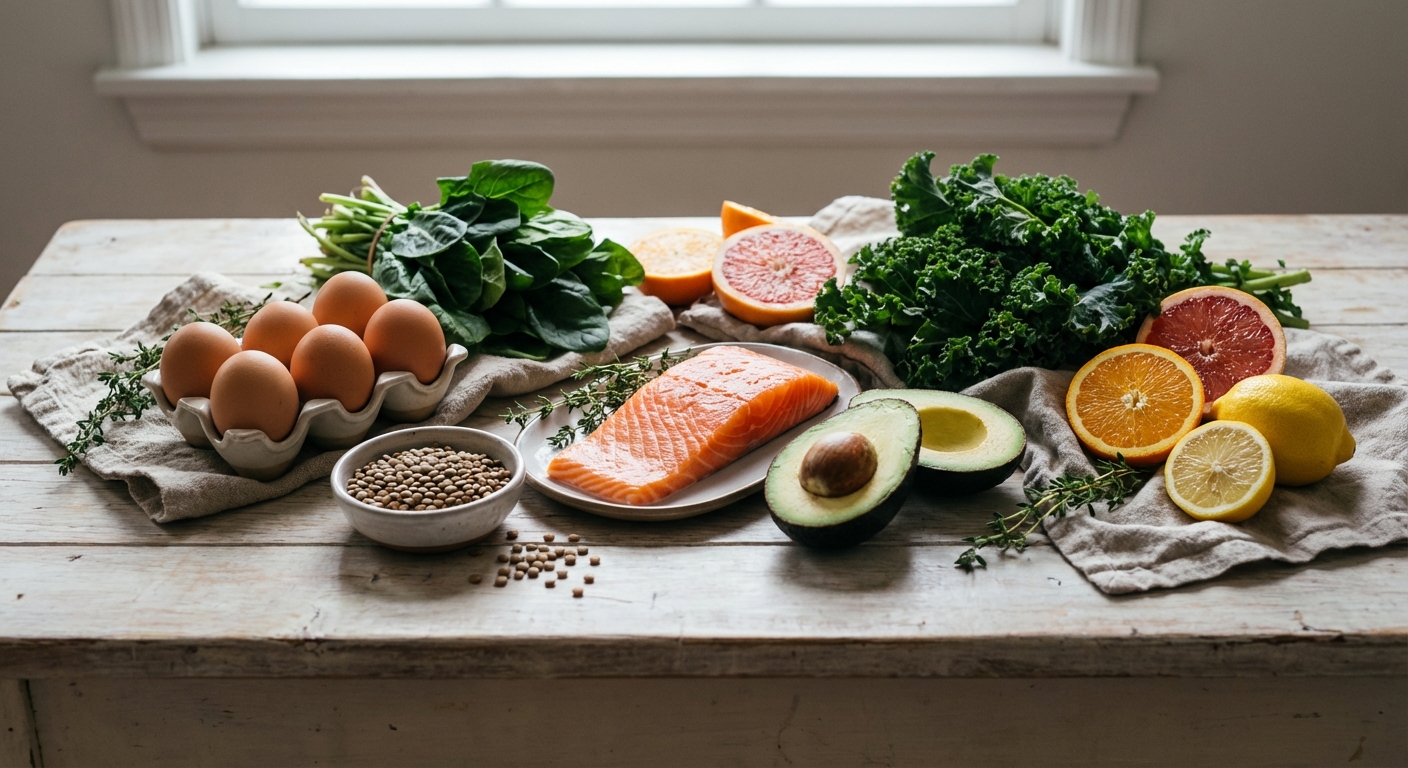
Folate is the most critical preconception nutrient, preventing neural tube defects that develop in the first 28 days of pregnancy, often before a woman knows she’s pregnant. The recommendation is 800-1000mcg daily from food and supplements combined. About 40% of the population carries MTHFR gene variants that impair folate metabolism, making methylfolate (the active form) preferable to folic acid for these individuals. Food sources include fortified cereals, leafy greens, legumes, and citrus fruits, but supplementation is typically necessary to reach therapeutic doses.
Omega-3 DHA at 300-600mg daily supports fetal brain and eye development, with needs continuing through pregnancy and lactation. Fatty fish is the best source, but mercury concerns limit consumption to 2-3 servings weekly; many women use algae oil supplements to ensure adequate intake without mercury exposure. Choline at 450mg daily supports placenta function and fetal brain development, yet it’s absent from many prenatal vitamins. Eggs are the best food source at 147mg per egg, making 3 eggs daily a practical way to meet requirements.
Iron requirements increase to 27mg daily during pregnancy as blood volume expands by 50%. Starting pregnancy with adequate iron stores prevents the deficiency that’s associated with preterm birth and low birth weight. Vitamin D at 1000-2000 IU daily supports immune function and implantation rates. CoQ10 at 200-600mg daily may improve egg quality in women over 35, supporting mitochondrial function in eggs that are metabolically demanding to develop.
Foods to limit during preconception include alcohol (impairs fertility), excessive caffeine over 200mg daily (associated with miscarriage risk), trans fats and heavily processed foods (disrupt hormonal signaling), and high-mercury fish like shark, swordfish, and king mackerel.
Perimenopause and Menopause: The New Nutritional Frontier
The decline of estrogen during perimenopause and menopause creates metabolic shifts that require nutritional adaptation. Bone loss accelerates. Body composition shifts toward increased fat and decreased muscle. Cardiovascular risk increases. Hot flashes, mood changes, and sleep disruption affect quality of life. Nutrition can’t replace estrogen, but targeted approaches can mitigate many of these changes.
Bone health becomes critical as women lose approximately 1% of bone density annually after menopause, with the first five years showing the most accelerated loss. Half of all women will experience an osteoporosis-related fracture in their lifetime. Calcium needs increase to 1200mg daily, best obtained from dairy, fortified plant milks, leafy greens like collards and kale, and sardines with bones. Vitamin D at 800-1000 IU daily enhances calcium absorption and has independent benefits for muscle function and fall prevention. Vitamin K2 directs calcium toward bones rather than arteries, available from fermented foods and grass-fed butter. Magnesium converts vitamin D to its active form and supports bone matrix formation.
Protein becomes more important as the anabolic resistance that develops with age makes muscle maintenance harder. Targeting 25-30g of protein per meal, rather than concentrating intake at dinner, supports muscle protein synthesis throughout the day. Combined with resistance training, adequate protein intake preserves the muscle mass that supports bones, maintains metabolic rate, and preserves functional capacity.
Hot flashes affect approximately 80% of menopausal women, and dietary factors can reduce their frequency and severity. Phytoestrogens from soy, providing 50-60mg of isoflavones daily from tofu, tempeh, and edamame, have been shown to reduce hot flash frequency by 20-50% in some studies. Ground flaxseeds at 2 tablespoons daily provide lignans with mild estrogenic effects. Avoiding known triggers, including spicy foods, caffeine, alcohol, and hot beverages, reduces flash frequency for many women.
Cardiovascular risk doubles after menopause as estrogen’s cardioprotective effects disappear. The Mediterranean dietary pattern, emphasizing omega-3s, fiber, olive oil, and abundant vegetables while minimizing processed foods and excess saturated fat, reduces cardiovascular disease risk by approximately 30% in postmenopausal women according to multiple large trials.
The Critical Micronutrients Every Woman Should Monitor
Certain nutrients warrant particular attention across the female lifespan due to higher requirements, greater deficiency risk, or both. Understanding these allows targeted optimization rather than generic supplementation.
Iron prevents the anemia that affects 1 in 5 premenopausal women and causes fatigue, weakness, impaired immunity, and cognitive sluggishness. Requirements are 18mg daily during reproductive years, dropping to 8mg after menopause when menstrual losses cease. Annual testing of ferritin (iron storage) levels identifies deficiency before it progresses to full anemia. Ferritin below 30 ng/mL indicates depleted stores even if hemoglobin remains normal.
Calcium supports bone health throughout life, with requirements of 1000mg daily for most adults increasing to 1200mg after menopause. Dairy is the most bioavailable source, but fortified plant milks, canned fish with bones, and leafy greens (particularly collard greens and bok choy) also contribute. Spreading calcium intake across meals improves absorption compared to taking large amounts at once.
Vitamin D works synergistically with calcium for bone health while independently supporting immune function, mood, and muscle strength. Target 800-1000 IU daily from sun exposure, fortified foods, or supplements. Blood levels of 40-60 ng/mL are associated with optimal outcomes. Many women, particularly those with darker skin, living at northern latitudes, or spending most time indoors, require supplementation to achieve adequate levels.
Omega-3s at 1-2g of EPA/DHA daily support cardiovascular health, brain function, mood, and inflammatory regulation. Fatty fish 2-3 times weekly provides adequate intake; those who don’t eat fish should supplement with fish oil or algae oil.
Magnesium supports over 300 enzymatic reactions including those involved in muscle function, mood regulation, sleep, and bone health. Requirements are 310-320mg daily, often unmet in modern diets. Food sources include nuts, seeds, leafy greens, and dark chocolate; supplementation with magnesium glycinate or citrate is well-tolerated if dietary intake falls short.
B vitamins, particularly B6, B12, and folate, support neurotransmitter synthesis, energy metabolism, and cell division. B12 absorption declines with age, making deficiency more common after 50. Symptoms include fatigue, cognitive issues, and neuropathy; annual testing is warranted for vegetarians, vegans, and those over 50.
Common Pitfalls That Undermine Hormonal Health
Even well-intentioned approaches can backfire when they conflict with female physiology. Understanding these common pitfalls helps avoid inadvertent harm.
Under-eating is perhaps the most damaging pattern for women’s hormonal health. When caloric intake drops below what’s needed for basic metabolic functions, the body interprets this as famine and shuts down non-essential systems. Reproductive function is among the first to go, leading to irregular or absent periods, disrupted ovulation, impaired fertility, and accelerated bone loss. This can occur with intentional dieting, excessive intermittent fasting, or the “clean eating” orthorexia that eliminates so many foods that adequate calories become difficult. Eating enough to support activity level, stress, and reproductive function is non-negotiable for hormonal health.
Excessive exercise without adequate nutritional support creates similar problems through a different mechanism. Chronic energy deficiency from high training volumes combined with insufficient fuel suppresses the hypothalamic-pituitary-gonadal axis, leading to what’s called Relative Energy Deficiency in Sport (RED-S) or, in its older terminology, the “female athlete triad” of low energy availability, menstrual dysfunction, and bone loss. The threshold varies by individual, but consistently burning more than you consume leads to hormonal shutdown.
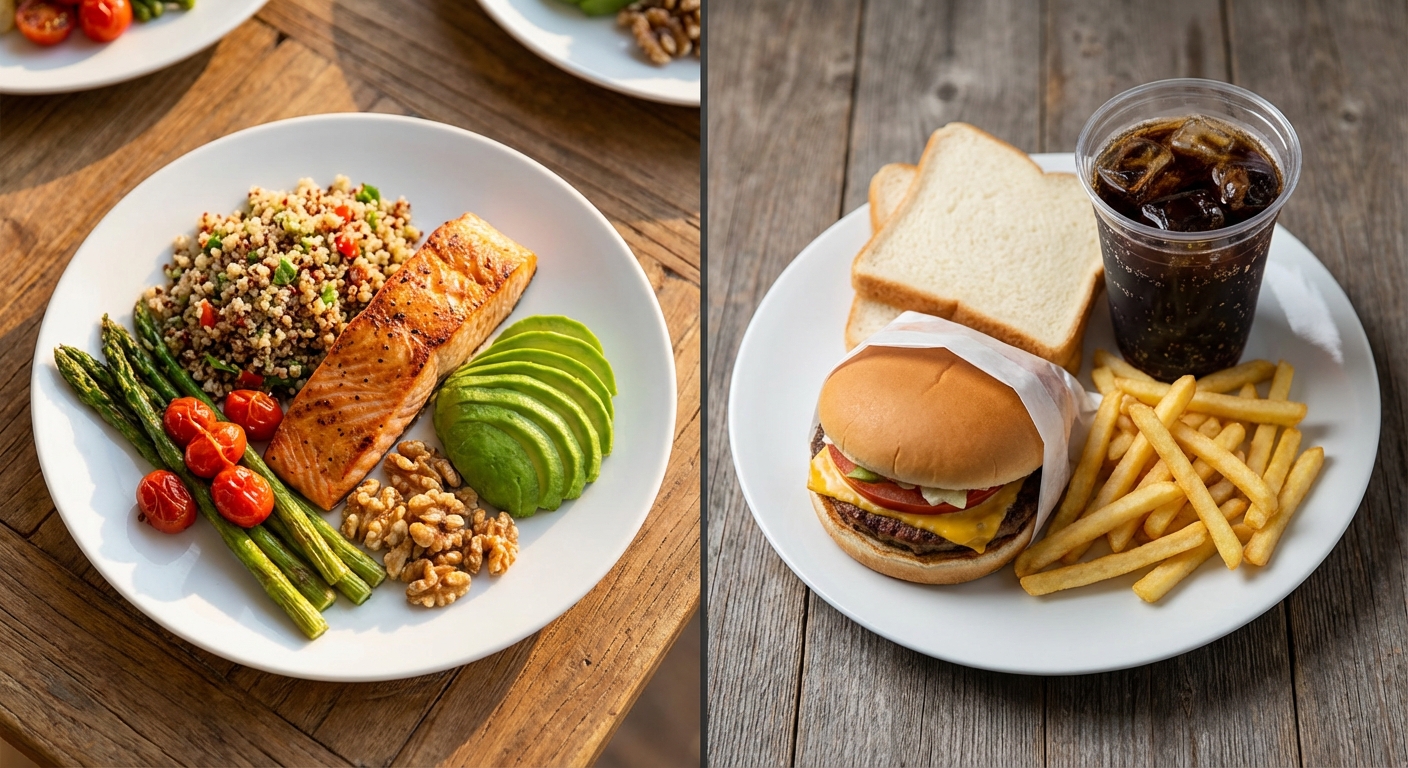
Over-restricting dietary fat undermines hormonal health because hormones are literally synthesized from cholesterol and fatty acids. Very low-fat diets (below 20% of calories from fat) can disrupt sex hormone production, leading to menstrual irregularities, low libido, dry skin, and mood disturbances. Healthy fats from olive oil, avocados, nuts, seeds, and fatty fish are essential structural and functional components, not optional add-ons.
Ignoring iron status allows preventable deficiency to progress silently. Many women adapt to chronically low iron, normalizing fatigue and brain fog that aren’t actually normal. Regular testing of ferritin levels catches deficiency early, before it progresses to outright anemia.
Special Considerations for PCOS, Endometriosis, and Thyroid Conditions
Certain hormonal and reproductive conditions require specific nutritional approaches beyond general women’s health guidelines. These conditions are common, affecting 10-20% of women, yet often underdiagnosed and undertreated.
Polycystic Ovary Syndrome (PCOS) affects approximately 10% of women of reproductive age, causing irregular cycles, excess androgens, insulin resistance, weight gain, and fertility challenges. The nutritional approach centers on blood sugar management and inflammation reduction. Emphasize low-glycemic carbohydrates that don’t spike blood sugar, including sweet potatoes, quinoa, legumes, and non-starchy vegetables. Inositol supplementation at 4 grams daily has been shown in multiple trials to improve ovulation rates and insulin sensitivity. Omega-3s reduce the inflammation that exacerbates PCOS symptoms. Some women find symptom improvement from limiting dairy and added sugar, though individual responses vary.
Endometriosis affects approximately 10% of women, causing painful periods, pelvic pain, and sometimes fertility issues as endometrial-like tissue grows outside the uterus. While nutrition can’t cure the condition, anti-inflammatory dietary patterns can reduce pain and inflammation. Focus on omega-3 rich foods, anti-inflammatory spices like turmeric and ginger, and abundant vegetables and fruits. Some women report improvement from eliminating gluten or red meat, though the evidence base for these specific eliminations is limited; individual experimentation may reveal personal triggers.
Thyroid disorders occur more frequently in women than men, with both hypothyroidism and hyperthyroidism affecting metabolism, energy, weight, mood, and menstrual cycles. Adequate iodine (150mcg daily from iodized salt, seaweed, or fish), selenium (55mcg from Brazil nuts, fish, or eggs), iron, and zinc support thyroid hormone production and conversion. Women with hypothyroidism should moderate large amounts of raw cruciferous vegetables, which contain goitrogens that may interfere with thyroid function when consumed in excess, though normal culinary amounts are fine.
The Bottom Line
Women’s nutritional needs are not scaled-down versions of men’s needs. They’re distinct, cyclical, and dynamic, changing across the month and across the lifespan. Acknowledging and responding to these patterns allows optimization that generic approaches can’t achieve.
Next Steps:
- Track your cycle for 2-3 months to identify patterns in energy, symptoms, and cravings
- Prioritize iron-rich foods during menstruation and get ferritin tested annually
- Increase protein to 25-30g per meal, especially if over 40 or concerned about body composition
- If perimenopausal or menopausal, optimize calcium (1200mg) and vitamin D (800-1000 IU) daily
- Consider adding phytoestrogens from soy if experiencing hot flashes
- Consult a registered dietitian specializing in women’s health for personalized guidance
For related reading, explore our articles on anti-inflammatory lifestyle approaches and strength training for healthy aging. These topics interconnect; women’s health emerges from the integration of multiple nutritional factors working together.
Sources: American College of Obstetricians and Gynecologists nutritional guidelines, Journal of Women’s Health (cycle-syncing research), Menopause journal (phytoestrogen studies), Journal of Clinical Endocrinology & Metabolism (PCOS nutrition research), National Osteoporosis Foundation calcium and vitamin D guidelines, Kerry Health and Nutrition Institute trend analysis.