If you spend any time in health and fitness spaces online, you’ve encountered the warnings. Seed oils are toxic. They’re inflammatory. They’re destroying your health from the cellular level. Canola, soybean, sunflower, corn, and other vegetable oils are supposedly responsible for everything from obesity to heart disease to cancer to depression.
The recommended alternatives in these circles are absolute: cook only with butter, ghee, coconut oil, olive oil, or animal fats. Avoid restaurants because they use seed oils. Check every packaged food label and reject anything containing these industrial oils. For some people, seed oil avoidance has become a dietary religion, complete with evangelists, sinners, and dietary salvation.
But what does the actual peer-reviewed research, not social media claims or influencer podcasts, show about seed oils and health? The answer is more complicated and far less dramatic than either side wants to admit. Seed oils aren’t perfect foods, but they’re also not the toxic poisons that internet health gurus claim. The truth, as it often does in nutrition science, lies somewhere in the middle and depends heavily on context.
Understanding What Seed Oils Actually Are
Before evaluating health claims, it helps to understand what we’re actually discussing. Seed oils, often called vegetable oils, are fats extracted from the seeds of various plants. The most commonly consumed include soybean oil (which dominates the American food supply), canola oil (from rapeseed), sunflower oil, corn oil, safflower oil, cottonseed oil, and grapeseed oil.
The manufacturing process involves either mechanical pressing or chemical extraction using hexane solvent, followed by refining, bleaching, and deodorizing to create neutral-tasting oils with long shelf lives. This industrial processing is central to critics’ concerns, as it renders the final product quite different from the original seeds.
These oils share several characteristics that make them popular in food manufacturing and restaurant cooking. They’re high in omega-6 polyunsaturated fats, particularly linoleic acid. They’re relatively low in saturated fat compared to animal fats or tropical oils. They have high smoke points, making them suitable for high-heat cooking methods like frying. Most importantly for commercial applications, they’re cheap to produce at scale, costing a fraction of alternatives like olive or avocado oil.
This combination of practical advantages explains why seed oils dominate processed foods and restaurant kitchens. They’re not chosen because food manufacturers want to harm consumers; they’re chosen because they’re inexpensive, neutral-tasting, and functionally effective for their purposes.

The Case Against Seed Oils
The arguments against seed oils rest on a plausible evolutionary premise. Humans did not evolve consuming gallons of liquid fat extracted from soybeans and processed through industrial chemistry. These oils are genuinely novel in human dietary history, appearing only in the last century with the advent of industrial food processing. Prior to that, traditional fats came from animals, olives, coconuts, and other whole-food sources.
Proponents of the “seed oil theory” argue that this evolutionary mismatch drives modern chronic disease. The argument typically centers on several interconnected mechanisms that, when stated confidently, can sound compelling.
The omega-6 inflammation theory is the most common criticism. Modern Western diets contain omega-6 to omega-3 ratios of 15-20:1, whereas ancestral diets likely maintained ratios closer to 4:1 or lower. Since omega-6 fatty acids are characterized as “pro-inflammatory” while omega-3s are “anti-inflammatory,” this imbalance supposedly drives chronic inflammation throughout the body. Chronic inflammation, in turn, promotes heart disease, cancer, obesity, and neurodegenerative disease. The solution, advocates claim, is to drastically reduce omega-6 intake by eliminating seed oils.
Processing concerns focus on how industrial seed oils are manufactured. Hexane solvent extraction supposedly leaves harmful chemical residues in the final product. High-heat processing allegedly creates trans fats and oxidized compounds. Bleaching and deodorizing are dismissed as “unnatural” chemical treatments that render the oils nutritionally “dead” or actively harmful. The implication is that these heavily processed oils bear little resemblance to anything humans should consume.
The oxidation argument centers on the chemical instability of polyunsaturated fats. Critics correctly note that polyunsaturated fats oxidize when exposed to heat, light, or air, and consuming oxidized fats is genuinely harmful. They argue that seed oils used in restaurant fryers are repeatedly heated to high temperatures, creating extensive oxidative damage. Consuming these oxidized fats promotes inflammation, mitochondrial dysfunction, and disease.
These arguments use legitimate biochemical concepts and contain kernels of truth. The question is whether they hold up when examined against the full body of peer-reviewed research.
What the Research Actually Shows
The peer-reviewed literature on seed oils paints a considerably different picture than social media discourse suggests. Rather than clear evidence of harm, the research shows neutral to beneficial effects in most contexts, with legitimate concerns limited to specific conditions.
On omega-6 and inflammation, the evidence doesn’t support the simple narrative that’s popular online. While some in vitro studies and animal experiments show that extreme omega-6 to omega-3 ratios increase inflammatory markers, human data tells a more complicated story. Multiple large studies examining inflammatory markers in humans show counterintuitive results: linoleic acid (the primary omega-6 in seed oils) measured in blood actually correlates with lower inflammation markers, not higher. Controlled trials where researchers increased omega-6 intake don’t consistently show increased inflammation in human subjects.
The current scientific consensus from the American Heart Association and major nutrition organizations is that omega-6 from seed oils is not inherently inflammatory in humans at typical Western intake levels. The ratio matters less than ensuring adequate absolute intake of omega-3 fats, which are genuinely beneficial. You can improve your omega-3 to omega-6 ratio by eating more fatty fish or taking fish oil supplements, without needing to eliminate vegetable oils.
The nuance that gets lost in online debates: increasing omega-3 intake is valuable and well-supported by evidence. But decreasing omega-6 to achieve a “better” ratio isn’t necessary and might actually reduce cardiovascular protection that omega-6 fats provide.
On cardiovascular health, the evidence is surprisingly favorable for seed oils. Replacing saturated fat with polyunsaturated fat from seed oils reduces cardiovascular disease risk in large trials and meta-analyses. The Cochrane Collaboration, which produces the gold-standard systematic reviews in medicine, found that replacing saturated fat with polyunsaturated fat reduced cardiovascular events by 21%.
Specific trials support this finding. The Finnish Mental Hospital Study showed that switching from butter to soybean oil reduced heart disease. The Los Angeles Veterans Study found that corn and soybean oil replacing animal fats reduced cardiac deaths. Multiple other studies show consistent cardiovascular benefit from seed oil consumption. This is the opposite of what you’d expect if seed oils were the toxic substances that critics claim.
On cancer risk, despite claims that seed oils cause or promote cancer, human studies show no clear association. Some animal studies show effects at extreme doses not applicable to human consumption patterns. Human observational and intervention studies show no consistent link between seed oil consumption and cancer development.
On obesity, the claim that seed oils specifically drive weight gain through inflammation and metabolic dysfunction lacks support. Seed oils are calorie-dense like all fats at 9 calories per gram, but they don’t show special obesogenic effects beyond their caloric content. Weight gain comes from caloric excess generally, not from specific fat sources. Population studies showing that obesity rates increased alongside seed oil consumption demonstrate correlation, not causation. Many dietary changes happened simultaneously: more processed food, more added sugar, larger portion sizes, and increased overall caloric intake.

The Processing Question: Legitimate Concern or Overblown?
Yes, industrial seed oil production involves chemical extraction, heating, bleaching, and deodorizing. This sounds alarming when presented in certain ways. But context matters.
Hexane residues in finished products are minimal and regulated by the FDA, typically below 25 parts per million. For context, you’d consume more concerning compounds from a single charred piece of toast. Modern processing doesn’t create trans fats, which was a legitimate concern with old partial hydrogenation methods that are now largely banned. The refining process actually removes some potentially harmful compounds while creating oils with longer shelf life and higher smoke points.
Is cold-pressed, unrefined oil “better”? Marginally, perhaps. Unrefined oils retain more of the original plant compounds, some of which have antioxidant properties. But they also have stronger flavors that don’t work for all applications, lower smoke points that make them unsuitable for high-heat cooking, and faster rancidity that requires more careful storage. Whether these tradeoffs justify paying 5-10 times more depends on your priorities and budget.
The processing argument, while emotionally compelling, doesn’t translate into clear evidence of health harm when you examine actual human outcome data. The finished products, whatever their industrial origins, don’t seem to damage human health in ways that controlled studies can detect.
When Seed Oils Actually Become Problematic
The legitimate concerns about seed oils are more specific than the blanket condemnation suggests. In certain contexts, real problems arise.
Oxidized oils represent a genuine concern. Oils used repeatedly at high temperatures in restaurant fryers do undergo oxidation. The resulting compounds, including aldehydes and lipid peroxides, are legitimately harmful when consumed. However, this is an issue of restaurant practices and oil handling, not an inherent property of fresh seed oils cooked properly at home. Fresh oil used once at appropriate temperatures doesn’t present this problem.
Extreme dietary imbalance can be problematic. If your diet is very high in omega-6 fats and very low in omega-3 fats, this imbalance may be suboptimal for some health outcomes. However, the solution is to increase omega-3 intake from fatty fish, walnuts, or supplements, not necessarily to eliminate omega-6. You can achieve better balance by adding beneficial foods rather than restricting.
Excessive reliance on fried foods represents a dietary pattern issue. Getting the majority of your calories from foods fried in any oil, whether seed oils or otherwise, is probably not ideal. But this reflects overall dietary quality rather than something unique to seed oils.
Rancid oils should be avoided. Oils stored improperly (exposed to heat, light, or air for extended periods) go rancid. Consuming rancid oils is harmful regardless of the oil type. The solution is proper storage and using oils within their shelf life, not avoiding entire categories of fats.
A Practical Middle Ground
For most people, obsessing over seed oil elimination isn’t necessary, practical, or supported by evidence. Here’s a balanced approach grounded in what the research actually shows.
At home, use olive oil or avocado oil for most cooking if your budget allows. Both have well-documented health benefits and work well for most cooking methods. Use some butter for flavor in appropriate dishes, in moderation. Canola or other seed oils for occasional high-heat cooking won’t harm you.
When eating out, don’t stress about it. Restaurants use seed oils because they’re practical and cost-effective. Occasional exposure won’t meaningfully impact your health. The stress of avoiding restaurants or interrogating servers about their cooking oils likely causes more harm than the oils themselves.
With processed foods, minimize overall processed food intake for the many reasons this is beneficial: excessive sodium, added sugars, refined carbohydrates, low fiber, and lack of micronutrients. The seed oil content of processed foods is a minor concern compared to these other factors.
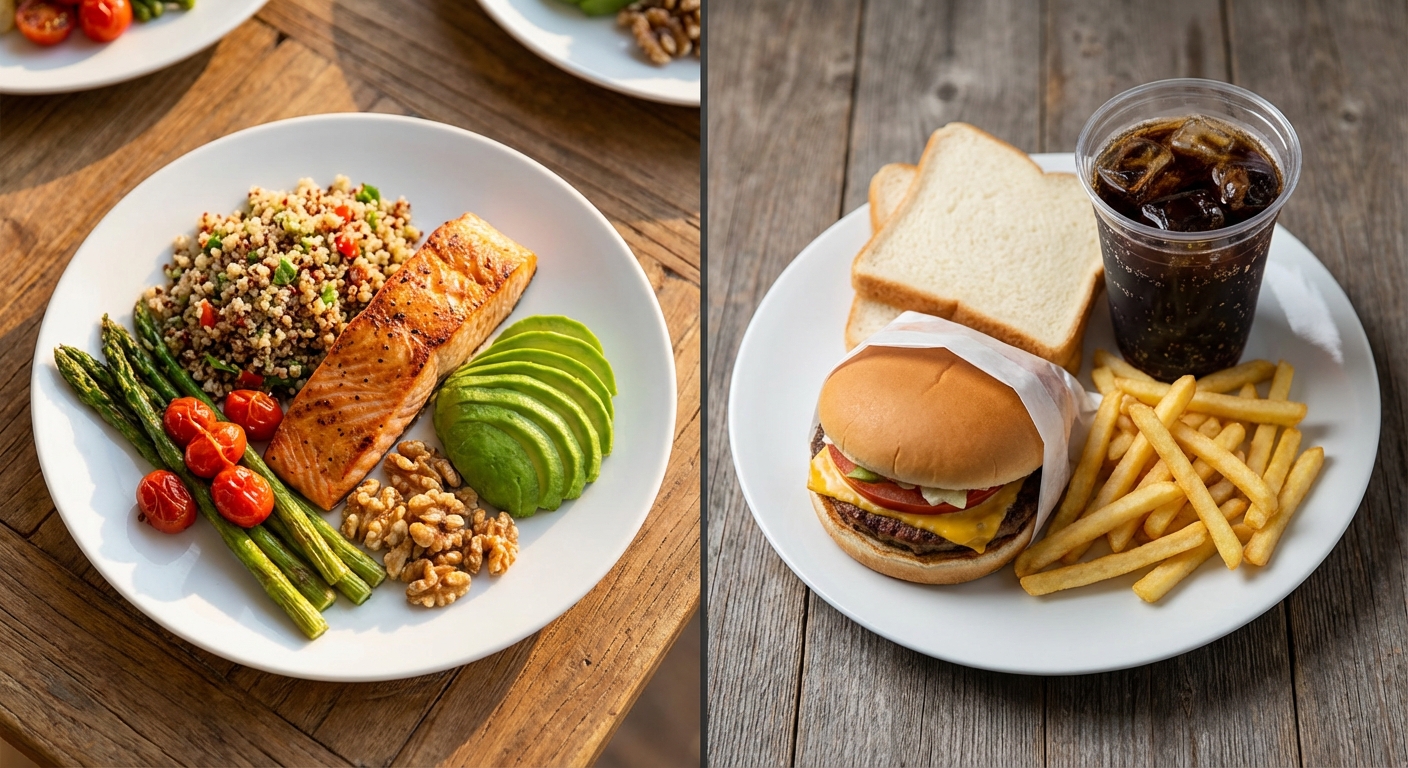
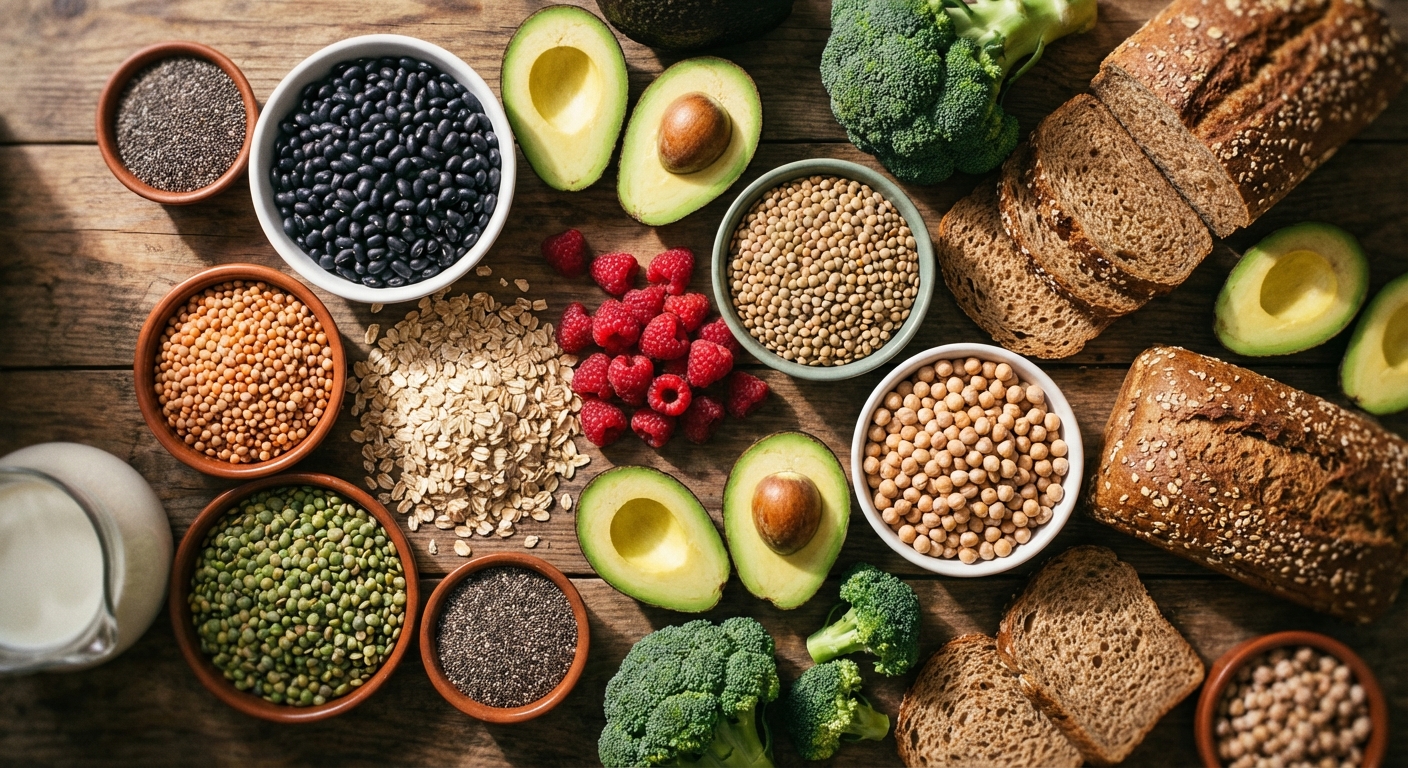
Focus your energy on getting adequate omega-3 from fatty fish or supplements, eating mostly whole foods, and not worrying excessively about the specific types of fat in minor quantities. The 80/20 principle applies: if 80% of your fats come from whole foods like fatty fish, nuts, avocados, olives, eggs, and moderate dairy, the 20% from seed oils in occasional processed foods or restaurant meals won’t meaningfully impact your health outcomes.
Problems arise when seed oils from ultra-processed foods and frequent restaurant eating constitute the majority of fat intake while omega-3 and whole-food fats are minimal. That dietary pattern is concerning, but the solution is improving overall diet quality rather than eliminating a specific ingredient.
Comparing Your Options
If you’re choosing cooking oils for home use, here’s what the evidence supports about common options:
Olive oil is primarily monounsaturated fat, stable for cooking, and has well-researched health benefits including cardiovascular protection and anti-inflammatory effects. It works well for most cooking methods and is excellent for dressings. Extra virgin retains more beneficial compounds but has a lower smoke point. This is probably the best default choice for most home cooking.
Avocado oil has a similar fatty acid profile to olive oil with an even higher smoke point, making it excellent for high-heat cooking. It’s more expensive and less extensively studied than olive oil, but represents a solid choice for situations requiring high heat.
Coconut oil is mostly saturated fat, which makes it stable at high temperatures. Evidence on health effects is mixed: it raises LDL cholesterol but also raises HDL. It adds distinct flavor that works well for certain cuisines. Fine in moderation, probably not ideal as your primary fat source given cardiovascular concerns.
Butter and ghee are saturated fats that add distinctive flavors. Fine in moderation for people without cardiovascular risk factors, but probably not ideal as primary fat sources. Ghee has a higher smoke point than butter and works for higher-heat cooking.
Seed oils like canola and soybean are cost-effective, have neutral flavors, and have high smoke points. Despite internet claims, human outcome data shows neutral to beneficial cardiovascular effects when replacing saturated fats. Reasonable for occasional use, especially when cost is a consideration.
The differences between these options for most people are modest compared to the impact of overall dietary patterns. Stressing about oil choice while eating a heavily processed diet misses the forest for the trees.
The Bottom Line
The internet health sphere has turned seed oils into dietary villains, but peer-reviewed research doesn’t support that level of concern. These industrial oils aren’t health foods, but they’re not toxic poisons either.
Should you cook exclusively with seed oils? Probably not, as olive and avocado oils are likely somewhat better choices. Should you obsess over avoiding every trace of seed oils, refuse restaurant food, and treat them as poison? No. That’s not supported by evidence and creates unnecessary stress and social friction.
Use good-quality oils at home when you cook. Don’t stress about oils in occasional processed foods or restaurant meals. Get adequate omega-3 from fatty fish or supplements. Focus on a whole foods-based diet. That’s the evidence-based approach that’s sustainable and reasonable.
The seed oil panic is largely an internet phenomenon that has outpaced the actual nutrition science. Don’t let it consume your mental energy or restrict your life unnecessarily. The evidence suggests your attention is better directed toward the foods you should add to your diet, like fatty fish, vegetables, and whole grains, rather than obsessively eliminating a specific cooking fat.
Next Steps:
- Ensure you’re getting adequate omega-3 (2-3 servings of fatty fish weekly, or fish oil supplementation)
- Stock olive or avocado oil for home cooking as your default choice
- Stop stressing about seed oils in restaurant food or occasional processed foods
- Focus on overall dietary quality: more whole foods, less ultra-processed food
- If concerned about omega-6 balance, add omega-3 rather than restricting omega-6
For related reading, explore our coverage of anti-inflammatory lifestyle approaches and the gut-brain axis connection.
Sources: Cochrane reviews on dietary fats and cardiovascular disease (2020), American Heart Association scientific statements on seed oils and cardiovascular health, linoleic acid and inflammation research (American Journal of Clinical Nutrition), omega-6 to omega-3 ratio studies (Nutrients, Journal of Nutrition), oxidized fat research (Free Radical Biology and Medicine).