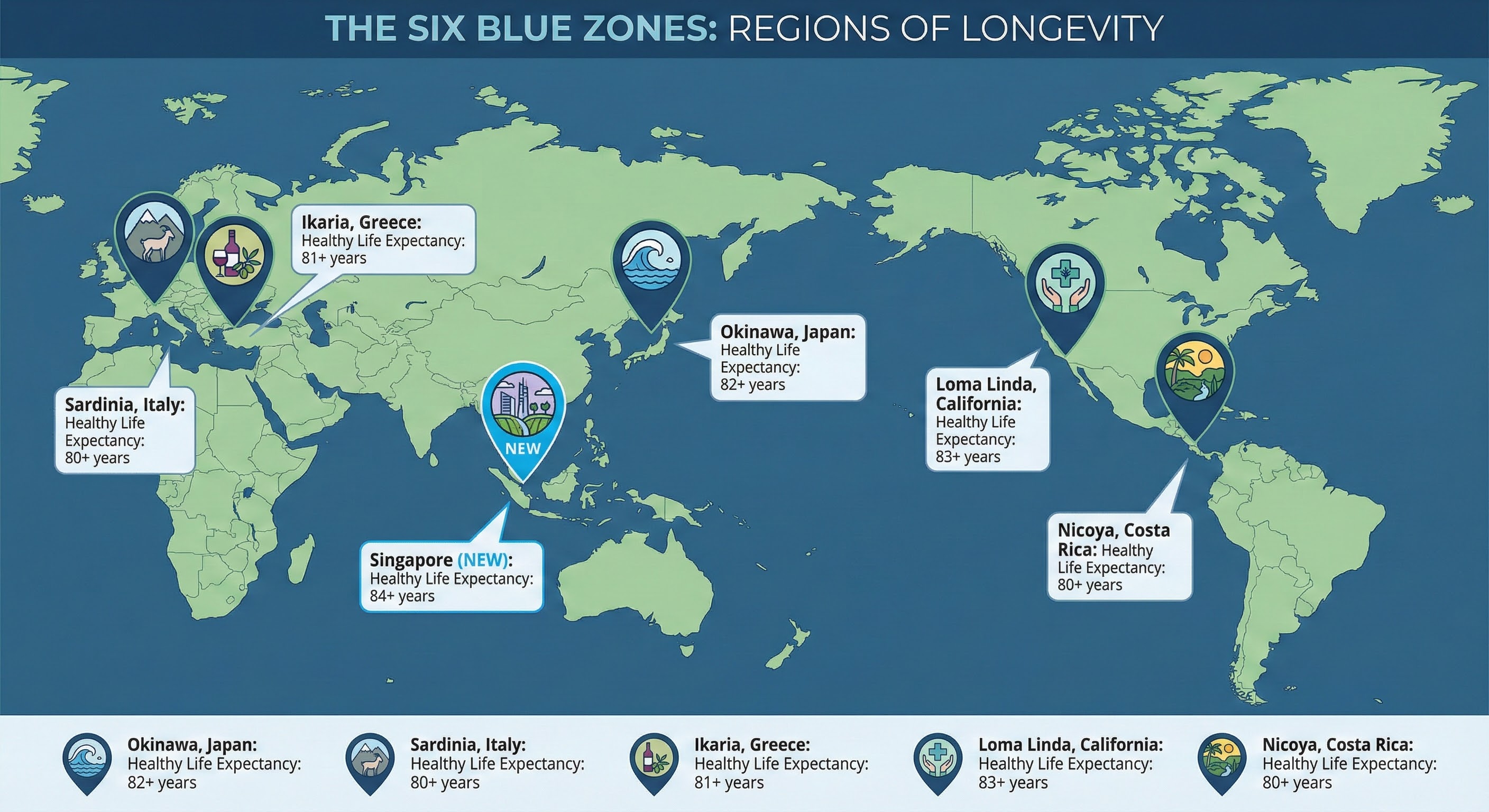
For two decades, the Blue Zones have served as the holy grail of nutritional anthropology. These five regions where people live statistically longer, healthier lives became household names among health enthusiasts: Okinawa in Japan, Sardinia in Italy, Nicoya in Costa Rica, Ikaria in Greece, and Loma Linda in California. The formula seemed elegantly simple. Eat mostly plants, move naturally throughout the day, and prioritize community connection over individual achievement.
However, as we approach 2026, the Blue Zones narrative is undergoing significant revision. New research published in The Lancet Healthy Longevity, the addition of a sixth “engineered” zone, and scholarly scrutiny over original data quality are collectively refining our understanding of what it truly takes to reach 100 years with vitality intact. The emerging picture suggests that the future of longevity might look less like a goat herder traversing mountain terrain and more like a commuter navigating a thoughtfully designed smart city.
Dr. Valter Longo, director of the USC Longevity Institute, has been at the forefront of translating Blue Zone observations into actionable protocols. His research team’s latest findings, combined with population-level data from Singapore’s Ministry of Health, reveal that longevity isn’t simply inherited or accidentally achieved through isolation. It can be systematically engineered through policy, urban design, and evidence-based dietary intervention.
Enter Zone 6: The Singapore Experiment
The most radical shift in longevity science is the recognition of Singapore as the sixth Blue Zone. Unlike the original five regions, which evolved organically over centuries of geographic isolation and cultural tradition, Singapore represents a Blue Zone by deliberate design. It is humanity’s first “engineered” longevity hotspot, and its success carries profound implications for every nation seeking to improve population healthspan.
Through specific policy decisions implemented over five decades, Singapore has achieved the world’s longest healthy life expectancy at 73.9 years, compared to 66.1 years in the United States. The government taxes tobacco and alcohol heavily to discourage consumption while actively subsidizing healthier ingredients. Brown rice and wholegrain noodles cost less than their refined counterparts at street food hawker stalls because the government absorbs the price difference. Urban planning prioritizes covered walkways and integrated parks, engineering “natural movement” into the daily commute rather than relegating exercise to optional gym visits.
Housing policy reinforces intergenerational connection through grants that encourage adult children to purchase apartments near their aging parents. This proximity recreates the multi-generational households common in traditional Blue Zones, providing elders with daily social interaction and purpose while reducing isolation-related mortality. The healthcare system emphasizes preventive care through mandatory health screenings and tiered insurance that rewards healthy behaviors.
This challenges the romantic notion that we must somehow return to an agrarian past to achieve longevity. Singapore demonstrates that modern technology, thoughtful policy, and evidence-based urban design can replicate and even exceed the health outcomes of traditional Blue Zones without requiring citizens to abandon contemporary life.
The Protein Paradox: Age-Dependent Requirements
One of the most debated aspects of the original Blue Zones research was the relatively low protein intake, particularly from animal sources. Dan Buettner’s initial recommendations suggested a 95% plant-based diet as the path to longevity, and this guidance shaped dietary advice for millions. However, modern gerontologists are raising important flags regarding sarcopenia, the progressive loss of muscle mass and function that accelerates after age 65.
Newer analysis from researchers at the University of Arkansas’s Center for Protein and Aging suggests that while traditional Blue Zone diets appeared low in meat, they were not necessarily low in bioavailable amino acids. The combination of legumes consumed daily, whole grains at most meals, and periodic inclusion of fish, sheep’s milk cheese, or small amounts of pork provided a complete protein profile spread across multiple eating occasions. The key was distribution rather than total daily grams.
Dr. Doug Paddon-Jones, whose research on protein timing has influenced clinical guidelines, notes that the original Blue Zone populations maintained physical activity levels that supported muscle preservation even with moderate protein intake. They walked miles daily, performed manual labor, and never experienced the prolonged sedentary periods that characterize modern office work. For the contemporary sedentary senior who sits for eight or more hours daily, strictly adhering to a low-protein diet may actually accelerate muscle loss and increase frailty risk.
The 2025 recommendation has become nuanced and age-stratified. For those under 65 who are metabolically healthy, low-to-moderate protein intake of approximately 0.8 grams per kilogram of body weight helps keep IGF-1 levels low and may prioritize cellular repair processes including autophagy. For those over 65, increasing protein intake to 1.2 to 1.6 grams per kilogram of body weight becomes essential to stimulate muscle protein synthesis and prevent the frailty that predicts mortality more strongly than many chronic diseases. Our guide on strategic protein distribution explores how timing protein intake across meals maximizes these benefits.
The Data Quality Controversy
Any honest assessment of Blue Zones science must address the elephant in the room. In 2024, the Ig Nobel Prize in Demography was awarded to Dr. Saul Newman of University College London for his paper demonstrating that many “supercentenarian” records in Blue Zones were actually artifacts of poor birth record-keeping and, in some cases, pension fraud. His analysis revealed that areas with the worst vital statistics documentation appeared to have the most 110-year-olds simply because deaths weren’t recorded accurately.
The critique is statistically valid and demands acknowledgment. When Dr. Newman examined regions where birth registration became mandatory, the number of supercentenarians dropped precipitously within a generation. Some celebrated cases of extreme longevity likely represent administrative errors rather than biological achievements. The romantic stories of 115-year-old shepherds may be exaggerated by decades.
However, this statistical noise, while inflating absolute numbers of supercentenarians, does not invalidate the broader health trends observed in these populations. Even if the number of people reaching 110 is exaggerated, the healthspan of the general population in Blue Zone regions remains exceptional by any measure. The rates of type 2 diabetes, cardiovascular disease, and dementia are undeniably lower than in comparable Western populations. The specific ages might be fuzzy, but the vitality, functionality, and disease resistance are real and measurable through modern epidemiological methods.
The Core Four That Remain
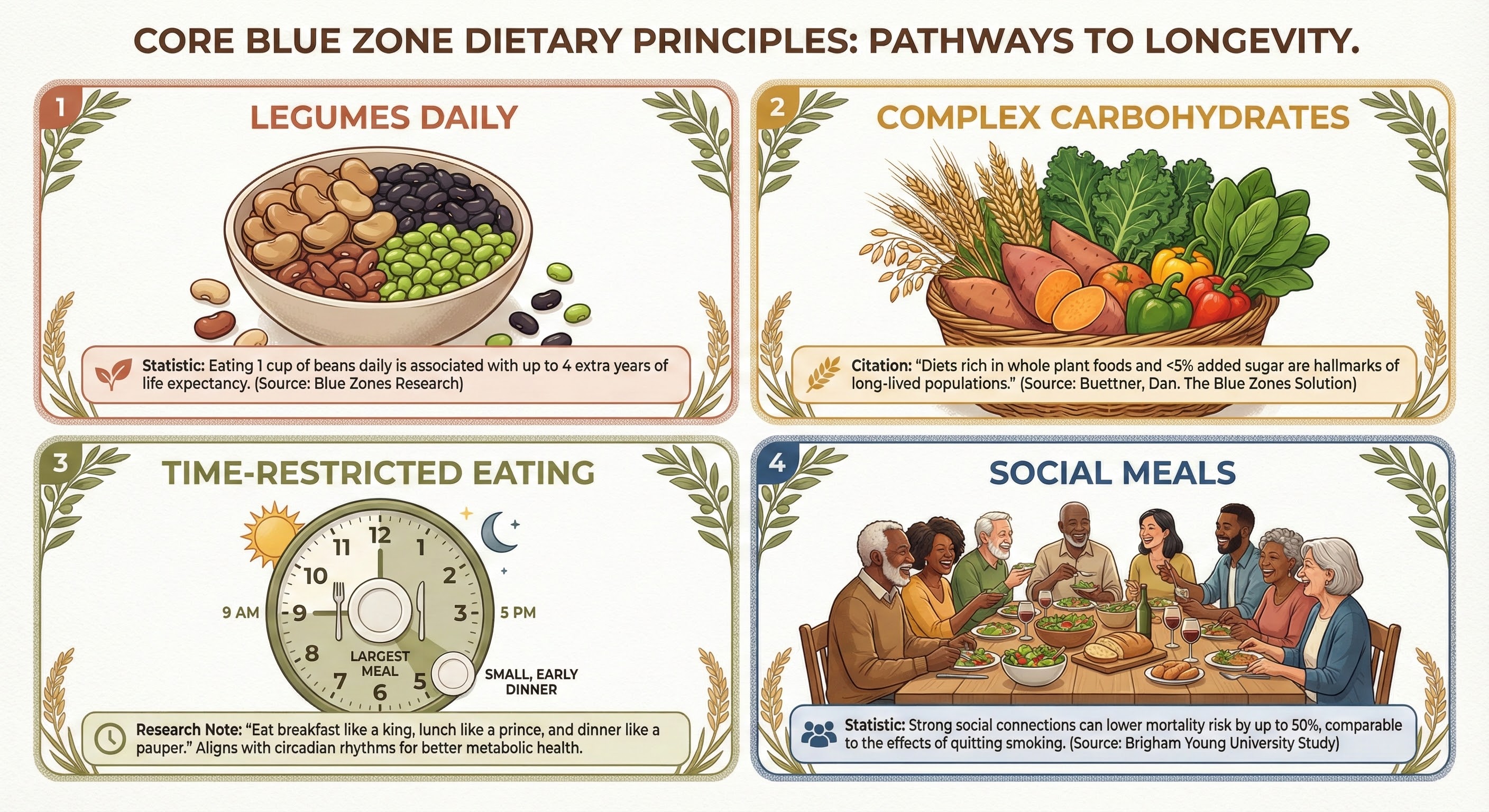
Despite the updates, controversies, and refinements to Blue Zone research, four dietary pillars have withstood every wave of scientific scrutiny and replication attempts. These principles appear consistently across all six zones, suggesting they represent fundamental truths about human nutrition and longevity rather than cultural artifacts.
Legumes are king. Whether fava beans in Sardinia, black beans in Nicoya, soybeans in Okinawa, or lentils in Ikaria, beans represent the single most common dietary denominator across all longevity populations. A meta-analysis published in Clinical Nutrition found that every 20-gram increase in daily legume consumption was associated with an 8% reduction in all-cause mortality. Legumes provide plant protein, fiber that feeds beneficial gut bacteria, and complex carbohydrates that stabilize blood sugar without the glycemic spikes of refined grains.
Carbohydrates aren’t the enemy. The Blue Zones run on carbohydrates, but not the processed, white flour varieties that dominate Western supermarkets. They run on complex carbohydrates from whole grains, sweet potatoes, taro, and an abundance of vegetables. These foods provide sustained energy, essential fiber, and the micronutrients that refined products lack. The carbohydrate-phobia prevalent in contemporary diet culture finds no support in longevity research.
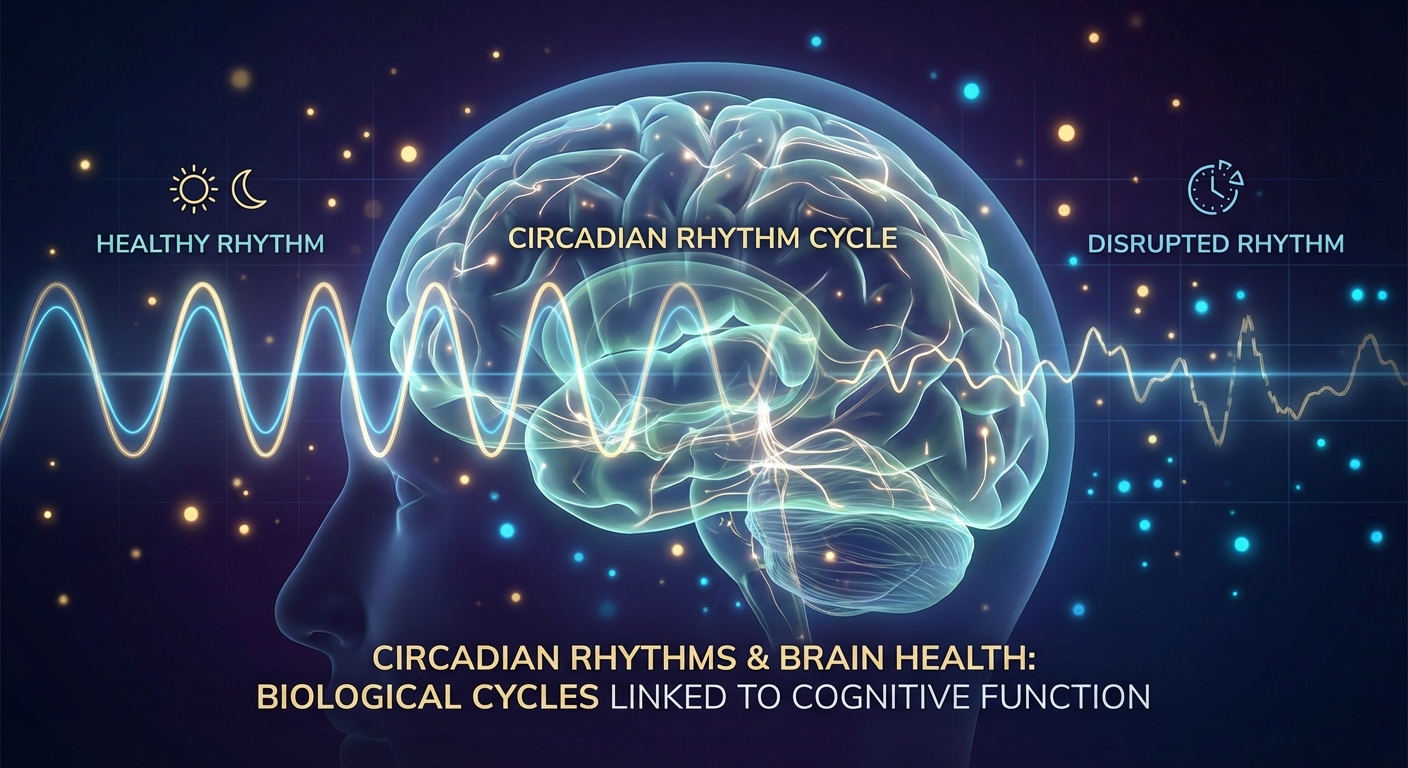
Time-restricted eating is natural. Most Blue Zone populations eat their largest meal at midday or in the late afternoon, then consume little or nothing in the evening hours. This natural fasting window, typically 12 to 14 hours between dinner and breakfast, aligns with circadian biology and allows metabolic processes to shift from digestion to repair during sleep. The modern practice of eating continuously from morning coffee to late-night snacking represents a historical aberration that Blue Zone populations never adopted.
Social gastronomy is essential. Perhaps most importantly, traditional Blue Zone populations rarely eat alone. Meals are communal events involving family, neighbors, and multi-generational gatherings. Research from Brigham Young University found that social isolation increases mortality risk by 26%, roughly equivalent to smoking 15 cigarettes daily. The stress-reducing effect of social connection during meals may improve digestion, nutrient absorption, and the psychological relationship with food that influences long-term eating patterns.
Applying Blue Zone Principles Today
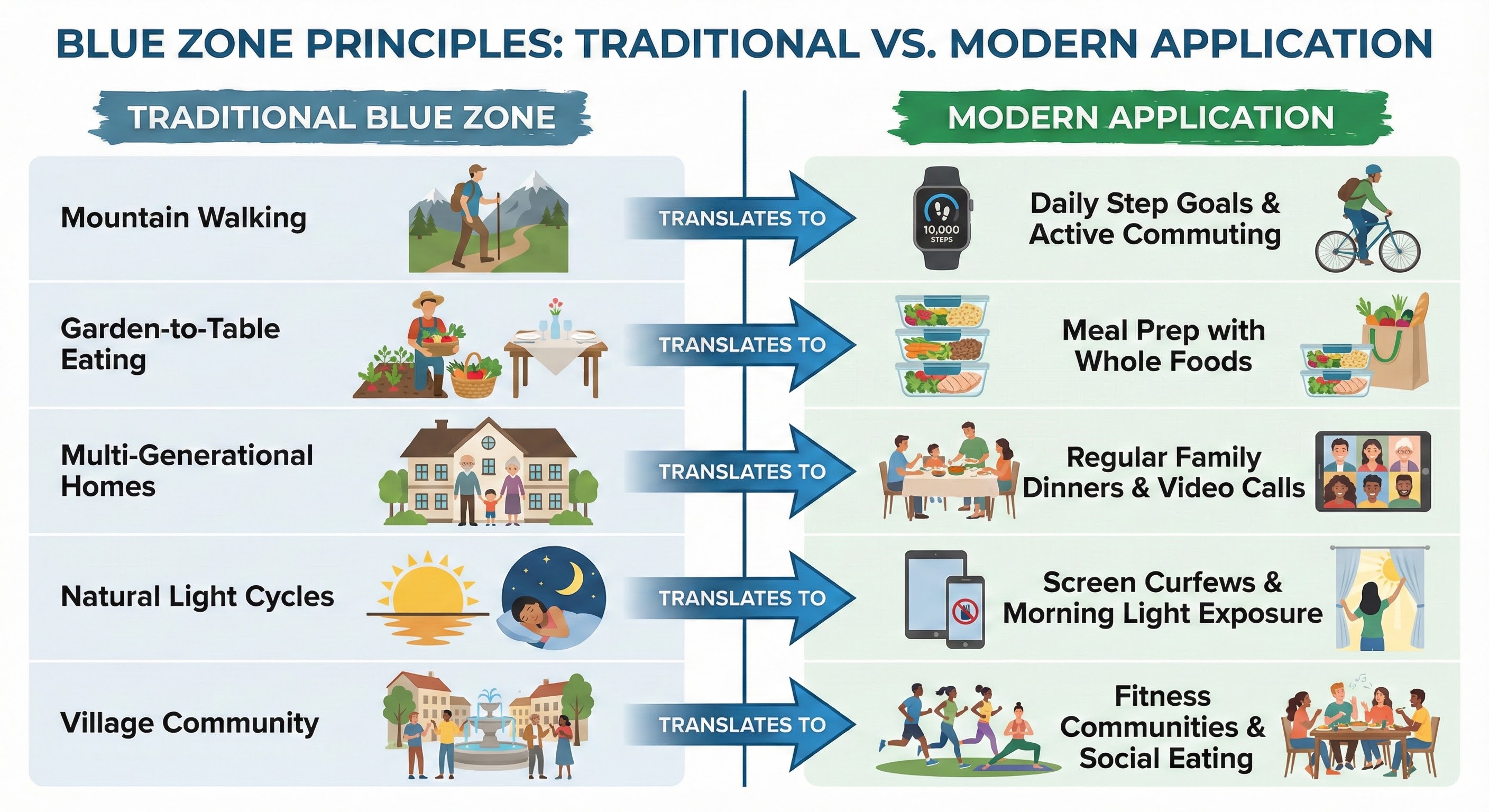
Translating Blue Zone research into actionable modern practice requires acknowledging that few of us will relocate to Sardinian mountain villages or Okinawan fishing communities. However, the Singapore model proves that Blue Zone principles can be implemented anywhere with intentional environmental design and personal commitment.
Start with your food environment. Stock your kitchen with legumes, whole grains, and vegetables while removing ultra-processed foods that drive overconsumption. Research from the National Institutes of Health demonstrated that people eat significantly more calories when provided ultra-processed foods compared to whole food alternatives, even when both diets are matched for available calories and macronutrients. The processing itself drives overeating through mechanisms scientists are still investigating.
Engineer natural movement into your daily routine rather than relying solely on dedicated exercise sessions. Park farther from destinations, take stairs when possible, and consider walking meetings for phone calls. Blue Zone populations don’t go to gyms; they move continuously throughout the day in ways that modern life has engineered away. For those looking to optimize their exercise approach during busy periods, our guide on 15-minute holiday workout routines provides efficient protocols that complement daily movement.
Prioritize sleep as the foundation upon which all other health behaviors rest. The original Blue Zone populations lived without artificial lighting, naturally aligning their sleep with circadian rhythms. Modern sleep disruption from screens, shift work, and electric lighting undermines the metabolic and immune benefits that adequate rest provides.
The Bottom Line
The Blue Zones are not static museum exhibits frozen in time; they are living, breathing data sets that continue to inform our understanding of human longevity. The addition of Singapore proves that longevity can be manufactured in a modern metropolitan context through deliberate policy and environmental design. As we refine the data and acknowledge its limitations, the prescription evolves from simply “eat like a peasant” to “engineer your environment for health.”
We can borrow the beans and the daily walking from the traditional zones while incorporating the protein awareness essential for sedentary modern bodies and the public health policy innovations that Singapore has pioneered. The goal isn’t to recreate the past but to extract its wisdom and apply it with the precision that contemporary science allows.
Longevity isn’t a genetic lottery that some populations win through luck. It emerges from the accumulated effect of daily choices about food, movement, sleep, and social connection, repeated thousands of times across decades. The Blue Zones teach us that these choices can be made easier or harder by the environments we inhabit. The question for each of us is whether we will design our personal environments to support longevity or continue defaulting to the obesogenic, sedentary, isolated conditions that modern life provides by default.
Action Steps:
- Add legumes to your diet daily, aiming for at least half a cup of beans, lentils, or chickpeas
- Shift your largest meal earlier in the day and establish a 12-hour overnight fasting window
- Engineer daily movement through active transportation and hourly movement breaks
- Schedule regular communal meals with family or friends at least three times weekly
- Audit your protein intake and adjust based on age: moderate if under 65, higher if over 65
Sources: The Lancet Healthy Longevity Blue Zone analysis, USC Longevity Institute (Dr. Valter Longo), Singapore Ministry of Health population data, University of Arkansas Center for Protein and Aging, University College London supercentenarian analysis (Dr. Saul Newman), Clinical Nutrition legume meta-analysis, Brigham Young University social isolation mortality research, National Institutes of Health ultra-processed food studies.